BLT Steak's Ginza outpost plants an American steakhouse format in one of Tokyo's most demanding dining districts, on the eighth floor of the Royal Crystal Ginza building. The format — prime beef, structured service, a wine program built for long cuts — sits in a neighbourhood where multi-course kaiseki and precision omakase set the benchmark. That contrast is part of the point.
Pearl is the En Primeur Club membership app — saves, bookings, and concierge access live there. Same editors, same standards.
- Address
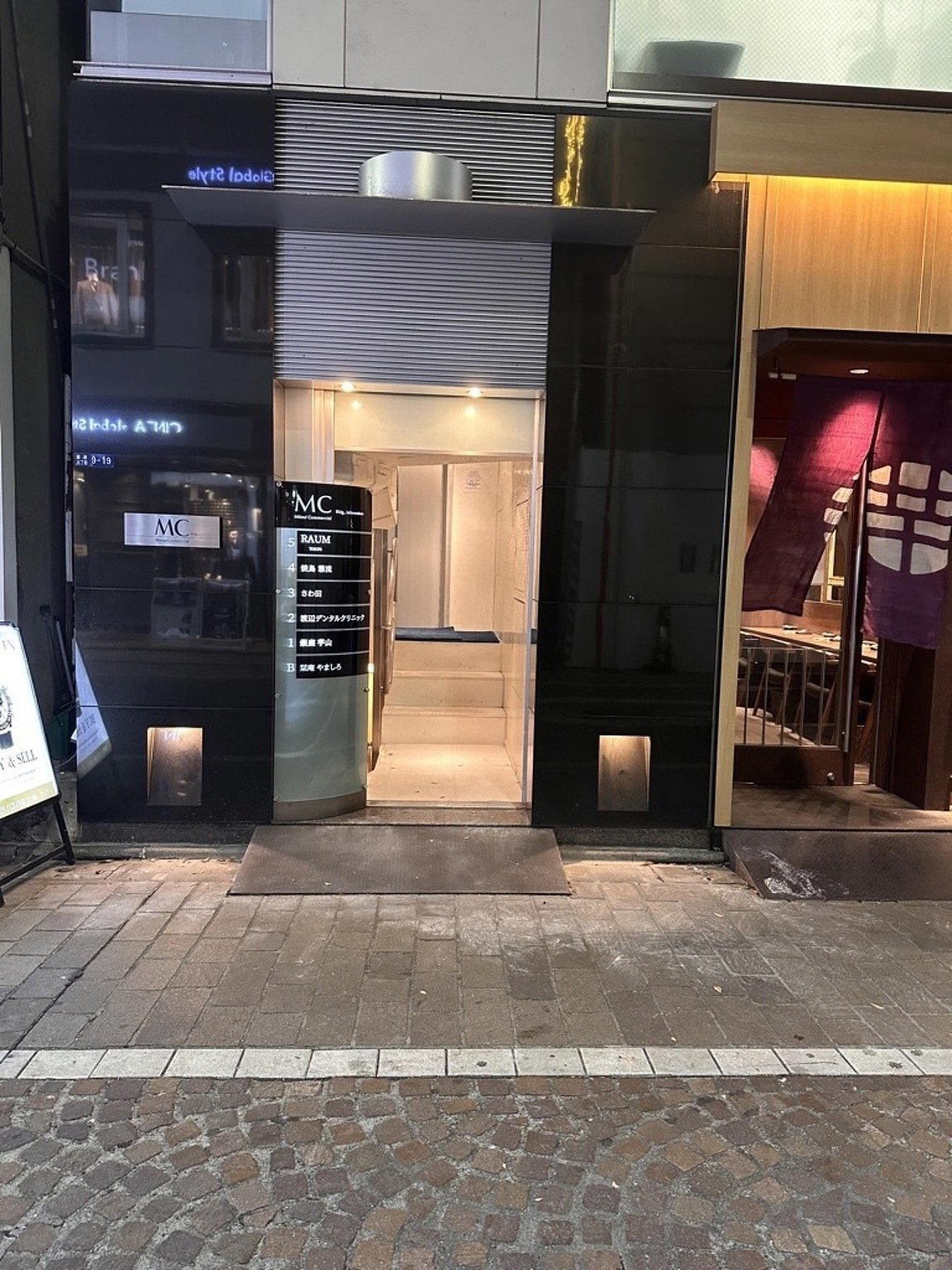
- Japan, 〒104-0061 Tokyo, Chuo City, Ginza, 5 Chome−4−6 ロイヤルクリスタル銀座 8F
- Phone
- +81335731129
- Website
- blt-steak-ginza.com
- Directions
- Get directions
 Saves & bookings on Pearl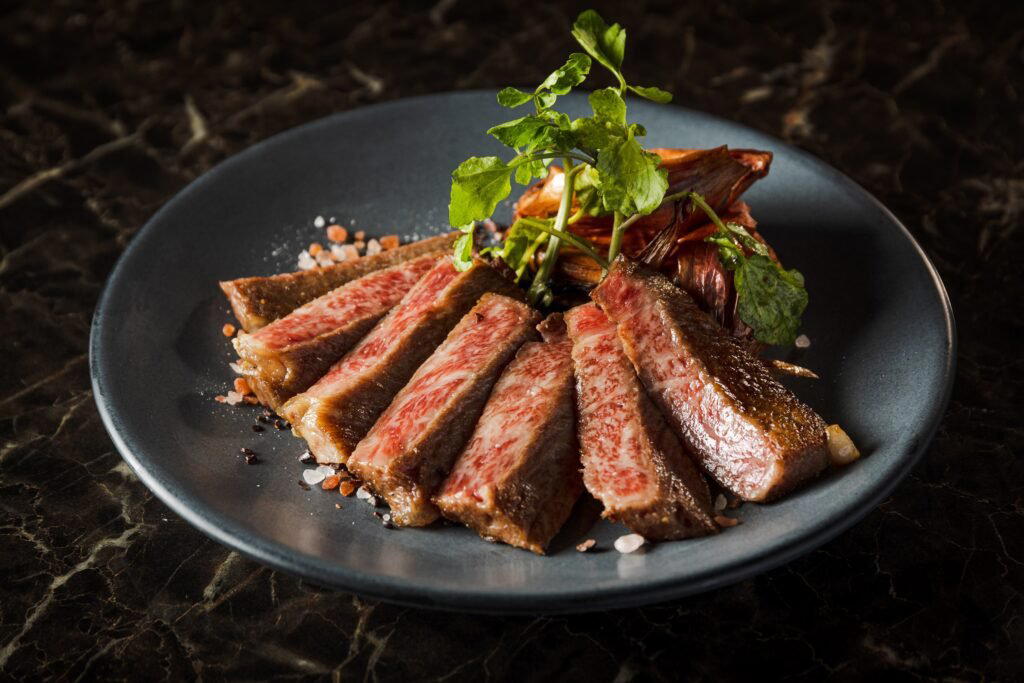
An American Steakhouse at Ginza Altitude
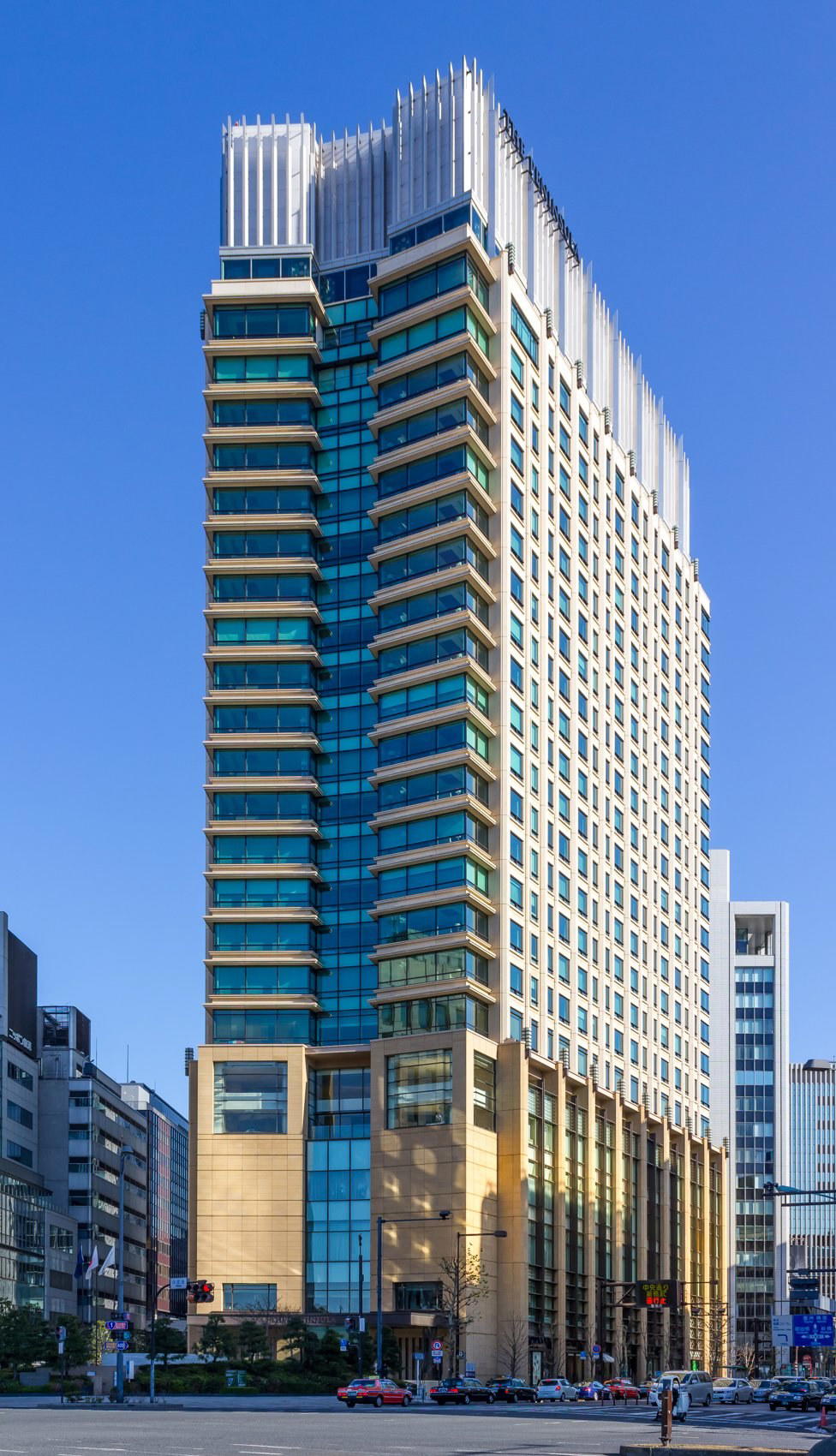
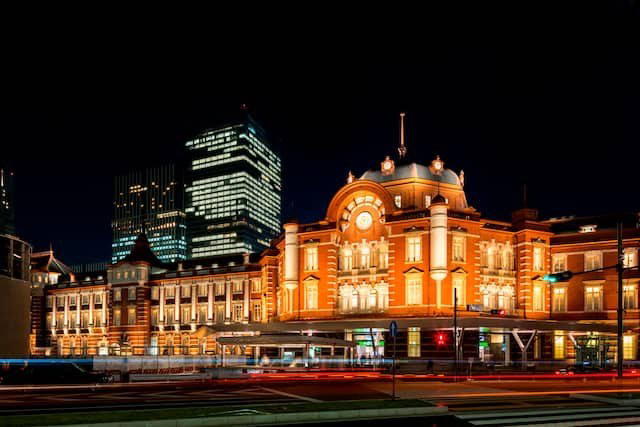
Ginza's eighth floors are rarely modest propositions. The district stacks its dining rooms upward the way other cities spread them outward, and arriving at BLT Steak on the eighth floor of the Royal Crystal Ginza building on 5-chome places you immediately inside that vertical logic. The room sits above one of Tokyo's most concentrated blocks of high-end retail, and the elevation gives the dining room a remove from the street-level foot traffic that defines Ginza's daytime rhythm. By evening, that separation reads differently: the neighbourhood quiets to a more deliberate pace, and a steakhouse format that might feel casual elsewhere takes on a different register here.
The BLT Steak name comes from the New York original, a format built around prime American beef, a structured appetiser-to-dessert sequence, and a service cadence borrowed more from a Manhattan chophouse than from Tokyo's dominant kaiseki or omakase traditions. That transatlantic positioning is meaningful in context. Ginza already has Harutaka for sushi at its most considered, RyuGin for kaiseki that pushes seasonal Japanese ingredients into technically demanding territory, and L'Effervescence and Sézanne representing the French side of Tokyo's fine dining conversation. BLT Steak is not competing in that register — it is offering something the neighbourhood's own culinary tradition does not naturally produce: the long, centrepiece-cut meal built around aged beef, sides designed for sharing, and a format that moves at a broader, more social pace.
How the Meal Moves
The steakhouse format has its own tasting logic, one that differs fundamentally from an omakase counter or a kaiseki progression. Where those formats move in small, sequenced increments — each course a discrete argument for a season or a technique, the steakhouse meal operates on a different architecture. It builds toward a centrepiece, holds there, and then tapers. Appetisers function as calibration: they orient the palate toward richness without front-loading it. A well-paced steakhouse opening course is about restraint in advance of abundance.
Middle of the meal, the beef itself, is where the format's editorial decisions land. Cut selection, temperature management, and resting time are the craft variables in play. The American prime beef tradition that BLT Steak works within prioritises marbling and dry-aged character over the leaner intensity of Japanese wagyu, and that distinction matters for how the meal reads: the flavour profile is broader and more forward, designed to be read with red wine rather than alongside light dashi-based preparations. In Tokyo's wider dining context, this places BLT Steak in a specific niche, it is the format for a dinner where the centrepiece is the point, not the sequence.
Side dishes in the American steakhouse tradition carry more weight than they might in other formats. They are not garnishes or palate-cleansers; they are co-protagonists. How a kitchen handles its starches, its sauces, and its vegetable accompaniments tells you as much about its confidence as the beef itself does. The final stage of the meal, dessert, digestifs, the long close, is where the social format of a steakhouse most clearly separates from Tokyo's precision omakase tradition, where endings tend to be clean and swift. A steakhouse dinner is designed to extend. That is part of its function.
Where This Sits in Tokyo's Dining Map
Tokyo's restaurant culture has absorbed international formats with a precision that often produces results more technically rigorous than the originals. The city's French restaurants, including Crony, which works an innovative French angle, have in many cases developed a discipline that outpaces comparable rooms in Paris. The same pattern has applied to Italian, to Spanish, to various other transplanted traditions. The steakhouse format is a harder case. It is less about precision technique and more about sourcing, heat management, and the social architecture of the room. BLT Steak's Ginza location brings that format into a neighbourhood where diners hold international dining experience at a high level, which sets the expectation bar accordingly.
Ginza as a dining district trends formal and considered. The neighbourhood draws an expense-account and occasion-dining crowd, with a secondary layer of international visitors who know the area's reputation and calibrate their expectations to it. A steakhouse in this postcode is not a casual option in the way that category might imply elsewhere. The room functions as an occasion venue, and the format, however transatlantic its DNA, adapts to that context.
For Tokyo visitors building a multi-day dining itinerary, the city's broader restaurant map extends well beyond Ginza. Our full Tokyo restaurants guide maps the major neighbourhoods and formats. Japan's dining depth also extends regionally: HAJIME in Osaka and Gion Sasaki in Kyoto represent the kaiseki and creative-French traditions at serious depth, while akordu in Nara, Goh in Fukuoka, Abon in Ashiya, affetto akita in Akita, Aji Arai in Oita, Ajidocoro in Yubari District, Akakichi in Imabari, and aki nagao in Sapporo illustrate how Japan's dining culture distributes across its geography. For those interested in how the American steakhouse format performs at its international reference points, Le Bernardin in New York City and Lazy Bear in San Francisco offer comparison within the US fine dining ecosystem.
Know Before You Go
- Address: Royal Crystal Ginza, 8F, 5-4-6 Ginza, Chuo City, Tokyo 104-0061
- Area: Ginza 5-chome, Central Tokyo
- Format: American steakhouse; à la carte with appetiser, mains, and sides structure
- Getting there: Ginza Station (Tokyo Metro Ginza, Hibiya, and Marunouchi lines) places you within a short walk of the Royal Crystal Ginza building
At-a-Glance Comparison
A quick peer check to anchor this venue’s price and recognition.
| Venue | Cuisine | Price | Awards |
|---|---|---|---|
| BLT STEAK GINZAThis venue — the venue you are viewing | Not listed | Not listed | Not listed |
| Harutaka | Sushi | ¥¥¥¥ | Michelin 3 Star |
| L'Effervescence | French | ¥¥¥¥ | Michelin 3 Star |
| RyuGin | Kaiseki, Japanese | ¥¥¥¥ | Michelin 3 Star |
| Crony | Innovative, French | ¥¥¥¥ | Michelin 2 Star |
| Den | Innovative, Japanese | ¥¥¥ | Michelin 2 Star |


At a Glance
- Elegant
- Sophisticated
- Modern
- Business Dinner
- Date Night
- Special Occasion
- Hotel Restaurant
- Extensive Wine List
- Street Scene
Current opening hours
- Monday
- 11:30 AM–3 PM, 5–10 PM
- Tuesday
- 11:30 AM–3 PM, 5–10 PM
- Wednesday
- 11:30 AM–3 PM, 5–10 PM
- Thursday
- 11:30 AM–3 PM, 5–10 PM
- Friday
- 11:30 AM–3 PM, 5–10 PM
- Saturday
- 11:30 AM–3 PM, 5–10 PM
- Sunday
- 11:30 AM–3 PM, 5–10 PM
Hours can change for holidays and private events. Last verified .
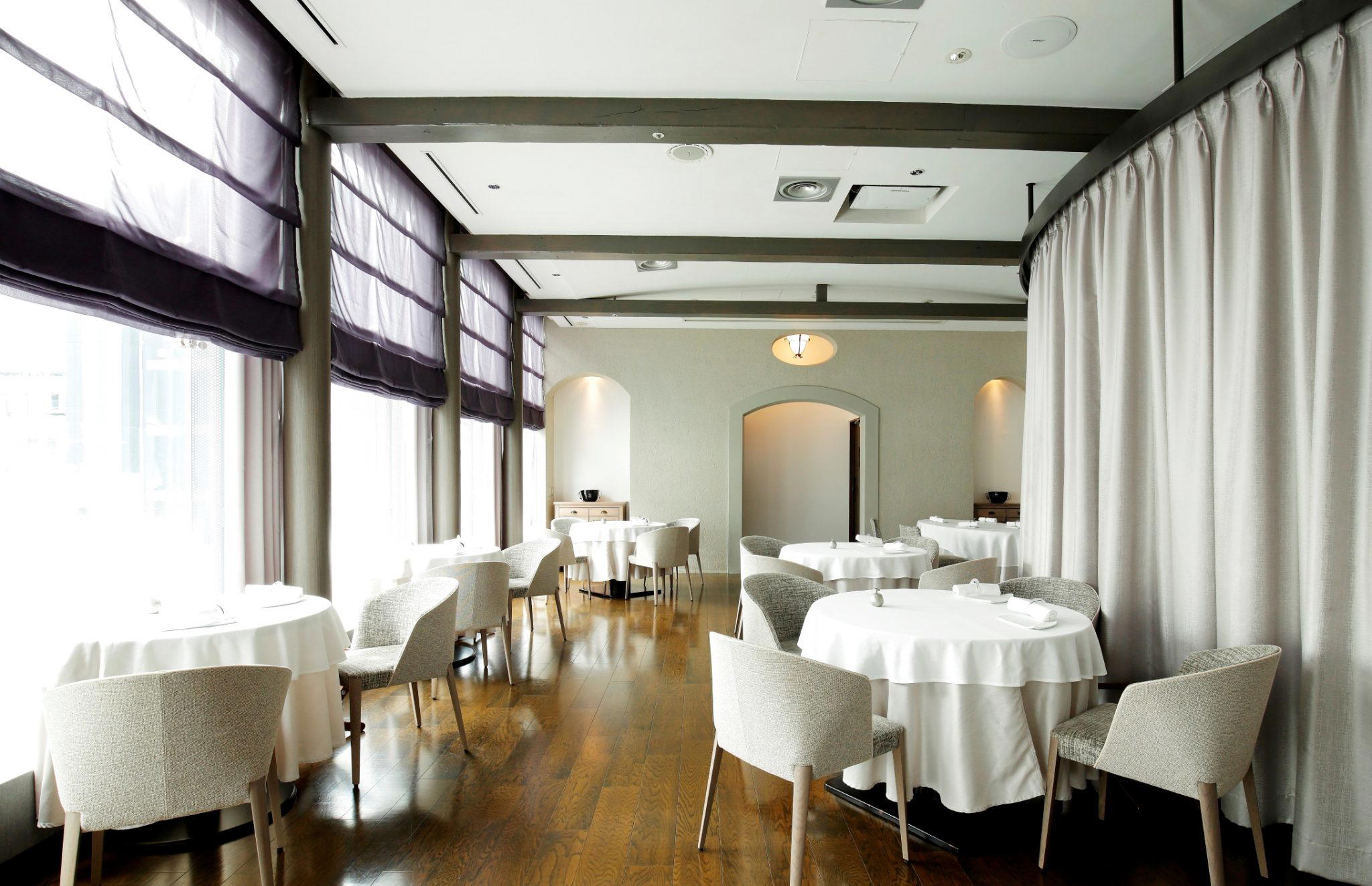
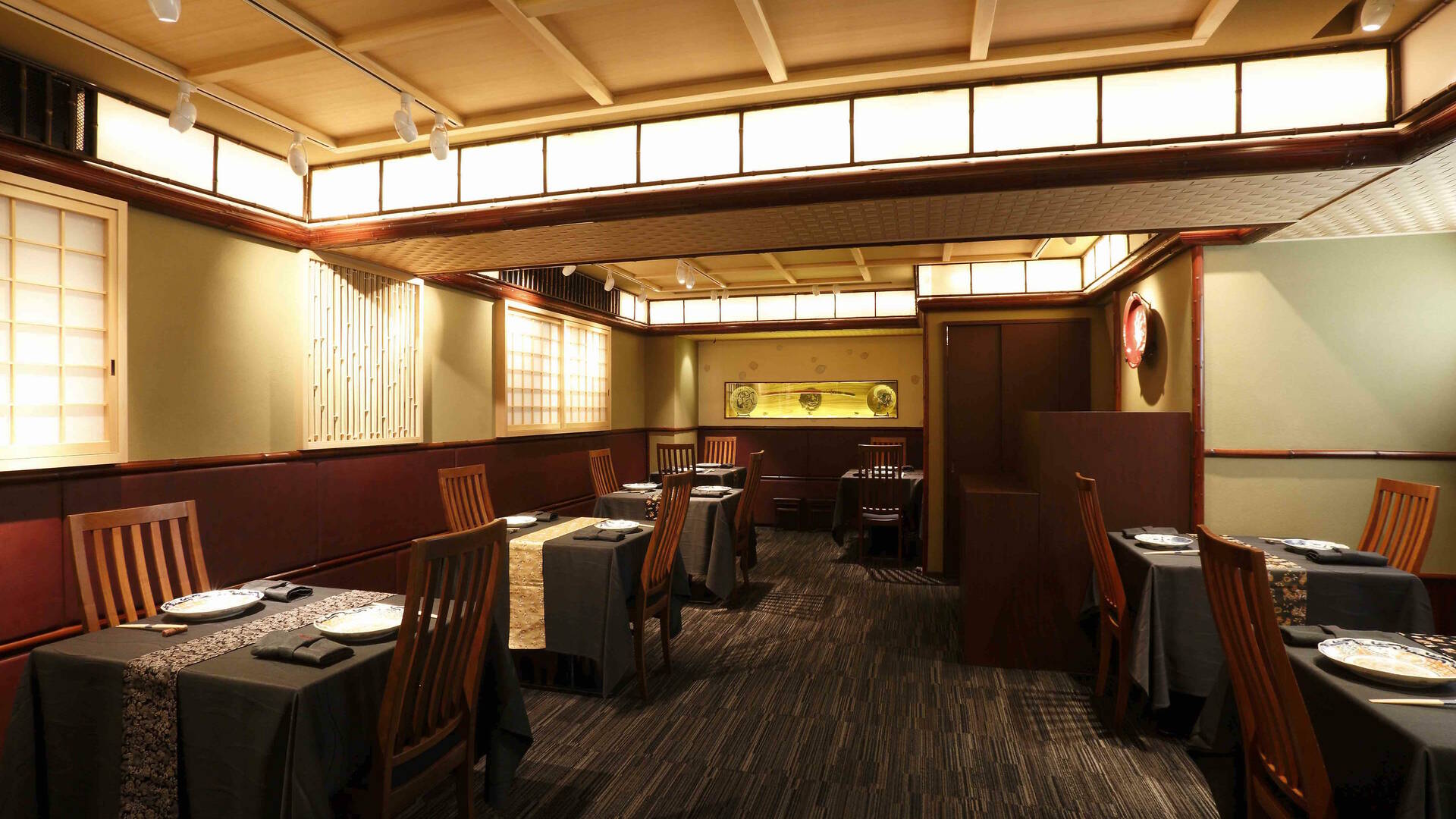
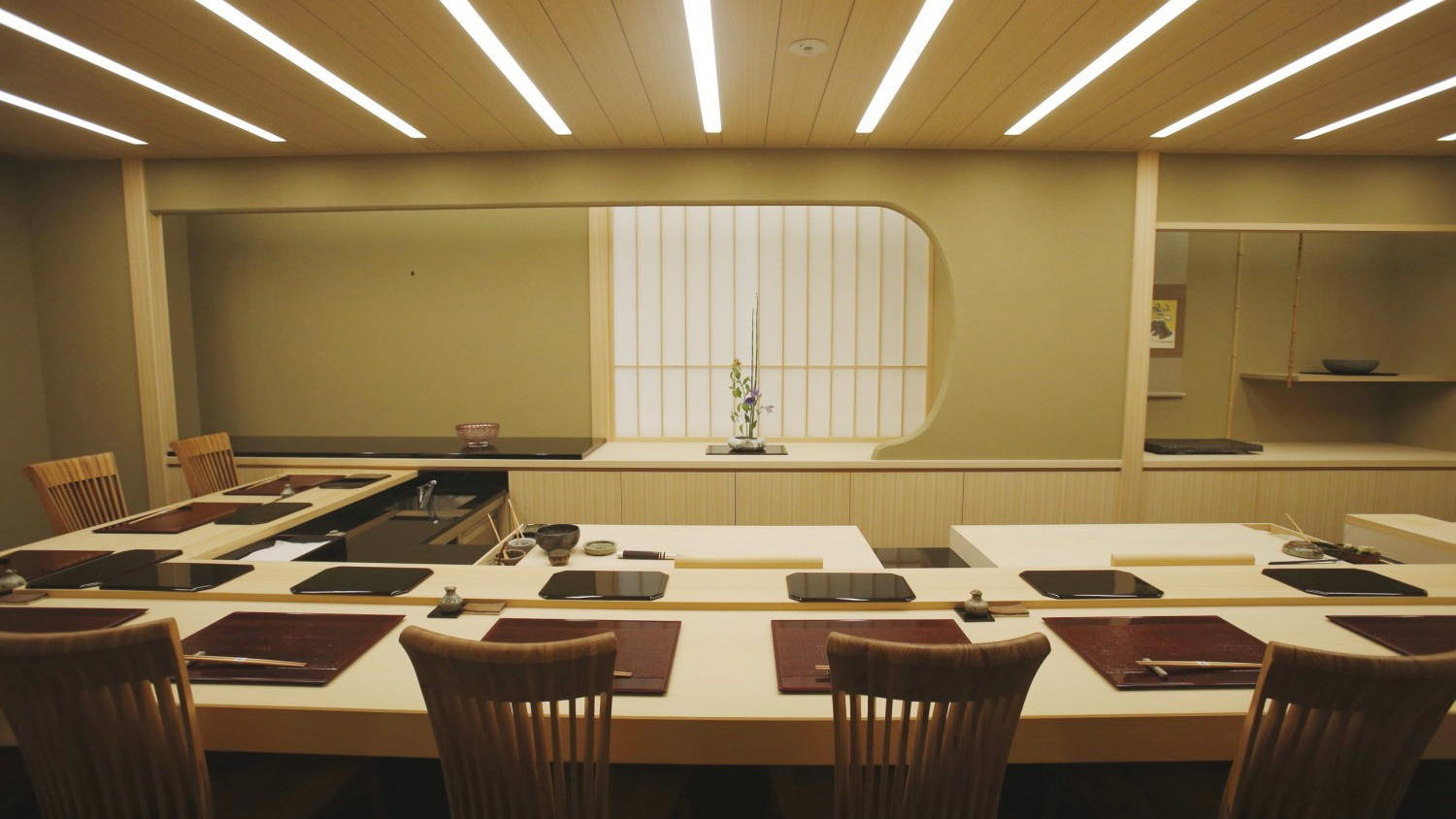
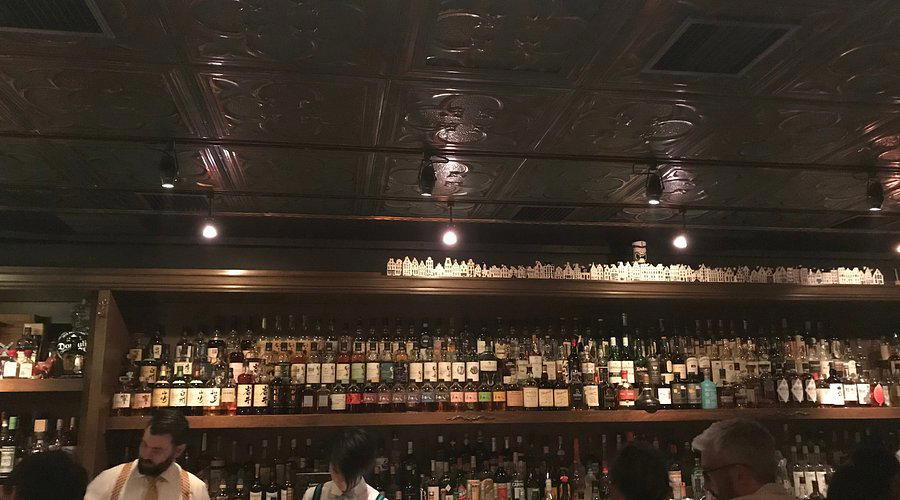
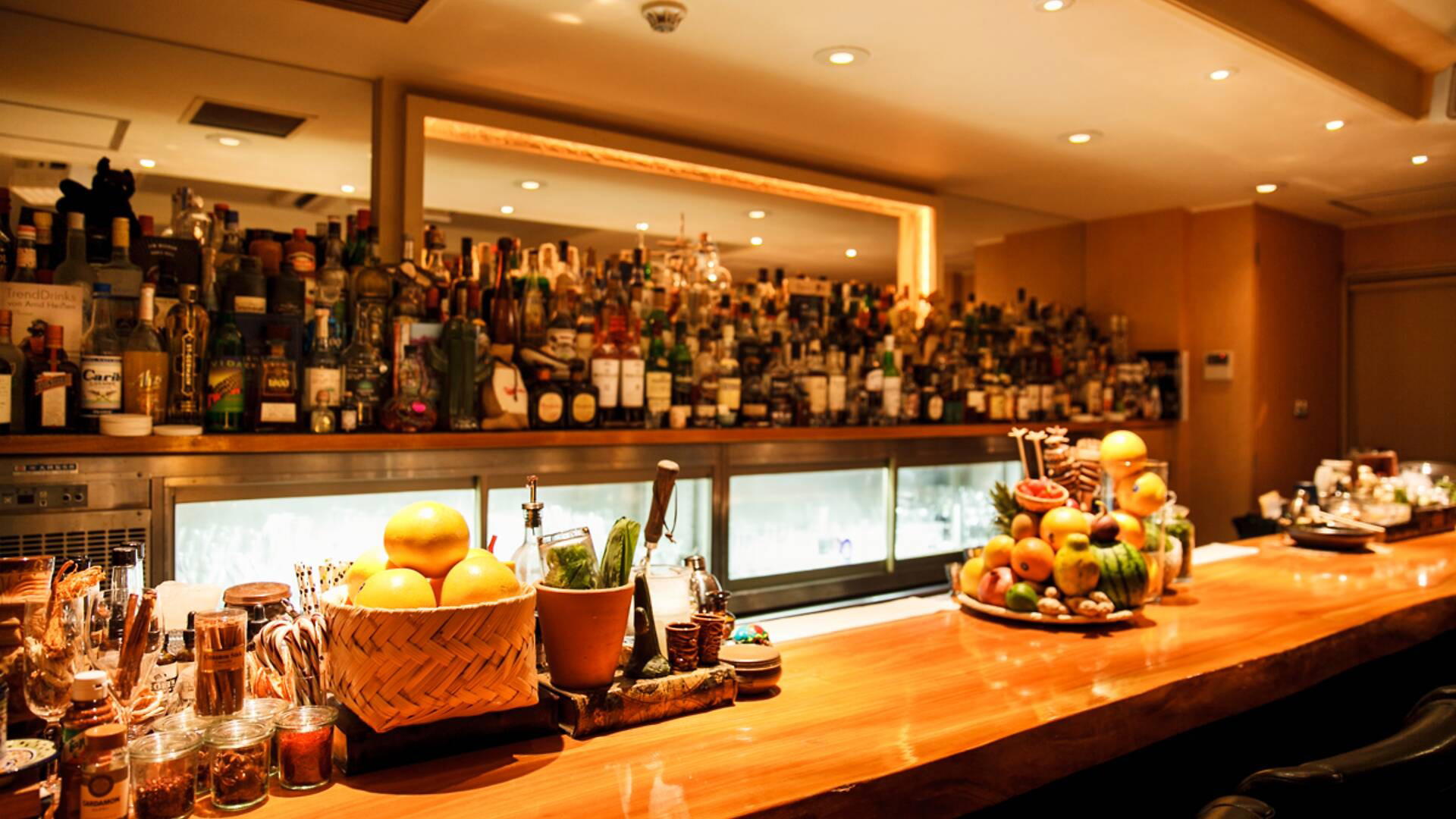
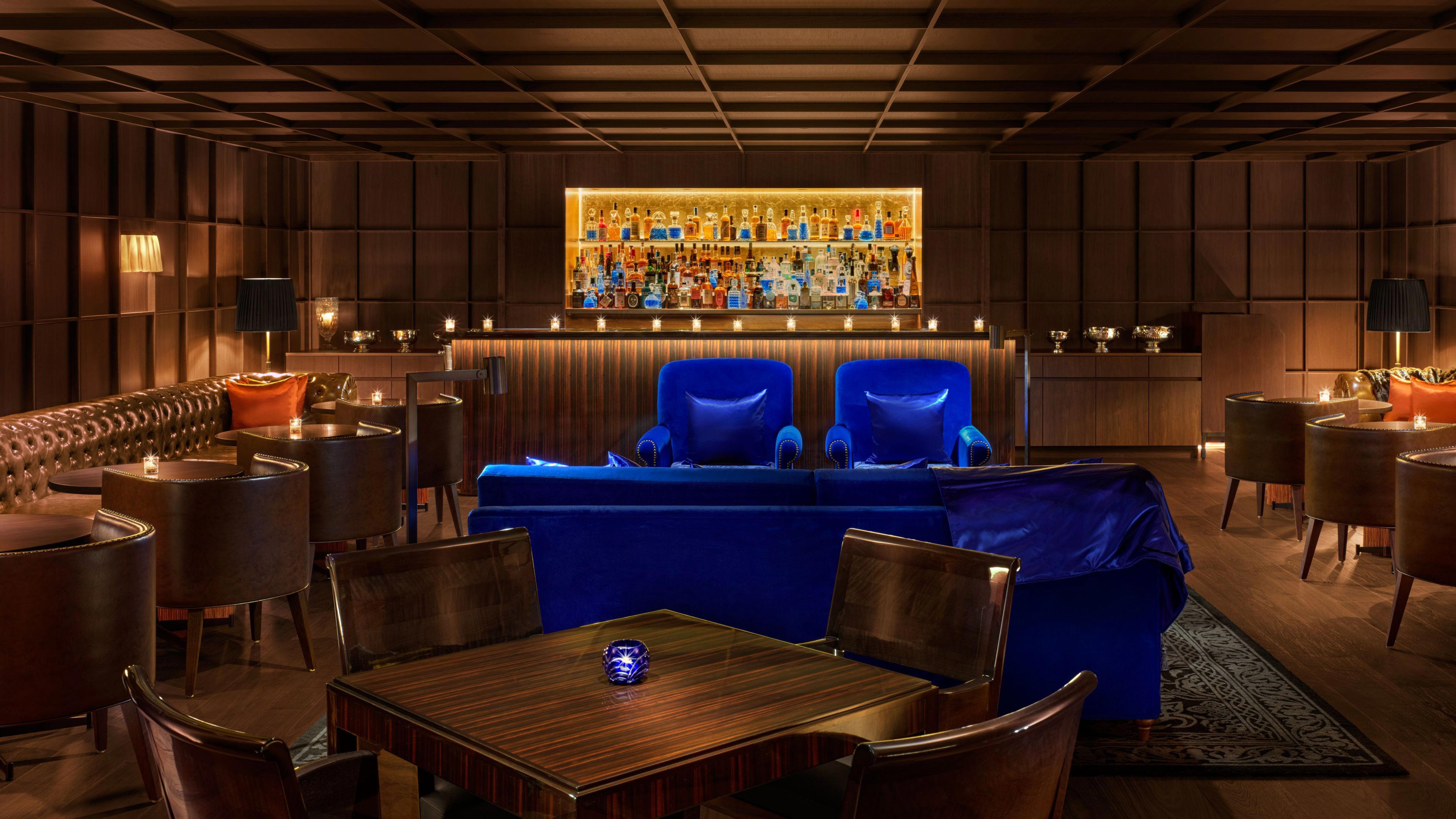
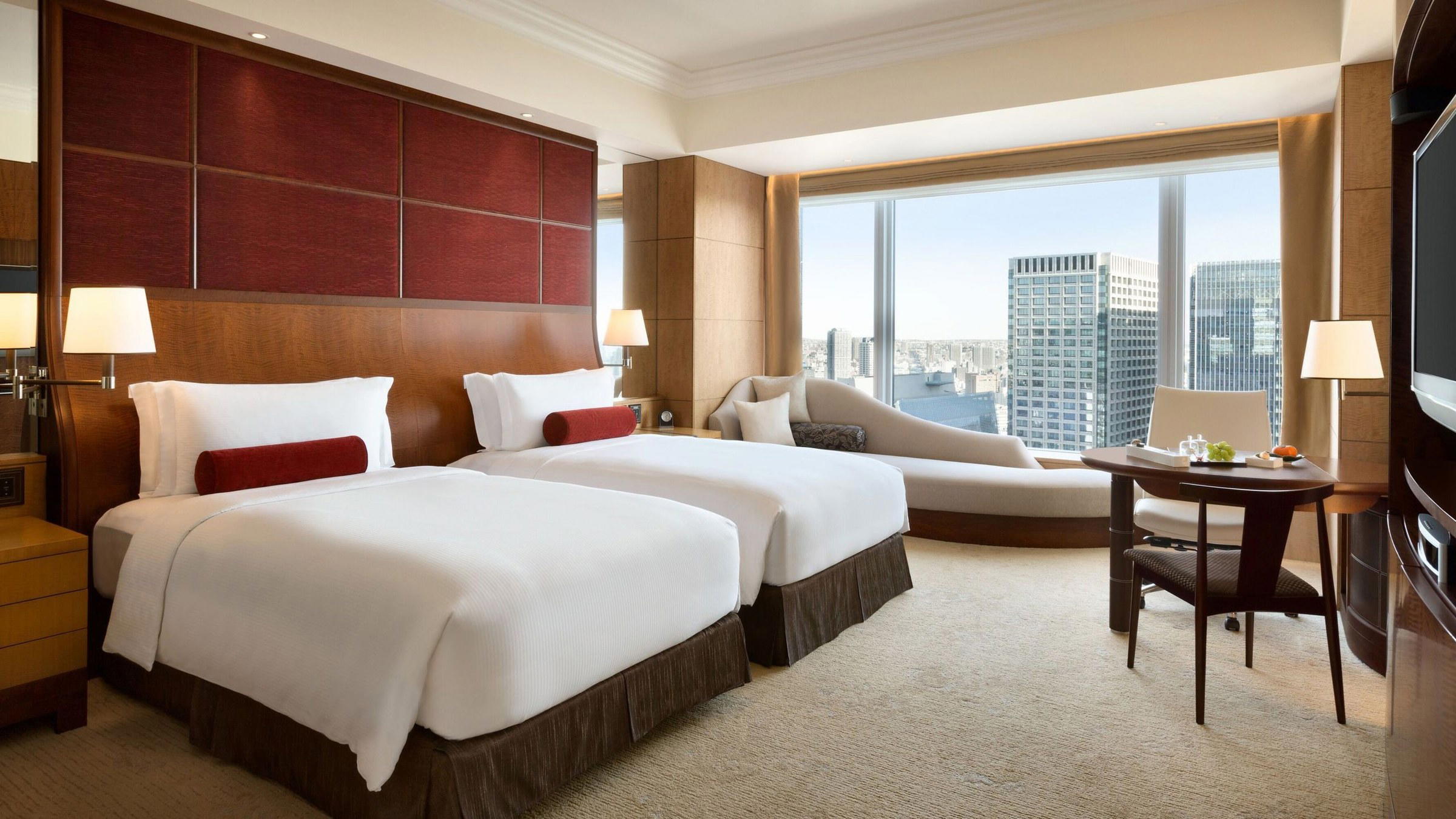
Stylish, relaxing space with spacious seating, couple seating, and sofa seating overlooking a Ginza side street, described as elegant yet sometimes cold.
Know Before You Go
- Getting there
- Japan, 〒104-0061 Tokyo, Chuo City, Ginza, 5 Chome−4−6 ロイヤルクリスタル銀座 8F