Blaue Ziege
Blaue Ziege occupies Rathausplatz 2 in Petersberg, a small Hessian town where the dining scene rewards those willing to look beyond the urban pull of nearby Fulda. The address places it at the civic heart of the community, and the name, Blue Goat, signals something local and grounded rather than internationally ambitious. Whether the kitchen delivers on that promise depends on what you find when you arrive.
Pearl is the En Primeur Club membership app — saves, bookings, and concierge access live there. Same editors, same standards.
- Address
- Rathausplatz 2, 36100 Petersberg, Germany
- Phone
- +4966186206530
- Website
- blaue-ziege.de
- Directions
- Get directions
 Saves & bookings on Pearl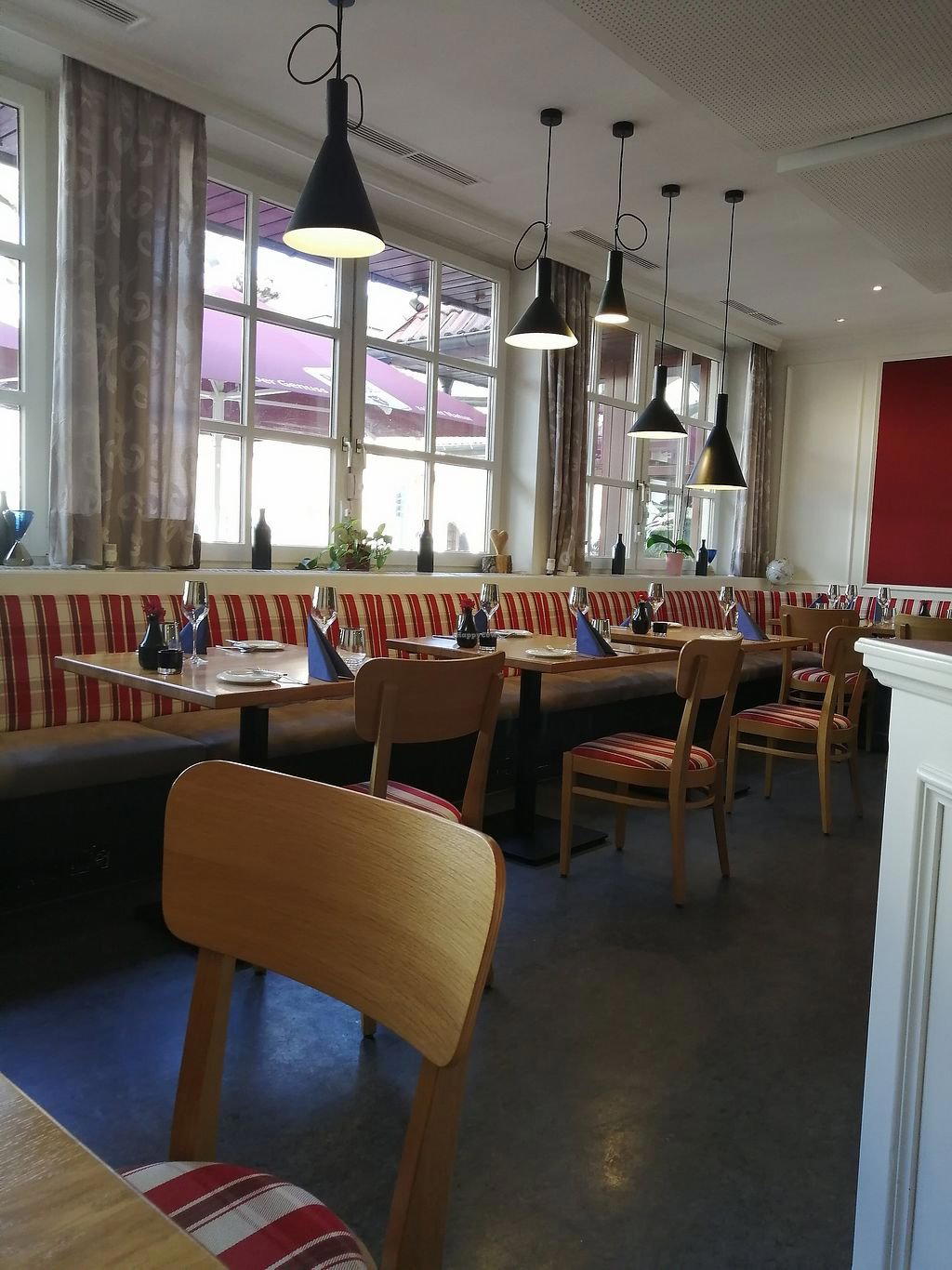
At the Centre of a Small Hessian Town
Petersberg sits on a basalt hill above the Fulda valley, a compact community whose Rathausplatz functions as the gravitational centre of local life. Addresses on a town square in central Germany carry a particular kind of weight: they place a business in direct relationship with the market tradition, the civic routine, and the foot traffic of residents rather than visitors. Rathausplatz 2 is where Blaue Ziege operates, and that positioning tells you something before you've read a menu. This is not a destination restaurant designed to pull diners off a motorway. It is, in the German tradition of the Gasthaus, a place rooted in its immediate surroundings.
The Logic of Local Sourcing in Central Germany
The editorial angle that matters most when writing about a restaurant at this address, in this region, is ingredient provenance. Central Hesse sits within reach of some of Germany's more underappreciated agricultural terrain: the Rhön highlands to the northeast produce lamb and dairy on a scale that rarely reaches urban menus, the Vogelsberg plateau supplies game, and the river valleys around Fulda have long histories of market gardening. A restaurant on a market square in this part of Germany has access, in principle, to a sourcing geography that larger city kitchens would pay a premium to replicate.
That regional sourcing logic runs through Germany's serious mid-tier dining sector. At the leading end, houses like Schwarzwaldstube in Baiersbronn and Vendôme in Bergisch Gladbach have made provenance central to their identity, with the kitchen's relationship to local producers functioning as a competitive signal alongside the cooking technique itself. At the more creative end, Aqua in Wolfsburg demonstrates how a non-metropolitan location can actually sharpen a kitchen's sourcing focus rather than constrain it. The question for a restaurant like Blaue Ziege is whether proximity to this kind of agricultural richness translates into deliberate practice or simply into habit.
What the Name Suggests
Restaurant names in Germany sometimes carry more meaning than marketing teams intend. The blue goat, Blaue Ziege, has folk-art resonances. The goat is a working animal of the smallholder tradition, associated with upland farming, cheese production, and the kind of rural self-sufficiency that predates industrialised food supply. The colour blue in German folk tradition often signals something slightly otherworldly or set apart. Whether the kitchen engages with this iconography deliberately or not, the name orients a visitor toward a certain expectation: something local, a little idiosyncratic, and not trying to be anywhere else.
That orientation places the restaurant in a different competitive conversation from Germany's metropolitan creative dining scene. CODA Dessert Dining in Berlin and JAN in Munich operate in cities where the dining audience is international and the comparable set is global. A Rathausplatz address in Petersberg implies a different kind of accountability: to regulars, to seasonal rhythm, to the community calendar rather than the awards circuit. That is not a lesser ambition, it is a different one, and it produces different food.
The Broader German Regional Restaurant Tradition
Germany's most interesting dining is not always in its three-star tier. The country has a deep tradition of serious regional cooking that operates below the radar of international food media: wine-country restaurants in the Mosel and Palatinate, forest hotel dining rooms in Baden-Württemberg, small-town addresses in Hesse and Thuringia that maintain a rigorous relationship with local producers across decades rather than seasons. Waldhotel Sonnora in Dreis and Schanz in Piesport represent the wine-country end of this tradition, where the cellar and the kitchen are in direct conversation with the surrounding agricultural identity. ES:SENZ in Grassau demonstrates how Alpine-adjacent sourcing can anchor a kitchen's creative direction.
Restaurants that occupy civic spaces, market squares, town-centre addresses, former post-house buildings, often carry an additional layer of this tradition. They serve as social anchors in communities where the restaurant is one of few public spaces for gathering. That social function shapes the menu in ways that purely destination-driven kitchens don't experience: the need to satisfy a range of occasions, to maintain a wine list that works for a Tuesday evening with neighbours and a Saturday celebration in equal measure.
Visiting Petersberg: What to Expect
Petersberg is a short drive from Fulda, which connects to Frankfurt via a fast rail corridor. Visitors using public transport from Frankfurt Hauptbahnhof can reach Fulda in under an hour by ICE, then need local transport to cover the remaining distance to Petersberg itself. The town's elevation gives it views across the Fulda valley that change character across the year, and the historic Benedictine collegiate church on the hilltop is worth the walk before or after a meal. Comparable regional dining experiences in the broader area, for those building a multi-day Hessian and Rhenish itinerary, include Bagatelle in Trier, L.A. Jordan in Deidesheim, and GästeHaus Klaus Erfort in Saarbrücken, each of which represents a different register of the German regional tradition.
For those whose travel extends further, Restaurant Haerlin in Hamburg, Jante in Hanover, and Ösch Noir in Donaueschingen offer useful reference points for what the German dining scene looks like across different cities and price brackets. At the international reference level, Le Bernardin in New York City and Lazy Bear in San Francisco demonstrate how provenance-driven cooking translates across entirely different culinary cultures. Victor's Fine Dining by Christian Bau in Perl remains one of the strongest arguments in Germany's favour when that international comparison is made directly.
Planning Your Visit
Side-by-Side Snapshot
Comparable venues nearby, for context on price, style, and recognition.
| Venue | Cuisine | Price | Notes |
|---|---|---|---|
| Blaue ZiegeThis venue — the venue you are viewing | Regional German with Seasonal Fusion | $$$ | Not listed |
| Allgaiers Restaurant | French-inspired German | $$$ | Goethehaus |
| Marstall Festzelt | Traditional Bavarian Oktoberfest | $$ | Theresienwiese |
| Gaststuben Gothisches Haus | Harz Regional German Cuisine | $$$ | Marktplatz |
| Brückenbaron | Modern Franconian with Seasonal Fine Dining | $$$ | Sonderhofen, Lower Franconia |
| EDER´s in Simons Weingasthof | Modern German Fine Dining | $$$ | Alzenau-Michelbach |
Continue exploring
More in Petersberg
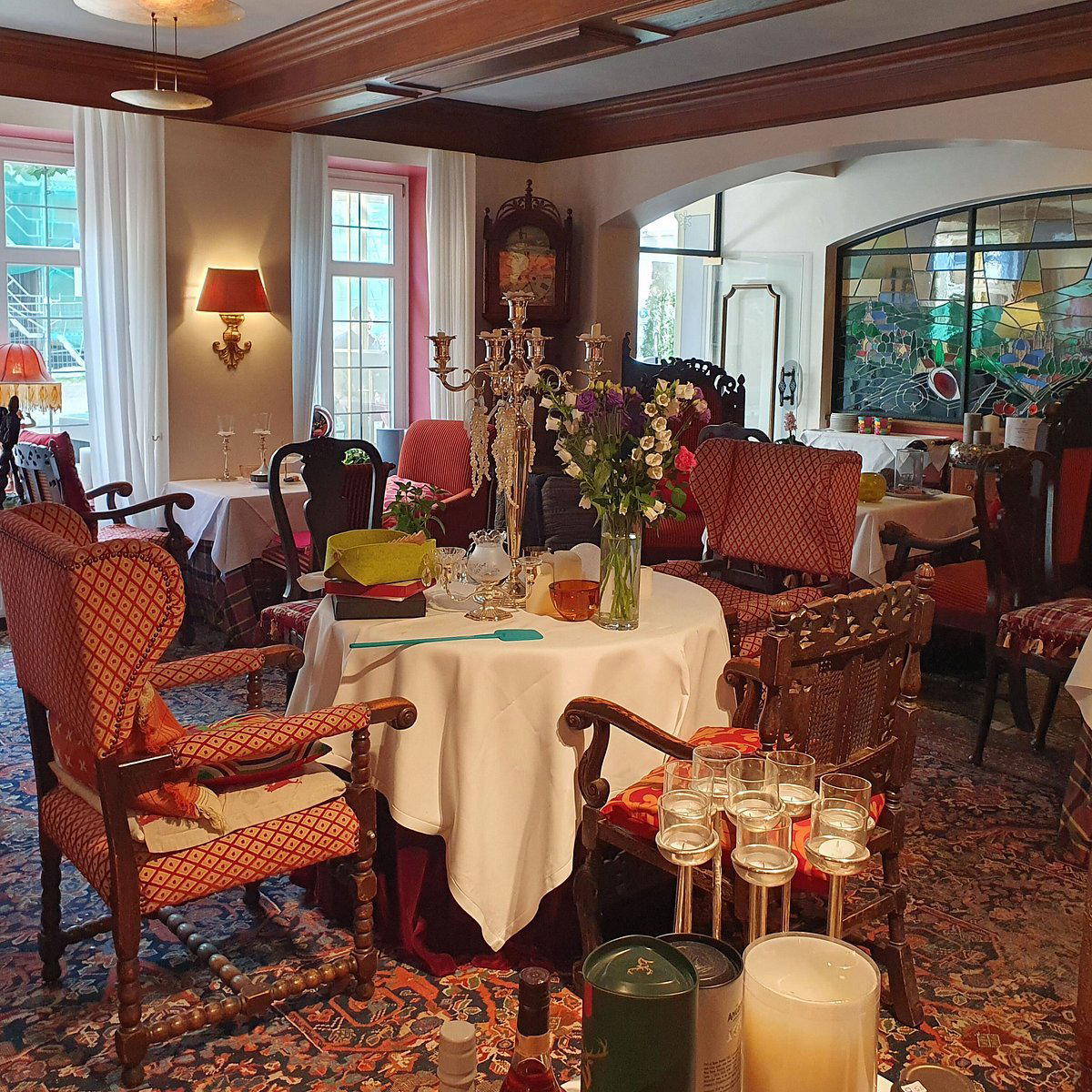
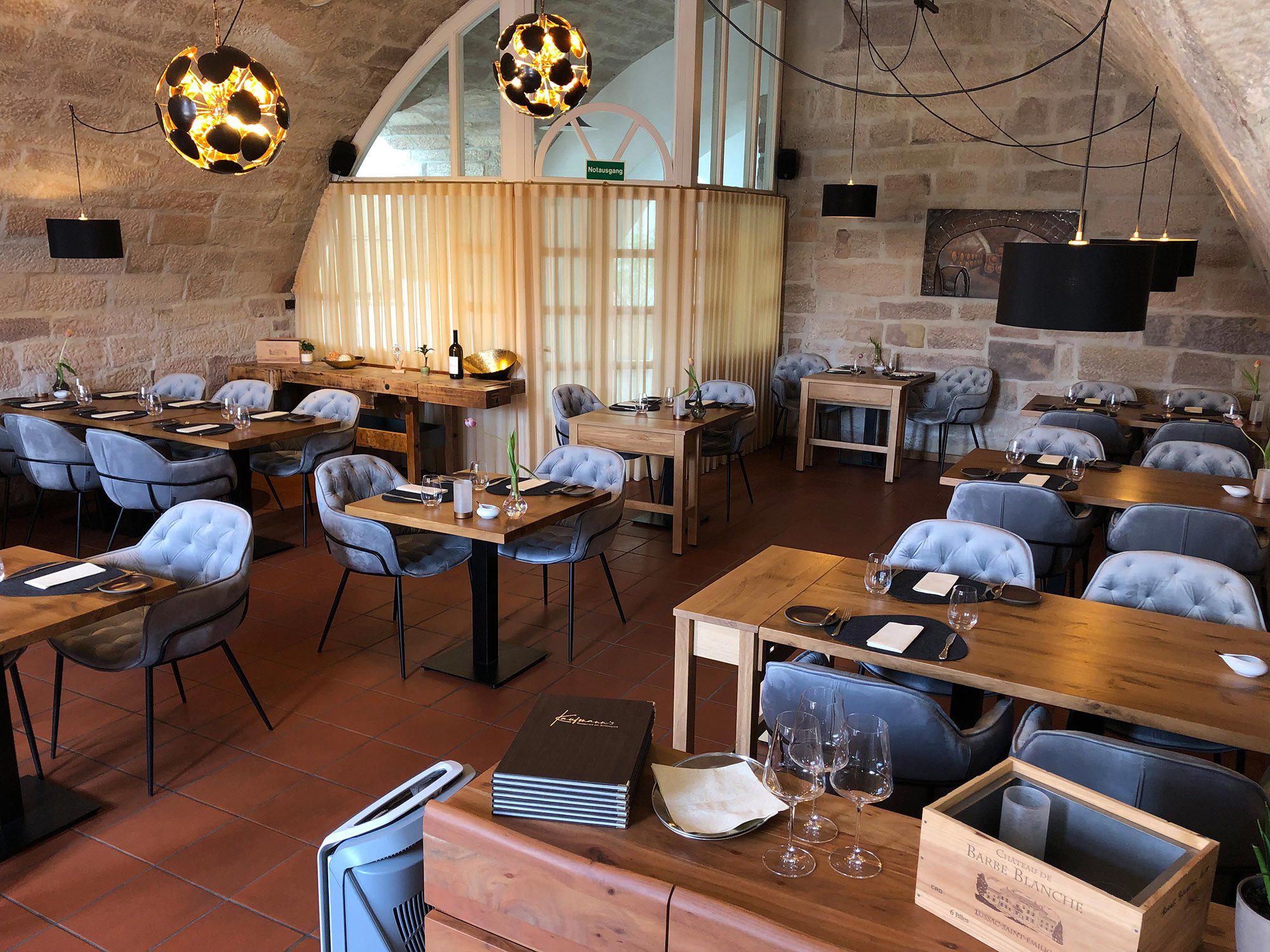
At a Glance
- Elegant
- Classic
- Sophisticated
- Cozy
- Date Night
- Business Dinner
- Special Occasion
- Standalone
- Farm To Table
- Local Sourcing
- Sustainable
Current opening hours
- Monday
- 11:30 AM–2 PM
- Tuesday
- 11:30 AM–2 PM, 6–11 PM
- Wednesday
- 11:30 AM–2 PM, 6–11 PM
- Thursday
- 11:30 AM–2 PM, 6–11 PM
- Friday
- 11:30 AM–2 PM, 6–11 PM
- Saturday
- 6–11 PM
- Sunday
- Closed
Hours can change for holidays and private events. Last verified .
Elegant and refined atmosphere with generous portions and friendly service in a charming setting.