
Michelin Plate
Our verdict
A Michelin Plate recipient on Pfandhausstraße, 1906 represents Fulda's contemporary dining tier with a kitchen that draws on regional Central Hessian produce within a modern European framework.

Pearl is the En Primeur Club membership app — saves, bookings, and concierge access live there. Same editors, same standards.
- Address
- Pfandhausstraße 4, 36037 Fulda, Germany
- Phone
- +49 661 49987422
- Hours
- Mon–Tue ClosedWed–Sun 5:30–11 PM
- Website
- 1906-restaurant.de
- Directions
- Get directions
- Booking
- Book on the venue's website
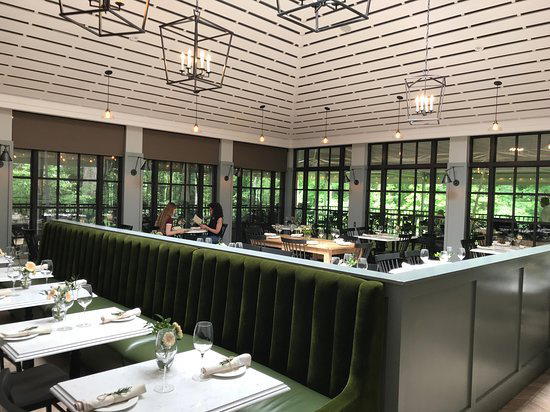
Contemporary Cooking in a City That Earns Closer Attention
Fulda does not typically appear in the opening paragraphs of German fine-dining conversations. The cathedral city in Central Hesse occupies a quiet position between Frankfurt and Kassel, better known for Baroque architecture and the pilgrimage heritage of St. Boniface than for its restaurant scene. The Michelin Plate, introduced as a formal designation to mark restaurants where inspectors eat well, signals that the kitchen at 1906 is cooking at a level that the guide's inspectors consider worth flagging — not yet in the star tier occupied by venues like Aqua in Wolfsburg or Schwarzwaldstube in Baiersbronn, but a clear step above the general mid-market. In a city of Fulda's size, that distinction carries more weight than it might in Berlin or Munich. Approaching the restaurant, the built environment is characteristically Central Hessian — sandstone and plaster facades, streets scaled for pedestrians rather than traffic. The name 1906 anchors the space to a specific moment in the building or neighbourhood's history, a choice common among European restaurants that want to signal continuity with a place rather than novelty for its own sake. That framing matters for what follows at the table: the cooking belongs to a contemporary European idiom, but the setting encourages an attention to origin that contemporary restaurants elsewhere sometimes abandon in favour of a more rootless internationalism. The Rhön uplands to the northeast, designated a UNESCO Biosphere Reserve, produce lamb, beef, and wild herbs under conditions that favour flavour over yield. The Vogelsberg plateau to the southwest contributes dairy and grain. Rivers running through the region supply freshwater fish that rarely appear on menus outside the immediate area. A contemporary kitchen in Fulda working with serious intent has access to a sourcing range that kitchens in Frankfurt, an hour to the southwest, have to work harder to reach. The Michelin Plate recognition at €€€ pricing suggests the kitchen at 1906 is not operating as a direct brasserie but making deliberate decisions about what ends up on the plate, and in Central Hesse, the most interesting of those decisions tend to be regional ones. Restaurants operating at the Michelin Plate and lower-star level outside major urban centres often demonstrate stronger regional sourcing coherence than their star-heavy urban counterparts, precisely because proximity to producers is a practical advantage rather than a marketing statement. The comparison set for 1906 in this respect is less JAN in Munich or Christian & Friends, Tastekitchen, which brings a modern cuisine approach to the city's upper tier. Below them, establishments like Goldener Karpfen hold the international mid-market.
The €€€ price tier places 1906 in meaningful territory.enprimeurclub.com/restaurants/vendme-bergisch-gladbach-restaurant">Vendôme in Bergisch Gladbach or ES:SENZ in Grassau. For a visitor arriving from Frankfurt or further afield, that pricing represents reasonable value for Michelin-recognised contemporary cooking in a setting that carries genuine architectural character. At its most considered, it describes cooking that takes European technique as a base while drawing on global flavour logic and prioritising produce quality over formula. The most interesting practitioners in this tier, from CODA Dessert Dining in Berlin to Schanz in Piesport, each define the category differently. What holds them together is a deliberate relationship between kitchen intent and sourcing decision. In Fulda, where the supply of interesting regional produce is genuine rather than constructed, that relationship has natural conditions to work with. The designation on 1906's Michelin listing signals that the kitchen has found a coherent approach within that broad category rather than simply applying a contemporary aesthetic to conventional cooking.enprimeurclub.com/restaurants/csar-new-york-city-restaurant">César in New York City and Jungsik in Seoul represent how contemporary cuisine operates in major metropolitan contexts. 1906 operates at a different scale, but the editorial logic of the Michelin Plate is consistent across geographies: it marks a kitchen worth seeking out. The €€€ price point means an evening here should be treated as a dinner destination rather than a passing stop: budget accordingly for a full-table experience. Fulda is on the ICE rail network between Frankfurt and Kassel, with a journey time of roughly 50 minutes from Frankfurt Hauptbahnhof, making it a viable day trip or weekend destination from the Rhine-Main region. For those building a longer stay, the Fulda hotels guide maps the accommodation options, while the bars guide covers the city's drinking scene for before or after dinner. The full Fulda restaurants guide places 1906 in the context of the complete dining picture, alongside the wineries and experiences guides for those planning a fuller itinerary. Booking ahead is advisable for weekend evenings given the limited capacity typical of restaurants operating at this tier in smaller German cities.
What Should I Order at 1906?
The kitchen's Michelin Plate recognition in the 2025 guide and its contemporary cuisine designation point toward a menu that changes with available produce rather than anchoring to fixed signature dishes. Given Central Hesse's strongest seasonal assets, Rhön lamb in spring and summer, game from the Vogelsberg and surrounding forests in autumn, and freshwater fish year-round, dishes built around those regional materials are likely to reflect the kitchen at its most considered. At the €€€ level, a multi-course format is the logical choice if available, as it gives the kitchen room to demonstrate range and gives the diner the fullest picture of what the sourcing strategy actually produces on the plate. The Christian & Friends, Tastekitchen offers an alternative contemporary reference point in the same city for those planning a two-meal stay.
Frequently asked questions
What should I budget for a meal at 1906?
Pricing at 1906 is listed as €€€.
What awards or recognition does 1906 have?
1906 has received recognition including: Michelin Plate (2025).
What should I order at 1906?
1906 holds a Michelin Plate in the 2025 guide under a contemporary cuisine designation, which in practice signals a kitchen oriented toward seasonal and market-driven menus rather than a fixed repertoire. Dishes are likely to shift with available produce from the surrounding Central Hesse region, including the Rhön uplands to the northeast. The €€€ price point places 1906 at Fulda's upper tier, so the full menu or tasting sequence represents the clearest way to read the kitchen's current direction rather than ordering selectively à la carte.
Quick Comparison
Comparable venues nearby, for context on price, style, and recognition.
| Venue | Cuisine | Price | Awards | Notes |
|---|---|---|---|---|
| 1906This venue — the venue you are viewing | Modern German Fine Dining | Not listed | Michelin Plate | Not listed |
| Hotel-Restaurant Bachmühle | Traditional German Grill & European Cuisine | $50–100 | Not listed | Künzeller Str. |
| Goldener Karpfen | Refined Seasonal German with International Influences | Not listed | Michelin Plate | Fulda center |
| Christian & Freunde | Modern European Fine Dining | $100–150 | 1 Michelin Star | old town |
| Christian & Friends, Tastekitchen | Modern European Fine Dining | $100–150 | 1 Michelin Star | old town |
| Beckers | Modern German Wine Bar | $30–50 | Michelin Plate | Oststadt |
Recognition history
Dated appearances from independent guides and award organizations, with the underlying list record or original source where available.
Michelin Plate
Michelin · 2026 Michelin Plate
Full recognition history (2 entries)
Michelin Plate
Michelin
Continue exploring
More in Fulda
Restaurants in Fulda
Browse all →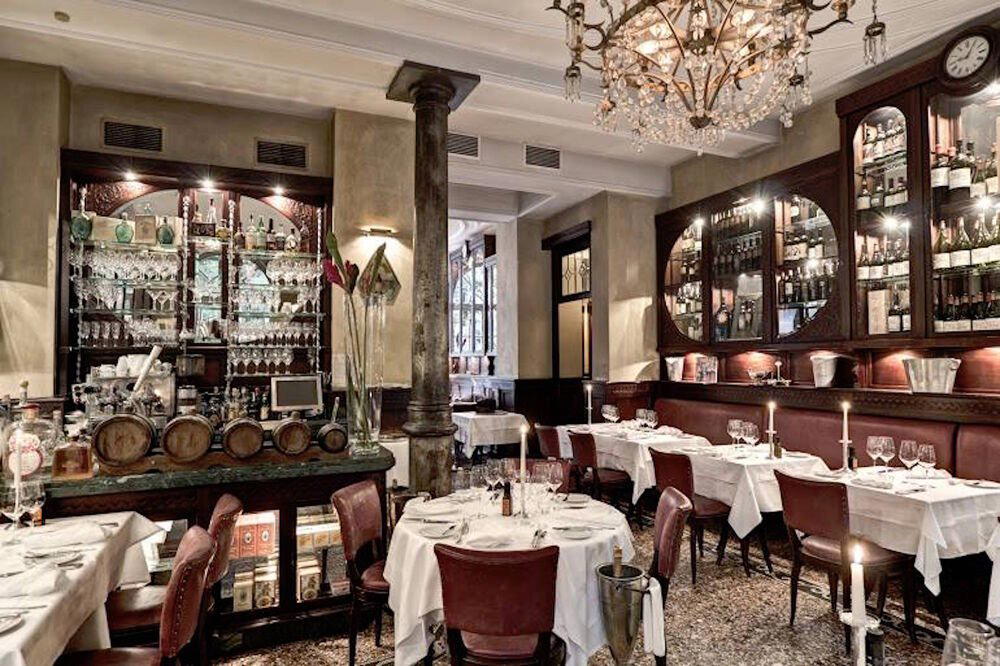

Details
- Modern
- Elegant
- Intimate
- Sophisticated
- Date Night
- Special Occasion
- Open Kitchen
- Historic Building
- Extensive Wine List
- Local Sourcing
- Set Menu
- A La Carte
Current opening hours
- Monday
- Closed
- Tuesday
- Closed
- Wednesday
- 5:30–11 PM
- Thursday
- 5:30–11 PM
- Friday
- 5:30–11 PM
- Saturday
- 5:30–11 PM
- Sunday
- 5:30–11 PM
Hours can change for holidays and private events. Last verified .
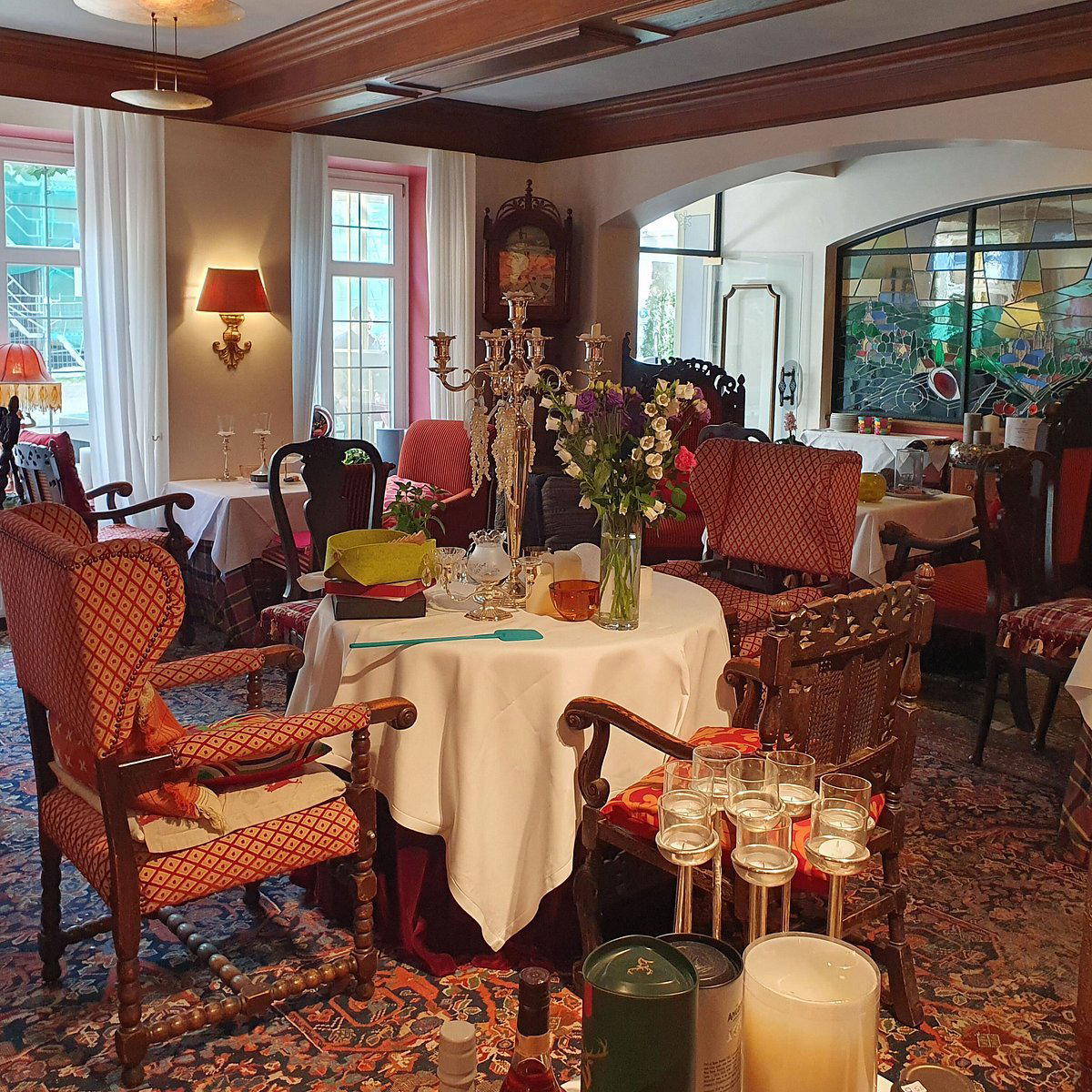
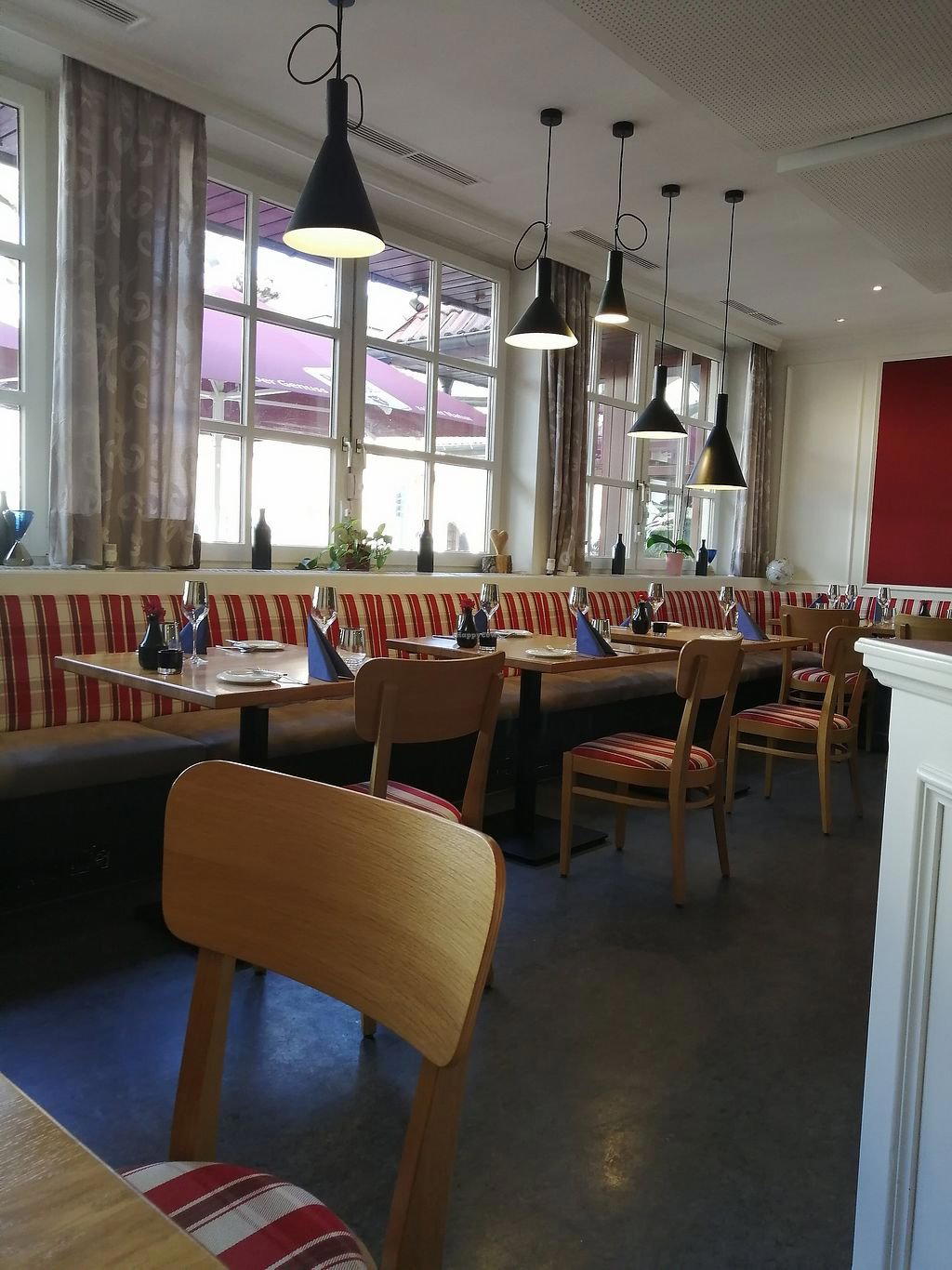
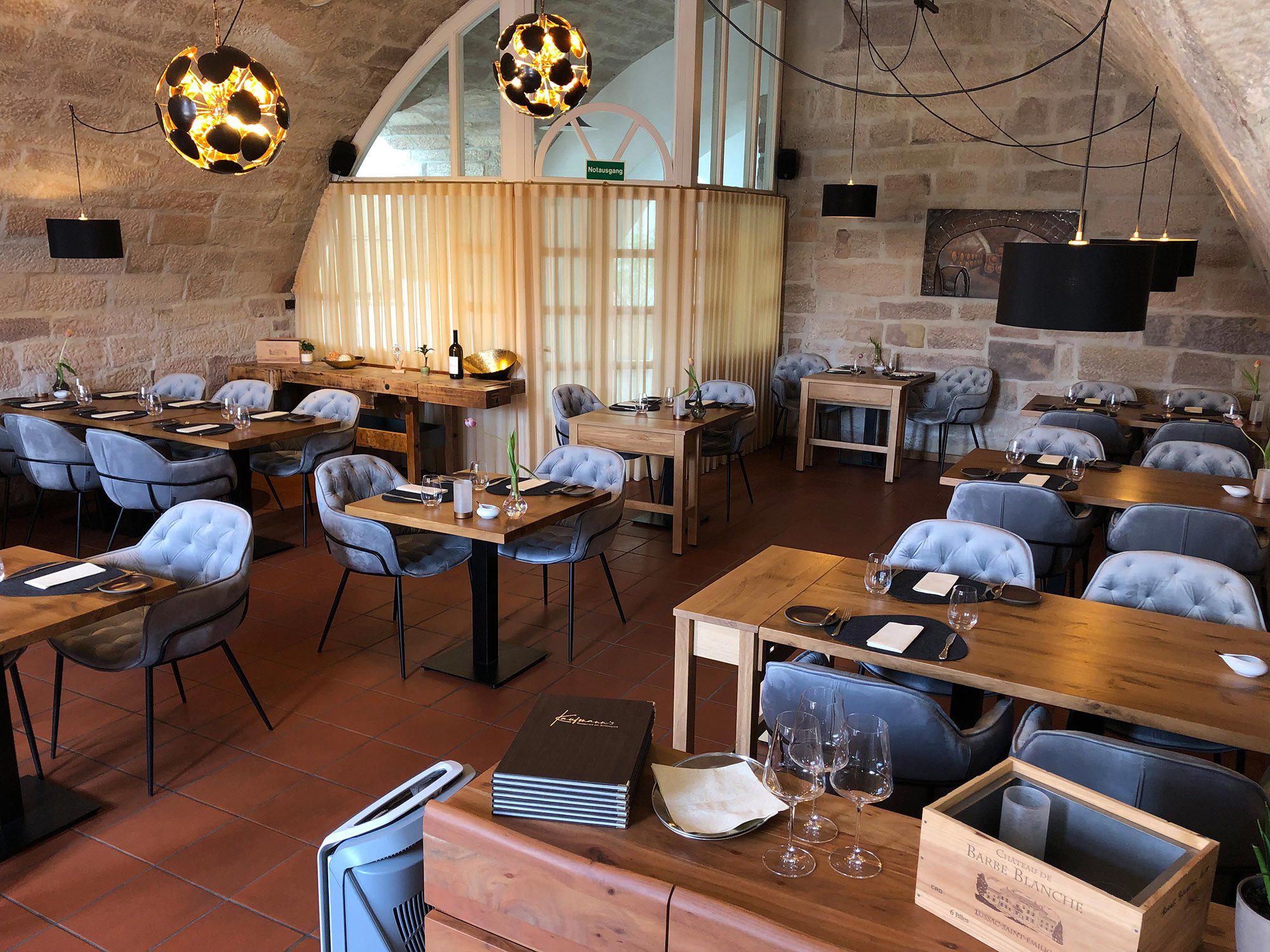
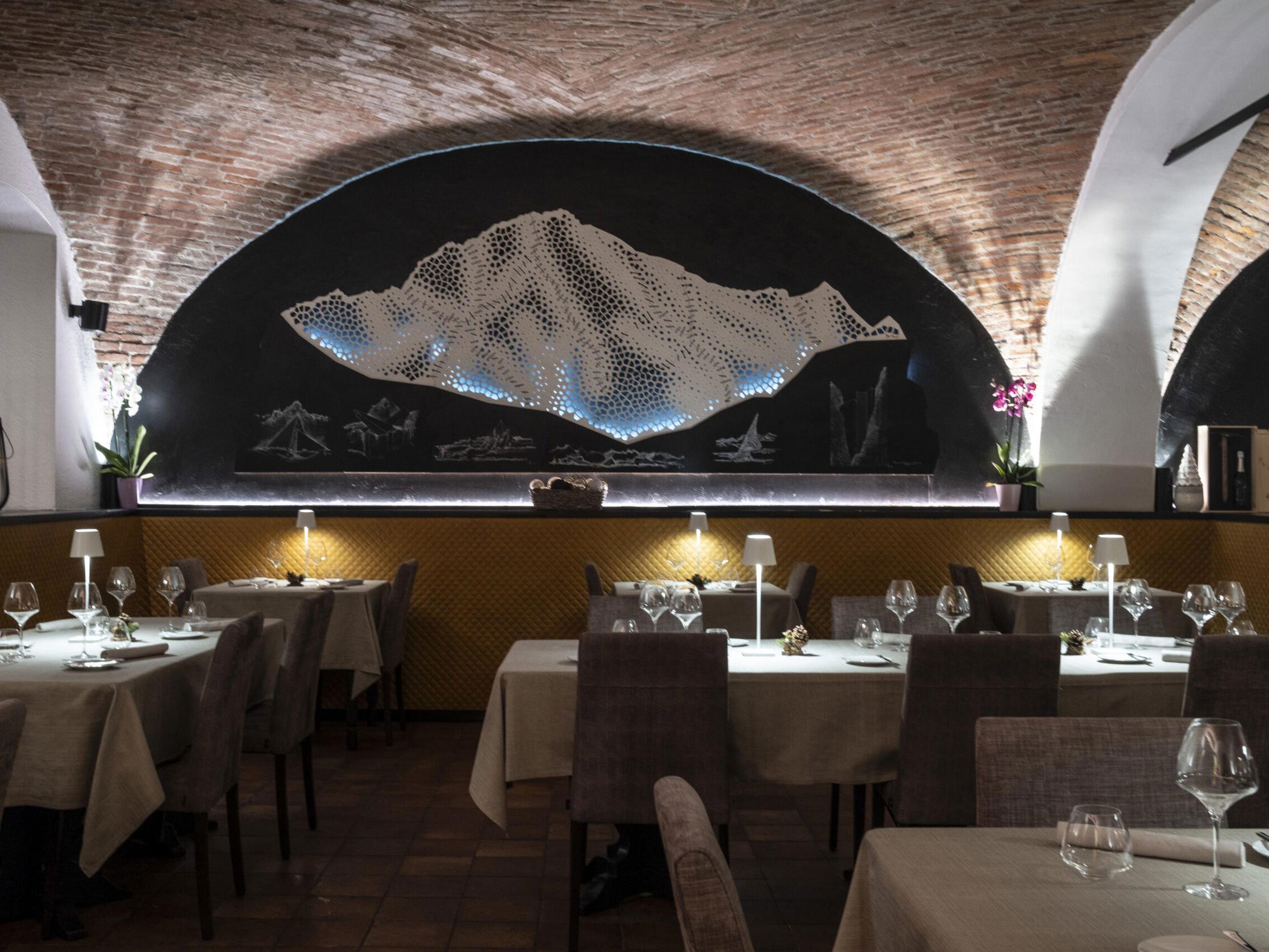
Invitingly chic with large windows, pleasant atmosphere, stylish reduced design, and view into the open kitchen.