Christian & Freunde occupies a quiet address on Nonnengasse in Fulda's old town, positioning itself within a small but growing cluster of serious dining options in a city better known for its Baroque architecture than its restaurant scene. The name signals something deliberate: a convivial format where the food takes precedence without the formality that often accompanies ambitious cooking in smaller German cities.
Pearl is the En Primeur Club membership app — saves, bookings, and concierge access live there. Same editors, same standards.
- Address
- Nonnengasse 5, 36037 Fulda, Germany
- Phone
- +4915906301546
- Website
- christianandfriends.de
- Directions
- Get directions
 Saves & bookings on Pearl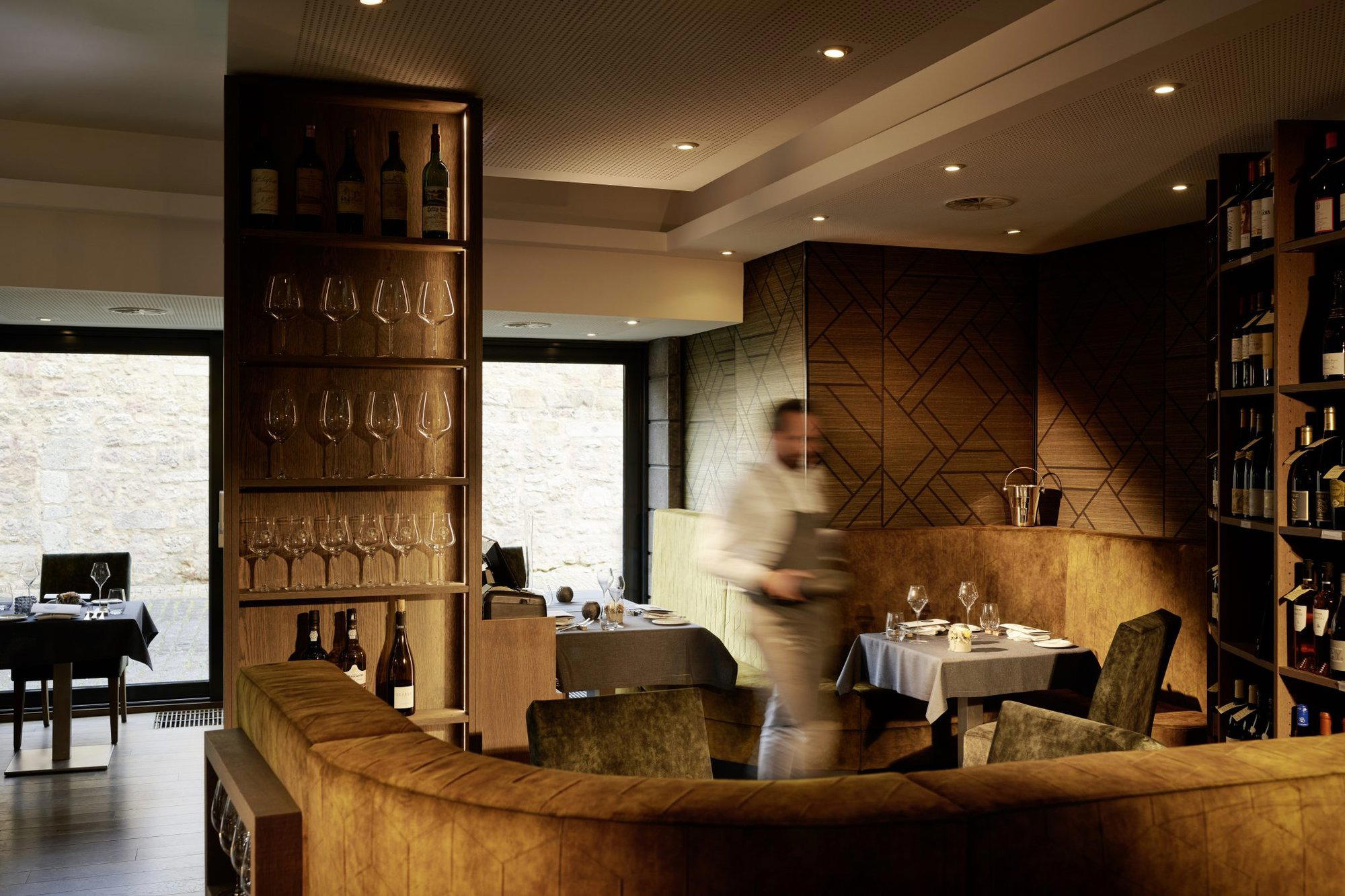
Nonnengasse and the Question of Serious Dining in a Cathedral City
Fulda does not announce itself as a dining destination. The city's identity is bound to its Baroque cathedral, its role as a Catholic pilgrimage site, and the steady traffic of visitors who treat it as a stopover on the Frankfurt-to-Kassel corridor. That makes the concentration of considered restaurants on and around the old town's quieter streets more interesting, not less. Christian & Freunde is a restaurant in Fulda, Germany, at Nonnengasse 5, serving Modern French Fine Dining at about $139 per person. It sits on Nonnengasse 5, a short address in the historic centre that places it within walking distance of the cathedral quarter but away from the main tourist drag, in the kind of location that tends to reward diners who look rather than those who follow the crowd.
The name itself carries editorial weight. In German dining culture, the "& Freunde" construction ("and friends") signals a particular philosophy about service and atmosphere: less hierarchical than classical fine dining, more personal than a conventional restaurant, but still structured around a clear culinary intention.
Where the Food Comes From, and Why That Question Matters in Hesse
Central Hesse is not a region that features heavily in conversations about German ingredient provenance, which are more likely to reference Bavaria's dairy traditions, the Rhineland's river fish, or the market gardens of Baden-Württemberg. That makes sourcing discipline here a more active choice rather than a function of geography. Restaurants in Fulda that commit to regional produce have to build those supply relationships deliberately, working with the agricultural output of the Rhön uplands to the east, the Vogelsberg volcanic plateau to the west, and the river valleys that run through the broader Hessian countryside.
The Rhön in particular produces ingredients worth attention: lamb from upland pastures, game from managed forests, and a category of dairy products that benefit from the region's cooler, wetter climate. For a kitchen with serious sourcing intentions, this is a larder with genuine character, even if it lacks the marketing recognition of more famous German food regions. The Vogelsberg, Europe's largest dormant volcanic landscape, contributes mineral-rich soils that affect the flavour profiles of root vegetables and grains grown there in ways that are measurable rather than merely claimed. Restaurants in this part of Germany that engage with local supply chains are working with real material, not just a provenance story for the menu.
Against that backdrop, the Fulda dining scene clusters into a few distinct tiers. At the higher end, Christian & Friends, Tastekitchen operates a modern cuisine format at the €€€€ price point, representing ambitious cooking the city currently offers. 1906 and Goldener Karpfen sit at the €€€ tier with contemporary and international formats respectively, while Hotel-Restaurant Bachmühle rounds out the options for travellers with accommodation on the agenda. Christian & Freunde occupies this same ecosystem, and its positioning within it shapes what kind of meal a visitor should expect.
The Atmosphere on Nonnengasse
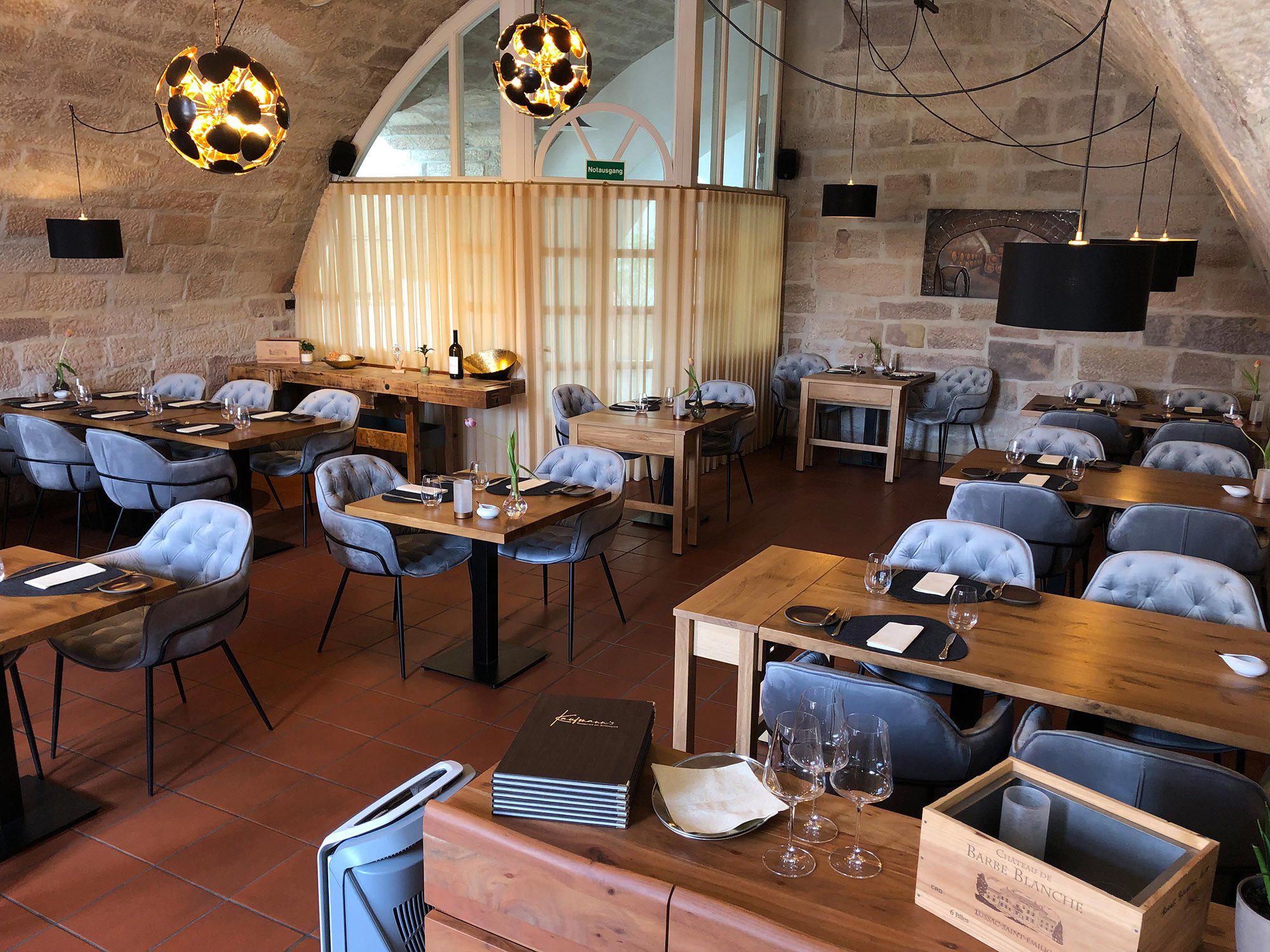
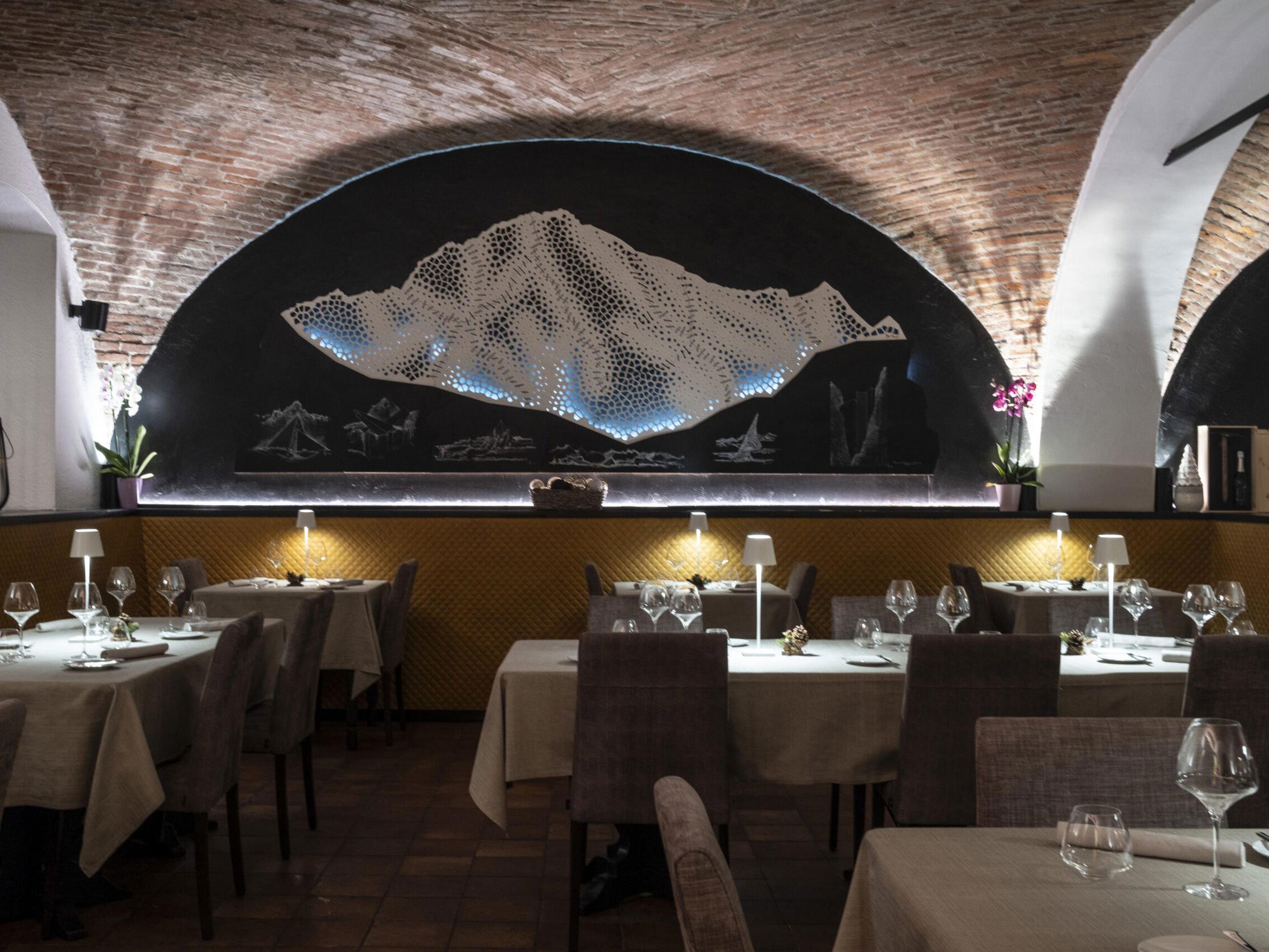
Small-city restaurants in Germany often face a tension between the warmth of a neighbourhood place and the seriousness required to hold a informed diner's attention across two or three hours. The address on Nonnengasse, a narrow street in the old town with the scale and texture of pre-war German urban fabric, creates a particular kind of entry experience: unhurried, slightly removed from the city's tourist rhythm, with the physical quietness that good dining rooms benefit from. The name's promise of conviviality suggests an interior that does not lean on theatrical design to make its point.
This matters because the alternative, the self-consciously styled dining room that announces its ambitions through expensive furniture and dramatic lighting, can work against the food in a city of Fulda's scale. The better small-city rooms tend to let the cooking carry the evening and treat the physical environment as a frame rather than a statement. Across Germany, the restaurants that have built lasting reputations in cities outside the major metropolitan centres, from Schanz in Piesport to Bagatelle in Trier to Waldhotel Sonnora in Dreis, have generally achieved it through food quality and consistency rather than through the dining room's visual spectacle.
Fulda in the Broader Context of German Regional Dining
Germany's serious restaurant culture is more geographically distributed than France's but more concentrated than the United Kingdom's. Outside Munich, Hamburg, Berlin, and Düsseldorf, clusters of high-quality cooking exist in places that international visitors rarely prioritise. The Moselle valley, the Black Forest corridor around Baiersbronn (where Schwarzwaldstube operates at the three-Michelin-star level), and isolated destinations like Wolfsburg (home to Aqua) all demonstrate that ambitious German cooking does not require a major city as its backdrop.
Fulda fits into this pattern as a secondary node: a city with enough affluent day-trippers, business visitors, and local residents with spending power to sustain a handful of serious restaurants, but not the critical mass that generates the density of choice found in Munich or Hamburg. For a visitor arriving specifically to eat, the city rewards planning. The full picture of what is available is covered in our full Fulda restaurants guide. For comparative reference further afield, JAN in Munich, Vendôme in Bergisch Gladbach, Restaurant Haerlin in Hamburg, CODA Dessert Dining in Berlin, Victor's Fine Dining by christian bau in Perl, and ES:SENZ in Grassau illustrate the range of cooking styles operating at the higher end of the German market. Internationally, formats like Le Bernardin in New York City and Lazy Bear in San Francisco show how the chef-friends convivial model operates at scale.
Planning Your Visit
Christian & Freunde is located at Nonnengasse 5 in Fulda's old town, a walkable area from both the central train station and the cathedral quarter. Fulda is served by regular ICE and IC services from Frankfurt Hauptbahnhof, making a day trip or short stay from the Rhine-Main region direct. Christian & Freunde is open Wednesday to Saturday from 7 to 11 PM and is closed Monday, Tuesday, and Sunday. Reservations are essential. For context on what comparable Fulda restaurants charge and offer, the €€€ tier at 1906 and Goldener Karpfen provides a useful reference point for the city's mid-to-upper range.
Quick Comparison
Comparable venues nearby, for context on price, style, and recognition.
| Venue | Cuisine | Price | Awards | Notes |
|---|---|---|---|---|
| Christian & FreundeThis venue — the venue you are viewing | Modern French Fine Dining | $$$$ | Not listed | Not listed |
| Hotel-Restaurant Bachmühle | Traditional German Grill & European Cuisine | $$$ | Not listed | Künzeller Str. |
| Goldener Karpfen | Refined Seasonal German with International Influences | $$$$ | Michelin Plate | Fulda center |
| 1906 | Modern German Fine Dining | $$$ | Michelin Plate | old town |
| Christian & Friends, Tastekitchen | Modern European Fine Dining | $$$ | Michelin 1 Star | old town |
| Heinz Winkler | Modern French Fine Dining - Cuisine Vitale | $$$$ | Not listed | Aschau im Chiemgau |
Continue exploring
More in Fulda
At a Glance
- Elegant
- Sophisticated
- Intimate
- Date Night
- Special Occasion
- Open Kitchen
- Extensive Wine List
- Local Sourcing
Current opening hours
- Monday
- Closed
- Tuesday
- Closed
- Wednesday
- 7–11 PM
- Thursday
- 7–11 PM
- Friday
- 7–11 PM
- Saturday
- 7–11 PM
- Sunday
- Closed
Hours can change for holidays and private events. Last verified .
Sophisticated atmosphere with an open kitchen and adjoining wine bar featuring a distinctive wine rack.