A hotel-restaurant on Künzeller Strasse that positions itself within Fulda's mid-market dining tier, where regional sourcing traditions and the rhythms of a working inn shape the kitchen's character. Fulda sits at the geographic heart of Hesse, a region where locally-raised produce and river-fed ingredients have long defined table culture. Bachmühle occupies that regional tradition with the practical warmth of a property built for both overnight guests and local diners.
Pearl is the En Primeur Club membership app — saves, bookings, and concierge access live there. Same editors, same standards.
- Address
- Künzeller Str. 133, 36043 Fulda, Germany
- Phone
- +494966193790
- Website
- bachmuehle.de
- Directions
- Get directions
 Saves & bookings on Pearl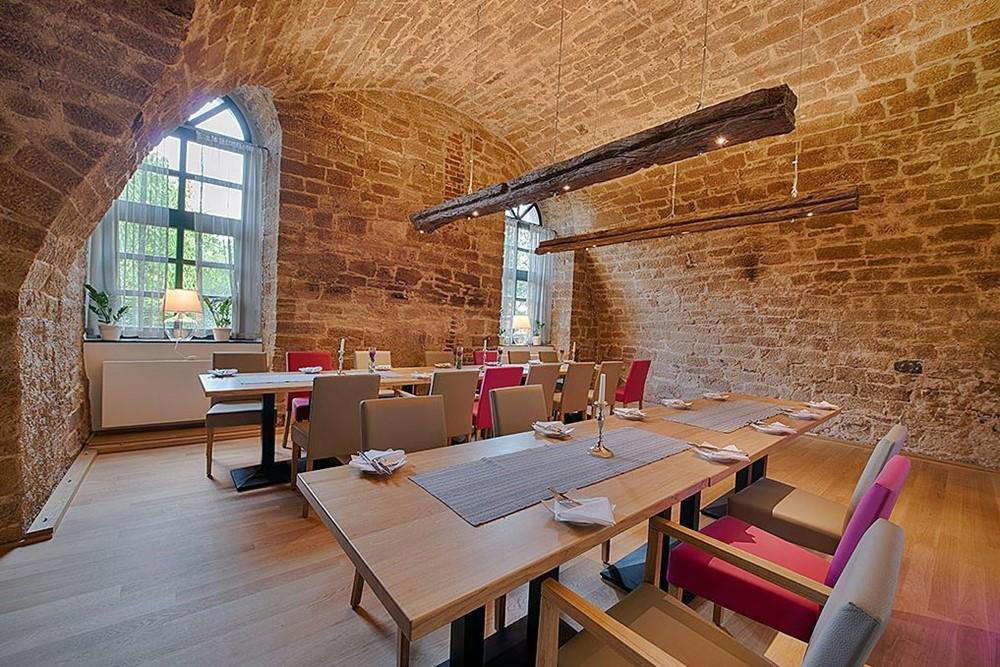
Where the River Mill Tradition Meets Hessian Table Culture
Fulda's position at the junction of the Rhön highlands and the Vogelsberg plateau gives the city an ingredient geography that larger German urban centres cannot replicate. The surrounding farmland produces pork, game, and root vegetables that travel short distances to kitchen doors, and the Fulda river basin has historically supported freshwater fish traditions that still mark the region's menus. Hotel-Restaurant Bachmühle is a restaurant in Fulda, Germany, serving Traditional German Grill & European Cuisine at a midrange price point.
The Bachmühle address places it outside Fulda's baroque city centre, closer to the working residential fabric of the city than to its cathedral quarter. That positioning matters in Germany's mid-sized cities, where hotel-restaurants embedded in neighbourhood streets often serve a dual function, anchoring local lunch trade while accommodating overnight guests who want a kitchen on-site rather than a walk into town. Across Germany, this format has proven durable in a way that standalone destination restaurants have not always managed, particularly in cities where tourism volume is steady but not overwhelming.
Ingredient Geography and the Hessian Kitchen
Central Hesse's food culture is often overlooked in German culinary discussions that gravitate toward Bavaria, Baden-Württemberg, and the Rhineland. That oversight is partly a matter of marketing and partly a matter of the region's preference for practicality over spectacle. Hessian cooking leans on smoked and cured meats, root vegetable preparations, and seasonal game, a repertoire shaped by cold winters and a landscape that rewards foraging and small-scale farming over intensive agriculture.
For a hotel-restaurant like Bachmühle, that regional pantry represents both a constraint and an advantage. The constraint is that Hessian cuisine does not travel as well internationally as, say, Swabian or Bavarian cooking. The advantage is that sourcing within it keeps supply chains short and ingredient quality high relative to cost. Across Germany's hotel-restaurant tier, properties that commit to regional sourcing typically outperform those chasing cosmopolitan menus on a modest budget, because the raw material justifies the cooking before a technique is applied.
Fulda itself has a handful of restaurants working at higher price points and with more explicit culinary ambition, Christian & Friends, Tastekitchen operates in the modern cuisine tier at €€€€, and 1906 works the contemporary category at €€€. At the international end, Goldener Karpfen represents the city's more hotel-integrated fine dining offer. Bachmühle's position in this scene is not in competition with those addresses; it occupies a different function, one built around accessibility and regional familiarity rather than tasting menus and wine pairings.
The German Hotel-Restaurant Format in Context
Germany's hotel-restaurant tradition occupies a distinctive space in European hospitality. Unlike France, where the logis and auberge format carries significant cultural prestige, or Italy, where the albergo con ristorante is often a family institution with decades of recipe continuity, the German hotel-restaurant sits somewhere between practical accommodation and genuine kitchen ambition. The leading examples, and they exist across the country's smaller cities and market towns, manage both functions without compromising either.
At the higher end of Germany's restaurant spectrum, the conversation involves addresses like Aqua in Wolfsburg, JAN in Munich, and Schwarzwaldstube in Baiersbronn, three-star properties where the restaurant is emphatically the product and the hotel its frame. Further along the contemporary spectrum, CODA Dessert Dining in Berlin, Vendôme in Bergisch Gladbach, and ES:SENZ in Grassau define what Germany's serious dining tier looks like in 2024. Bachmühle serves a different purpose entirely.
The German hotel-restaurant at the practical tier functions as a form of regional hospitality infrastructure. Properties like Bachmühle serve business travellers, visiting families, and local residents who want a reliable kitchen within a familiar format. In Fulda, a city of roughly 68,000 people with a cathedral, a baroque palace, and a steady stream of visitors from across Hesse and Thuringia, that infrastructure role is not trivial.
Other notable German addresses rounding out the national dining picture include Victor's Fine Dining by Christian Bau in Perl, Waldhotel Sonnora in Dreis, Restaurant Haerlin in Hamburg, and Schanz in Piesport, each occupying a distinct regional niche. For comparison outside Germany, Bagatelle in Trier shows how a border-city address can bridge French and German culinary registers. Internationally, the level of craft and intent at addresses like Le Bernardin in New York City and Atomix in New York City illustrates how far the hotel-restaurant concept can stretch when the restaurant function fully leads.
Planning a Visit
Bachmühle is located at Künzeller Strasse 133 in Fulda's southeastern districts, accessible by car from the A7 motorway that connects Kassel and Würzburg and positions Fulda as a natural stopping point for north-south travel through central Germany. For visitors arriving by rail, Fulda Hauptbahnhof is an ICE stop on the Frankfurt-Kassel corridor, with the Bachmühle address reachable by local transport or taxi. Given the hotel-restaurant format, the kitchen is likely oriented toward guests staying on-site as well as walk-in trade from the surrounding area, though booking ahead is advisable during Fulda's peak visitor periods, particularly in December when the city's Christmas market draws regional visitors. Specific hours, current menu offerings, and room availability should be confirmed directly with the property.
Comparison Snapshot
Comparable venues nearby, for context on price, style, and recognition.
| Venue | Cuisine | Price | Awards | Notes |
|---|---|---|---|---|
| Hotel-Restaurant BachmühleThis venue — the venue you are viewing | Traditional German Grill & European Cuisine | $$$ | Not listed | Not listed |
| 1906 | Modern German Fine Dining | $$$ | Michelin Plate | old town |
| Christian & Freunde | Modern French Fine Dining | $$$$ | Not listed | old town |
| Goldener Karpfen | Refined Seasonal German with International Influences | $$$$ | Michelin Plate | Fulda center |
| Christian & Friends, Tastekitchen | Modern European Fine Dining | $$$ | Michelin 1 Star | old town |
| Blaue Ziege | Regional German with Seasonal Fusion | $$$ | Not listed | Petersberg |
Continue exploring
More in Fulda
At a Glance
- Rustic
- Classic
- Cozy
- Elegant
- Business Dinner
- Celebration
- Group Dining
- Family
- Date Night
- Hotel Restaurant
- Historic Building
- Private Dining
- Extensive Wine List
- Beer Program
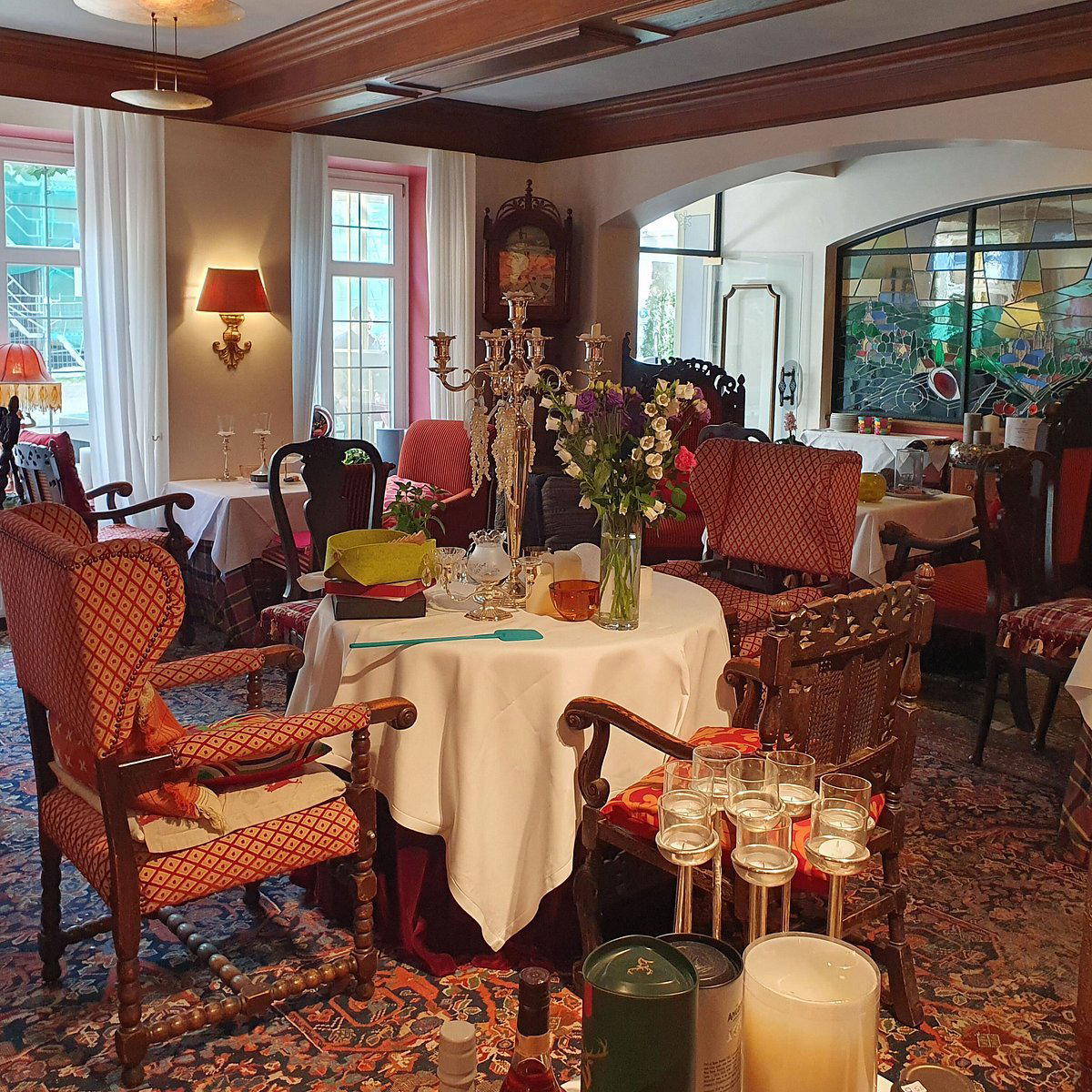
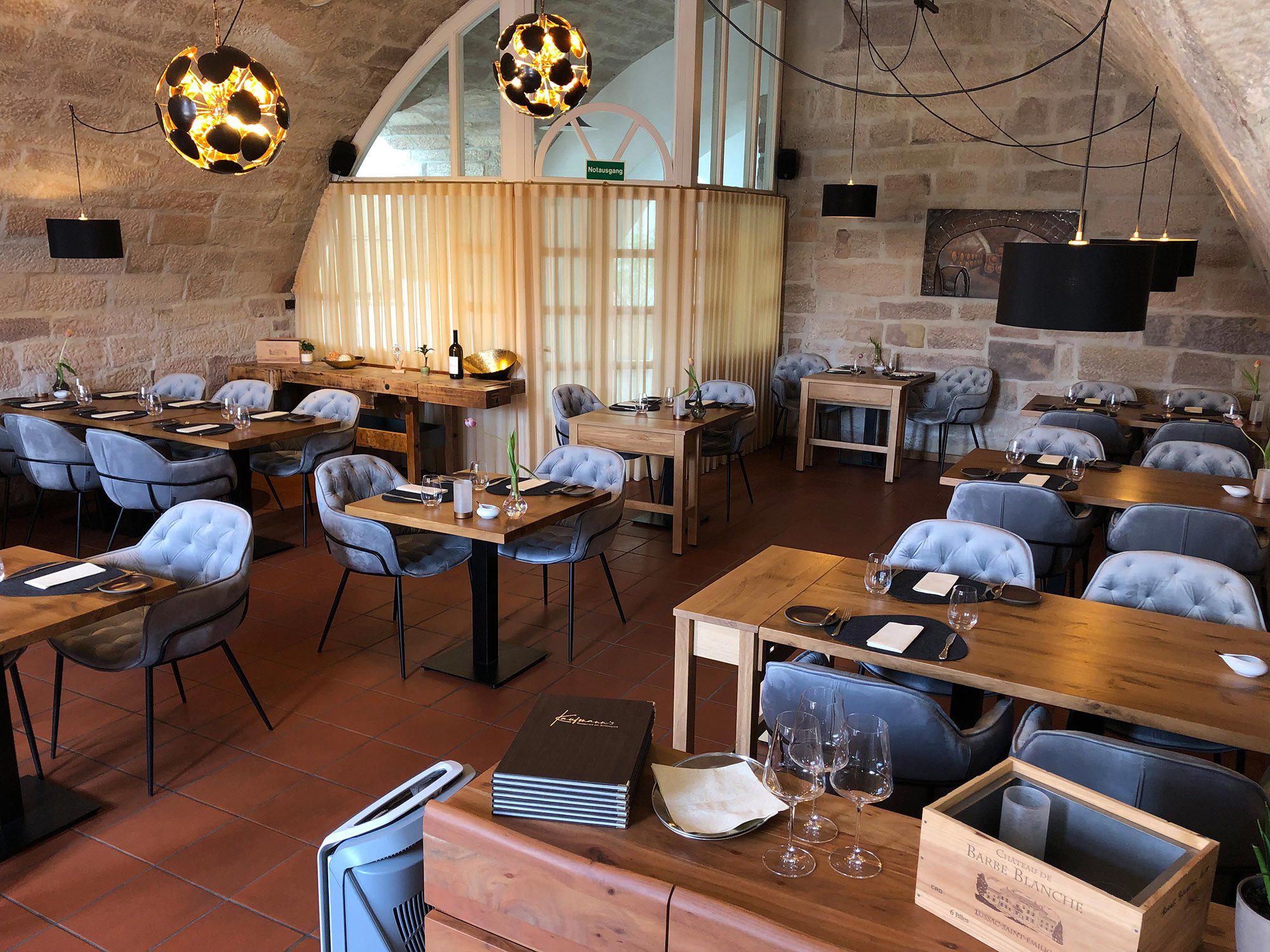
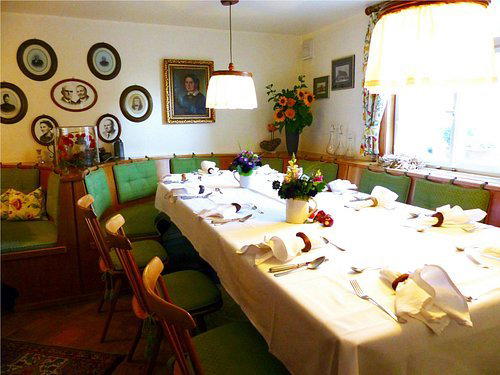
Warm and welcoming atmosphere with stone vault architecture, modern swing design elements, and pleasant background music; described as characteristic and intimate despite being a hotel restaurant.