Bium



Michelin Plate · World's 50 Best #43
Our verdict
Bium holds a Michelin Plate (2025) in Seoul's Gangnam District, operating from a ground-floor address on Hakdong-ro 97-gil in the Ryu Building.

Pearl is the En Primeur Club membership app, where members save venues, book tables and use the concierge.
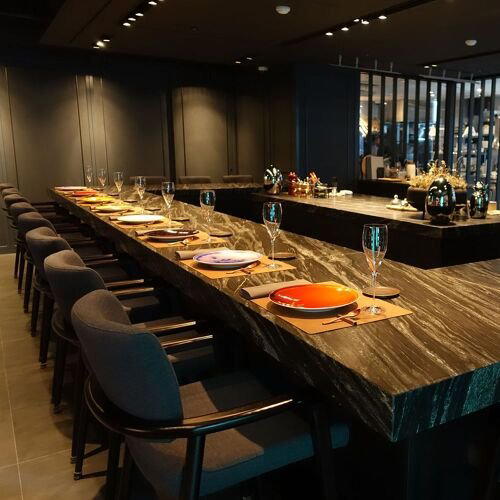
A Quiet Address in a Loud Neighbourhood
Hakdong-ro 97-gil occupies a particular register in Seoul's dining geography. The side streets feeding off the main Gangnam arteries are where the city's more considered Korean restaurants tend to locate, away from the foot-traffic corridors that favour volume over precision. The ground floor of the Ryu Building at number 41 places Bium within that quieter register: a low-key address in a district better known for concentrated fine-dining density than for grand entrances. Arriving here, the tone is set before you walk through the door.
Gangnam-gu is home to several of Seoul's most recognised Korean restaurants, including Kwonsooksoo and 권숙수 - Kwon Sook Soo, and the competitive density of the area creates a baseline expectation for any restaurant operating at the ₩₩₩₩ price tier. Bium's 2025 Michelin Plate recognition places it in the zone of consideration without the full star, a position that in Seoul's current scene often signals a kitchen working with clear intent but perhaps at a slightly earlier point in its critical trajectory.
Where Bium Sits in Seoul's Korean Fine-Dining Field
Seoul has developed a genuinely stratified Korean fine-dining market. At the upper tier, restaurants like Gaon and Onjium anchor the category with multi-star recognition and menus that treat Korean culinary tradition as a formal research subject. Below that, a second tier of Michelin-starred contemporaries, including 7th Door, Eatanic Garden, and Zero Complex, occupies the ₩₩₩₩ bracket that Bium also inhabits. The distinction between a Plate and a star at this price level is significant for the reader calibrating expectations: the cooking is taken seriously by Michelin's inspectors, but the restaurant has not yet accumulated the sustained consistency or singular identity that earns starred status in the guide's current Seoul edition.
That said, the Plate at ₩₩₩₩ pricing is a meaningful signal. Michelin does not award Plates to restaurants it considers merely adequate; the designation marks food quality the inspectors found worth acknowledging. At this price tier, diners are paying for serious Korean cuisine, and the guide's recognition confirms that the kitchen is delivering at a level that justifies the spend. Comparable starred neighbours like Bicena and Mingles offer a useful peer reference: both operate at similar or adjacent price points with full star recognition, giving readers a calibration point for how Bium sits within the broader Gangnam fine-dining field.
The Sensory Register of Seoul's Korean Dining Tradition
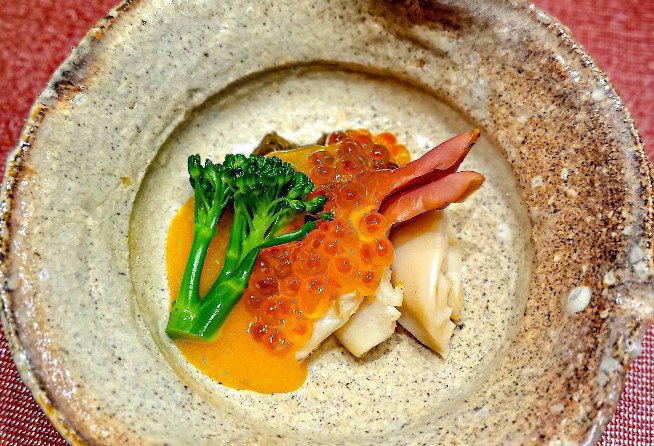
Korean fine dining at this tier tends to work in a particular sensory idiom. The dishes arrive with visual restraint, often in ceramic or lacquerware that draws the eye to colour and texture rather than architectural plating. Fermented elements, whether ganjang, doenjang, or the slow-built depth of aged kimchi, provide low aromatic notes that underpin courses built around seasonal produce. The temperature contrasts between components, the interplay of warm broths and cold, precisely cut ingredients, and the use of dried and fresh preparations in the same dish are all techniques with deep roots in Korean cuisine rather than borrowed from European fine-dining conventions.
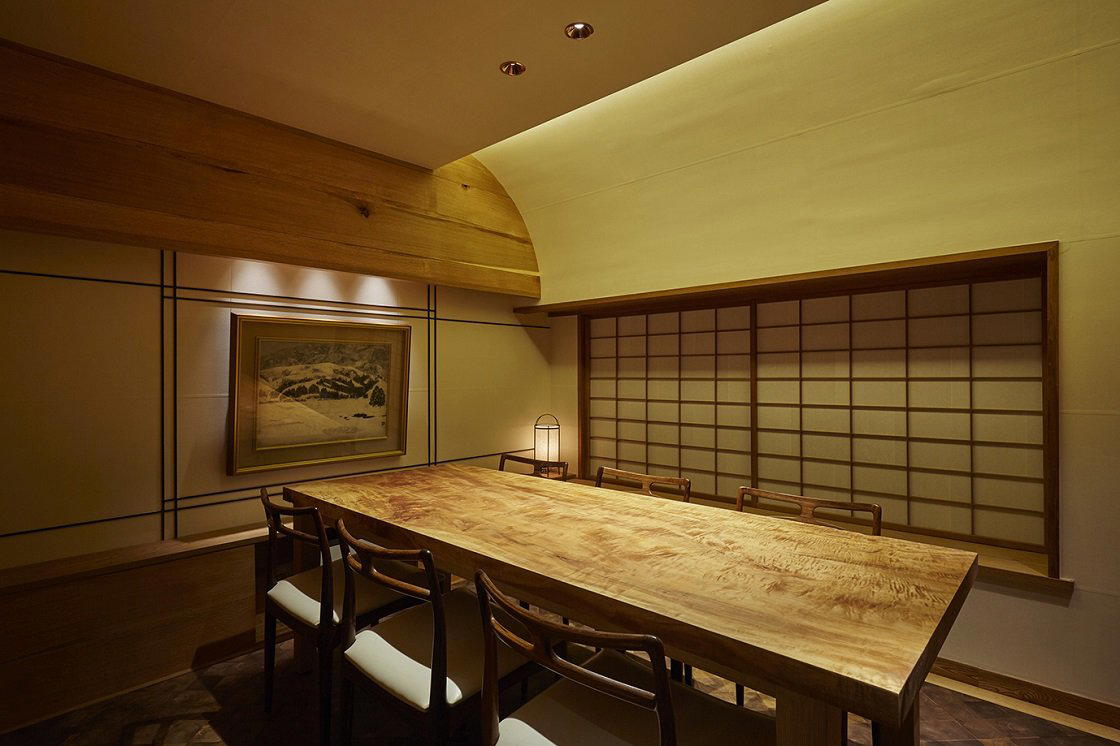
At a Gangnam address operating in the ₩₩₩₩ tier, those traditions are typically rendered with more precision and fewer compromises than at mid-market Korean restaurants. The dining room environment at this price level generally emphasises quietness, both acoustic and visual, as a deliberate choice to focus attention on the food. Seoul's finest Korean restaurants understand that restraint in the room amplifies what is happening on the plate.
For readers curious about how Seoul's Korean fine-dining tradition translates abroad, bōm in New York City and DOSA in London offer reference points for the diaspora expression of the cuisine, while Jeju Noodle Bar in New York City represents the more focused, single-cuisine-thread end of Korean dining internationally. None of them operate in the same formal context as Bium's Gangnam setting, which is a useful reminder that Seoul itself remains the reference point for the tradition.
Beyond Gangnam: Korean Culinary Context
The regional breadth of Korean fine dining extends well beyond Seoul's dining districts. Mori in Busan reflects how Korea's second city has developed its own serious dining register, while Baegyangsa Temple in Jangseong-gun represents the temple food tradition that sits at the root of much of what Seoul's fine-dining kitchens draw on for fermentation and seasonal vegetable technique. Understanding those reference points adds depth to a meal in Gangnam: the formality of the setting is recent, but the culinary vocabulary is centuries old.
La Yeon The comparison is useful precisely because it illustrates how different the expression of Korean fine dining can be depending on context, even within the same city.
Planning a Visit
Bium is located at 41 Hakdong-ro 97-gil in the Ryu Building, ground floor, Gangnam District, Seoul. The ₩₩₩₩ pricing places it at the upper end of Seoul's restaurant market, and the 2025 Michelin Plate signals food quality that the guide considers worth the attention of serious diners. Contact details and booking arrangements are not listed in current public databases, so direct enquiry through local reservation platforms or the restaurant's own channels is the recommended approach. For a fuller picture of Seoul's dining options at this tier, our full Seoul restaurants guide covers the competitive landscape in detail.
For visitors extending their Seoul stay beyond the table, our Seoul hotels guide, bars guide, wineries guide, and experiences guide cover the broader city across categories.
Frequently asked questions
What should I eat at Bium?
Bium holds a Michelin Plate (2025) and operates within Korea's fine-dining idiom, where the kitchen typically builds around seasonal produce, fermented foundations, and lacquerware presentation rather than à la carte choice. At the ₩₩₩₩ price point, expect a set or tasting-format menu that follows the kitchen's own sequence.
Is Bium more mid-range or high-end?
Pricing at Bium is listed as ₩₩₩₩.
Credentials Lens
A quick peer reference to anchor this venue in its category.
| Venue | Cuisine | Price | Awards | Notes |
|---|---|---|---|---|
| BiumThis venue (the venue you are viewing) | Korean Temple Cuisine | Not listed | Michelin Plate · World's 50 Best #43 | Not listed |
| 7th Door | Modern Korean Fermentation Fine Dining | $100–150 | 1 Michelin Star · World's 50 Best #49 | Korean, Contemporary |
| Solbam | Contemporary Neo-Classical Korean | $200–300 | 1 Michelin Star · World's 50 Best #55 | Contemporary |
| Onjium | Modern Korean Royal Court Cuisine | Not listed | 1 Michelin Star · World's 50 Best #14 | Korean |
| L'Amitié | Classic French Fine Dining | $100–150 | 1 Michelin Star · La Liste Top Restaurants | French |
| Zero Complex | Modern French Neo-Bistro | $100–150 | 1 Michelin Star · La Liste Top Restaurants | Korean-French, Innovative |
Recognition history
Dated appearances from independent guides and award organizations, with the underlying list record or original source where available.
Michelin Plate
Michelin
World's 50 Best Asia's Best Restaurants #43
World's 50 Best
Opinionated About Dining Top Restaurants in Asia Ranked #135
Opinionated About Dining
Full recognition history (4 entries)
Michelin Plate
Michelin
Continue exploring
More in Seoul
Restaurants in Seoul
All restaurants in Seoul →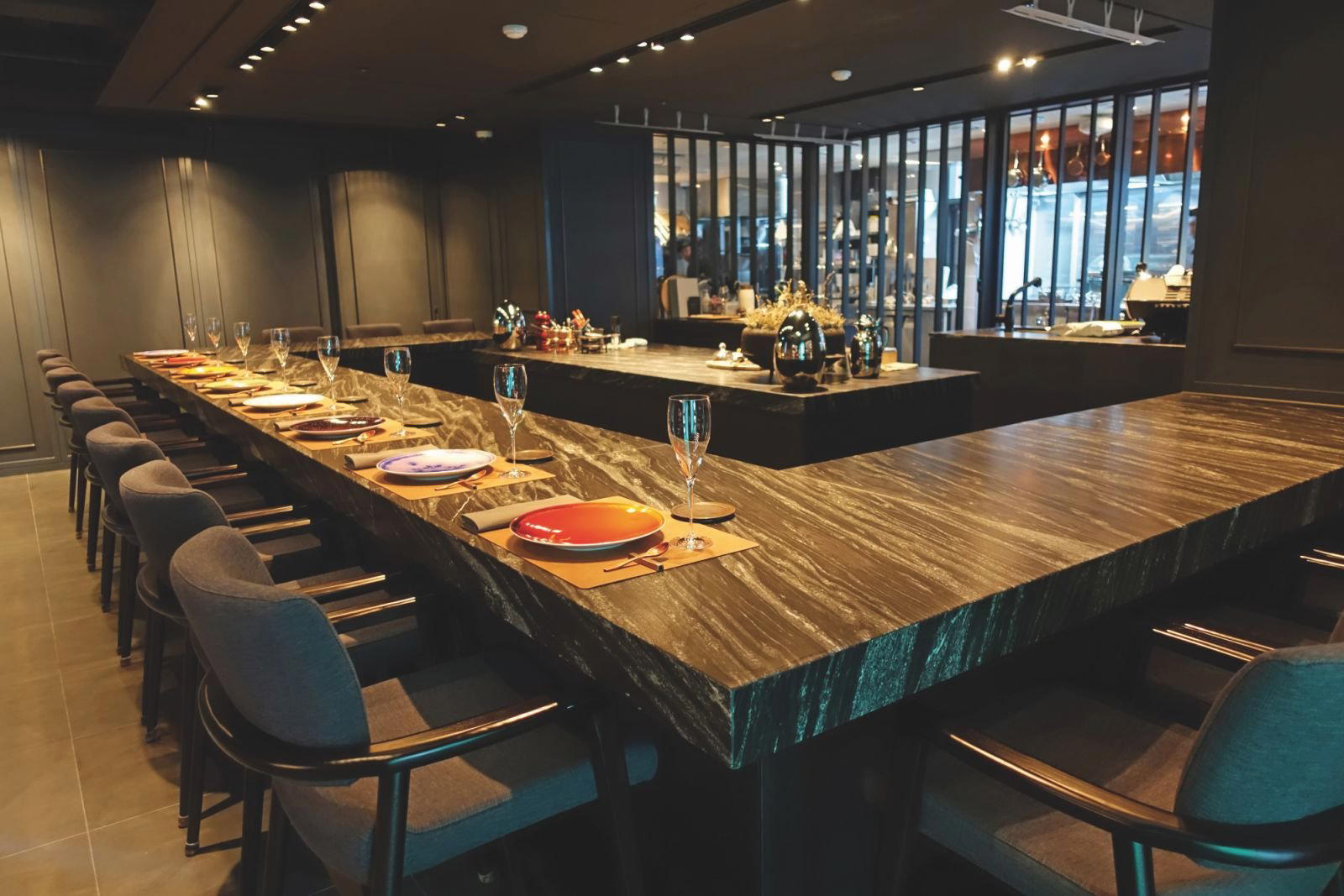
Bars in Seoul
All bars in Seoul →
Details
- Quiet
- Serene
- Intimate
- Minimalist
- Sophisticated
- Special Occasion
- Solo
- Design Destination
- Local Sourcing
- Set Menu
- Vegetarian Friendly
Current opening hours
- Monday
- Closed
- Tuesday
- 9 AM–5 PM, 6–10 PM
- Wednesday
- 12–3 PM, 6–10 PM
- Thursday
- 12–3 PM, 6–10 PM
- Friday
- 12–3 PM, 6–10 PM
- Saturday
- 6 AM–10 PM
- Sunday
- Closed
Hours can change for holidays and private events. Hours as of .
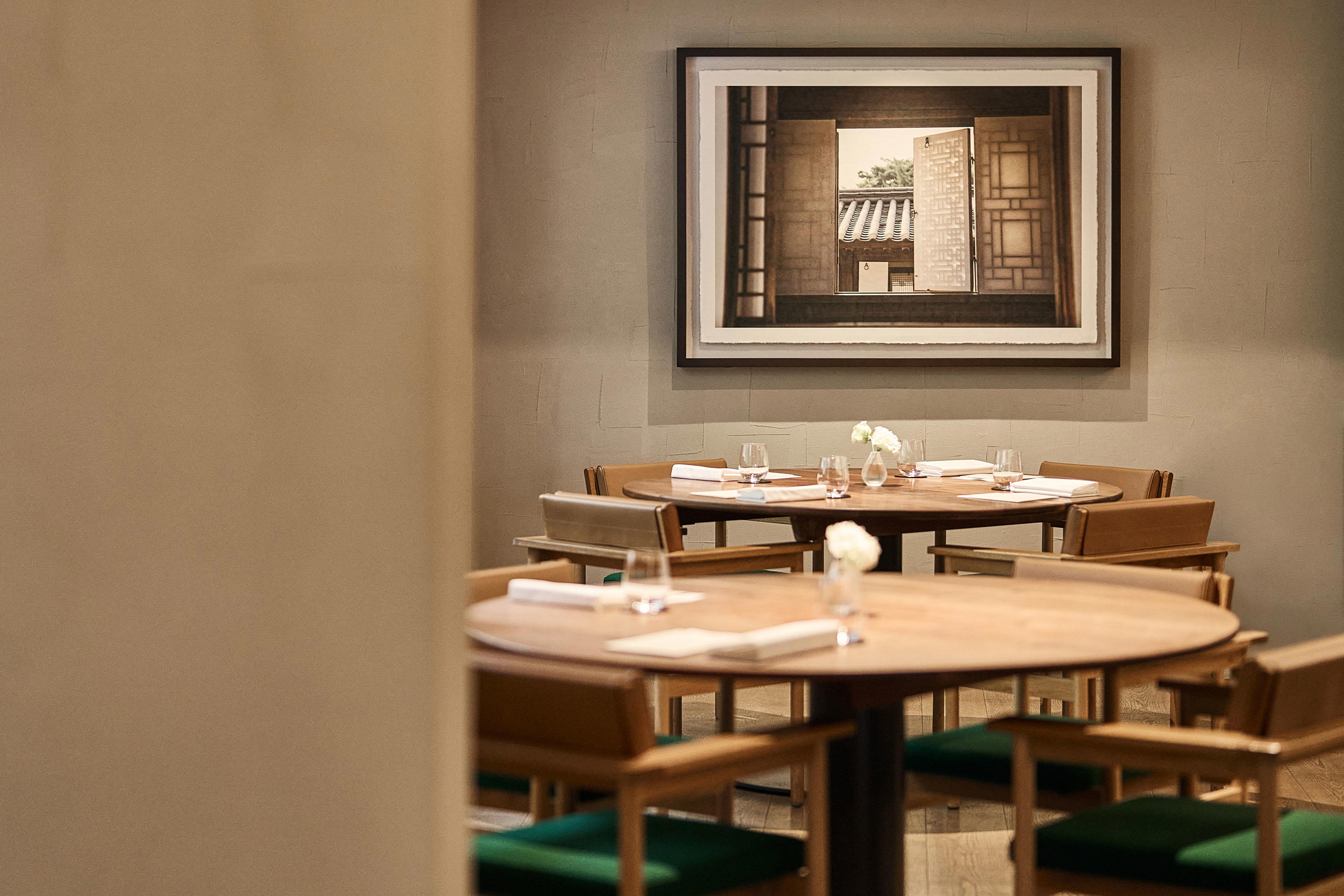
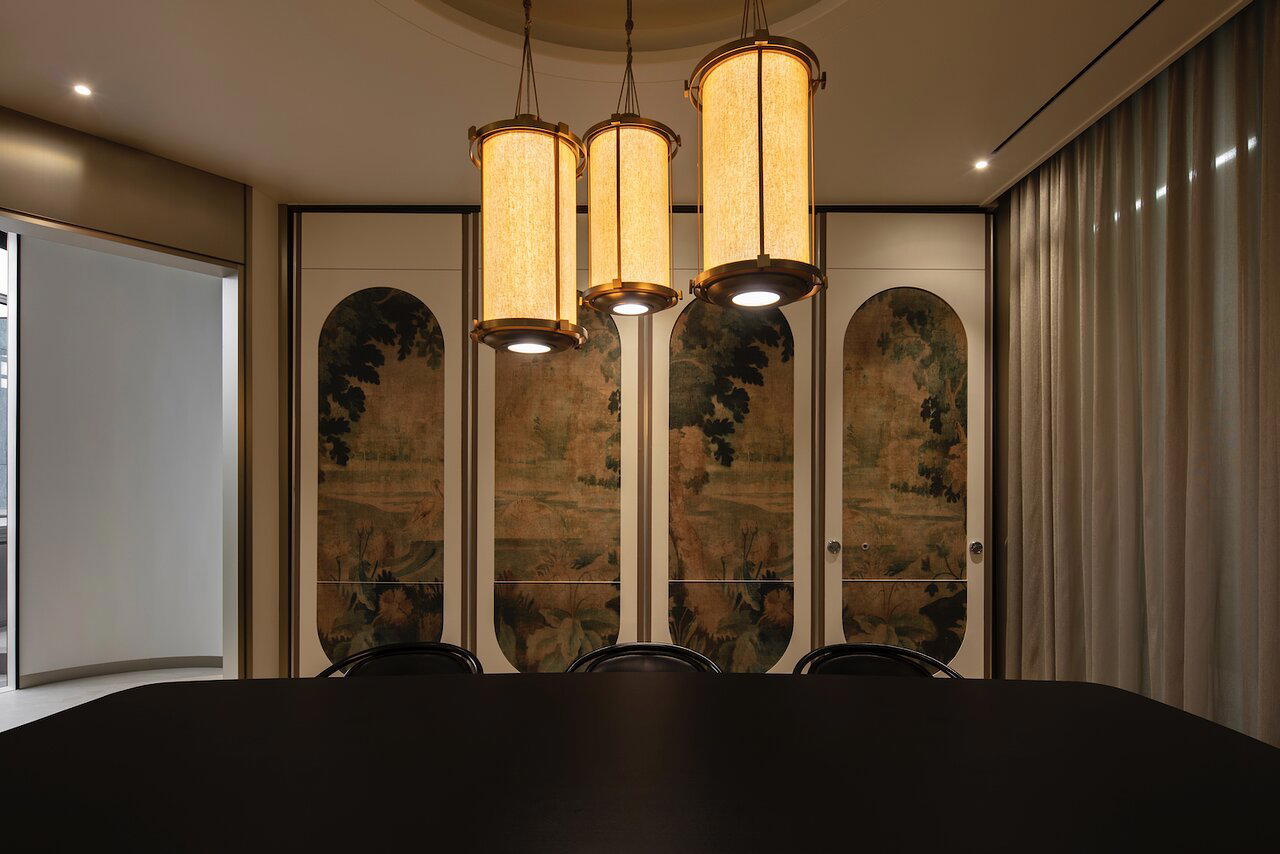
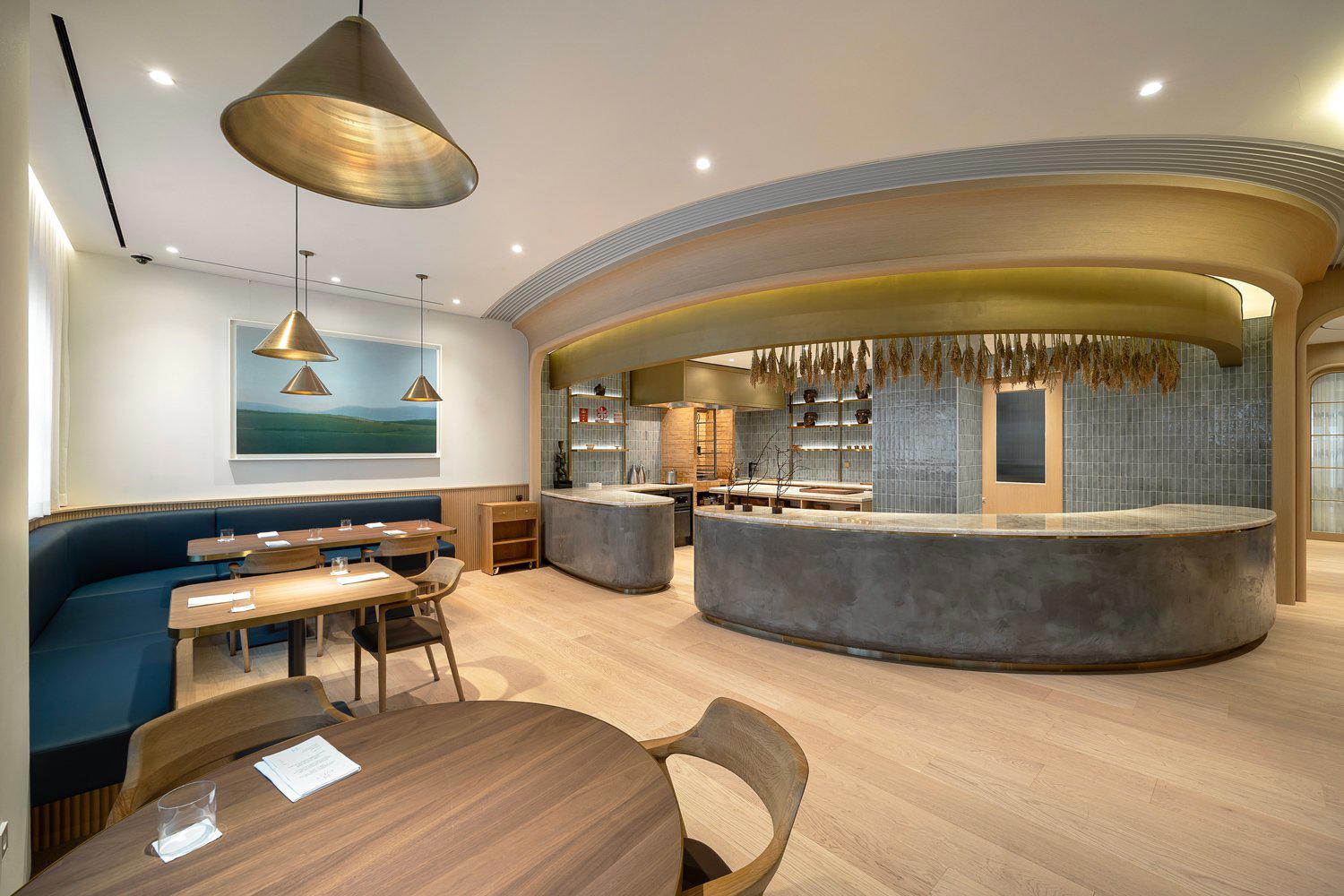
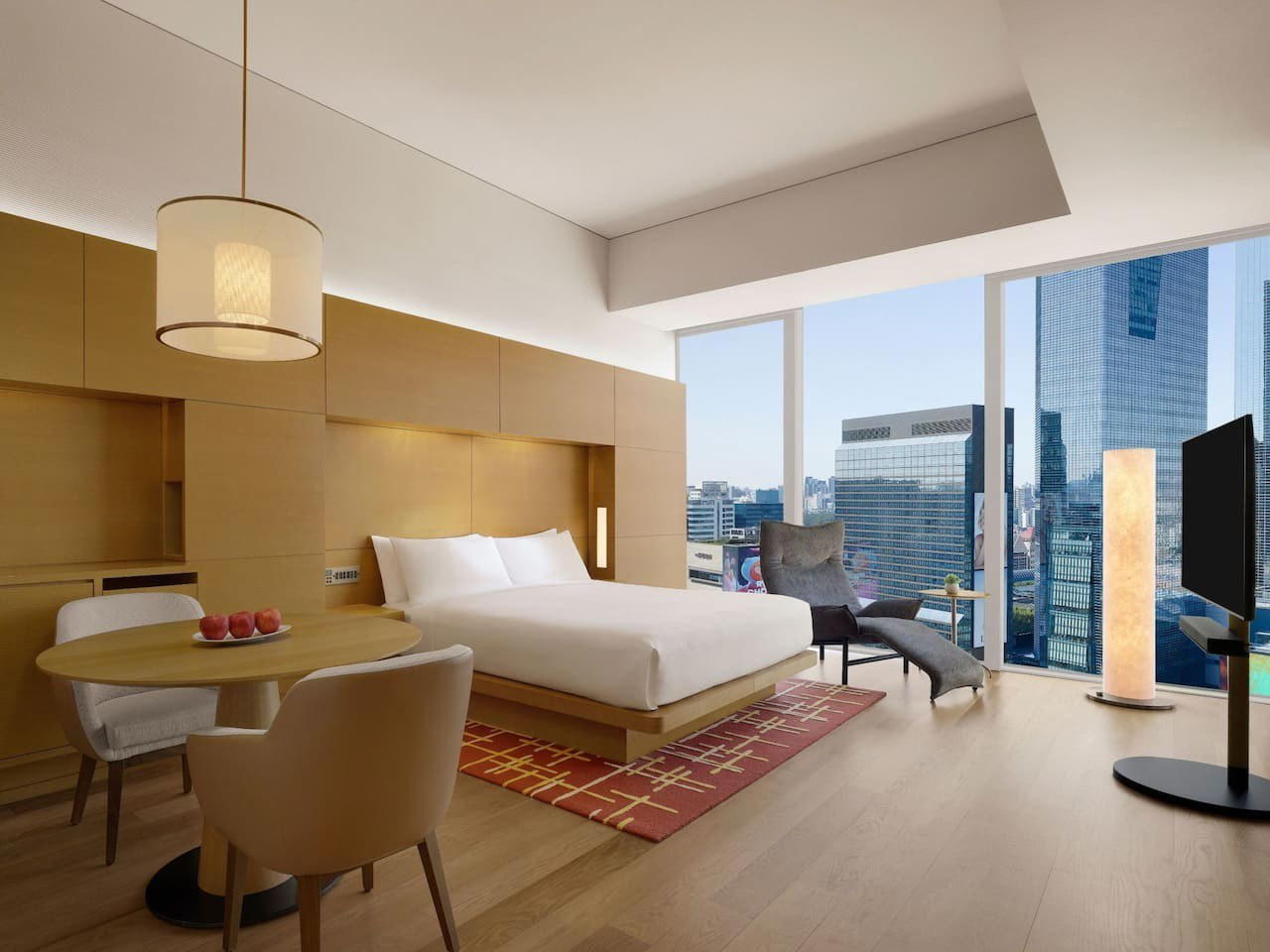
Natural wood, hanji paper, soft ambient lighting create a modern temple-like tranquility encouraging mindfulness and reflection.