SAN



Michelin Plate · World's 50 Best #54
Our verdict
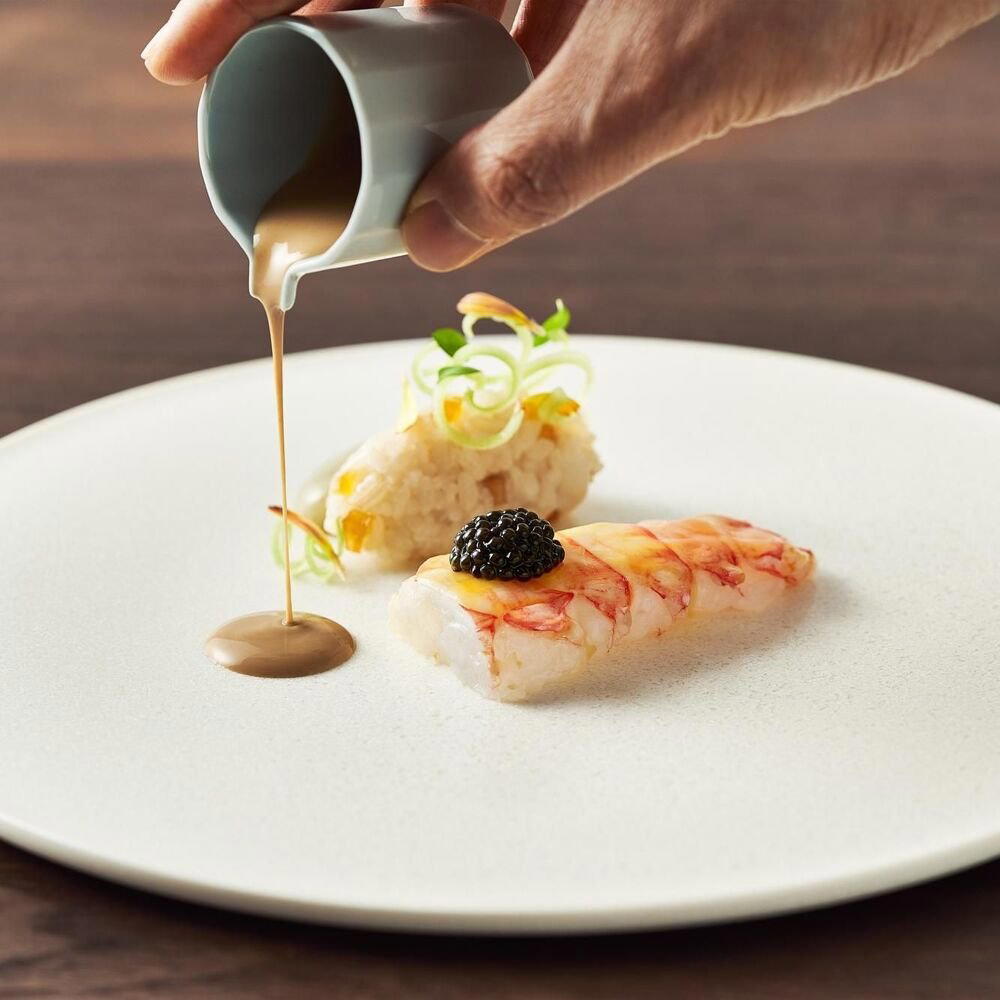
In Gangnam's Eonju-ro corridor, SAN operates below street level with a format that blends classical French technique with seasonal Korean ingredients. Chef Seunghyun Jo, trained at The French Laundry and Benu, builds a fixed menu around contrasts: lobster jeotgal alongside chamoe dongchimi, milmyeon beside dweji-gukbap. The result is one of Seoul's more considered arguments for cross-tradition fine dining.

Pearl is the En Primeur Club membership app, where members save venues, book tables and use the concierge.
The menu
What to order
- Lobster_jeotgal
- Chamoe_dongchimi
- Milmyeon
- Dwaeji_gukbap
Below Street Level in Gangnam: What SAN Gets Right About Occasion Dining
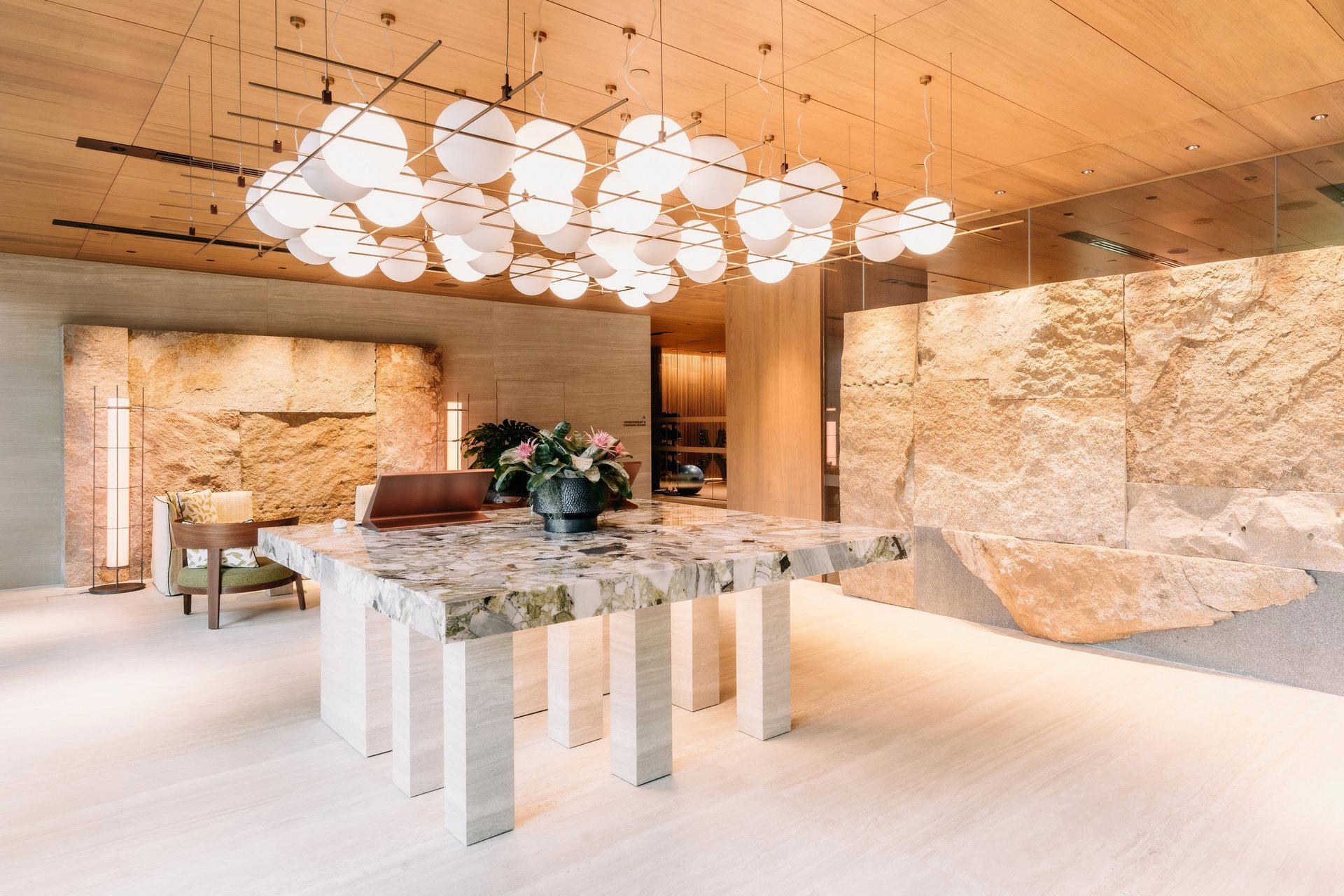
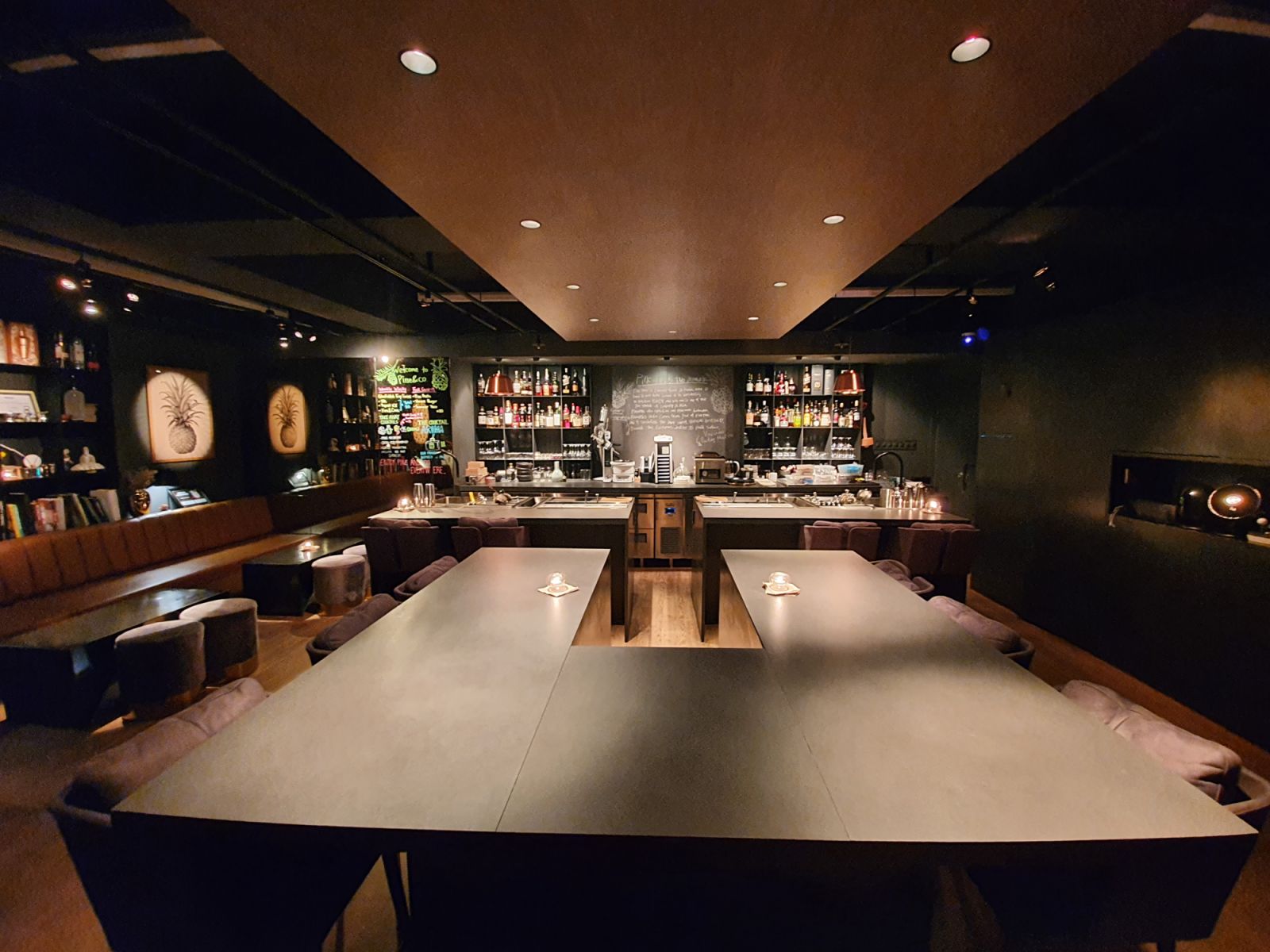
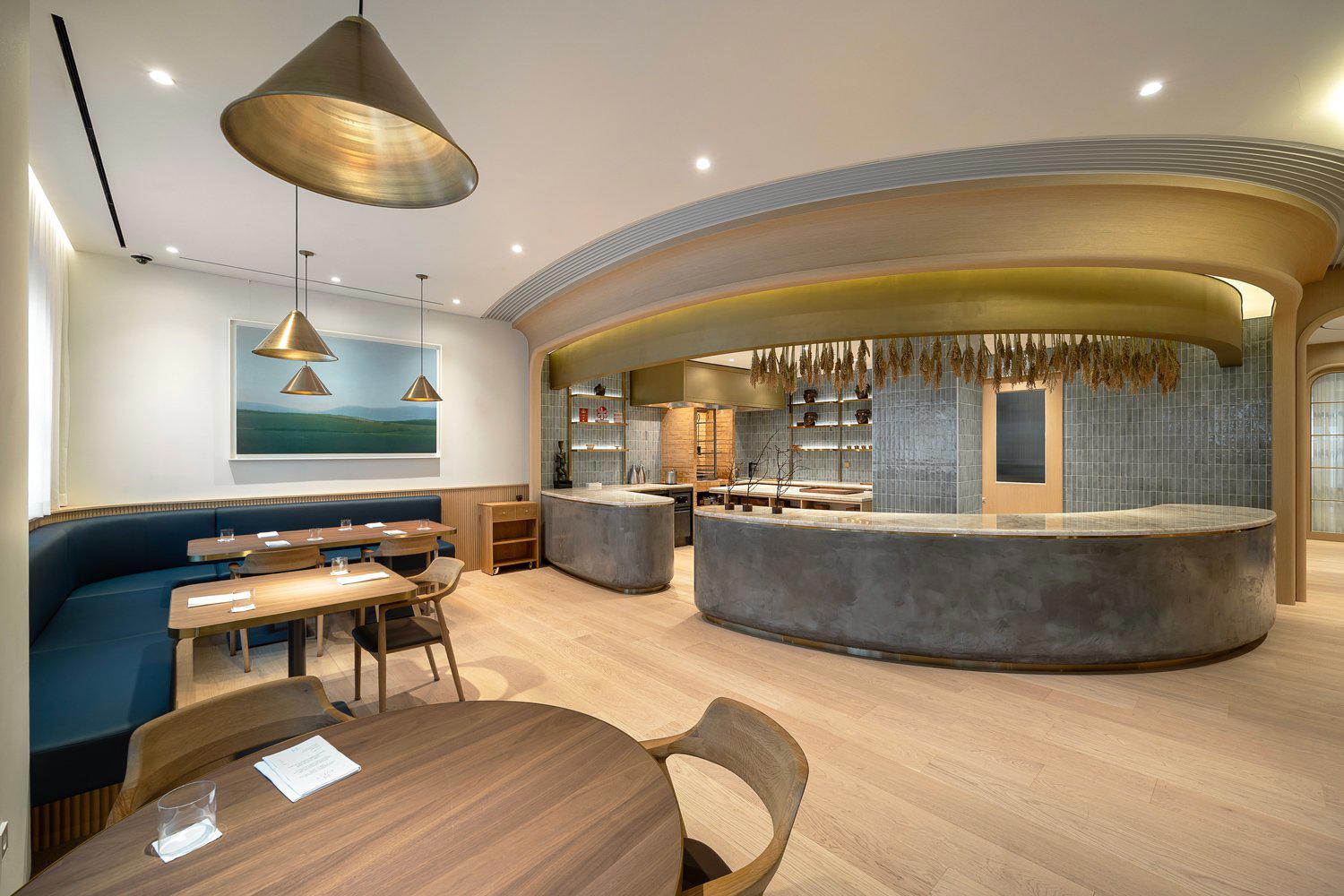
Descending to SAN's basement level on Eonju-ro, Gangnam's quieter restaurant corridor, the transition from street to dining room is deliberate. The forest ambience of the space, low light, organic materials, a stillness that the neighbourhood above does not offer, signals immediately that this is a room built for meals that require unhurried attention. That quality, more than any single dish, is what makes SAN a credible choice for a milestone dinner in Seoul. The city has no shortage of fine-dining rooms, but rooms designed to slow you down rather than impress you with volume are a smaller category.
The French-Korean Cross-Training Problem, and How SAN Approaches It
Seoul's contemporary fine-dining scene has spent the past decade working through a specific tension: how much classical French architecture should Korean cuisine carry before it stops being Korean? The results have varied from the rigorous to the formulaic. At the premium end, venues like Mingles and Jungsik have built internationally recognised cases for Korean ingredients inside Western fine-dining structures. Soigné and alla prima push the experiment further toward innovation. SAN sits in this conversation with a specific credential: Chef Seunghyun Jo trained at The French Laundry in Napa Valley and Benu in San Francisco, two kitchens whose reputations rest on technical precision and restrained complexity rather than spectacle.
That lineage shapes the menu's internal logic. The fixed format moves between Korean fermentation traditions and French sauce technique, treating both as equal structural elements rather than using one to merely season the other. Lobster jeotgal, the fermented crustacean condiment that appears on the menu as a marker of Jo's imagination, arrives alongside chamoe dongchimi, a fermented melon water kimchi with a delicacy that most Western-trained chefs would not think to foreground. These are not fusion flourishes. They are applications of classical balance training to Korean pantry ingredients.
Where the Menu Lands on Occasion Dining
The fixed menu format is particularly well-suited to celebratory meals because it removes the negotiation that a la carte dining requires. For the table marking an anniversary, a promotion, or a significant gathering, the act of surrendering to a sequence is itself part of the occasion. SAN builds that sequence around what the awards data describes as a balance of complexity and restraint, with the milmyeon and dweji-gukbap sections delivering fuller, more anchored Korean flavours after the more delicate opening courses. The progression from fermented brightness to deeper, bolder bowls tracks something like a narrative arc across the table.
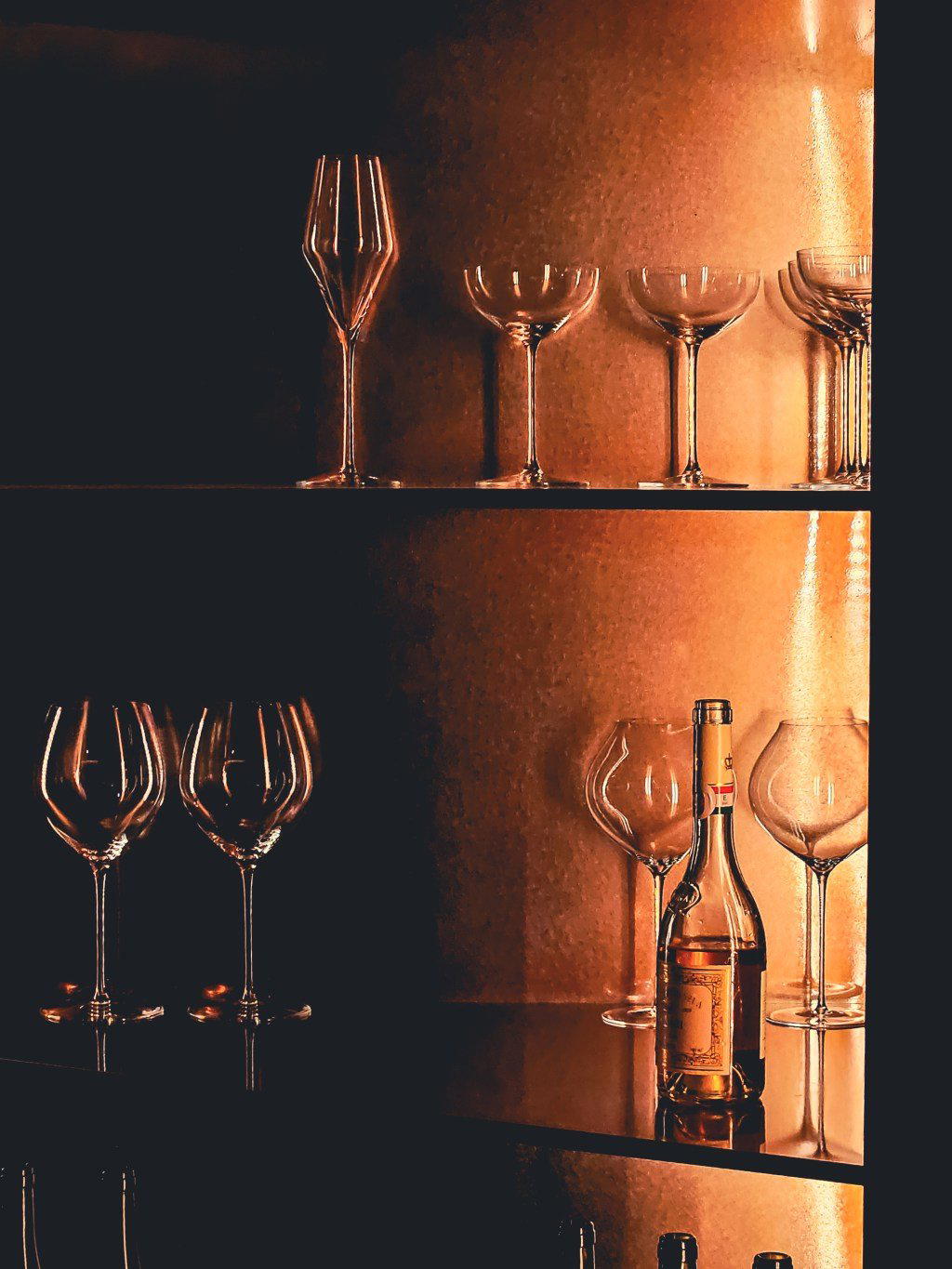
Thoughtful wine pairings accompany the fixed menu, which matters for occasion dining because wine selection is one of the logistical pressures a celebratory group often wants removed. The pairing service takes that decision off the table without sacrificing the quality signal that wine sends in a formal dining context. For comparison, peers in the Gangnam contemporary tier, venues including Kwonsooksoo and 권숙수 - Kwon Sook Soo, operate fixed formats with pairing options at the same price tier, confirming this as a category standard rather than a differentiator, but SAN's execution earns specific mention for the quiet service that frames it.
Seoul's Wider Fine-Dining Context
Seoul has become one of the denser concentrations of serious fine dining in Asia over the past decade. Gangnam-gu in particular hosts a cluster of high-investment contemporary Korean rooms that compete on technique, sourcing, and the calibre of their Western training pedigrees. The credential currency here, kitchens like The French Laundry and Benu carry Michelin weight that translates directly into how a chef is positioned in Seoul's competitive fine-dining hierarchy, and SAN's menu reflects that positioning accurately.
For reference outside Seoul, the cross-cultural technique conversation has parallels in other cities: Le Bernardin in New York City demonstrates what sustained technical rigour at the top of a national dining scene looks like over decades. Regionally, Mori in Busan offers a comparison point for how Korean fine dining takes shape outside the capital, where the competitive pressure is lower but the sourcing proximity to coastal ingredients is higher. Broader Korean dining geography, from Baegyangsa Temple in Jangseong-gun to coastal spots like Pool House in Incheon, underlines how Seoul's Gangnam fine-dining tier represents only one end of what Korean cuisine can do at a high level.
For those building a broader Seoul itinerary around dining, our full Seoul restaurants guide maps the city's dining spread across neighbourhoods and price tiers. If accommodation is part of the planning, our Seoul hotels guide covers the properties most relevant to Gangnam-area dining. The bar and drinks programme context sits in our Seoul bars guide, and those interested in the wider cultural and experiential side of the city should check our Seoul experiences guide and our Seoul wineries guide.
Peer restaurants worth considering when building a Seoul dining itinerary that spans multiple occasions: Double T Dining in Gangneung offers a regional contrast for those travelling beyond the capital, and The Flying Hog in Seogwipo and Emeril's in New Orleans extend the reference set internationally for those comparing cross-cultural cooking approaches across different markets.
Planning a Visit
SAN is located at B1, 6 Eonju-ro 168-gil, Gangnam-gu, basement level, which means arriving from street level and committing to the descent. The fixed menu format suggests booking in advance; Gangnam's premium contemporary Korean rooms at this tier typically require reservations weeks ahead, particularly for weekend and holiday dates when occasion dining demand concentrates. Those planning anniversary or celebration meals should book earlier rather than later, as the quiet room and unhurried service model means tables turn slowly and capacity is finite. Dress code and booking method are best confirmed directly with the venue, as these details were not available at time of publication.
Questions About SAN
What's the vibe at SAN?
SAN operates at the quieter, more contemplative end of Gangnam's fine-dining spectrum. The basement location and forest-influenced interior create a room that feels separated from the pace of the neighbourhood above. Service is described as quiet and attentive rather than theatrical. For diners in Seoul who associate premium Korean fine dining with the more animated energy found at some competitors, SAN reads differently: it is a room built for conversation and extended attention, which makes it well-suited to occasions where the meal itself is the event. Given the fixed menu format and thoughtful wine pairing structure, the experience sits closer to a European tasting-menu register than an informal Korean feast, while the ingredients and flavour references keep it specifically rooted in Korean culinary tradition.
What do people recommend at SAN?
Chef Seunghyun Jo's training at The French Laundry and Benu provides the technical reference point for how the menu is discussed. The lobster jeotgal and chamoe dongchimi are cited as markers of the kitchen's imagination, two fermented preparations that demonstrate how Korean preservation techniques can be applied with fine-dining precision. The milmyeon and dweji-gukbap sections of the menu receive mention for delivering the more substantial, recognisably Korean flavours that anchor the latter part of the sequence. The wine pairings and the atmosphere of the space are noted as contributors to the overall experience, particularly for those using the meal to mark an occasion where the full sensory environment of the room matters alongside what arrives on the plate. For comparison, peers including Mingles and Kwonsooksoo offer alternative expressions of Korean fine dining at the same tier for those building a comparative Seoul dining programme.
Frequently asked questions
What's the vibe at SAN?
SAN occupies a basement space in Gangnam designed around a forest aesthetic, which pulls the room toward quiet and contemplation rather than energy and noise. It sits at the more restrained end of Gangnam's fine-dining corridor on Eonju-ro, where the fixed menu format and attentive service keep the pace deliberate. This is occasion dining built for focus, not a room that rewards dropping in casually.
Has SAN won any awards?
SAN has received recognition including: Restaurant SAN, led by Chef Seunghyun Jo, offers a fixed menu that blends classical French training with modern Korean influences, showcasing diverse seasonal ingredients. Chef Jo, with experience from The French Laundry and Benu, brings a ….
What do people recommend at SAN?
The dishes most frequently cited are the lobster jeotgal and chamoe dongchimi, which show how Chef Seunghyun Jo applies French classical structure to Korean fermentation and preserved ingredients. Milmyeon and dweji-gukbap also draw attention for translating familiar Korean comfort formats through a fine-dining lens. Jo's background at The French Laundry and Benu gives the menu its technical framework, but the ingredients and fermentation logic are distinctly Korean.
Where is SAN located?
SAN is located at B1, 6 Eonju-ro 168-gil, Gangnam-gu, Seoul.
Where It Fits
| Venue | Cuisine | Price | Awards | Notes |
|---|---|---|---|---|
| SANThis venue (the venue you are viewing) | Modern Korean Fine Dining | Not listed | Michelin Plate · World's 50 Best #54 | Not listed |
| 7th Door | Modern Korean Fermentation Fine Dining | $100–150 | 1 Michelin Star · World's 50 Best #49 | Korean, Contemporary |
| Eatanic Garden | Modern Korean Contemporary | $100–150 | 1 Michelin Star · World's 50 Best #26 | Contemporary |
| Onjium | Modern Korean Royal Court Cuisine | Not listed | 1 Michelin Star · World's 50 Best #14 | Korean |
| L'Amitié | Classic French Fine Dining | $100–150 | 1 Michelin Star · La Liste Top Restaurants | French |
| Zero Complex | Modern French Neo-Bistro | $100–150 | 1 Michelin Star · La Liste Top Restaurants | Korean-French, Innovative |
Recognition history
Dated appearances from independent guides and award organizations, with the underlying list record or original source where available.
Michelin Plate
Michelin · 2026 Michelin Plate
World's 50 Best Asia's Best Restaurants #54
World's 50 Best
Opinionated About Dining Top Restaurants in Asia Highly Recommended
Opinionated About Dining

Continue exploring
More in Seoul
Restaurants in Seoul
All restaurants in Seoul →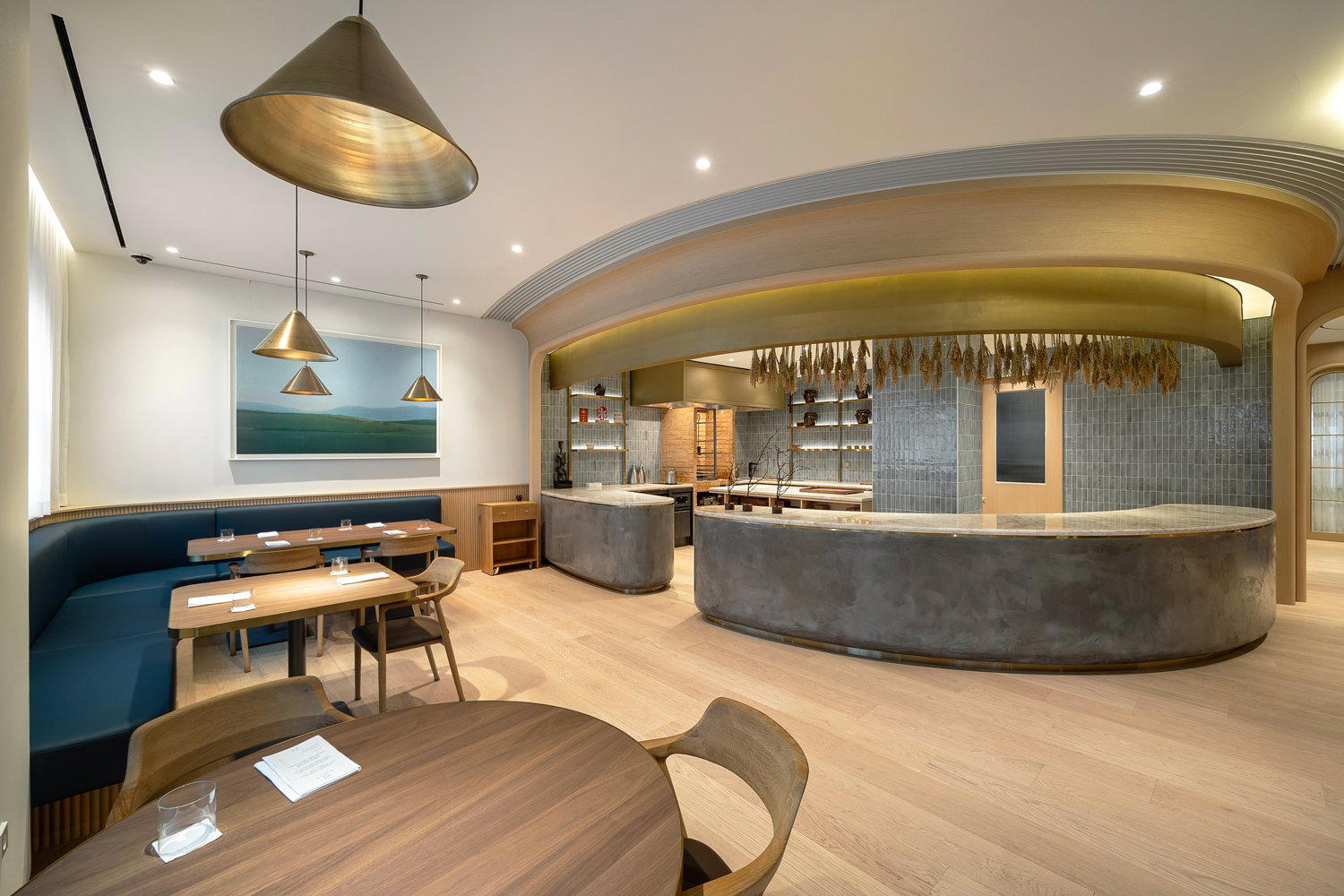
Bars in Seoul
All bars in Seoul →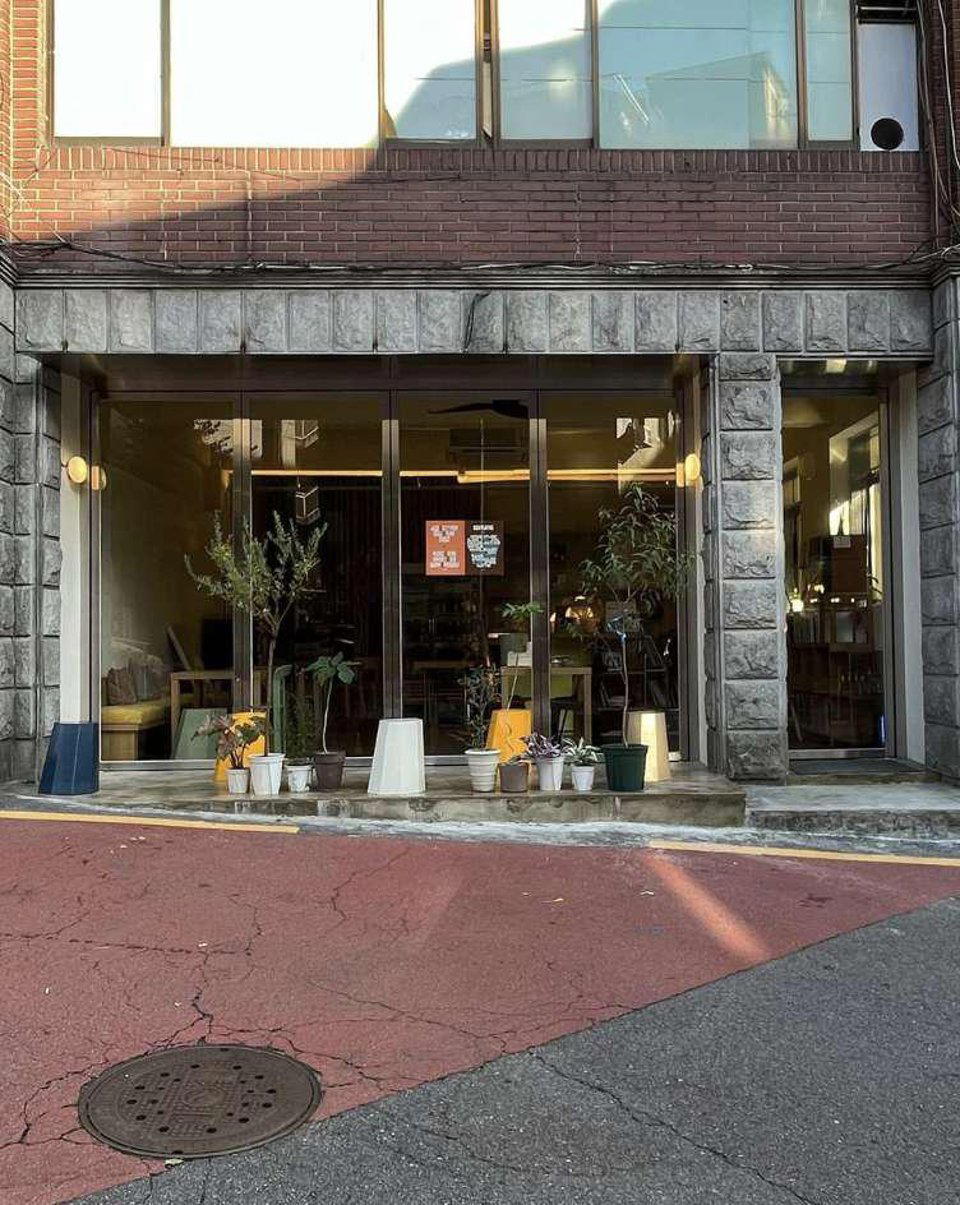

Details
- Modern
- Elegant
- Sophisticated
- Minimalist
- Date Night
- Special Occasion
- Business Dinner
- Open Kitchen
- Extensive Wine List
- Sommelier Led
- Tasting Menu
Current opening hours
- Monday
- Closed
- Tuesday
- 6–10 PM
- Wednesday
- 6–10 PM
- Thursday
- 6–10 PM
- Friday
- 12–3 PM, 6–10 PM
- Saturday
- 12–3 PM, 6–10 PM
- Sunday
- Closed
Hours can change for holidays and private events. Hours as of .
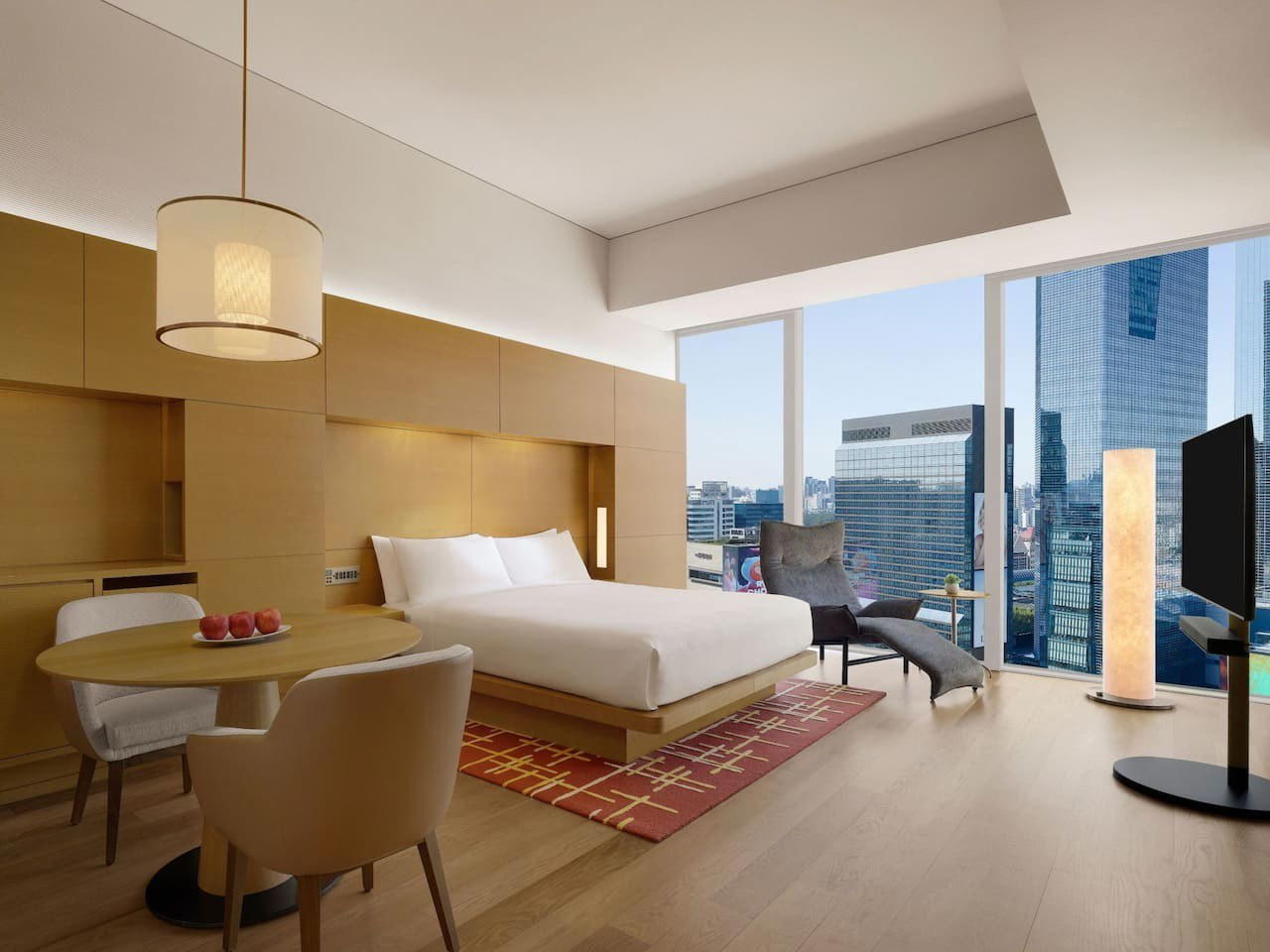
Airy space inspired by tree rings and mountain-like ceiling with subtle lighting and quiet service.