Skip to Main Content
Organic Austrian Slow Food

Google: 4.9 · 572 reviews

← Collection
Dellach, Austria

Biohotel Der Daberer

Dress CodeSmart Casual
ServiceUpscale Casual
NoiseQuiet
CapacitySmall

In the Gail Valley of Carinthia, Biohotel Der Daberer operates at the intersection of certified organic hospitality and alpine ingredient sourcing, where what arrives on the plate is inseparable from the farmland and forest surrounding the property. For travellers seeking Austrian rural dining grounded in provenance rather than spectacle, Dellach's remote position is the point, not the obstacle. St. Daniel 32 is the address; the surrounding Carinthian countryside is the context.

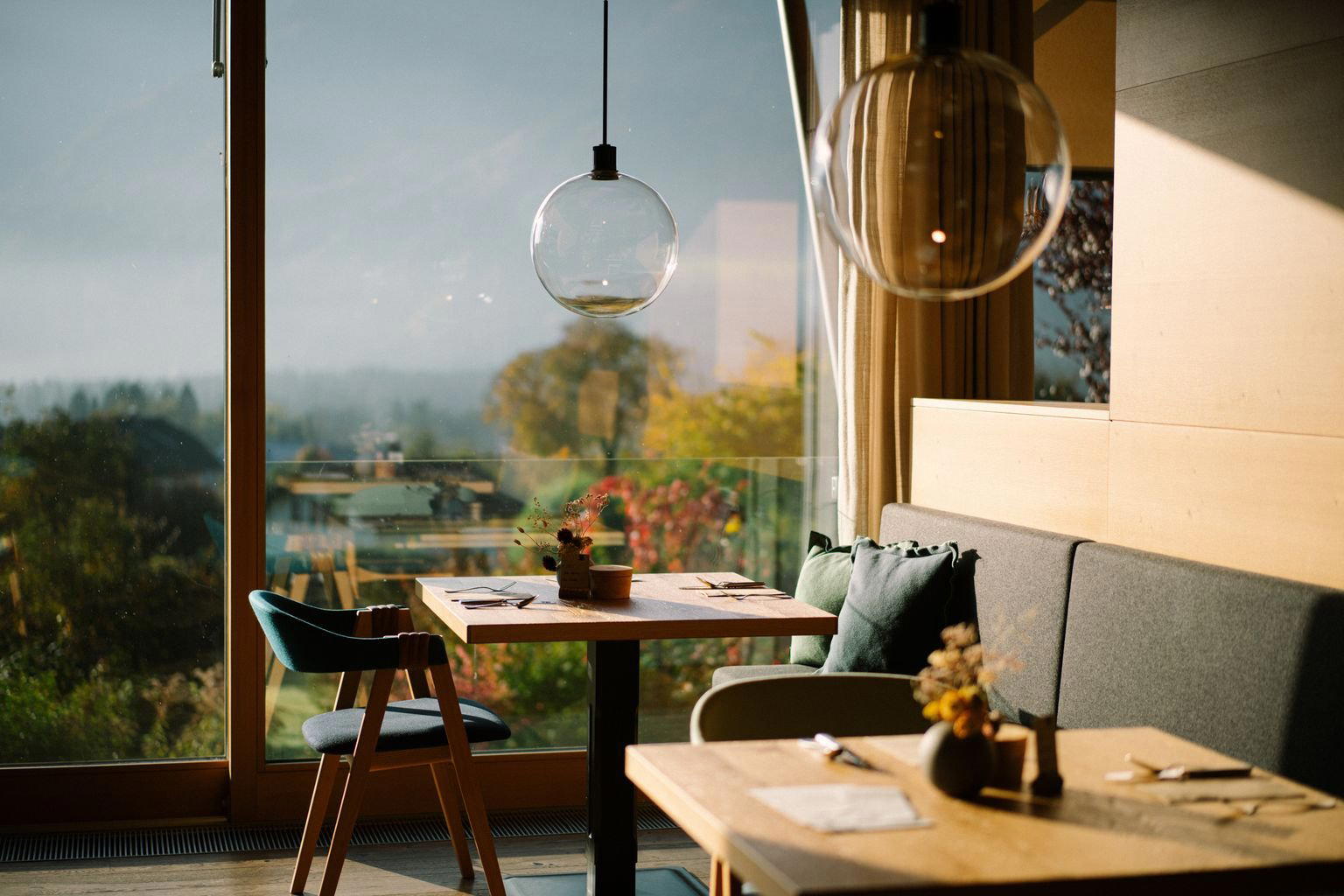
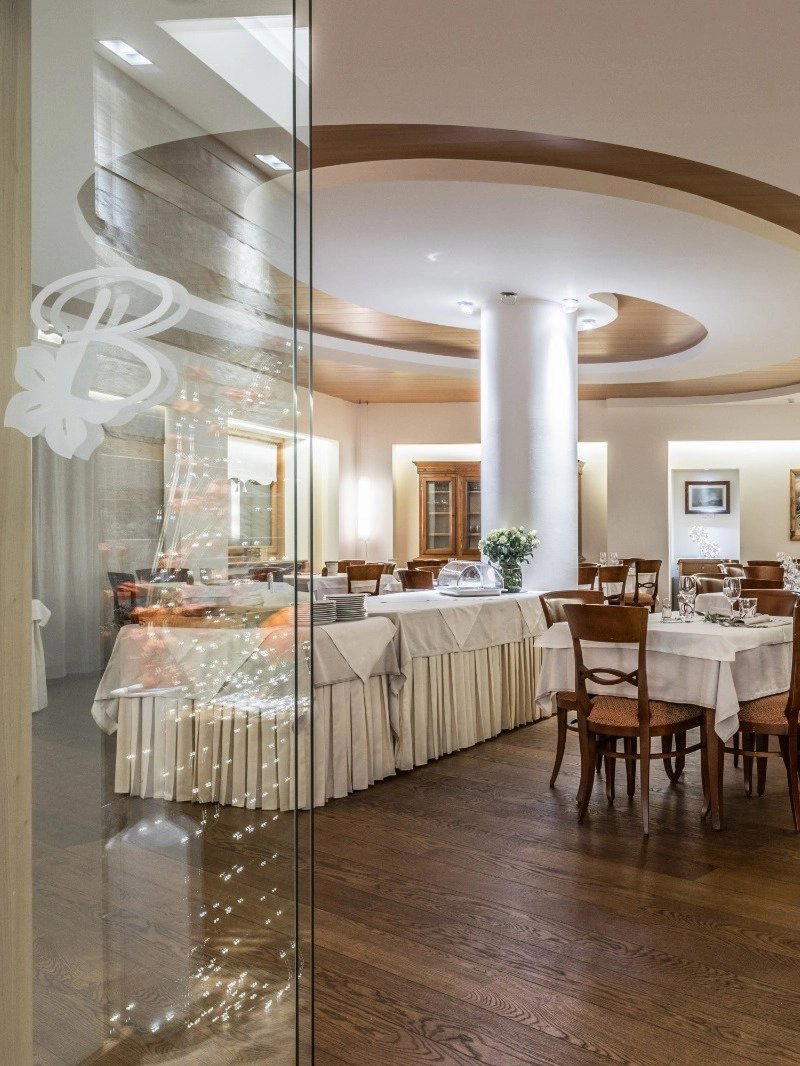
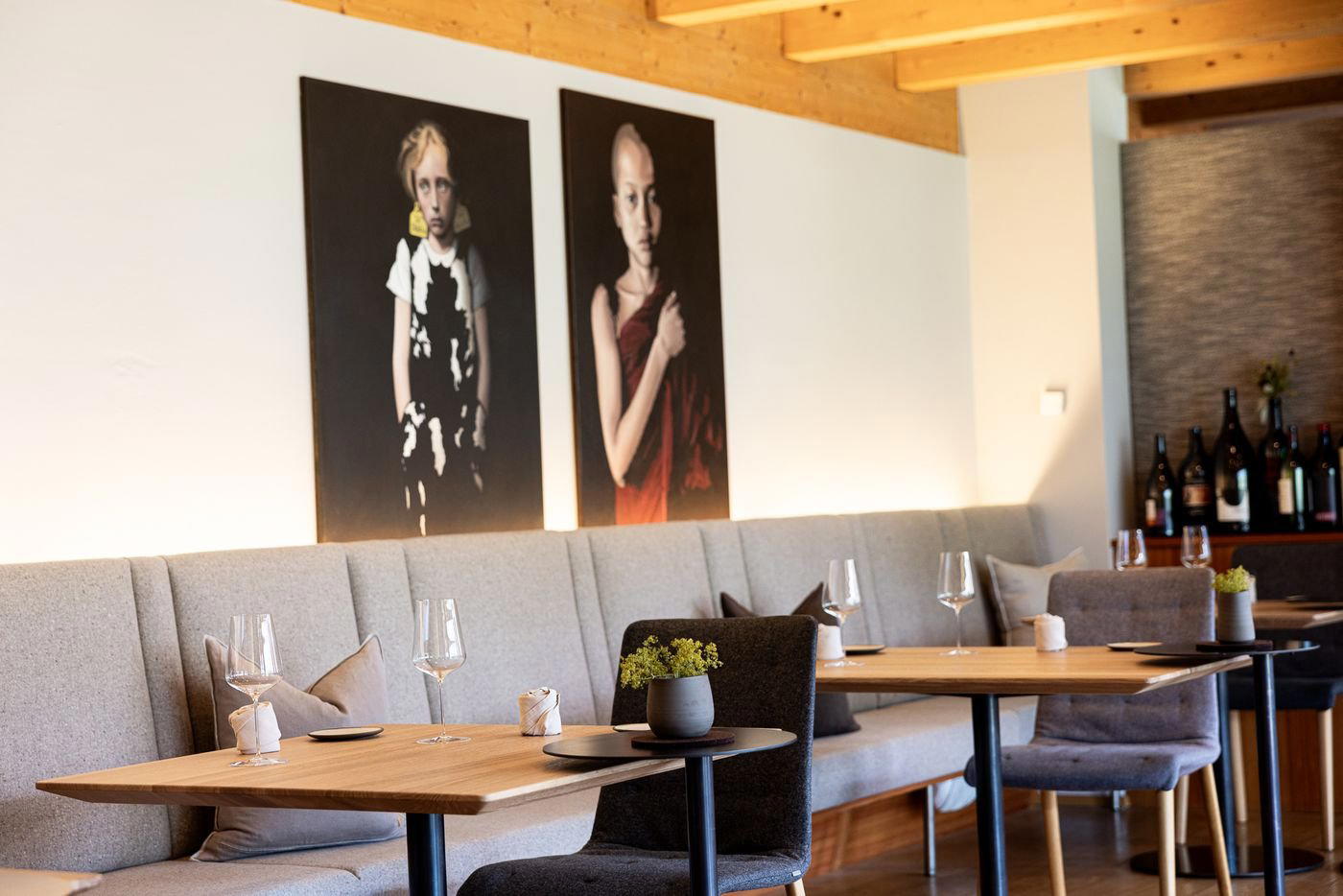
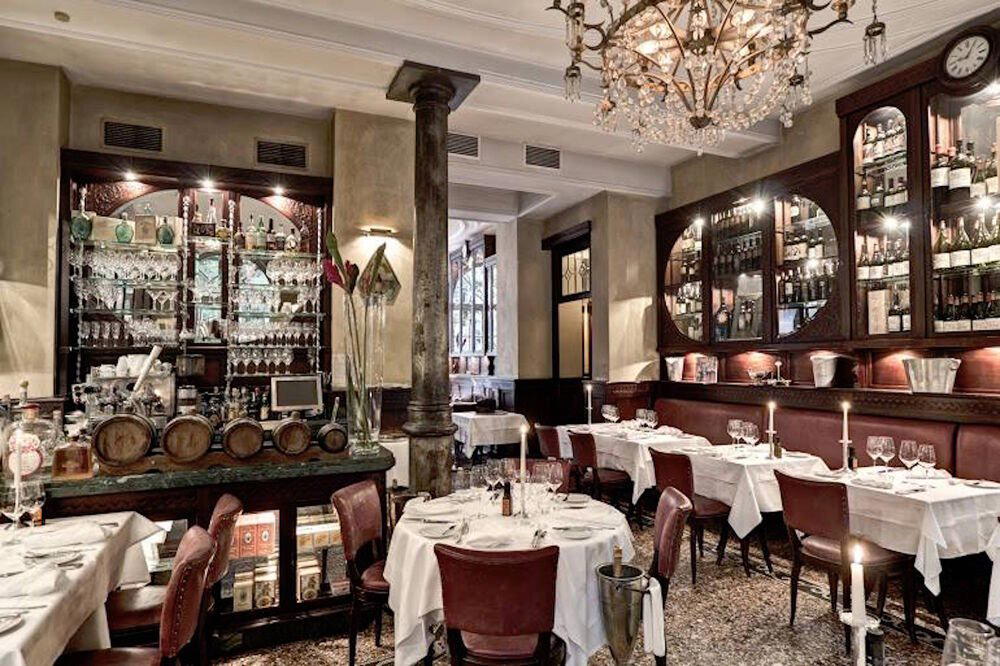
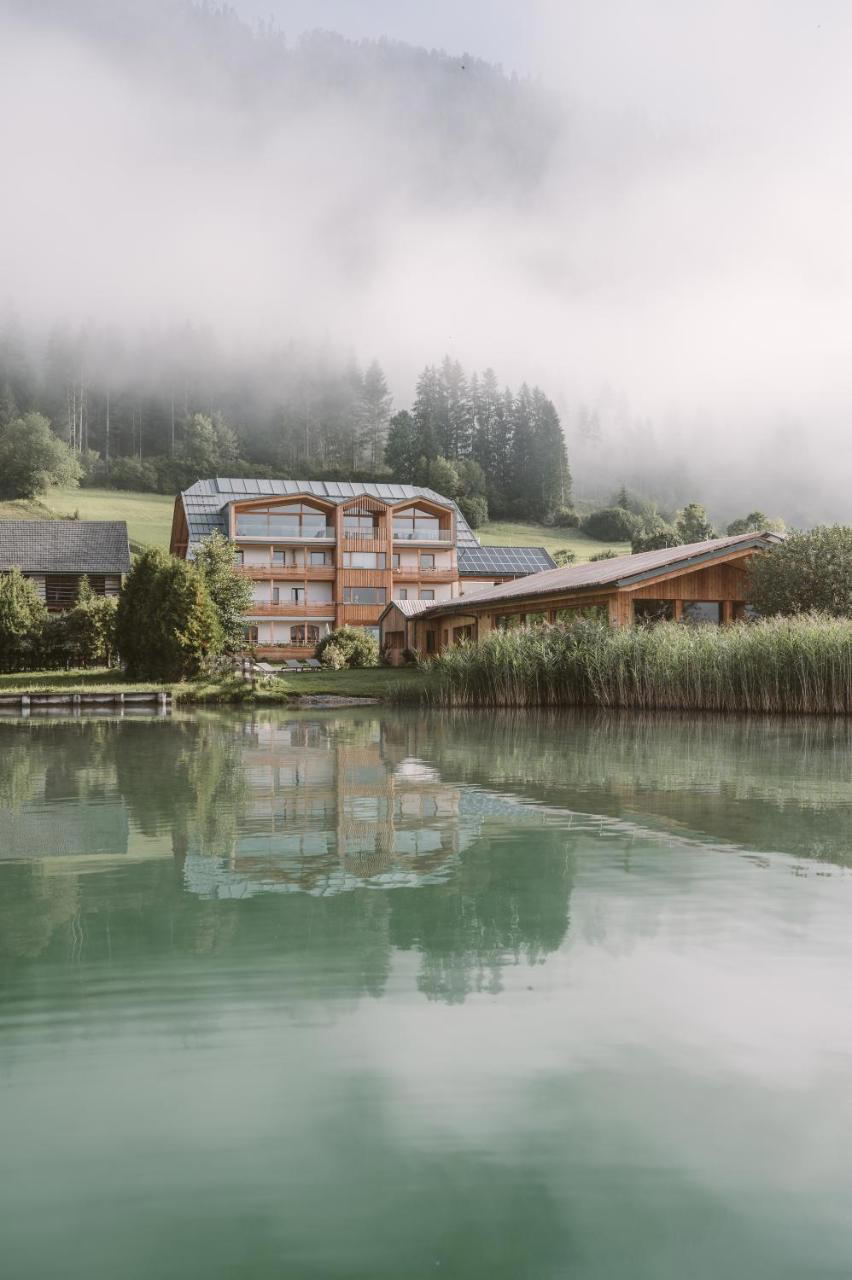
Biohotel Der Daberer restaurant in Dellach, Austria
About

Where the Gail Valley Sets the Menu

Austria's western Carinthia sits at a geographic crossroads that most visitors pass through rather than stop at: the Gail Valley runs east to west below the Carnic Alps, flanked by Slovenia to the south and the Dolomite foothills to the west. It is a landscape shaped by altitude, river-carved meadows, and a farming culture that predates any current conversation about organic certification. Biohotel Der Daberer, at St. Daniel 32 in Dellach, occupies this territory not as an outpost of urban gastronomy transplanted to the countryside, but as a property whose culinary identity is fundamentally determined by what grows, grazes, and is harvested within reach of the kitchen.

The broader Austrian dining conversation tends to concentrate on Vienna and Salzburg, where properties like Steirereck im Stadtpark in Vienna and Ikarus in Salzburg anchor the country's international reputation. What Der Daberer represents is a different category entirely: a certified biohotel whose dining program draws its authority not from tasting-menu theatrics or brigade-trained technique, but from the density of organic and regional sourcing that defines every plate. In this, it sits closer in spirit to Kräuterreich by Vitus Winkler in Sankt Veit im Pongau, where alpine herb culture is the organising principle, than to the metropolitan fine-dining circuit.

Organic Certification as Editorial Stance

Austria's biohotel sector operates under stricter sourcing requirements than most voluntary sustainability labels applied to hospitality elsewhere in Europe. To carry certified organic hotel status, a property must demonstrate that food, cleaning products, textiles, and construction materials meet defined ecological thresholds, not simply that the kitchen buys seasonal produce when convenient. Der Daberer has held this certification across its operation, which places it in a small cohort of properties where the organic claim extends beyond the breakfast buffet.

For the dining program, this has a concrete consequence: the ingredient map is determined by what certified organic producers in Carinthia and the surrounding regions can supply, rather than by what a menu concept demands. This is a different creative constraint than what operates at, say, Döllerer in Golling an der Salzach, where contemporary Austrian technique applies to a broad sourcing palette, or at Landhaus Bacher in Mautern an der Donau, where classic Austrian cuisine draws from the Wachau's agricultural richness. At Der Daberer, the region's certified organic producers are both the constraint and the point of distinction.

Carinthia's agricultural character lends itself to this model. The valley floor supports dairy farming at altitude, while the surrounding slopes produce mountain herbs, wild greens, and forest ingredients that have been harvested by local communities for generations. These are not ingredients that require a marketing narrative to justify their place at the table; they are simply what the land produces, and a kitchen oriented around organic certification has no choice but to work with them closely.

The Setting as Argument

Approaching Der Daberer along the Gail Valley road, the hotel's position makes an argument before the kitchen does. The Carnic Alps rise to the south; the valley meadows open to the north. This is not a set-dressed rural retreat designed to evoke alpine authenticity: the agricultural context here is literal. The property sits within the farming geography it sources from, which gives the dining experience a coherence that urban farm-to-table concepts often approximate but rarely achieve.

Austria has a category of rural hotel-restaurants where the cooking and the setting function as a single proposition, and Der Daberer belongs to this group. Properties like Obauer in Werfen and Taubenkobel in Schützen am Gebirge have built reputations in this vein, though each with a distinct culinary orientation. Der Daberer's orientation is toward certification, transparency, and the specific ecology of western Carinthia, which makes it a different kind of reference point within the Austrian rural dining spectrum.

For readers planning a route through Carinthia and Tyrol, the regional context includes properties across the alpine arc, from Schwarzer Adler in Hall in Tirol to Gourmetrestaurant Tannenhof in Sankt Anton am Arlberg and Griggeler Stuba in Lech. Each operates within a distinct alpine culinary logic; Der Daberer's logic is ecological before it is gastronomic, which positions it differently from the ski-resort fine-dining circuit.

Planning Your Stay

Dellach sits in the Gail Valley in the district of Hermagor, which is accessible by road from Villach (roughly 60 kilometres to the east) and from the Carinthian-Slovenian border region to the south. The location is genuinely rural; this is not a property that functions as a day trip from a larger city. The geography, and the organic hospitality model, assume a multi-night stay, and the biohotel format is oriented around guests who are present long enough to engage with the sourcing context around them. For a broader orientation to dining in the area, our full Dellach restaurants guide covers the regional options in detail.

The Austrian alpine hospitality calendar divides between summer (hiking, cycling, valley tourism) and winter (lower-altitude cross-country skiing, snowshoeing). Der Daberer's position in Carinthia means it draws guests across both seasons, though the summer months align most directly with the herb and produce calendar that organic sourcing in this valley depends on. For context on how Austria's smaller destination restaurants operate across the seasonal calendar, properties like Ois in Neufelden, Atelier Fischer in Sankt Gilgen, Thaller - Gasthaus in Sankt Veit am Vogau, and Restaurant 141 by Joachim Jaud in Mieming each illustrate how regional Austrian properties calibrate their programs to the agricultural and tourist seasons they operate within.

For international travellers contextualising Austria's farm-grounded dining model against a global reference, the sourcing-led philosophy at Der Daberer shares intellectual territory with properties like Lazy Bear in San Francisco, where the sourcing provenance is the editorial backbone of the dining program, or with the seafood-sourcing rigour that defines Le Bernardin in New York City at the other end of the formality spectrum. The connecting thread is that the ingredient source is not incidental but structural to what the kitchen does.

Signature Dishes
fresh trout from own pond
Frequently asked questions

Comparison Snapshot

These are the closest comparables we have in our database for quick context.

At a Glance
Vibe
  • Cozy
  • Rustic
  • Scenic
  • Quiet
  • Intimate
Best For
  • Special Occasion
  • Family
Experience
  • Hotel Restaurant
Drink Program
  • Natural Wine
Sourcing
  • Farm To Table
  • Organic
  • Local Sourcing
Views
  • Mountain
  • Garden
Dress CodeSmart Casual
Noise LevelQuiet
CapacitySmall
Service StyleUpscale Casual
Meal PacingLeisurely

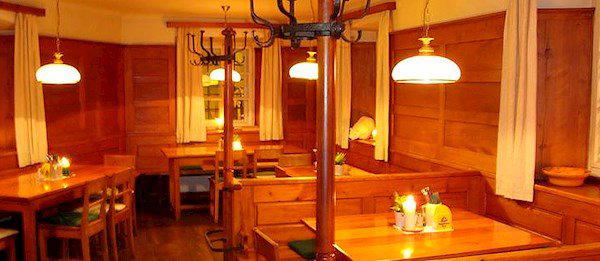
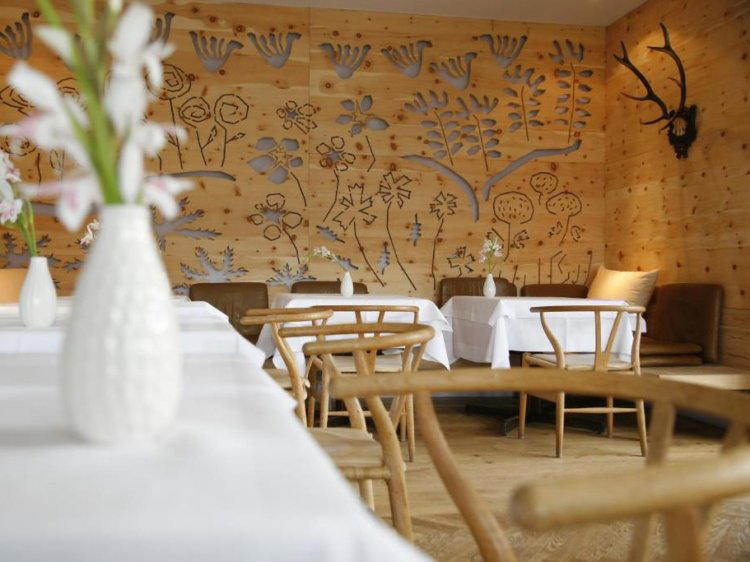
Peaceful and natural atmosphere with modern rustic interior, wood scents, clear mountain air, and a sense of unhurried tranquility.

Signature Dishes
fresh trout from own pond