Das Loewenzahn

Das Loewenzahn holds a Michelin Plate for 2024 and 2025, placing it among the credentialed dining options in the Austrian alpine lake district of Weissensee. The kitchen works in a modern cuisine register, drawing on the alpine and agricultural resources of Carinthia. It consistently outperforms expectations for a region where serious cooking is less expected than scenery.
Pearl is the En Primeur Club membership app — saves, bookings, and concierge access live there. Same editors, same standards.
- Address
- Neusach 46, 9762 Neusach, Austria
- Phone
- +43 4713 93080
- Website
- dasloewenzahn.at
- Directions
- Get directions
 Saves & bookings on Pearl
Weissensee and the Case for Serious Cooking at Altitude
Lake Weissensee sits in the Carinthian Alps at roughly 930 metres, remote enough that most visitors arrive for the water and the silence rather than a restaurant reservation. The culinary infrastructure of small Austrian alpine resorts has historically followed that logic: hearty, serviceable, built for skiers and hikers rather than for people who track Michelin coverage. Das Loewenzahn, at Neusach 46 on the lake's southern shore, represents a different proposition. The venue holds Michelin Plate recognition for 2024 and 2025, signaling a kitchen operating with consistency and technical discipline even in a location this far from Austria's urban dining centres.
That regional context matters more than it might seem. The Michelin Plate designation sits below starred status but above the general population of listed restaurants. In a city like Vienna or Salzburg, a Plate is a competitive baseline. In Weissensee, it functions as something closer to an outlier signal: a kitchen choosing to work at that standard in a place where the audience is seasonal, the supply chains are alpine, and the nearest culinary peer group is a long drive away. Comparable Austrian mountain restaurants at higher award levels, such as Gourmetrestaurant Tannenhof in Sankt Anton am Arlberg or Griggeler Stuba in Lech, operate in resort towns with established high-spend visitor bases. Weissensee is quieter, more insular, and the commitment to modern cuisine here reads as genuinely volitional rather than commercially driven.
What the Region Puts on the Plate
Modern cuisine in an alpine Carinthian setting is not the same exercise as modern cuisine in Vienna or Salzburg. The editorial angle worth paying attention to at Das Loewenzahn is ingredient provenance: Carinthia is one of Austria's most agriculturally diverse regions, with cold freshwater sources, mountain pasture systems, and forested terrain producing ingredients that serious kitchens elsewhere in the country import at considerable cost. Lake Weissensee itself is one of the cleanest large alpine lakes in Europe, fed by glacial run-off and protected from heavy tourist infrastructure. Freshwater fish from these waters carry a different character than farmed alternatives, and proximity to that source is a structural advantage no amount of urban supply-chain management can replicate.
Beyond the lake, the Carinthian Alps support cattle and sheep grazing at altitude, with the shorter growing season producing more intensely flavoured herbs, roots, and brassicas than lowland equivalents. The regional cheese and dairy tradition is less publicised than Vorarlberg or Tyrol, but Carinthian mountain dairy products are a legitimate kitchen resource. A modern cuisine kitchen in this location, operating with any seriousness, should be reading those ingredients as the foundation of its identity rather than importing prestige products from further afield. This is the logic that separates mountain kitchens like Döllerer in Golling an der Salzach, which has built a two-starred programme around Salzach Valley sourcing, from alpine restaurants that simply repackage standard luxury ingredients in a mountain setting.
Austria's most discussed restaurants, including Steirereck im Stadtpark in Vienna and Landhaus Bacher in Mautern an der Donau, have made regional sourcing central to their identity for decades. The pattern extends into the country's smaller kitchens too: Kräuterreich by Vitus Winkler in Sankt Veit im Pongau and Obauer in Werfen both build programmes around hyper-local growing and foraging. Das Loewenzahn's Michelin recognition places it in that broader national conversation, even at a price tier below the starred bracket.
Reading the Guest Consensus
, and the volume of reviews is meaningful in context. Weissensee is not a high-footfall destination: visitor numbers are constrained by geography and the absence of major transport links. Reaching 220 reviews at that rating suggests a high repeat-visit rate or strong word-of-mouth among the alpine lake visitor community. Both interpretations point toward consistent execution rather than a single strong season. For comparison, restaurants in Vienna's competitive dining scene routinely accumulate more reviews, but at lower average scores as volume dilutes outlier experiences. In a resort setting, 4.9 across 220 represents a harder result to achieve.
Within Weissensee's own dining options, the restaurant operates at the credentialed end of the spectrum alongside Die Forelle and Rouge Noir. The broader Weissensee restaurant scene is small enough that Michelin recognition at any level carries disproportionate weight.
Planning a Visit
The restaurant operates at the €€€ tier, positioning it below the €€€€ bracket that encompasses most of Austria's starred mountain restaurants and above the casual lakeside dining that dominates the area. That price point makes it accessible to visitors who want a serious meal without the full financial commitment of a starred tasting menu. For guests staying at the lake, the hotel options in Weissensee tend toward smaller family-run properties, and pairing a stay with dinner at the restaurant is the natural structure for a serious food-focused visit to the region.
The restaurant is located at Neusach 46, on the southern shore of the lake. Weissensee is not served by rail; the nearest train connection is Spittal-Millstättersee, from which the lake is approximately 30 kilometres by road. Most visitors arrive by car, and the lake road is a single route with limited passing infrastructure in winter. Seasonal timing is worth considering: Carinthia's alpine lakes are summer destinations for swimming and water sports, and winter draws a smaller, ice-skating-focused crowd. The shoulder seasons, May and October, offer quieter visits with full kitchen availability but reduced competition for tables. Booking in advance is advisable during the summer peak.
For travellers building a broader Austrian alpine dining itinerary, the kitchen programmes at Ikarus in Salzburg and Ois in Neufelden represent different expressions of the modern Austrian kitchen at higher award levels. Further afield, Frantzén in Stockholm and FZN by Björn Frantzén in Dubai offer reference points for how the modern cuisine format plays out at the summit of the international register. For local planning across all categories, see the Weissensee bars guide, the Weissensee wineries guide, and the Weissensee experiences guide.
How It Stacks Up
Comparable venues nearby, for context on price, style, and recognition.
| Venue | Cuisine | Price | Awards | Notes |
|---|---|---|---|---|
| Das LoewenzahnThis venue — the venue you are viewing | Modern French with Local Austrian Influences | $$$ | Michelin Plate | Not listed |
| Wirtshaus by Stefan Glantschnig | Modern Carinthian Regional | $$$ | Michelin Plate | Weissensee |
| Die Forelle | Alpine Regional Fine Dining | $$$$ | Michelin 1 Star | Techendorf |
| Rouge Noir | Creative Modern Fine Dining | $$$$ | Michelin 1 Star | Weissensee |
| Kammer5 | Modern Austrian-French Fine Dining | $$$ | Michelin Plate | Ort im Innkreis |
| Bär & Schaf Wirtschaft | Regional Austrian Seasonal | $$$ | Michelin Plate | Völkermarkt |
Recognition history
Dated appearances from independent guides and award organizations, with the underlying list record or original source where available.
Michelin Plate
Michelin
Michelin Plate
Michelin
Michelin Plate
Michelin
Continue exploring
More in Weissensee
Restaurants in Weissensee
Browse all →
Bars in Weissensee
Browse all →
Hotels in Weissensee
Browse all →

At a Glance
- Cozy
- Modern
- Scenic
- Intimate
- Date Night
- Special Occasion
- Celebration
- Terrace
- Open Kitchen
- Extensive Wine List
- Local Sourcing
- Waterfront
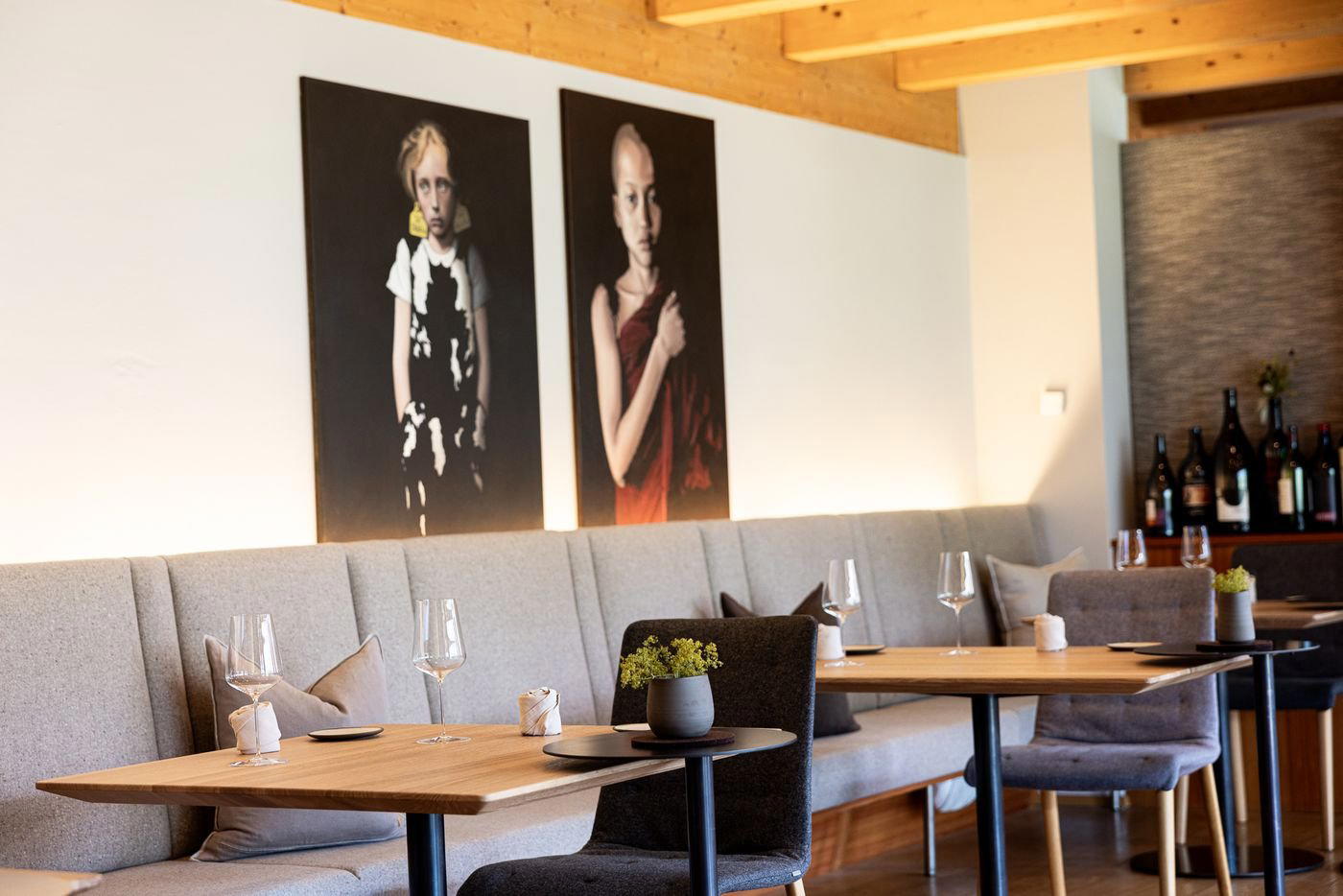
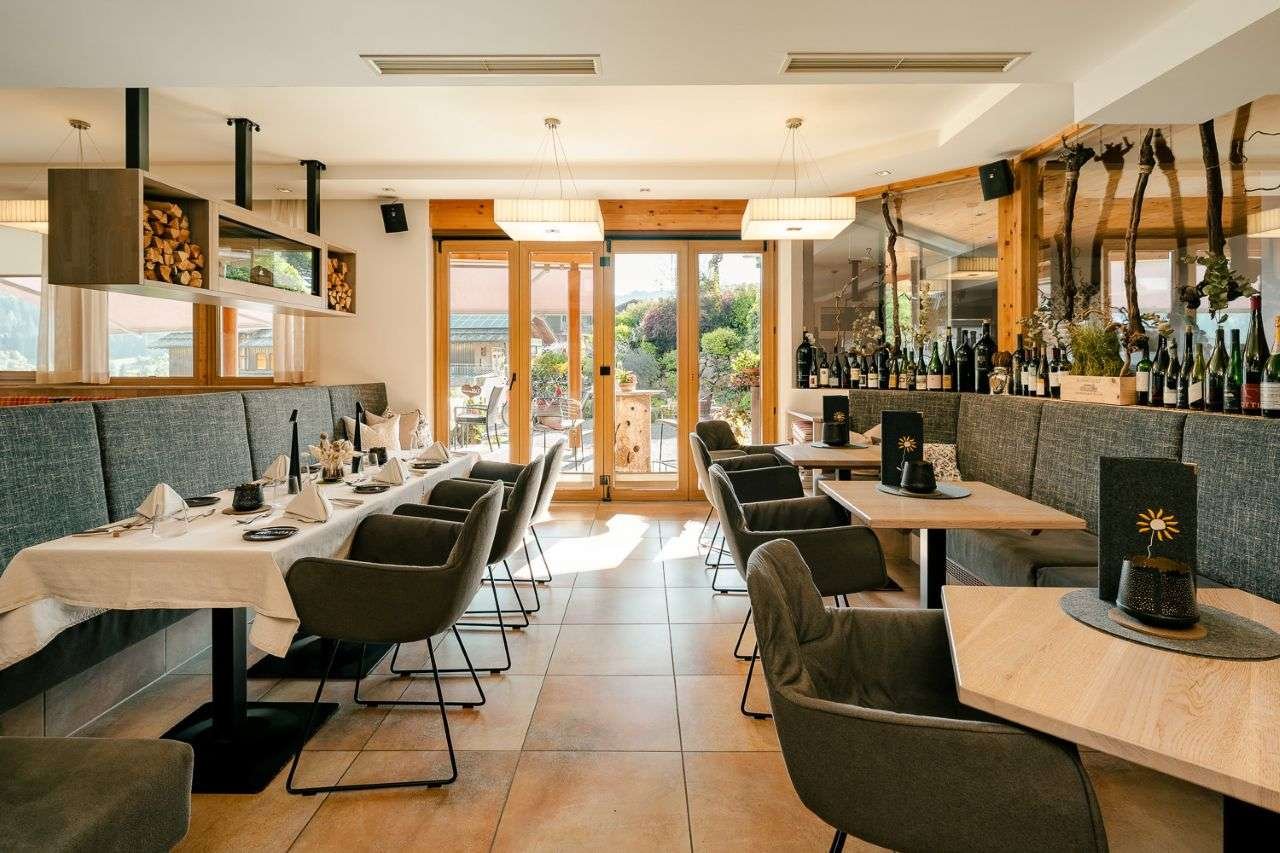
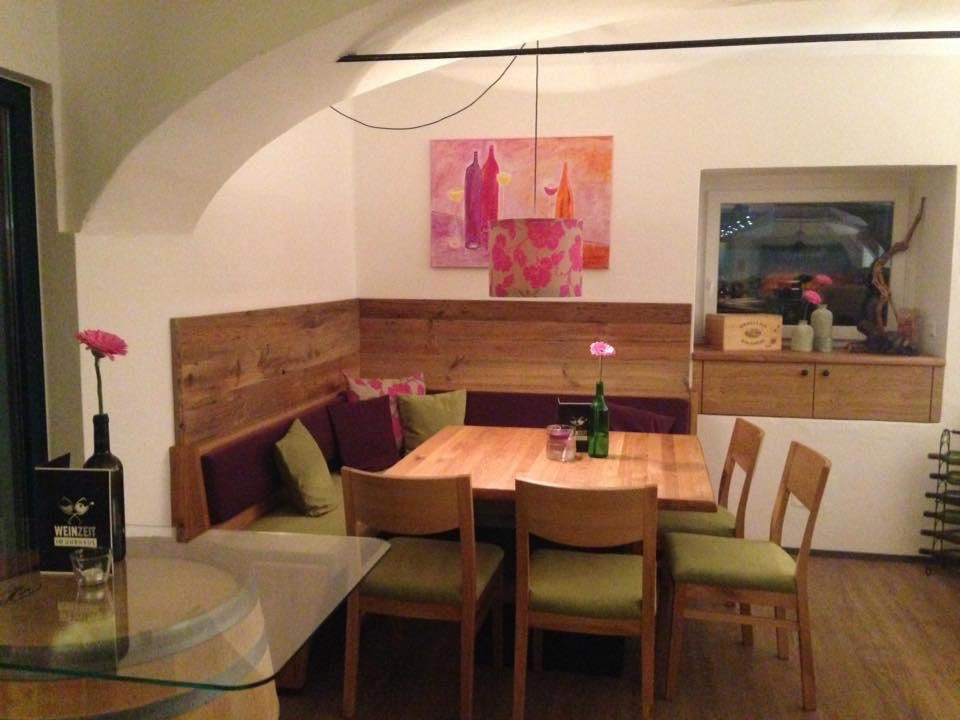
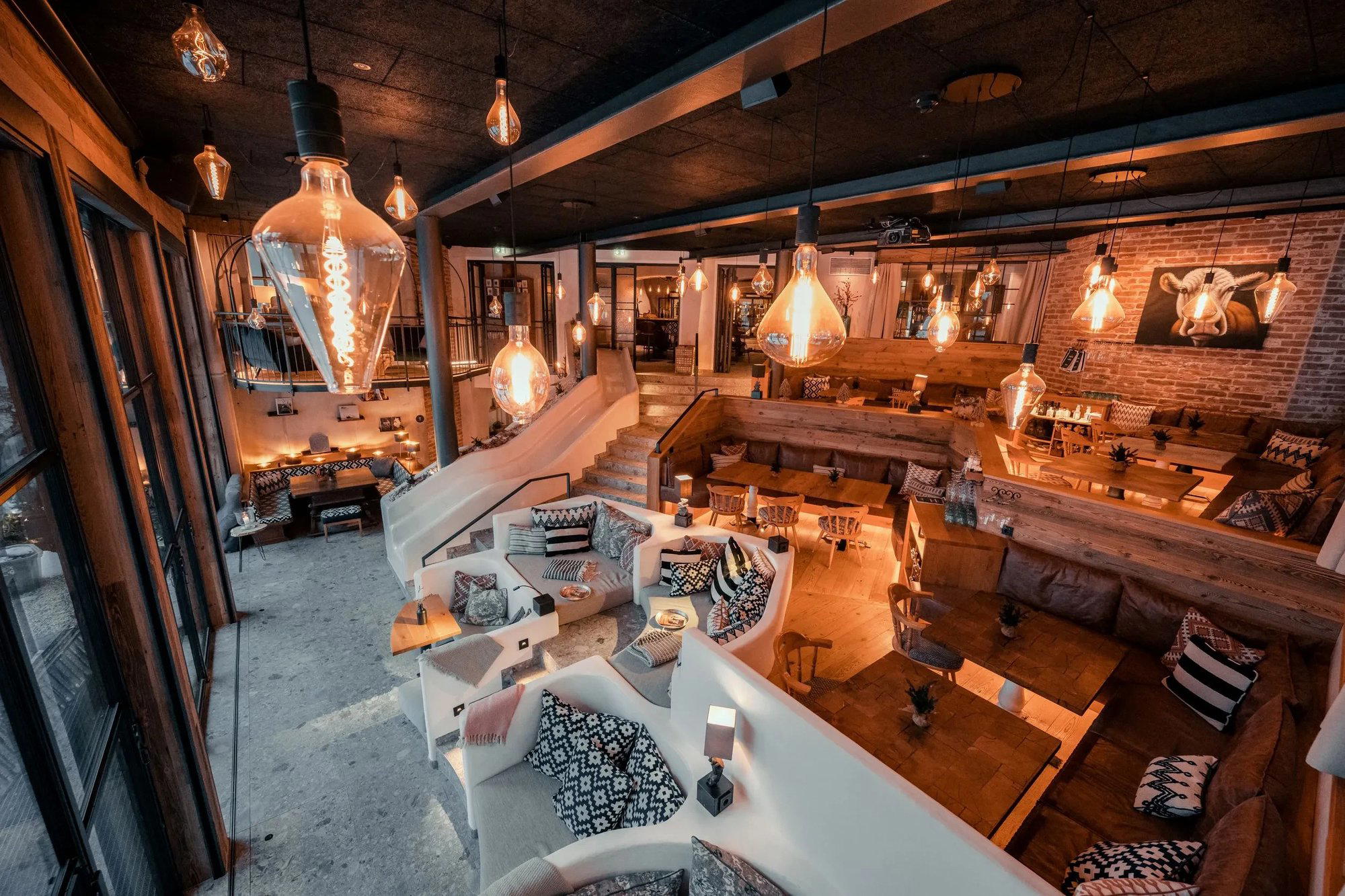
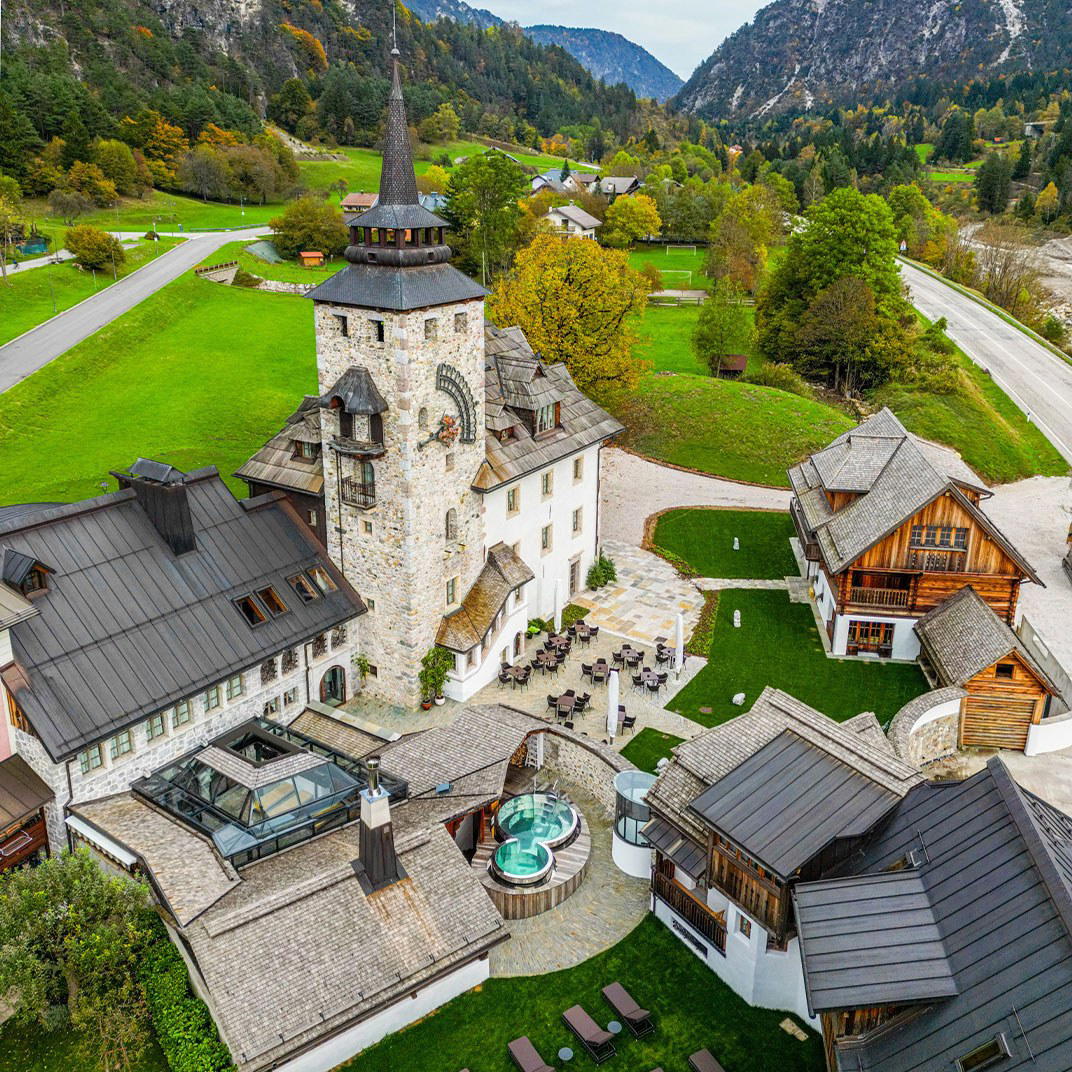
Colorful, original, and relaxed 70s-modern interior with warm colors, quirky decorations, cozy vibes, large windows, and glass fronts bringing in light and lakeside views.