Die Forelle




Die Forelle holds a Michelin star and a La Liste ranking at Weissensee's edge, serving a single set menu, BERG.SEE.KÜCHE., built around micro-seasonal plants, herbs, and proteins sourced from the surrounding Weissensee Nature Park and the family's own farm. Six courses plus extras place it among Austria's most geographically committed fine-dining kitchens, with accommodation available in the adjoining hotel.
Pearl is the En Primeur Club membership app — saves, bookings, and concierge access live there. Same editors, same standards.
- Address
- Techendorf 80, 9762 Techendorf, Austria
- Phone
- +43 4713 2356
- Website
- dieforelle.at
- Directions
- Get directions
 Saves & bookings on Pearl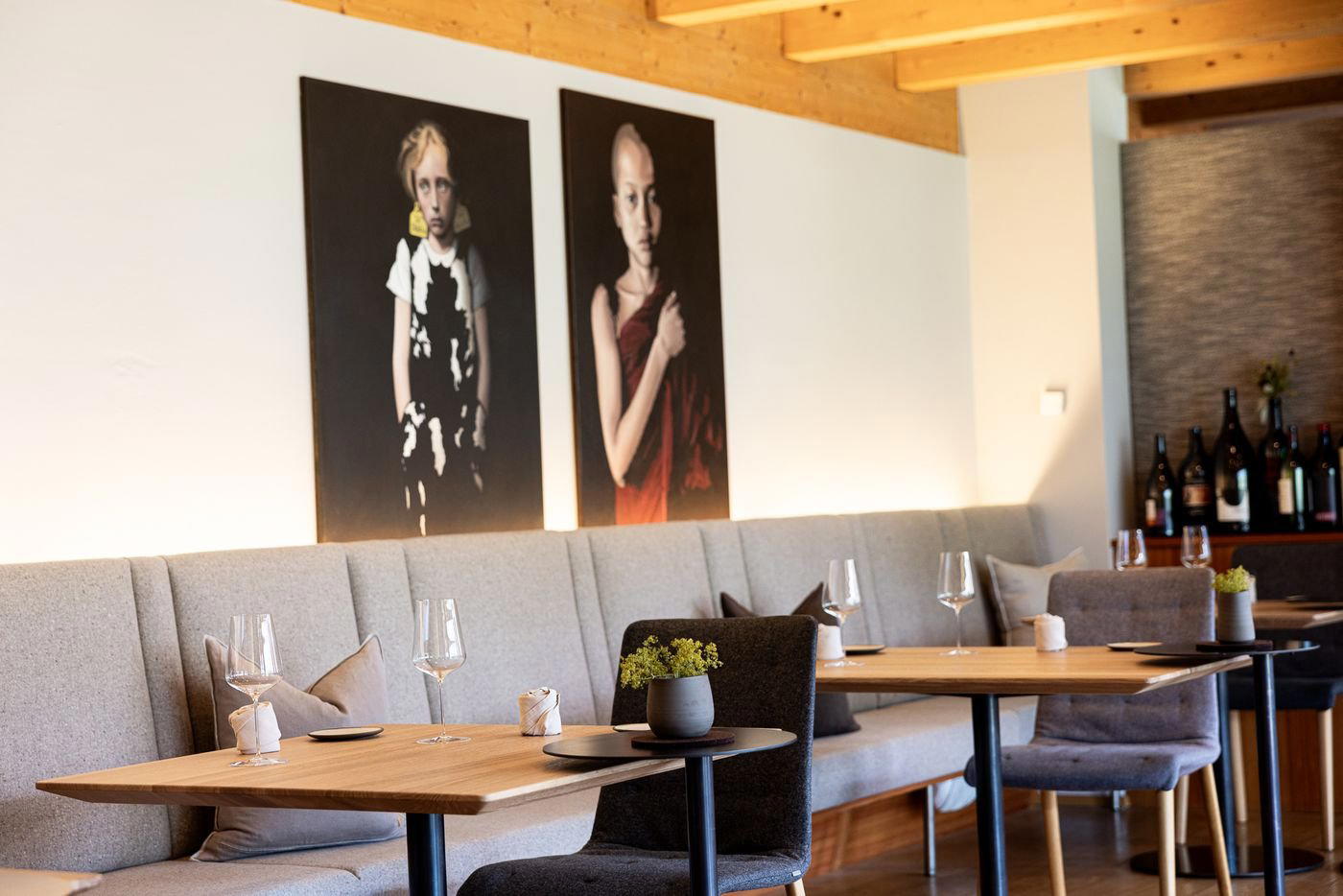
Where the Plate Begins Outside
Die Forelle is a one-star restaurant in Techendorf, Austria, serving Alpine Regional Fine Dining at about $120 per person. The modern dining room looks across open meadows to the Weissensee, one of the warmest and cleanest alpine lakes in Austria, and the view is not incidental, it is the menu's premise. In the Carinthian alpine tradition, cooking from immediate surroundings has always been practical necessity; at this level of fine dining, it becomes a structuring philosophy. The kitchen here does not import a regional aesthetic and apply it decoratively. The ingredients are the region: herbs pulled from the surrounding Weissensee Nature Park, fermented preparations from the previous season, proteins traced to named farms within direct reach of Techendorf. That geographical specificity is what separates a genuinely sourced menu from one that simply invokes terrain as branding.
Austria's more celebrated fine-dining addresses, Steirereck im Stadtpark in Vienna, Döllerer in Golling an der Salzach, Kräuterreich by Vitus Winkler in Sankt Veit im Pongau, each draw identity from their specific alpine geography. Die Forelle belongs to this cohort: a Michelin-starred kitchen in a rural setting where provenance is not a selling point but the actual operating system. The €€€€ price position places it squarely in the Austrian destination-dining tier, where the journey to the table is part of the proposition.
The BERG.SEE.KÜCHE. Menu: Sourcing as Structure
Die Forelle serves a single menu. There is no à la carte alternative, no shorter option for guests who want less. The format is deliberate and common to kitchens at this level across Alpine Europe: a fixed sequence allows the kitchen to commit entirely to micro-seasonal ingredients that arrive in limited quantities and change week by week. The menu name, BERG.SEE.KÜCHE. translating broadly as Mountain. Lake. Food. maps the sourcing triangle that defines each service.
Documented dishes from the menu give a clear picture of the kitchen's register: rhubarb with mountain brook trout, carrot, yarrow, and sunflower seeds; red cabbage with venison, celery, and miso. Both combinations are light and technically restrained, using fermented or preserved elements to carry depth rather than relying on richness. Yarrow is a wild-foraged herb with a faintly bitter, anise-adjacent character; its presence in a fish preparation signals the kind of hyper-local plant sourcing that distinguishes this menu from conventional alpine fine dining, which tends toward cream, butter, and aged cheese as its primary flavour registers.
The fermentation thread is significant. Using preparations from the previous season, pickled, lacto-fermented, or otherwise preserved, is both a practical response to alpine seasonality and a way of maintaining ingredient traceability across the year. A kitchen that ferments its own vegetables is also a kitchen that controls the flavour profile of those vegetables in a way that no supplier relationship can fully replicate. At comparable addresses such as Obauer in Werfen and Ois in Neufelden, in-house preservation has become a marker of seriousness about seasonal cooking rather than a stylistic flourish.
The Farm Link
The sourcing chain at Die Forelle includes a direct family farm connection. Krainer Steinschaf mutton comes from the Zöhrer-Bauernhof, a farm with which the restaurant maintains a personal producer relationship. The Krainer Steinschaf is a heritage Carinthian sheep breed, leaner and more mineral in flavour than commercial lamb, with a shorter production window that limits supply. Placing a heritage breed from a named family farm on a Michelin-starred menu is a provenance claim that can be substantiated: the animal, the farm, and the region are all verifiable. This is the kind of ingredient specificity that separates documented sourcing from vague locality claims.
This approach connects the restaurant to a broader movement in European fine dining that has moved away from luxury import ingredients, the Brittany turbot, the Japanese wagyu, toward endemic breeds and cultivars that carry a legible sense of place. Arpège in Paris built its reputation on this model with its own garden; Alléno Paris au Pavillon Ledoyen has pursued a different version through sauce technique built on local dairy and vegetable extractions. The Austrian alpine version, as practiced at the restaurant, centres on what the immediate landscape actually produces in its natural cycles: wild herbs, lake fish, mountain-grazed meat, foraged botanicals.
The Wine List and the Room
The wine program at the restaurant is Austria-centric by design, with a clear lean toward natural and orange wines. This is not a neutral or fashionable choice in the Austrian context: the country produces some of Europe's most technically accomplished orange wines, particularly from Styria and Burgenland, and natural wine producers in the Wachau and around Kamptal have developed a serious following internationally. A list built around these wines at a mountain lake restaurant in Carinthia is an editorially coherent choice that connects the sourcing ethos of the kitchen to the cellar. Sommelier Monika Müller oversees this list and manages service in the dining room, a dual role common at smaller destination restaurants where the front-of-house team is compact and integral to the experience.
The dining room itself is described as modern, with direct views over meadows to the lake. At Weissensee, a lake that sits at around 930 metres altitude in the Gailtal Alps, fed by snowmelt and spring water, famously clear, that view functions as part of the meal's argument. You are eating a menu about this specific place while looking at it. The room's modernity sits comfortably against the natural park setting; the design does not attempt to replicate a traditional alpine inn, and the separation is useful. This is not a rustic table d'hôte. It is a structured fine-dining experience that happens to be located in a place of considerable natural character.
Recognition and Peer Position
The restaurant holds one Michelin star. La Liste aggregates critical scores from multiple publications across countries, so a position on that list reflects recognition from a broader critical consensus rather than a single guide's perspective. The score movement between years is worth noting: La Liste rankings shift with menu evolution and service consistency, and a two-year presence confirms sustained performance rather than a one-cycle entry.
Within the Austrian fine-dining tier, the restaurant sits at the Michelin one-star level alongside kitchens that include Gourmetrestaurant Tannenhof in Sankt Anton am Arlberg and Griggeler Stuba in Lech, both of which operate in alpine resort contexts with similar €€€€ price positioning. The peer comparison is instructive: this is a category of restaurant where the setting is a material part of the proposition, and where the cooking is expected to reflect rather than ignore its geography. The restaurant's La Liste score places it in the upper range of that tier.
For a broader view of what the Austrian one- and two-star tier looks like, Ikarus in Salzburg and Landhaus Bacher in Mautern an der Donau offer a useful range of approaches within the same price bracket.
Planning a Visit
The restaurant is located at Techendorf 80, in the village of Techendorf on the Weissensee in Carinthia. The restaurant is located at Techendorf 80, 9762 Techendorf, Austria. The single-menu format at €€€€ pricing signals that advance booking is the appropriate approach. The single-menu format at €€€€ pricing signals that advance booking is the appropriate approach; the combination of a fixed menu, a small modern dining room, and a destination location means tables move quickly during the summer season when the lake is at its most accessible. Weissensee is a year-round destination, the lake freezes reliably in winter and hosts speed skating events on natural ice, but the kitchen's plant-forward seasonal menu is most densely supplied between late spring and early autumn.
Price Lens
Comparable venues nearby, for context on price, style, and recognition.
| Venue | Cuisine | Price | Awards | Notes |
|---|---|---|---|---|
| Die ForelleThis venue — the venue you are viewing | Techendorf, Alpine Regional Fine Dining | $$$$ | Michelin 1 Star | Not listed |
| Rouge Noir | Weissensee, Creative Modern Fine Dining | $$$$ | Michelin 1 Star | Not listed |
| Das Loewenzahn | Not listed | $$$ | Michelin Plate | Weissensee, Modern French with Local Austrian Influences |
| Wirtshaus by Stefan Glantschnig | Weissensee, Modern Carinthian Regional | $$$ | Michelin Plate | Not listed |
| Mörwald „Toni M.“ | Not listed | $$$$ | Michelin 1 Star | Feuersbrunn am Wagram, Modern Austrian Fine Dining |
| Schlosskeller Gourmetstube | Seggauberg, Modern Styrian Fine Dining | $$$$ | Michelin 1 Star | Not listed |
Recognition history
Dated appearances from independent guides and award organizations, with the underlying list record or original source where available.
Falstaff Restaurant - 98 Falstaff Points
Falstaff
La Liste Top Restaurants
La Liste
Michelin 1 Star
Michelin
Star Wine List
Star Wine List
La Liste Top Restaurants
La Liste
Michelin 1 Star
Michelin
Michelin 1 Star
Michelin
Continue exploring
More in Weissensee
Restaurants in Weissensee
Browse all →
Bars in Weissensee
Browse all →
Hotels in Weissensee
Browse all →
Wineries in Weissensee
Browse all →
At a Glance
- Elegant
- Romantic
- Scenic
- Sophisticated
- Quiet
- Date Night
- Special Occasion
- Celebration
- Waterfront
- Panoramic View
- Open Kitchen
- Hotel Restaurant
- Extensive Wine List
- Natural Wine
- Sommelier Led
- Farm To Table
- Organic
- Local Sourcing
- Biodynamic
- Zero Waste
- Waterfront
- Mountain
Modern, minimalist dining room with tasteful restraint and comfort; soft natural lighting framing panoramic views across meadows to the lake; warm, welcoming atmosphere despite fine-dining formality.