Google: 4.6 · 504 reviews
A castle hotel set in the Coburg district of Upper Franconia, Ringhotel Schloss Hohenstein represents the category of German country-house hospitality where historic architecture and regional culinary tradition intersect. The property sits within the Ringhotel network, a group of independently operated hotels that positions itself around character properties rather than standardised luxury. Dining here connects to the agricultural rhythms of northern Bavaria.
 Discover on Pearl
Pearl is the En Primeur Club membership app — saves, bookings, and concierge access live there. Same editors, same standards.
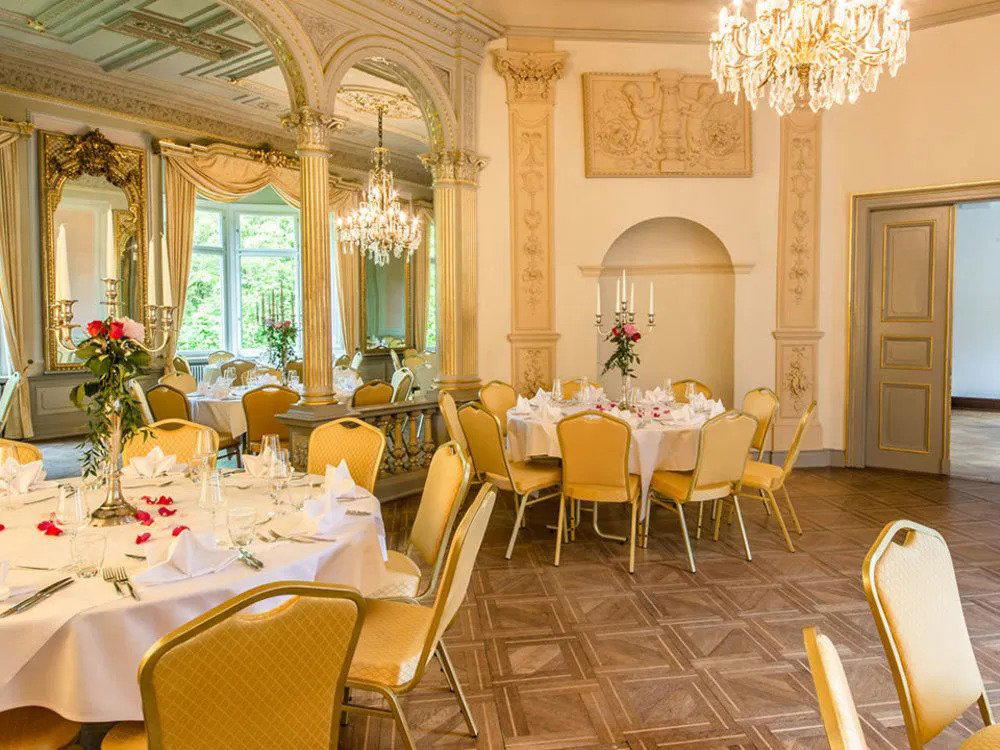
Castle Hotels in Franconia: A Different Kind of Regional Hospitality
Upper Franconia occupies an interesting position in Germany's hospitality geography. Wedged between the Thuringian Forest to the north and the Franconian wine country to the south, the region has never chased the glossy resort infrastructure of Bavaria proper. Instead, its character properties tend to be older, quieter, and more rooted in the agricultural and aristocratic fabric of the landscape. Ringhotel Schloss Hohenstein, at Hohenstein 1 in Ahorn — a small municipality in the Coburg district — belongs to that tradition. The approach to the property through the Ahorn countryside already signals the register: this is castle hospitality calibrated for genuine retreat, not theatrical luxury.
The Ringhotel group, which Schloss Hohenstein belongs to, operates as a collective of independently run character hotels across Germany. The group's model sits between full independence and branded-chain standardisation, allowing individual properties to retain local identity while sharing infrastructure and distribution. Within that peer set, castle and manor properties like Schloss Hohenstein function as the heritage anchor, distinct from the urban business hotels and spa properties that round out the Ringhotel portfolio.
The Sourcing Logic of Regional Castle Dining
In northern Bavaria, the most coherent argument for dining at a castle hotel is geographic: these properties tend to sit on or near agricultural land, with direct relationships to local producers that urban restaurants have to work harder to replicate. The Coburg district, where Schloss Hohenstein is located, has long-established connections to Franconian cattle farming, game, and forestry. Castle kitchens in this region historically drew from estate grounds and neighbouring farms as a matter of necessity, and the better contemporary operations in this category maintain some version of that provenance logic.
The dining operation associated with the property, Rehbergers im Schloss Hohenstein (Seasonal Cuisine), takes its directional cue from the calendar rather than from fixed menu architecture. That seasonal emphasis matters in this part of Germany: Franconian winters push kitchens toward root vegetables, cured meats, and game, while spring and summer unlock asparagus from the sandy soils south of Coburg, freshwater fish from the region's rivers, and a rotation of foraged ingredients that define the more serious kitchens operating in this register. The seasonal framing is not merely marketing shorthand , in a region where weather and soil determine what is available, it reflects a real constraint and a real opportunity.
For comparison, the strongest German regional kitchens with similar sourcing philosophies operate at significantly higher price and recognition tiers. Schwarzwaldstube in Baiersbronn and Waldhotel Sonnora in Dreis demonstrate how country-house restaurant settings can carry serious culinary ambition. ES:SENZ in Grassau similarly shows what happens when a rural Bavarian address is paired with precise, technique-driven cooking. Schloss Hohenstein does not position itself in that competitive tier, but the underlying logic , hospitality anchored to place and seasonality , runs across all of them.
The Castle Setting as Context, Not Backdrop
German castle hotels divide broadly into two categories: those where the historic architecture is essentially a backdrop for generic hospitality, and those where the building's character genuinely shapes the guest experience. The physical fabric of older structures , thicker walls, irregular room proportions, staircases built before fire codes, views shaped by defensive rather than scenic logic , creates an atmosphere that purpose-built hotels cannot replicate, but also imposes limitations that guests should weigh against their expectations.
Ahorn itself is a small municipality. It does not offer the urban amenities or independent restaurant scene of a city like Coburg, which sits roughly seven kilometres to the northwest. Guests staying at Schloss Hohenstein are effectively committing to the property and its dining operation rather than treating it as a base for wider exploration, at least in the evening. That self-contained character suits certain kinds of trips , anniversary stays, quiet writing retreats, short breaks where the point is genuine disconnection , better than others. For those who want to pair a castle-hotel stay with serious independent dining, our full Ahorn restaurants guide maps the broader options in the area.
Where Schloss Hohenstein Sits in the Wider German Fine Dining Picture
Germany's most decorated restaurants in 2024 cluster around urban addresses and a handful of destination country properties. Aqua in Wolfsburg, JAN in Munich, and Vendôme in Bergisch Gladbach represent the multi-Michelin tier where tasting menus run north of €250 per head. Victor's Fine Dining by Christian Bau in Perl and Restaurant Haerlin in Hamburg anchor opposite ends of the country in similar prestige brackets. CODA Dessert Dining in Berlin and ATAMA by Martin Stopp in Sankt Ingbert show the range of creative formats now carrying Michelin recognition in Germany.
Schloss Hohenstein operates at a different register from all of the above. It belongs to the category of German hospitality where the primary offer is atmosphere, setting, and regional cooking at an accessible price point rather than culinary ambition pursued at the highest technical level. That is not a criticism: the German hospitality market has strong demand for exactly this kind of property, and the Ringhotel model has sustained a network of them across decades. The honest framing is that guests choosing Schloss Hohenstein are choosing place over precision, and at its leading, that trade-off is entirely defensible.
For international reference points on what ingredient-led, place-specific dining looks like at a higher tier of execution, Le Bernardin in New York City and Atomix in New York City illustrate how sourcing rigour translates into tasting-menu architecture. Schanz in Piesport, Bagatelle in Trier, and ammolite in Rust fill in the German regional picture across different price points and settings. AUGUST in Augsburg provides another Bavarian data point for comparison.
Planning a Visit
Schloss Hohenstein is located at Hohenstein 1, 96482 Ahorn, in the Coburg district of Upper Franconia. The nearest city with rail connections is Coburg, served by direct trains from Nuremberg and Munich. By road, the property sits just off the main routes linking Coburg to the A73 motorway corridor. Given the rural location and the self-contained nature of the property, arriving by car is the most practical arrangement for most guests. Booking through the Ringhotel network is the standard approach for accommodation, with dining reservations logically handled alongside. Because the Coburg region draws visitors for both the historic Coburg Fortress and the surrounding countryside, availability at character properties like this can tighten during summer weekends and the Christmas market season in late November and December.
Comparable Spots, Quickly
These are the closest comparables we have in our database for quick context.
| Venue | Cuisine | Price | Awards | Notes |
|---|---|---|---|---|
| Ringhotel Schloss Hohenstein | This venue | |||
| Aqua | Contemporary German, Italian/Japanese, Creative | €€€€ | Michelin 3 Star | Contemporary German, Italian/Japanese, Creative, €€€€ |
| Schwarzwaldstube | French, Classic French | €€€€ | Michelin 3 Star | French, Classic French, €€€€ |
| CODA Dessert Dining | Creative | €€€€ | Michelin 2 Star | Creative, €€€€ |
| Vendôme | Modern European, Creative | €€€€ | Michelin 2 Star | Modern European, Creative, €€€€ |
| Tantris | Modern French, French Contemporary | €€€€ | Michelin 2 Star | Modern French, French Contemporary, €€€€ |
Continue exploring
More in Ahorn
At a Glance
- Romantic
- Elegant
- Cozy
- Scenic
- Sophisticated
- Date Night
- Special Occasion
- Historic Building
- Hotel Restaurant
- Extensive Wine List
- Local Sourcing
- Garden
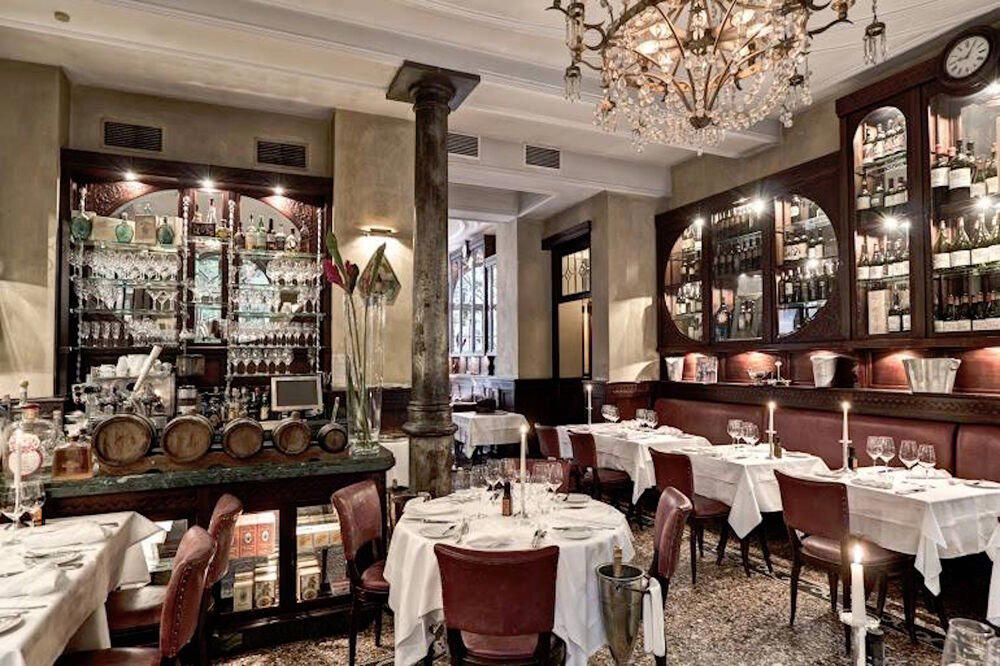
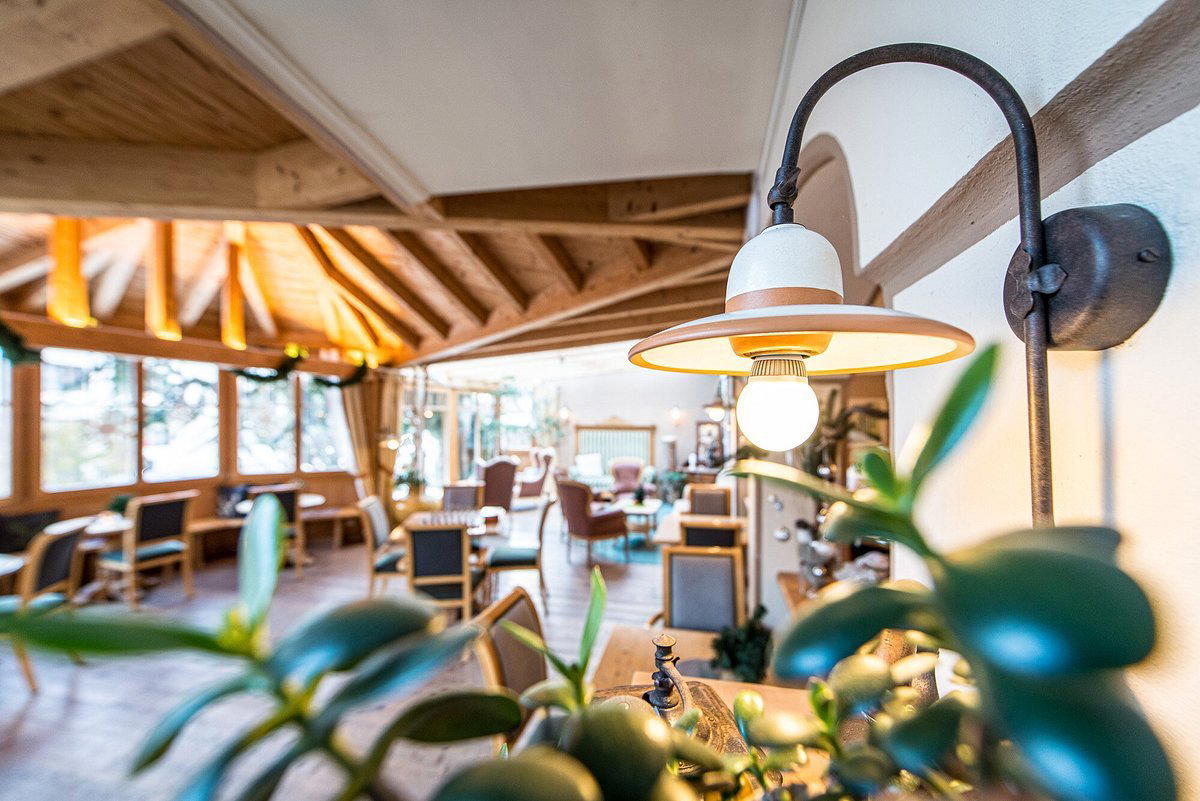
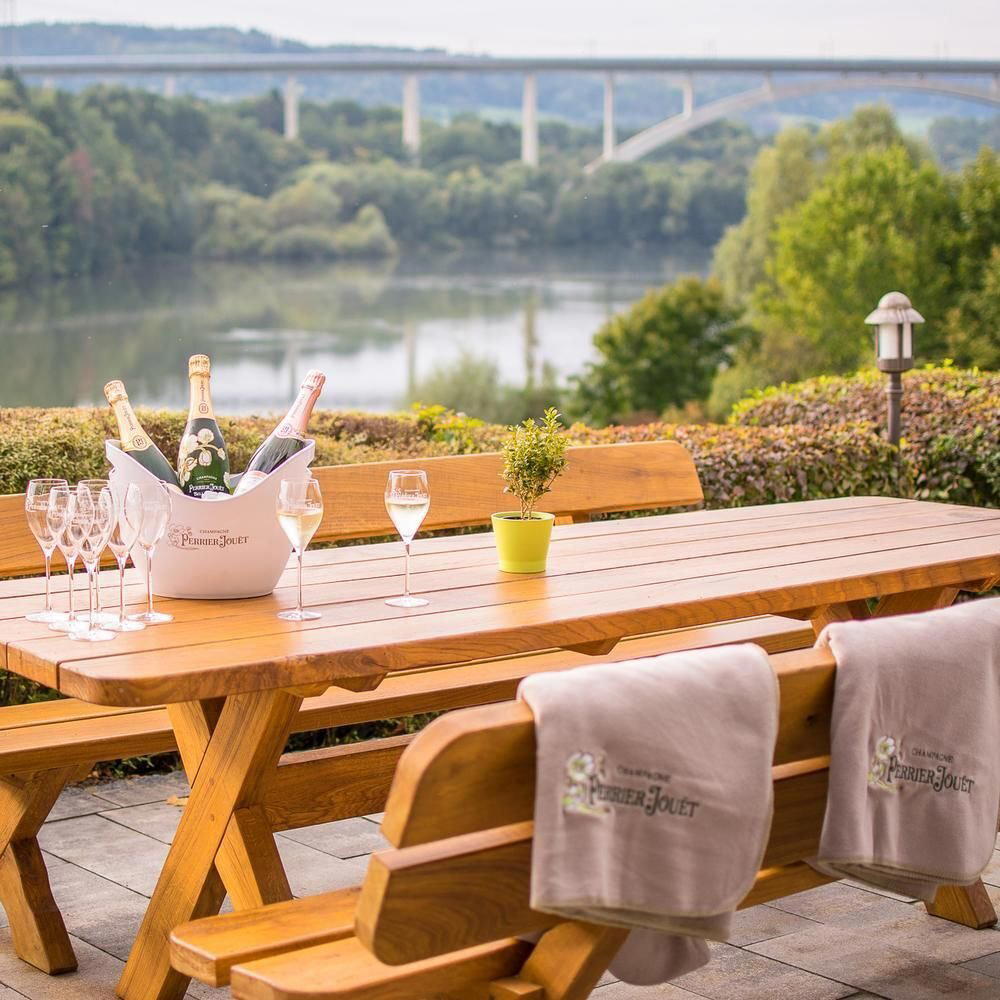
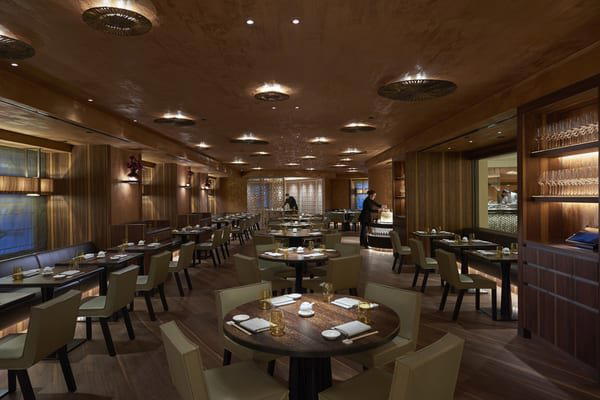
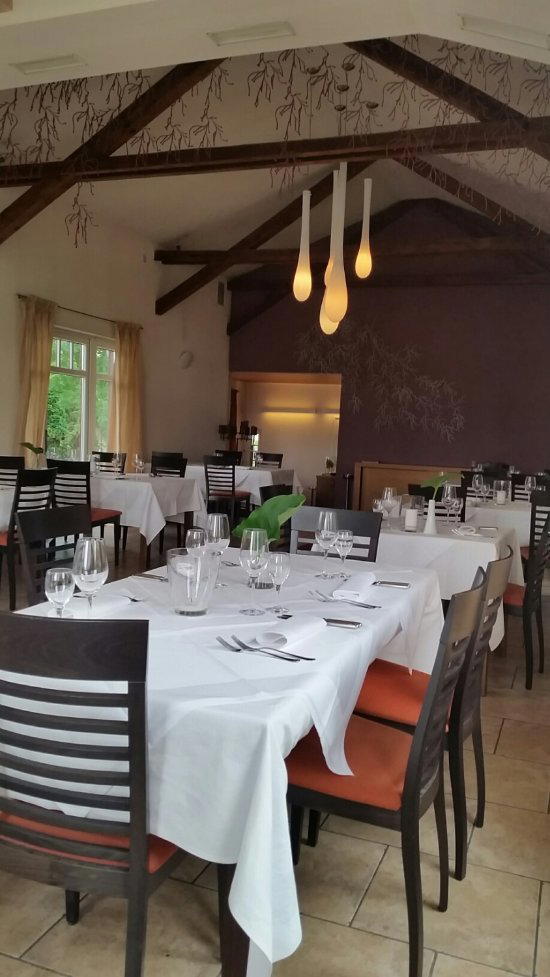
Romantic and elegant atmosphere in a restored castle amidst meadows and forests, combining traditional charm with modern refinement.