
Housed in a 1950s oval pavilion on Berliner Strasse, Heimat has cycled through lives as a kiosk and a jazz club before landing on its current identity: a restaurant with ambitious cooking and a wine list that draws serious attention in Frankfurt's dining scene. The architecture alone sets it apart from the city's standard dining rooms, and the kitchen matches the setting with food that reaches beyond the neighbourhood norm.
Pearl is the En Primeur Club membership app — saves, bookings, and concierge access live there. Same editors, same standards.
- Address
- Berliner Str. 70, 60311 Frankfurt am Main, Germany
- Phone
- +49 69 29725994
- Website
- heimat-restaurant.de
- Directions
- Get directions
 Saves & bookings on Pearl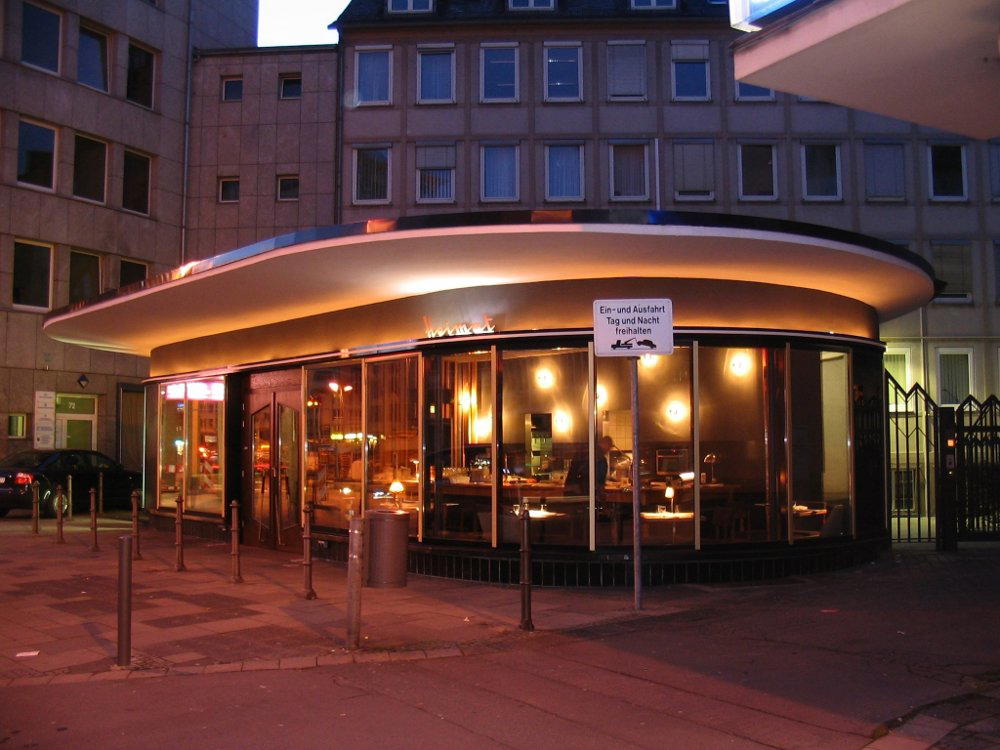
A Structure With Memory, a Kitchen With Ambition
Frankfurt's Innenstadt is not short of places to eat, but the physical form of Heimat earns a second look before you've read a menu. The building is a small oval pavilion dating to the 1950s, the kind of modernist civic structure that most German cities either demolished or forgot. Here it has been repurposed as a dining room, which gives the experience a grounding in actual place rather than the neutral interiors that define much of contemporary restaurant design. Walking toward it on Berliner Strasse, the geometry is immediately legible: compact, considered, and shaped by an era when public architecture still had a civic self-confidence that later decades shed. That history is not costume. It sits underneath everything that happens inside.
The building's previous incarnations matter to understanding what Heimat is now. It functioned as a kiosk, then as a jazz club, accumulating the kind of layered civic life that gives a space texture before a single dish is ever served. Restaurants that open in purpose-built premises carry none of that weight. The cooking at Heimat has to hold its own alongside a room that already has a story, and by the accounts that have shaped its reputation, it does. The cuisine is described as ambitious, which in Frankfurt's context means it is operating in the same register as the city's more formally recognised dining addresses, even if the setting and mood read differently.
Where Frankfurt's Restaurant Scene Places This
Frankfurt operates within a German fine dining ecosystem that is geographically dispersed. The country's most decorated kitchens tend to cluster outside its major cities: Aqua in Wolfsburg, Schwarzwaldstube in Baiersbronn, Vendôme in Bergisch Gladbach, Schanz in Piesport, and Victor's Fine Dining by Christian Bau in Perl all sit outside the urban centres. Frankfurt itself has a financial-city dining culture: reliable, international, corporate-facing, with a smaller tier of independently minded addresses that serve a different audience. Heimat lands in that independent tier. It belongs to a smaller cohort, alongside places like Le Petit Royal Frankfurt and Restaurant Chairs, where the emphasis falls on cooking with a point of view and a wine list selected with some seriousness.
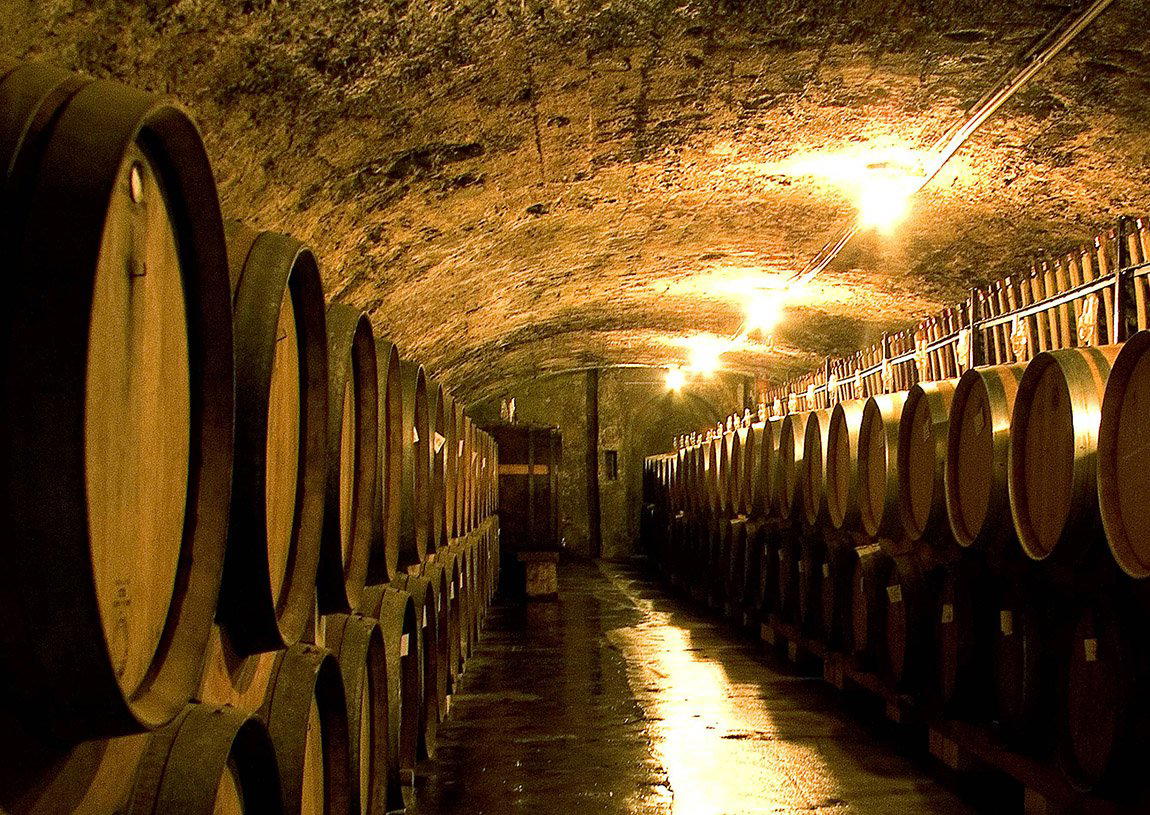
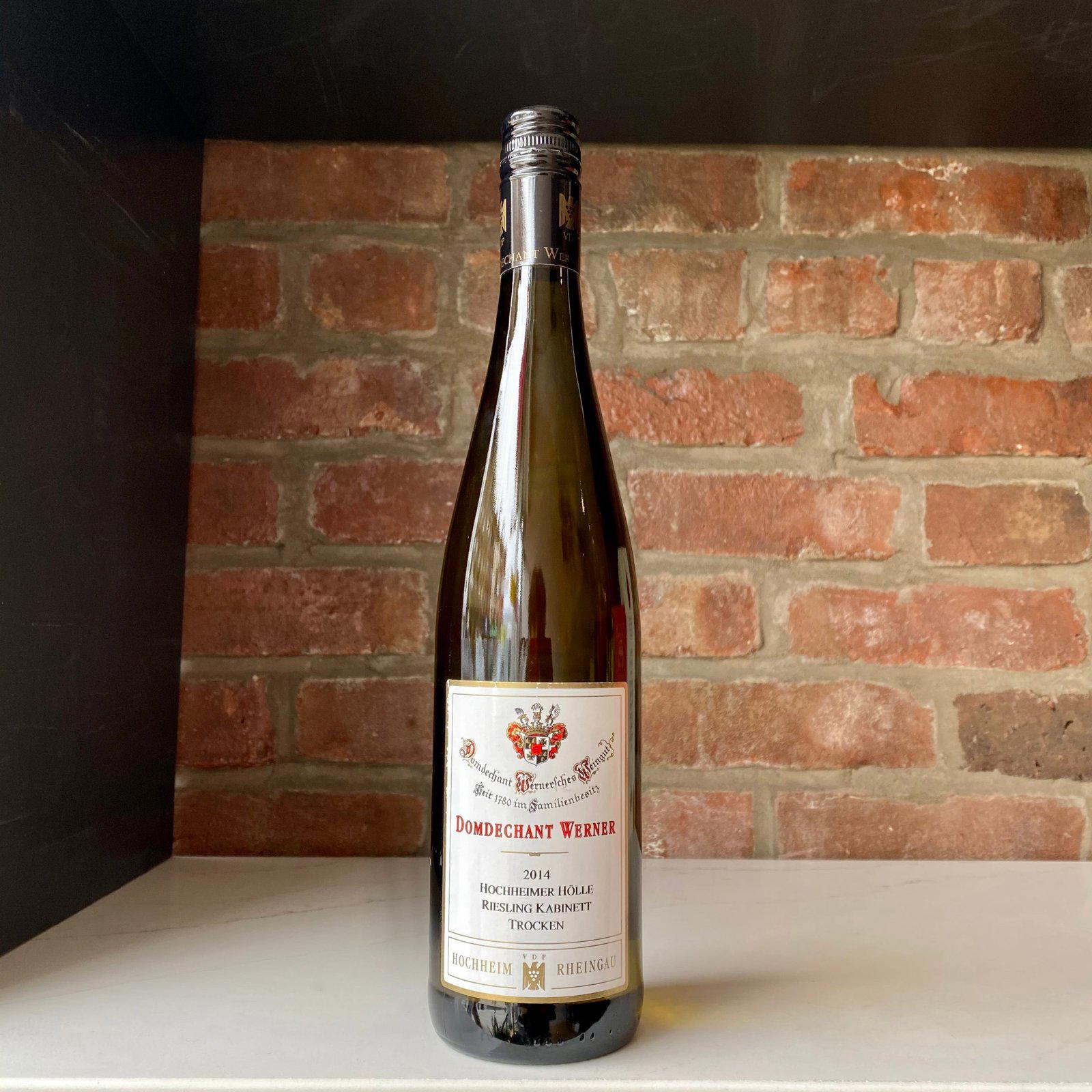
The wine dimension at Heimat is not incidental. German restaurants at the ambitious end of the market have increasingly treated the cellar as a parallel statement to the kitchen, and Heimat's wine list is noted as a defining feature of the experience rather than a supporting element. In a country with Riesling-producing regions of considerable depth, and with access to Burgundy and natural wine producers that have transformed the European cellar conversation over the past decade, a serious wine list in Frankfurt reads as a deliberate editorial choice. It signals a particular kind of diner the restaurant is addressing: someone who will cross-reference the food and the glass rather than treating the latter as an afterthought.
Ambition and Ingredient Logic
Ambitious cooking in a mid-sized German city almost always resolves into a question of sourcing. The great kitchens of rural Germany, whether the classical French-influenced houses of the Black Forest or the more boundary-testing operations like ES:SENZ in Grassau or CODA Dessert Dining in Berlin, have built their reputations in part on direct relationships with producers: farmers, foragers, fishmongers operating at a scale that urban restaurants struggle to access consistently. Frankfurt does not have the agricultural immediate hinterland of, say, Bavaria or the Mosel Valley, but Hesse as a region produces apple wine, spelt, and a variety of market-garden vegetables that have slowly re-entered serious kitchen conversations as German chefs have pushed back against the decades of French-ingredient orthodoxy that shaped the country's fine dining post-war.
What this means for a place like Heimat is that the sourcing argument carries both local and national dimensions. German restaurants operating at this level now participate in a broader European conversation about proximity and seasonality, one that has shifted the way menus are constructed from year to year. That shift has been more visible in Berlin (see JAN in Munich for a comparable southern example of this tendency) or in coastal cities where seafood supply chains are legible. In Frankfurt, it requires more deliberate construction. Restaurants that do it well tend to make it a structural element of the menu rather than a garnish narrative. The ambition noted at Heimat suggests the kitchen is working at that level, though the specifics of its sourcing relationships remain outside what can be confirmed here.
For broader reference, the contrast with international peers is instructive. A restaurant like Le Bernardin in New York City or Emeril's in New Orleans operates within a city that has built its restaurant identity partly on publicising its ingredient provenance. Frankfurt has not historically marketed itself that way, which makes the restaurants that do prioritise sourcing harder to find but more interesting to seek out. Heimat sits in that less-advertised category.
Planning a Visit
Heimat is located at Berliner Str. 70, 60311 Frankfurt am Main, placing it within walking distance of the city centre and accessible from the main S-Bahn network. The pavilion format means the seat count is limited by architecture rather than choice, which in practice puts the restaurant in the same booking tier as other small-capacity Frankfurt addresses where reservations made well in advance are the norm rather than the exception. The combination of a distinctive room, an ambitious kitchen, and a noted wine list draws a consistent audience, so planning ahead is advisable. Those visiting Frankfurt for multiple days may want to anchor an evening here early in the trip rather than trying to walk in.
Among the addresses worth noting in the same general territory as Heimat, Restaurant Haerlin in Hamburg offers a useful benchmark for what ambitious German cooking in a major financial city can look like at full formal scale. Heimat's oval pavilion setting positions it as the less ceremonial, more architecturally idiosyncratic alternative, which for many visitors will be exactly the point.
How It Stacks Up
Comparable venues nearby, for context on price, style, and recognition.
| Venue | Cuisine | Price | Notes |
|---|---|---|---|
| Heimat, FrankfurtThis venue — the venue you are viewing | Contemporary European with Modern German Influences | $$$ | Not listed |
| Allgaiers Restaurant | French-inspired German | $$$ | Goethehaus |
| Freitagsküche | German Contemporary with Cultural Twist | $$ | Goethehaus |
| Landwehrstübchen | Polished German-Austrian Cuisine | $$$ | Sachsenhausen |
| Lorsbacher Thal | Traditional Hessian Apfelwein Tavern | $$ | Roemerberg |
| Le Petit Royal Frankfurt | Modern French Brasserie & Steakhouse | $$$ | Roemerberg |
Recognition history
Dated appearances from independent guides and award organizations, with the underlying list record or original source where available.
Star Wine List
Star Wine List
Continue exploring
More in Frankfurt
Restaurants in Frankfurt
Browse all →
Bars in Frankfurt
Browse all →
Hotels in Frankfurt
Browse all →

At a Glance
- Cozy
- Intimate
- Elegant
- Modern
- Sophisticated
- Date Night
- Business Dinner
- Special Occasion
- Solo
- Open Kitchen
- Chefs Counter
- Extensive Wine List
- Sommelier Led
- Local Sourcing
Current opening hours
- Monday
- 6 PM–1 AM
- Tuesday
- 6 PM–1 AM
- Wednesday
- 6 PM–1 AM
- Thursday
- 6 PM–1 AM
- Friday
- 6 PM–1 AM
- Saturday
- 6 PM–1 AM
- Sunday
- Closed
Hours can change for holidays and private events. Last verified .
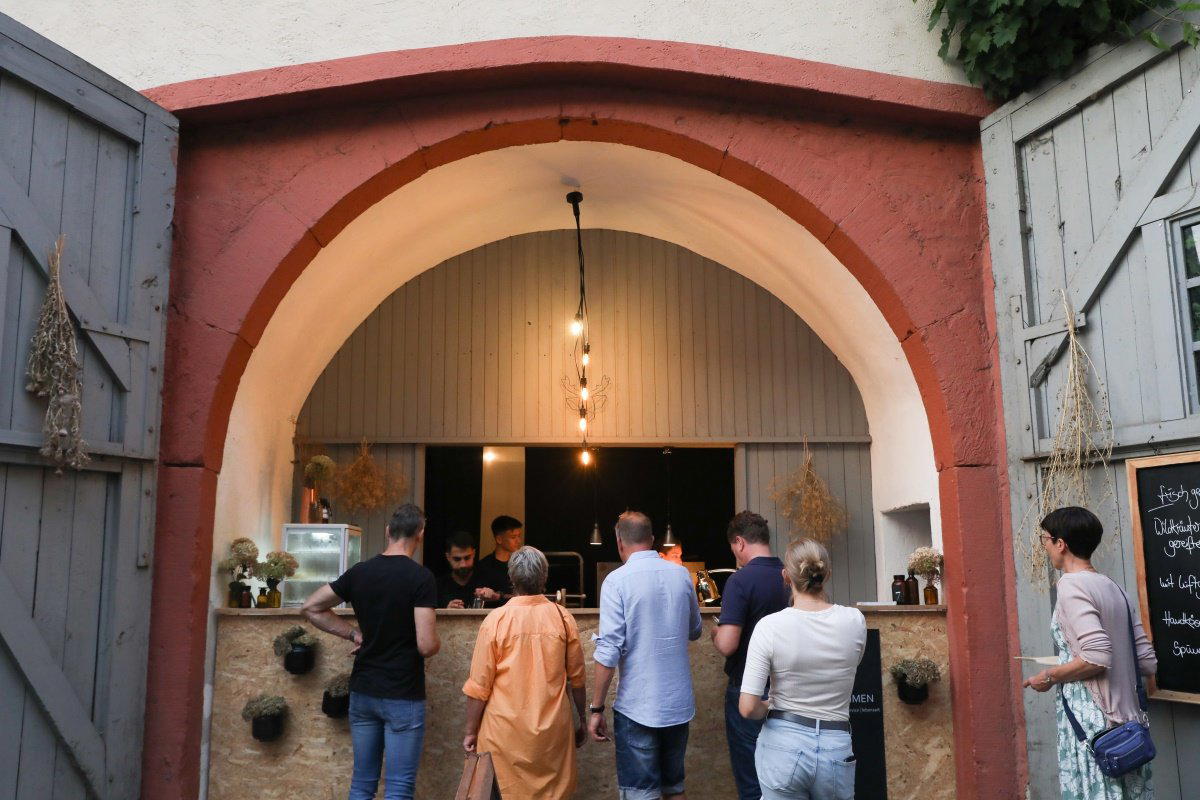
Modern and minimalist with a 1950s-inspired aesthetic; lively yet cozy atmosphere with soft lighting and no background music, creating an intimate setting ideal for conversation.