Kühners Landhaus occupies an address in Kissing, a small Bavarian town southwest of Augsburg, where the German tradition of the serious country restaurant still holds ground.
Pearl is the En Primeur Club membership app — saves, bookings, and concierge access live there. Same editors, same standards.
- Address
- Gewerbering 3, 86438 Kissing, Germany
- Phone
- +4949823320005
- Website
- kuehners-landhaus.de
- Directions
- Get directions
 Saves & bookings on Pearl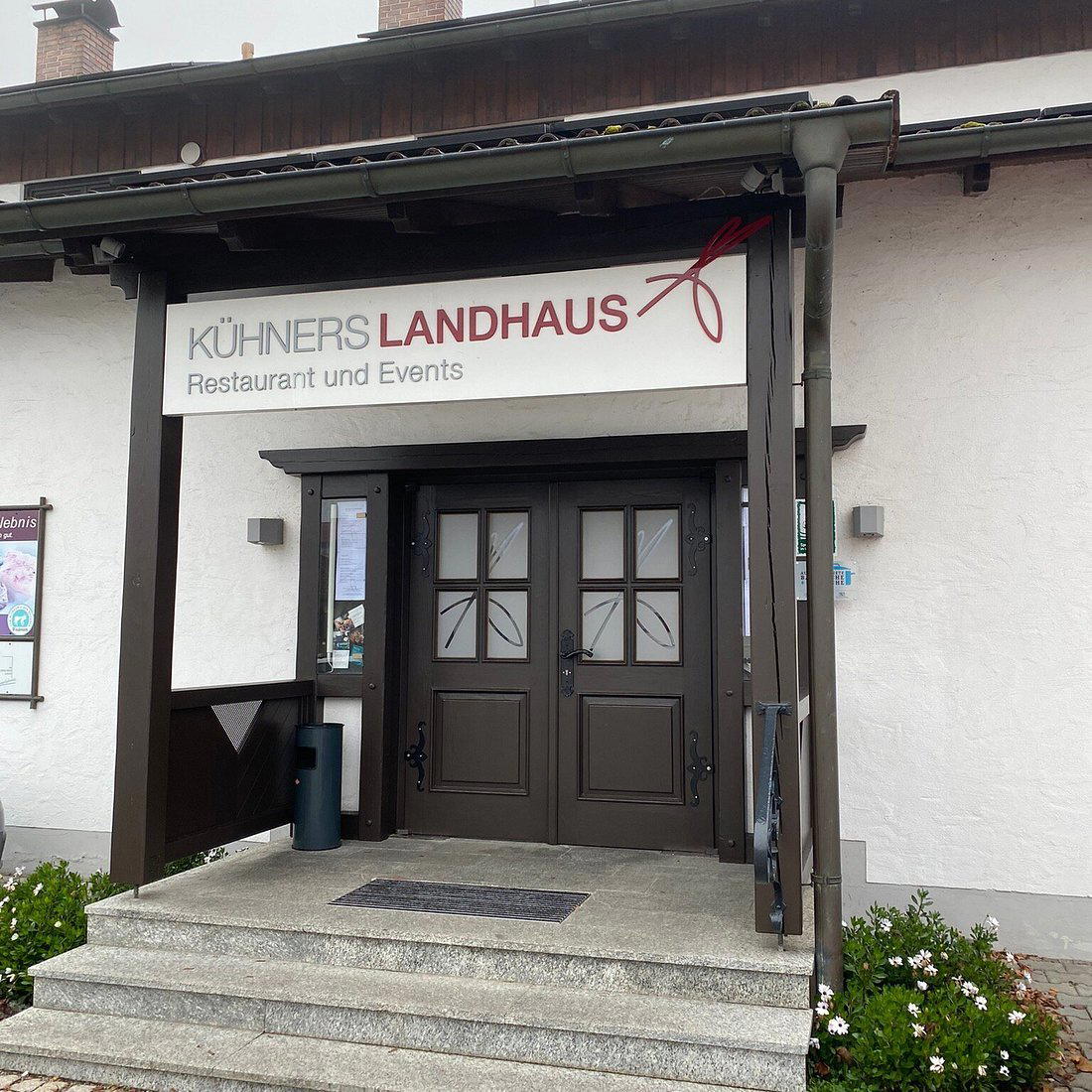
The Country Restaurant Tradition in Bavaria's Southern Corridor
Southern Germany sustains a dining format that larger cities rarely replicate convincingly: the serious country house restaurant, positioned in a small town or rural setting, drawing guests who drive past dozens of easier options to sit down for something more considered. Kissing, a compact municipality in the Augsburg district of Swabia, sits in this corridor, close enough to Augsburg and Munich to draw urban guests but removed enough that the restaurants here answer to a different set of expectations than their metropolitan counterparts. The landhaus format, a term carrying specific weight in German dining culture, implies a grounded, seasonal approach to cooking, often with a direct relationship to local producers and a dining room that prioritises comfort over spectacle. Kühners Landhaus, addressed at Gewerbering 3 in Kissing, operates within that tradition.
Ingredient Sourcing and the Landhaus Commitment
The landhaus restaurant category, at its most coherent, is built around a sourcing philosophy rather than a culinary showpiece. Where the Michelin-decorated rooms of Munich, such as JAN in Munich, operate with the resources of a city-centre clientele and international supplier networks, a country house restaurant in Swabia typically draws its identity from proximity: proximity to farms, to markets, to the seasonal rhythms that urban kitchens can afford to override. Bavaria's agricultural hinterland, the stretch of land between Augsburg and the Alpine foothills, produces game, dairy, root vegetables, and freshwater fish in quantities that give regional kitchens a genuine sourcing advantage over their metropolitan peers. The landhaus format exists, in part, to close the distance between field and plate, and the leading examples in this region treat that short supply chain as a point of differentiation rather than a limitation.
This sourcing logic places Kühners Landhaus in a different competitive conversation from the high-investment creative kitchens further afield. Compare the approach to something like ES:SENZ in Grassau, another Bavarian address that works within the region's produce traditions, or AUGUST in Augsburg, the nearest major-city reference point for serious Swabian cooking. Both demonstrate that the region carries genuine culinary depth beyond the Munich circuit. Kühners Landhaus operates in a smaller register than those decorated rooms, but within a format that has its own set of internal standards.
Reading the Room: What the Address Tells You
Gewerbering 3 is an industrial-ring address, the kind of location that in German towns typically sits at the edge of the residential core. In the landhaus tradition, the building matters less than the philosophy, and plenty of the country's most respected regional kitchens occupy pragmatic addresses rather than scenic farmhouses. What the location does signal is that restaurant is not positioning itself through setting or spectacle. A dining room that sits on a trade ring in a small Swabian town is, by definition, drawing guests on the strength of its cooking and its reputation within the local community, rather than on atmosphere tourism. That is a different kind of trust signal than a spectacular Alpine view or a half-timbered heritage building, and in some respects a more demanding one. Guests who return to an unglamorous address do so because the food earns the detour.
For a sense of what particularly decorated rooms in Germany's broader southern and western circuit look like at the summit of their category, Schwarzwaldstube in Baiersbronn and Waldhotel Sonnora in Dreis represent the established pinnacle of the country-house fine-dining format, both Michelin three-star addresses embedded in natural settings at the other end of the country. The restaurant does not operate in that tier, but it shares the structural logic of the format: serious cooking, regional grounding, and a dining room that rewards the drive rather than depending on it.
Swabia in the Wider German Fine Dining Conversation
Germany's fine dining geography is more dispersed than France's. Michelin stars cluster not just in Hamburg, Munich, and Berlin but in smaller cities and rural addresses that can surprise visitors expecting centralized prestige. Restaurant Haerlin in Hamburg, Vendôme in Bergisch Gladbach, and Aqua in Wolfsburg each demonstrate that Germany's most serious kitchens are often found in secondary cities or removed locations. The Swabia region, anchored by Augsburg and surrounded by a productive agricultural belt, participates in this pattern. The area's identity in culinary terms is quieter than Munich's or Berlin's, but that lower profile is partly a function of scale rather than quality. Country restaurants here often operate below the radar of national food media while maintaining consistent local reputations over decades.
Elsewhere in Germany, the creative format has pushed into territory that the landhaus tradition does not attempt: CODA Dessert Dining in Berlin restructures the entire meal around a dessert logic, while AURA by Alexander Herrmann and Tobias Bätz in Wirsberg operates in a hybrid of regional identity and contemporary technique. The landhaus kitchen sits at a different point on that spectrum, one that prioritises consistency and seasonal fidelity over conceptual ambition. Neither position is inherently superior; they serve different readers with different needs on a given evening.
Planning Your Visit
Kissing sits roughly 40 kilometres west of Munich, accessible by road via the A8 motorway and by regional rail connections through Augsburg. The address at Gewerbering 3 places the restaurant in the town's peripheral trade zone, so arriving by car is the practical approach for most guests. Reservations are recommended, and current opening hours are: Mon and Tue closed; Wed and Thu 5:30 PM to 12 AM; Fri and Sat 11:30 AM to 3:30 PM and 6 PM to 12 AM; Sun 11:30 AM to 3:30 PM. The typical price tier is around $65 per person. The landhaus format in Germany typically suits an evening visit at a measured pace, and the Swabian region rewards guests who build a broader itinerary around the area rather than treating it as a single-stop destination.
- Dry Aged Zwiebelrostbraten
- 12 Stunden Geschmorte Ochsenschulter
- Wiener Schnitzel
- Beef Tartare
- Gans mit Knödeln und Blaukraut
- Karamellisierter Kaiserschmarrn
Side-by-Side Snapshot
Comparable venues nearby, for context on price, style, and recognition.
| Venue | Cuisine | Price | Notes |
|---|---|---|---|
| Kühners LandhausThis venue — the venue you are viewing | Modern Bavarian Steakhouse | $$$ | Not listed |
| Lenas am See | German Lakeside Bistro | $$$ | Utting am Ammersee |
| Restaurant Ofenhaus | Modern German Crossover | $$$ | Oberhausen |
| Café Luitpold | Historic German Café & Pastry House | $$$ | Lehel |
| The Lonely Broccoli | Modern Bavarian Steakhouse | $$$ | Freimann |
| Restaurant Zur Forelle | Traditional German Seafood in Historic Setting | $$$ | Fischerviertel |
Continue exploring
More in Kissing
Restaurants in Kissing
Browse all →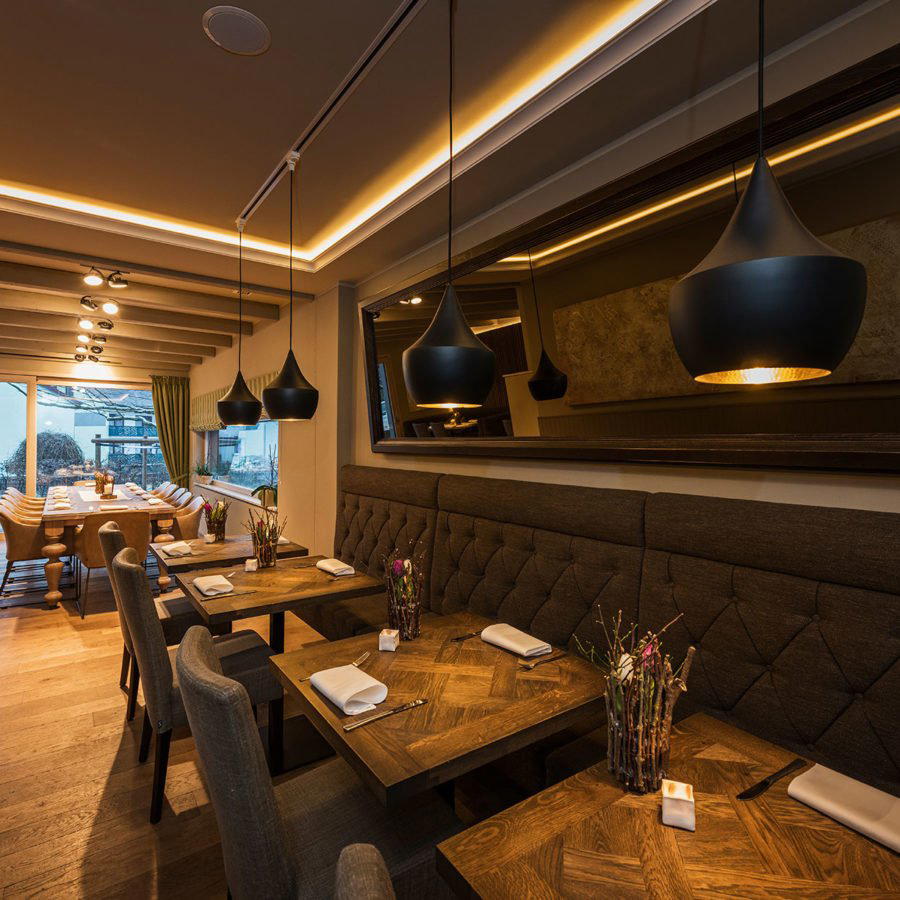
Bars in Kissing
Browse all →
Hotels in Kissing
Browse all →
At a Glance
- Cozy
- Elegant
- Romantic
- Sophisticated
- Classic
- Date Night
- Business Dinner
- Family
- Special Occasion
- Celebration
- Standalone
- Private Dining
- Beer Program
- Local Sourcing
- Farm To Table
Current opening hours
- Monday
- Closed
- Tuesday
- Closed
- Wednesday
- 5:30 PM–12 AM
- Thursday
- 5:30 PM–12 AM
- Friday
- 11:30 AM–3:30 PM, 6 PM–12 AM
- Saturday
- 11:30 AM–3:30 PM, 6 PM–12 AM
- Sunday
- 11:30 AM–3:30 PM
Hours can change for holidays and private events. Last verified .
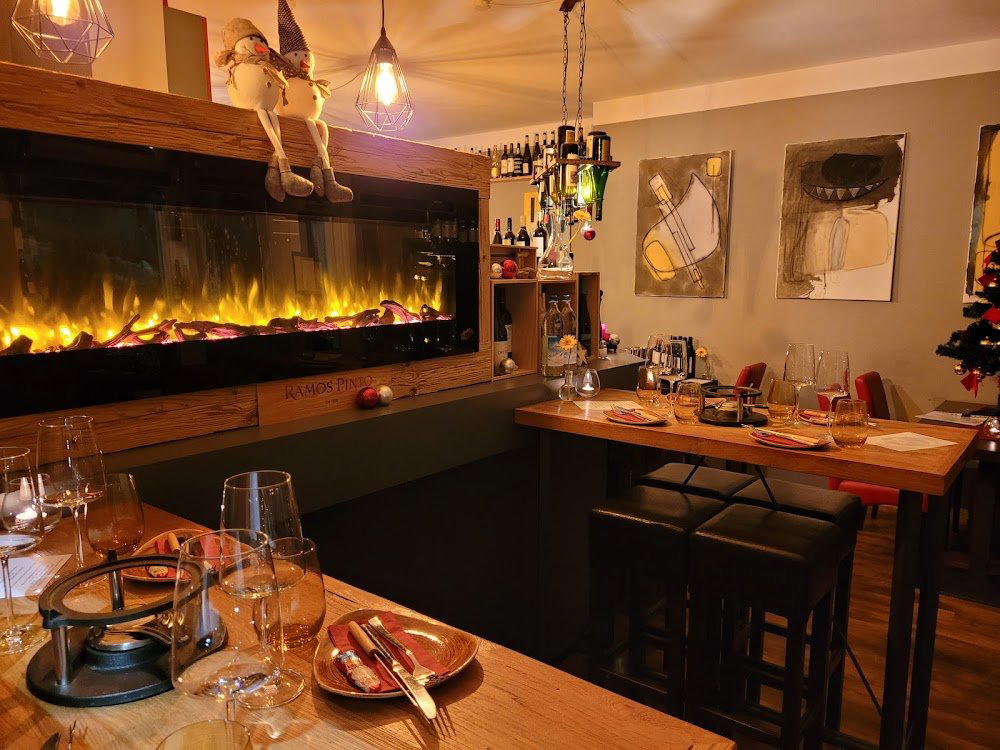
Warm and inviting country-style atmosphere with cozy wooden decor, elegant touches, and refined yet approachable ambiance suitable for both intimate dinners and family gatherings.