Benkay occupies a Seine-side address in the 15th arrondissement, positioning itself within Paris's Japanese fine dining tier at a remove from the tourist-heavy right bank. The lunch and dinner services operate at distinctly different registers, with the daytime format offering an accessible entry point into the kitchen's precision. For those mapping Paris's Franco-Japanese dining conversation, it belongs in the itinerary alongside the city's broader Japanese-influenced fine dining scene.
Pearl is the En Primeur Club membership app — saves, bookings, and concierge access live there. Same editors, same standards.
- Address
- 61 Quai de Grenelle, 75015 Paris, France
- Phone
- +33140582126
- Website
- restaurant-benkay.com
- Directions
- Get directions
 Saves & bookings on Pearl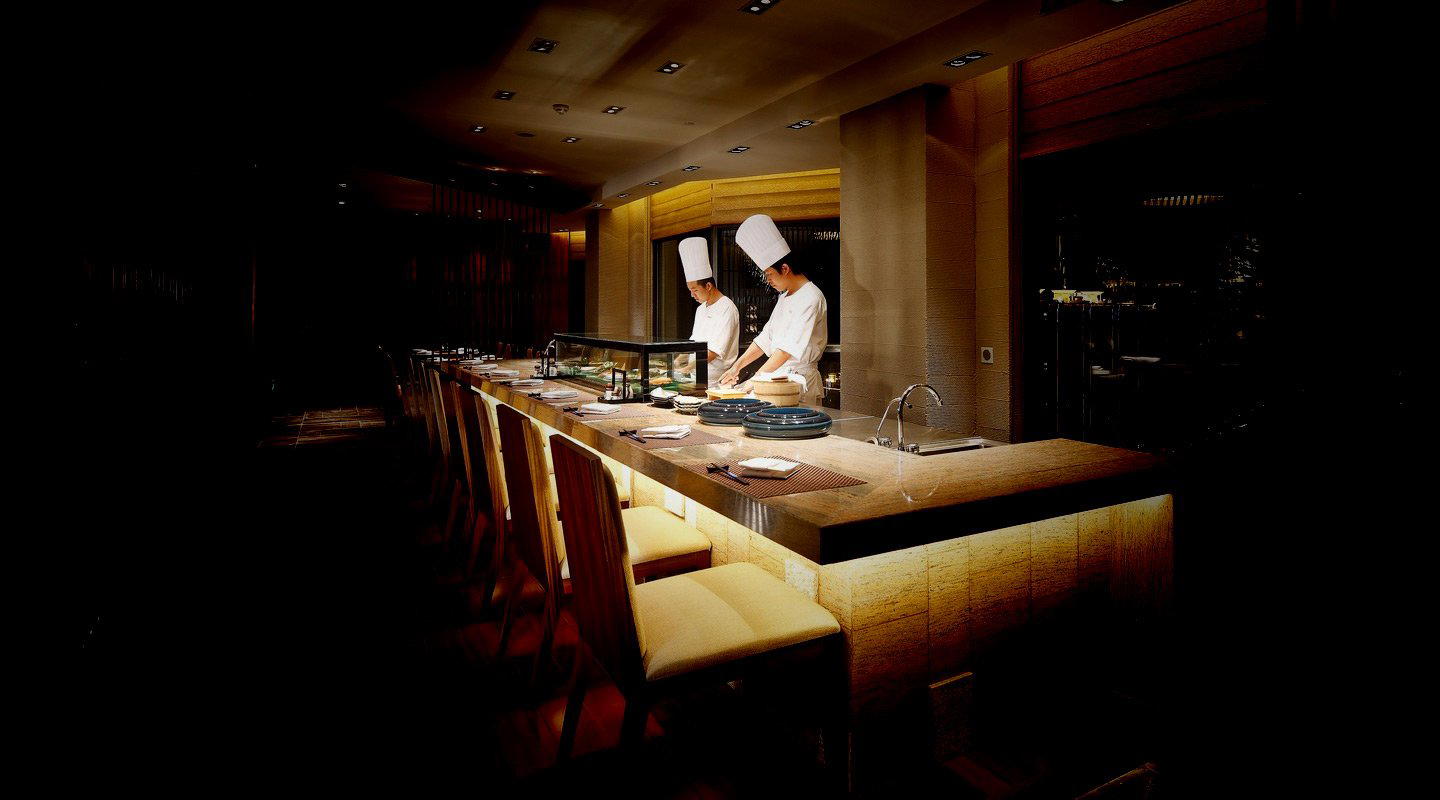
The Seine at Your Back, Japan on the Plate
Paris has long maintained a serious Japanese fine dining presence, running from traditional kaiseki formats to Franco-Japanese hybrids where classical French technique absorbs Japanese ingredient logic. The 15th arrondissement, often bypassed in favour of the more telegenic left bank clusters, holds its own quiet argument for culinary attention. Benkay, a traditional Japanese teppanyaki and washoku restaurant in Paris's 15th arrondissement, operates at 61 Quai de Grenelle: the Seine view frames every meal, and the neighbourhood's relative calm shapes the mood long before you sit down. This is not the charged atmosphere of a right-bank destination address, and that distinction is worth understanding.
The broader category of Japanese fine dining in Paris has evolved considerably over the past two decades. Where early Japanese restaurants in the city often pitched themselves purely to expatriate communities, the current tier operates at the intersection of French culinary expectation and Japanese craft discipline. Venues like Kei demonstrate how thoroughly the Franco-Japanese dialogue has been absorbed into the city's serious dining vocabulary. Benkay sits within this broader conversation, drawing on Japanese culinary structure while speaking to a Parisian dining audience.
Lunch and Dinner: Two Different Arguments
In Japanese fine dining, the distance between a lunch and a dinner service is rarely cosmetic. In many of Paris's Japanese-influenced rooms, the midday format acts as a structured introduction: shorter, more accessible in price, occasionally more focused in scope. Dinner, by contrast, tends toward ceremony. The pacing extends, the menu deepens, and the investment asked of the diner increases proportionally.
This divide matters at Benkay. The Seine-side setting shifts in character between afternoon and evening light, and the formality of the room follows suit. For first-time visitors or those calibrating their appetite against a longer Paris itinerary, the lunch service represents the more strategic entry point. It allows you to read the kitchen's sensibility without committing to the full architecture of an evening menu. Dinner at this address, by contrast, is the choice when the meal is the agenda rather than a component of one.
This lunch-versus-dinner dynamic appears across Paris's upper dining tier. At L'Ambroisie, the distinction is structural; at Le Cinq, the midday service often carries different pricing architecture. Japanese-format restaurants tend to make this split particularly legible, because the kaiseki and omakase traditions they draw from are inherently sequential and length-dependent.
Where the 15th Fits in Paris's Dining Map
The 15th arrondissement is not where most visitors anchor their Paris dining week, and that reality is partly what defines the experience of eating here. The concentration of destination addresses sits further east and north, from the Place Vendôme cluster through to the tightly contested arrondissements around Saint-Germain-des-Prés. The French fine dining institutions that have defined the country's culinary reputation internationally, places with the lineage of Paul Bocuse or the regional depth of Auberge de l'Ill, are not in Paris at all. But within the city, the 15th offers a dining pace that the more competitive arrondissements cannot replicate.
Eating in this neighbourhood carries the quiet logic of eating locally in a city that often asks you to eat strategically. There are no queues of visitors on the Quai de Grenelle for dining purposes; the Eiffel Tower is visible from points along the Seine without being the reason you are there. For a certain kind of diner, that disengagement from the tourist-destination circuit is part of the value.
The Franco-Japanese Conversation in Context
Paris's sustained engagement with Japanese culinary tradition has produced a range of expressions. At the technically demanding end, places like Alléno Paris au Pavillon Ledoyen demonstrate how French kitchens can absorb Asian ingredient and preservation logic into a distinctly French creative framework. Elsewhere, the traffic runs the other way: Japanese chefs trained in French kitchens who then apply that discipline to Japanese culinary structures. Arpège and Kei sit at different points on this axis.
Benkay's position in this conversation is that of a Japanese restaurant operating in Paris rather than a French restaurant incorporating Japanese ideas. That distinction shapes everything from ingredient sourcing priorities to service rhythm. The leading seasonal context for a visit tends toward autumn and late spring, when Japanese ingredient seasonality and French market supply converge most productively, though this applies across the category rather than to any specific documented menu at this address.
For readers building a longer France itinerary, the regional picture expands quickly. Mirazur in Menton and Flocons de Sel in Megève both represent the depth of French regional fine dining at its most geographically specific, while Troisgros, Bras, Les Prés d'Eugénie, Auberge du Vieux Puits, Georges Blanc, and La Table du Castellet each anchor a different regional expression of the French dining tradition. Internationally, the precision-driven formality of Le Bernardin in New York and the collaborative dinner-party format of Lazy Bear in San Francisco sit at opposite ends of the spectrum for readers thinking comparatively.
Planning Your Visit
The practical shape of a visit to Benkay is direct. Reservations are recommended, particularly for dinner and weekend lunch. The address is served by Bir-Hakeim or Dupleix Métro stations on Line 6. For readers prioritising value within the Japanese fine dining tier, lunch is the pragmatic choice without forfeiting the kitchen's central argument. Dress is smart casual.
Peers in This Market
Comparable venues nearby, for context on price, style, and recognition.
| Venue | Cuisine | Price | Notes |
|---|---|---|---|
| BenkayThis venue — the venue you are viewing | Traditional Japanese Teppanyaki and Washoku | $$$ | Not listed |
| Azabu | Authentic Japanese Teppanyaki | $$$ | Saint-Michel |
| Momoka | Modern Japanese Tasting | $$$ | Pigalle |
| Pink Koï | Modern Japanese Fusion Robatayaki | $$$ | Les Halles |
| Inagiku | Japanese Teppanyaki | $$$ | Quartier Latin |
| Udon Jubey | Authentic Japanese Udon | $$ | Louvre / Palais-Royal |
Continue exploring
More in Paris
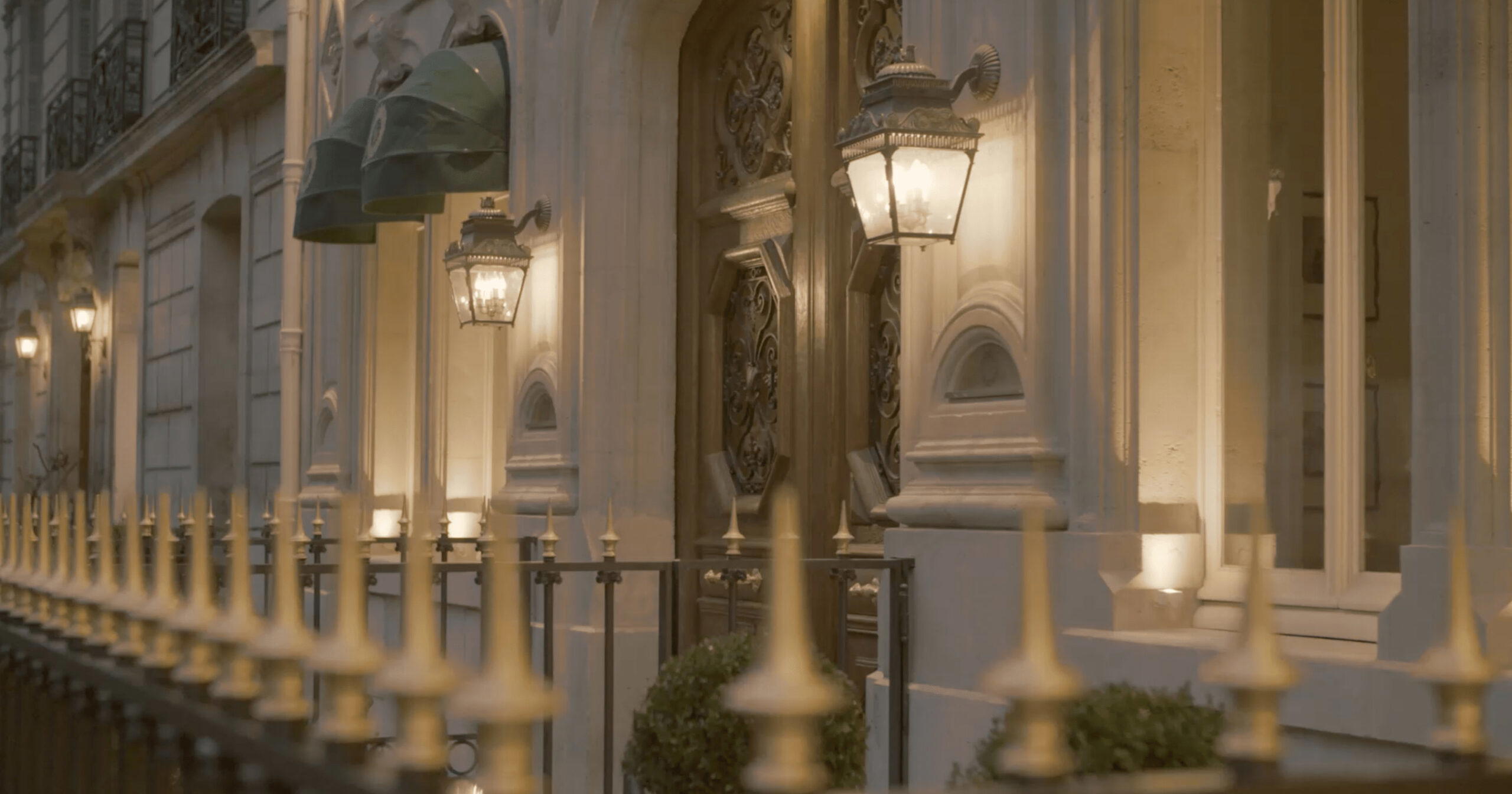
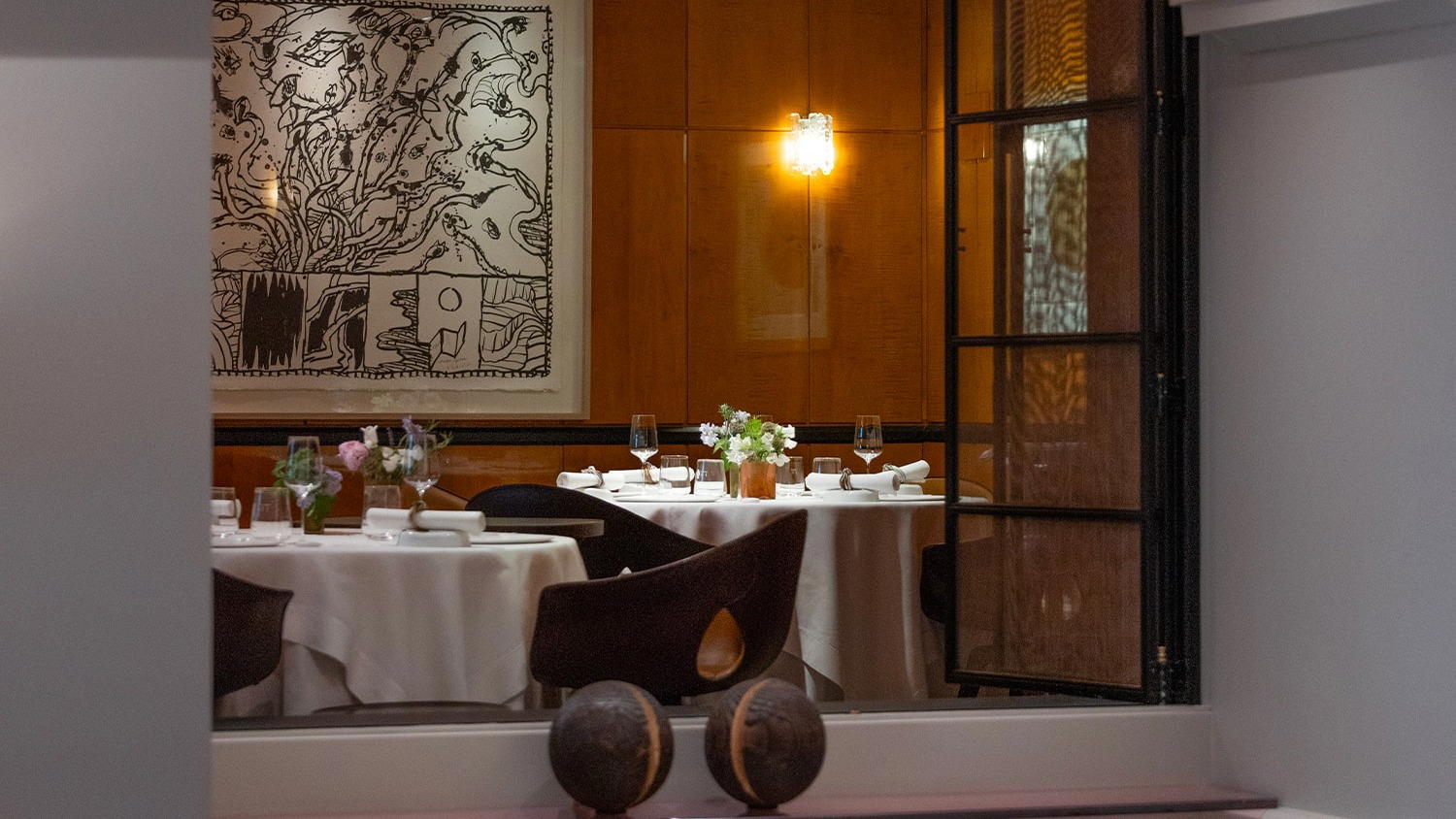
Restaurants in Paris
Browse all →
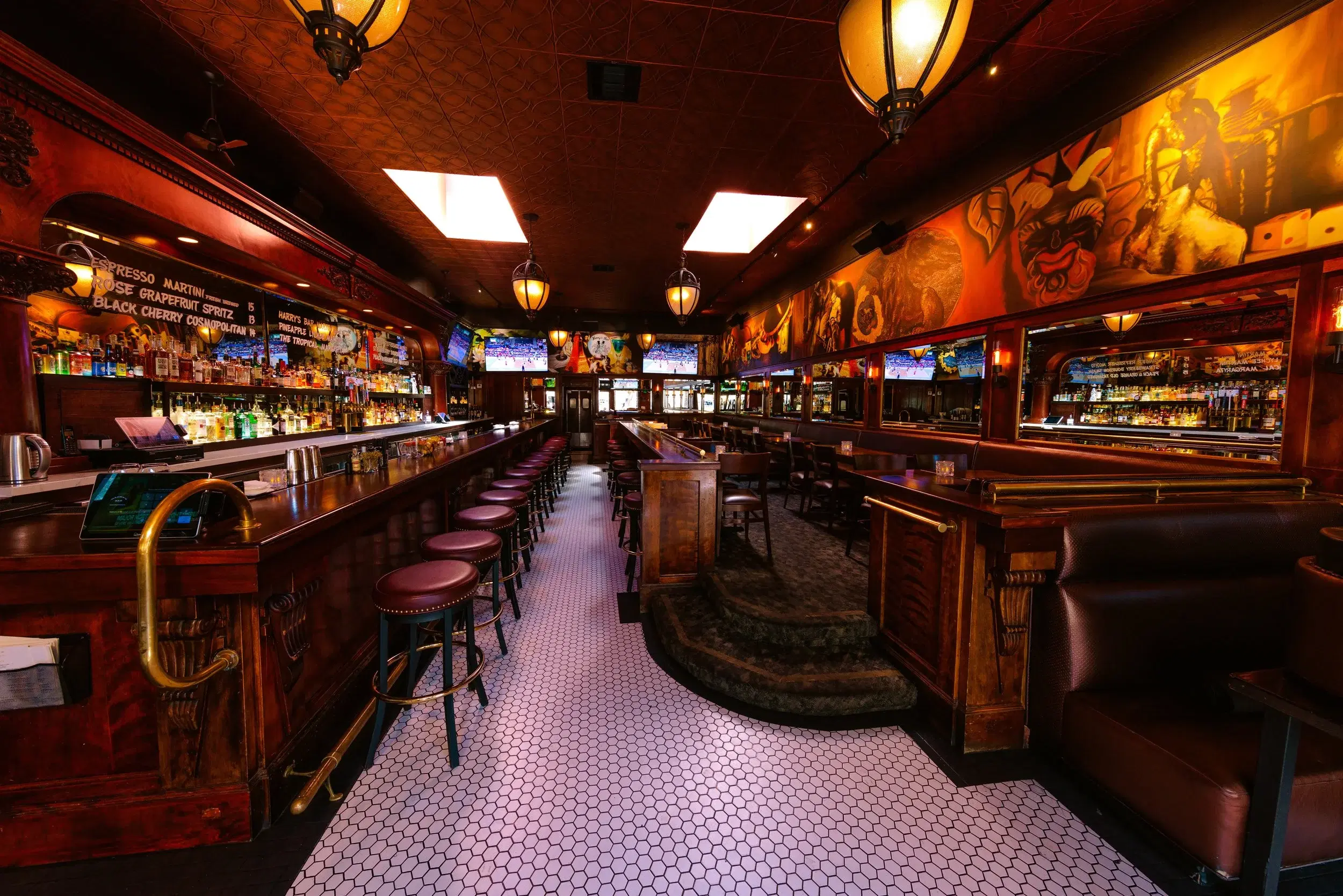
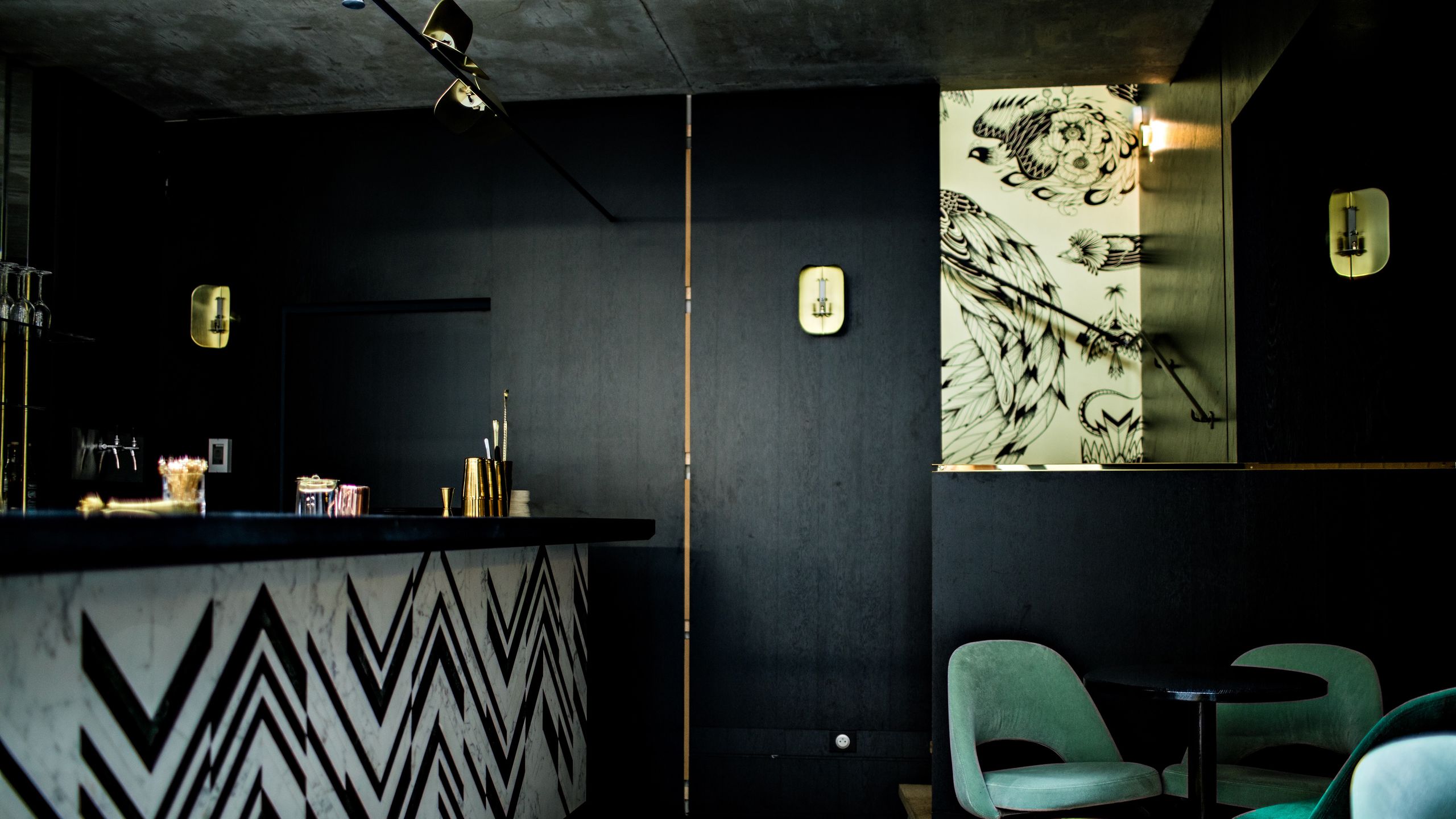
Bars in Paris
Browse all →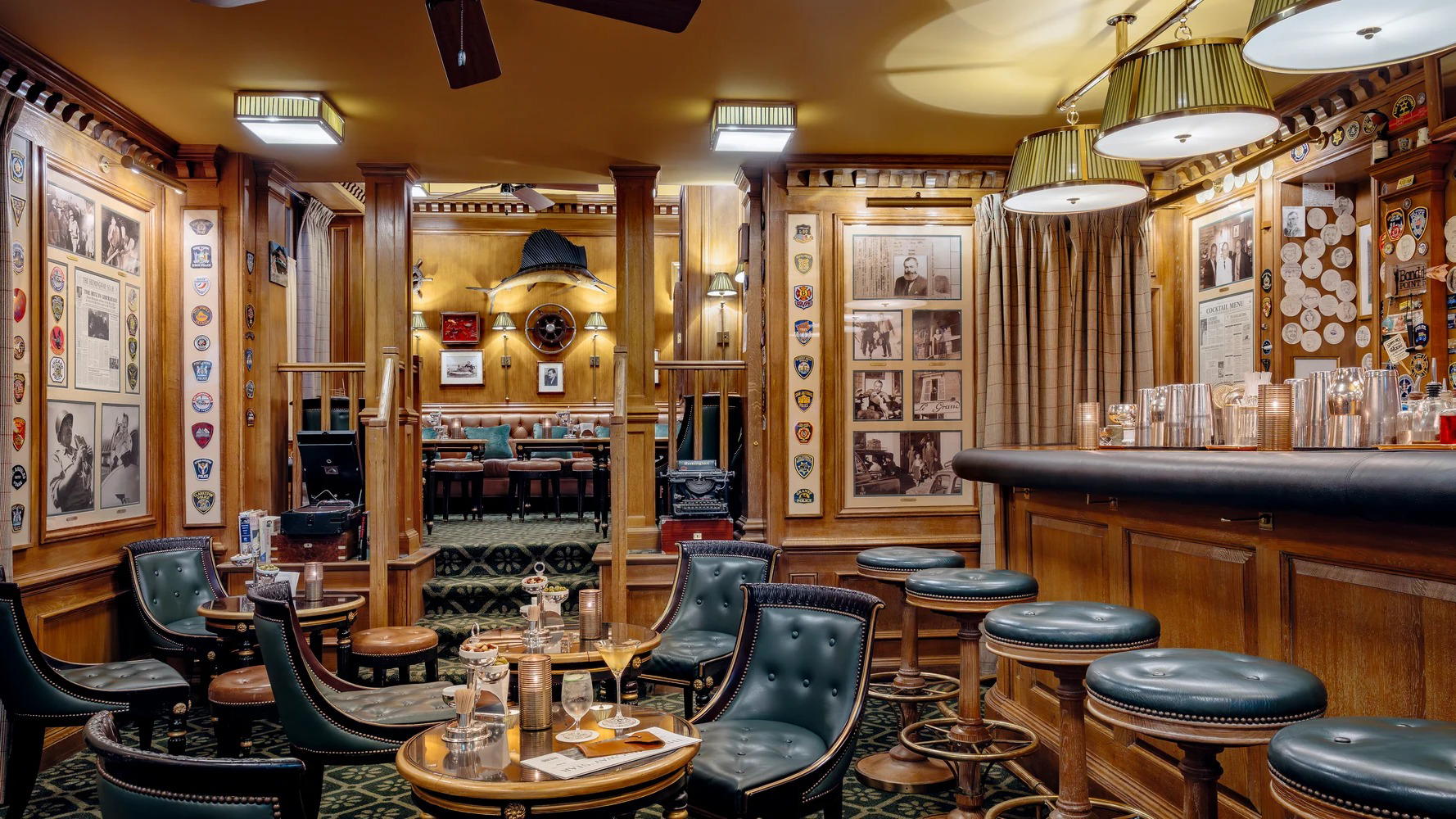
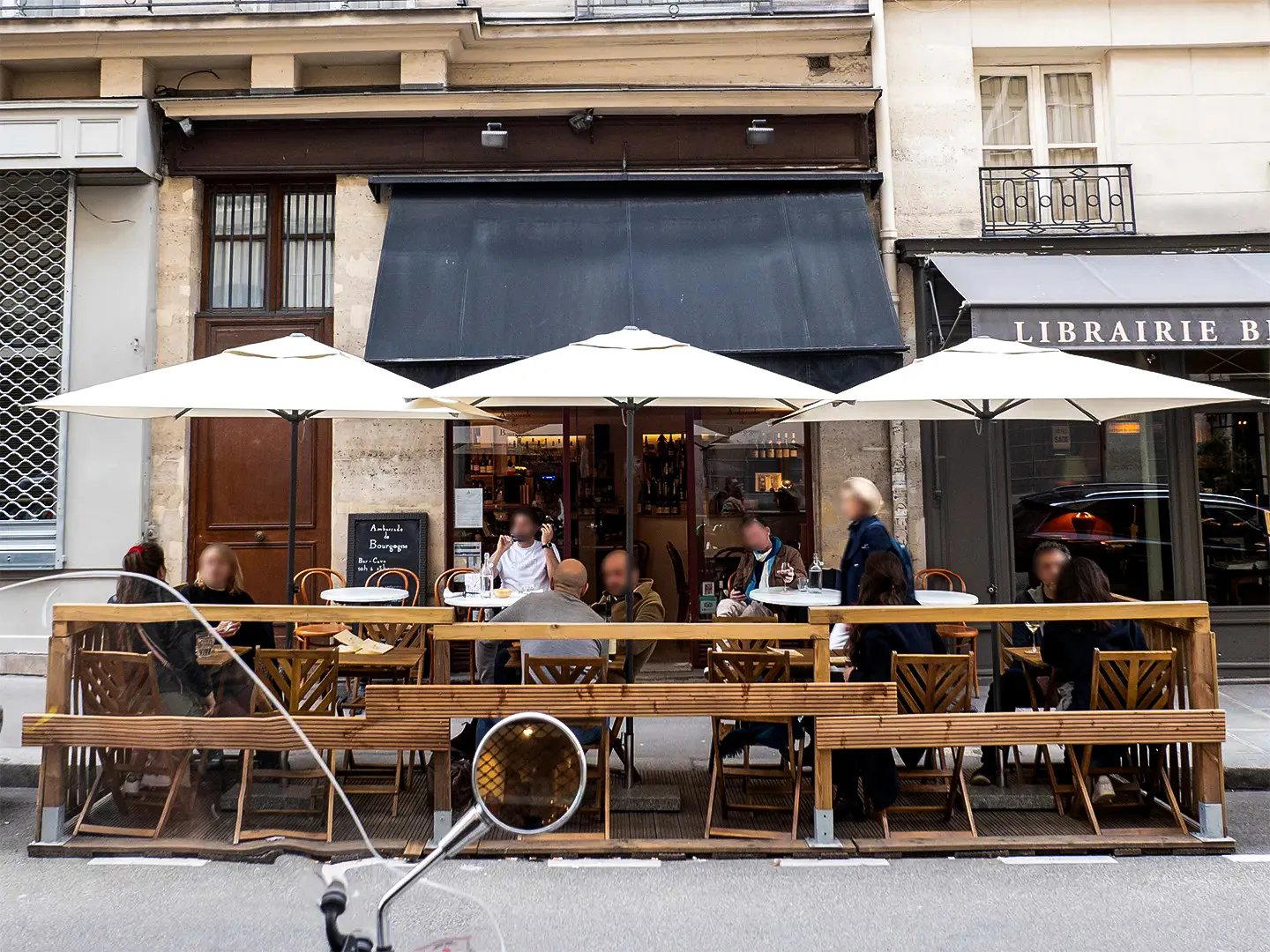
Hotels in Paris
Browse all →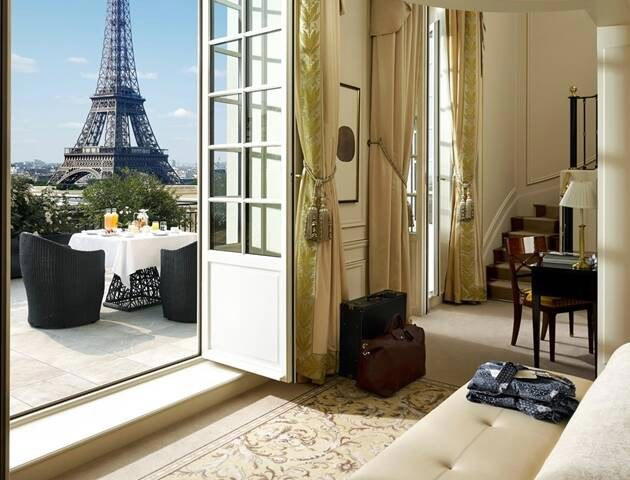
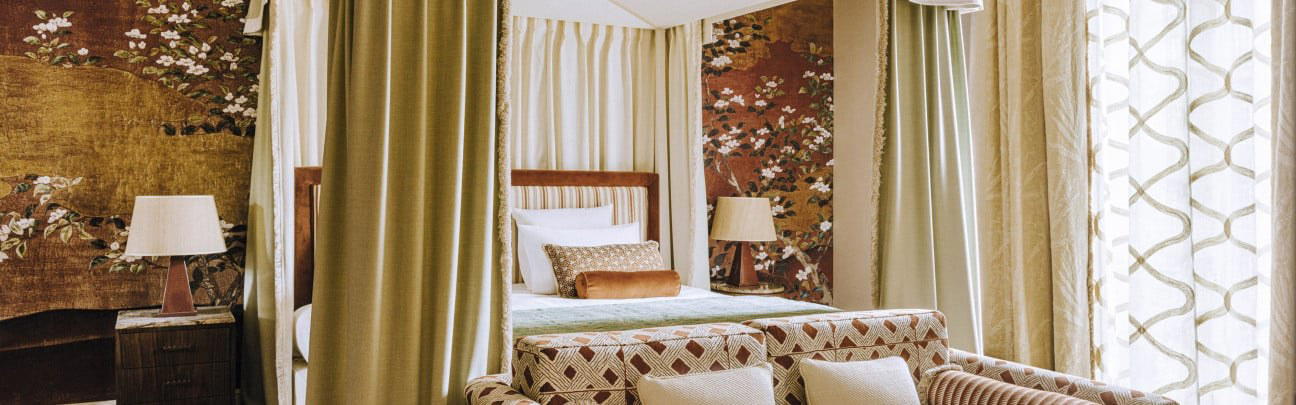
Wineries in Paris
Browse all →
At a Glance
- Elegant
- Sophisticated
- Special Occasion
- Date Night
- Group Dining
- Open Kitchen
- Hotel Restaurant
- Sake Program
- Waterfront
- Street Scene
Current opening hours
- Monday
- Closed
- Tuesday
- 12–2 PM, 7–10 PM
- Wednesday
- 12–2 PM, 7–10 PM
- Thursday
- 12–2 PM, 7–10 PM
- Friday
- 12–2 PM, 7–10 PM
- Saturday
- 12–2 PM, 7–10 PM
- Sunday
- Closed
Hours can change for holidays and private events. Last verified .
Relaxing atmosphere with subtle hardwood décor and notable views over the Seine river.