On a quiet Left Bank street in the 5th arrondissement, Inagiku occupies a niche that few Paris addresses attempt: Japanese precision applied without apology to a city that defines its dining identity through French tradition. The address at 14 Rue de Pontoise places it within walking distance of the Seine, away from the tourist circuits that cluster around Saint-Michel, in a neighbourhood where locals eat seriously.
Pearl is the En Primeur Club membership app — saves, bookings, and concierge access live there. Same editors, same standards.
- Address
- 14 Rue de Pontoise, 75005 Paris, France
- Phone
- +33143547007
- Website
- restaurant-inagiku.fr
- Directions
- Get directions
 Saves & bookings on Pearl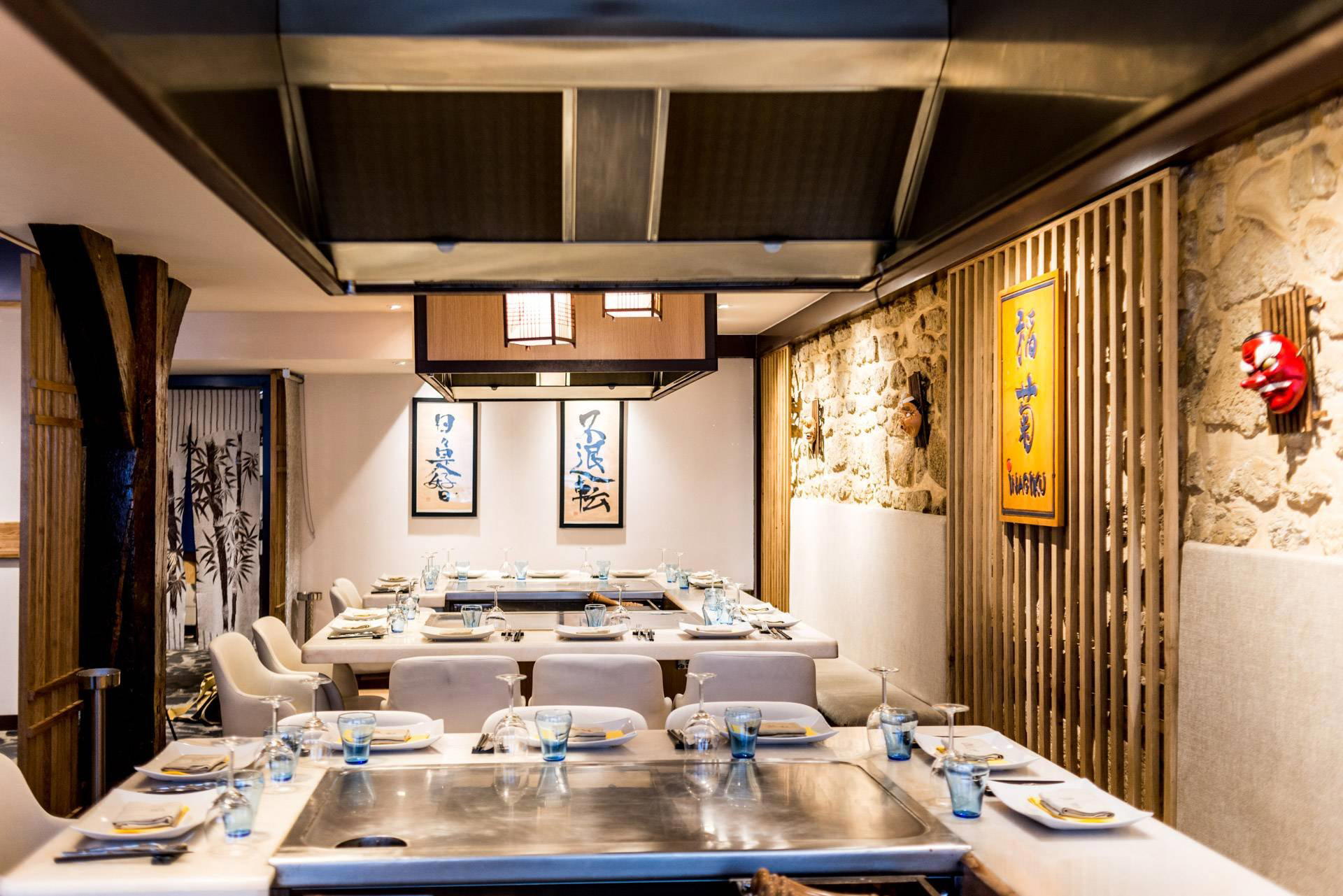
Japanese Discipline on the Left Bank
The 5th arrondissement is not where Paris tends to concentrate its Japanese restaurants. The denser clusters run through the 1st and 9th, around Rue Sainte-Anne's well-documented corridor of ramen counters, soba specialists, and izakayas that have served the city's Japanese community and its admirers since the 1980s. That makes 14 Rue de Pontoise a deliberate positioning choice. Inagiku sits in a part of Paris defined by its university quarter character, its proximity to the Seine, and a dining culture that skews toward neighbourhood regulars rather than destination seekers. Arriving on foot from Saint-Michel or Cardinal Lemoine, you pass booksellers and pharmacy frontages before the address itself resolves into something smaller and quieter than the surrounding streets would suggest.
This matters because the sourcing logic behind serious Japanese cooking in Paris has always operated at a remove from the city's dominant French supply chains. Where a kitchen like Arpège builds its identity around Passard's own garden in the Sarthe, or L'Ambroisie draws on the classic French market network, Japanese restaurants in Paris face a structural challenge: the ingredients that define the cuisine at its most rigorous, the fish, the rice, the dashi components, either arrive through specialist import channels or get adapted to European equivalents. The gap between those two approaches is where a kitchen's priorities become visible.
The Sourcing Question in Paris Japanese Cooking
Paris has developed a reasonably sophisticated infrastructure for Japanese food imports over the past two decades. Specialist wholesalers supply katsuobushi, kombu, and Japanese-variety rice to restaurants across the city, and the Rungis wholesale market has expanded its Asian seafood categories in line with demand. The ceiling on ingredient fidelity, however, remains lower than in Tokyo or even London, where proximity to Tsukiji-linked import networks and a larger Japanese expatriate population supports more granular sourcing. Kitchens that operate in the upper register of Paris Japanese dining tend to compensate with technique: when the fish cannot match the provenance of a Ginza counter, the precision of temperature, cut, and rest time carries more weight.
This is the context in which Inagiku operates. The Rue de Pontoise address anchors it in a neighbourhood without the foot traffic of the Right Bank Japanese corridor, which typically signals a kitchen relying on repeat custom rather than tourist throughput. Restaurants in that position tend to be more ingredient-focused by necessity: regulars notice when quality drifts in ways that first-time visitors do not. For the reader deciding between this address and the better-known concentrations of Japanese dining near the Opéra, the question is whether the Left Bank quietness reflects higher kitchen discipline or simply lower visibility.
Where Inagiku Sits in the Paris Dining Picture
Paris has spent the past decade recalibrating its relationship with Japanese technique. One cited example is Kei in the 1st arrondissement, where Japanese chef Kei Kobayashi holds three Michelin stars for a cuisine that synthesises French classical structure with Japanese precision, placing it in a different competitive bracket from traditional Japanese restaurants.
The broader French dining scene against which any Paris restaurant is measured runs from Michelin-starred monuments like Alléno Paris au Pavillon Ledoyen and Le Cinq at the formal leading, through the creative mid-tier, to neighbourhood addresses that earn loyalty through consistency rather than spectacle. Japanese restaurants in Paris mostly compete within a separate category, evaluated against peer addresses rather than against the French canon, though exceptions exist where Japanese technique has demonstrably influenced Parisian cooking at the highest level. Inagiku's 5th arrondissement placement puts it outside both the Michelin-starred French cluster and the Rue Sainte-Anne Japanese corridor, which defines its competitive logic by default as a neighbourhood specialist.
For readers who track how Japanese cooking traditions travel and adapt, the France context is worth pausing on. French food culture has been unusually receptive to Japanese influence at the ingredient level: the use of dashi as a cooking liquid, the application of koji to aging proteins, and the integration of Japanese citrus into dessert formats have moved from novelty to common practice in serious Paris kitchens over the past ten years. Restaurants like Mirazur in Menton and AM par Alexandre Mazzia in Marseille illustrate how Japanese sourcing logic, the attention to provenance and seasonality, has cross-pollinated with French terroir thinking at the regional level. Inagiku sits within that broader cultural moment, even if its format is more conventionally Japanese than those hybrid addresses.
Planning a Visit
The address at 14 Rue de Pontoise in the 5th arrondissement is reachable from the Maubert-Mutualité Métro station on Line 10, a short walk through the quarter's characteristic mix of academic and residential streets. The Seine is close enough that a pre- or post-dinner walk along the quais is a practical option rather than a detour. Paris Japanese restaurants at the neighbourhood level vary considerably in booking formality: some operate walk-in counters, others require advance reservation even midweek. Phone or in-person confirmation is the more reliable route.
Readers building a longer France itinerary around serious dining will find regional reference points in Flocons de Sel in Megève, Troisgros in Ouches, Auberge de l'Ill in Illhaeusern, Bras in Laguiole, Paul Bocuse in Collonges-au-Mont-d'Or, Assiette Champenoise in Reims, Au Crocodile in Strasbourg, and Auberge du Vieux Puits in Fontjoncouse, each of which applies a distinct regional sourcing logic to fine dining. For comparison points outside France, Le Bernardin in New York and Atomix in New York illustrate how Japanese technique and French seafood tradition have each produced internationally recognised results in a different city context.
Comparison Snapshot
Comparable venues nearby, for context on price, style, and recognition.
| Venue | Cuisine | Price | Notes |
|---|---|---|---|
| InagikuThis venue — the venue you are viewing | Japanese Teppanyaki | $$$ | Not listed |
| Tsukizi | Authentic Japanese Sushi | $$$ | Saint-Germain-des-Prés |
| Onii-San - Izakaya | Modern Japanese Izakaya | $$$ | Marais |
| Blueberry | Fusion Japanese Maki Bar | $$$ | Saint-Germain-des-Prés |
| Pink Koï | Modern Japanese Fusion Robatayaki | $$$ | Les Halles |
| Takara | Traditional Japanese | $$$ | Louvre / Palais-Royal |
Continue exploring
More in Paris
Restaurants in Paris
Browse all →
Bars in Paris
Browse all →
Hotels in Paris
Browse all →
Wineries in Paris
Browse all →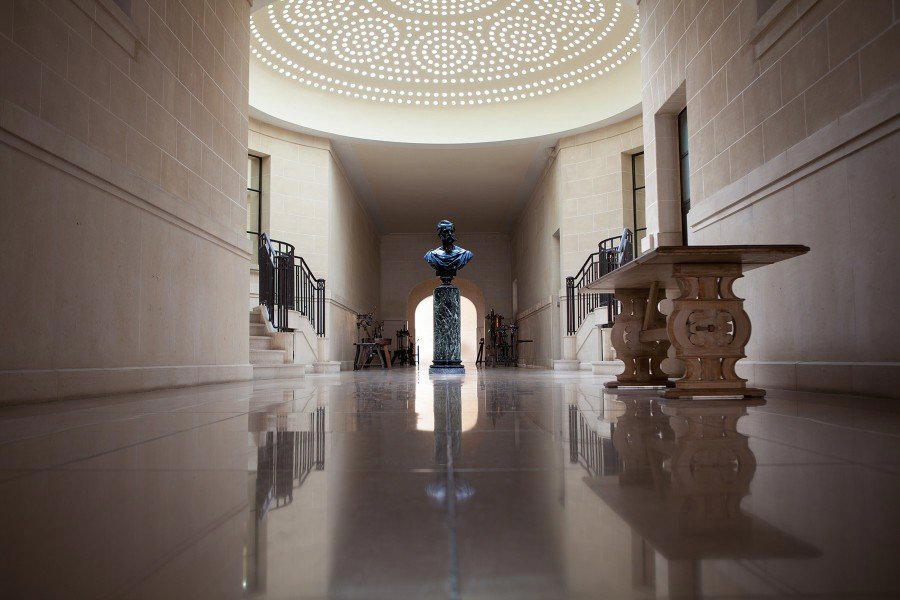
At a Glance
- Elegant
- Classic
- Special Occasion
- Date Night
- Open Kitchen
- Sake Program
Current opening hours
- Monday
- 7–10 PM
- Tuesday
- 7–10 PM
- Wednesday
- 12–2 PM, 7–10 PM
- Thursday
- 12–2 PM, 7–10 PM
- Friday
- 12–2 PM, 7–10 PM
- Saturday
- 12–2 PM, 7–10 PM
- Sunday
- Closed
Hours can change for holidays and private events. Last verified .
Harmonious and clear décor with geometric black and rosewood elements in a large marbled room.