Azabu occupies a quiet address on Rue André Mazet in the Saint-Germain-des-Prés district of Paris's 6th arrondissement, a neighbourhood where the density of serious dining makes positioning matter. The kitchen draws on Japanese culinary traditions within a French context, placing it in a small but growing cohort of cross-cultural addresses that have reshaped Left Bank dining in recent years.
Pearl is the En Primeur Club membership app — saves, bookings, and concierge access live there. Same editors, same standards.
- Address
- 3 Rue André Mazet, 75006 Paris, France
- Phone
- +33146337205
- Website
- azabuparis.com
- Directions
- Get directions
 Saves & bookings on Pearl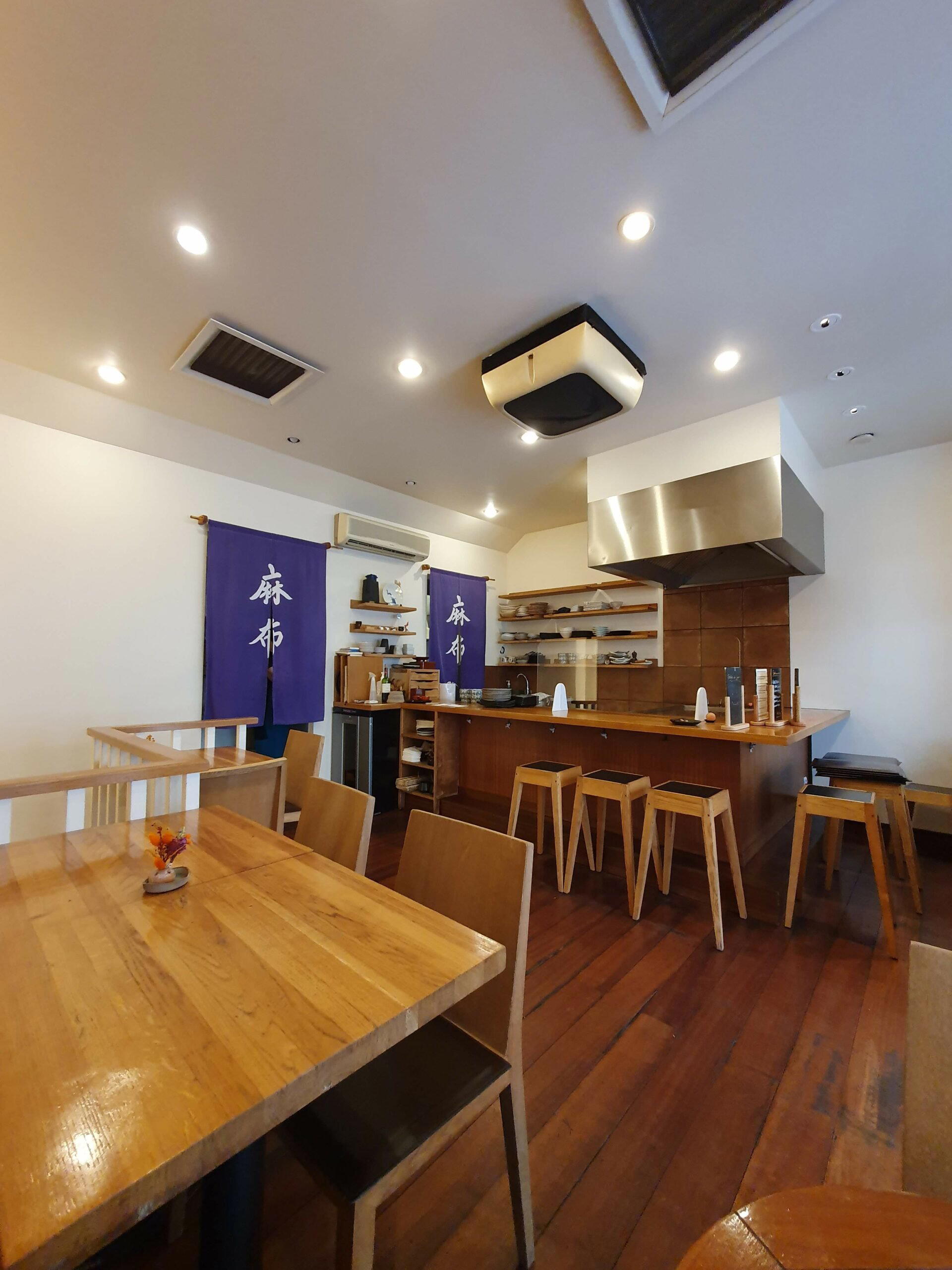
Saint-Germain and the Cross-Cultural Counter
Rue André Mazet is the kind of street that rewards attention. It cuts through the 6th arrondissement with no particular fanfare, a narrow Left Bank passage where the buildings press close and the foot traffic belongs mostly to people who already know where they are going. Arriving at number three, you are in among the more densely contested dining neighbourhoods in the world, a few minutes' walk from addresses that have held Michelin stars for decades and restaurants where the waiting list functions as its own form of qualification. The context matters because Azabu's positioning within it is deliberate: this is not a venue that trades on Saint-Germain's literary mythology or its tourist throughput, but one that operates according to a different set of expectations.
Paris's relationship with Japanese cuisine has matured considerably over the past two decades. The city now sustains a serious tier of Japanese-inflected restaurants, from omakase counters in the 8th to kaiseki-influenced tasting menus on the Left Bank, many of them run by chefs who trained in both countries. Kei, in the 1st arrondissement, represents one model of this synthesis: a Japanese chef working within a contemporary French framework and holding three Michelin stars. Azabu sits in the same broad cultural conversation, though from a different angle and at a different scale.
Sourcing as a Position, Not a Marketing Point
The sustainability story in French fine dining has shifted from optional footnote to structural commitment. At the upper end of the Paris market, where Alléno Paris au Pavillon Ledoyen has built entire menu architectures around waste reduction and fermentation, and where Arpège has spent thirty years making its own biodynamic garden the conceptual centre of the kitchen, sourcing ethics have become as legible a signal as chef lineage or award count. For a Japanese-influenced address in Paris, this conversation takes on additional dimensions. Japanese culinary tradition already carries a deep structural relationship with seasonality and minimal waste, where the discipline of using every part of an ingredient, and the refusal to serve anything outside its natural season, are not selling points but baseline expectations.
This creates a natural alignment between the ethical sourcing commitments that have become standard in serious Paris dining and the philosophies embedded in Japanese kitchen culture. The intersection is where addresses like Azabu find their most coherent identity. Provenance traceability, short supply chains, and respect for produce at its seasonal peak are not additions to the concept but extensions of it. Across France, restaurants operating in this space, from Mirazur in Menton, where the kitchen garden supplies a significant portion of each menu, to Bras in Laguiole, which has built its identity around wild-harvested plants from the Aubrac plateau, have demonstrated that ethical sourcing can be the primary editorial statement of a kitchen, not a secondary one.
The Left Bank comparable set
Understanding where Azabu sits in Paris requires mapping the immediate competitive environment. The 6th arrondissement runs from boulevard Montparnasse to the Seine, and within its boundaries you will find everything from casual zinc-counter bistros to formally structured multi-course addresses. The serious end of that spectrum includes L'Ambroisie across the river in the Marais, which operates at the apex of classical French cuisine with three Michelin stars and a reputation built over four decades, and hotel dining rooms like Le Cinq at the Four Seasons George V, which benchmark against a different comparable set entirely. Azabu's position is neither of these. It belongs to a more recent category: the independently operated cross-cultural address that draws its credibility from kitchen discipline and ingredient integrity rather than institutional prestige.
That category is small but growing in Paris. The city's dining culture has historically been resistant to Asian influences at the upper tier, treating them as separate from the main current of French gastronomy. That resistance has eroded significantly since the mid-2010s, as a generation of Japanese-trained and Japan-influenced chefs have established themselves in the French capital with the kind of critical credibility that makes the cross-cultural positioning sustainable rather than novelty-dependent.
France's Broader Template for Ethical Sourcing
The sustainability frameworks that shape contemporary French fine dining did not emerge from Paris alone. Provincial addresses have led much of the conceptual work. Flocons de Sel in Megève operates in an alpine context where local and seasonal are geographic facts as much as ethical choices. Troisgros in Ouches has built its supplier network over generations. Les Prés d'Eugénie in Eugénie-les-Bains pioneered cuisine minceur, a lighter, lower-waste approach, decades before sustainability became a standard dining-room conversation. These are the reference points that give Paris-based kitchens their inherited vocabulary for thinking about ethical production. Auberge de l'Ill in Illhaeusern and Auberge du Vieux Puits in Fontjoncouse represent the same principle: kitchens anchored in place, with supply chains that reflect their geography rather than override it.
For an urban Paris address, replicating that geographic rootedness requires a different strategy: deliberate supplier relationships, market sourcing at peak season, and menu structures that respond to availability rather than dictating to it. The Japanese culinary framework, with its explicit codification of seasonal ingredients and its long tradition of close relationships between kitchen and producer, provides a useful structural model for doing this within a city context.
Planning Your Visit
Azabu's address at 3 Rue André Mazet, 75006, places it in the heart of Saint-Germain-des-Prés.
| Venue | Location | Cuisine | Price Tier | Booking Window |
|---|---|---|---|---|
| Azabu | 6th arr., Paris | Japanese-French | Not confirmed | |
| Kei | 1st arr., Paris | Contemporary French-Japanese | €€€€ | Several weeks ahead |
| Alléno Paris au Pavillon Ledoyen | 8th arr., Paris | Creative French | €€€€ | 4-8 weeks ahead |
| L'Ambroisie | Marais, Paris | Classic French | €€€€ | Several weeks ahead |
Readers interested in how Japanese-trained chefs are operating in other international contexts may also find Le Bernardin in New York City and Lazy Bear in San Francisco instructive comparative references for the cross-cultural fine-dining format.
A Pricing-First Comparison
Comparable venues nearby, for context on price, style, and recognition.
| Venue | Cuisine | Price | Notes |
|---|---|---|---|
| AzabuThis venue — the venue you are viewing | Not listed | $$$ | Not listed |
| Yatai Ramen Montparnasse | Not listed | $$$ | Montparnasse, Japanese Ramen with French Fusion |
| NOBISAN - Marais | Le Marais, Modern Japanese Temaki Bar | $$$ | Not listed |
| Pink Koï | Not listed | $$$ | Les Halles, Modern Japanese Fusion Robatayaki |
| Shin Izakaya | Saint-Germain-des-Prés, Japanese Izakaya | $$ | Not listed |
| Inagiku | Quartier Latin, Japanese Teppanyaki | $$$ | Not listed |
Continue exploring
More in Paris
Restaurants in Paris
Browse all →
Bars in Paris
Browse all →
Hotels in Paris
Browse all →
Wineries in Paris
Browse all →
At a Glance
- Intimate
- Cozy
- Date Night
- Casual Hangout
- Open Kitchen
- Sake Program
Current opening hours
- Monday
- 7:15–9:30 PM
- Tuesday
- 12:15–2 PM, 7:15–9:30 PM
- Wednesday
- 12:15–2 PM, 7:15–9:30 PM
- Thursday
- 7:15–9:30 PM
- Friday
- 12:15–2 PM, 7:15–9:30 PM
- Saturday
- 12:15–2 PM, 7:15–9:30 PM
- Sunday
- Closed
Hours can change for holidays and private events. Last verified .
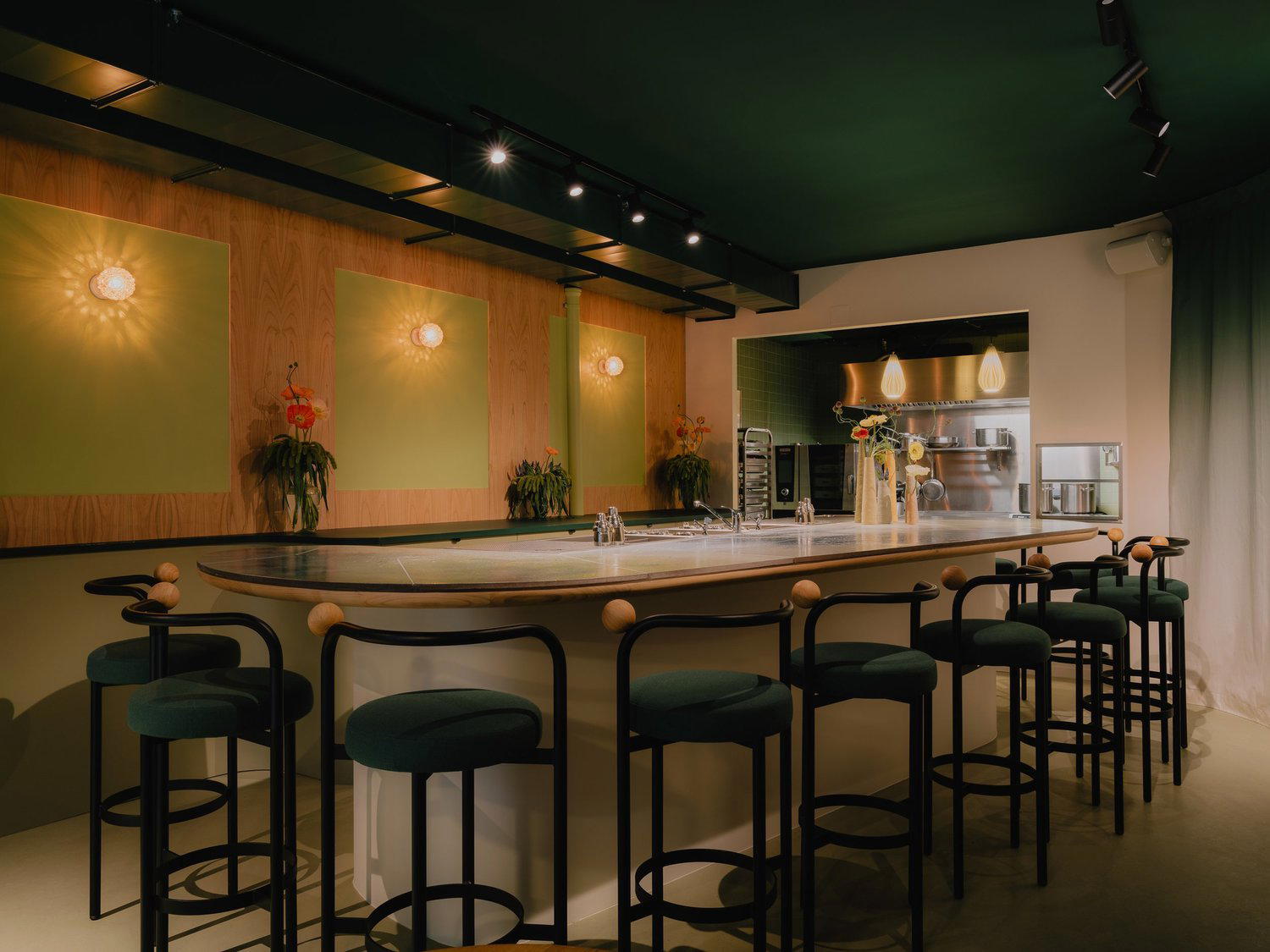
Cozy two-level space with warm lighting focused on the chef's counter where meals are prepared teppanyaki-style.