Ben Cohen Tel-Aviv Streetfood
On the Rozengracht in Amsterdam's Jordaan, Ben Cohen Tel-Aviv Streetfood plants the flavour logic of the Israeli street kitchen inside a Dutch neighbourhood context. The menu draws on the layered culinary vocabulary of Tel Aviv, where North African spice traditions, Levantine technique, and Mediterranean produce converge into a casual-but-considered eating format that sits at a different register from the city's fine-dining circuit.
- Address
- Rozengracht 239, 1016 SX Amsterdam, Netherlands
- Phone
- +31207058171
- Website
- bencohenstreetfood.com
- Directions
- Get directions
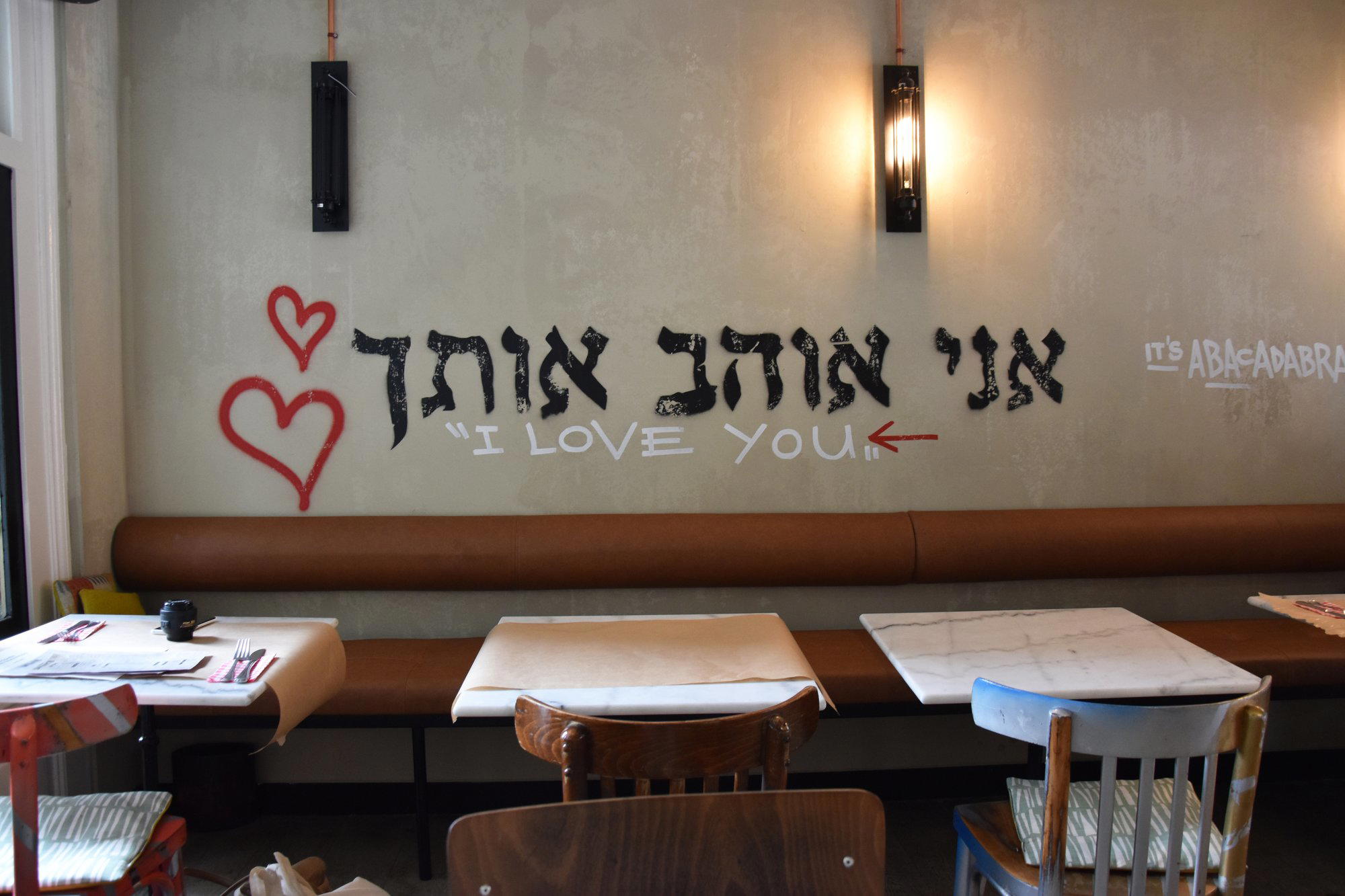
The Rozengracht Setting and What It Signals
Ben Cohen Tel-Aviv Streetfood is a casual restaurant in Amsterdam serving Tel Aviv street food at Rozengracht 239, with a price tier of 2. The western stretch of the Rozengracht is a working canal street rather than a tourist corridor. Tram lines run along it, local grocers share the pavement with specialist shops, and the Jordaan's residential character keeps foot traffic purposeful rather than aimless. It is the kind of address where a restaurant earns its audience through repetition and word of mouth rather than destination positioning. Ben Cohen Tel-Aviv Streetfood operates at number 239, inside that neighbourhood logic, which places it in a different conversation from the high-ticket creative kitchens along the canal belt or the formal dining rooms of Amsterdam's hotel circuit.
Amsterdam's restaurant scene has long accommodated a broad middle tier of international-inflected kitchens that sit between the neighbourhood stamppot cafe and the tasting-menu counter. The Tel Aviv street food format occupies a specific slot in that tier: it is casual by price and pace, but the cuisine tradition behind it is anything but simple. The Israeli street kitchen is among the more technically layered informal food cultures in the world, built from centuries of Sephardic, Ashkenazi, Yemeni, North African, and Arab-Palestinian culinary contact. Bringing that to a Dutch neighbourhood audience means the kitchen is, in effect, acting as a translator between a dense global tradition and a local dining habit.
Tel Aviv as a Culinary Reference Point
The significance of framing this as Tel Aviv streetfood rather than simply Israeli or Middle Eastern food is worth pausing on. Tel Aviv has developed, over the past two decades, a distinct food identity that diverges from both traditional Israeli home cooking and the broader Levantine canon. The city's markets, especially the Carmel and Levinsky, operate as ingredient archives, drawing spice traders, fishmongers, and fermentation producers into daily proximity. The food that emerges from that environment tends to be spice-forward and texture-conscious, built on tahini, preserved lemons, fresh herbs, and char, with an underlying richness from olive oil and pulse-based cooking that is different in character from either European or East Asian food cultures.
That tradition, when transposed into an Amsterdam street-food format, sits in clear contrast to what kitchens like Ciel Bleu, Flore, or Spectrum are doing at the formal end of the market, and equally distinct from the Dutch-produce-led kitchens at the €€€ bracket. It is also, structurally, a different animal from the contemporary Dutch fine dining represented by Vinkeles or the classic seafood approach at Bistro de la Mer. None of those are competitors. Ben Cohen's competitive set is more likely found in Amsterdam's falafel houses, shawarma counters, and the growing number of casual Mediterranean kitchens that have opened along the Haarlemmerstraat and in the Pijp.
Local Ingredients, Imported Method
The editorial angle that makes this kind of restaurant worth examining is the tension between imported technique and local sourcing. Tel Aviv's street kitchen is defined by method: the way falafel is fried to order and eaten immediately, the way shawarma is built on a spit and carved in layers, the way hummus is made fresh and served warm rather than refrigerated. Those methods are transferable. The question for any kitchen operating in the Netherlands is which ingredients it draws on locally and which it imports to preserve authenticity.
Dutch agriculture offers real assets for a kitchen in this tradition: the Netherlands is a leading European producer of vegetables, herbs, and legumes, and its proximity to North Sea fisheries and French and Belgian suppliers gives Amsterdam kitchens broad ingredient access. The Israeli street kitchen already draws heavily on chickpeas, aubergine, courgette, peppers, and alliums, all of which are available in high quality from Dutch and German growers. Where the kitchen has to import is in the spice profile: za'atar, sumac, preserved lemons, and specific tahini varieties are not Dutch products, and their quality determines whether the food reads as authentic or approximate.
This local-global tension is not distinctive to Ben Cohen. It is the defining challenge of any diaspora kitchen operating in a market where ingredients are partially available and partially imported. The leading kitchens in this category, from falafel counters in Paris to shakshuka specialists in London, resolve it by treating local produce as the base and imported flavour agents as the finish. The result is food that is simultaneously rooted in a specific culinary tradition and genuinely embedded in its local supply environment. That resolution is worth watching for across Amsterdam's growing cohort of Levantine and Mediterranean casual kitchens.
For broader context on where this type of casual international kitchen fits within the Netherlands' wider dining picture, it is useful to look at how the country's fine-dining circuit has evolved. Starred kitchens such as De Librije in Zwolle, Inter Scaldes in Kruiningen, and De Nieuwe Winkel in Nijmegen have each built their identity around Dutch-grown and foraged ingredients interpreted through high-precision technique. Others, such as De Lindenhof in Giethoorn, Tribeca in Heeze, De Groene Lantaarn in Staphorst, Brut172 in Reijmerstok, De Lindehof in Nuenen, De Bokkedoorns in Overveen, and De Treeswijkhoeve in Waalre represent the range of technical ambition spread across Dutch provincial dining. Ben Cohen sits well outside that formal circuit, but understanding it requires knowing what the circuit looks like, because casual and fine dining in any city define themselves partly against each other.
Internationally, the casual-counter format with rigorous culinary lineage has produced serious kitchens. The approach of using precise, culturally specific technique in an informal setting is one that kitchens like Lazy Bear in San Francisco and more precision-focused formal rooms like Le Bernardin in New York City have each addressed from their own direction. The street-food register is a different application of the same principle: that technique and intention do not require formal surroundings to produce food worth eating carefully.
Planning a Visit
Ben Cohen Tel-Aviv Streetfood is located at Rozengracht 239 in the Jordaan, reachable by tram from Amsterdam Centraal or on foot from the Nine Streets area. The Jordaan is at its most animated on weekday lunchtimes and weekend afternoons, and the Rozengracht sees consistent local traffic throughout the day. One reliable approach is to visit directly or search the venue's name alongside current opening hours before making a dedicated trip.
A Tight Comparison
Comparable venues nearby, for context on price, style, and recognition.
| Venue | Cuisine | Price | Notes |
|---|---|---|---|
| Ben Cohen Tel-Aviv StreetfoodThis venue — the venue you are viewing | Marnixbuurt Midden, Tel Aviv Street Food | $$ | Not listed |
| NENI | Not listed | $$$ | Olympisch Stadion e.o., Eastern Mediterranean Sharing |
| Restaurant Envy | Not listed | $$ | Felix Meritisbuurt, Modern European Small Plates |
| Mana Mana | Not listed | $$ | Frederik Hendrikbuurt Noord, Modern Middle Eastern |
| Kartika | Not listed | $$ | Helmersbuurt Oost, Traditional Indonesian Rijsttafel |
| Vegabond | Not listed | $$ | Leliegracht e.o., 100% Vegan Deli & Lunchroom |
Continue exploring
More in Amsterdam
Restaurants in Amsterdam
Browse all →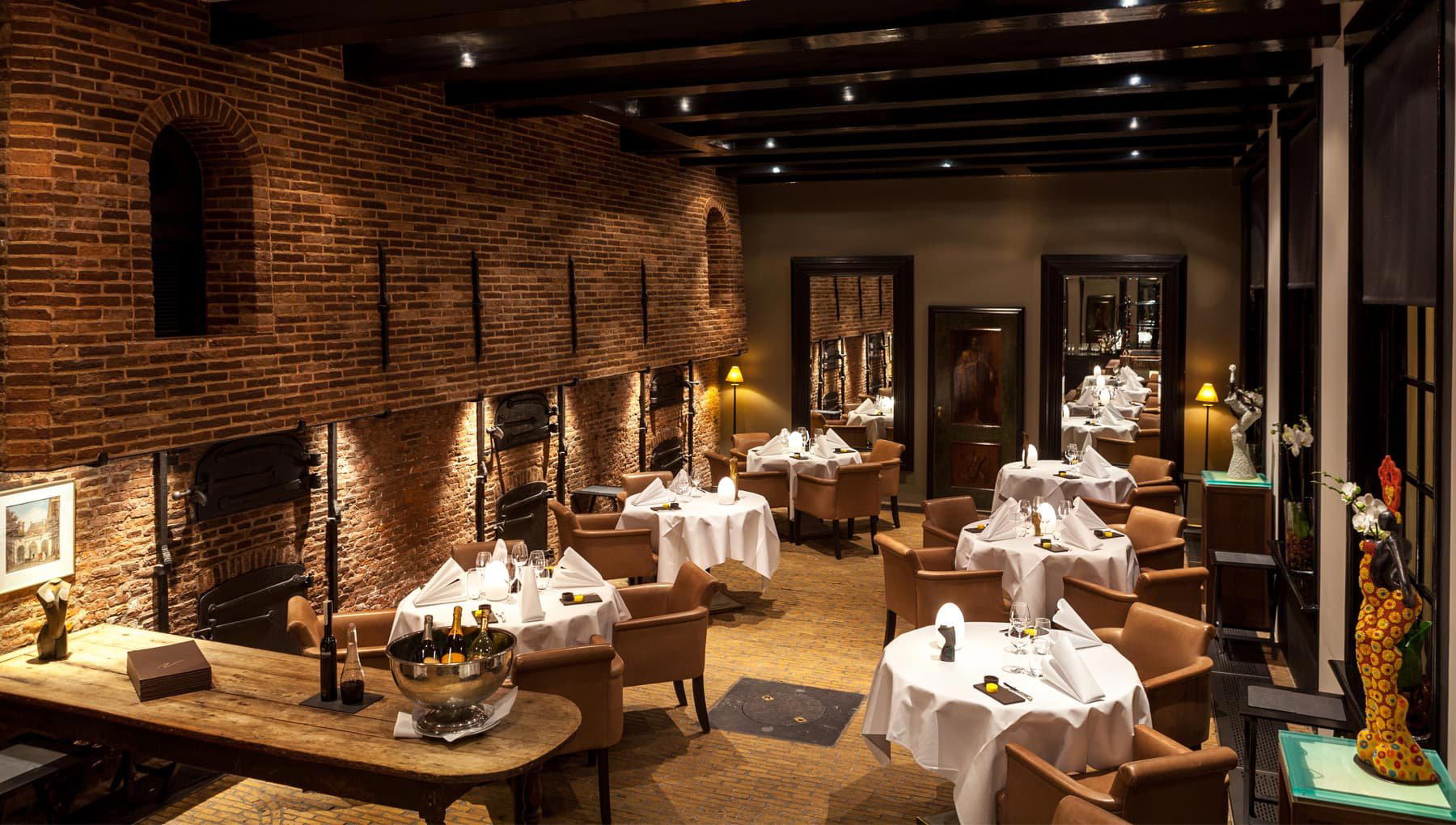
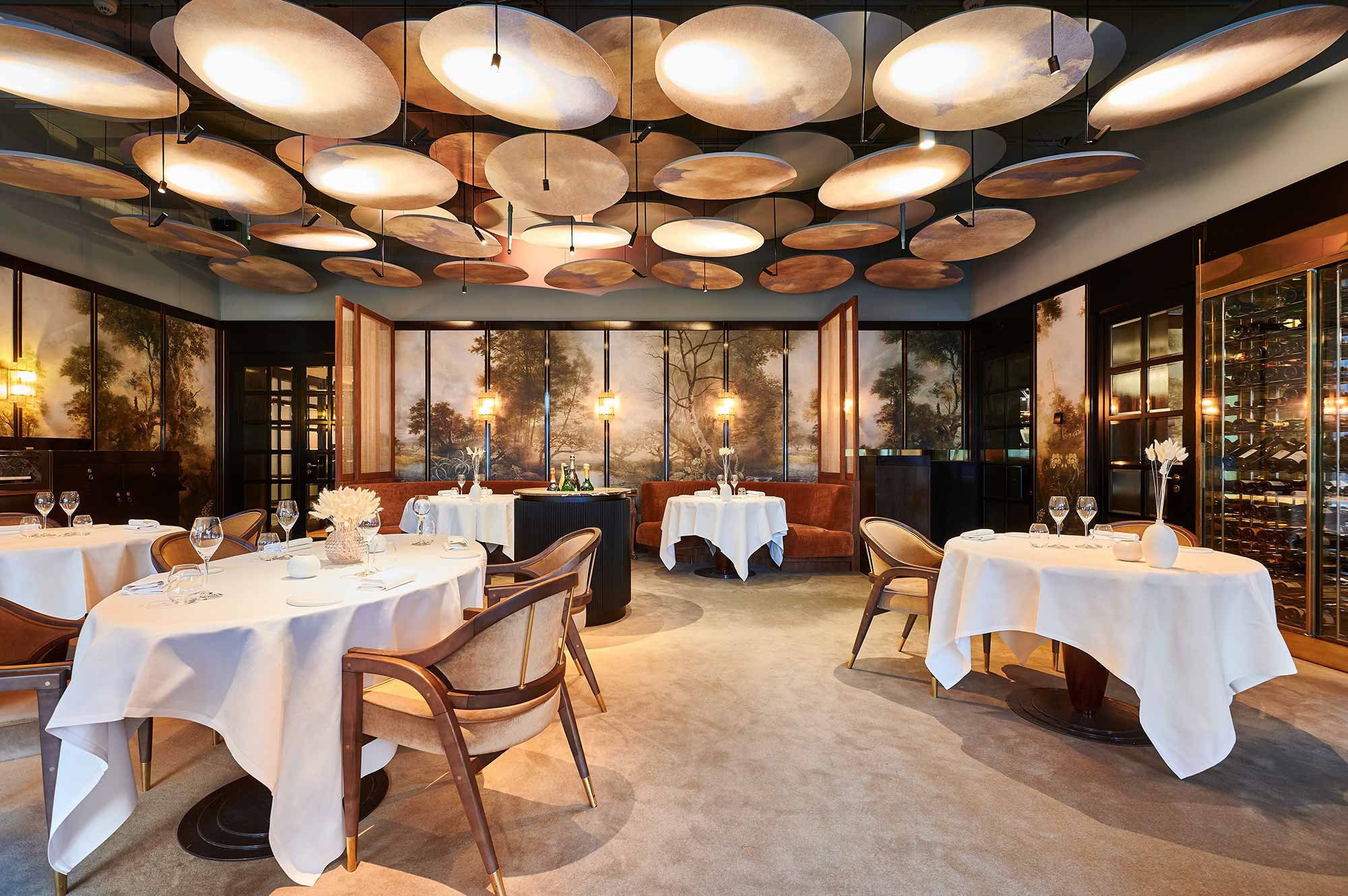
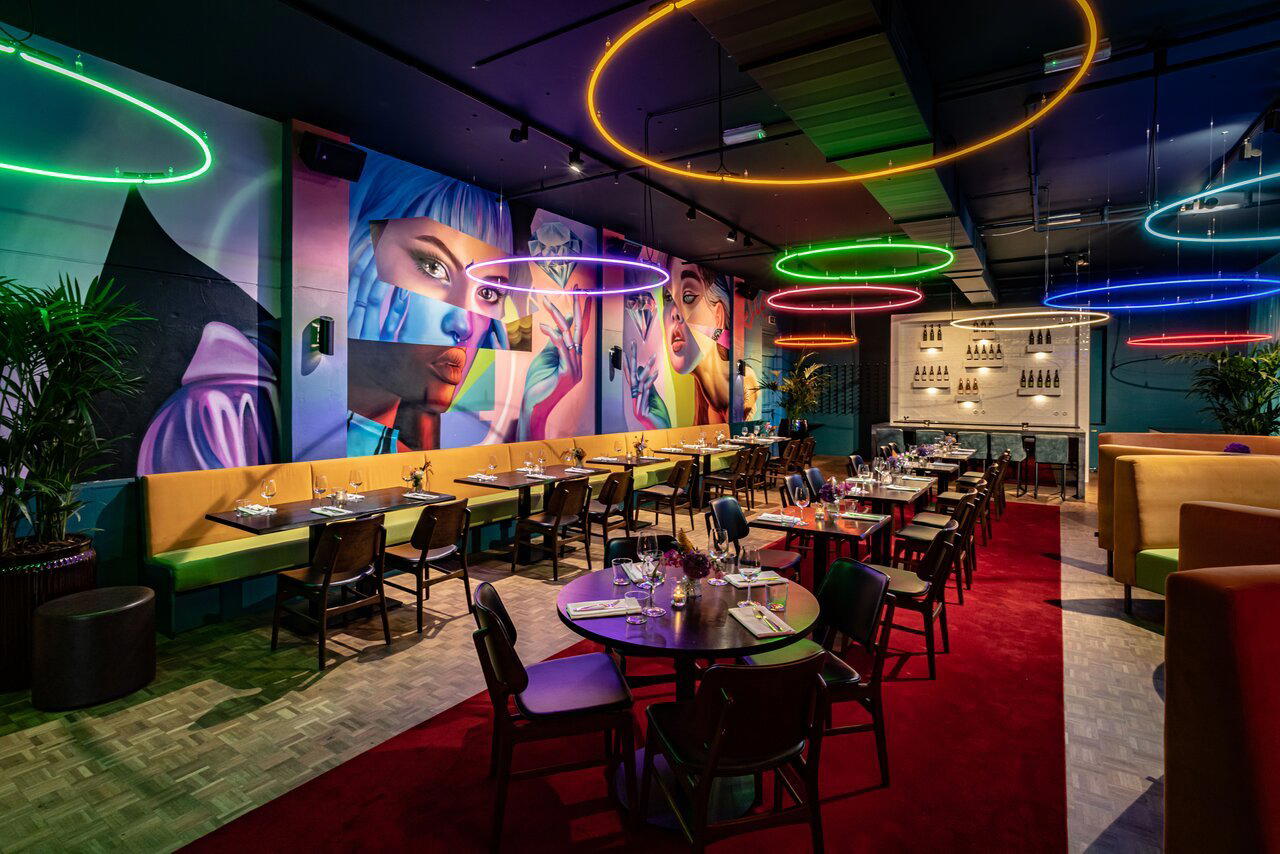
Bars in Amsterdam
Browse all →
Hotels in Amsterdam
Browse all →


Wineries in Amsterdam
Browse all →
At a Glance
- Lively
- Trendy
- Cozy
- Casual Hangout
- Late Night
Laid-back, cool Tel Avivian street food vibe with atmospheric makeover.