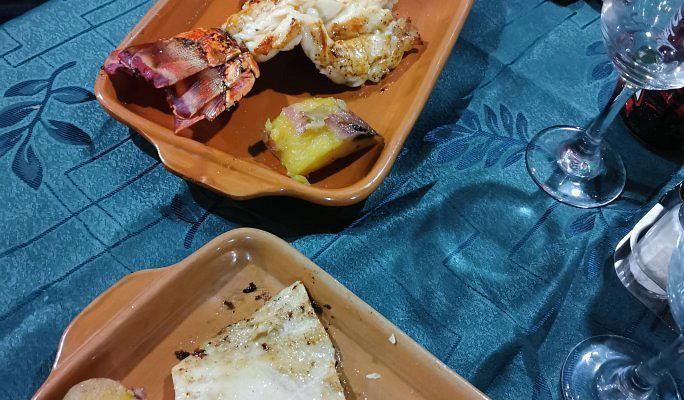
A Vedado fonda operating in the Cuban tradition of no-frills neighbourhood dining, La Paila Fonda on Calle M occupies the kind of corner that regulars find by instinct rather than algorithm. The cooking is rooted in Cuban home-kitchen logic, the pace is set by conversation rather than courses, and the setting is the residential quarter itself rather than any stage-managed version of it.
Pearl is the En Primeur Club membership app — saves, bookings, and concierge access live there. Same editors, same standards.
- Address
- esq 25 Vedado Calle M, La Habana, Cuba
- Phone
- +53 5 2427703
- Website
- fondalapaila.com
- Directions
- Get directions
 Saves & bookings on Pearl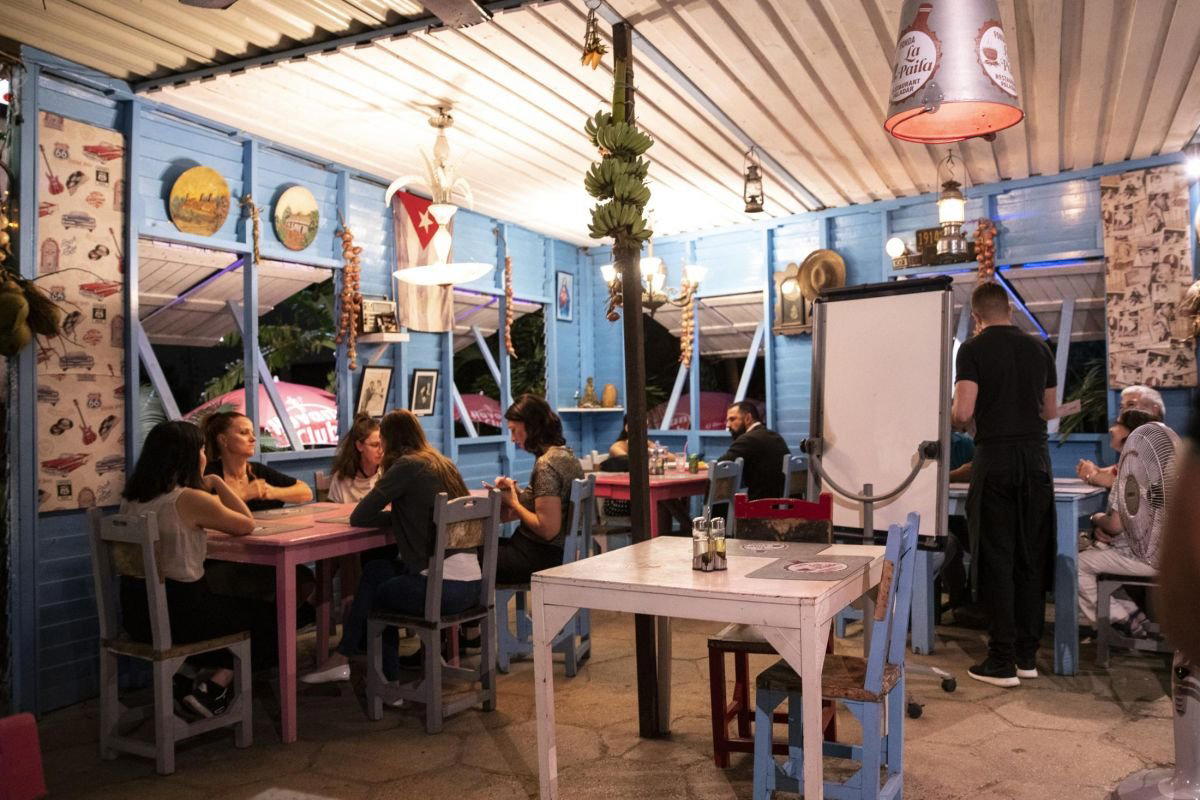
The Corner That Sets the Pace
Vedado has always been a different Havana from the postcard version tourists arrive expecting. The wide, tree-lined streets, the mid-century apartment blocks, the smell of cooking coming from open windows at noon, this is the residential city, the working city, the city that does not perform for visitors. La Paila Fonda sits on the corner of Calle M and 25 inside exactly that Vedado, and the building's position on the block tells you something before you have eaten anything: this place belongs to its neighbourhood in the way that fondas, by tradition, are supposed to.
La Paila Fonda is an Authentic Cuban BBQ & Paladar in Havana, at esq 25 Vedado Calle M, La Habana, Cuba. The fonda as a format has deep roots across Latin America and the Caribbean. Where the paladar became Cuba's internationally recognised model for private restaurant dining after the 1990s reforms, the fonda is an older structure, the neighbourhood eating house, closer in spirit to the Spanish fonda than to any contemporary dining concept. Meals here are anchored by time of day and the available ingredients rather than by a fixed tasting sequence. You sit. Food arrives. The ritual is one of participation in ordinary Cuban life, not observation of it.
How the Meal Actually Works
The dining logic at a Havana fonda is worth understanding before you arrive, because the customs differ substantially from what visitors trained on paladar culture will expect. There is no lengthy amuse-bouche sequence, no printed wine list cross-referenced to vintage notes. The rhythm is closer to what happens in Cuban homes: a soup or broth to open, then a plate built around rice, beans, and a protein, with sides determined by what the morning's market run produced. This is Cuban comida criolla in its functional, unreconstructed form.
Comida criolla draws from the collision of Spanish, African, and indigenous Taíno food traditions that defines Cuban cooking at its base. Sofrito, the foundational low-cooked blend of tomato, onion, pepper, and garlic, anchors most protein preparations. Black beans and rice, eaten together as moros y cristianos or served separately depending on the day, are not a side dish in the decorative sense; they are structural. Plantains appear fried, mashed, or boiled depending on ripeness and preparation logic. The meal's pace is set by conversation and the kitchen's rhythm, not by a predetermined arc of courses.
Havana's broader dining scene in Vedado has developed a range of positions over the past decade. Paladares like La Esperanza in Playa have pushed Cuban private dining toward tablecloth formality, while the tourist circuit around Old Havana has made the colonial courtyard setting, visible at El Patio, almost its own category. The fonda format sits apart from both, operating at the intersection of affordability and authenticity that appeals to residents first and adventurous visitors second.
Vedado as Context
Understanding why a fonda on Calle M reads differently from, say, a paladar in Centro Habana requires a basic orientation to Vedado's character. The neighbourhood developed in the late nineteenth and early twentieth centuries as Havana's bourgeois expansion beyond the colonial walls. By mid-century it contained the city's most cosmopolitan layer, theatres, cinemas, hotels, foreign embassies, and the residential streets that housed the professional class. After 1959 that population dispersed, but the built fabric survived, and Vedado today remains one of Havana's most architecturally intact quarters.
That history produces a particular street-level atmosphere: quieter than Central Havana, less overtly touristic than the Malecón seafront zone, with a density of ordinary domestic life that makes neighbourhood eating houses feel like logical infrastructure rather than curiosities. For visitors whose Havana itinerary has been built around the La Bodeguita Del Medio circuit or the design-led paladares, spending a meal in Vedado recalibrates the reference point quickly.
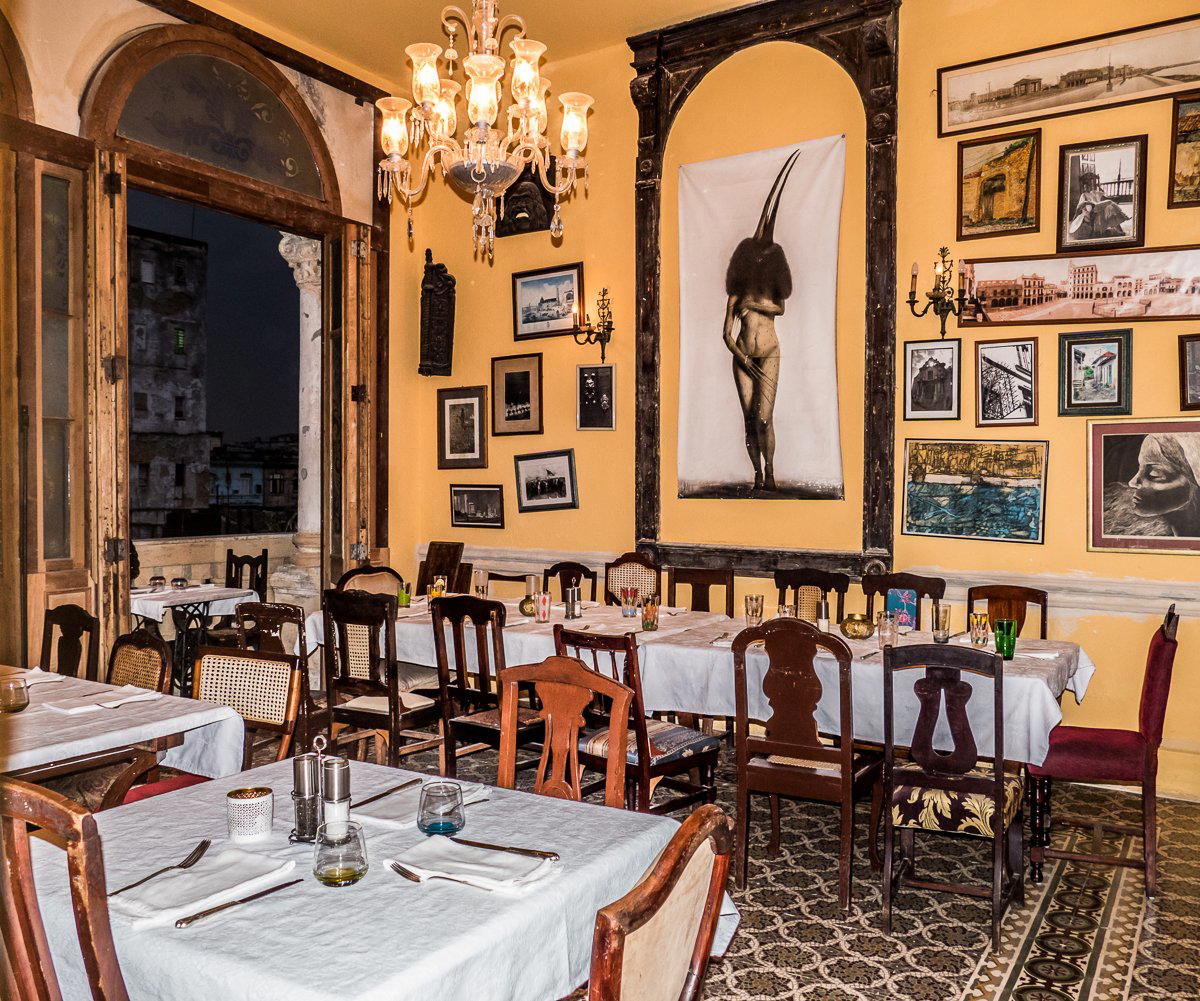
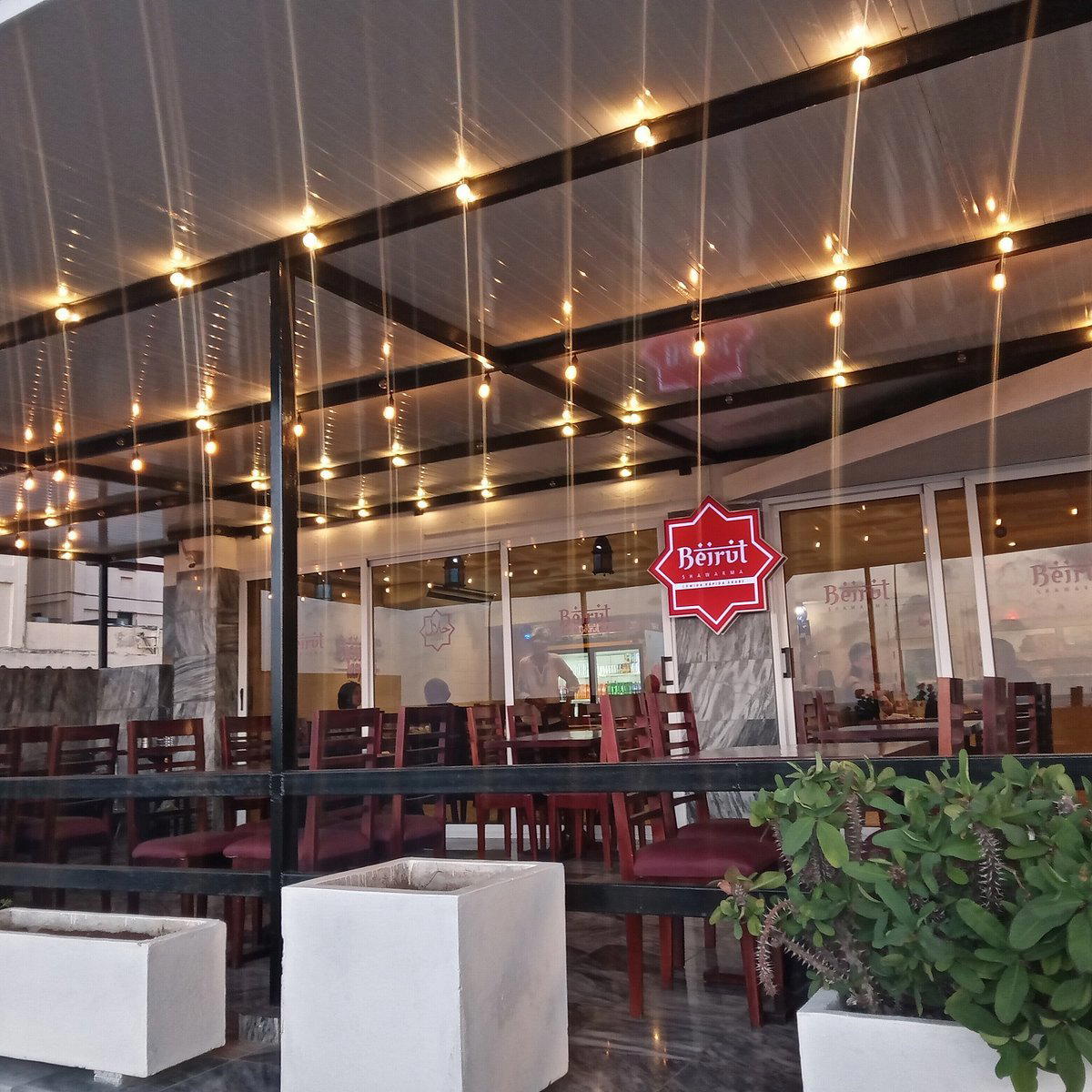
Other Havana options worth considering for contrast: Beirut offers a different immigrant-food register, while El Chanchullero and El del Frente represent the younger, more informal end of Havana's private dining wave. For a fuller picture of how these places relate to each other and to the city, the EP Club Havana restaurants guide maps the current scene by neighbourhood and format. Beyond Havana, Restaurante San José in Trinidad offers a point of comparison for Cuban provincial cooking done with similar directness.
What to Expect Practically
La Paila Fonda is open daily from 12 PM to 12 AM, and reservations are recommended. Cuban fondas in residential neighbourhoods typically operate around the main midday meal, which in Cuba runs from roughly noon to three in the afternoon, reflecting the country's historically Spanish-influenced meal structure. Evening service is less consistent at fonda-format venues than at paladares oriented to tourist trade.
Reservations are recommended. Expect a casual setting and about $12 per person.
For reference on the range that Cuban private dining can span, internationally recognised names like Le Bernardin in New York City, Atomix in New York City, or Lazy Bear in San Francisco sit at the opposite end of the formality and price spectrum, not as aspirational comparisons but as reminders that the ritual structure of a meal is entirely different depending on the tradition you are entering. Cabaret Tropicana in Ciudad de La Habana represents yet another register entirely, the theatrical evening-entertainment end of Havana's hospitality output.
Cuisine Lens
Comparable venues nearby, for context on price, style, and recognition.
| Venue | Cuisine | Price | Notes |
|---|---|---|---|
| La Paila FondaThis venue — the venue you are viewing | Authentic Cuban BBQ & Paladar | $ | Not listed |
| El del Frente | Modern Cuban | $$ | Habana Vieja |
| Union Francesa | Cuban and International in Historic Vedado Building | $$ | Vedado |
| El Chanchullero | Cuban Tapas | $ | Old Havana, Plaza del Cristo |
| La Cocina de Esteban | Cuban Caribbean with Spanish influences | $$ | Vedado |
| La Guarida | Modern Caribbean | $$$ | downtown Havana |
Recognition history
Dated appearances from independent guides and award organizations, with the underlying list record or original source where available.
Diners, Drive-Ins and Dives Featured Restaurant
Diners, Drive-Ins and Dives · 2026 Diners, Drive-Ins and Dives Featured Restaurants
Continue exploring
More in Havana
Restaurants in Havana
Browse all →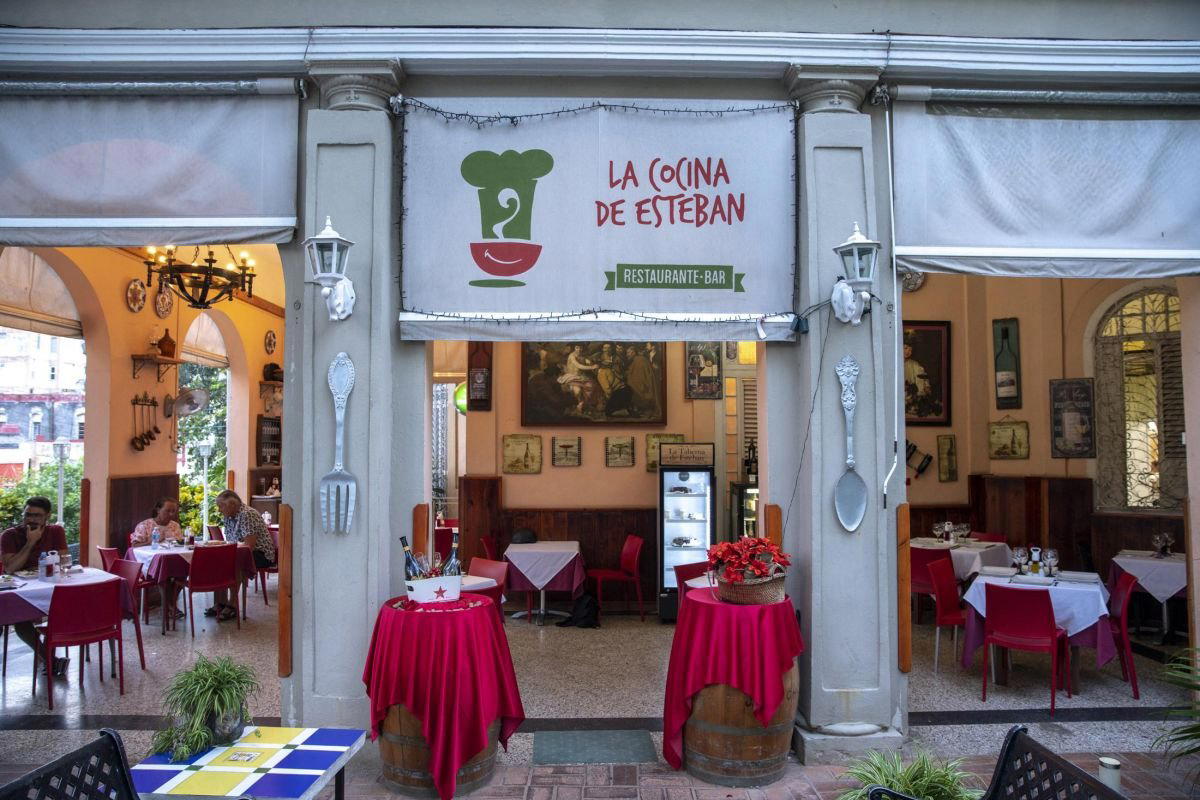
Bars in Havana
Browse all →
Hotels in Havana
Browse all →
Wineries in Havana
Browse all →
At a Glance
- Rustic
- Lively
- Cozy
- Casual Hangout
- Group Dining
- Family
- After Work
- Open Kitchen
- Standalone
- Craft Cocktails
- Local Sourcing
Current opening hours
- Monday
- 12 PM–12 AM
- Tuesday
- 12 PM–12 AM
- Wednesday
- 12 PM–12 AM
- Thursday
- 12 PM–12 AM
- Friday
- 12 PM–12 AM
- Saturday
- 12 PM–12 AM
- Sunday
- 12 PM–12 AM
Hours can change for holidays and private events. Last verified .
Open-air casual dining with a rustic, roadhouse-like atmosphere reminiscent of a family barbeque mixed with workplace cafeteria charm; warm and welcoming with friendly, bilingual staff.