Our verdict
BeBu is a casual Toranomon Hills address inside the Andaz building, useful for reading how Tokyo’s mixed-use towers have changed everyday dining around offices, hotels, and transit. The draw is not ceremony but accessibility: a ground-floor setting in Minato where international hotel dining meets the faster rhythm of a business district.

Pearl is the En Primeur Club membership app — saves, bookings, and concierge access live there. Same editors, same standards.
- Address
- Japan, 〒105-0001 Tokyo, Minato City, Toranomon, 1 Chome−23−4 虎ノ門ヒルズ森タワー 1F アンダーズ
- Phone
- +81 3-6830-7739
- Hours
- Daily 11:30 AM–3 PM, 5–9:30 PM
- Website
- andaztokyo.jp
- Directions
- Get directions
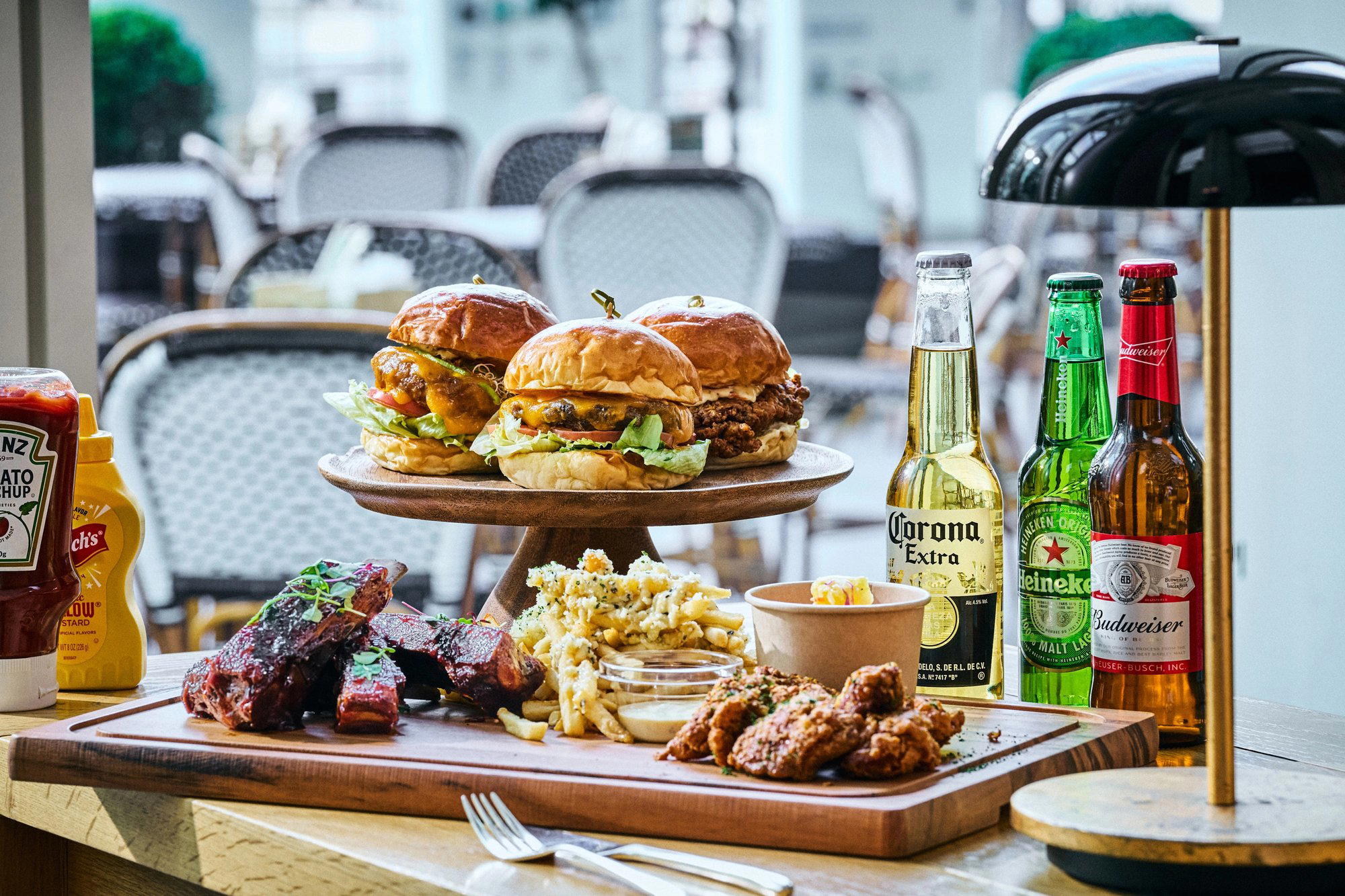
The menu
What to order
- Classic Cheeseburger
- BBQ Pork Baby Back Ribs
- Boneless Cajun Chicken Wings
- Loaded Potatoes
Approaching BeBu, the dining mood changes before the menu enters the discussion. This part of Tokyo is built for movement: office workers crossing between appointments, travellers arriving from Andaz Tokyo, and after-work groups looking for something easier than a counter with rules. BeBu belongs to that newer Tokyo category, the flexible restaurant that has to serve several publics at once without turning the room into a formal destination.
That setting matters because Tokyo has become one of the clearest examples of vertical urban dining. The city is not only late-night sprawl or reservation economy. It is corporate, international, and increasingly residential in its newer developments. Restaurants here tend to sort themselves by occasion: quick lunches, polished casual dinners, accessible dining rooms, and specialist counters. In that mix, BeBu reads as a low-friction option rather than a destination built around scarcity.
Tokyo dining favors access over ceremony
The ingredient question in this kind of restaurant is less romantic than at a small counter, but no less revealing. Tokyo’s premium dining culture often treats sourcing as theatre: named farms, seasonal fish, regional beef, and a direct line between producer and kitchen. In a busy city environment, sourcing has to work at a different tempo. The food needs consistency across lunch, early dinner, and evening demand, with enough flexibility for groups that may not want a long tasting format.
That distinction helps separate BeBu from the specialist addresses in the wider Tokyo conversation. Toranomon Yakitori Kuniyoshi and Yakitori Nakamura point toward a more focused counter format, where the sequence of the evening carries the meal. Tempura Aratamikawa suggests a narrower specialist grammar, while ERICK SOUTH Toranomon hiruzu ten operates as a more everyday option. BeBu’s role is different: not a single-technique meal, not a narrowly defined lunch specialist, but a flexible Tokyo room shaped by the city around it.
Tokyo has plenty of casual restaurants, but casual in an international city behaves differently. The service expectations are smoother, the room has to absorb non-Japanese diners without friction, and the menu cannot rely entirely on local dining codes. That makes the sourcing argument broader: what matters is whether the kitchen can translate ingredients into a format that works for mixed groups, families, and business meals without stripping the meal of place. In Tokyo, that is often the practical test.
The Tokyo address changes the way the meal is used
Location is the main editorial fact here. BeBu’s Tokyo setting connects city hospitality with one of the capital’s denser daily rhythms. That positioning makes it useful for meals with uneven agendas: one person wants something quick, another wants a drink, a third has come from a meeting, and a fourth is staying nearby. The room’s value is not built on exclusivity; it is built on reducing the number of decisions a group has to make.
For travellers, the comparison is useful. A dedicated omakase counter asks for commitment before the meal begins: reservation timing, counter etiquette, dietary clarity, and a willingness to surrender pacing. A flexible Tokyo restaurant asks a different question: can it handle a mixed table in a city where many stronger dining experiences are narrow by design? In that sense, BeBu belongs to the same practical map as Tokyo’s accessible restaurants and all-day dining rooms, even when the food itself sits outside a formal fine-dining frame.
The surrounding city reinforces the point. This is not where Tokyo has to perform nostalgia. It is where newer development has created a polished, international version of the city’s workday appetite. That can feel less intimate than older dining neighborhoods, but it also solves a genuine problem for visitors who need a reliable Tokyo address without entering the high-pressure reservation tier. For a wider view of how this fits into the capital’s dining spread, Our full Tokyo restaurants guide maps the city beyond this kind of urban cluster, while Our full Tokyo hotels guide, Our full Tokyo bars guide, Our full Tokyo wineries guide, and Our full Tokyo experiences guide place the same area in broader travel terms.
How to read BeBu against Tokyo's wider casual spectrum
Tokyo’s casual dining range is wider than visitors often expect. At one end are tightly focused local formats where the appeal is tied to a specific genre or neighborhood rhythm. At the other are highly legible, visitor-friendly rooms where setting, accessibility, and format matter as much as the plate.
BeBu sits closer to the second camp, but with the added filter of Tokyo city infrastructure. That makes it a sensible choice when the priority is convenience in Tokyo rather than a narrowly Japanese dining ritual. It is also a useful reminder that Tokyo’s dining quality is not only measured by rarity. Sometimes the smarter decision is a room that absorbs a complicated evening cleanly.
Outside Tokyo, the same split appears across Japan and in Japanese dining abroad. Other dining rooms show how format and city context shape expectations. The same point applies internationally: the category tells only part of the story; use-case does the rest.
Frequently asked questions
Does BeBu work for a family meal?
Yes. The Tokyo setting makes BeBu a practical choice for mixed-age meals and groups that do not want the formality of a counter tasting menu.
What's the vibe at BeBu?
BeBu reads as a straightforward dining room in Tokyo. The setting points to easy access and a looser pace than Tokyo’s small specialist counters.
Where exactly is BeBu?
Tokyo.
How hard is it to get a table at BeBu?
The Tokyo location suggests a more accessible reservation pattern than tightly booked omakase rooms in the city. BeBu fits a broader day-to-day dining use case rather than a destination-only format.
What do critics highlight about BeBu?
The main editorial point is location: BeBu is in Tokyo, which makes it useful for diners who want a flexible city dining room rather than a destination-only experience. That positioning matters more here than any chef-led narrative.
Can BeBu adjust for dietary needs?
No dietary policy is listed in the public record. Given the Tokyo location, guests typically ask ahead about allergens or restrictions before arrival. Check the venue's official channels for the latest details.
How It Stacks Up
Nearby venues at a similar price tier for orientation.
| Venue | Cuisine | Price | Awards | Notes |
|---|---|---|---|---|
| BeBuThis venue — the venue you are viewing | American Comfort Food | $20–30 | Not listed | Not listed |
| Toranomon Yakitori Kuniyoshi | Yakitori & Chicken Dishes | $100–150 | Tabelog 100 #1 | JPY 10,000 - JPY 14,999 |
| ERICK SOUTH Toranomon hiruzu ten | South Indian curry & biryani | $20–30 | Tabelog 100 #80 | JPY 2,000 - JPY 2,999 JPY 1,000 - JPY 1,999 |
| Yakitori Nakamura | Yakitori Omakase | $100–150 | Tabelog 100 #80 | JPY 10,000 - JPY 14,999 |
| Tempura Aratamikawa | Edomae Tempura Omakase | $100–150 | Michelin Plate · Tabelog 100 #41 | Tempura |
| Andaz Tokyo | Modern European Provincial with Japanese Influences | $150–200 | Not listed | Not listed |
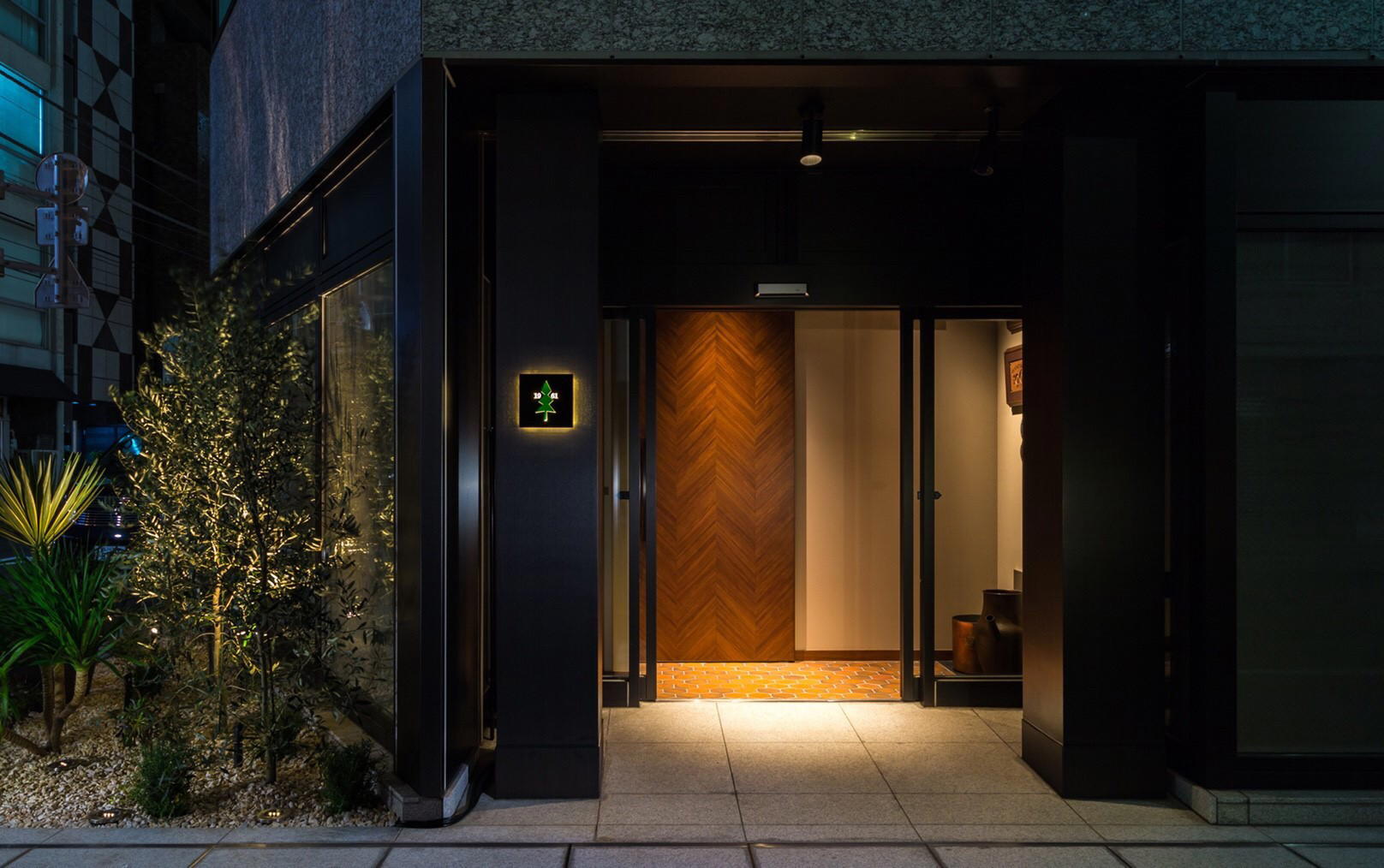
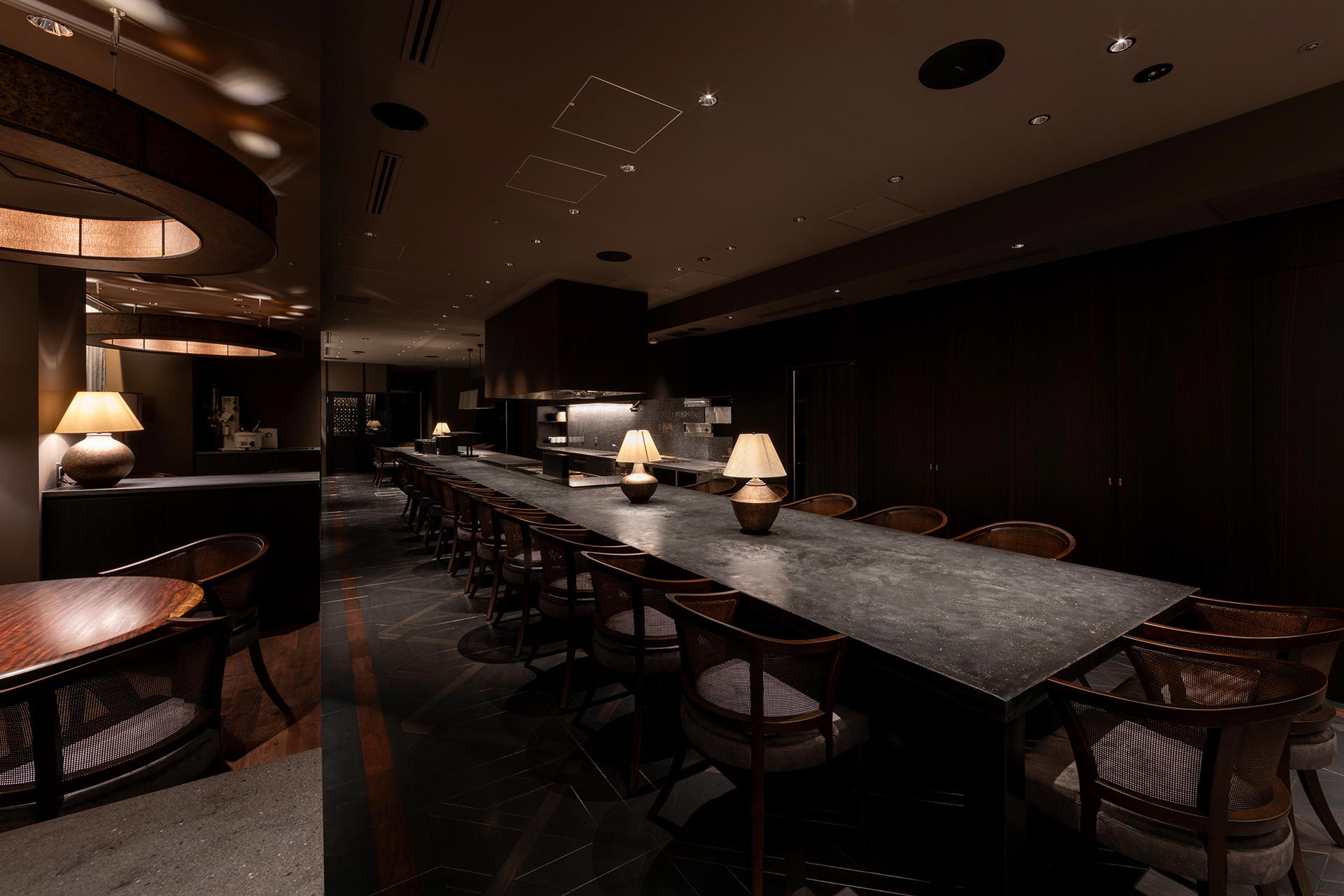
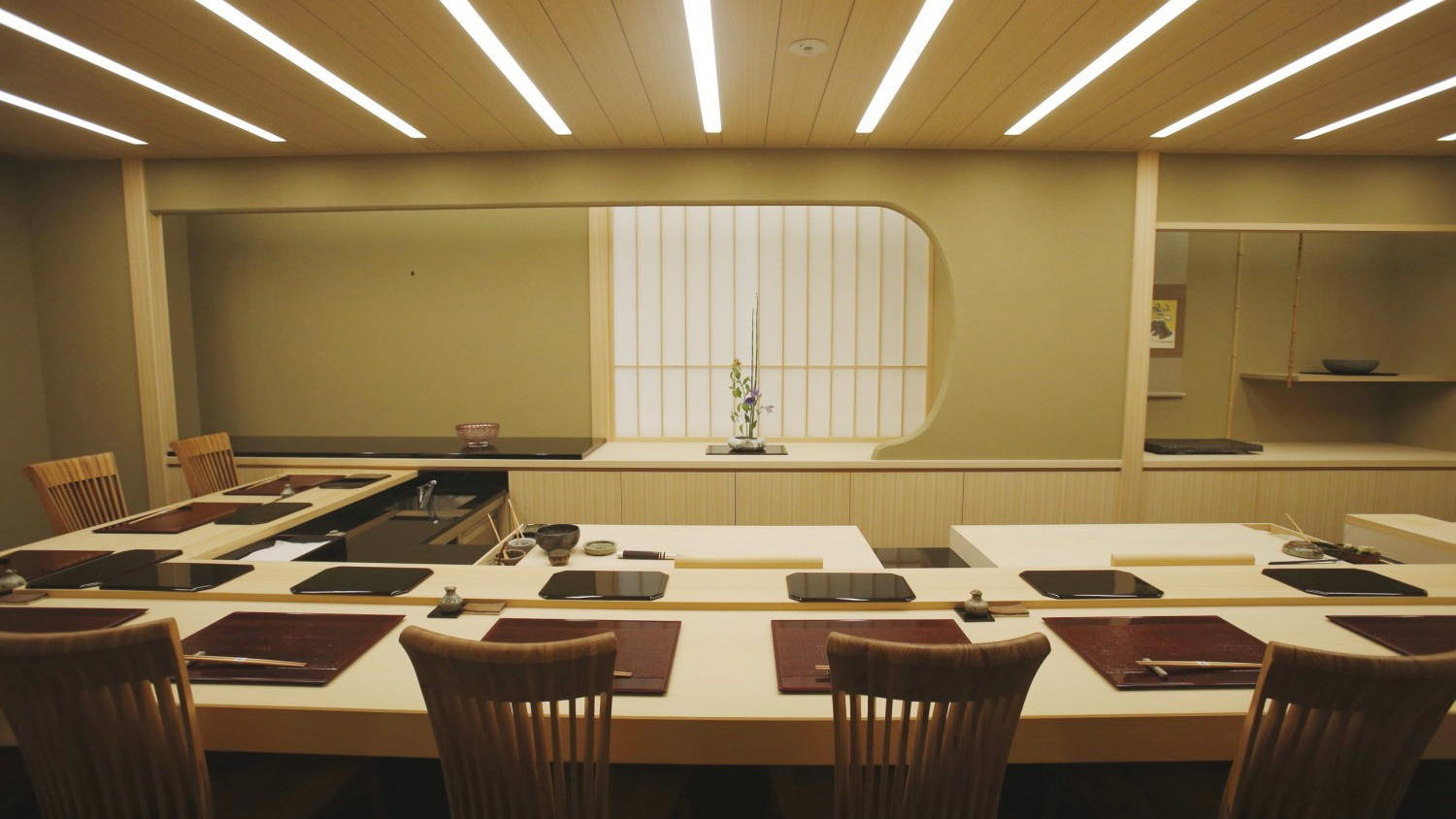
Details
- Modern
- Cozy
- Sophisticated
- Casual Hangout
- After Work
- Group Dining
- Hotel Restaurant
- Beer Program
- Garden
- A La Carte
- Set Menu
- Beer
- Vegetarian Friendly
Current opening hours
- Monday
- 11:30 AM–3 PM, 5–9:30 PM
- Tuesday
- 11:30 AM–3 PM, 5–9:30 PM
- Wednesday
- 11:30 AM–3 PM, 5–9:30 PM
- Thursday
- 11:30 AM–3 PM, 5–9:30 PM
- Friday
- 11:30 AM–3 PM, 5–9:30 PM
- Saturday
- 11:30 AM–3 PM, 5–9:30 PM
- Sunday
- 11:30 AM–3 PM, 5–9:30 PM
Hours can change for holidays and private events. Last verified .
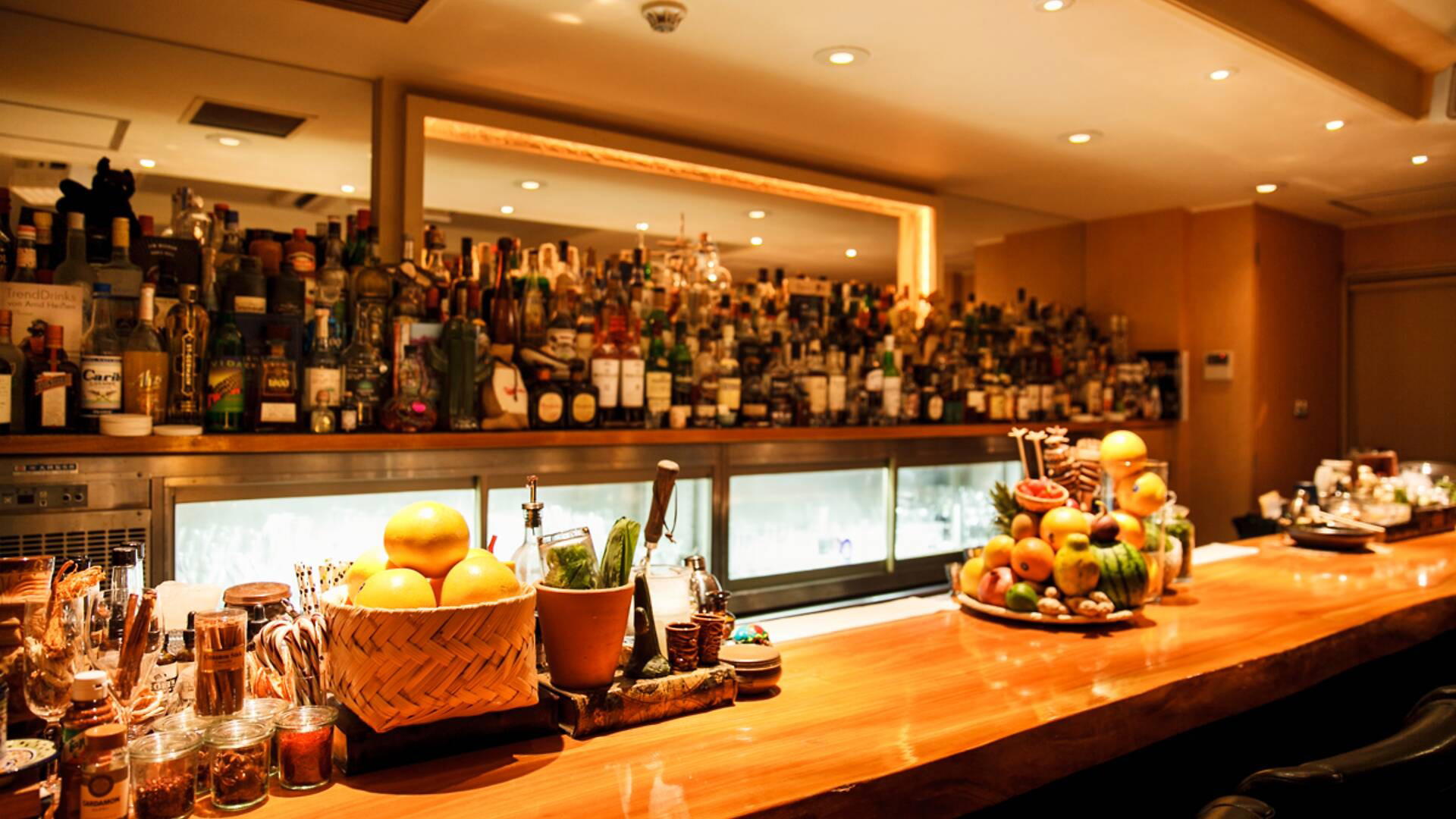
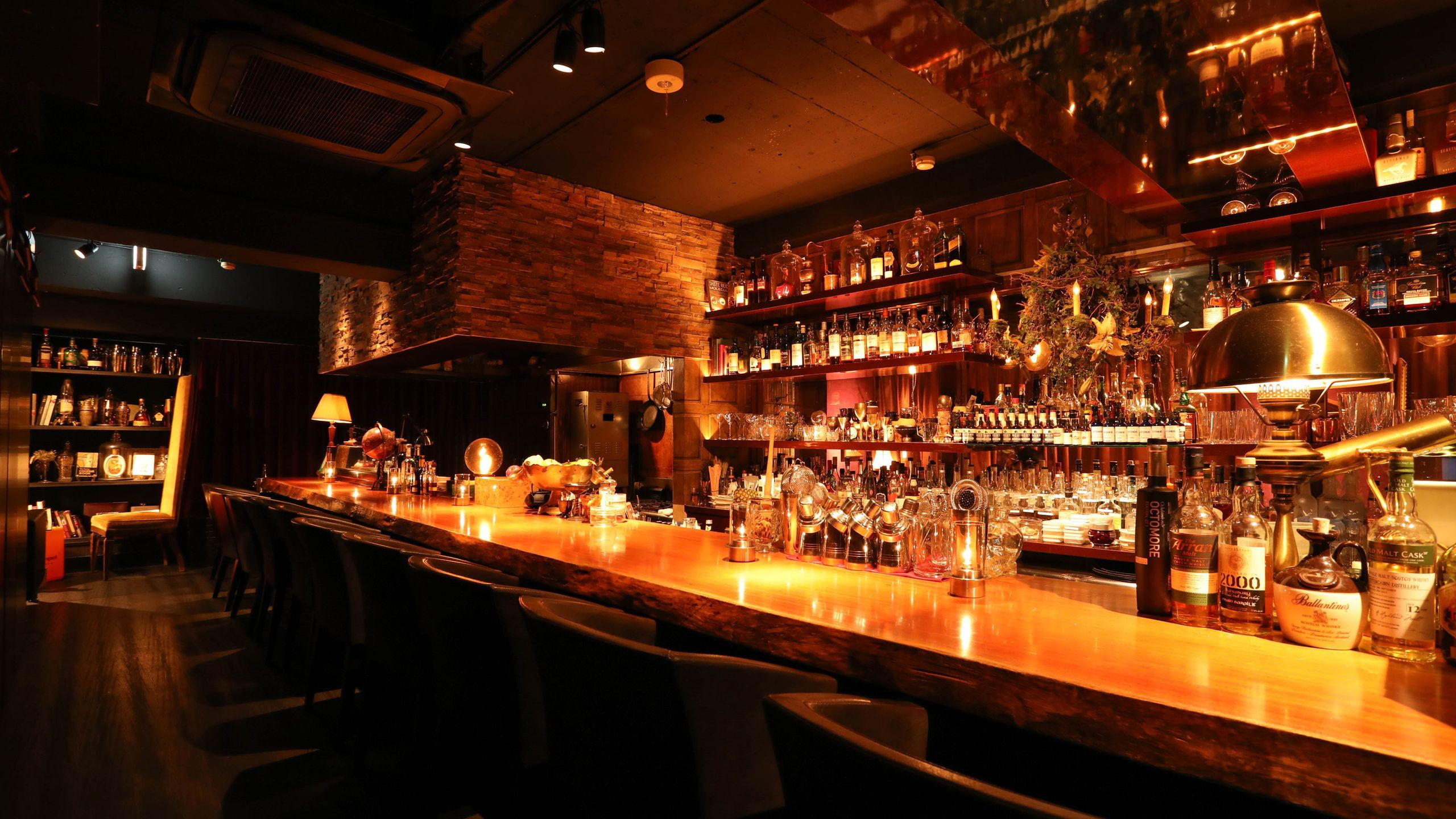
Casual, homey, and relaxed, with a fun after-work feel; the setting is described as a casual cafe and bar in the Andaz Tokyo hotel.