
Tabelog 100 #1
Our verdict
Toranomon Yakitori Kuniyoshi sits in Tokyo’s polished office-belt yakitori tier, where counter cooking, wine service, and private-room discretion pull the genre away from casual after-work skewers. Its Tabelog Yakitori EAST 100 selections in 2024 and 2025 place it among the city’s closely watched chicken specialists, with a price band that aligns it with serious dinner-only yakitori rather than neighborhood drinking food.

Pearl is the En Primeur Club membership app, where members save venues, book tables and use the concierge.
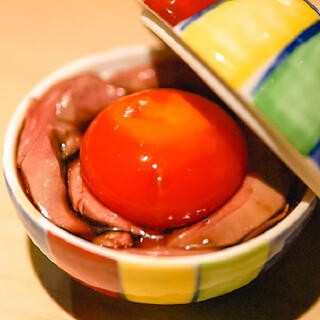
The menu
What to order
- Kimi no Leba Nira (chicken liver and chives)
- Charcoal-grilled Kaiji Shamo yakitori
- Kyoto duck dishes
- Miura vegetable charcoal grill
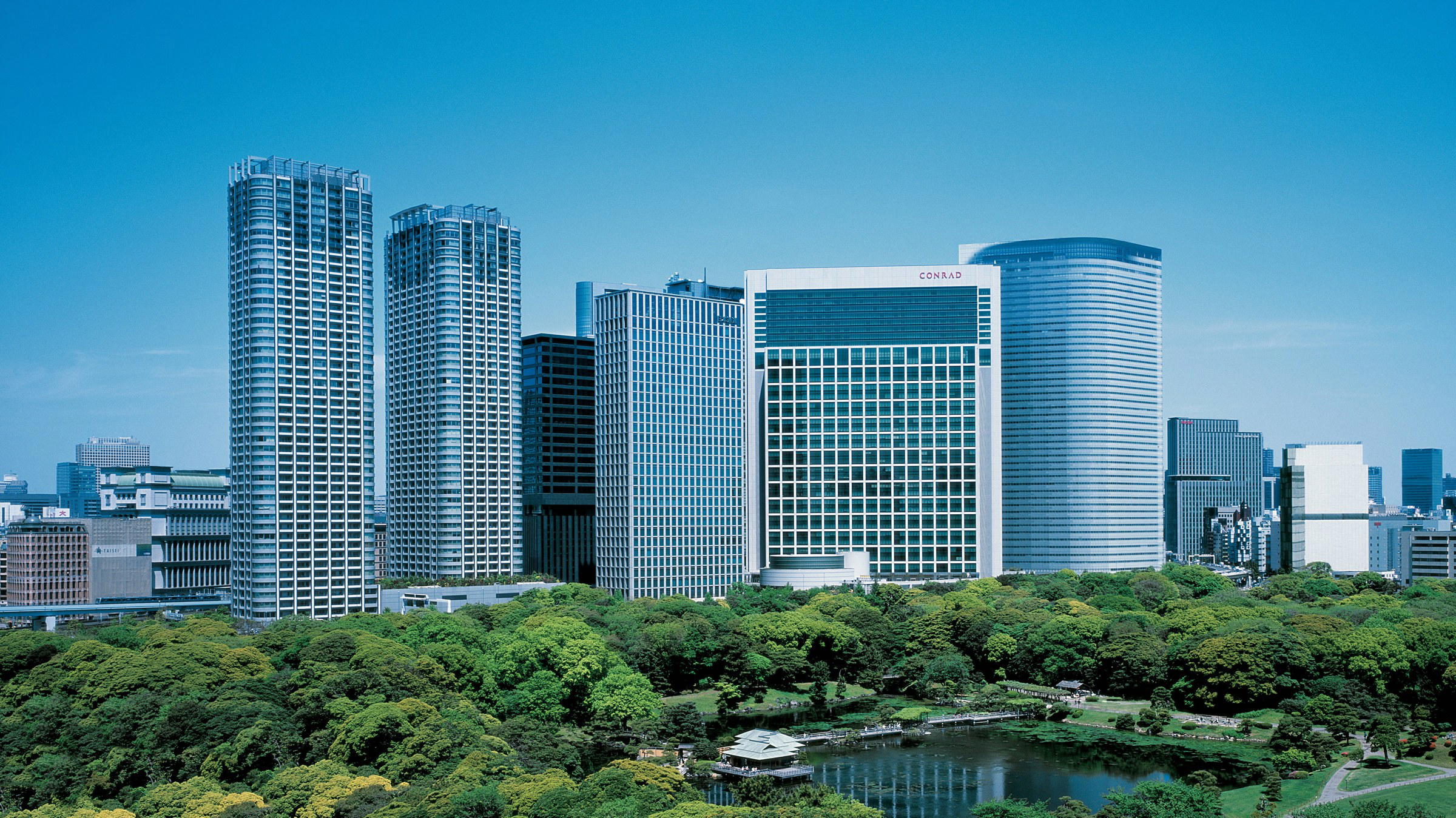
Tokyo still carries the feel of workday dining: glass towers, late suits, and movement between meetings. Then the dining room recasts yakitori from smoke-and-lantern nostalgia into a controlled urban format. This is modern Tokyo craft: chicken over fire, with the pacing expected by clients, regulars, and travelers who know yakitori is not a lesser cousin of sushi or tempura.
Tokyo’s serious yakitori scene now has two lanes. One stays near the drinking-house origin: beer, smoke, quick turnover. The other gives the skewer sequence kappo or counter-sushi discipline: cut selection, heat management, service rhythm, and close attention to the grill. Toranomon Yakitori Kuniyoshi belongs to the second. Its selection for Tabelog Yakitori EAST 100 in 2025 is useful shorthand, not because lists settle taste, but because they show local diners discussing it within a specialist category rather than as a generic Japanese restaurant.
Yakitori in Tokyo has moved from salaryman fuel to controlled counter craft
Yakitori’s Tokyo power is compression. A whole cuisine can be argued through small cuts, charcoal timing, restrained tare, salt, and offal handling. In Tokyo, that compression adds discretion: serious enough for entertaining, comfortable enough for repeat use, paced for diners who do not want a three-hour performance every time they eat well.
The format works in two Tokyo modes: close observation for grill-focused diners, and a polished setting for business dinners. The split matters. Many yakitori counters offer intimacy but little privacy; many more formal restaurants lose the kinetic pleasure of fire and hands at work. This style serves corporate habits without abandoning yakitori grammar.
The ingredient story is grounded in chicken cookery, while technique and service language have globalized. At this level, the important signals are not luxury for its own sake, but the handling of chicken fat, char, tare, and organ cuts. A serious yakitori meal needs balance, texture, and restraint rather than spectacle alone. That places the restaurant in the part of Tokyo dining that can welcome informed visitors without diluting the format.
Among comparable specialists, Yakitori Nakamura sits in a similar JPY 10,000 to JPY 14,999 dinner band, marking this as serious yakitori rather than a casual skewer crawl. Tempura Aratamikawa and Tempura Osaka offer the adjacent counter-dining comparison: seafood and batter instead of bird and charcoal, but the same Tokyo appetite for narrow crafts in compact rooms. The distinction is emotional as much as technical. Tempura tends toward delicacy and sequence; yakitori is more physical, built on smoke, fat, and the tension between rustic origin and polished service.
The drink program signals a broader Tokyo shift toward pairing-led yakitori
For years, yakitori outside Japan was flattened into “grilled chicken skewers,” missing the point. The category depends on variation: lean and fatty cuts, skin, cartilage, liver, thigh, breast, meatball, vegetables, and the choice between salt and tare. A serious counter need not over-explain; the sequence does the work. What has changed in Tokyo is the expectation that beverages keep pace with the grill rather than sit beside it.
At this level, classic Japanese drinking habits remain natural partners, while broader pairing culture changes the conversation. It pushes yakitori toward the international language of structured menus while preserving Japanese product logic: small portions, controlled heat, close attention to texture. That intersection makes Toranomon Yakitori Kuniyoshi contemporary rather than nostalgic. The method may be old, but the room and service cues belong to a city presenting indigenous dining formats to global guests without turning them into theatre.
Tokyo’s redevelopment and office culture have shifted dining demand, bringing more international travelers and expense-account traffic into areas once defined more narrowly by after-work drinking. Restaurants here must satisfy repeat local use and destination dining simultaneously. That pressure can produce bland luxury; yakitori resists it when the grill remains the center of gravity.
Readers mapping Tokyo’s broader dining range can place this restaurant beside other category specialists, not only chicken counters. For a wider city scan, use Our full Tokyo restaurants guide, with hotel context in Our full Tokyo hotels guide, drinking plans in Our full Tokyo bars guide, producer-led listings in Our full Tokyo wineries guide, and cultural planning in Our full Tokyo experiences guide. Nearby or related Tokyo restaurant references can be treated generically as part of the city’s broad dining map, from other yakitori rooms to specialist counters and casual cafes.
Who this yakitori counter suits
This room suits diners who want Tokyo yakitori as a full dinner rather than a prelude to drinking. The Tabelog score of 3.70 and Yakitori EAST 100 recognition for 2025 give measurable local credibility, while the JPY 10,000 to JPY 14,999 price band keeps it below the city’s ultra-expensive omakase counters. The value question is not quantity, but whether the diner cares about a focused chicken format supported by polished service and careful pacing.
It is less suited to travelers seeking maximal novelty or a loud night out. Tokyo rewards precision more than chaos. The city’s business-dining culture is transactional in the productive sense: reservations, punctuality, clear service, and rooms designed for conversation. Within that context, yakitori is a smart Tokyo choice because it carries craft without the stiffness that can weigh down formal tasting menus.
For a Japan-wide comparison of how regional and category-specific restaurants present themselves to travelers, look to other dining rooms across Japan in broad terms rather than treating any single format as definitive. For Japanese food culture interpreted abroad, overseas examples also show how specific formats travel once they leave their home context.
A Lean Comparison
Comparable venues to anchor price and recognition.
| Venue | Cuisine | Price | Awards | Notes |
|---|---|---|---|---|
| Toranomon Yakitori KuniyoshiThis venue (the venue you are viewing) | Yakitori & Chicken Dishes | $100–150 | Tabelog 100 #1 | Not listed |
| Yakitori Nakamura | Yakitori Omakase | $100–150 | Tabelog 100 #80 | JPY 10,000 - JPY 14,999 |
| Tempura Aratamikawa | Edomae Tempura Omakase | $100–150 | Michelin Plate · Tabelog 100 #41 | Tempura |
| Tempura Osaka | Seasonal Tempura Omakase | $100–150 | Tabelog 100 #94 | JPY 20,000 - JPY 29,999 JPY 10,000 - JPY 14,999 |
| Curry no Mise Ganji | Japanese curry shop | Not listed | Tabelog 100 #47 | JPY 4,000 - JPY 4,999 JPY 1,000 - JPY 1,999 |
| Koshikiryori Koki | Hong Kong-Style Chinese Fine Dining | $100–150 | 1 Michelin Star · Tabelog 100 #56 | Chinese |
Recognition history
Dated appearances from independent guides and award organizations, with the underlying list record or original source where available.
Tabelog 100 #1 · No. 1
Tabelog · Tabelog 100 - Yakitori - EAST - 2025
Continue exploring
More in Tokyo
Restaurants in Tokyo
All restaurants in Tokyo →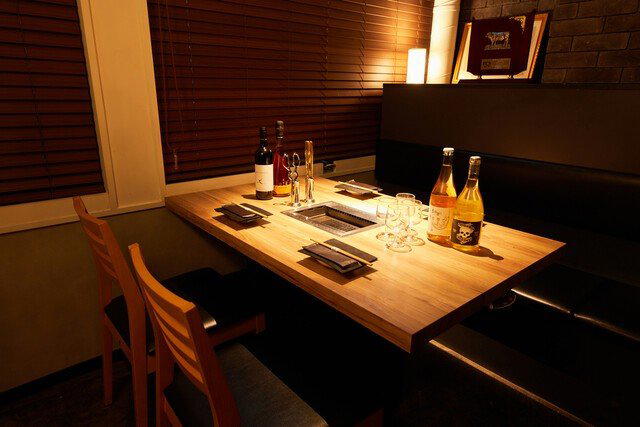
Bars in Tokyo
All bars in Tokyo →


Toranomon Yakitori Kuniyoshi
The wine
- Extensive wine list
- Sake program
- Beer program
Details
- Intimate
- Cozy
- Elegant
- Date Night
- Business Dinner
- After Work
- Group Dining
- Special Occasion
- Chefs Counter
- Private Dining
- Standalone
- Beer Program
- Sake Program
- Extensive Wine List
- Local Sourcing
- A La Carte
- Counter Dining
- Small Plates
- Wine
- Sake
- Beer
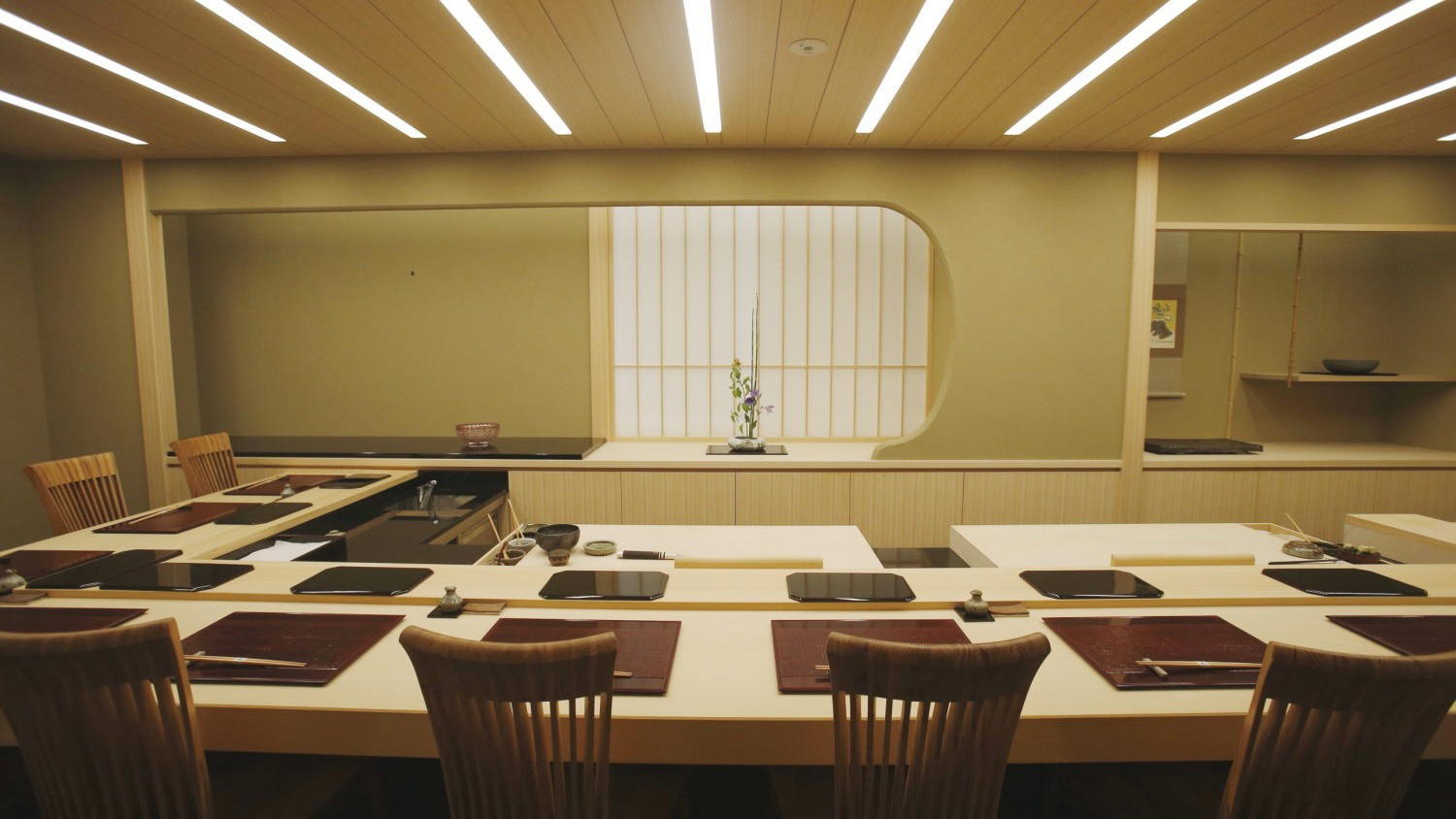
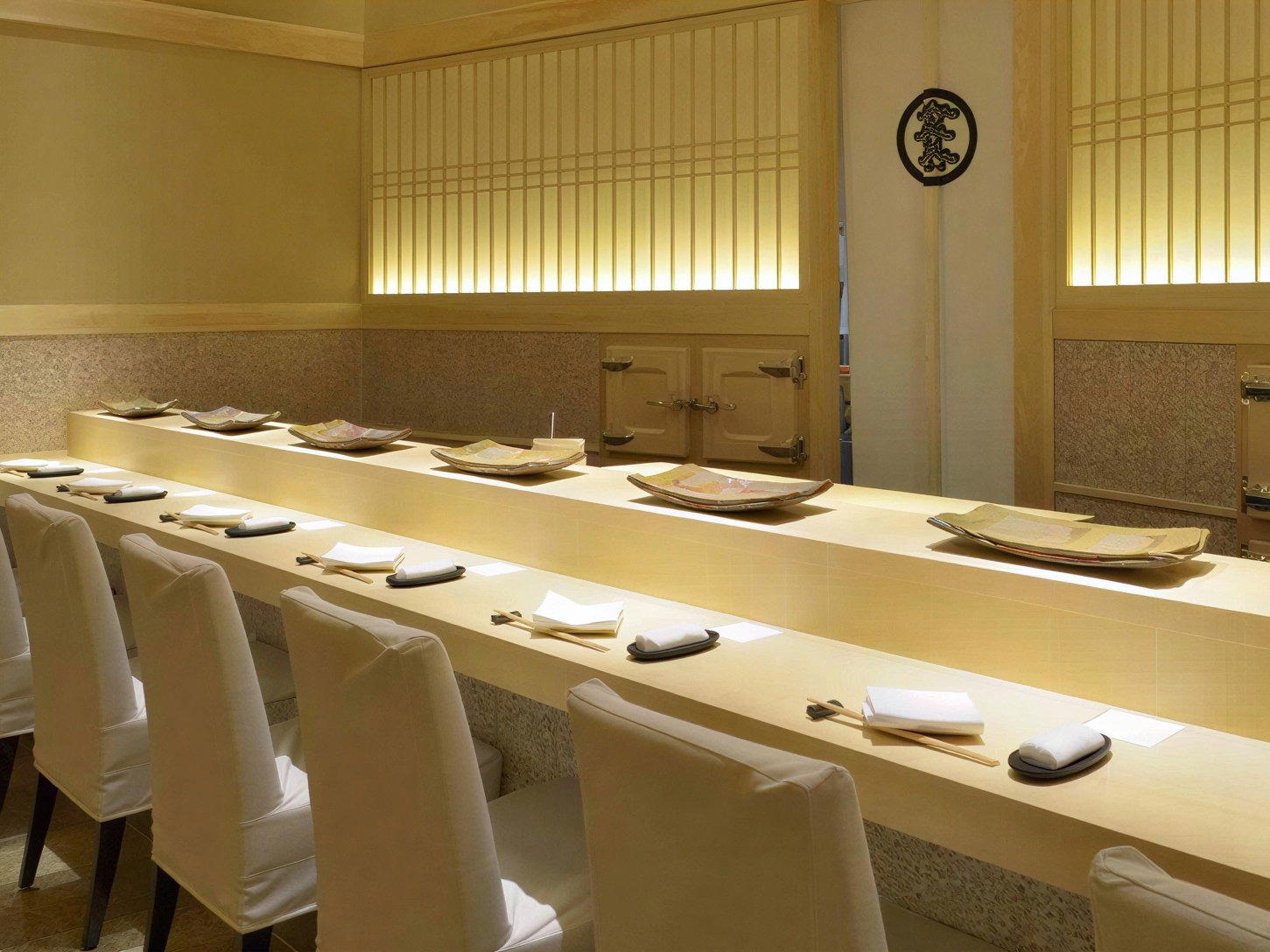
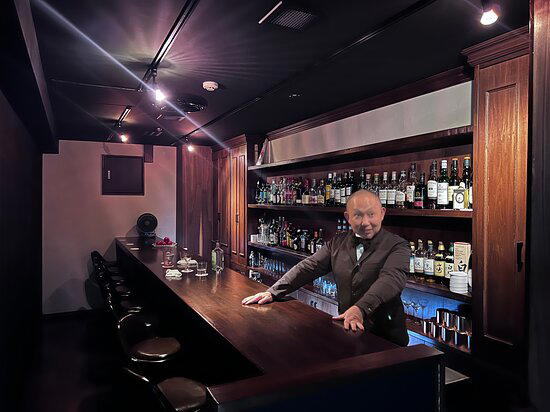
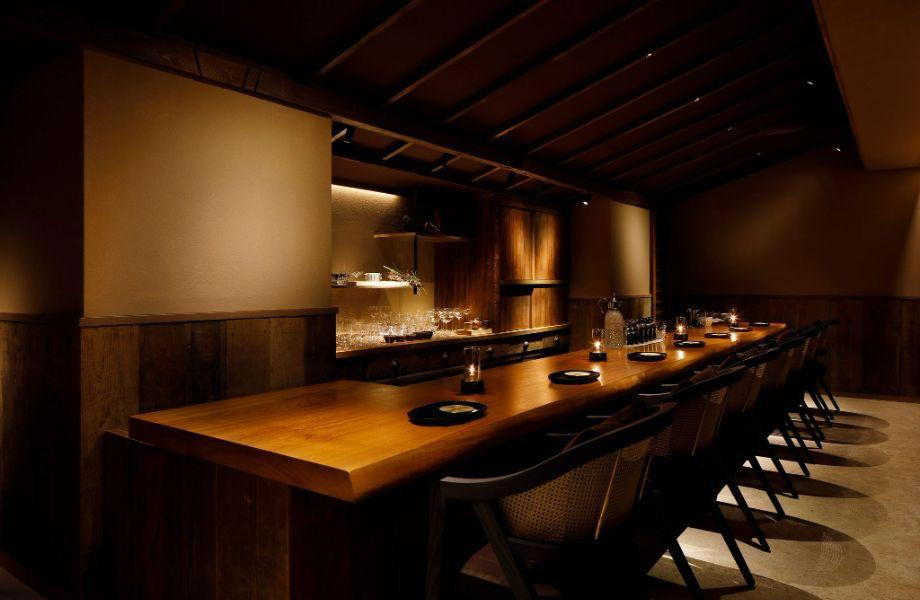
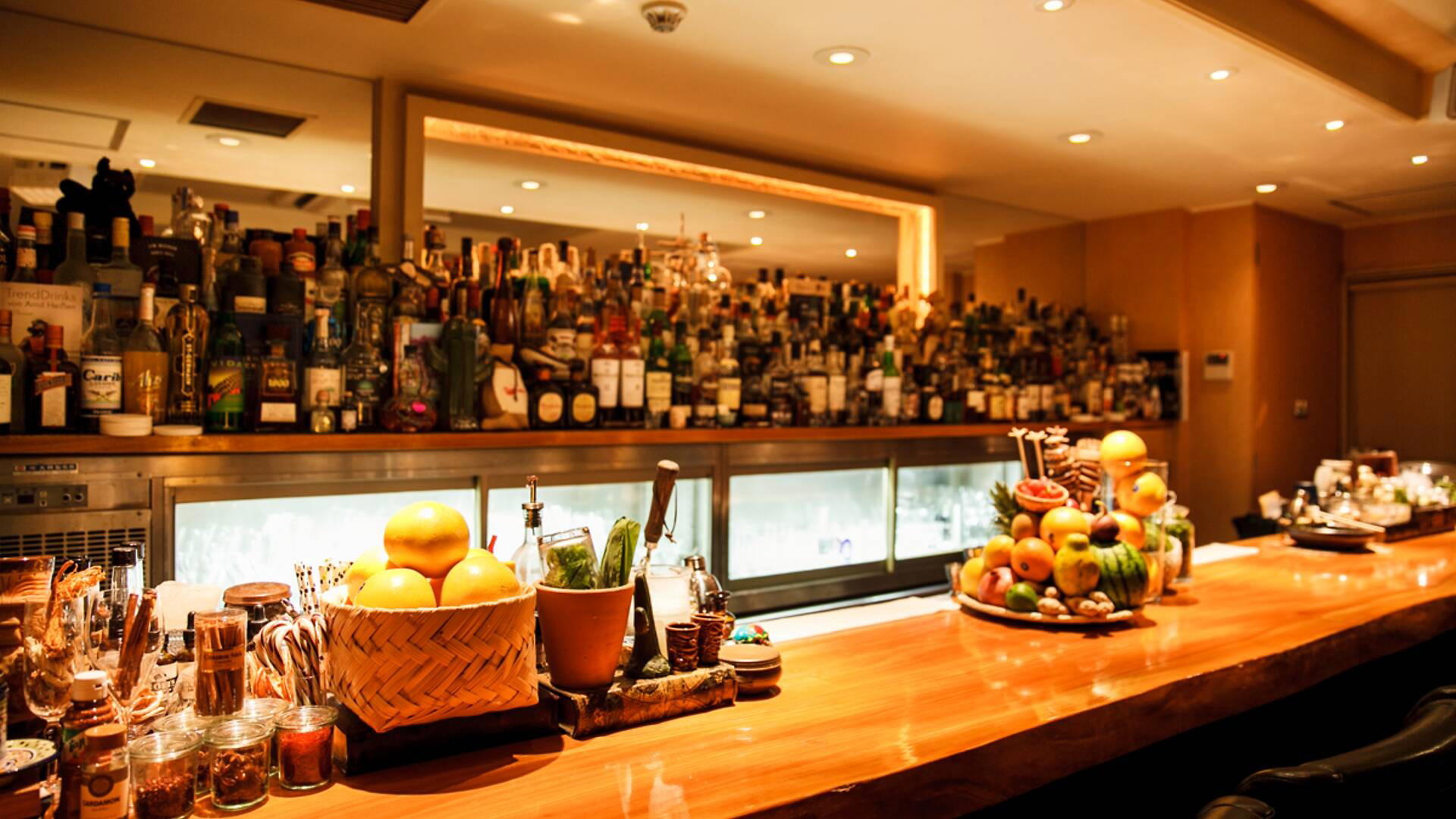
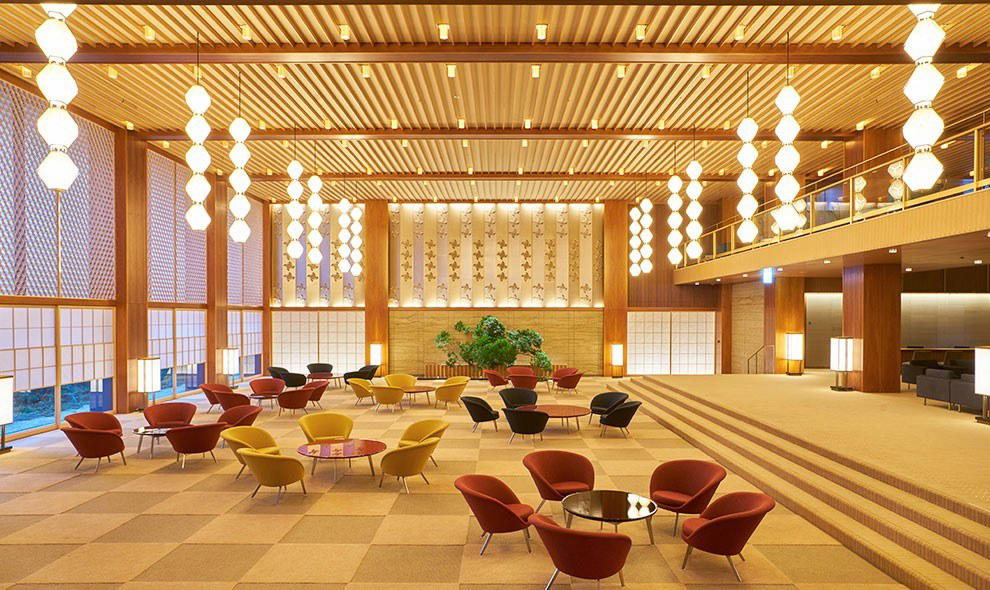
An intimate basement hideaway with a cypress counter and just a handful of private rooms, softly lit and calm; it feels more like a small fine-dining bar than a typical yakitori joint, suited to relaxed, adult evenings over carefully paced skewers and drinks.