
Tabelog 100 #80
Our verdict
An eight-seat yakitori counter in Nishishinbashi, Yakitori Nakamura belongs to Tokyo’s tighter evening-only grill culture rather than the city’s lunch-value circuit. Its 2025 Tabelog 100 Yakitori EAST selection, 3.67 score, and compact format place it in the serious counter tier around Toranomon Hills, where planning matters more than impulse dining.

Pearl is the En Primeur Club membership app, where members save venues, book tables and use the concierge.
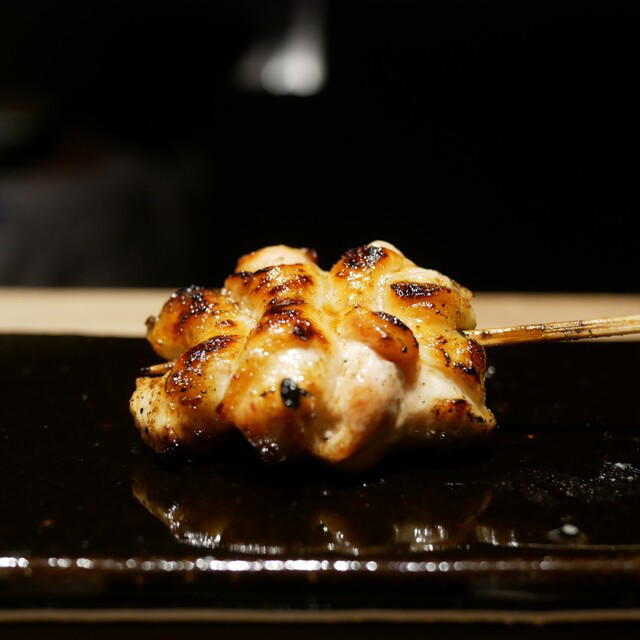
The menu
What to order
- Yakitori omakase skewers
- Charcoal-grilled chicken skewers
Approaching Yakitori Nakamura in Tokyo, the city shifts from broad urban movement into a more focused dining register: modest frontages, close service, and rooms built for concentration rather than theatre. Yakitori suits that geography. It is an after-dark cuisine of sequencing, heat management, and close observation, and a Tokyo dinner setting can turn grilled chicken skewers into a disciplined meal.
The distinction matters because Tokyo’s lunch and dinner cultures price themselves differently. Lunch rewards speed, repetition, and value: curry shops, set meals, ramen counters, and office-neighbourhood specials. Dinner, especially for yakitori, shifts to pacing and allocation. The grill becomes the clock; the room’s focus, rather than spectacle, sets the night’s ceiling.
Tokyo's serious yakitori counter tier
Yakitori Nakamura sits in the more considered end of the category, with a dinner budget of JPY 10,000 to JPY 14,999. That places it beside Toranomon Yakitori Kuniyoshi in the local yakitori bracket rather than the casual izakaya market. It is also a different decision from higher-spend specialist meals such as Tempura Aratamikawa or Tempura Osaka, where genre, oil work, and menu structure move the evening into another price conversation.
The trust signal is clean for a focused Tokyo restaurant. It is listed for Tabelog Hyakumeiten 2025 and carries a Tabelog score of 3.67. In Tokyo, where mature yakitori restaurants can take years to build regulars and dining rhythm, that recognition makes it watchable: not just a name to file under the category, but a restaurant already visible on a list dedicated to the form.
The format also changes how to read value. At lunch, Tokyo can deliver astonishing precision for modest spend because turnover is part of the model. At dinner, value comes from attention: heat control, portion sequencing, and keeping a meal coherent across the evening. The budget here is not entry-level yakitori, but remains below the upper tier of Tokyo’s specialist tasting counters, particularly sushi, tempura, and kappo.
The lunch question is simple: this is an evening counter, not a daytime bargain
Strongest editorial frame for this Tokyo address is what it is built to represent. The city feeds office workers by day, then changes register after business hours. A yakitori restaurant here is not competing with daytime curry, coffee, or quick-service dining. It belongs to the evening layer of Tokyo, when diners choose duration over turnover and a grill-focused meal over a table built for speed.
That makes the lunch-versus-dinner divide less about menu breadth than mood. Daytime Tokyo rewards efficiency; evening yakitori rewards patience. The better comparison is not a lunch set, but other compact dinner formats where the guest gives the room time to establish rhythm. Koshikiryori Koki sits in another culinary lane, but shares the wider Tokyo trend: smaller-feeling meals asking diners to treat dinner as the main event, not a pause between plans.
Yakitori’s democratic history complicates its premium turn. The cuisine has long been associated with accessible grilled chicken, often eaten with drinks in informal settings. Tokyo’s contemporary counter culture has tightened that tradition into something more exacting: limited availability, controlled pacing, and selection shaped by evening demand rather than daytime foot traffic. The category has not abandoned its plainspoken core, but serious rooms now compete on discipline as much as comfort.
Tokyo helps. The city brings corporate density, hotel traffic, and diners who understand a scheduled evening meal. A less showy setting can suit yakitori especially well. The cuisine does not need marble, ceremony, or a long wine list to justify itself. It needs a grill, a focused room, and enough demand to keep the sequence coherent.
How to place it within a Tokyo eating itinerary
For travellers building a Tokyo food schedule, this is a dinner-slot restaurant rather than a flexible gap-filler. Daytime meals are better spent on categories that work at lunch tempo: curry, noodles, cafés, or casual counters. Dinner is where yakitori earns its place, especially when the plan calls for a controlled room without the heavier formality of a long tasting menu.
The practical decision is category fit. If the trip already includes sushi omakase, tempura, and kaiseki, a yakitori dinner adds another expression of Japanese precision: direct heat, chicken-focused progression, and service flow that matters. If the itinerary is short, it competes with other specialist dinners; if food-led, it fills the gap between casual izakaya and high-formality cuisine.
For broader planning, compare the city’s range through Our full Tokyo restaurants guide, then separate dining from the rest of the trip with Our full Tokyo hotels guide, Our full Tokyo bars guide, Our full Tokyo wineries guide, and Our full Tokyo experiences guide. Nearby and citywide alternatives show Tokyo’s range, from Toranomon Yakitori Kuniyoshi and Tempura Aratamikawa to Tempura Osaka, Curry no Mise Ganji, and Koshikiryori Koki. Travellers extending beyond Tokyo can widen the map through other dining rooms in Japan and abroad, but Yakitori Nakamura belongs most clearly in the city’s evening counter conversation.
The editorial read is direct: Yakitori Nakamura is for diners who want the evening version of Tokyo, not the lunch version. Its 2025 Tabelog Hyakumeiten selection, Tabelog score of 3.67, and price band make it a serious but not maximalist choice, suited to travellers who understand that in Tokyo, a focused restaurant can carry more intent than a larger dining room.
Frequently asked questions
What does dinner at Yakitori Nakamura typically cost?
Pricing at Yakitori Nakamura is listed as JPY 10,000 - JPY 14,999.
What part of town is Yakitori Nakamura in?
Tokyo.
Do they take walk-ins at Yakitori Nakamura?
The available listing supports planning around dinner rather than treating it as a casual daytime stop. It also appears in Tabelog Hyakumeiten 2025, so Tokyo diners should expect dinner demand to be meaningful.
What is Yakitori Nakamura known for?
Yakitori Nakamura is known as a Tokyo yakitori restaurant listed in Tabelog Hyakumeiten 2025, with a Tabelog score of 3.67.
Awards and Standing
Comparable options at the same price tier.
| Venue | Cuisine | Price | Awards | Notes |
|---|---|---|---|---|
| Yakitori NakamuraThis venue (the venue you are viewing) | Yakitori Omakase | $100–150 | Tabelog 100 #80 | Not listed |
| Sushi Sagawa | Traditional Edomae Sushi | $200–300 | Tabelog 100 #81 | Minato |
| Tokyo Kyobashiya Curry | Additive-free Japanese curry house | $10–20 | Tabelog 100 #27 | Chūō |
| Soba Sasuga | Traditional Ginza soba with 100% buckwheat noodles | $50–100 | Tabelog 100 #37 | Chūō |
| Seiyo Oryouri Touyou Ken | Historic Yoshoku & Matsusaka Beef Fine Dining | $50–100 | Tabelog 100 #71 | Minato |
| 麻布 幸村 | Traditional Japanese Kaiseki | $50–100 | La Liste Top Restaurants · Tabelog Bronze #533 | Minato |
Recognition history
Dated appearances from independent guides and award organizations, with the underlying list record or original source where available.
Tabelog 100 #80 · No. 80
Tabelog · Tabelog 100 - Yakitori - EAST - 2025
Continue exploring
More in Tokyo
Restaurants in Tokyo
All restaurants in Tokyo →
Bars in Tokyo
All bars in Tokyo →
Details
- Intimate
- Modern
- Cozy
- Elegant
- Date Night
- After Work
- Special Occasion
- Celebration
- Private Event
- Solo
- Chefs Counter
- Open Kitchen
- Standalone
- Sake Program
- Omakase
- Tasting Menu
- Counter Dining
- Set Menu
- Sake
- Beer
- Highball
- Soft Drinks
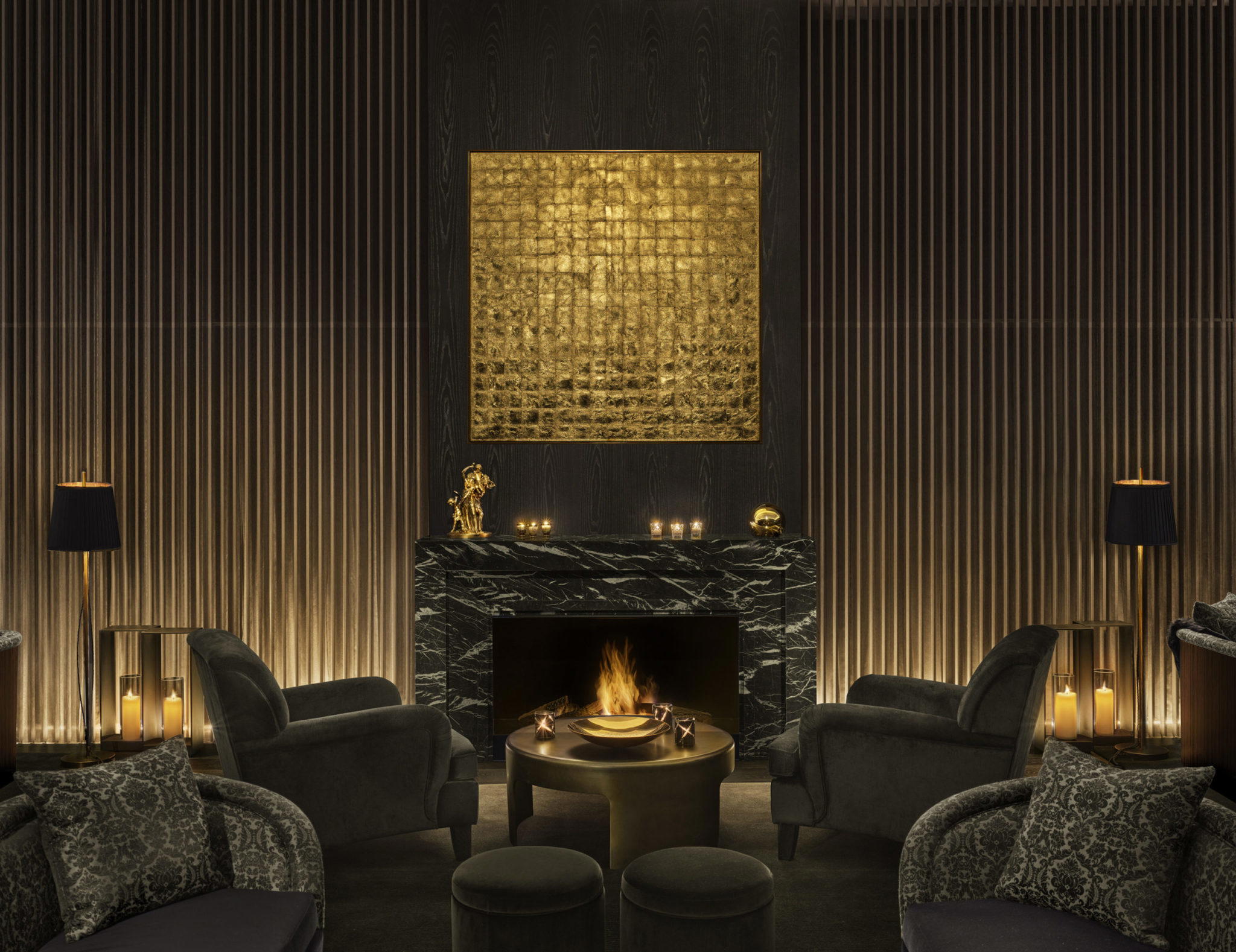
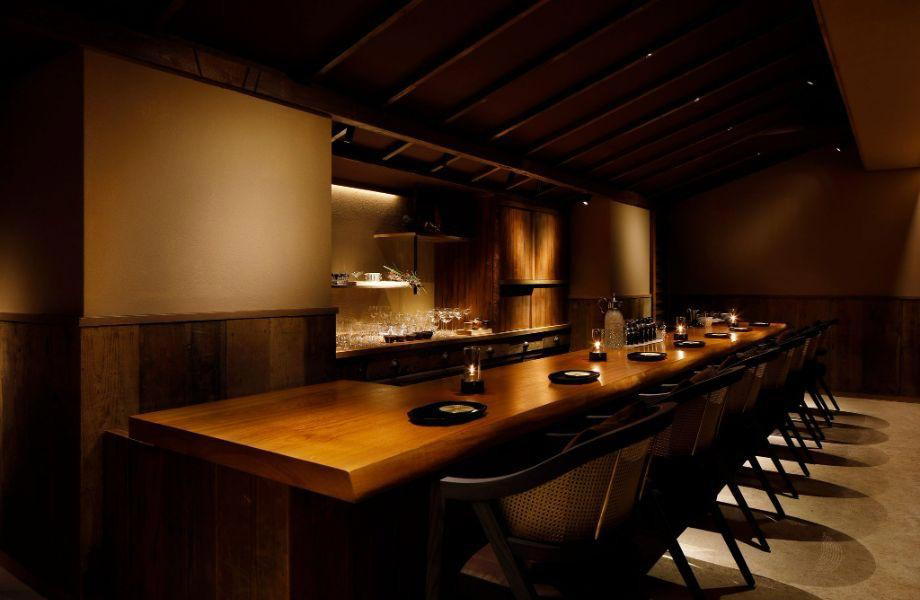
An intimate, reservation-only counter with just eight seats, non-smoking and likely softly lit, where guests enjoy a focused yakitori experience in two evening seatings, giving it a calm but energetic chef’s-counter feel rather than a rowdy izakaya vibe.