
Gumyoji Hekan brings Yokohama’s ramen counter culture into a compact, award-recognised format in Minami Ward. Its Tabelog Ramen KANAGAWA 100 selections in 2024 and 2025 place it in the serious local conversation, while the 10-seat, counter-led room keeps the experience closer to neighbourhood ramen than destination dining theatre.
Pearl is the En Primeur Club membership app — saves, bookings, and concierge access live there. Same editors, same standards.
- Address
- 4 Chome-111 Toricho, Minami Ward, Yokohama, Kanagawa 232-0056, Japan
- Phone
- +81 45-743-3403
- Website
- twitter.com
 Saves & bookings on Pearl
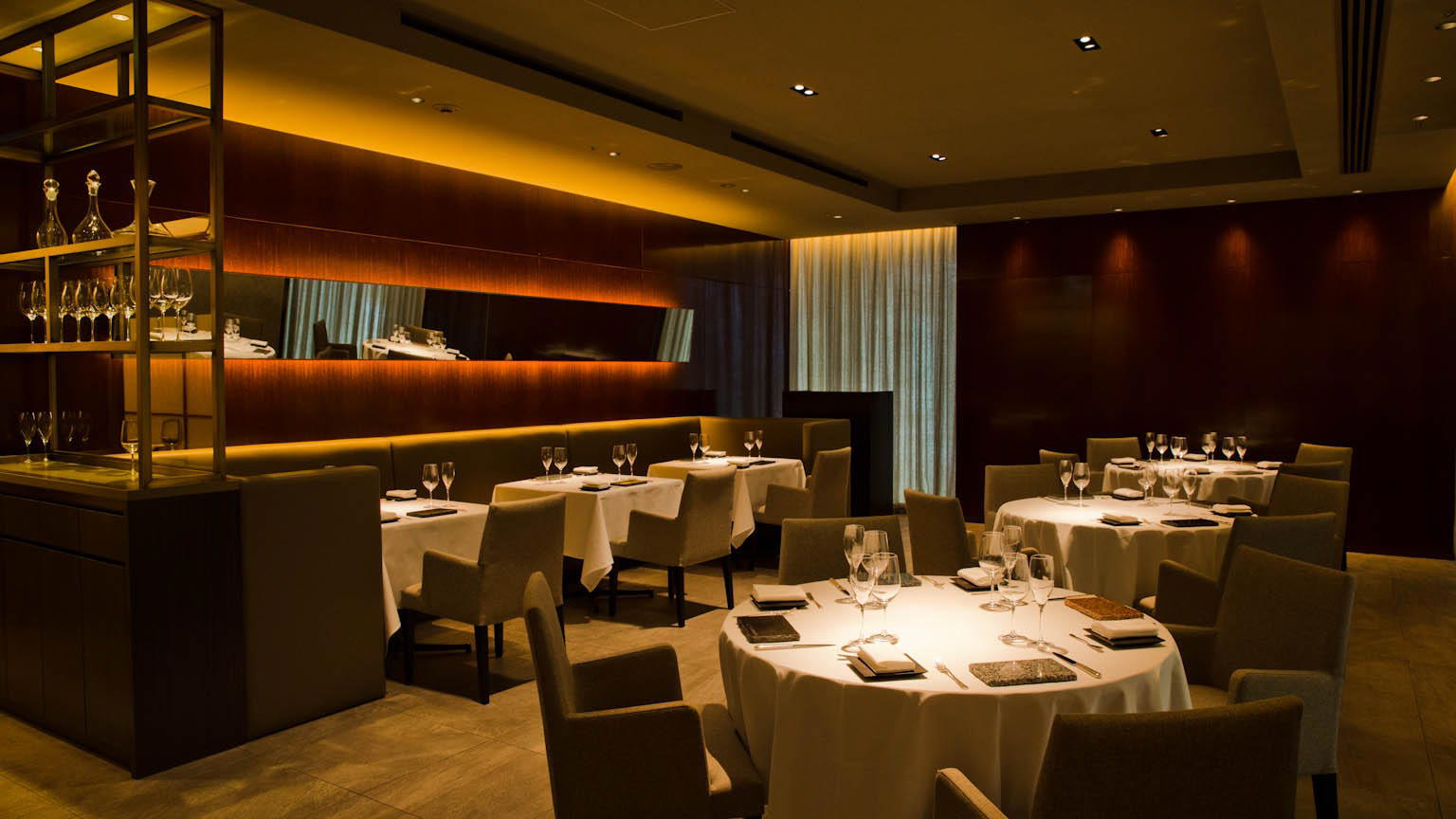
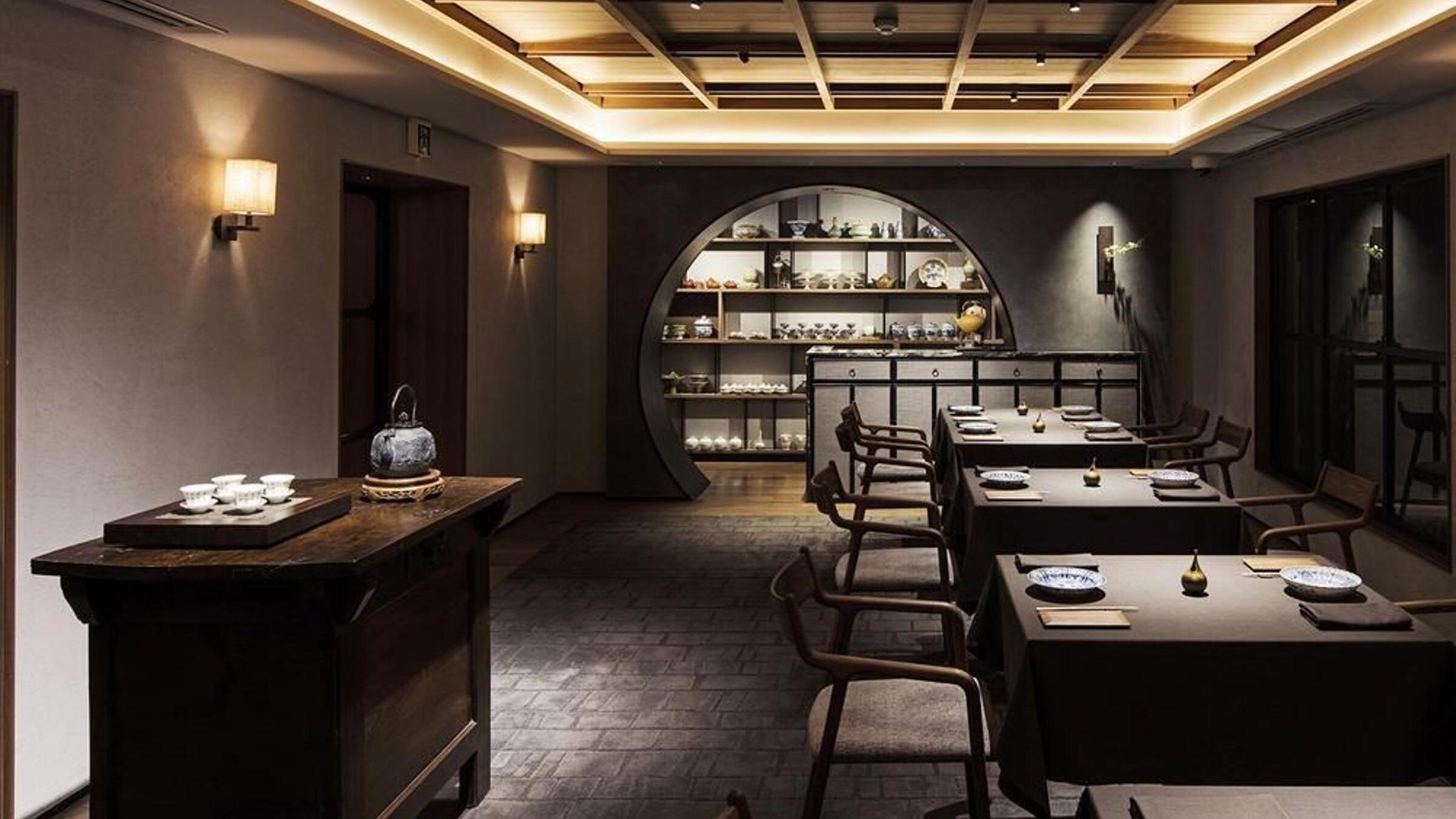
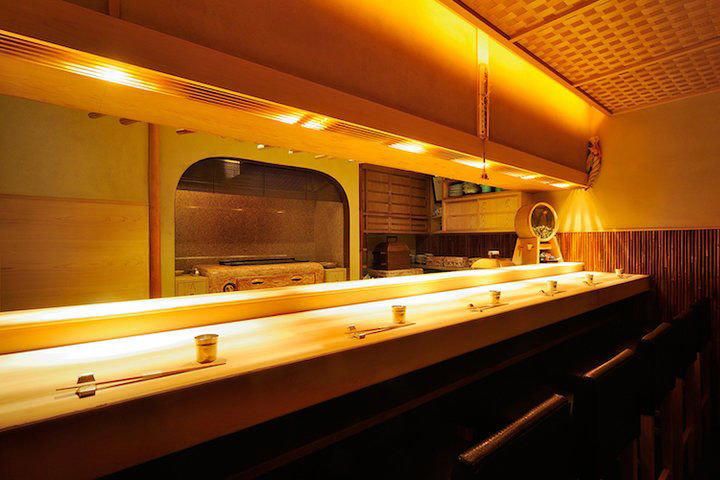
Approaching a small ramen counter in Yokohama is a different proposition from entering a reservation-led tasting room. The cues are compressed: a short frontage, a quick read of the room, the rhythm of solo diners turning seats without ceremony. Gumyoji Hekan belongs to that compact school of Kanagawa ramen, where the format is part of the meal’s argument. Ten seats, counter focus, no private rooms, no smoking, and a ramen-plus-drinks identity put the emphasis on speed, repetition, and a tightly edited menu rather than on long-form dining.
That matters in Yokohama, a city where ramen is not a single style but a crowded field of micro-specialists. The city’s ramen culture has long sat between commuter practicality and obsessive regional variation, helped by rail-linked neighbourhoods that can sustain small shops with sharply defined followings. Gumyoji is not central Yokohama polish; it is a Minami Ward address with the feel of a local station stop, which changes the reader’s calculus. This is a counter to work into a ramen-focused day rather than a formal evening plan.
A compact menu language shaped by ramen, izakaya habits, and sake
The useful way to read the menu architecture here is not as a sprawling noodle house but as a hybrid Japanese counter: ramen at the centre, with izakaya and Japanese sake bar categories sitting around it. That combination says something about the modern Yokohama ramen scene. Shops no longer need to present themselves only as lunch utilities. Evening service, drinks, and small-bar pacing allow a ramen counter to function as a short solo dinner, a low-key after-work stop, or a focused noodle run with a drink attached.
Gumyoji Hekan’s recognition gives the format weight. Selection for Tabelog Ramen KANAGAWA 100 in both 2024 and 2025 places it among a curated Kanagawa ramen cohort rather than merely a neighbourhood convenience. The listed Tabelog score of 3.73 is also meaningful in Japan’s review culture, where ramen counters can draw intense scrutiny from regulars and specialists. The award signal should be read alongside the physical format: this is not luxury dining translated into ramen; it is a small counter operating within a competitive local category.
Compared with nearby Yokohama ramen peers in the provided set, the pricing sits in the accessible band while pushing a little higher at dinner than the leanest bowls-only stops. Yokohama Ramen Tagamiya and Kawa no Saki no Ue sit around the JPY 1,000 to JPY 1,999 range, while Ramen Taiko is listed under JPY 999. Gumyoji Hekan’s dinner band of JPY 2,000 to JPY 2,999 suggests a slightly broader use case, consistent with the izakaya and sake-bar classification. Tonkatsu Souki, by contrast, belongs to a different meal category and spend level; the comparison shows how ramen remains one of Yokohama’s sharper value propositions even when the counter has award recognition.
For readers mapping a Yokohama dining itinerary, that distinction is useful. A meal here occupies the same city ecosystem as casual specialists such as 1000 (Yakitori (Grilled chicken skewers)), Aichun, Ajowan, and Alpenjiro Honten, but the ramen-counter grammar is narrower and more time-sensitive. Seats turn, diners come alone, and the meal is defined by concentration rather than occasion-building.
Why the Gumyoji setting changes the experience
Gumyoji’s appeal is partly geographical. Yokohama’s dining identity is often flattened into waterfront hotels, Chinatown, and central-station convenience, yet much of the city’s everyday eating happens along local rail corridors. Minami Ward gives the restaurant a different audience mix: regulars, commuters, ramen hunters, and visitors willing to leave the central cluster. The address near Gumyoji Station makes the trip practical without making the room feel like a tourist-facing showcase.
The 10-seat capacity is a structural fact, not a decorative one. Small ramen counters reward decisiveness: know that the meal is casual, expect close quarters, and treat the visit as a focused stop. Reservations are unavailable, which aligns the experience with the broader ramen tradition of queue discipline and first-come timing. Payment is cash-only across the listed methods, another reminder that Japan’s smaller specialist counters do not always follow hotel-district assumptions.
The restaurant has been open since 2017, with evening opening noted from September 2017, so its reputation is not built on launch novelty. In ramen terms, that longevity matters. Shops can flare quickly on social attention; repeated Tabelog 100 selection suggests steadier category relevance. The room’s counter seating and solo-dining friendliness make it especially coherent for travellers moving through Yokohama without a large group plan.
Broader Yokohama planning should separate this kind of meal from the city’s other travel layers. Use Our full Yokohama restaurants guide for the dining spread, Our full Yokohama hotels guide for where to stay, Our full Yokohama bars guide for drinks, Our full Yokohama wineries guide for wine-focused planning, and Our full Yokohama experiences guide for activities around the meal. For wider Japan context, compare how casual specialism changes by city through Anzen Shokudo, (Shoku) Vietnam in Kawasaki, -Grilled beef Sukiyaki- KAMAKURA TANUKIAN 鎌倉 たぬき庵 in Kamakura. 鮪と炭火焼き うお炭 秋葉原店 in Tokyo.cafe in Osaka.know in Kumamoto, and [Curry Senmon Ten] Maruyama Kyoju. in Sapporo. Overseas Japanese-counter comparisons, such as Jōdo Saké Bar in Los Angeles and Onigiri Time in Pasadena, show how much of the culture changes once the counter is exported.
The editorial read
The restaurant is compelling because it refuses to separate ramen from the ordinary mechanics that make ramen culture work: short seat count, solo compatibility, modest spend, station-area access, and a menu identity that can stretch into evening without becoming formal. The Tabelog 100 recognition sharpens the case, but the attraction is the category fit. In Yokohama, where ramen can be either quick fuel or specialist pursuit, this counter sits in the productive middle: serious enough for a detour, casual enough to keep its neighbourhood rhythm.
Peers Worth Knowing
Comparable venues for orientation by cuisine and category.
| Venue | Cuisine | Price | Notes |
|---|---|---|---|
| Gumyoji HekanThis venue — the venue you are viewing | Ramen & Soba Izakaya | $ | Not listed |
| Ramen Taiko | Specialty Miso Ramen Shop | $ | Minami |
| Ramen & Curry Senmonten Taigen | Ramen & Curry | $ | Naka |
| Yokohama Chuka Soba Ishin Shoten Honten | Classic ginger shoyu ramen (chuka soba) | $ | Nishi |
| Menba Hamatora | Ramen | $ | Kanagawa |
| Shinachiku Tei | Ramen | $ | Kanagawa |
Recognition history
Dated appearances from independent guides and award organizations, with the underlying list record or original source where available.
Tabelog 100 #44 · No. 44
Tabelog · Tabelog 100 - Ramen - KANAGAWA - 2025









At a Glance
- Lively
- Cozy
- Solo
- Casual Hangout
- After Work
- Standalone
- Sake Program
- Beer Program
Current opening hours
- Monday
- 11 AM–2:50 PM, 5:30–8:50 PM
- Tuesday
- 11 AM–2:50 PM, 5:30–8:50 PM
- Wednesday
- 11 AM–2:50 PM, 5:30–8:50 PM
- Thursday
- 11 AM–2:50 PM, 5:30–8:50 PM
- Friday
- 11 AM–2:50 PM, 5:30–8:50 PM
- Saturday
- 11 AM–2:50 PM, 5:30–8:50 PM
- Sunday
- 11:30 AM–2:50 PM, 5:30–8:50 PM
Hours can change for holidays and private events. Last verified .
A compact counter-style ramen bar with an izakaya feel at night—casual and bustling when busy, with a focus on the steaming bowls and sake rather than decor, giving it a cozy, local hidden-gem atmosphere.