Bardot occupies a corner of Carrer d'Enric Granados, one of L'Eixample's quieter pedestrian stretches, where Barcelona's contemporary dining scene plays out at a more considered pace. The address places it inside a neighbourhood that rewards exploration beyond the better-known Eixample dining corridors, with a social media presence (@bardotbarcelona) suggesting an active, design-conscious operation.
- Address
- Carrer d'Enric Granados, 147, L'Eixample, 08008 Barcelona, Spain
- Phone
- +34 932 00 22 14
- Directions
- Get directions
Carrer d'Enric Granados and the Eixample Dining Shift
L'Eixample's dining identity has changed in interesting ways over the past decade. The broad avenues around Passeig de Gràcia remain dominated by hotel dining rooms and the kind of three-hour tasting menus that require advance planning measured in weeks: Lasarte, Enigma, and ABaC all operate in that upper bracket, pricing against a national comparable set that includes Disfrutar and Cocina Hermanos Torres. Meanwhile, the pedestrianised side streets, Carrer d'Enric Granados chief among them, have developed a different character: less formal, more neighbourhood-oriented, with operators trading on atmosphere and accessibility rather than Michelin tallies.
Bardot sits on Granados at number 147, near the northern end of the street where foot traffic thins and the terrace culture feels less curated than the blocks closer to the Universitat metro. The address alone matters: this stretch rewards knowing it exists. Granados was redesigned as a pedestrian boulevard in 2013, and the years since have seen it accumulate a dining and bar scene that feels local rather than tourist-adjacent. Its Instagram handle, @bardotbarcelona, signals a venue with a clear visual identity, framed by the Modernista architecture that lines both sides of the boulevard.
What the Setting Tells You Before You Sit Down
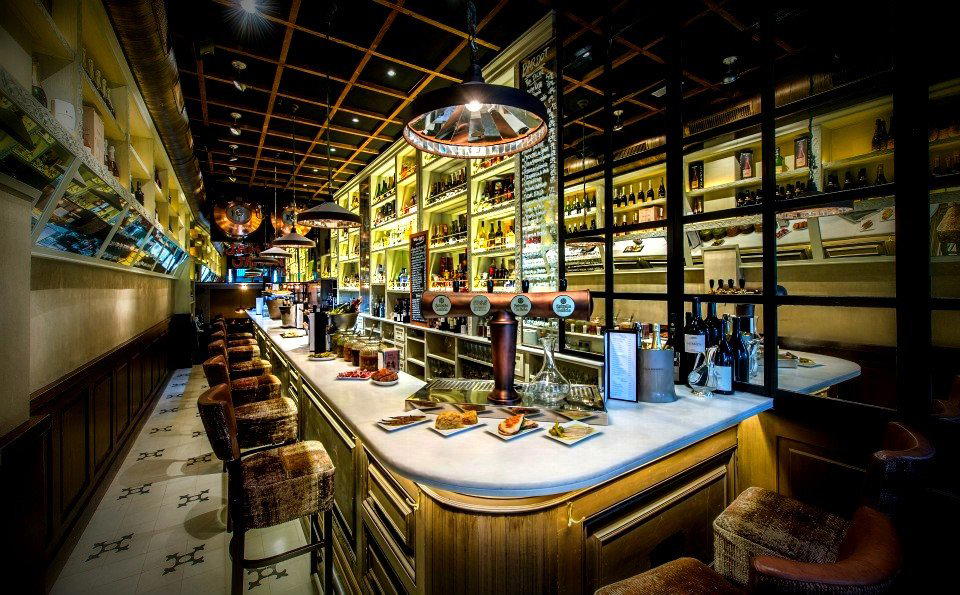
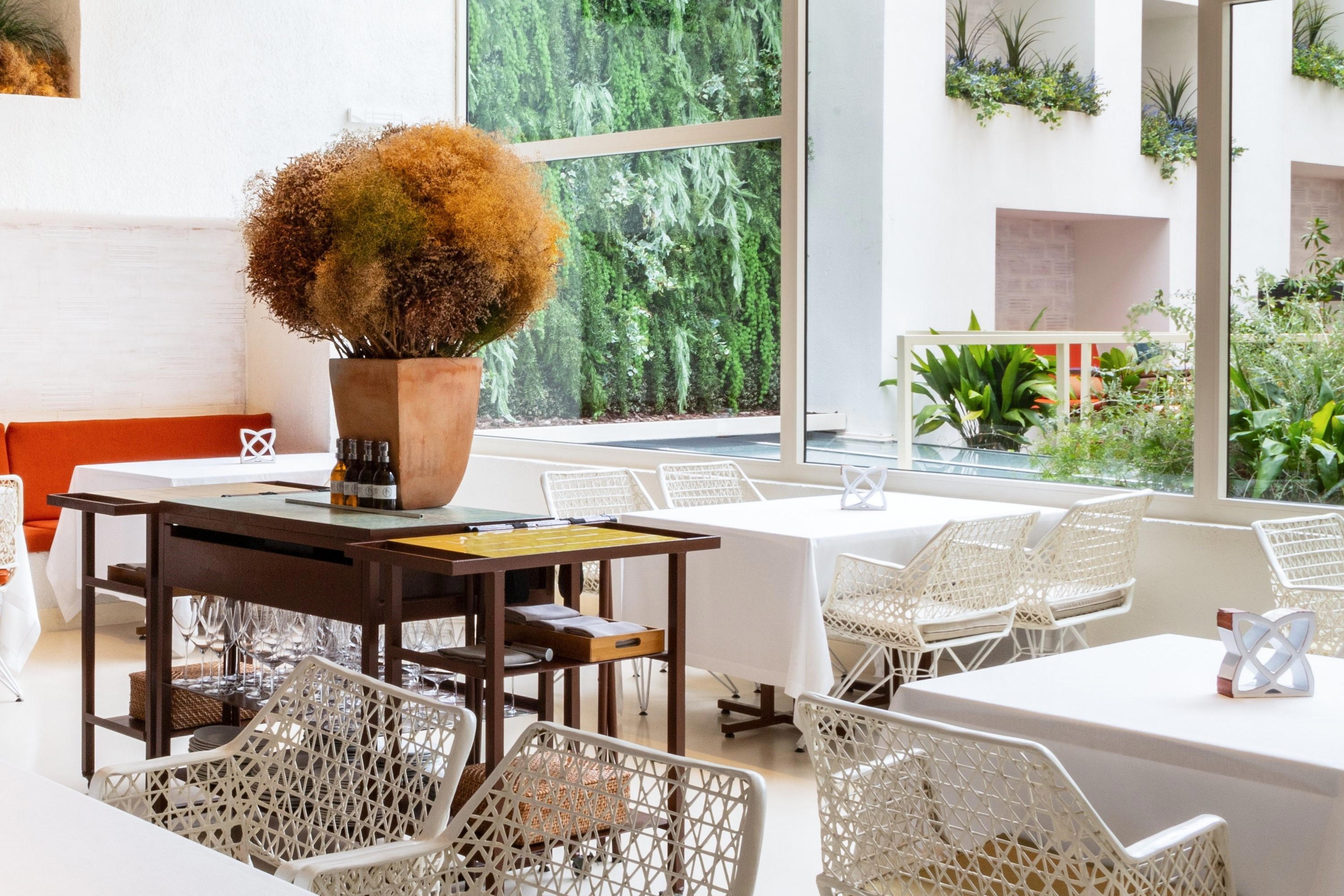
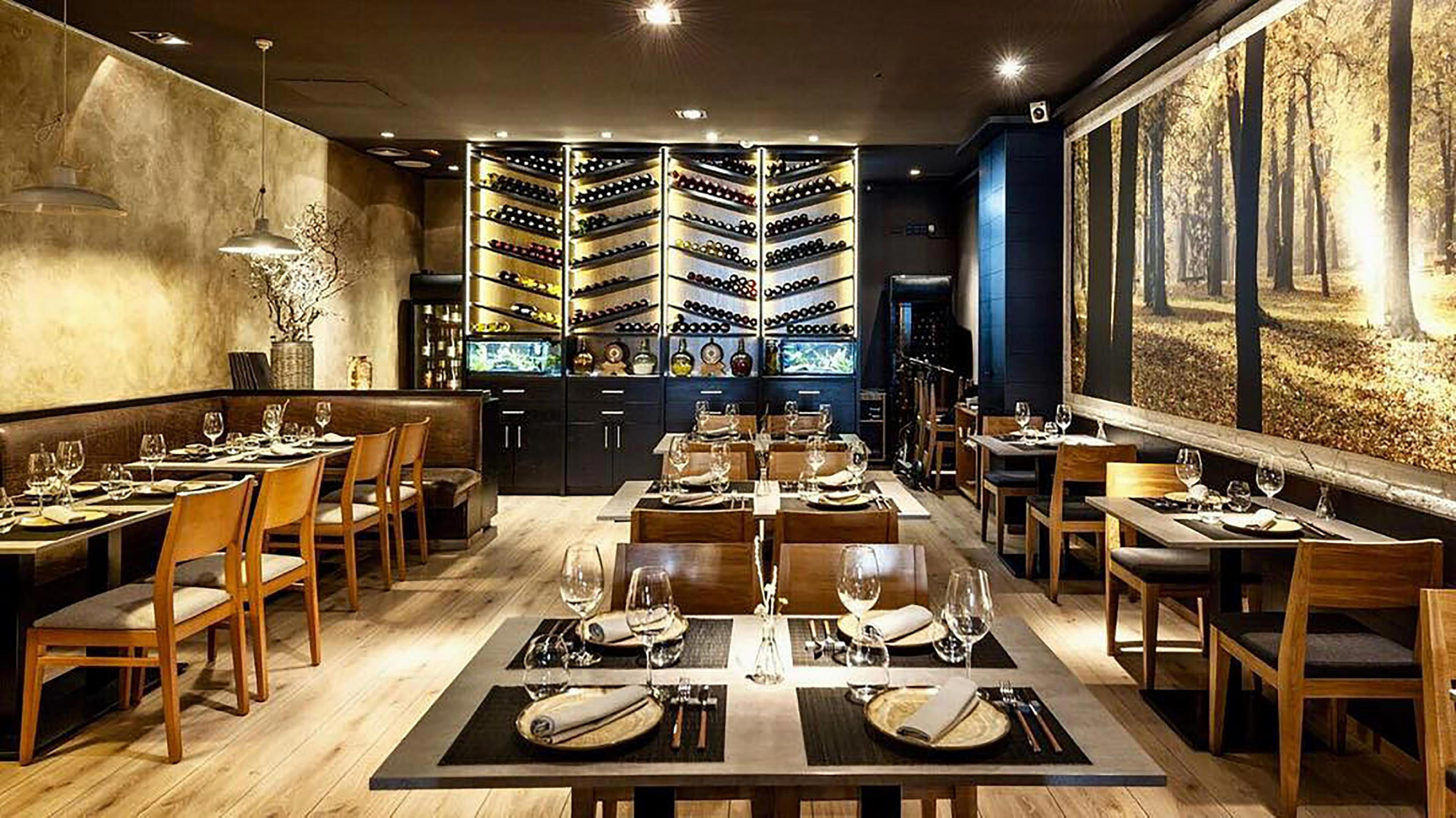
Atmospheric cues matter on a street like Granados because the room you walk into is often the experience. Barcelona's mid-tier dining scene, the bracket between neighbourhood tavern and Michelin-aspiring kitchen, has increasingly invested in interior language as a differentiator, particularly along pedestrian corridors where the terrace and the dining room need to work as a single proposition. The name Bardot, carrying obvious French cultural freight, suggests an aesthetic programme: probably warm lighting, probably a certain studied vintage quality, the kind of interior that photographs well and reads as intentional rather than inherited.
That kind of investment in room language tends to attract a specific front-of-house philosophy, one where the team understands that the arrival experience and the table service are as load-bearing as the food itself. In Barcelona's more design-conscious mid-market operations, the relationship between kitchen, floor, and bar increasingly functions as a coherent editorial project, each element reinforcing the others rather than operating in isolation. The question for any new entrant on a street with established competition is whether the collaboration between those departments produces something that holds up across a full evening, not just at first impression.
The Team Dynamic in Barcelona's Competitive Middle Tier
Spain's broader fine dining conversation tends to centre on the country's upper-tier houses: the multi-Michelin operations of El Celler de Can Roca in Girona, Mugaritz in Errenteria, Arzak in San Sebastián, or the kind of technically ambitious cooking found at Quique Dacosta in Dénia and Aponiente in El Puerto de Santa María. But the venues that define a city's daily dining culture sit below that tier, in the zone where kitchen ambition intersects with commercial reality and the team dynamic becomes the primary competitive variable.
On Granados, that dynamic plays out in public. The pedestrian street format means you watch the operation through the window before you enter, you see how the floor moves, whether the bar is a functional pass-through or a destination in its own right, whether the kitchen communication reaches the table or stays invisible. At a venue positioning itself through social media and street presence, the visible fluency of the team is part of the offer. A well-coordinated floor and bar programme signals that the kitchen isn't carrying the experience alone, which in Barcelona's current mid-market tends to be the difference between a single visit and a regular booking.
For international context, the collaborative service model Bardot appears to occupy finds parallels in places like Lazy Bear in San Francisco, where the boundary between kitchen and dining room is deliberately permeable, or in the tightly orchestrated team culture at Le Bernardin in New York City, where front-of-house precision functions as a counterweight to kitchen ambition. The scale is different, but the principle, that the leading dining experiences are produced by departments that understand each other's language, applies at every price point.
Where Bardot Sits in the Barcelona Picture
Barcelona's restaurant scene is not short of ambition. The city now holds multiple venues in the upper echelon of Spanish dining, with DiverXO in Madrid and Azurmendi in Larrabetzu providing national benchmarks for what Spanish kitchens can produce at the technical frontier. Within Barcelona itself, the competition for the mid-market diner who knows their way around the city has intensified considerably since 2020, with the pedestrian street corridors of Eixample absorbing much of the new openings energy. Ricard Camarena in València and Martin Berasategui in Lasarte-Oria represent the kind of regional pedigree that sets a quality baseline across the north and east of Spain, and Barcelona diners arriving from those reference points bring calibrated expectations.
Bardot at number 147 Granados occupies a position that makes sense within this picture: a design-led address on a pedestrian street with genuine neighbourhood credentials, an Instagram identity that indicates visual self-awareness, and a location close enough to the Eixample's dining core to benefit from proximity without being consumed by the tourist circuit. For a full picture of where it sits relative to Barcelona's wider dining offer, the EP Club Barcelona restaurants guide maps the scene across price points and neighbourhoods. Atrio in Cáceres offers an interesting comparison point for venues that combine strong visual identity with serious food ambition in a setting that rewards deliberate visits rather than passing trade, the model Bardot appears to be working toward on Granados.
Planning a Visit
Carrer d'Enric Granados 147 is in the upper section of the boulevard, within the L'Eixample district and the 08008 postal zone. The street is fully pedestrianised, so approach on foot from the Diagonal or Gràcia end rather than attempting vehicle access along the boulevard itself. Check the venue's Instagram at @bardotbarcelona for current hours and reservation details. Evenings from Thursday through Saturday will usually be the liveliest times to visit.
Budget Reality Check
Comparable venues nearby, for context on price, style, and recognition.
| Venue | Cuisine | Price | Notes |
|---|---|---|---|
| Bardot @bardotbarcelonaThis venue — the venue you are viewing | Not listed | $$ | Not listed |
| Al Bistró | Not listed | $$ | Sant Antoni, Authentic Spanish & Mediterranean Bistro |
| Denassus | Not listed | $$ | Sant Antoni, Modern Catalan Tapas & Natural Wine |
| Can Culleretes | Barri Gotic, Traditional Catalan | $$ | Not listed |
| Tramendu El caliu de la brasa | la Bordeta, Traditional Catalan Grill | $$ | Not listed |
| Can Ramonet | Not listed | $$ | la Barceloneta, Traditional Catalan Seafood and Rice |
Continue exploring
More in Barcelona
Restaurants in Barcelona
Browse all →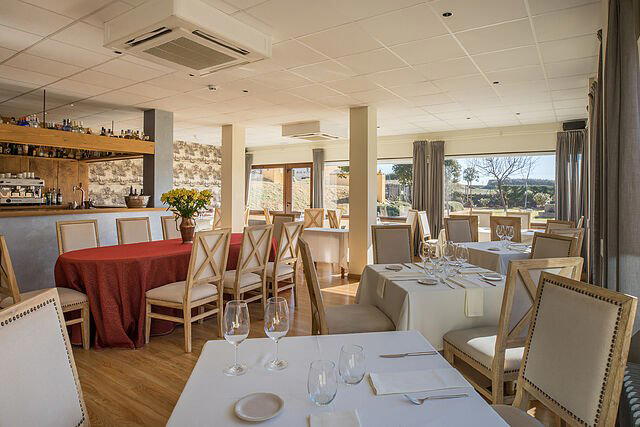
Bars in Barcelona
Browse all →
Hotels in Barcelona
Browse all →
At a Glance
- Trendy
- Elegant
- Sophisticated
- Date Night
- Casual Hangout
- Solo
- Extensive Wine List
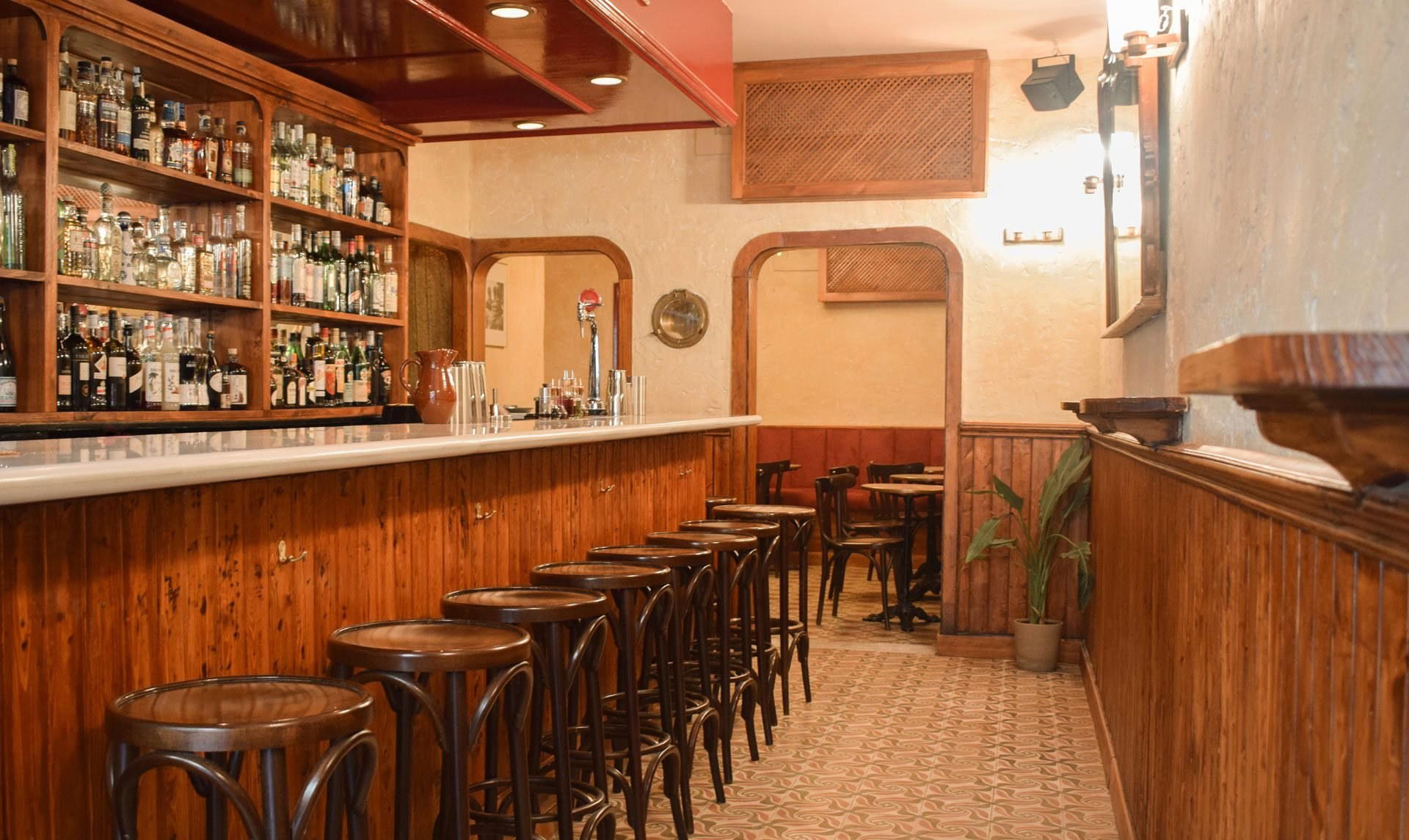
Elegant atmosphere with long white-marble bar ideal for early evening drinks, people-watching, and formal restaurant seating in the back.