In the Sants-Montjuïc district, Tramendu El caliu de la brasa represents Barcelona's enduring appetite for fire-led cooking, the kind of neighbourhood brasa tradition that the city's fine-dining circuit rarely replicates. Wood smoke, charred edges, and the rhythmic heat of live embers define the register here, placing it firmly in the local grill culture that predates avant-garde modernism by decades.
Pearl is the En Primeur Club membership app — saves, bookings, and concierge access live there. Same editors, same standards.
- Address
- Carrer de Parcerisa, 11, Sants-Montjuïc, 08014 Barcelona, Spain
- Phone
- +34854621425
- Website
- tramendu.com
- Directions
- Get directions
 Saves & bookings on Pearl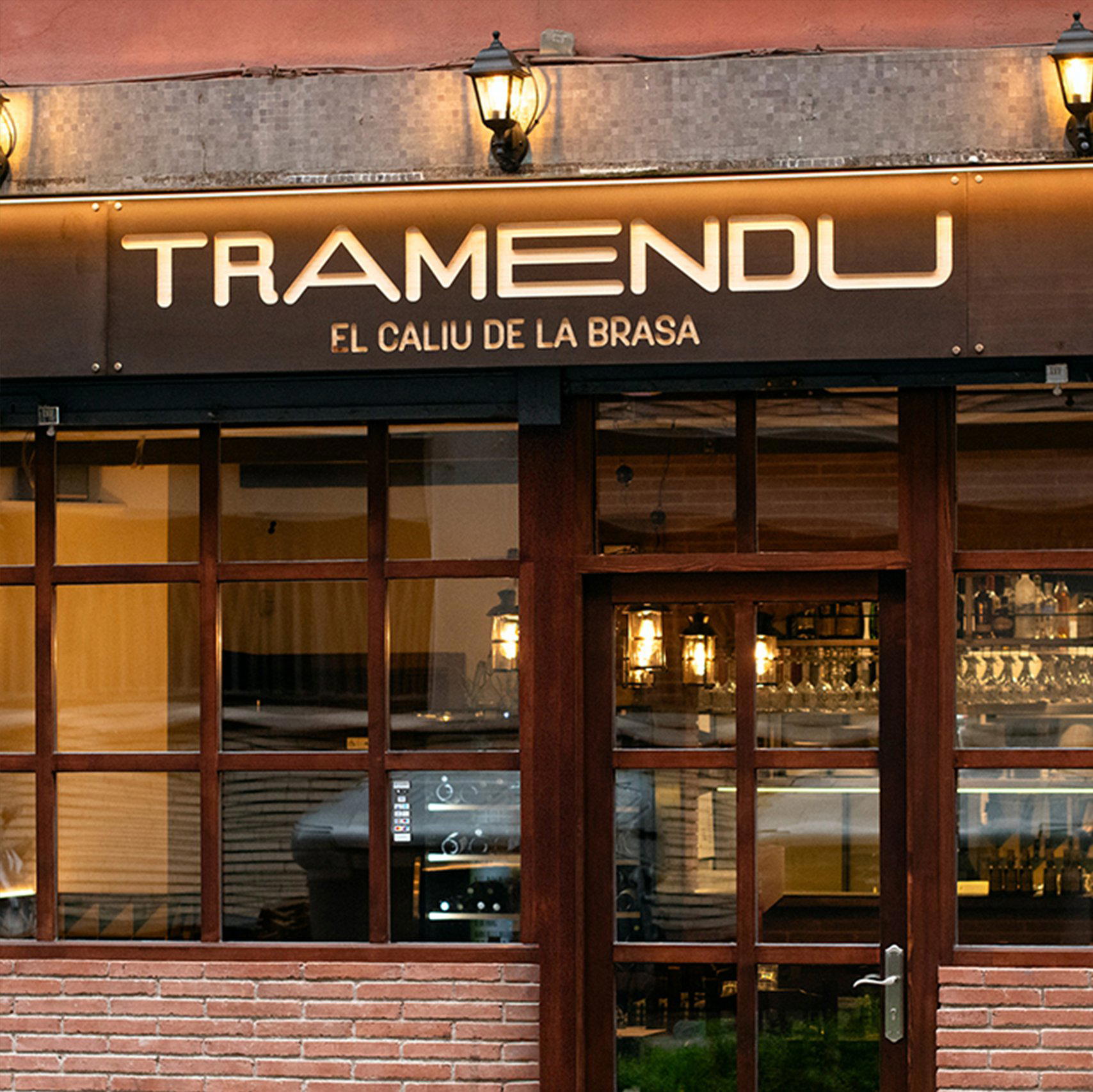
Fire, Smoke, and the Neighbourhood That Kept the Embers Alive
Barcelona's dining conversation tends to migrate toward the city's progressive creative tier, the multi-course tasting menus at Disfrutar, the architectural ambition of Cocina Hermanos Torres, the cerebral formats at Enigma. What that conversation sometimes omits is the parallel tradition that those restaurants quietly draw from: the brasa, the live-fire grill culture that has shaped Catalan cooking for generations. Tramendu El caliu de la brasa, on Carrer de Parcerisa in Sants-Montjuïc, operates inside that older register.
Sants-Montjuïc itself sits at a deliberate remove from the Eixample restaurant corridor and the tourist-dense Gothic quarter. It is a working district with a residential character, the kind of neighbourhood where a serious grill house can build a local following without competing for attention from food tourists following award lists. That geographic positioning matters: it shapes who eats here and why.
The Language of the Brasa
Live-fire cooking in Catalonia carries a specific grammar. The brasa, the bed of glowing embers, typically wood or charcoal, is not a shorthand for barbecue in the Anglo-American sense. It implies precision heat management, timing calibrated to the thickness and fat content of each cut, and a finished dish that carries smoke as a secondary note rather than a dominant flavour. The goal is caramelisation at the surface and retained moisture within, which demands a cook's attention in a way that gas or induction cooking does not.
This tradition runs from the calcotada celebrations of winter, when whole spring onions char directly on the grill before being peeled and eaten with romesco, through to the year-round service of meats, fish, and vegetables at brasa-led restaurants across the province. Spain's broader fire-cooking tradition connects to restaurants as geographically spread as Aponiente in El Puerto de Santa María and Azurmendi in Larrabetzu, where live-fire technique appears even inside progressive tasting menu formats. At the neighbourhood level, the brasa operates without that conceptual framing, it is simply how things are cooked.
What the Senses Register First
The atmospheric signals of a serious brasa restaurant arrive before the menu does. Wood smoke carries into the street, not the acrid bite of burning wood, but the settled warmth of embers that have been working for hours. Inside, the eye moves toward the grill station: the bed of coals, the adjustable grates, the visual evidence that heat here is managed by hand rather than dial. Sound follows, the hiss of fat meeting fire, the low ambient noise of a room eating rather than performing. These are the atmospheric markers that distinguish a working brasa from a restaurant that uses the word decoratively.
At Tramendu El caliu de la brasa, the name itself signals the register. Caliu in Catalan refers to the warmth of glowing embers, the residual heat that remains after flame, the heat that cooks slowly and evenly. It is a specific technical and cultural reference, not a generic descriptor, and it positions the restaurant within a Catalan culinary vocabulary that runs deeper than the contemporary fine-dining circuit. For context on how that vocabulary informs Barcelona's most ambitious kitchens, ABaC and Lasarte both incorporate live-fire elements within their creative frameworks, but the neighbourhood brasa house is where those techniques originate.
Positioning Inside Barcelona's Grill Tradition
Barcelona's grill restaurant spectrum runs from tourist-adjacent steakhouses in the Born to serious, single-focus brasa houses in outer residential districts. The latter category tends to operate with less visibility and more consistency. They serve a local clientele that returns regularly, which creates accountability that review-cycle dining does not always produce. Sants-Montjuïc has several such establishments, and Tramendu fits within that cohort: a neighbourhood-anchored brasa rather than a destination restaurant calibrated for external recognition.
This places it in a different competitive conversation than Barcelona's fine-dining tier. Cocina Hermanos Torres and Disfrutar are not peer references here, the relevant comparisons are other brasa-focused restaurants serving the same functional dining need at similar price positioning. Spain's broader grill culture, from the Basque txokos to the Navarran asadores, informs the register, even if the specific Catalan expression differs in ingredient emphasis and technique. Those looking to understand how live-fire cooking functions across Spain's fine-dining tier should look at Arzak in San Sebastián, Mugaritz in Errenteria, and Martin Berasategui in Lasarte-Oria for the Basque reference points, or Ricard Camarena in València and Quique Dacosta in Dénia for the Mediterranean axis. El Celler de Can Roca in Girona and Atrio in Cáceres complete a picture of how Spain's leading tables relate to their regional roots. For international comparison, the precision-led fire cooking at Le Bernardin in New York City or the fermentation and technique depth at Atomix in New York City illustrate how live heat and elemental cooking methods operate across different culinary frameworks. The neighbourhood brasa in Barcelona is the starting point for all of it.
Planning Your Visit
Tramendu El caliu de la brasa is located at Carrer de Parcerisa, 11, in the Sants-Montjuïc district of Barcelona (postcode 08014). Dress: Casual. Reservations are recommended. Budget: About $35 per person. For a broader view of the city's restaurant options across all price tiers, see our full Barcelona restaurants guide.
How It Stacks Up
Comparable venues nearby, for context on price, style, and recognition.
| Venue | Cuisine | Price | Notes |
|---|---|---|---|
| Tramendu El caliu de la brasaThis venue — the venue you are viewing | Traditional Catalan Grill | $$ | Not listed |
| Bodega Pasaje 1986 | Traditional Spanish Tapas Bodega | $$ | la Marina de Port |
| La Bendita | Spanish Tapas and Paella | $$ | la Sagrada Familia |
| Restaurant Miguelitos | Modern Spanish Tapas & Mediterranean | $$ | l'Antiga Esquerra de l'Eixample |
| Lateral Consell | Spanish & Catalan Tapas | $$ | la Dreta de l'Eixample |
| Cafeteria Fernando | Traditional Spanish Tapas & Paella | $$ | Barri Gotic |
Continue exploring
More in Barcelona
Restaurants in Barcelona
Browse all →
Bars in Barcelona
Browse all →
Hotels in Barcelona
Browse all →
At a Glance
- Cozy
- Rustic
- Intimate
- Casual Hangout
- Group Dining
- Open Kitchen
- Local Sourcing
Current opening hours
- Monday
- 1–4 PM
- Tuesday
- 1–4 PM
- Wednesday
- 1–4 PM, 8–11 PM
- Thursday
- 1–4 PM, 8–11 PM
- Friday
- 1–4 PM, 8–11 PM
- Saturday
- 8:30 AM–4 PM, 8–11 PM
- Sunday
- 8:30 AM–4 PM
Hours can change for holidays and private events. Last verified .
Warm family atmosphere with green tones, Catalan decor featuring green and white tiles, and pervasive aroma from the Mibrasa charcoal oven.