
Macarfi 7.5 Food Rating
Our verdict
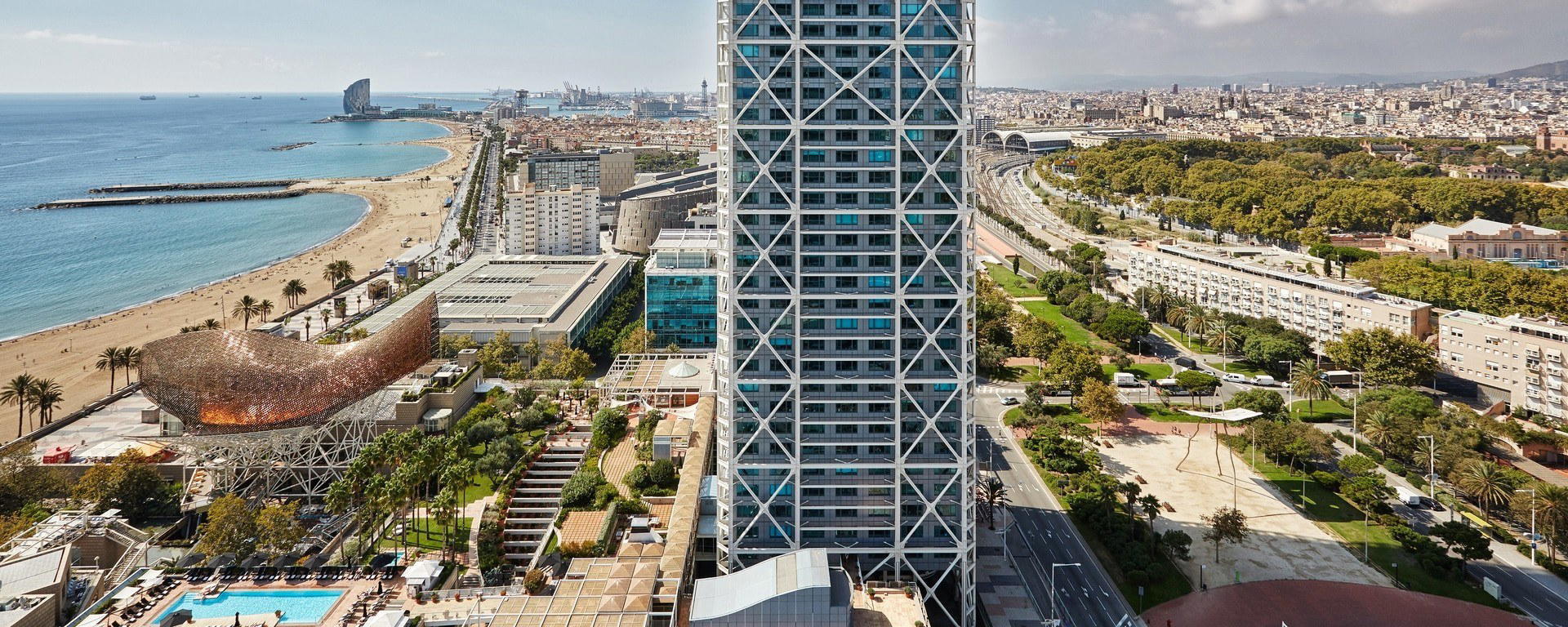
Barceloneta sits at the edge of Port Vell, where Barcelona's fishing-village past meets its current identity as one of Spain's most visited waterfronts. The neighbourhood has shifted considerably over recent decades, moving from a working dock community toward a dining district that ranges from casual rice and seafood to more considered modern Catalan cooking. Understanding that evolution is the key to reading what you find here today.

Pearl is the En Primeur Club membership app — saves, bookings, and concierge access live there. Same editors, same standards.
- Address
- Moll dels Pescador, Port Vell, Carrer de l'Escar, 22, Ciutat Vella, 08039 Barcelona, Spain
- Phone
- +34932212111
- Hours
- Daily 1 PM–12 AM
- Website
- restaurantbarceloneta.com
- Directions
- Get directions
- Booking
- Book on CoverManager
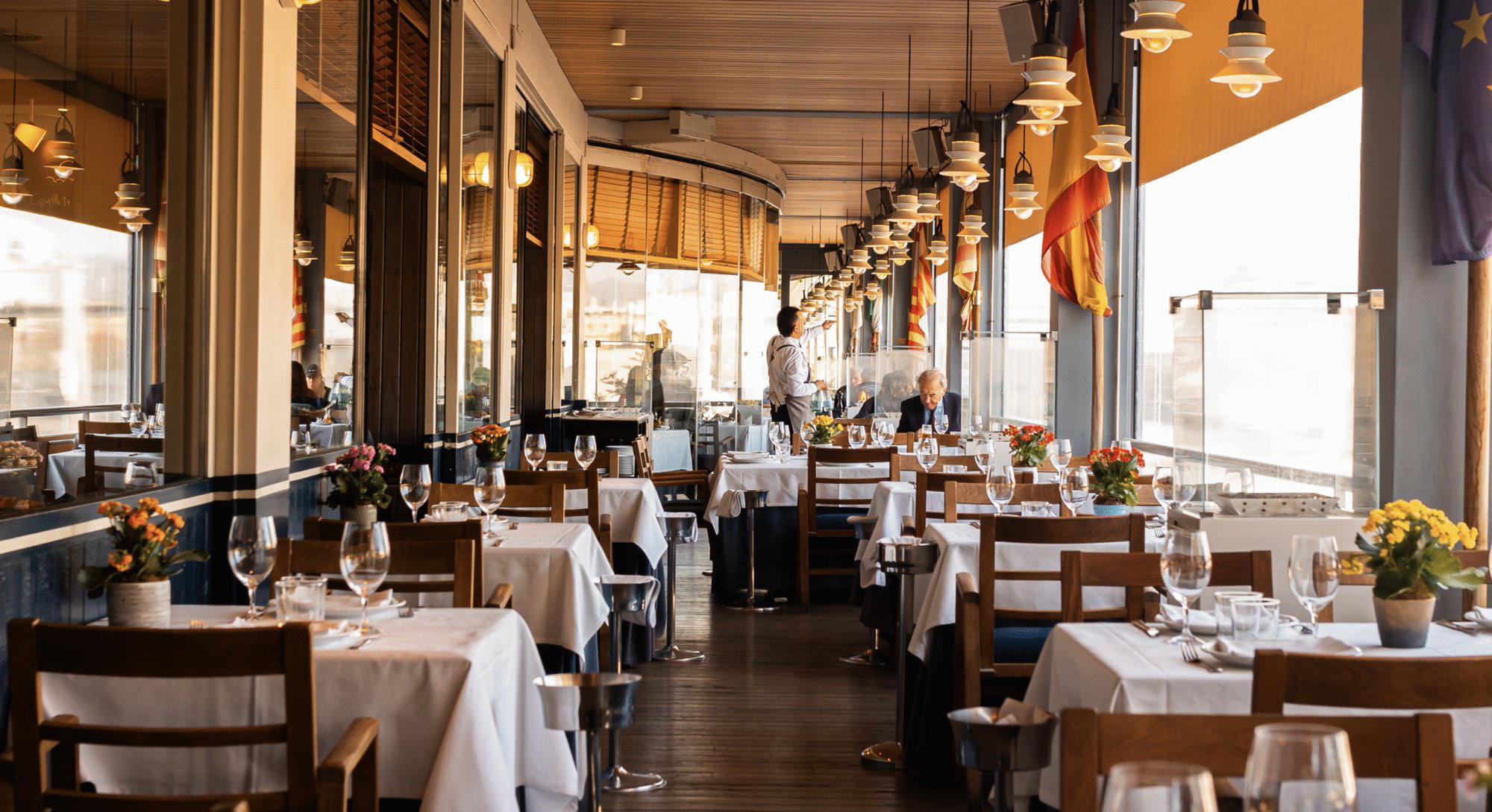
A Waterfront District That Has Remade Itself More Than Once
The approach to Barceloneta from the city side is a study in compression. Narrow streets that once housed fishermen and dock workers open suddenly onto Port Vell, where the Mediterranean sits flat and wide and the smell of salt and diesel competes with wood smoke from open kitchens. The neighbourhood has always been defined by the sea, but what that means for a diner arriving today is quite different from what it meant thirty, or even fifteen, years ago.
For most of the twentieth century, Barceloneta was a functional place. Rice dishes cooked in wide, blackened pans, fried fish sold by weight, wine served in short glasses without ceremony. The cooking was honest because it had to be — this was where fishermen ate, not where visitors came to spend. That character began to erode, then transform, in the years following the 1992 Olympic Games, which reshaped the entire Port Vell corridor and introduced the district to a different kind of foot traffic. The restaurants that survived that transition did so by adapting; many that tried to straddle both worlds ended up serving neither well.
How the Dining Scene Has Shifted Along the Shore
The current Barceloneta dining offer splits broadly into three tiers. At the base, there are the tourist-facing operations clustered along the beachfront promenade — high volume, predictable paella, aimed at people who will not return. In the middle sits a range of neighbourhood-rooted spots that still cook rice and seafood with some fidelity to the district's original methods. At the leading, a smaller number of kitchens have used the neighbourhood's maritime identity as a platform for more technically demanding work, treating the same ingredients, razor clams, sea urchin, fideuà noodles, local rockfish, with the kind of precision that connects Barceloneta to Barcelona's broader position in contemporary Spanish cooking.
That broader position matters for context. Barcelona's fine dining tier, which includes Disfrutar (Progressive, Creative), Cocina Hermanos Torres (Creative), Lasarte (Progressive Spanish, Creative), ABaC (Creative), and Enigma (Creative), has made the city one of the most concentrated addresses for serious creative cooking in Europe. Barceloneta itself does not operate at that register, its culinary identity is defined by product and tradition rather than technique for its own sake, but the presence of that upper tier elsewhere in the city has raised general expectations and pushed even mid-range kitchens in the waterfront district toward better sourcing and more careful execution.
The Product Has Always Been the Argument
What has remained constant through Barceloneta's various reinventions is the quality of the raw material available to its kitchens. The Lonja de Mar, Barcelona's historic fish market, sits close to Port Vell, and the leading operations in the neighbourhood have historically had short supply chains for shellfish, cephalopods, and day-boat fish that kitchens further inland would pay considerably more to access. Rice dishes built on good fish stock, cooked dry in wide pans to develop a proper socarrat crust, remain the most coherent expression of what the district does that is hard to replicate elsewhere in the city.
Spain's seafood-focused cooking more broadly draws on traditions with deep regional roots, from Aponiente in El Puerto de Santa María, where the tidal estuary defines the entire philosophy, to Quique Dacosta in Dénia, where Mediterranean shellfish and rice dishes underpin one of the country's most awarded tasting menus. Barceloneta sits in a different register from both, less conceptual, more rooted in daily cooking practice, but it shares their foundational logic: proximity to good water produces better fish, and better fish requires less intervention.
Planning a Visit: What the District Rewards and What It Punishes
Barceloneta is not a neighbourhood that requires advance planning in the way that a reservation at El Celler de Can Roca in Girona or Mugaritz in Errenteria does, but it rewards visitors who arrive with some orientation. Lunch rather than dinner is typically when the district's better kitchens are operating at full capacity, particularly for rice dishes that require significant lead time and are often produced in limited quantities. The beachfront strip at peak summer operates on a different economy to the narrower streets running inland toward the Barceloneta market, where prices are lower and the cooking is generally less pitched at passing trade.
For visitors building a broader Spanish itinerary, the district connects logically to the city's larger food culture, and that culture, in turn, connects to a national dining scene that includes addresses as distinct as Arzak in San Sebastián, Martin Berasategui in Lasarte-Oria, Azurmendi in Larrabetzu, Ricard Camarena in València, Atrio in Cáceres, and DiverXO in Madrid. Each operates in a different regional and culinary tradition, and placing Barceloneta's direct seafood cooking against that field helps clarify what the neighbourhood is, and is not, trying to do. The comparison with international seafood-focused rooms such as Le Bernardin in New York City underlines how radically different the register can be even within the same broad category. See our full Barcelona restaurants guide for a wider view of where the district fits within the city's overall dining map.
For visitors who have previously engaged with community-driven, format-conscious dining elsewhere, Lazy Bear in San Francisco being a useful reference point for how a neighbourhood identity can be turned into a deliberate dining format, the Barceloneta experience reads as the inverse: identity arrived at organically, through decades of actual use, rather than designed from the outside in. That authenticity is also its vulnerability. As rents along the waterfront continue to rise and the visitor economy grows, the district is under ongoing pressure to choose between its working roots and the more lucrative business of performing those roots for an audience. The kitchens that resist that pressure most effectively remain the ones worth seeking out.
Frequently asked questions
What should I eat at Barceloneta?
Do they take walk-ins at Barceloneta?
What makes Barceloneta worth seeking out?
Is Barceloneta allergy-friendly?
Is eating at Barceloneta worth the cost?
How does Barceloneta's dining tradition compare to other Spanish coastal destinations?
Style and Standing
Comparable venues nearby, for context on price, style, and recognition.
| Venue | Cuisine | Price | Awards | Notes |
|---|---|---|---|---|
| BarcelonetaThis venue — the venue you are viewing | Traditional Catalan Seafood | $20–30 | Macarfi 7.5 Food Rating | Not listed |
| Can Ramonet | Traditional Catalan Seafood and Rice | $20–30 | Not listed | la Barceloneta |
| Bodega Alaparra | Spanish Wine Bar with Tapas | Not listed | Not listed | el Poblenou |
| Cafè del Centre | Traditional Catalan Tapas | $30–50 | Not listed | la Dreta de l'Eixample |
| Las Palmeras - Casino Seat | Traditional Spanish | $10–20 | Not listed | la Marina de Port |
| TAPAS AVINYO | Authentic Spanish Tapas | $20–30 | Not listed | Barri Gotic |
Recognition history
Dated appearances from independent guides and award organizations, with the underlying list record or original source where available.
Macarfi 7.5 Food Rating
Macarfi
Continue exploring
More in Barcelona
Restaurants in Barcelona
Browse all →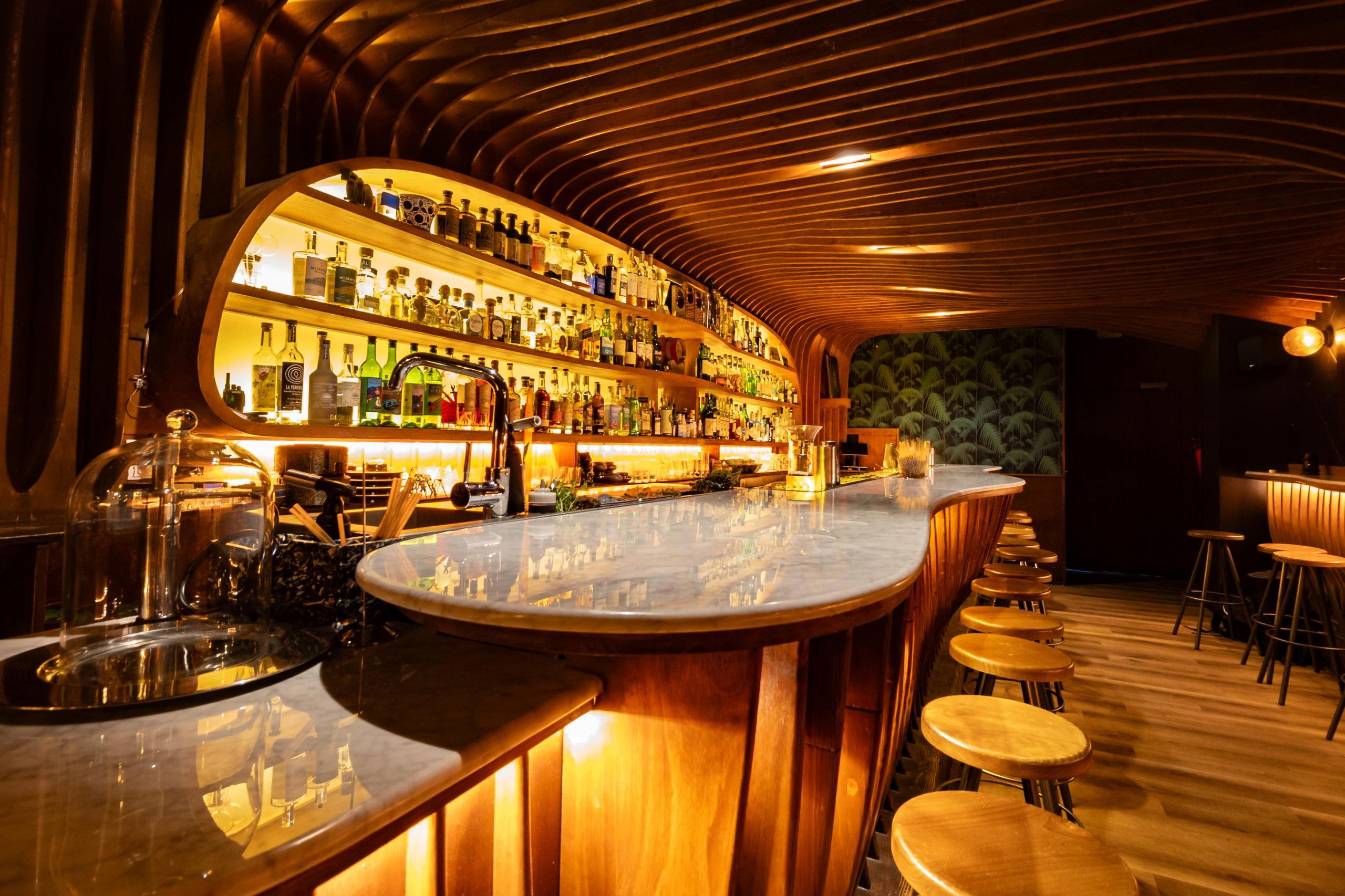
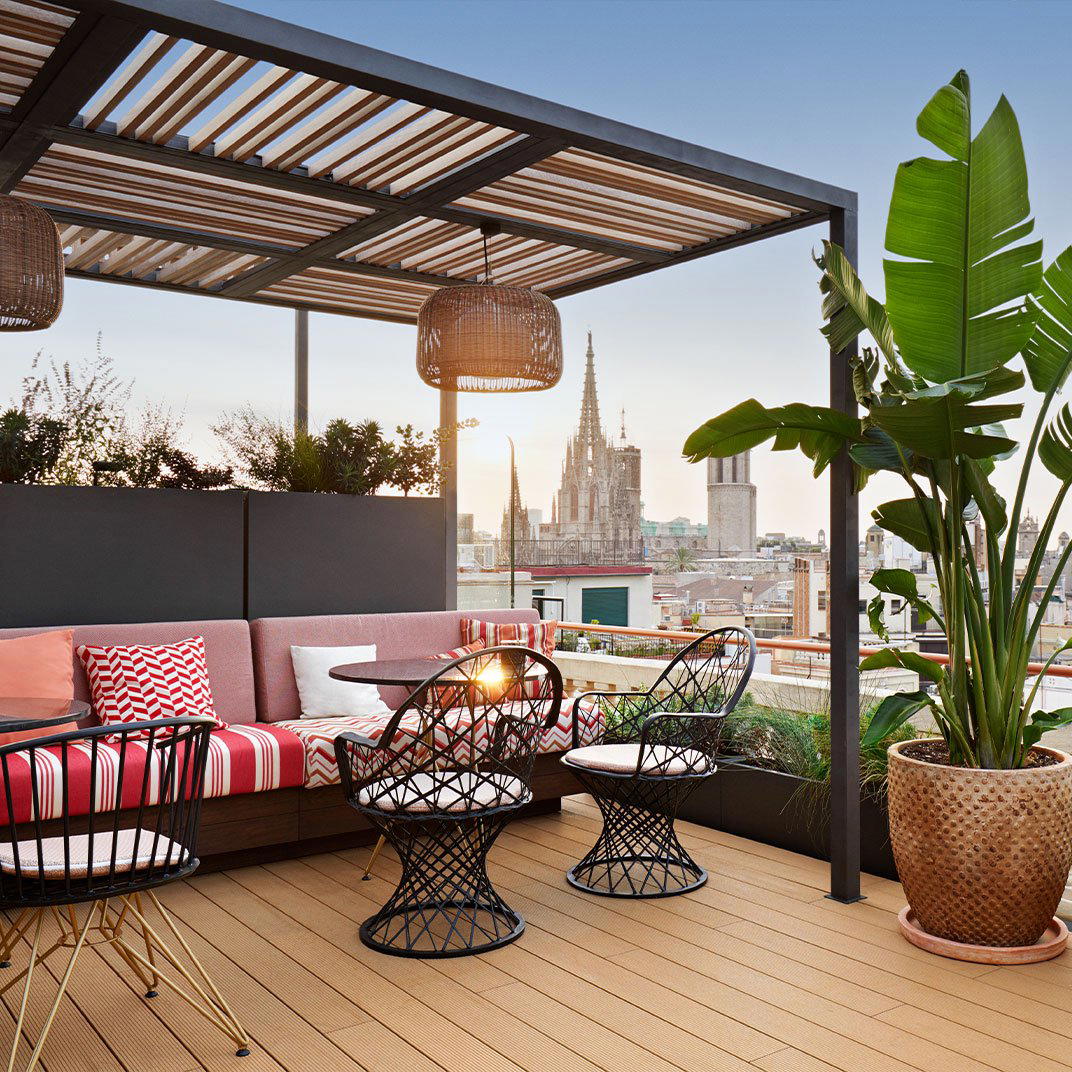
Bars in Barcelona
Browse all →
Hotels in Barcelona
Browse all →
Details
- Lively
- Rustic
- Well Known
- Casual Hangout
- Group Dining
- Waterfront
- Terrace
- Local Sourcing
- Waterfront
- A La Carte
Current opening hours
- Monday
- 1 PM–12 AM
- Tuesday
- 1 PM–12 AM
- Wednesday
- 1 PM–12 AM
- Thursday
- 1 PM–12 AM
- Friday
- 1 PM–12 AM
- Saturday
- 1 PM–12 AM
- Sunday
- 1 PM–12 AM
Hours can change for holidays and private events. Last verified .
Comfortable seaside atmosphere in a notable environment with views of Moll dels Pescadors fishing port.