Barbalu Restaurant
Barbalu Restaurant occupies a stretch of Front Street in the Seaport District, a neighbourhood that has cycled through several identities over the past two decades. The address places it squarely in a part of Lower Manhattan where casual dining and the area's shifting demographics intersect, making it a reference point for how the Seaport's food scene has evolved beyond its tourist-facing origins.
- Address
- 225-227 Front St, New York, NY 10038
- Phone
- +1 646 918 6565
- Website
- barbalu.com
- Directions
- Get directions
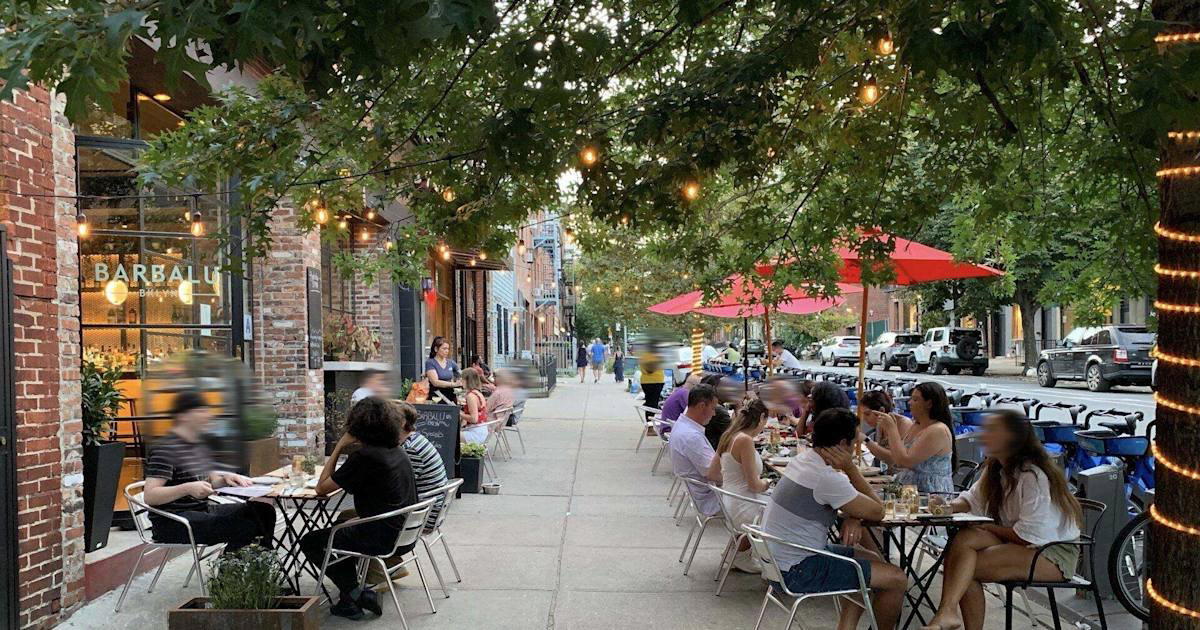
A Street, a Neighbourhood, and a Restaurant That Moved With Both
Front Street in the Seaport District does not look like the same block it was ten years ago. The stretch between the East River and Fulton Street has absorbed waves of redevelopment, chain consolidation, and, more recently, a countermovement of independent operators trying to anchor something more local in character. Barbalu Restaurant, at 225-227 Front Street, sits inside that longer story rather than outside it. Understanding what the restaurant represents now requires placing it against the neighbourhood's own evolution.
The Seaport has historically occupied an awkward position in New York City's dining conversation. Close enough to the Financial District to serve the lunch trade, close enough to the water to attract weekend foot traffic, but rarely the destination that pulls diners down from Midtown or across from the West Village. That geographic ambiguity pushed many operators toward formats built for volume rather than retention. The independent restaurants that survived multiple cycles of the Seaport's reinvention generally did so by finding a more specific community to serve, rather than competing for the tourist dollar.
The Seaport Dining Context: What the Address Signals
New York's restaurant geography has always been tiered, and the Seaport sits in a distinct tier from the high-commitment tasting counter rooms that define the city's leading end. Venues like Le Bernardin, Atomix, Eleven Madison Park, Masa, and Per Se operate in a format and price tier where the booking window, the room, and the price point are themselves part of the proposition. Front Street is not that conversation. What it is, increasingly, is a zone where a more neighbourhood-scaled dining format can hold ground as the Seaport's residential population grows.
That residential growth is the detail that matters most for Barbalu's current position. The Seaport District has added a meaningful base of residents over the past several years, a shift that changes the demand profile of every operator on the block. A restaurant that in an earlier phase of the neighbourhood might have been entirely dependent on office lunch and weekend tourism now has a local repeat-visit base to build against. Across American cities, that transition from transient to resident-anchored dining has historically been a stabilising force for independent operators. You can see comparable dynamics play out at restaurants like Smyth in Chicago or Frasca Food and Wine in Boulder, where a loyal local base provides the floor that allows more ambitious programming to sit on leading.
How the Neighbourhood Has Shaped the Format
The evolution of Front Street as a dining address tracks closely with what has happened to the Seaport's identity more broadly. Earlier phases of the area's development favoured concepts built for throughput: large rooms, broad menus, formats that could absorb the swings between lunch rushes and dead midweek evenings. The more recent phase has pushed toward smaller operators with a clearer point of view, partly because the retail landscape around them has changed, and partly because the incoming residential base expects something closer to a genuine neighbourhood restaurant than a tourist-facing operation.
Barbalu's address on Front Street places it in the centre of that transition. The double-number address, 225-227, suggests a footprint that is meaningfully sized without being a large-format venue, which aligns with the newer pattern of Seaport independents. Restaurants in this mould across other American cities, from Lazy Bear in San Francisco to Providence in Los Angeles, have found that a mid-sized room with a defined character outperforms a large room with a diffuse one, particularly in neighbourhoods where the dining culture is still consolidating.
The Broader Pattern: Neighbourhood Restaurants as Anchors
Across the American dining scene, independently operated neighbourhood restaurants in transitional urban zones have become increasingly important reference points for how a district's food culture matures. The model differs from the destination-dining format favoured by venues like The French Laundry in Napa, Blue Hill at Stone Barns in Tarrytown, or Single Thread Farm in Healdsburg, where the journey to the restaurant is part of the proposition. In dense urban settings, the restaurant that earns its neighbourhood is the one that makes itself indispensable to people who live within walking distance, not just those who plan ahead for it.
The Seaport is now far enough into its residential phase that the question for operators like Barbalu is no longer whether a local audience exists, but whether the format and consistency are in place to serve it well over time. Restaurants that have made that transition successfully in comparable American city zones, including Emeril's in New Orleans and Addison in San Diego, did so by narrowing their identity rather than broadening it in response to new demand. The instinct to chase every occasion type tends to produce a room that serves none of them particularly well.
For readers with an interest in how European neighbourhood-rooted formats have maintained identity across generations, the Italian model at Dal Pescatore in Runate offers a useful counterpoint, as does the alpine-rooted sourcing discipline at Atelier Moessmer Norbert Niederkofler in Brunico and the farm-integrated model at The Inn at Little Washington.
Know Before You Go
Address: 225-227 Front Street, New York, NY 10038
Neighbourhood: Seaport District, Lower Manhattan
Booking: Reservations recommended
Price range: About $35 per person
Cost and Credentials
Comparable venues nearby, for context on price, style, and recognition.
| Venue | Cuisine | Price | Notes |
|---|---|---|---|
| Barbalu RestaurantThis venue — the venue you are viewing | Not listed | $$ | Not listed |
| Juliana's | Not listed | $$ | Downtown Brooklyn-DUMBO-Boerum Hill, New York-Style Coal-Fired Pizza |
| Lil' Frankie's | East Village, Neapolitan Pizza and Pasta | $$ | Not listed |
| Osteria Nonnino | Not listed | $$ | West Village, Italian Osteria with Sicilian Influences |
| Oregano | Not listed | $$ | Williamsburg, Traditional Italian Wood-Fired Pizza & Pasta |
| Elia's Casa Bianca | East Midtown-Turtle Bay, Classic Italian | $$ | Not listed |
Continue exploring
More in New York City
Restaurants in New York City
Browse all →
Bars in New York City
Browse all →
Hotels in New York City
Browse all →






At a Glance
- Cozy
- Classic
- Date Night
- Brunch
- Open Kitchen
- Extensive Wine List
- Organic
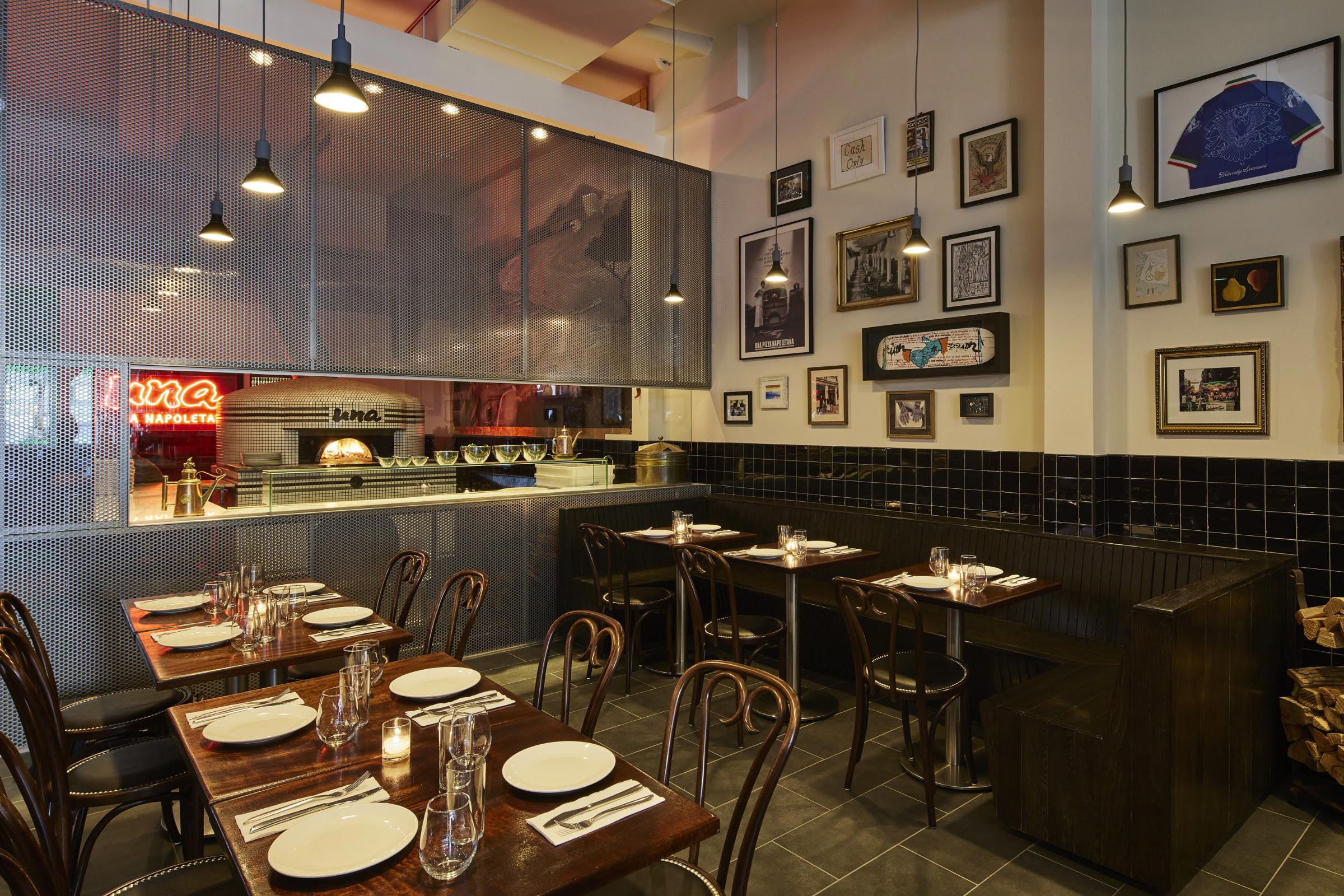
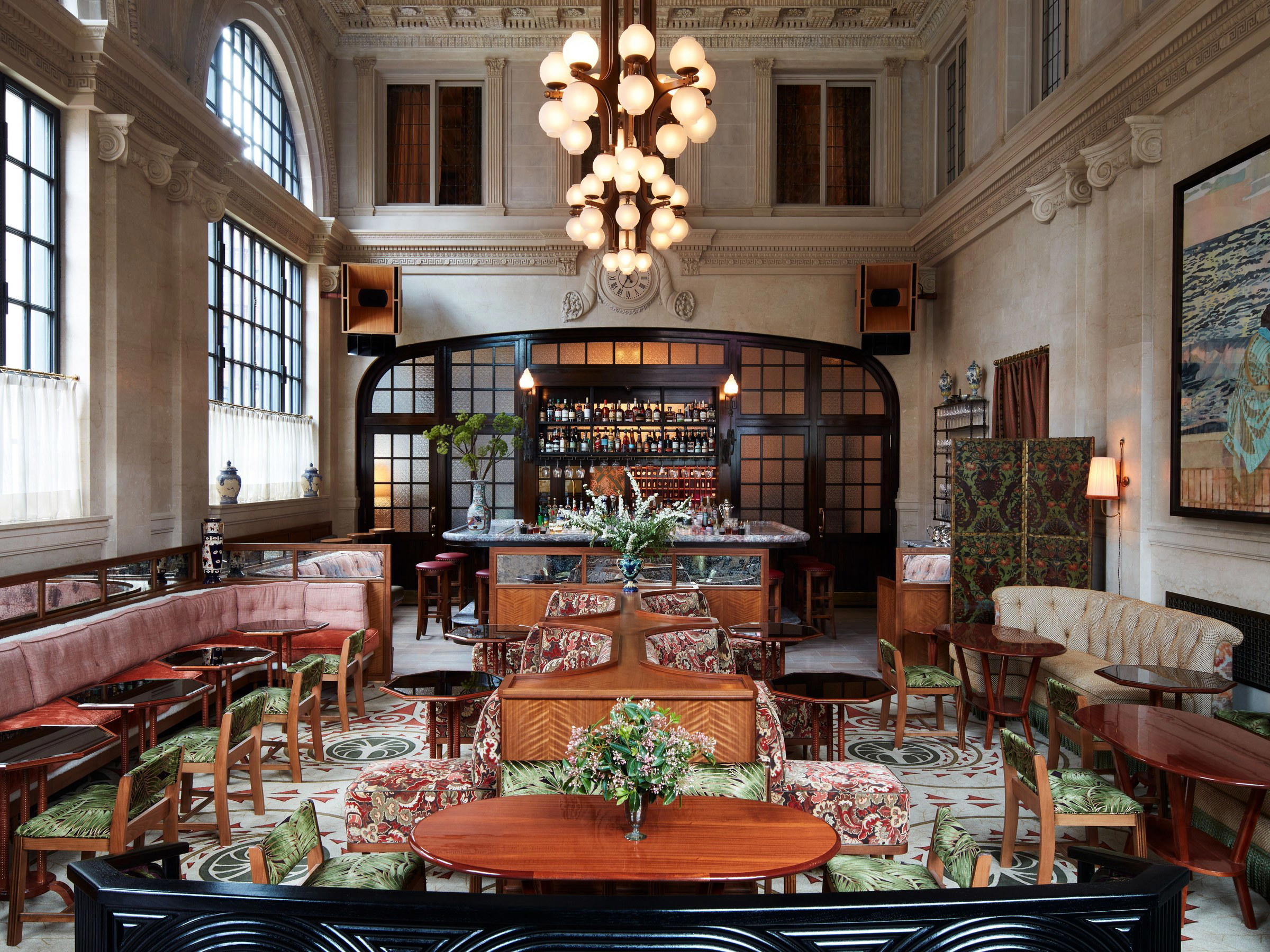
Skylighted dining room with brown banquettes and wooden tables creating a warm, classic Italian trattoria feel.