Oregano
Our verdict
Oregano occupies a Williamsburg address on Berry Street that positions it within one of Brooklyn's most restaurant-dense corridors. The venue sits in a neighbourhood where the divide between casual daytime eating and more considered evening service has become a defining feature of how locals use their dining rooms. For visitors calibrating expectations between lunch and dinner, the Berry Street location offers a useful reference point for Brooklyn's current mid-market dining register.

Pearl is the En Primeur Club membership app, where members save venues, book tables and use the concierge.
The menu
What to order
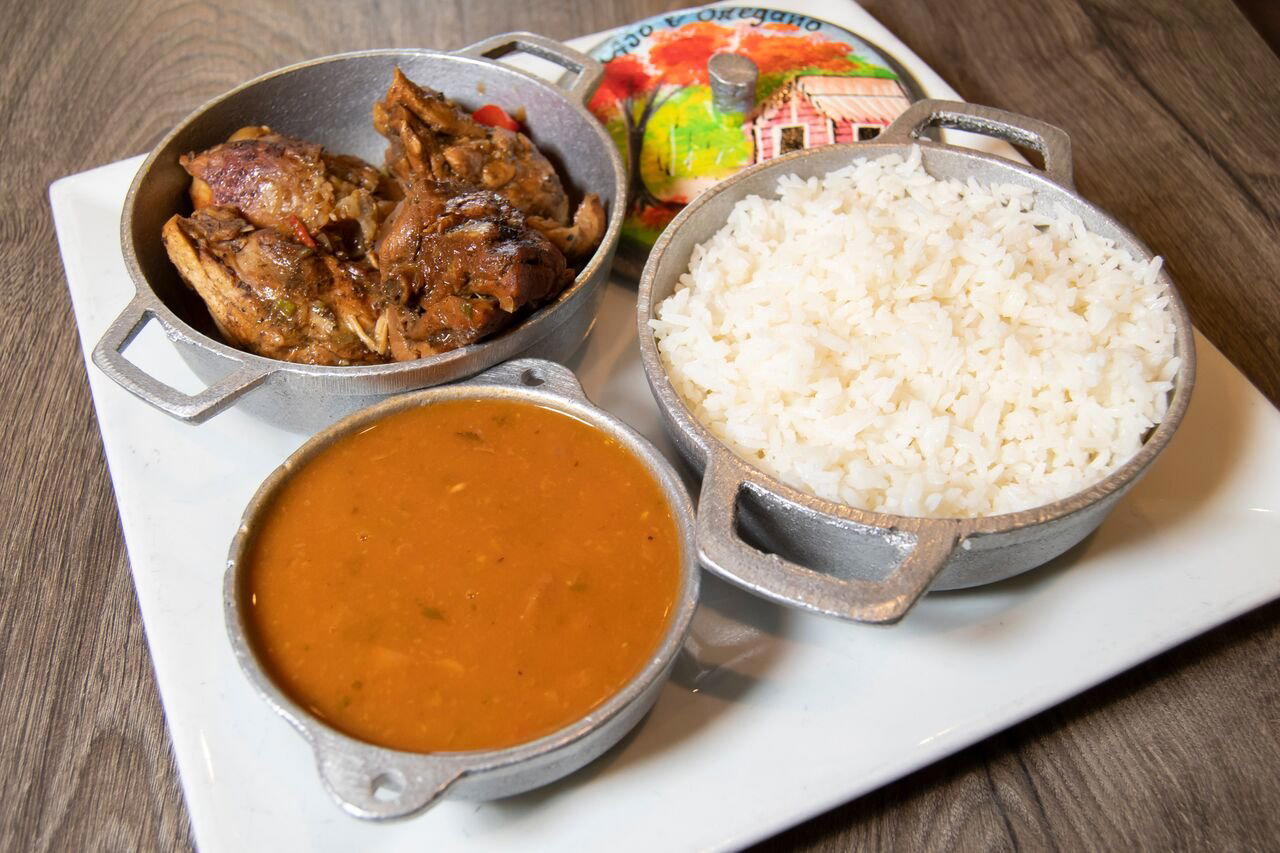
- Wood-fired four cheese pizza with truffle
- Homemade gnocchi with vodka sauce
- Pasta with gambas
Berry Street in Context: Williamsburg's Lunch-to-Dinner Shift
Williamsburg's dining corridor along and around Berry Street has undergone a quiet but measurable repositioning over the past decade. What began as a neighbourhood of weekend brunch spots and late-night pizza counters has gradually layered in venues that operate differently by time of day, with distinct moods and menus for lunch service versus evening sittings. Oregano, at 102 Berry Street, sits inside this pattern rather than outside it. The address places it in a stretch of Brooklyn that draws both local residents for weekday lunch and a broader crowd from across the boroughs as the evening progresses.
This lunch-versus-dinner divide is not unique to Williamsburg, but it is particularly pronounced here. In neighbourhoods with strong residential density and a working creative population, daytime service tends toward faster formats, lighter price points, and a more habitual relationship with regulars. Evening service opens to destination diners, longer seatings, and a different calculus around value. Understanding which mode a venue prioritises, or whether it holds its own across both, is one of the more useful filters for planning a visit.
Daytime Williamsburg: How Lunch Works on Berry Street
Across Brooklyn's more established dining pockets, lunch has developed a character distinct from its Manhattan counterpart. Where midtown lunch is often driven by professional schedules and prix-fixe efficiency, Williamsburg's daytime trade leans more relaxed, with a higher proportion of neighbourhood regulars and a tolerance for unhurried service. The corridor around Berry Street reflects this: the density of options means that local repeat business is earned rather than assumed, and kitchens that perform well at lunch tend to do so by consistency rather than occasion.
Italian-leaning restaurants, which the name Oregano suggests as a likely reference point, have historically performed well in the Brooklyn lunch format. Herb-forward cooking, pasta-centred menus, and lighter preparations translate naturally to midday eating in a way that heavier tasting formats do not.
For comparison, the premium tier of New York Italian dining operates on a different axis entirely. Venues like Le Bernardin or Per Se maintain distinct lunch and dinner formats with meaningful price differentials, using the midday service to access a broader audience without discounting the evening proposition. Brooklyn's mid-market operates with less formality but the same underlying logic: daytime is where regulars are built, and evening is where a venue tests its ceiling.
Evening Williamsburg: The Dinner Register on Berry Street
As evening service takes over in Williamsburg, the dynamic shifts. The neighbourhood has enough residential draw to sustain local dinner traffic, but it also functions as a destination for Manhattan diners willing to cross the bridge for something that feels less rehearsed than the standard uptown experience. This dynamic has pushed a number of Berry Street-adjacent venues to sharpen their evening offer, sometimes at the cost of daytime coherence.
The broader New York dining scene that Oregano operates within is considerably more stratified than it was a generation ago. At the upper end, counters like Masa and progressive tasting menus at Atomix or Jungsik New York operate on entirely different booking and pricing logic. Brooklyn's mid-market fills the space between that tier and casual neighbourhood eating, and it is a genuinely competitive bracket. Venues that hold their own in the evening without abandoning the accessibility that makes them useful at lunch occupy a position that is harder to sustain than it appears.
For diners calibrating against other American cities, the comparable challenge appears in different registers. Lazy Bear in San Francisco solves the lunch-dinner divide by eliminating lunch altogether, running a single format that maximises evening immersion. Alinea in Chicago operates multiple formats across different rooms, effectively running parallel venue identities. Brooklyn's approach is more porous: the same space tends to absorb both services, which puts pressure on the kitchen and front-of-house to modulate tone effectively.
What the Neighbourhood Tells You About the Venue
Berry Street in Williamsburg functions as a useful neighbourhood signal in itself. The street runs through a part of Brooklyn that has retained more of its residential grain than the more tourist-oriented sections further south, which means the dining clientele skews toward habitual rather than occasional. Venues that establish themselves here tend to do so by earning repeat business from locals before building any broader reputation.
This pattern appears consistently across the American dining cities that have developed strong neighbourhood-restaurant cultures. Blue Hill at Stone Barns outside the city operates on a different scale entirely, but the underlying principle of community-embedded dining informs both ends of the market. Closer in spirit are the mid-market neighbourhood anchors in cities like Atlanta and New Orleans, where local loyalty predates and often outweighs broader critical attention.
For anyone building a Brooklyn itinerary around the full New York experience, the EP Club New York City restaurants guide maps the city's dining tiers with more granularity, including how outer-borough venues fit into the wider picture alongside destination properties like The French Laundry equivalents in other American cities and international reference points such as Alain Ducasse at Louis XV in Monte Carlo.
Know Before You Go
Know Before You Go
- Address: 102 Berry St, Brooklyn, NY 11211
- Neighbourhood: Williamsburg, Brooklyn
- Getting There: The L train stops at Bedford Avenue, one block from Berry Street, making this one of the more transit-accessible restaurant addresses in Brooklyn from Manhattan.
- Booking:
- Lunch vs. Dinner: As with most Berry Street venues, mood and pace shift materially between services. If your priority is a quieter, more relaxed setting, daytime sittings typically offer that more reliably.
- Price Range:
Frequently asked questions
How do I find Oregano?
Oregano is located at î102 Berry St, Brooklyn, NY 11211, New York City.
Is Oregano on Berry Street suitable for a sit-down dinner in Williamsburg?
Oregano's location at 102 Berry St in Williamsburg positions it within a corridor that supports full evening service, with a neighborhood demographic that sustains regular dinner traffic. Berry Street's dining character skews toward relaxed but considered meals rather than high-volume turnover. For confirmed hours and seating format, check the venue's official channels, as those details are not publicly on record.
What do regulars order at Oregano?
What the Berry Street corridor does reliably produce is a neighborhood-driven menu cadence that shifts between a casual lunch register and a more considered dinner service.
Can I walk in to Oregano?
Walk-in availability at Oregano on Berry Street in Williamsburg varies by service period. Williamsburg's residential dinner traffic means evenings tend to fill faster than lunch, particularly on weekends. Contacting the venue directly at 102 Berry St is the most reliable way to gauge current availability.
Price and Recognition
Comparable venues nearby, for context on price, style, and recognition.
| Venue | Cuisine | Price | Notes |
|---|---|---|---|
| OreganoThis venue (the venue you are viewing) | Traditional Italian Wood-Fired Pizza & Pasta | $30–50 | Not listed |
| 'inoteca | Italian Wine Bar & Trattoria | Not listed | Lower East Side, Italian Wine Bar & Trattoria |
| Brooklyn D.O.P. | Not listed | Not listed | Park Slope, Neighborhood New York‑style Pizza |
| Altamirano's Italian Ristorante | Italian Trattoria | $30–50 | Upper East Side-Yorkville, Italian Trattoria |
| Bocca di Bacco | Modern Italian Pasta | $30–50 | Hell's Kitchen, Modern Italian Pasta |
| Osteria 106 | Authentic Italian Osteria | $50–100 | Upper West Side-Manhattan Valley, Authentic Italian Osteria |