
Tabelog 100 #52
Our verdict
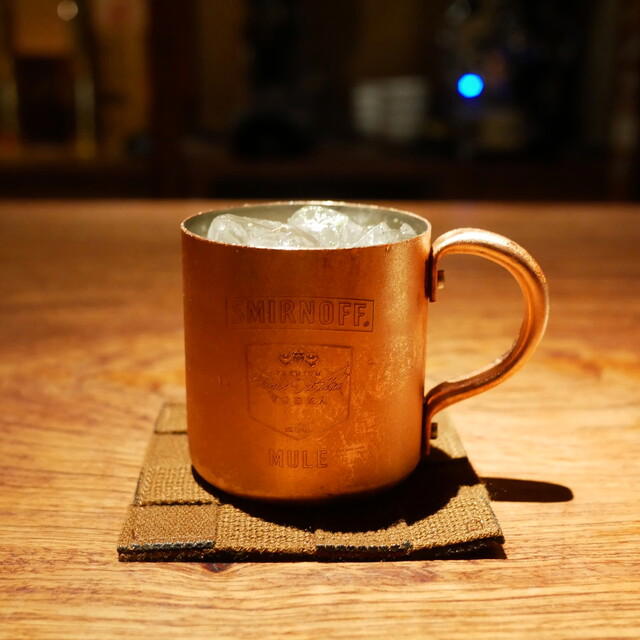
Kyoto’s serious bar culture rewards patience, small gestures, and drinks built around Japanese spirits as much as imported classics. bar Kya Honkan sits in that tradition with Tabelog 100 - Bar - 2022 recognition, a 3.70 Tabelog score, cocktails, sake, shochu, wine, counter seating, sofa seating, and private-room options in Nakagyo Ward.

Pearl is the En Primeur Club membership app, where members save venues, book tables and use the concierge.
The menu
What to order
- Assorted Aged Dried Salami and Pâté from Hida Takayama
- Assorted Varieties of Pizza
- Assorted Cheeses
- Kya original Cocktails
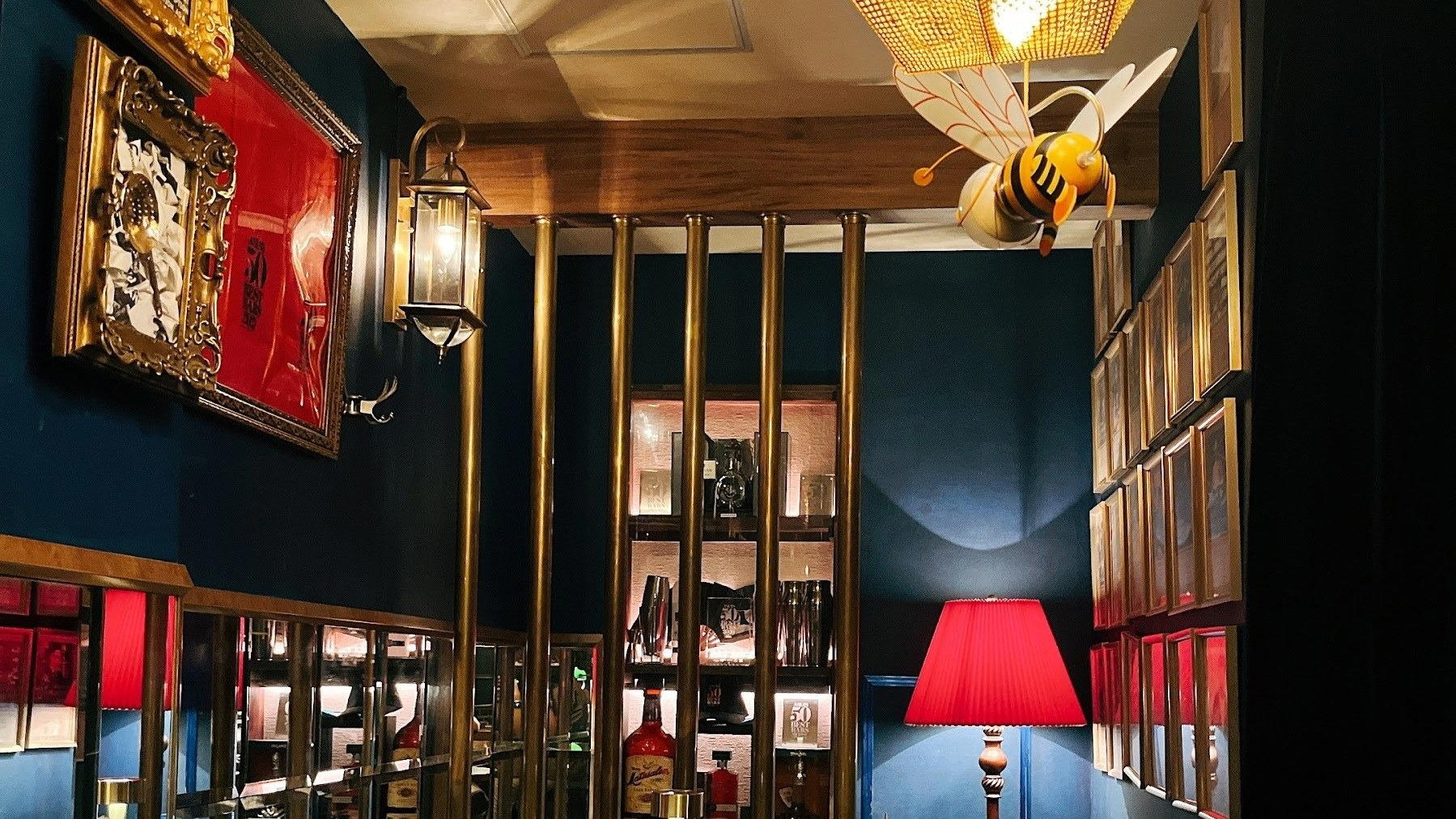
Kyoto after dark changes register rather than volume. Around Kawaramachi and Nakagyo, the city’s drinking rooms tend to favour controlled light, quiet thresholds, and the social choreography of a counter over the theatre of a hotel lobby bar. In that context, bar Kya Honkan belongs to a Kyoto style that treats the bar as a place for measured drinking: cocktails sit beside sake, shochu, and wine, and the room format allows both counter drinking and sofa seating rather than forcing every guest into the same script.
The useful reading here is not that Kyoto lacks modern cocktail ambition. It is that the city often absorbs that ambition into older habits of restraint, seasonality, and small-scale hospitality. Sustainability, in a Kyoto bar context, is rarely announced through slogans. It is more often visible in the preference for spirits with regional roots, drinks that do not require excessive garnish, and rooms designed for long use rather than constant visual reinvention. bar Kya Honkan’s drinks list, spanning nihonshu, shochu, wine, and cocktails, places Japanese drinking categories on equal footing with the global bar vocabulary.
Kyoto's bar culture favours restraint over spectacle
The Tabelog 100 - Bar - 2022 selection matters because Japan’s bar scene is unusually dense and highly local in its standards. A Tabelog score of 3.70 is not a casual signal in this category; it places the address within a competitive national conversation where consistency, service rhythm, and category fluency count more than novelty. The recognition also helps separate serious drinking rooms from the broader nightlife economy around Kawaramachi, where casual chains, dessert stops, and late-night food counters compete for the same evening traffic.
That distinction is especially clear in Kyoto, where the after-dinner decision often splits three ways. Some travellers stay with food, moving from a compact restaurant such as 3TOKU6MI Shijo karasuma ten or Abbesses into a second glass. Others treat the night as grazing, with names like 551蓬莱, [ki:], or Aburi Mochi Honke Nemoto Kazariya anchoring a different rhythm. A bar in this tier serves another purpose: it slows the evening down and shifts the focus from eating to selection, pacing, and conversation.
There is an environmental logic to that pacing. Bars built around durable technique and broad spirit categories can avoid the churn that defines trend-led cocktail programs. Japanese spirits, especially sake and shochu, also connect drinking to agricultural production and regional identity without requiring a heavily decorated serve. That does not make every drink sustainable by default, but it does place the emphasis in a more thoughtful direction: ingredients, bottle selection, and repeatable craft rather than visual excess.
The room format supports several versions of a Kyoto night
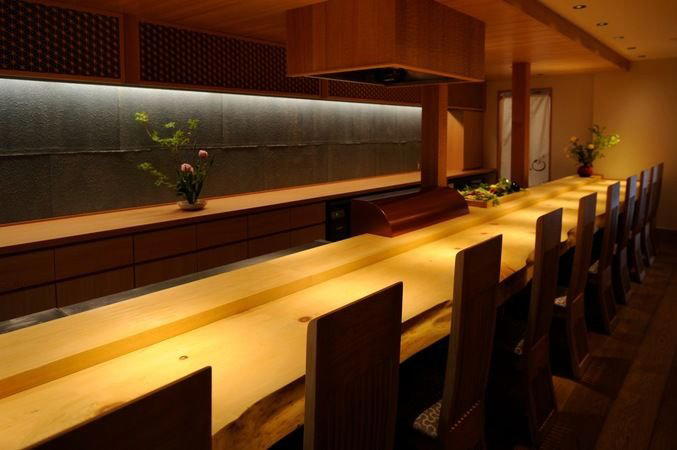
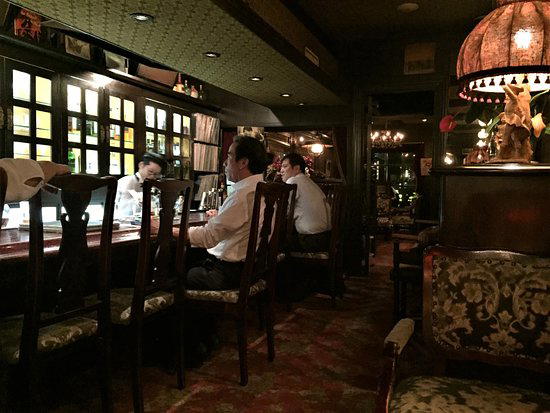
The venue’s 55-seat scale is larger than the tiny counters that define many Japanese cocktail pilgrimages, which changes the experience. Counter seating keeps the classic bar exchange intact, while sofa seating and separate private rooms make the room more flexible for friends or a quieter group. Smoking is allowed, an important filter for travellers used to non-smoking bar rooms elsewhere. Credit cards are accepted, while electronic money and QR code payments are not, a detail that still matters in Japan’s mixed payment culture.
The practical appeal is also its category breadth. A traveller committed to cocktails is not confined to a narrow list, while someone wanting nihonshu or shochu can stay within Japanese drinking traditions. Wine adds a further route for a mixed group. That breadth is useful in Kyoto, where dining itineraries can be precise during the day and looser at night. The bar works less as a destination built around a single trophy order and more as a controlled setting for a second act after dinner.
Nearby comparison also clarifies the role. Warder, SUGITORA, GYUKATSU Kyoto Katsugyu Teramachi Kyogoku, PTISSERIE.S salon, and Takohachi occupy different parts of the casual Kyoto evening economy, from sweets to quick meals and lower-spend stops. bar Kya Honkan sits in a higher-consideration drinking tier, where the decision is less about speed and more about how the night should continue.
How to place it in a Kyoto itinerary
For travellers mapping Kyoto by category rather than checklist, this is a bar to pair with a dinner-led evening in Nakagyo or Kawaramachi. The surrounding area suits a late transition from restaurant to drinks, and the venue’s range across cocktails, sake, shochu, and wine makes it less fragile than a bar built around a single narrow format. Tuesday closure and late-night operating patterns belong in the planning rail rather than the romance of the night, but they affect the decision.
Kyoto rewards tighter planning across categories. Use Our full Kyoto restaurants guide for dinner structure, Our full Kyoto bars guide for drinking rooms, Our full Kyoto hotels guide for where to stay, Our full Kyoto experiences guide for cultural scheduling, and Our full Kyoto wineries guide for wine-related planning around the city. For broader Japan context, compare how casual and specialist formats shift between -Grilled beef Sukiyaki- KAMAKURA TANUKIAN 鎌倉 たぬき庵 in Kamakura. 鮪と炭火焼き うお炭 秋葉原店 in Tokyo.cafe in Osaka.know in Kumamoto, (Shoku) Vietnam in Kawasaki, and [Curry Senmon Ten] Maruyama Kyoju. in Sapporo. Outside Japan, Jōdo Saké Bar in Los Angeles and Onigiri Time in Pasadena show how Japanese drinking and eating formats travel, adapt, and sometimes lose the quiet discipline that Kyoto retains.
Frequently asked questions
Where exactly is bar Kya Honkan?
bar Kya Honkan is located in Kyoto.
What does dinner at bar Kya Honkan typically cost?
Pricing at bar Kya Honkan is listed as JPY 3,000 - JPY 3,999.
What days is bar Kya Honkan closed?
Hours at bar Kya Honkan: Mon: 6 PM–2 AM; Tue: Closed; Wed: 6 PM–2 AM; Thu: 6 PM–2 AM; Fri: 6 PM–2:30 AM; Sat: 6 PM–2:30 AM; Sun: 6 PM–2 AM.
What do critics highlight about bar Kya Honkan?
Critics point to its Tabelog 100 Bar 2022 selection and 3.70 score, which give it clear local standing in Kyoto. The 55-seat room, counter seating, sofa seating, and service until 2:30 AM on most nights make it a bar for a longer evening rather than a quick stop.
Similar Picks
Comparable venues side-by-side for orientation.
| Venue | Cuisine | Price | Awards | Notes |
|---|---|---|---|---|
| bar Kya HonkanThis venue (the venue you are viewing) | Kyoto Bar | $30–50 | Tabelog 100 #52 | Not listed |
| Warder | Kyoto artisan bakery & sandwich shop | $1–10 | Tabelog 100 #26 | JPY 999 - JPY 999 |
| SUGITORA | Gelato & Parfait Cafe | $10–20 | Tabelog 100 #63 | JPY 1,000 - JPY 1,999 JPY 1,000 - JPY 1,999 |
| GYUKATSU Kyoto Katsugyu Teramachi Kyogoku | Gyukatsu (Breaded Beef Cutlet) | $20–30 | Not listed | Not listed |
| PTISSERIE.S salon | Modern French patisserie salon | $10–20 | Tabelog 100 #46 | JPY 1,000 - JPY 1,999 JPY 1,000 - JPY 1,999 |
Recognition history
Dated appearances from independent guides and award organizations, with the underlying list record or original source where available.
Tabelog 100 #52 · No. 52
Tabelog · Tabelog 100 - Bar - 2022
Continue exploring
More in Kyoto
Restaurants in Kyoto
All restaurants in Kyoto →
Bars in Kyoto
All bars in Kyoto →
Hotels in Kyoto
All hotels in Kyoto →
Wineries in Kyoto
Browse all →
bar Kya Honkan
The wine
- Extensive wine list
- Sake program
- Craft cocktails
- Beer program
Details
- Intimate
- Cozy
- Classic
- Sophisticated
- Date Night
- After Work
- Solo
- Group Dining
- Special Occasion
- Historic Building
- Standalone
- Craft Cocktails
- Sake Program
- Beer Program
- Extensive Wine List
- A La Carte
- Craft Cocktails
- Sake
- Shochu
- Wine
Current opening hours
- Monday
- 6 PM–2 AM
- Tuesday
- Closed
- Wednesday
- 6 PM–2 AM
- Thursday
- 6 PM–2 AM
- Friday
- 6 PM–2:30 AM
- Saturday
- 6 PM–2:30 AM
- Sunday
- 6 PM–2 AM
Hours can change for holidays and private events. Hours as of .
Stylish and relaxed, with a hidden-house feel, counter and sofa seating, and a refined adult-bar atmosphere.