Bao 8
Our verdict
Bao 8 sits on Rue Joseph Junck in Luxembourg's Gare district, a neighbourhood where the city's dining scene has quietly diversified beyond the fine-dining axis of the old town. The address places it within easy reach of the station quarter's growing cluster of independent restaurants, offering an alternative register to the contemporary French and organic formats that dominate Luxembourg's upper tier.

Pearl is the En Primeur Club membership app — saves, bookings, and concierge access live there. Same editors, same standards.
- Address
- 8 Rue Joseph Junck, 1839 Gare Luxembourg
- Phone
- +35226175567
- Hours
- Mon–Thu 11:30 AM–11:30 PMFri 11:30 AM–12 AMSat 4 PM–12 AMSun Closed
- Website
- bao8.lu
- Directions
- Get directions
- Booking
- Book on Zenchef
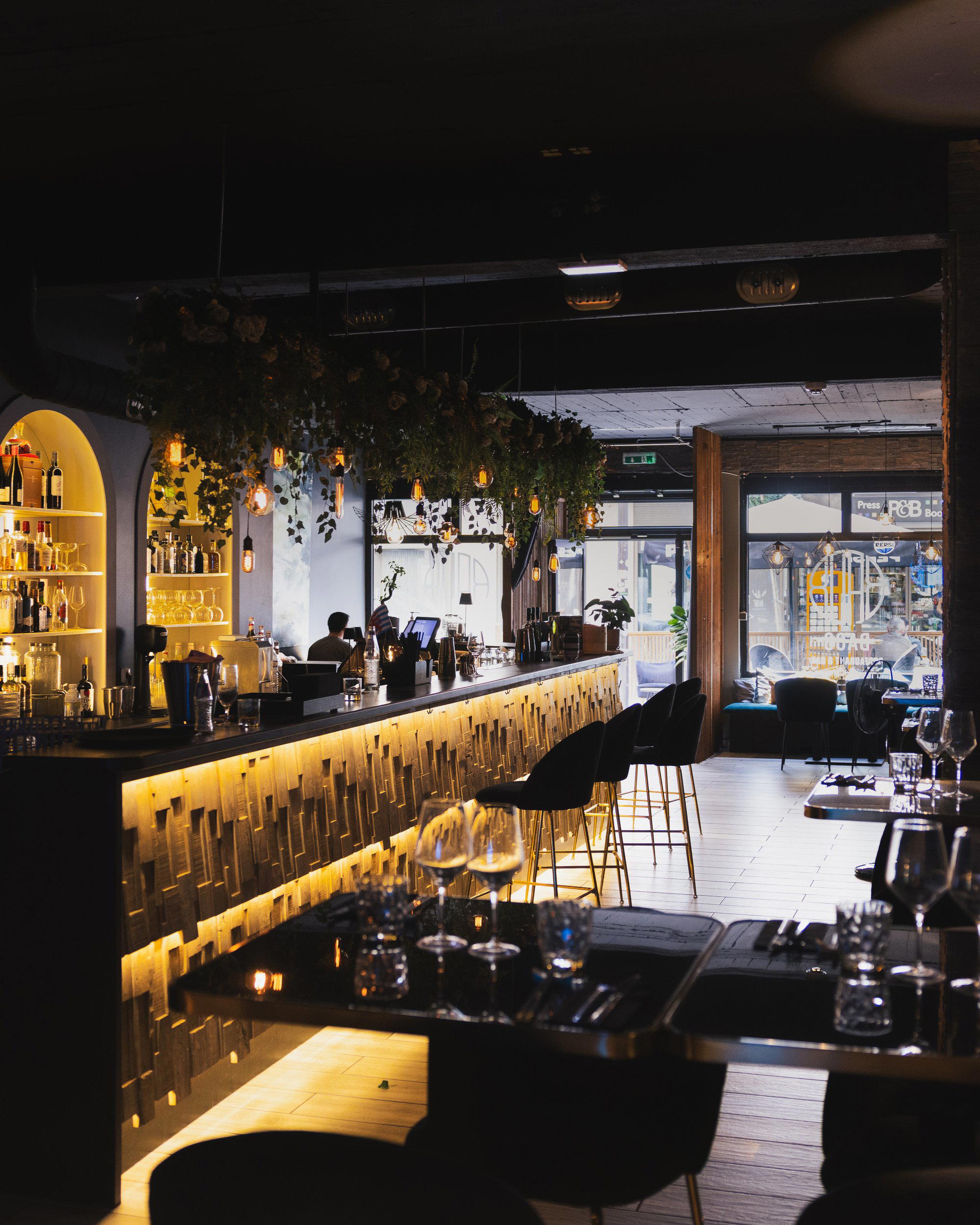
The Gare Quarter and What It Tells You About Luxembourg's Dining Direction
Luxembourg City's restaurant map has long been read through two lenses: the grand-occasion houses of Grund and Kirchberg, and the workaday brasseries that serve the city's international workforce. The Gare district, centred on and around Rue Joseph Junck, represents a third reading that gets less attention. This is the part of the city where independent operators have room to test formats, where the pressure to compete directly with the Michelin bracket — occupied by houses like Léa Linster and Ma Langue Sourit — is lower, and where the cuisine mix reflects the actual diversity of a city that draws residents from across Europe and beyond. Bao 8, at number 8 on that street, occupies exactly this kind of position: a restaurant that reads the neighbourhood rather than performing against a fixed fine-dining template.
The address itself matters. Rue Joseph Junck runs close to Luxembourg's central station, which means the surrounding blocks function as a transitional zone between arrivals and the city proper. That foot-traffic pattern tends to reward operators who can deliver clear, consistent value without demanding the kind of occasion-dressing that the old town requires. It also means the clientele is genuinely mixed, commuters, hotel guests, residents from the adjacent streets, and visitors who have not yet made their way toward the plateau. A restaurant that works in this context has to hold together across different types of visit and different types of guest, which is a harder brief than it first appears.
Where Bao 8 Sits in Luxembourg's Wider Restaurant Field
Luxembourg's dining scene at the upper end is heavily weighted toward contemporary French and modern European formats. Apdikt operates at the creative end of the spectrum, while Archibald De Prince takes an organic-focused position and Fani holds a strong Italian address in the city. The scene beyond that tier, the mid-market and the neighbourhood-level operators, is less mapped in the international press, which means good restaurants in the Gare area often go unremarked in the same breath as the city's flagships.
That dynamic is not unique to Luxembourg. Across similarly compact European capitals with outsized financial sectors, think of how long it took for the non-French operators in certain Swiss cities to receive the same critical attention as their fine-dining counterparts, the neighbourhood restaurant tends to be the last category that gets documented carefully. For travellers who have already worked through the established list and want to understand how the city actually eats day-to-day, the Gare quarter is the more instructive place to look. The restaurant roster there connects to how Luxembourg residents, rather than primarily visiting executives on expense accounts, choose to spend an evening.
For broader orientation across the country's dining options, the full Luxembourg restaurants guide covers the range from the Gare district through to houses like SENSA in Weiswampach and Auberge De La Gaichel in Eischen, which represent the country-house register outside the capital.
The Front-of-House Equation in a Station-Quarter Restaurant
Editorial angle EA-GN-11 asks about team dynamic, and in a neighbourhood setting like the Gare district, that question plays out differently than at a tasting-menu counter. At a destination restaurant, the collaboration between kitchen, sommelier, and floor is often formalised into a structured sequence: the chef sets the rhythm, the sommelier matches to it, and front-of-house executes the handoff between courses. The stakes of that coordination are high because the guest has made a deliberate occasion of the visit and is paying close attention to every element.
In a station-quarter restaurant, the same triangle of kitchen, floor, and drinks operates under different pressures. Guests arrive at varied times, in varying states of purpose, some are there for a quick meal before a train, others have settled in for the evening. The front-of-house team carries more interpretive weight in this context, because they are the ones who read the table and adjust the pace and the register accordingly. A sommelier or floor manager in this setting needs a different kind of intelligence than in a fixed tasting-menu environment: they are moderating between multiple simultaneous conversations rather than orchestrating a single narrative. Restaurants that get this calibration right in the Gare quarter tend to build loyal local clientele precisely because the experience doesn't feel managed in the way a grand occasion house does.
How well Bao 8 executes on that team dynamic is something the B13 in Bertrange or the Becher Gare in Bech comparison helps frame. Both operate outside the capital's immediate fine-dining orbit and have built their identities on service consistency rather than headline kitchen talent. That is a legitimate and often undervalued approach to restaurant building in a small country where the total dining audience is limited and repeat business matters more than one-off critical attention.
Planning a Visit: What the Address Implies
Rue Joseph Junck 1839 places Bao 8 within the Gare administrative zone, meaning Luxembourg's central station is the practical anchor for getting there. The station connects to the city's bus and tram network, and the surrounding streets are walkable from most of the plateau's major hotel addresses. For visitors arriving by train from Brussels, Paris, or Trier, all under two hours, the location is an argument in itself: you can come off the train and be seated without needing a taxi or a lengthy orientation walk.
Luxembourg's more established restaurant addresses, places like Beefbar Smets in Strassen or Beim Bertchen in Wahlhausen, have well-documented booking windows and seasonal closures, which illustrates the general pattern in the country: even mid-market restaurants in Luxembourg tend to close for defined holiday periods, and advance contact is worthwhile for any visit that matters.
Travellers who are also interested in the broader regional context should note that the country's dining geography extends well beyond the capital. Beim Schlass in Wiltz, Brasserie de La Gaichel in Arlon, and Côté cour in Bourglinster each represent a different facet of how the region's cooking has developed outside the capital's immediate orbit. For those building a longer itinerary, the contrast between a Gare-district address like Bao 8 and a country-house format like Chocolats du Cœur in Helmsange is instructive about how widely the country's hospitality register spans across a short driving distance.
For comparative reference beyond Luxembourg's borders, the team-driven service model that defines the leading neighbourhood restaurants here finds its most coherent expression at places like Lazy Bear in San Francisco, where kitchen-to-floor integration is treated as part of the format itself, or at Le Bernardin in New York City, where decades of front-of-house discipline have made service as much a product as the cooking. The scale and ambition are entirely different, but the underlying principle, that a restaurant's team dynamic is a component of the guest experience, not incidental to it, holds across formats and price points.
Frequently asked questions
What's Bao 8's location?
Bao 8 is located at 8 Rue Joseph Junck, 1839 Gare Luxembourg, Luxembourg.
Is Bao 8 a good option for dining near Luxembourg's central train station?
The address at 8 Rue Joseph Junck, within the Gare administrative zone, places Bao 8 closer to Luxembourg's central station than most of the city's notable restaurants, which cluster in Grund or Kirchberg. That proximity makes it a practical choice for travellers arriving or departing by rail who want something more considered than station-concourse food.
What's the signature dish at Bao 8?
The name points directly at the format: bao, the soft steamed buns that have anchored the venue's identity on Rue Joseph Junck.
Do I need a reservation for Bao 8?
Bao 8 sits in the Gare quarter, a neighbourhood that draws a steady mix of commuters, locals, and visitors passing through Luxembourg's central station. That foot-traffic pattern can mean tables fill quickly at peak hours.
What has Bao 8 built its reputation on?
In a Luxembourg City dining field dominated by contemporary French and modern European formats, a focused bao concept on Rue Joseph Junck occupies a distinct position. The venue has carved out a place in the Gare district by committing to a specific format rather than the broad pan-Asian menus common elsewhere in the city.
Price and Positioning
| Venue | Cuisine | Price | Awards | Notes |
|---|---|---|---|---|
| Bao 8This venue — the venue you are viewing | Modern French-Asian Fusion Bao House | $20–30 | Not listed | Not listed |
| Ma Langue Sourit | Modern French Fine Dining | $150–200 | 2 Michelin Stars · La Liste Top Restaurants | Contemporary French, Modern Cuisine |
| Léa Linster | Modern French Fine Dining | $150–200 | 2 Michelin Stars · La Liste Top Restaurants | Modern French |
| Apdikt | French Contemporary Fine Dining | $150–200 | 1 Michelin Star · We're Smart World 2 Radishes | Creative |
| Archibald De Prince | Creative French Fine Dining | $100–150 | 1 Michelin Star · We're Smart World 4 Radishes | Organic |
| Fani | Modern Italian Fine Dining | $50–100 | 1 Michelin Star · We're Smart World 4 Radishes | Italian |
Continue exploring
More in Luxembourg
Restaurants in Luxembourg
Browse all →
Bars in Luxembourg
Browse all →

Hotels in Luxembourg
Browse all →
Details
- Modern
- Trendy
- Intimate
- Casual Hangout
- Group Dining
- Open Kitchen
- A La Carte
- Small Plates
Current opening hours
- Monday
- 11:30 AM–11:30 PM
- Tuesday
- 11:30 AM–11:30 PM
- Wednesday
- 11:30 AM–11:30 PM
- Thursday
- 11:30 AM–11:30 PM
- Friday
- 11:30 AM–12 AM
- Saturday
- 4 PM–12 AM
- Sunday
- Closed
Hours can change for holidays and private events. Last verified .
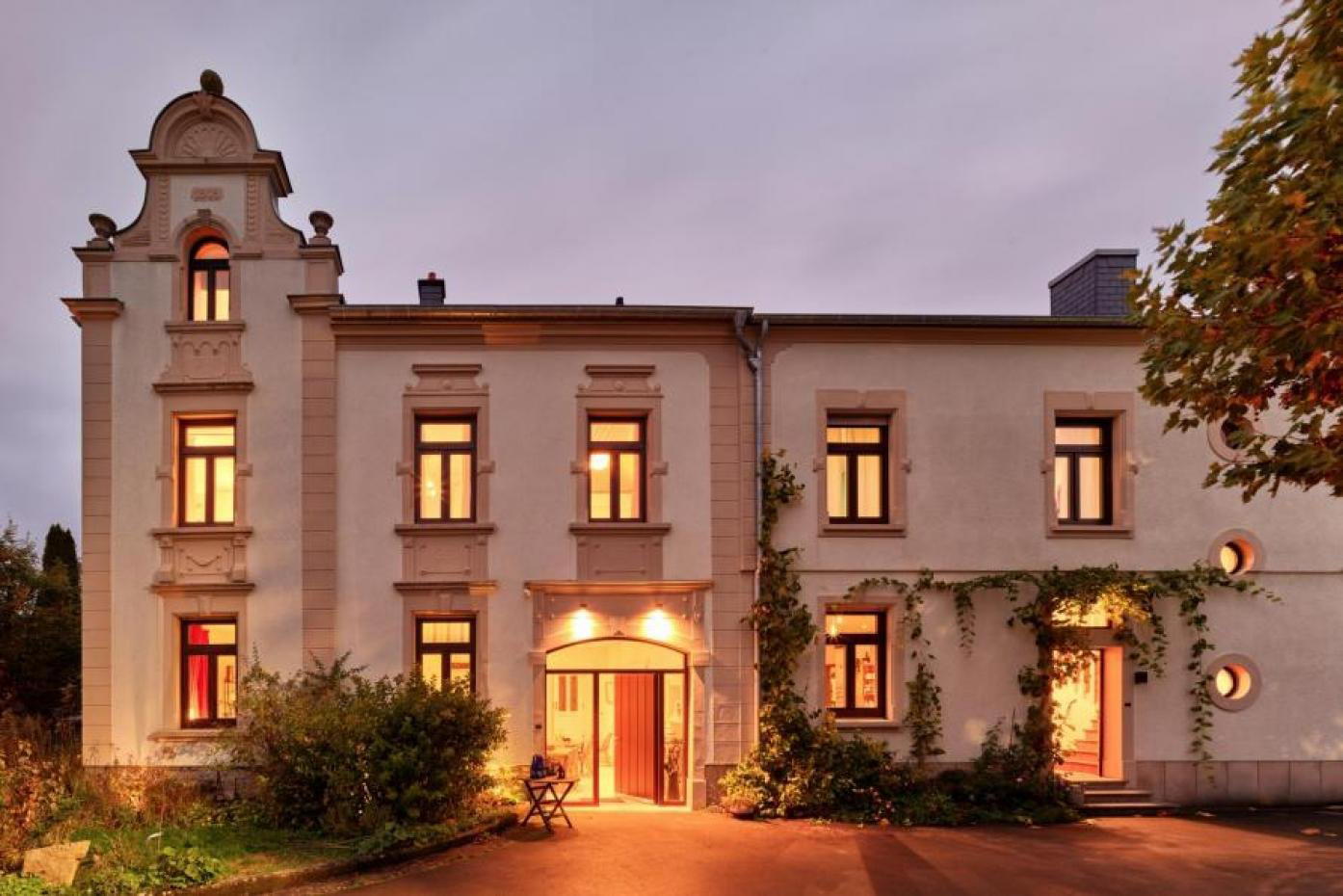
Cozy atmosphere with a small terrace on a busy street, featuring welcoming service and a modern, intimate setting.