De Gaart

We're Smart World 2 Radishes
Our verdict
De Gaart occupies a distinct position in Luxembourg's Gasperich district, operating as a sharing-format restaurant within the Innside by Meliá complex. The kitchen draws on produce from small local growers, building a straightforward menu around seasonal availability rather than culinary spectacle. For a business-hotel address, the sourcing commitment is notably deliberate.

Pearl is the En Primeur Club membership app — saves, bookings, and concierge access live there. Same editors, same standards.
- Address
- 12 Rue Henri M. Schnadt, 2530 Gasperich Luxembourg
- Phone
- +352 28 84 53 1
- Hours
- Mon–Fri 12–2 PM, 6–9:30 PMSat–Sun 6–9:30 PM
- Website
- melia.com
- Directions
- Get directions
- Booking
- Book on the venue's website
A Garden Philosophy Inside a Business Hotel
Gasperich is not the part of Luxembourg City that typically draws food-focused visitors. The district sits south of the historic centre, shaped largely by office parks, international company headquarters, and the kind of mid-century urban planning that prioritises function over character. Yet that context is precisely what makes the positioning of De Gaart worth examining. Within the Innside by Meliá business complex on Rue Henri M. Schnadt, a restaurant has organised itself around a premise that runs counter to its surroundings: source from small growers, share at the table, keep the menu honest about where things come from.
The name itself makes the argument plainly. In Luxembourgish, gaart means garden, and the restaurant leans into that framing with a slogan — grow local, eat local — that could easily tip into marketing shorthand but here describes an actual operational stance. The menu is built from produce sourced through small-scale local growers rather than through the standardised supply chains that most hotel restaurants default to. That distinction matters more than it might first appear.
Why Sourcing Structure Shapes a Meal
Across European dining in general, the farm-to-table argument has become sufficiently common that it no longer functions as a differentiator on its own. Restaurants across Luxembourg City, from the contemporary French ambition of Ma Langue Sourit to the organic focus at Archibald De Prince, engage with provenance in different registers. What separates a genuine sourcing program from a branding exercise is whether the supply relationship actually constrains and shapes the menu, or whether the menu was written first and the sourcing narrative added after.
At De Gaart, the model appears to work in the first direction. Products from small growers form the basis of a simple menu, a construction that implies the produce drives the decisions. That is a different kitchen logic from one where a chef designs a dish and then sources the leading available ingredient to execute it. When supply is the constraint, the menu shifts with availability, and the kitchen's job becomes finding what is good this week rather than reproducing what was good last month. For a hotel restaurant operating within a business complex, that is an unusual commitment to hold.
The parallel elsewhere in Luxembourg is limited. Apdikt operates in a creative register that also takes sourcing seriously, while the fine-dining tier, represented by addresses like Léa Linster, approaches local produce through a different price and format. De Gaart sits outside both of those categories, occupying a more accessible position where the sourcing argument is made through a sharing concept and a menu kept deliberately within reach.
The Sharing Format and What It Implies
Sharing menus have become a default choice for restaurants trying to signal informality and generosity simultaneously. When the format works, it allows a kitchen to present a wider range of produce without requiring the table to commit to a single trajectory. When it does not, it produces a parade of small plates with no coherent logic between them.
For a sourcing-led kitchen like De Gaart, the sharing concept makes structural sense. If the menu is anchored to whatever the small growers have produced that season, a flexible sharing format allows the kitchen to feature a broader cross-section of that produce in a single sitting. A table ordering four or five dishes gets a more complete picture of the garden's current output than a table ordering two mains each. The format and the sourcing philosophy support each other in a way that is not always the case when sharing menus are applied to other culinary approaches.
That logic connects De Gaart to a broader European movement in mid-market dining that treats the table as a collaborative experience rather than a collection of individual orders. The format is now well-established across cities from London to Copenhagen, but in Luxembourg City's dining scene, which still skews toward classical service structures, it remains a less common choice. Compared to the more formal settings at Fani or the composed tasting approach typical of the city's higher-end tables, De Gaart's format signals a deliberate informality.
Hotel Restaurants and the Question of Ambition
The Innside by Meliá brand operates business-focused hotels across Europe, typically in commercial districts where the guest mix is dominated by corporate travellers. Hotel restaurants in this category face a structural challenge: the captive audience of hotel guests will eat there out of convenience, which reduces the pressure to compete on culinary terms. Most hotel restaurants in this segment respond by offering broad, inoffensive menus designed to satisfy rather than to engage.
De Gaart does not follow that default. The sourcing commitment from small local growers, the garden-named identity, and the sharing format all suggest a restaurant that is trying to be something specific rather than something generic.
For context on what hotel restaurants can achieve when they operate with genuine culinary ambition, properties elsewhere have demonstrated the range: from the focused seafood program at Le Bernardin in New York City to the classical weight of Alain Ducasse at Louis XV in Monte Carlo. De Gaart operates in an entirely different price tier and register, but the question of whether a hotel restaurant can have a genuine identity is one that runs across all of those categories.
Within Luxembourg itself, the comparison that feels most relevant is SENSA in Weiswampach, which operates with a similarly grounded approach to local produce in a non-urban setting. The difference is geography: Weiswampach draws guests who have made a deliberate trip, while Gasperich serves a population largely defined by proximity and corporate schedules.
Planning a Visit
De Gaart is located at 12 Rue Henri M. Schnadt in Gasperich, within the Innside by Meliá complex. Gasperich is accessible from the city centre, though it sits outside the concentrated dining clusters of the Grund and Kirchberg neighbourhoods. The restaurant works well as a meal of several shared dishes, which means a table of two to four people will get the most from the format. Given the sourcing model, seasonal timing will affect what is available, and a return visit in a different month is likely to produce a meaningfully different menu.
For a broader view of what Luxembourg City offers across price points and formats, our full Luxembourg restaurants guide covers the range, and our guides to Luxembourg hotels, bars, wineries, and experiences offer additional context for planning time in the city.
Frequently asked questions
Is De Gaart child-friendly?
The sharing format at De Gaart — where dishes arrive at the table for everyone to divide — suits families with children who eat broadly and are comfortable in a relaxed hotel-restaurant setting. The Gasperich location within the Innside by Meliá complex keeps the atmosphere low-key rather than formal.
Is De Gaart better for a quiet night or a lively one?
De Gaart sits inside a business hotel complex in Gasperich, a commercial district south of Luxembourg City's historic centre, which sets the tone: expect a relaxed pace over a buzzing crowd. The sharing concept and garden-sourcing philosophy signal a place designed for considered eating rather than occasion dining. It reads better as a measured weeknight choice than a Saturday celebration venue.
Is De Gaart award-winning?
De Gaart has received recognition including: Grow local, eat local! Nice slogan with a restaurant name that refers to the vegetable garden. De Gaart is a sharing concept and is part of the Innside business complex of the Melia hotel group. Products from small growers form the basis of….
What's the best thing to order at De Gaart?
The menu is built around produce from small local growers, so the strongest choices are likely to be whatever reflects the current season from that supply chain. The restaurant's own framing — "grow local, eat local" — points toward vegetable-forward dishes as the core of the offering rather than a supporting role.
Where is De Gaart located?
De Gaart is located at 12 Rue Henri M. Schnadt, 2530 Gasperich Luxembourg, Luxembourg.
Comparison Snapshot
Comparable venues nearby, for context on price, style, and recognition.
| Venue | Cuisine | Price | Awards | Notes |
|---|---|---|---|---|
| De GaartThis venue — the venue you are viewing | Modern European Bistro | $50–100 | We're Smart World 2 Radishes | Not listed |
| Public House | Seasonal Local Tasting Menu | Not listed | We're Smart World 2 Radishes | Ville Haute |
| Bao 8 | Modern French-Asian Fusion Bao House | $20–30 | Not listed | Gare |
| Old Brasserie | Traditional Luxembourg Brasserie | $20–30 | Not listed | Limpertsberg |
| Passion Chocolat | Belgian Artisanal Chocolates | Not listed | Not listed | Belair |
| BARBAR | Mediterranean Tapas and Cocktails | Not listed | Not listed | Ville Haute |
Recognition history
Dated appearances from independent guides and award organizations, with the underlying list record or original source where available.
We're Smart World 2 Radishes
We're Smart World
Continue exploring
More in Luxembourg
Restaurants in Luxembourg
Browse all →
Bars in Luxembourg
Browse all →
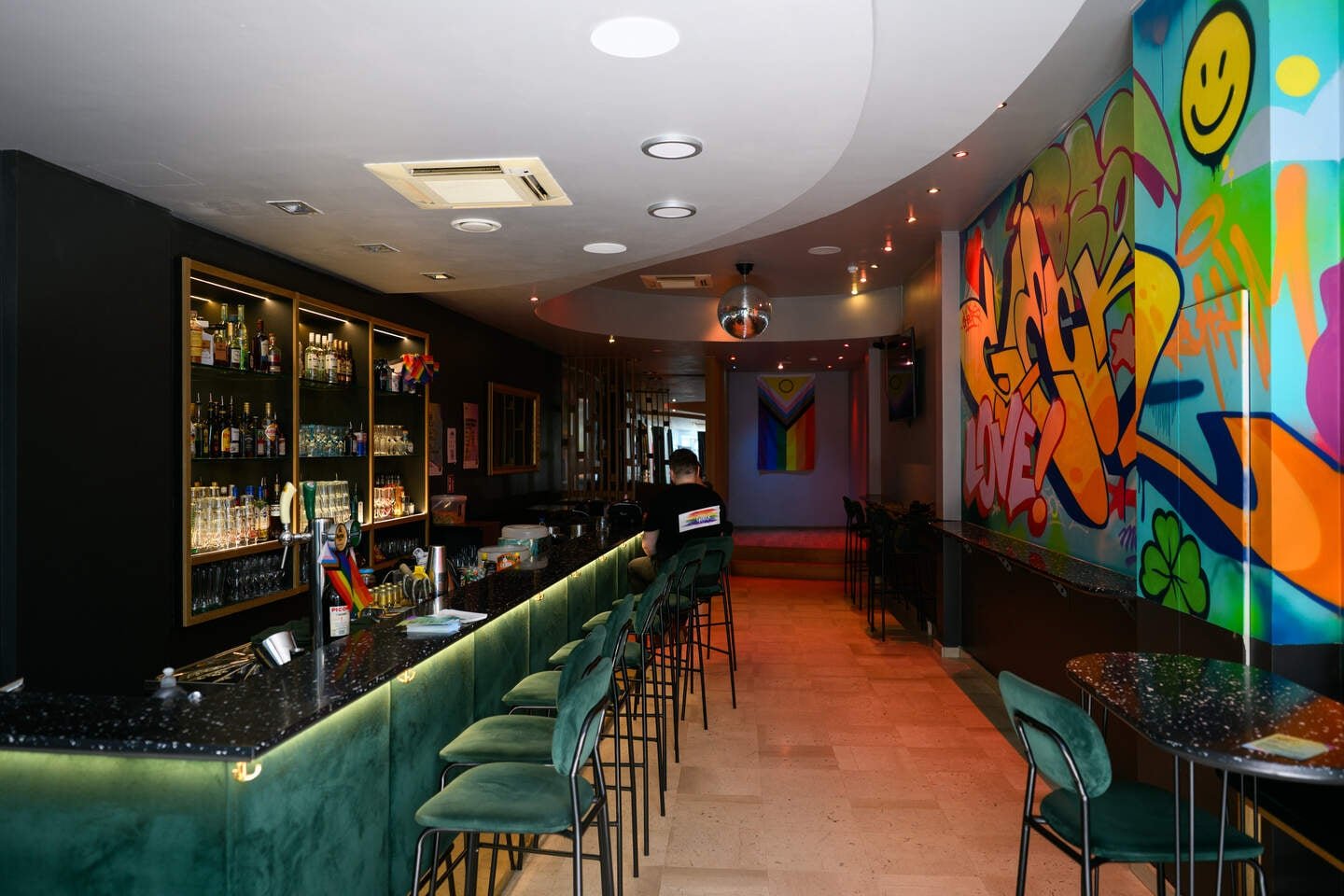
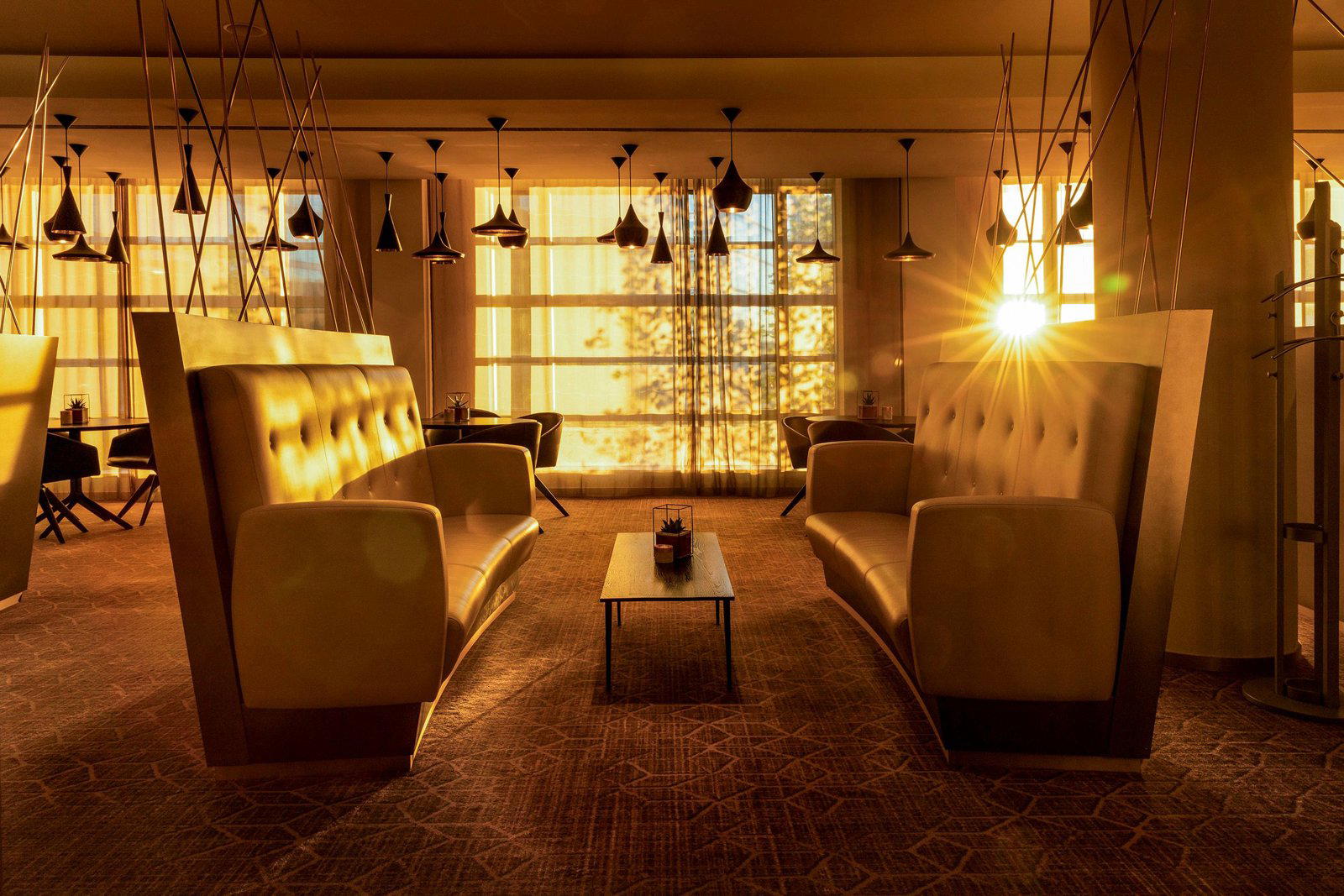

Hotels in Luxembourg
Browse all →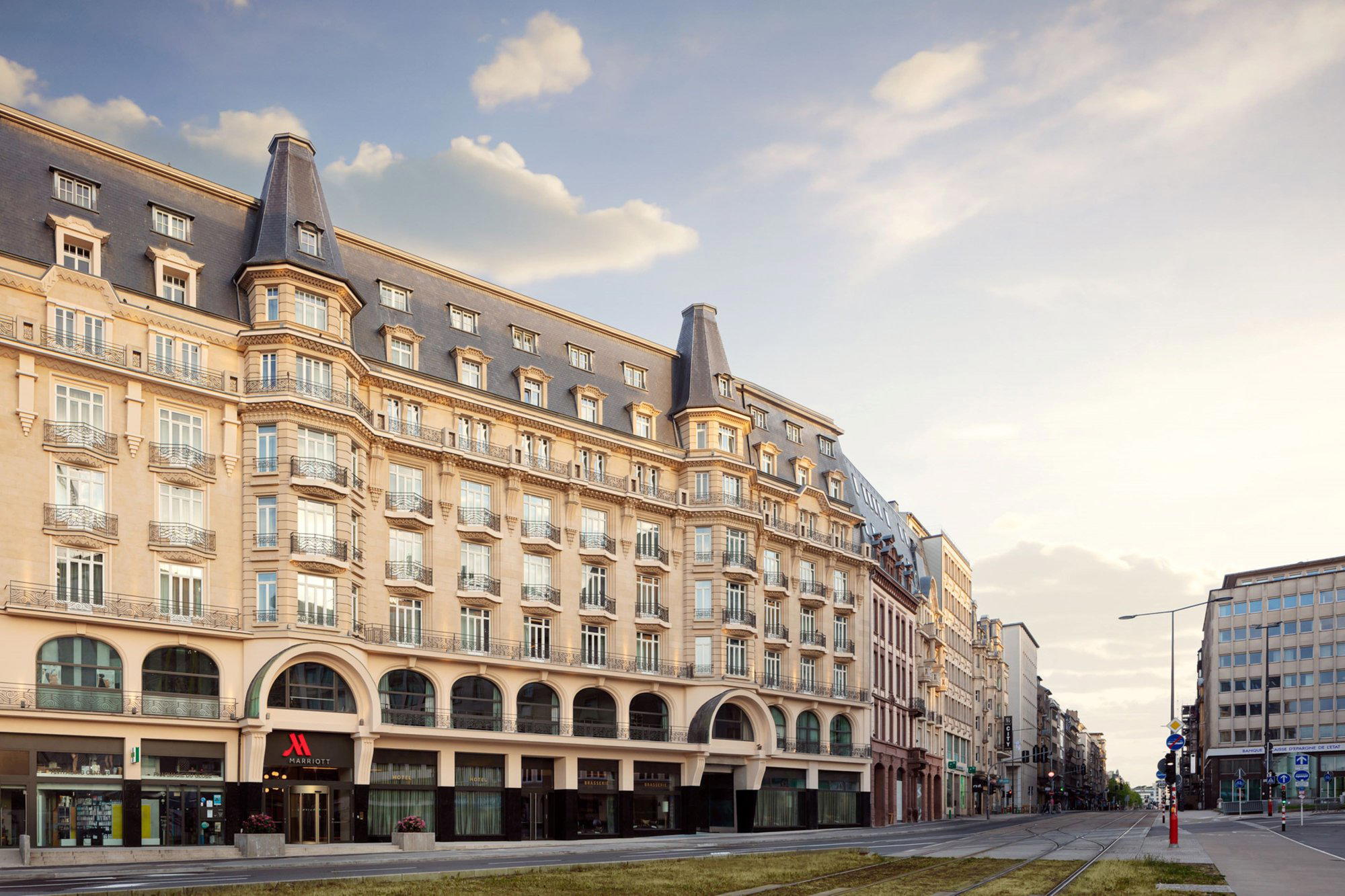
Details
- Modern
- Elegant
- Sophisticated
- Business Dinner
- Celebration
- Date Night
- Hotel Restaurant
- Terrace
- Live Music
- Craft Cocktails
- Beer Program
- Local Sourcing
- A La Carte
- Craft Cocktails
- Local Riesling
- Vegetarian Friendly
Current opening hours
- Monday
- 12–2 PM, 6–9:30 PM
- Tuesday
- 12–2 PM, 6–9:30 PM
- Wednesday
- 12–2 PM, 6–9:30 PM
- Thursday
- 12–2 PM, 6–9:30 PM
- Friday
- 12–2 PM, 6–9:30 PM
- Saturday
- 6–9:30 PM
- Sunday
- 6–9:30 PM
Hours can change for holidays and private events. Last verified .
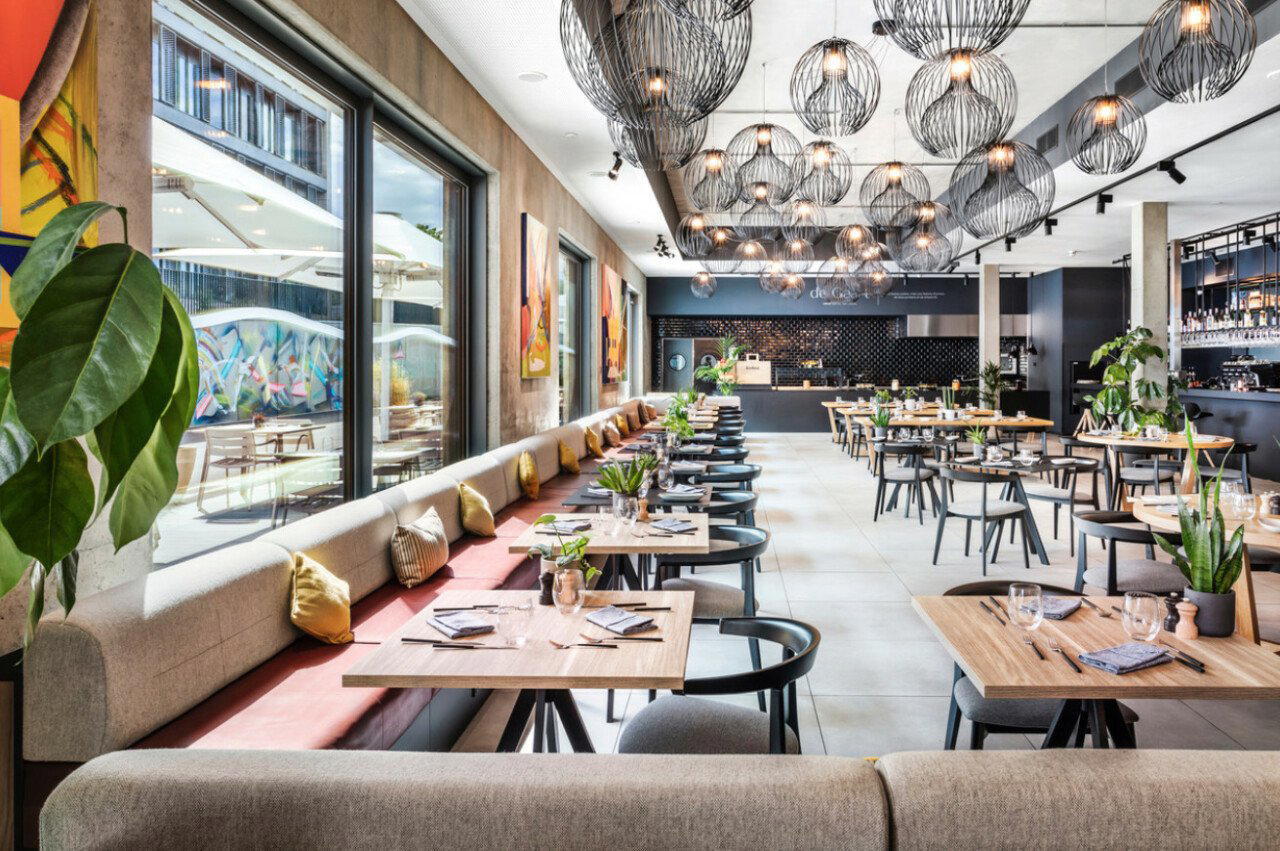
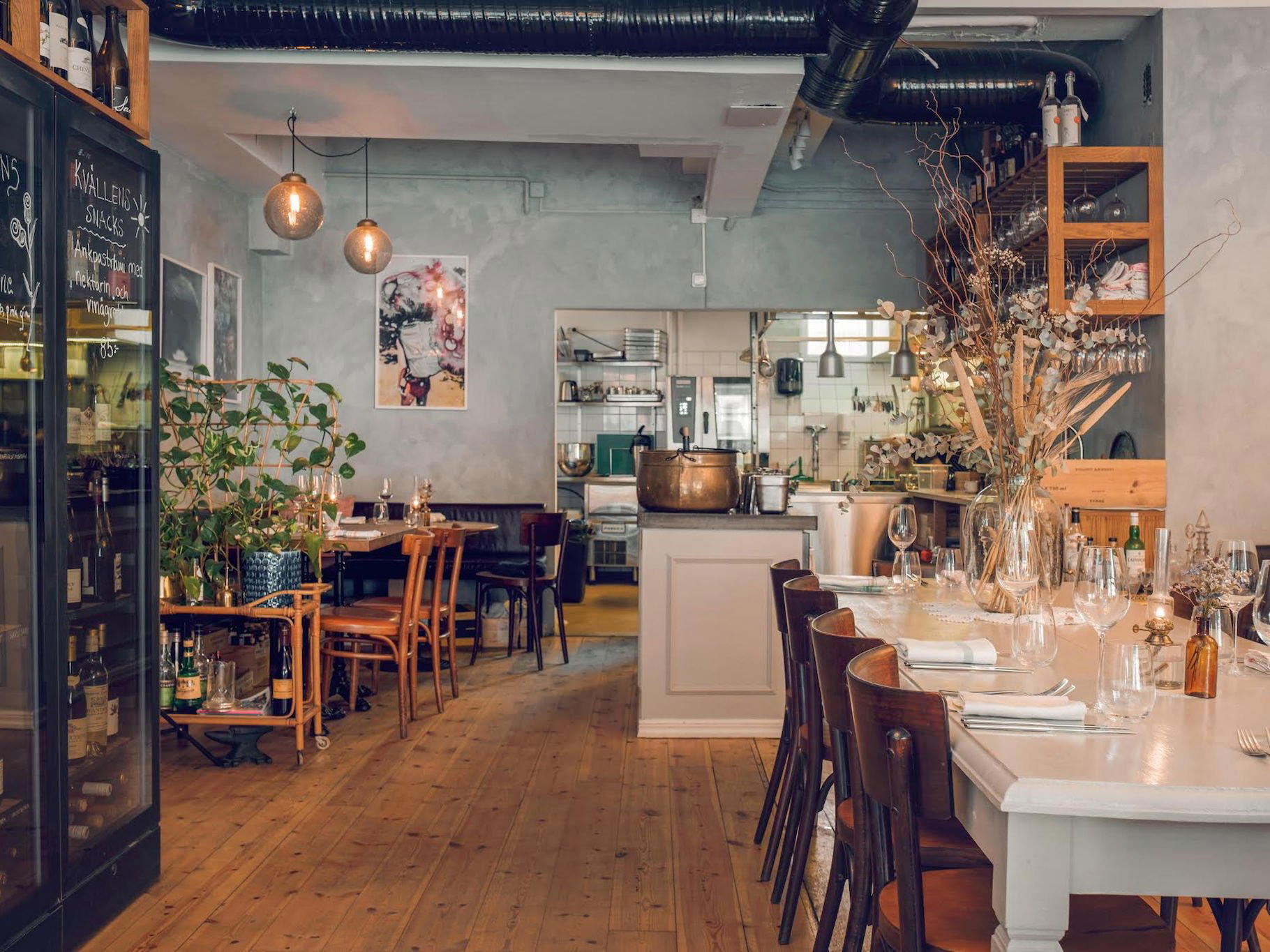
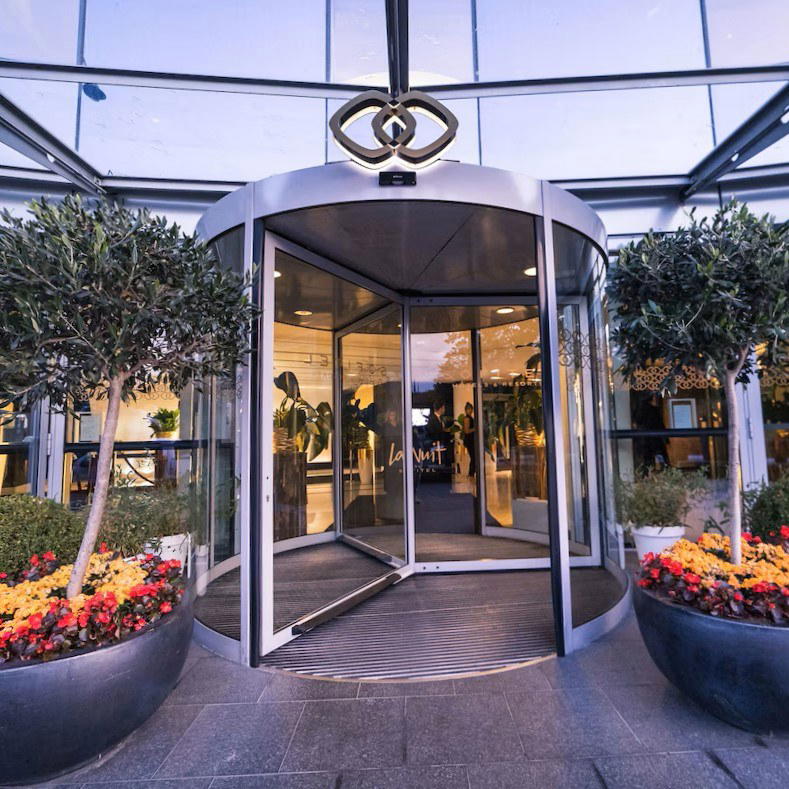
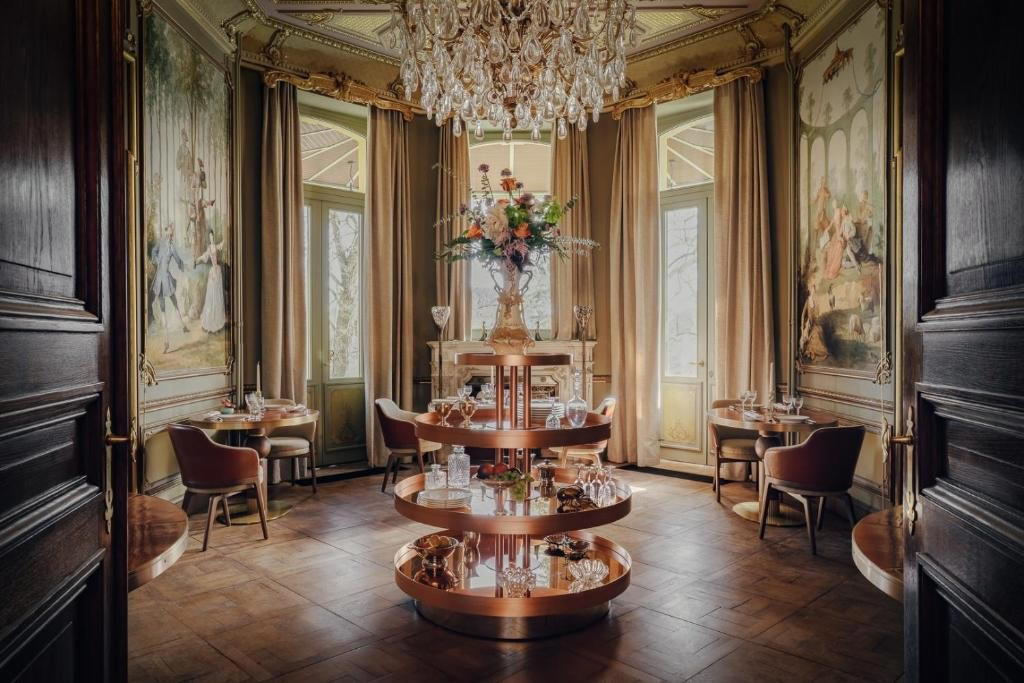
Spacious and modern with hanging plants and street art throughout; features a long bar for cocktails; bright and airy with natural light from the terrace area.