
Michelin Plate
Our verdict
A Michelin Plate-recognised dumpling house in Chaoyang's Tuanjiehu neighbourhood, Baiweiyuan sits at the accessible end of Beijing's increasingly stratified Chinese dining scene. It holds consecutive Michelin Plate recognition for 2024 and 2025, placing it in a small peer group of affordable specialists that the guide considers worth noting alongside the capital's starred restaurants.

Pearl is the En Primeur Club membership app — saves, bookings, and concierge access live there. Same editors, same standards.
- Address
- WFF8+HV9, Tuanjiehu Rd, Tuanjiehu, Chaoyang, Beijing, China, 100026
- Phone
- +86 182 1003 9279
- Directions
- Get directions
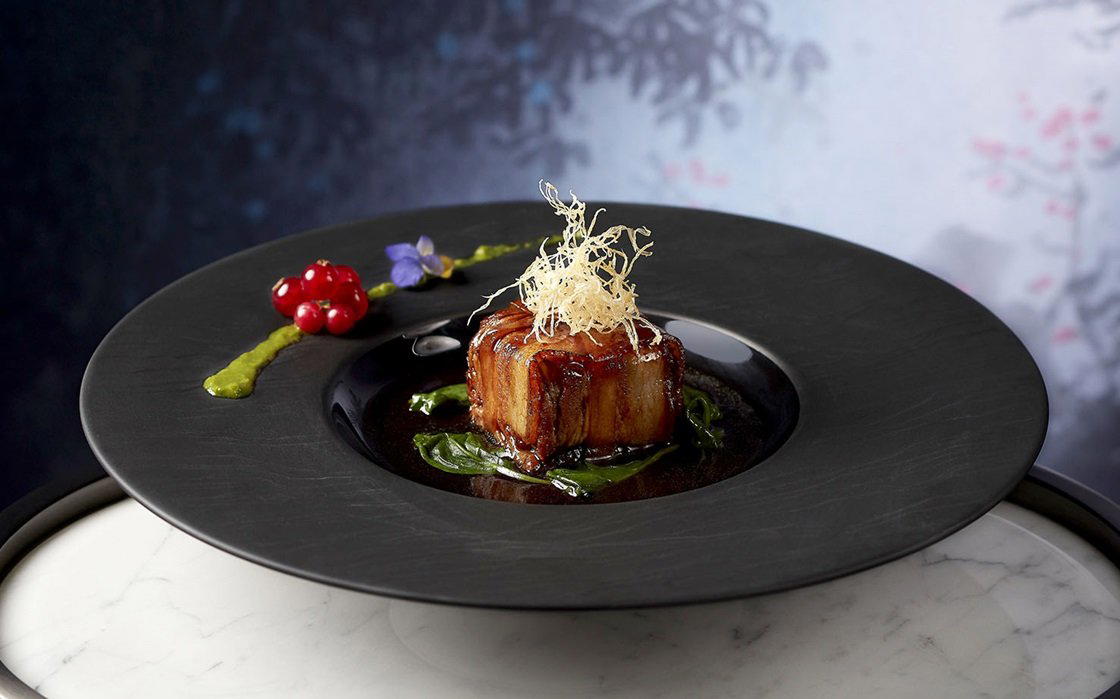
The menu
What to order
- Pork and Chive Dumplings
- Baiwei Dumplings
Tuanjiehu and the Case for Neighbourhood Specialists
Chaoyang's Tuanjiehu district sits east of Sanlitun and north of the diplomatic quarter, a residential zone where morning markets and mid-block lunch canteens coexist with the occasional boutique café. It does not draw the dining-destination traffic that clusters around Sanlitun or the hutong belts of Dongcheng, which is precisely what makes the presence of a Michelin-recognised address here worth examining. Tuanjiehu Rd hosts a particular kind of eatery: places that work on local repeat business rather than tourist conversion, where consistency matters more than spectacle.
Baiweiyuan Dumpling occupies that position. Its single-dish specialisation in dumplings aligns with a well-established pattern in Chinese dining, where the most credible versions of any specific format — from Shanghainese soup dumplings to Shandong boiled varieties — tend to come from houses that have narrowed their focus to that format exclusively. Breadth is often the enemy of depth at the craft end of dumpling-making, where pleating technique, dough hydration, and filling balance each carry their own learning curve.
What Michelin Plate Recognition Actually Signals Here
The Michelin Plate, awarded consecutively in 2024 and 2025, is a less-discussed tier of the Michelin Guide system that sits below the star grades. It denotes restaurants where inspectors found cooking worth recommending, food that is good at its price point and category, without the structural or gastronomic ambitions that propel a place toward star candidacy. In the context of Beijing's guide, where starred addresses include Xin Rong Ji (Xinyuan South Road) at the ¥¥¥¥ tier and three-star Chaozhou specialists like Chao Shang Chao, the Plate category carves out a different but legitimate space: accessible, craft-focused, repeatable.
At a single ¥ price range, Baiweiyuan operates in the most affordable tier of any Michelin-noted venue in the capital. That alone places it in a narrow peer group. Michelin's inspectors in China have expanded their Plate recommendations to include street-level specialists and neighbourhood canteens, part of a broader editorial repositioning the guide has pursued in Asian cities since its early Hong Kong and Macau editions. A Plate at ¥ pricing is a different signal than a Plate at ¥¥¥, it suggests the cooking punches above what the price would predict.
For the Beijing dining scene broadly, this matters. The city's Chinese restaurant recognition at the higher tiers has historically skewed toward higher-price-bracket Cantonese, Taizhou, and prestige Beijing cuisine formats. Single-ingredient or single-category specialists at entry-level prices represent a smaller share of the guide's Beijing output, which makes Baiweiyuan's consecutive appearances more significant than the tier alone might suggest.
Dumplings as a Discipline
Dumplings in northern China occupy a specific cultural register. They are not the restaurant-only format that dim sum represents in a Cantonese context; they are domestic food, festival food, food made collectively in households across the Lunar New Year period. That domesticity creates a calibration problem for formal restaurant dumplings: the benchmark in a diner's memory is often the version made in someone's kitchen, which means a restaurant needs to meet or exceed a personal, often emotional, standard.
The most successful dumpling-focused restaurants in China address this by demonstrating visible craft, hand-pleating in open kitchens, fresh dough made in batches throughout service, fillings sourced with more care than the domestic equivalent could afford. The result is not a copy of home cooking but an amplification of it. Regionally, northern-style dumplings (jiǎozi) lean toward thicker wheat-paste wrappers and substantial meat or vegetable fillings, contrasting with the thinner-skinned varieties of Shanghai or the delicate har gow tradition of Cantonese cuisine. For a comparable approach to the dumpling format further south, Ah Chun Shandong Dumpling in Hong Kong and Dumpling and Drinks on Lanchao Road in Chengdu offer useful regional counterpoints.
Chaoyang's Affordable Specialist Tier
Chaoyang is Beijing's largest district by population and among its most internally varied by dining format. Sanlitun concentrates high-visibility, high-price restaurants serving an internationally mobile clientele. Further east and north, the district transitions to residential patterns where neighbourhood restaurants, often specialising in a single cuisine or dish type, do the bulk of their business with residents and office workers from the surrounding blocks.
Other Michelin-noted addresses in Chaoyang operate in very different segments. Lamdre, a starred vegetarian restaurant, positions at ¥¥¥¥. Chao Shang Chao at three stars and ¥¥¥¥ represents the prestige Chaozhou tradition. The district also contains Beef and Dumplings, another dumpling-oriented address worth noting for readers comparing options in the category. Baiweiyuan at ¥ is not competing in the same register as any of these. It sits at a price point where the comparison set is primarily other local dumpling houses, most of which do not hold Michelin recognition of any tier.
For a broader view of dumpling and Chinese specialist options in the capital, Bao Yuan is another Beijing address frequently cited in the category. The full range of what Beijing's Chinese restaurant scene covers across price tiers is mapped in our full Beijing restaurants guide.
Planning a Visit
The address on Tuanjiehu Rd in Chaoyang places Baiweiyuan in a part of the district that is direct to reach from central Chaoyang by metro or taxi, though it sits outside the immediate walkable radius of the major tourist corridors.
At a ¥ price point, a full meal for two comfortably falls below the cost of a single course at many of Beijing's starred venues. Arriving at non-peak times, before the lunch rush or early in the dinner window, is the practical hedge against waiting. For visitors who want to anchor a Chaoyang eating day around more than one address, the Beijing bars guide and experiences guide cover the district's broader options.
Readers exploring Chinese fine dining across other mainland cities can find comparable editorial depth for venues including 102 House in Shanghai, Ru Yuan in Hangzhou, Xin Rong Ji in Chengdu, Imperial Treasure in Guangzhou, Dai Yuet Heen in Nanjing, and Chef Tam's Seasons in Macau.
Frequently asked questions
Does Baiweiyuan Dumpling have a Michelin star or similar recognition?
Baiweiyuan Dumpling has received recognition including: Michelin Plate (2025); Michelin Plate (2024).
Where exactly is Baiweiyuan Dumpling?
Baiweiyuan Dumpling is located at WFF8+HV9, Tuanjiehu Rd, Tuanjiehu, Chaoyang, Beijing, China, 100026, Beijing.
What's the best thing to order at Baiweiyuan Dumpling?
No itemised menu appears in published records. That said, the Michelin Plate recognition in both 2024 and 2025 was awarded to a restaurant with a single-category focus, so the dumplings themselves are the point. At a ¥ price tier, portions tend to be ordered by the plate rather than composed across a long menu.
Is Baiweiyuan Dumpling expensive?
Pricing at Baiweiyuan Dumpling is listed as ¥.
How hard is it to get a table at Baiweiyuan Dumpling?
Arriving during off-peak hours — mid-morning or mid-afternoon — is the practical approach at Chaoyang spots of this type.
What's Baiweiyuan Dumpling best at?
The Michelin Plate, held for two consecutive years in 2024 and 2025, signals consistent quality at an accessible price tier — the guide's recognition that cooking here clears a meaningful threshold without the ceremony of a starred room. Within Beijing's Tuanjiehu district, that positions Baiweiyuan as a reliable specialist rather than an occasional destination.
The Short List
A quick snapshot of similar venues for side-by-side context.
| Venue | Cuisine | Price | Awards | Notes |
|---|---|---|---|---|
| Baiweiyuan DumplingThis venue — the venue you are viewing | Traditional Beijing Dumplings | $10–20 | Michelin Plate | Not listed |
| Jing | Modern French with Asian Influences | $300–500 | 1 Michelin Star · Black Pearl 1 Diamond | French Contemporary |
| Xin Rong Ji (Xinyuan South Road) | Taizhou Chinese Fine Dining | $300–500 | 3 Michelin Stars · World's 50 Best #84 | Taizhou |
| Chao Shang Chao (Chaoyang) | Modern Teochew (Chaoshan) Fine Dining | $200–300 | Michelin Plate · La Liste Top Restaurants | Chao Zhou |
| Lamdre | Modern Plant-Based Chinese Vegetarian | Not listed | 2 Michelin Stars · World's 50 Best #17 | Vegetarian |
| Jingji | Imperial Beijing Royal Cuisine | $200–300 | 2 Michelin Stars · La Liste Top Restaurants | Beijing Cuisine |
Recognition history
Dated appearances from independent guides and award organizations, with the underlying list record or original source where available.
Michelin Plate
Michelin
Full recognition history (2 entries)
Michelin Plate
Michelin


Details
- Classic
- Cozy
- Family
- Casual Hangout
- Group Dining
- Open Kitchen
- A La Carte
- Vegetarian Friendly
- Vegan Options
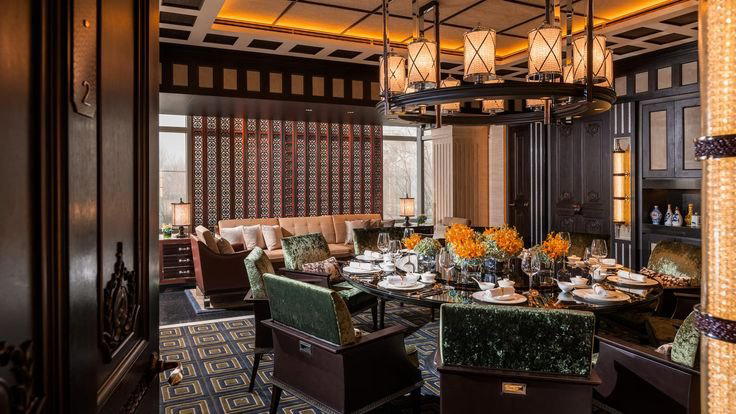
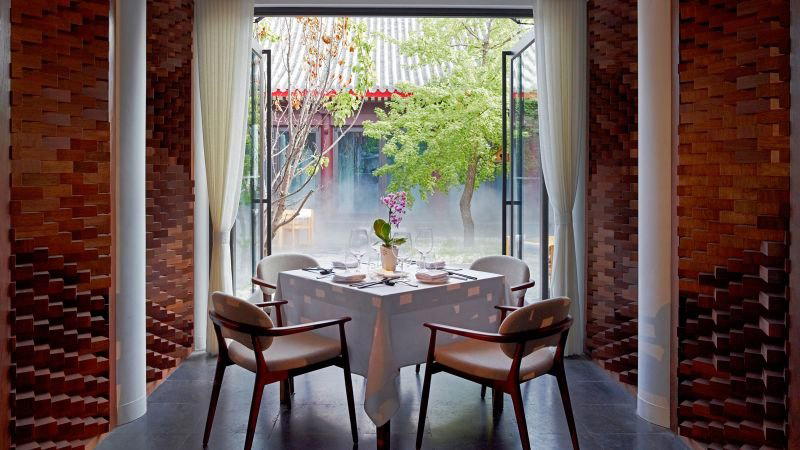
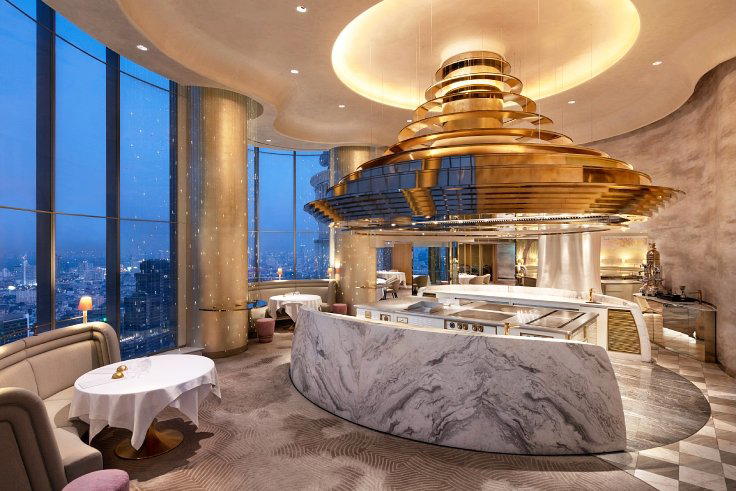
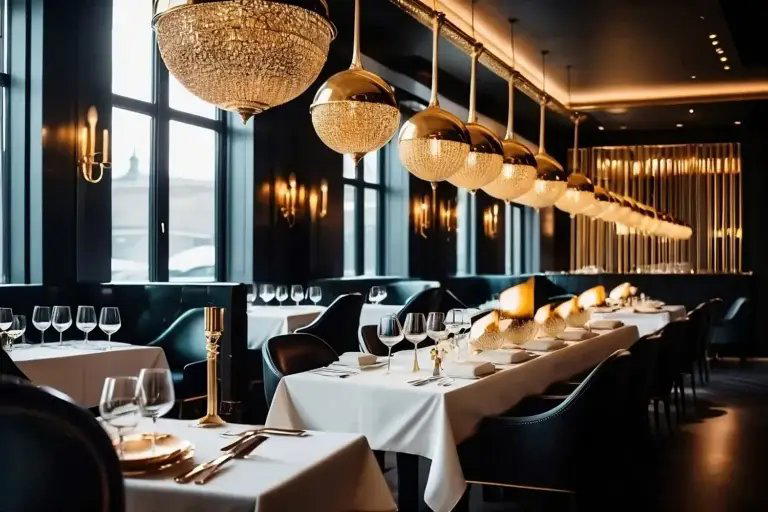
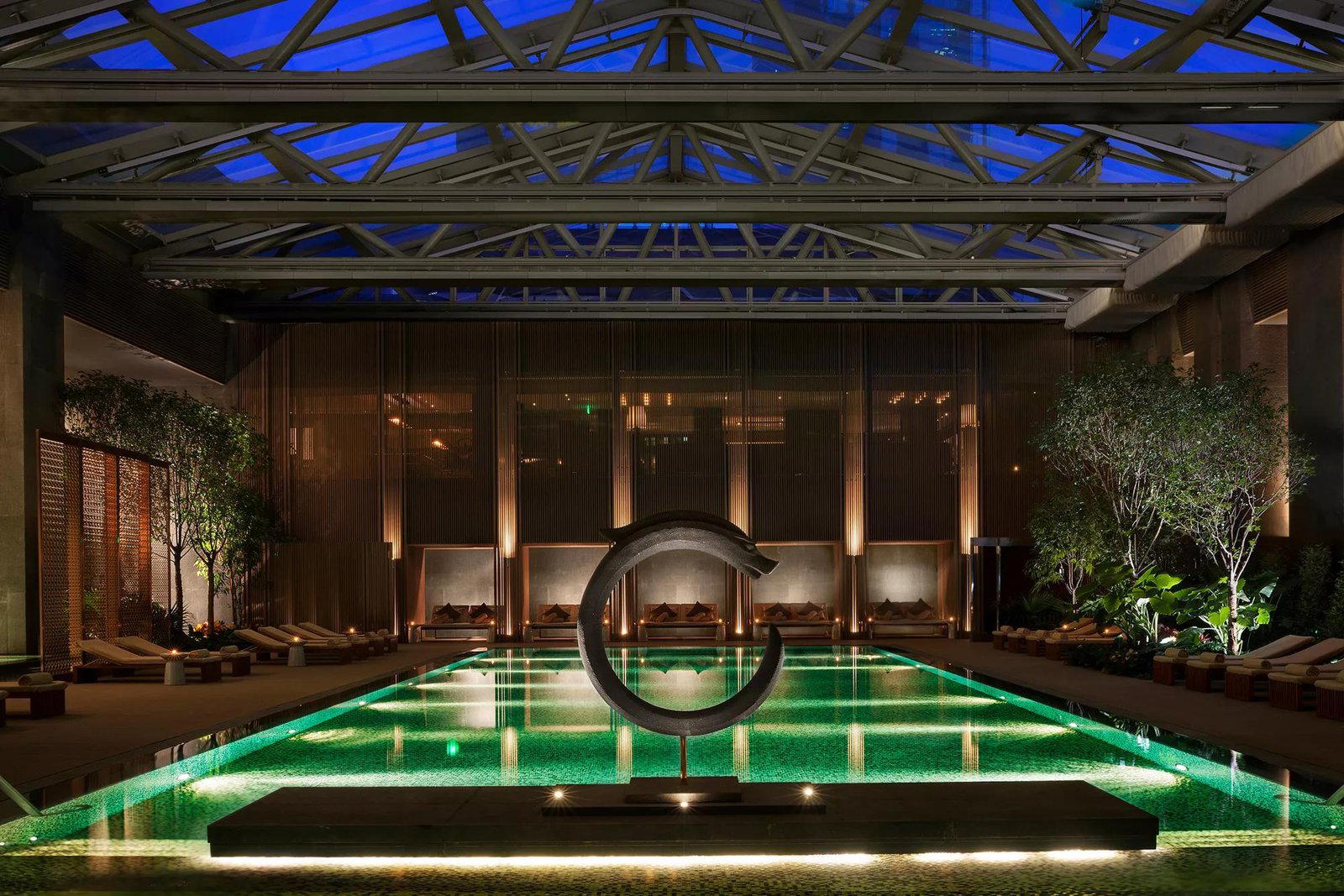
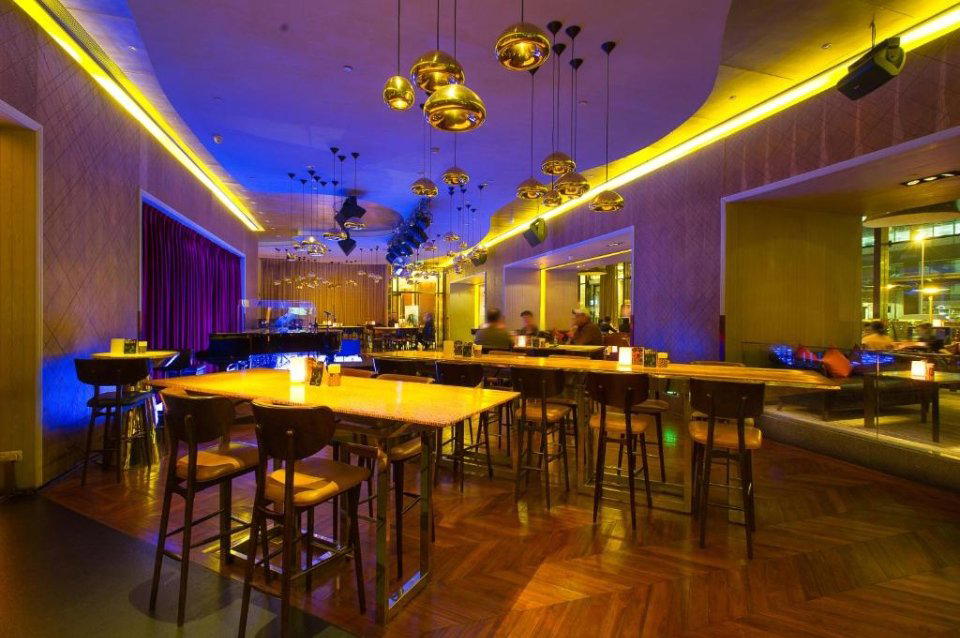
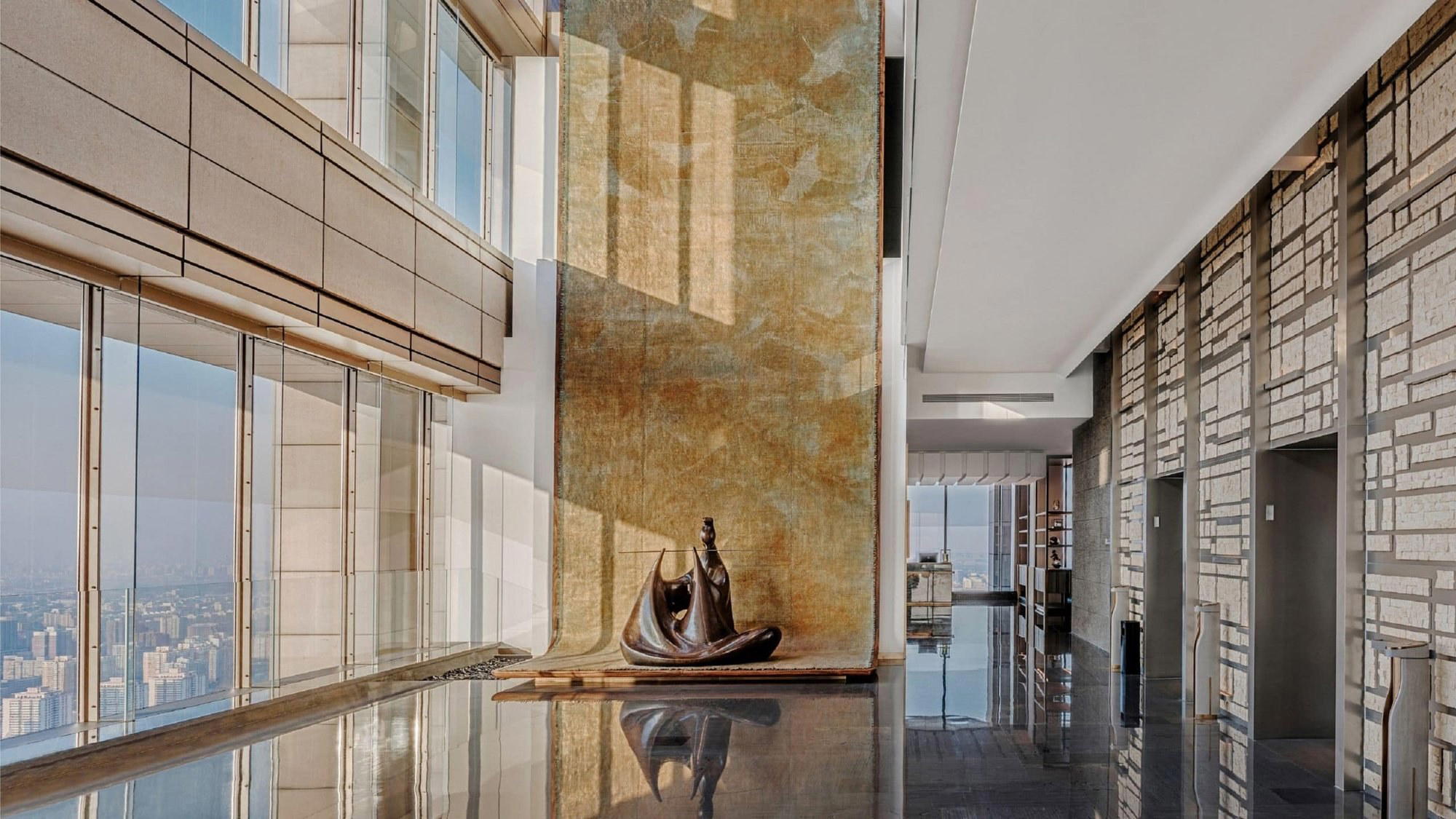
Traditional setting with courtyard dining areas, fountains, and Chinese decor, creating a warm yet basic local atmosphere.