Positioned above the Galerie Cathédrale in the heart of Liège, Le Shanghai occupies a first-floor address that immediately separates it from the street-level dining crowd. The setting alone rewards the climb, and the restaurant has built a following among those who prioritise atmosphere and space over volume. For visitors exploring Liège's dining scene, it belongs in any serious itinerary.
Pearl is the En Primeur Club membership app — saves, bookings, and concierge access live there. Same editors, same standards.
- Address
- Galerie Cathédrale, Pl. de la Cathédrale 104/1er étage, 4000 Liège, Belgium
- Phone
- +3242222263
- Website
- leshanghai.be
- Directions
- Get directions
 Saves & bookings on Pearl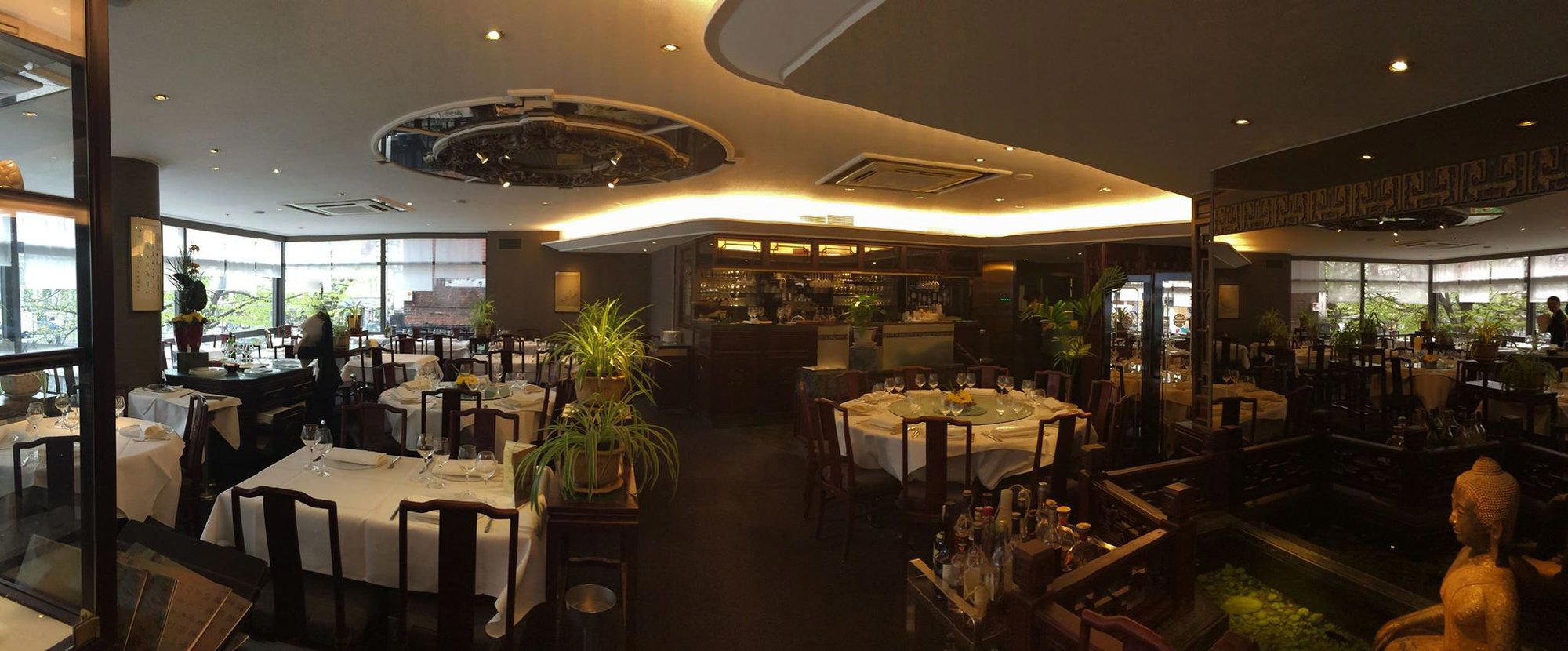
A First Floor Above the Noise
In most Belgian cities, the restaurants that last are rarely the ones with the most visible frontages. Liège follows the same pattern. Le Shanghai sits on the first floor of the Galerie Cathédrale, at Place de la Cathédrale 104, which means it operates one level above the foot traffic and ambient noise that defines the square below. That vertical separation is not incidental — it shapes the entire character of the space. Arriving means ascending, and the transition from the cathedral plaza to the dining room produces the kind of atmospheric discontinuity that better-known cities engineer expensively and artificially.
The Galerie Cathédrale itself is one of Liège's more underappreciated architectural containers: a covered gallery format that sits in a long European tradition of commercial arcades repurposed as dining and retail destinations. Le Shanghai's position within it, refined and recessed, gives the address a distinct physical logic. The room is not announcing itself to passing pedestrians; it rewards those who already know where they are going.
The Physical Container
In a city where the dining stock ranges from zinc-counter brasseries to newer creative formats like Héliport Brasserie and ¡Toma!, Le Shanghai occupies a different spatial register. The gallery setting introduces a covered, semi-interior quality to the approach — neither fully street nor fully room, that acts as a kind of threshold architecture. This is the category of dining space that European cities produce well and that newer hospitality markets frequently try to recreate from scratch at significant cost.
The first-floor elevation adds something specific: a degree of remove from the street that most ground-floor dining in Liège cannot offer. Tables positioned near the gallery-facing aspect would logically command views down into the arcade, while the interior depth of the room creates a gradation from animated to quieter seating. This spatial layering, where the choice of table changes the character of the meal, is a physical feature that no amount of interior decoration can substitute for. It is either present in the architecture or it is not.
For context, the comparable dynamic in Belgian dining tends to appear in converted townhouses and institutional spaces. Restaurants like Zilte in Antwerp, which occupies the upper floors of the MAS museum, and Bozar Restaurant in Brussels, positioned within a major cultural venue, demonstrate how refined or architecturally embedded addresses carry a distinct hospitality character. Le Shanghai's gallery positioning places it in that tradition at a more accessible register.
Liège's Dining Context
Liège has a dining identity that Belgium's more internationally profiled cities, Brussels, Ghent, Antwerp, tend to overshadow. That relative obscurity has produced a restaurant scene with fewer performative gestures and more durable neighbourhood establishments. The Italian contingent is strong: Al Piccolo Mondo, Altro Maccheroni, and Antipasti di Sophie each hold ground in different sub-segments of that category. The French brasserie format remains present, and newer creative formats have established footholds in the city's more active quarters.
Within this map, a Chinese restaurant occupying a historic gallery address above the cathedral square represents a specific kind of positioning. Chinese dining in mid-sized European cities tends to concentrate in lower-rent, high-footfall corridors. An address like Le Shanghai's, architecturally embedded, refined, away from the immediate street competition, suggests a different set of priorities, whether in terms of clientele, price positioning, or the dining experience the space is designed to produce. That physical statement is part of the restaurant's identity in Liège's dining geography.
For broader reference, Belgium's top-end dining is well-documented: institutions like Hof van Cleve, Boury in Roeselare, and Willem Hiele operate at the Michelin-starred end of a market that takes food seriously at every tier. Liège participates in that national seriousness without the density of starred addresses found in Flanders, which tends to concentrate the recognition in its independent neighbourhood restaurants rather than headline venues.
What the Address Signals
A restaurant's address is, in part, an editorial statement about who it is for and what kind of experience it is structured to provide. Ground-floor, high-visibility placements optimise for walk-in trade and maximum throughput. Le Shanghai's first-floor gallery position optimises for something else: deliberate arrival, a clear separation from the street, and a spatial experience that is architectural rather than commercial in its first impression.
This pattern recurs across European dining at various price points. Some of the most durable restaurant addresses in cities like Paris, Vienna, and Brussels are in passages, courtyards, or upper floors, locations that filter the clientele by requiring an intentional decision to seek them out. The social and commercial logic of such spaces tends to produce more consistent rooms: tables filled by people who chose to be there, rather than those who simply walked past.
For visitors approaching Liège's dining scene from elsewhere in Belgium or from international travel, it is worth noting that the city's cathedral quarter is walkable and compact. The Galerie Cathédrale address is close to the central landmarks, and the surrounding blocks include a range of dining options at different price points. Anyone planning a broader evening in Liège would find the full range of options covered in our Liège restaurants guide.
Planning a Visit
As is standard practice for restaurants in this category, contacting the venue directly or visiting the address is the most reliable approach for current availability. The gallery location means the entrance is not directly on the main square frontage; allow a moment to orient within the arcade on arrival.
For those building a wider Belgian itinerary, the country's dining map extends well beyond Liège. Coastal addresses like Bartholomeus in Heist, Wallonian options like d'Eugénie à Emilie and L'air du Temps in Liernu, and Flemish addresses like De Jonkman and Castor in Beveren each represent distinct regional expressions of Belgian cooking at the serious end of the market. For international reference points at a different scale entirely, Le Bernardin and Atomix in New York City sit in the tier of dining that Belgian chefs frequently cite as benchmark.
How Le Shanghai Liège compares with similar nearby venues.
| Venue | Cuisine | Price |
|---|---|---|
| Enoteca | Italian | €€ |
Continue exploring
More in Liège
Restaurants in Liège
Browse all →
Bars in Liège
Browse all →
Hotels in Liège
Browse all →

At a Glance
- Elegant
- Classic
- Intimate
- Sophisticated
- Date Night
- Business Dinner
- Special Occasion
- Private Dining
- Extensive Wine List
- Street Scene
Current opening hours
- Monday
- 12–2:30 PM, 6–10:30 PM
- Tuesday
- Closed
- Wednesday
- 12–2:30 PM, 6–10:30 PM
- Thursday
- 12–2:30 PM, 6–10:30 PM
- Friday
- 12–2:30 PM, 6–10:30 PM
- Saturday
- 12–2:30 PM, 6–10:30 PM
- Sunday
- 12–2:30 PM, 6–10:30 PM
Hours can change for holidays and private events. Last verified .
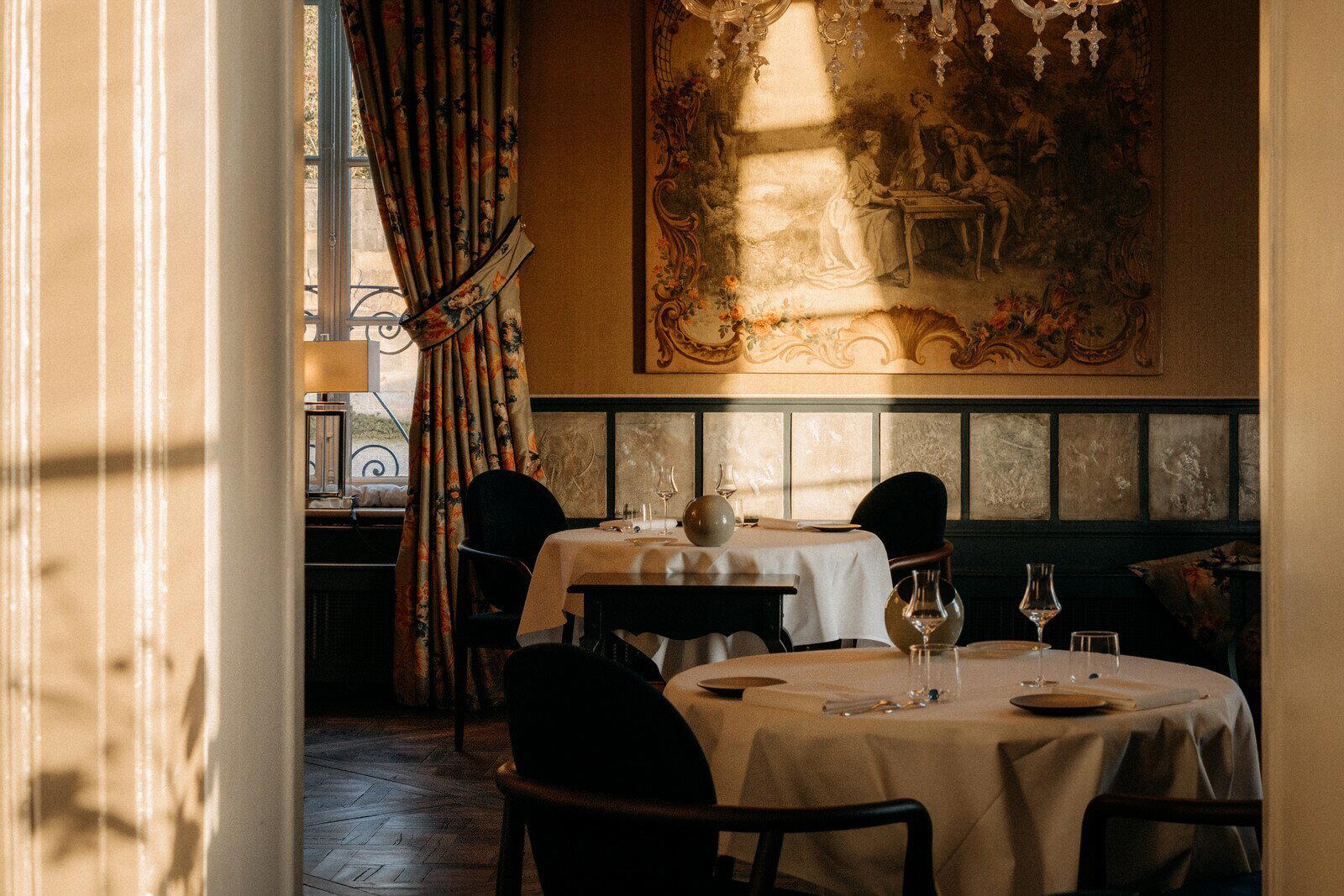
Feutrée ambiance with traditional furniture and dimmed lighting, offering a classy and cosmopolitan atmosphere.
Know Before You Go
- Getting there
- Galerie Cathédrale, Pl. de la Cathédrale 104/1er étage, 4000 Liège, Belgium