
We're Smart World 1 Radish
Our verdict
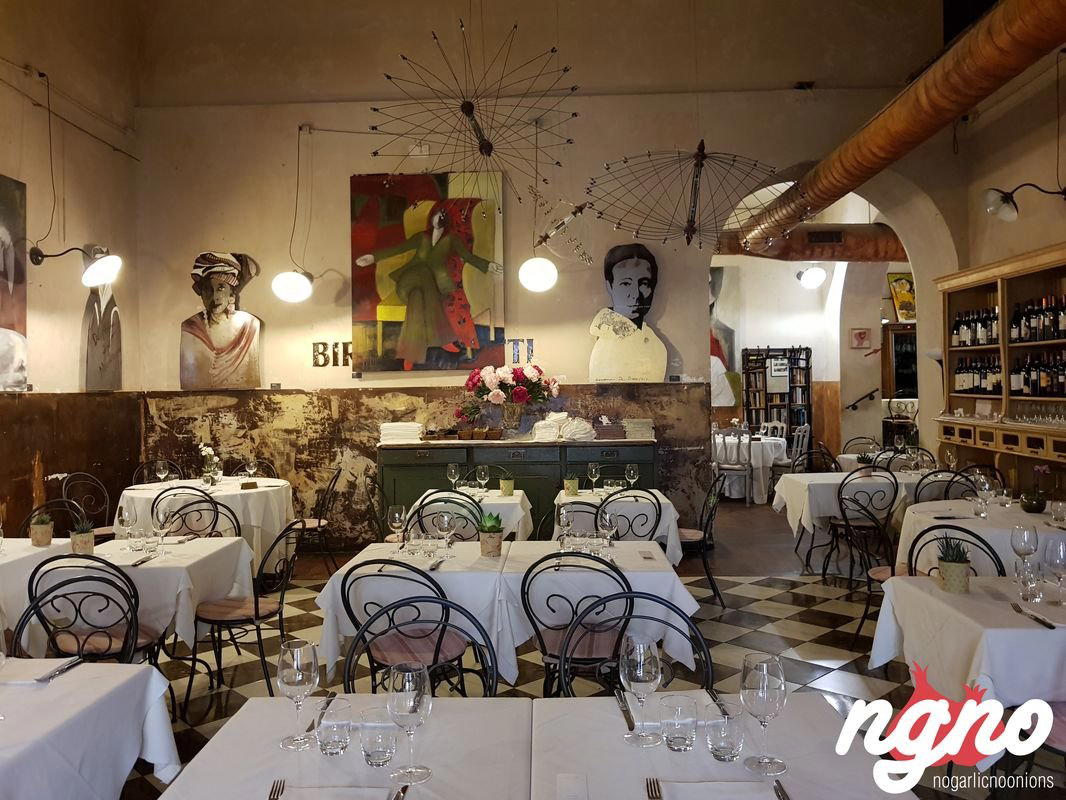
Cheese appears where it belongs, the cooking is classical and well-executed, and the setting does most of the work before a dish arrives.

Pearl is the En Primeur Club membership app, where members save venues, book tables and use the concierge.
The menu
What to order
- Veal Wellington
- Ravioli
- Babette cake
That geographical logic matters more in Rome than in most cities. Roman dining culture has always been neighbourhood-anchored, shaped by proximity to markets, parks, and the rhythms of the surrounding streets rather than by destination-dining ambition. Babette, in that sense, reads as a continuation of a long pattern rather than a departure from it. For context on how Rome's broader restaurant scene maps across those neighbourhood patterns, see our full Roma RM restaurants guide.
What the Kitchen Actually Prioritises
Italian cuisine has always derived its authority from ingredients rather than technique, and nowhere is that more explicit than in the vegetable traditions of Roman cooking. Carciofi alla romana, puntarelle dressed with anchovy, slow-braised artichokes: the canon is long, the sourcing expectations high. Babette's menu positions itself inside that tradition through a commitment to seasonal vegetables, with family recipes providing the structural logic of what gets cooked and how.
The kitchen's approach is classically executed rather than progressive. This is not a restaurant experimenting with fermentation or cold-extraction techniques; it is one working within established preparations where the quality of the raw ingredient determines the outcome. Cheese appears on the menu where it reinforces rather than distracts, which places Babette in an interesting middle tier of vegetable-forward Italian cooking: more committed to produce than a conventional Roman trattoria, less dogmatic about plant-only cooking than the small number of fully vegan restaurants operating in the city. That positioning is honest and, in practice, more useful to a broad range of diners.
The distinction matters because Rome's relationship with vegetable-forward cooking has historically been complicated. The city's most celebrated culinary traditions, coda alla vaccinara, cacio e pepe, carbonara, are either offal-heavy or dairy-and-cured-meat driven. Restaurants that make seasonal produce the editorial centre of their menu are working against a city-wide default, which gives Babette's approach a clarity of purpose that a similar restaurant in, say, Milan or Bologna would not need to assert so directly.
Family Recipes as a Sourcing Argument
Emphasis on family recipes at Babette is an ingredient-sourcing argument as much as a sentimental one. Family cooking in the Italian context implies a relationship with specific producers, seasonal calendars, and inherited knowledge about what to do with a vegetable at a particular point in its growing cycle. It implies patience with preparation methods that are time-consuming but extract the most from a given ingredient. And it implies a resistance to standardisation, the kind of sourcing logic that traces back to a specific market stall or a particular farmer rather than a centralised distribution agreement.
That context places Babette in a different conversation from Italy's high-end contemporary restaurants, where the sourcing narrative is frequently explicit and built into tasting-menu storytelling. Restaurants like Reale in Castel di Sangro or Atelier Moessmer Norbert Niederkofler in Brunico make ingredient provenance a programmatic statement, building menus around hyper-regional sourcing with multi-course architectures designed to foreground it. Babette operates at a different register entirely: the sourcing logic is implied by the cooking tradition rather than narrated to the diner. That restraint is appropriate to the format and the neighbourhood.
For comparison, Italy's most technically ambitious vegetable-forward cooking tends to appear at the €€€€ tier, where restaurants such as Le Calandre in Rubano and Piazza Duomo in Alba incorporate produce sourcing into formally structured tasting menus. Babette's proposition is less structured, more daily-rotation in character, and positioned for a different kind of visit: lunch near the park rather than a planned evening around a progression of courses.
The Setting and Its Logic
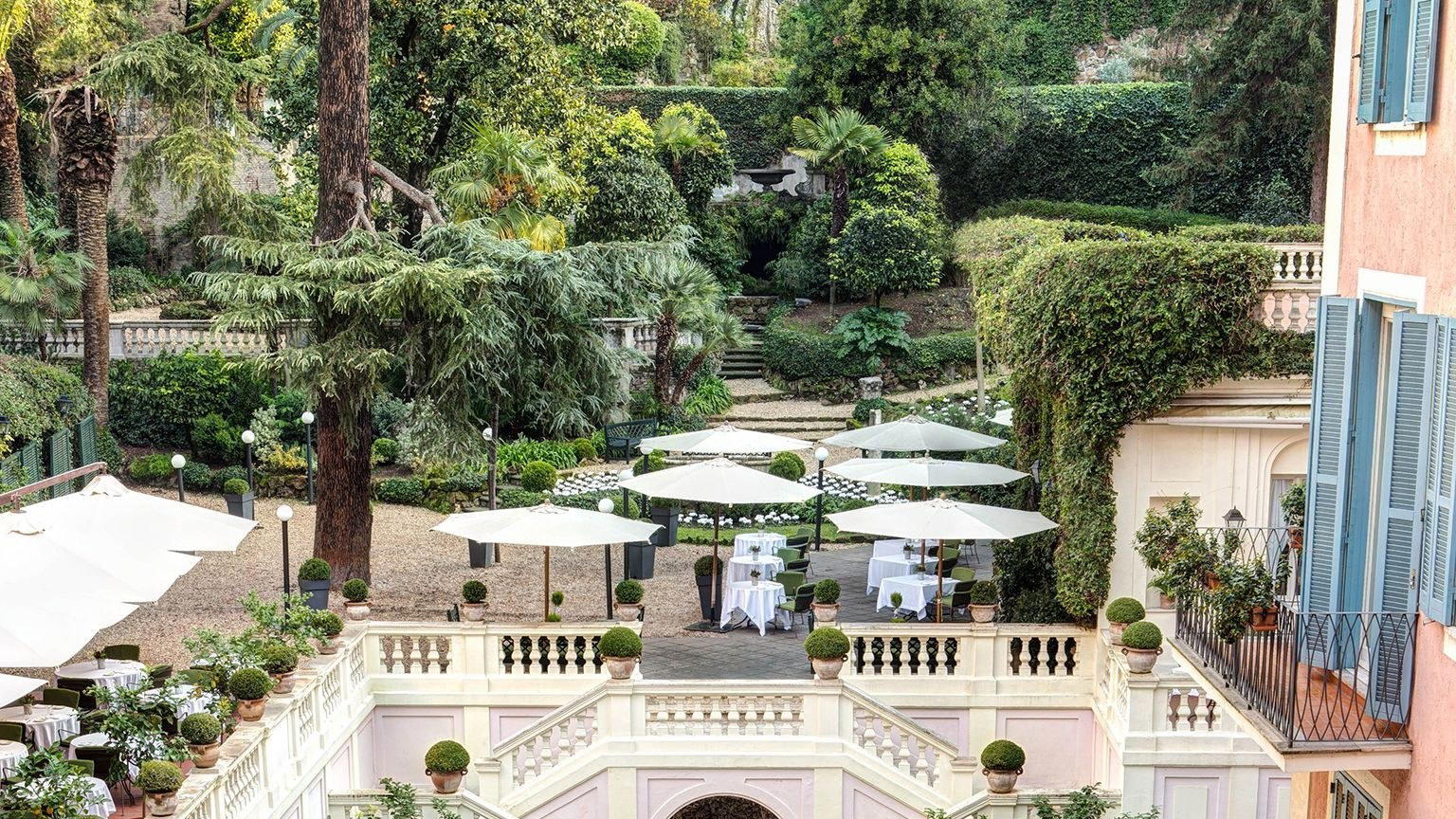
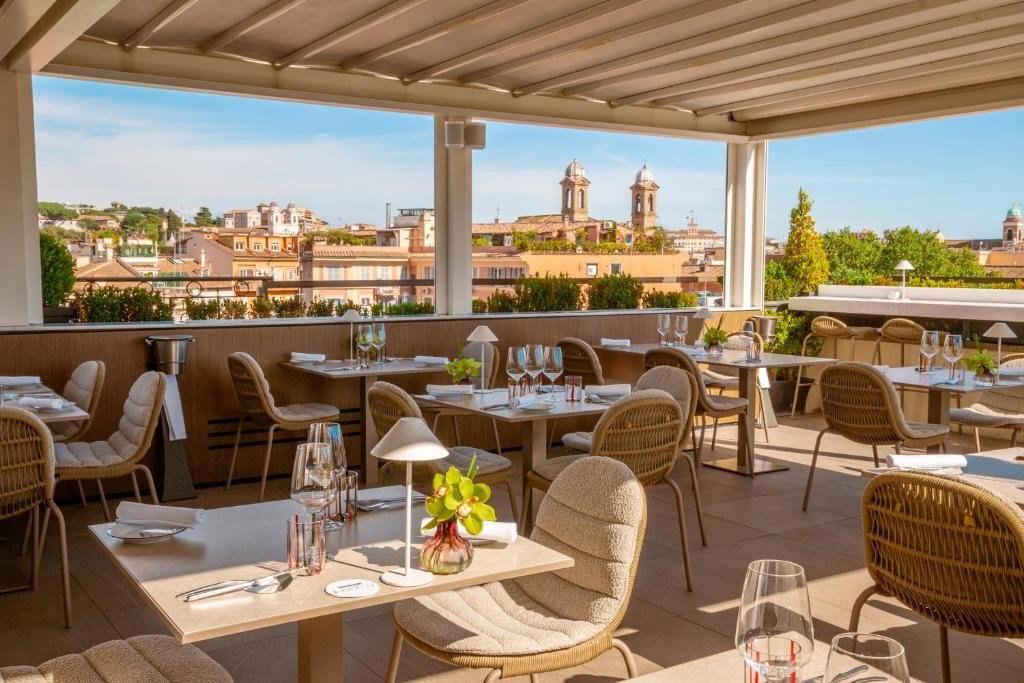
The proximity to Villa Borghese shapes when and how Babette functions leading. The park draws a particular mix of Romans and visitors who are moving through the city at a slower pace than the average tourist itinerary allows, and the restaurant's position at the foot of the street captures some of that unhurried register. Dining in or near green space in Rome has a specific seasonal character: the city's winters are mild enough to make outdoor proximity pleasant from late February onward, and the late spring and autumn periods are when Roman outdoor-adjacent dining reaches its most comfortable pitch. Several galleries remain on the street, and the concentration of design-adjacent businesses gives the block a texture that differs from Rome's more heavily trafficked dining corridors. For visitors structuring a day around the Borghese gallery and gardens, Babette's location makes geographic sense in a way that requires no particular detour. For hotels in the area that place guests within walking distance, see our full Roma RM hotels guide.
Where Babette Sits in Rome's Dining Picture
Rome has not produced the density of three-star Michelin restaurants that Milan or the northern regions have. The capital's dining culture runs deeper in the trattoria and osteria tier, where cooking is judged against longstanding neighbourhood standards rather than international benchmarks. The city's most critically recognised restaurants, which tend to operate at price points and formality levels well above Babette's register, form a separate category. For readers interested in Italy's most decorated dining rooms, the relevant reference points include Osteria Francescana in Modena, Enoteca Pinchiorri in Florence, and Dal Pescatore in Runate, all of which operate at the formal end of Italian fine dining.
Babette occupies a different position: a family-recipe-driven kitchen that uses seasonal vegetables as its primary ingredient argument, set on one of Rome's most historically textured streets. That is a coherent and self-consistent proposition. It does not require comparison with the starred tier to be understood, and it functions leading when evaluated on the terms it actually sets rather than ones imposed from outside.
Rome's broader offer across bars, wine, and experiences is covered in our Roma RM bars guide, our Roma RM wineries guide, and our Roma RM experiences guide. For international reference points in ingredient-led cooking at different price tiers, Uliassi in Senigallia, Quattro Passi in Marina del Cantone, Enrico Bartolini in Milan, Casa Perbellini 12 Apostoli in Verona, Le Bernardin in New York City, and Emeril's in New Orleans each illustrate how different national traditions handle the relationship between sourcing and kitchen practice. The restaurant sits at the intersection of a residential and gallery district, which means the surrounding block is quieter than central tourist Rome at most hours. Given that no advance booking data is publicly confirmed, visitors with fixed itineraries should plan conservatively and check availability directly. For the surrounding neighbourhood, late morning through early afternoon represents the most comfortable window for a visit tied to the Borghese gardens.
Frequently asked questions
Is Babette child-friendly?
Babette's format, family recipes built around seasonal vegetables and occasional cheese, translates well to younger diners. Via Margutta is a calm, gallery-lined street, which makes the surrounding environment less hectic than busier Roman thoroughfares. Rome's trattoria-register restaurants generally accommodate families without difficulty, and nothing in Babette's positioning suggests otherwise.
What should I expect atmosphere-wise at Babette?
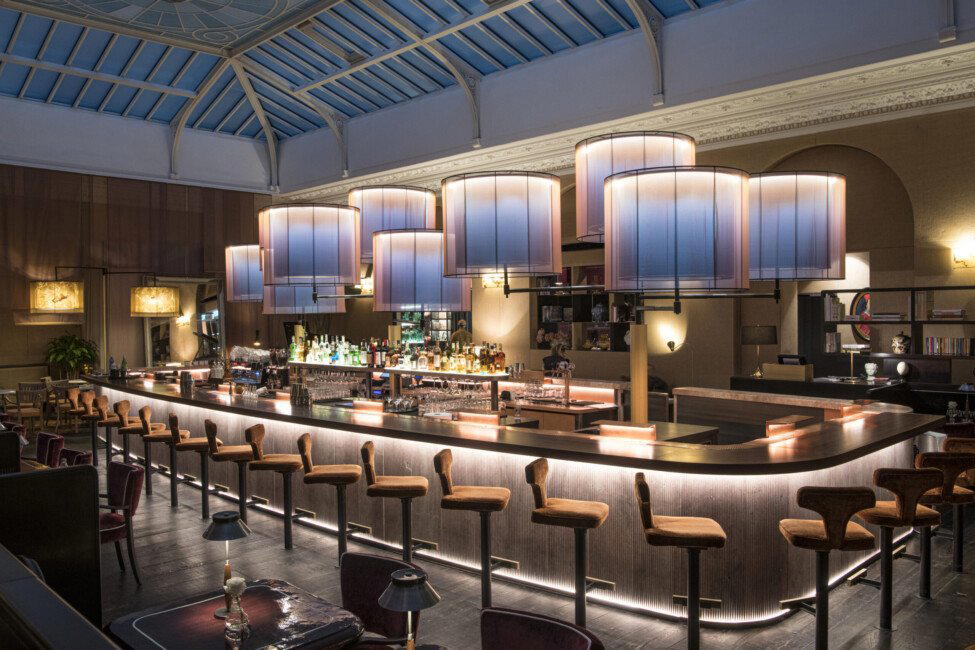
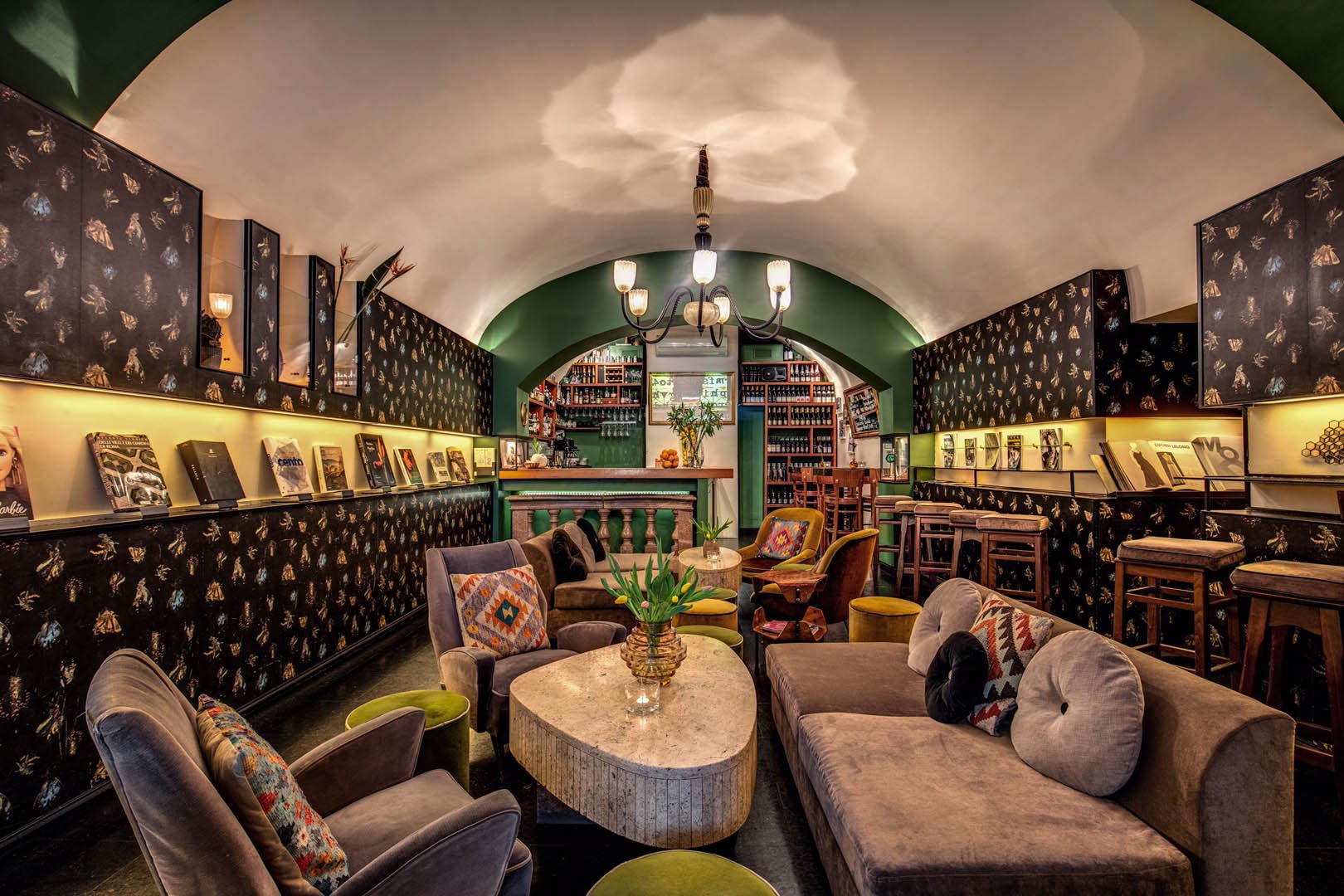
Via Margutta 1d sits on one of Rome's quietest central streets, historically associated with artists' studios and small galleries. The setting, directly beside a park in the heart of the city, gives the immediate surroundings a slower pace than comparable addresses near the Spanish Steps or Campo de' Fiori. The overall register is relaxed and neighbourhood-oriented rather than formal.
Has Babette won any awards?
Babette has received recognition including: The family recipes take center stage here, prepared in a classic and well-executed way. The menu includes a range of delicious pure plant creations, sometimes featuring cheese as well. Is this a true example of a vegetable-focused restauran….
What dish is Babette famous for?
That approach reflects a broader Italian tradition where the ingredient, particularly the vegetable harvest, carries the argument. Expect the menu to shift with what is in season.
In Context: Similar Options
Comparable venues nearby, for context on price, style, and recognition.
| Venue | Cuisine | Price | Awards | Notes |
|---|---|---|---|---|
| BabetteThis venue (the venue you are viewing) | French-Italian Bistro | $50–100 | We're Smart World 1 Radish | Not listed |
| Baccano | Traditional Roman Trattoria | $50–100 | Not listed | Trevi |
| Soho House Rome | Modern Roman & Venetian | Not listed | Not listed | Tiburtino |
| Da Tullio | Classic Roman Trattoria | $50–100 | Not listed | Trevi |
| Marzapane | Modern Italian Fine Dining | $50–100 | Not listed | Collatino |
| Antica Trattoria Belletti | Traditional Bolognese / Emilian Trattoria | $30–50 | Not listed | Montepastore |
Recognition history
Dated appearances from independent guides and award organizations, with the underlying list record or original source where available.
We're Smart World 1 Radish
We're Smart World
Continue exploring
More in Roma RM
Restaurants in Roma RM
All restaurants in Roma RM →
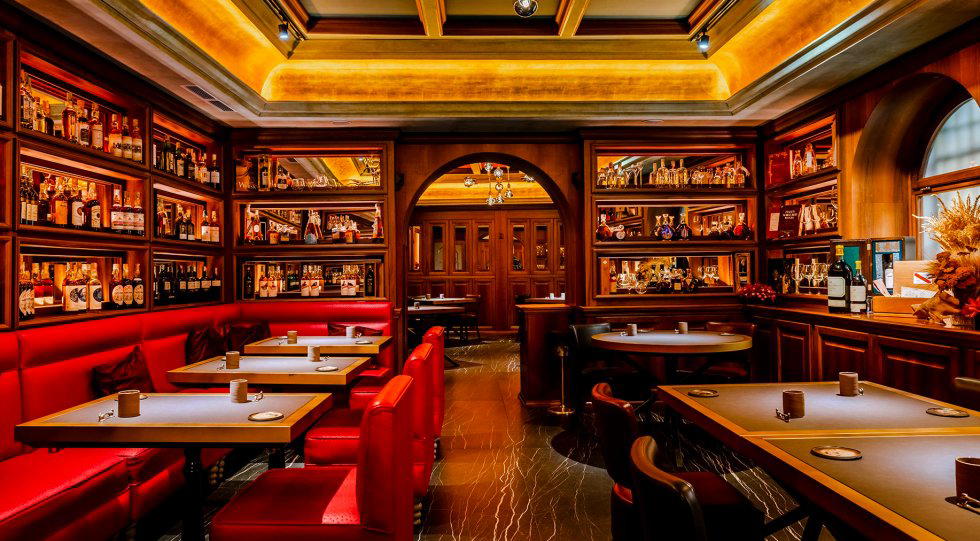
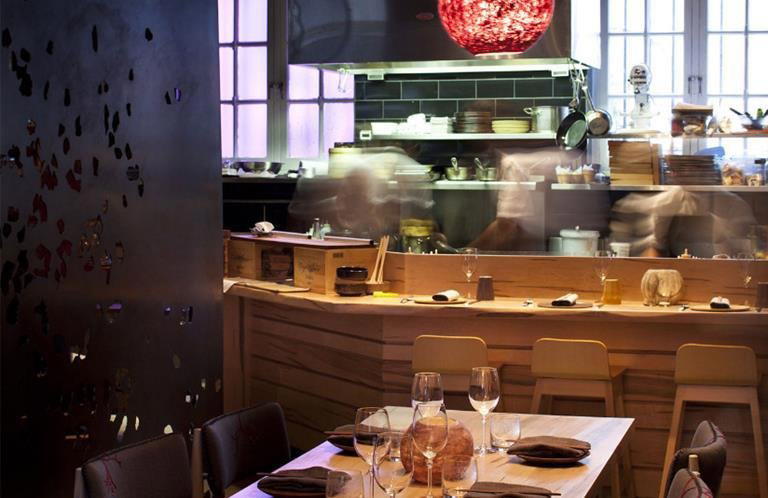
Bars in Roma RM
Browse all →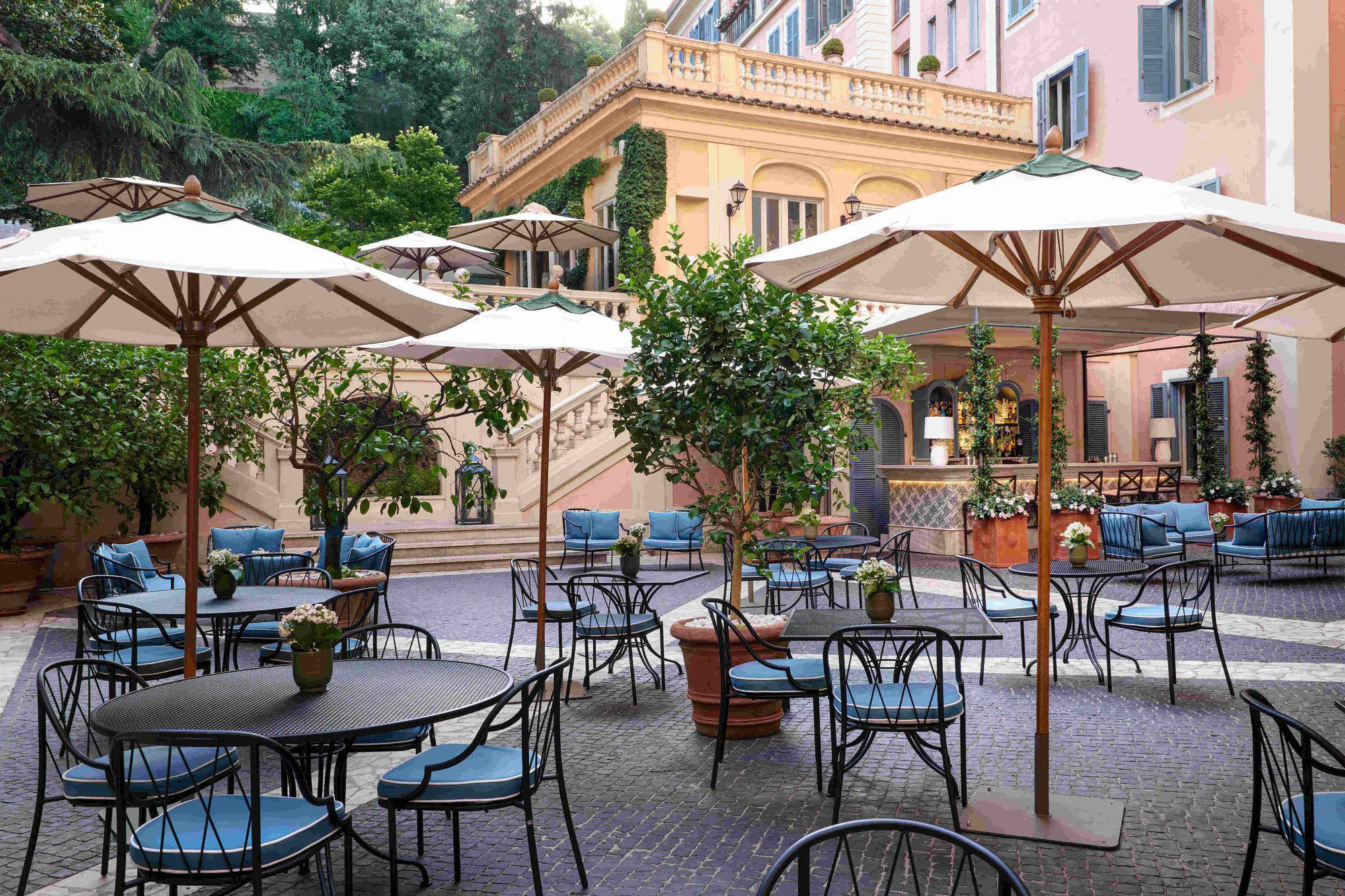


Details
- Romantic
- Cozy
- Elegant
- Intimate
- Date Night
- Special Occasion
- Group Dining
- Courtyard
- Extensive Wine List
- A La Carte
- Wine
- Cocktails
- Vegetarian Friendly
- Vegan Options
- Gluten Free Options
Current opening hours
- Monday
- Closed
- Tuesday
- 9:15 AM–10:30 PM
- Wednesday
- 9:15 AM–10:30 PM
- Thursday
- 9:15 AM–10:30 PM
- Friday
- 9:15 AM–10:30 PM
- Saturday
- 9:15 AM–10:30 PM
- Sunday
- 10:30 AM–10 PM
Hours can change for holidays and private events. Hours as of .
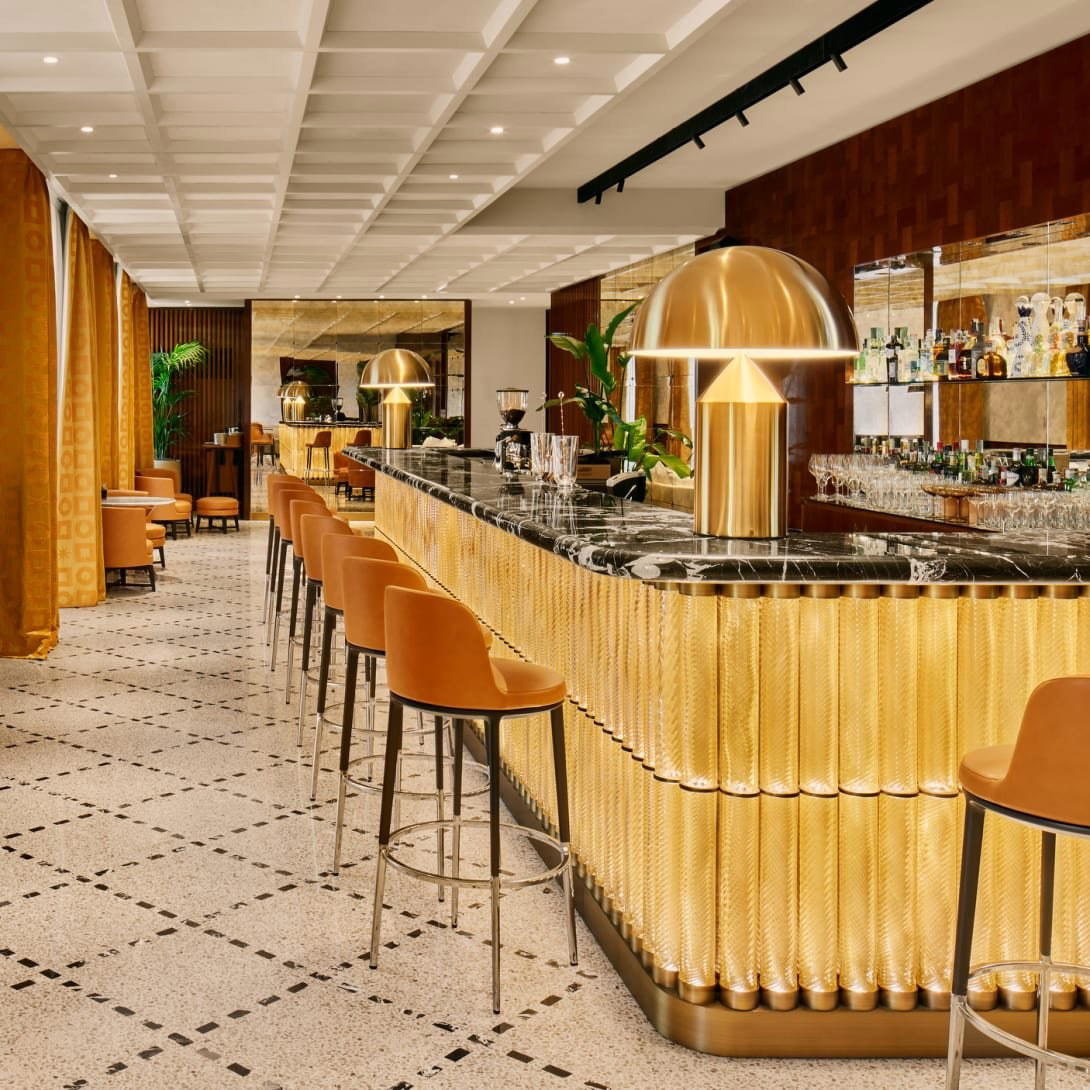
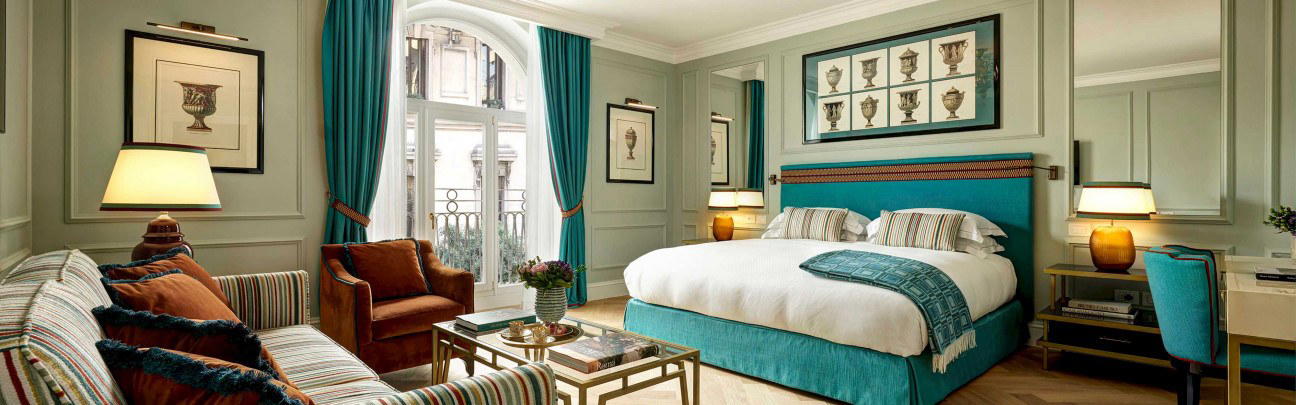
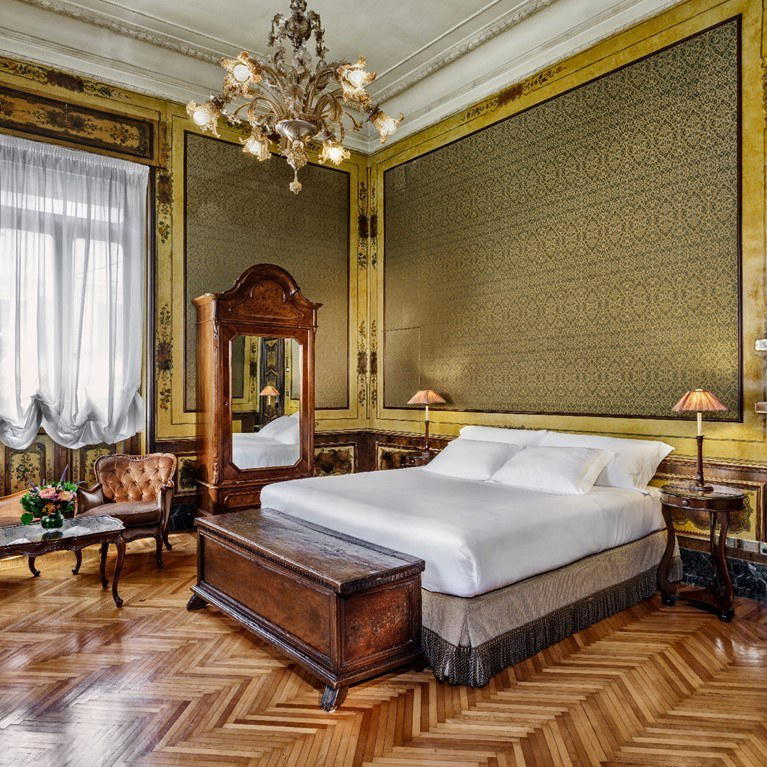
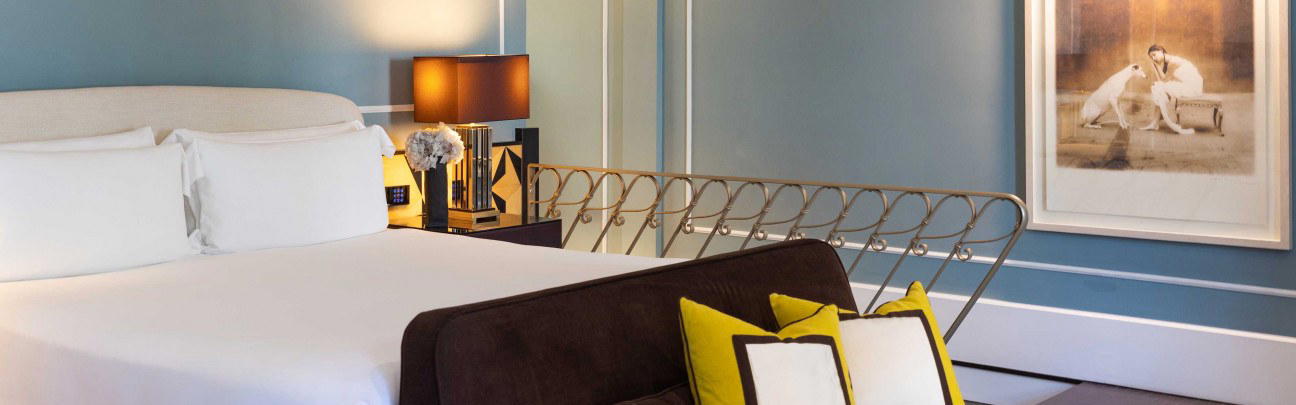
Cozy rustic-chic with warm lighting, intimate table spacing, and tranquil courtyard seating praised for romantic, relaxing atmosphere.