Our verdict
Baan Somtum sits in Bangkok's Bang Rak district on Thanon Si Wiang, occupying a position within a city where regional Thai cooking has gained serious critical attention alongside its fine-dining peers. The restaurant's name signals a direct claim on som tum, the pounded green papaya salad that anchors northeastern Isan cooking, placing it firmly within a tradition that Bangkok diners have long treated as both everyday and deeply considered.

Pearl is the En Primeur Club membership app — saves, bookings, and concierge access live there. Same editors, same standards.
- Address
- 9, 1 Thanon Si Wiang, Si Lom, Bang Rak, Bangkok 10500, Thailand
- Phone
- +66625919355
- Hours
- Daily 11 AM–10 PM
- Website
- baansomtum.com
- Directions
- Get directions
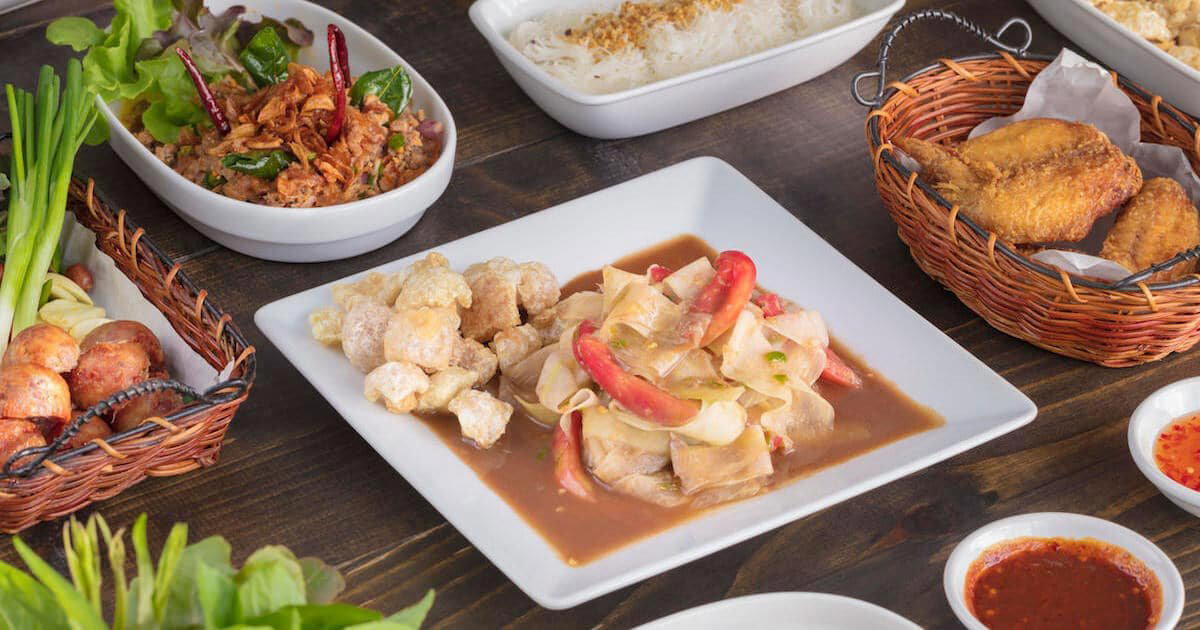
The menu
What to order
- Somtum Luang Prabang
- Larb Moo
- Tom Yum Goong
- Grilled Catfish
- Isaan Sausages
The Architecture of a Som Tum Meal
The tasting progression at a restaurant built around som tum follows a logic that differs from a Western multi-course structure. Rather than a linear movement from lighter to richer, an Isan meal tends to operate through contrast and rhythm: the sharp, sour, and fermented punctuated by the smoky and the starchy. Som tum itself arrives in variations that range from the relatively clean central-Thai style, dressed with lime, palm sugar, dried shrimp, and fish sauce, to the more aggressive northeastern versions that introduce pla ra, the fermented fish paste that gives the dish a depth and funk that Western palates often need a moment to recalibrate around.
That progression matters because the rest of the table is built to support it. Grilled meats, particularly gai yang (marinated grilled chicken) and mu ping (pork skewers), serve as anchors of fat and smoke against the acid of the papaya. Sticky rice, eaten by hand and rolled into small balls, is the textural constant that moves through every course, absorbing the surrounding sauces and acting as the connective tissue of the meal. Larb, the chopped meat salad dressed with toasted rice powder and fresh herbs, sits toward the center of the progression, bridging the rawness of the papaya salad and the density of the grilled proteins. The meal ends not with sweetness in the European sense but with a kind of satiation built from layers of heat, fermentation, and starch.
Understanding this sequence is what separates an informed visit from an arbitrary one. At venues like Baan Chik Pork Noodles in Udon Thani, that regional logic is embedded in the menu without explanation.
Bang Rak as a Dining Address
The Bang Rak district has evolved considerably from its earlier identity as the neighborhood of the old commercial riverfront. Today it sits between the dense hospitality corridor of Silom and the riverside, absorbing foot traffic from business travelers, long-stay expatriates, and local workers who know the area's side streets better than any guidebook does.
The address places Baan Somtum within a few minutes of BTS Surasak, which makes it accessible without requiring a taxi from the tourist-heavy areas of Sukhumvit. The neighborhood around it, with its mix of street vendors and office buildings, reinforces rather than contradicts the food's origins.enprimeurclub.enprimeurclub. See PRU in Phuket applies a farm-to-table framework to southern ingredients. In Ko Samui, Baan Suan Lung Khai anchors itself to local produce and southern island cooking. In Nakhon Ratchasima, Banmai Chay Nam works from the northeastern tradition on its home ground. The consistent thread is that Thai regional cooking is no longer treated as secondary to a cosmopolitan fine-dining identity; it has developed its own vocabulary of critical attention. Venues like AKKEE in Pak Kret and Le Bernardin in New York City and Lazy Bear in San Francisco, where a singular culinary focus drives the entire program. Anuwat in Phang Nga similarly draws on the specific ingredient traditions of its coastline rather than defaulting to a pan-Thai menu. And at The Spa in Lamai Beach, the surrounding environment shapes the offering in a parallel way. The nearest BTS station is Surasak, a short walk away, making it direct to reach from Silom or the riverside hotels. Booking ahead is advisable if you are visiting on a weekend or with a group.
Frequently asked questions
Where is Baan Somtum in Bangkok?
Baan Somtum is located at 9, 1 Thanon Si Wiang, Si Lom, Bang Rak, Bangkok 10500, Thailand, Bangkok.
How does Baan Somtum differ from typical Thai restaurants in Bangkok's Si Lom area?
Most restaurants in the Si Lom and Bang Rak corridor default to central Thai or pan-regional menus aimed at office workers and international visitors. Baan Somtum at 9/1 Thanon Si Wiang commits specifically to Isan cooking — the northeastern tradition that treats som tum, sticky rice, and laab as a cohesive cuisine rather than individual dishes on a broader menu. That regional focus is less common at this Bangkok address than the location might suggest.
What should I eat at Baan Somtum?
The menu is built around som tum, the Isan papaya salad that anchors northeastern Thai cooking. At a restaurant structured this way, the progression typically moves through different som tum preparations alongside grilled proteins and sticky rice — the supporting cast that Isan cuisine treats as essential, not optional. Check with the restaurant directly for current menu specifics.
Should I book Baan Somtum in advance?
Bangkok's serious regional Thai restaurants, particularly those in the Bang Rak and Si Lom corridor, fill quickly at lunch and dinner. Baan Somtum at 9/1 Thanon Si Wiang is a compact address — reservations ahead of your visit are advisable, especially for groups. Contact the restaurant to confirm availability and current booking policy.
What's the standout thing about Baan Somtum?
The focus is specificity: this is Isan cooking in a city where Thai menus often default to central-region dishes for broad appeal. Situating a som tum-led restaurant in Bang Rak, one of Bangkok's more cosmopolitan dining districts, is itself a positioning statement about the seriousness of northeastern Thai cuisine.
Is Baan Somtum allergy-friendly?
Isan cooking relies heavily on fermented fish sauce, dried shrimp, and fresh chillies — common allergens for those with shellfish sensitivities or low heat tolerance. Guests with dietary restrictions should contact the restaurant at 9/1 Thanon Si Wiang, Si Lom, Bang Rak before visiting to confirm what substitutions are possible.
Is a meal at Baan Somtum worth the investment?
For anyone interested in regional Thai cooking beyond the central-Thai standards that dominate most Bangkok menus, yes — the case for Baan Somtum is its specificity.
Awards and Standing
Comparable venues nearby, for context on price, style, and recognition.
| Venue | Cuisine | Price | Notes |
|---|---|---|---|
| Baan SomtumThis venue — the venue you are viewing | Authentic Isaan Thai Somtum | $10–20 | Not listed |
| Seng Potchana | Thai-Chinese Seafood | $20–30 | Sukhumvit (between Thong Lo and Phrom Phong) |
| Bangkok Bold Kitchen | Bold, regional Thai comfort food | $1–10 | Pathum Wan |
| Thip Samai Pad Thai | Iconic Thai Pad Thai | $1–10 | Phra Nakhon |
| à¹à¸à¹à¸à¸à¸´à¸£à¸±à¸à¸à¸£à¹ - ZAABNIRAN One Bangkok | Modern Spicy Thai Noodle Shop | $10–20 | Suan Lumphini |
| Yoong Khao Hom | Authentic Southern Thai | $10–20 | Wang Mai |
Details
- Lively
- Trendy
- Group Dining
- Casual Hangout
- Open Kitchen
- Beer Program
- Local Sourcing
- Street Scene
- A La Carte
- Small Plates
- Vegetarian Friendly
Current opening hours
- Monday
- 11 AM–10 PM
- Tuesday
- 11 AM–10 PM
- Wednesday
- 11 AM–10 PM
- Thursday
- 11 AM–10 PM
- Friday
- 11 AM–10 PM
- Saturday
- 11 AM–10 PM
- Sunday
- 11 AM–10 PM
Hours can change for holidays and private events. Last verified .
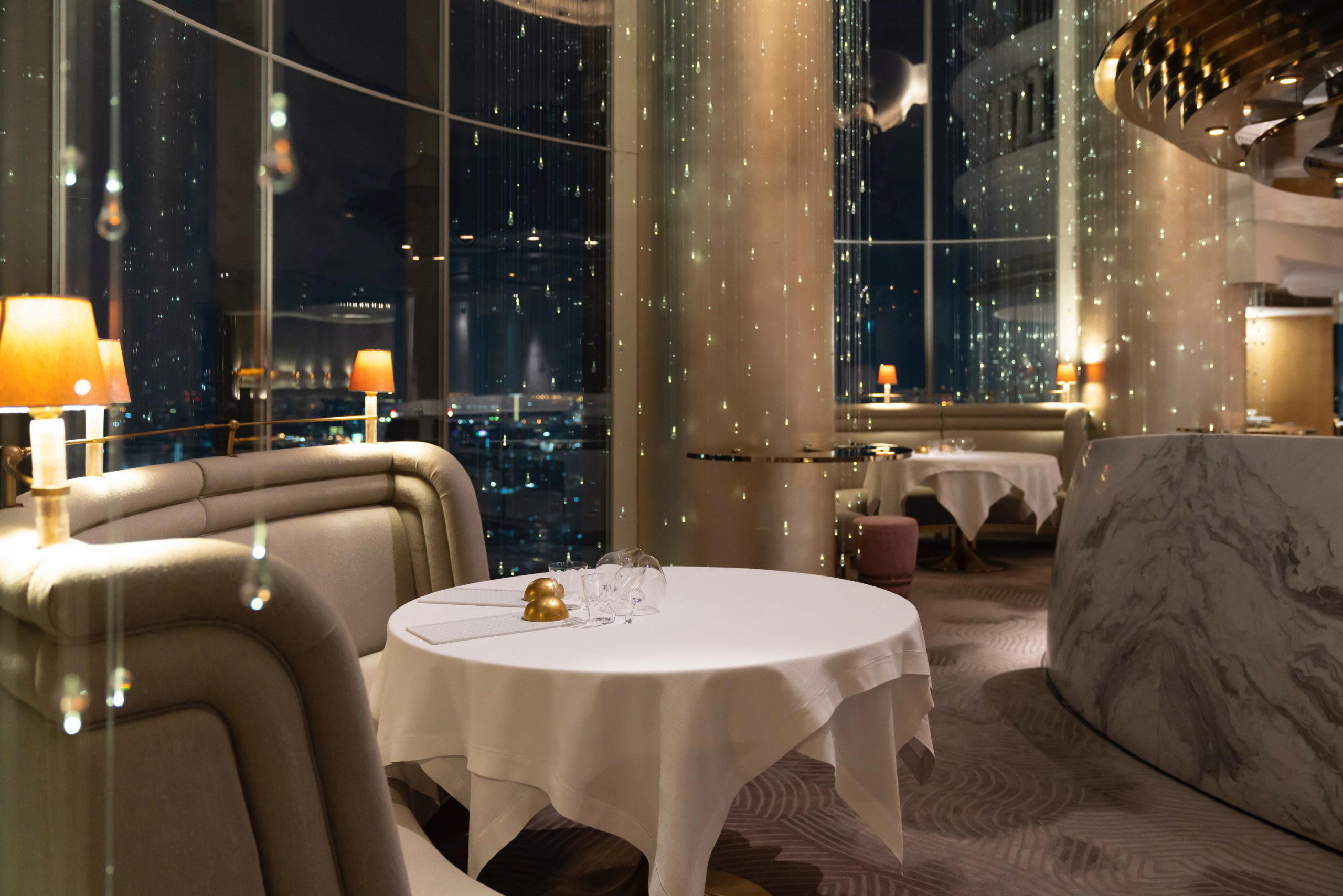
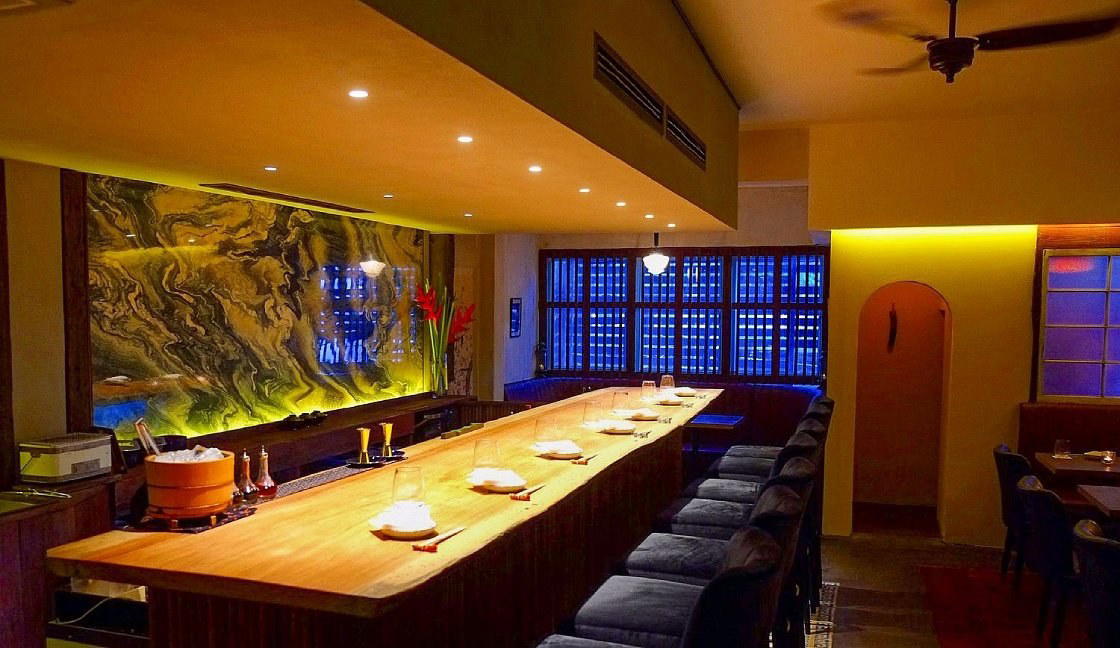
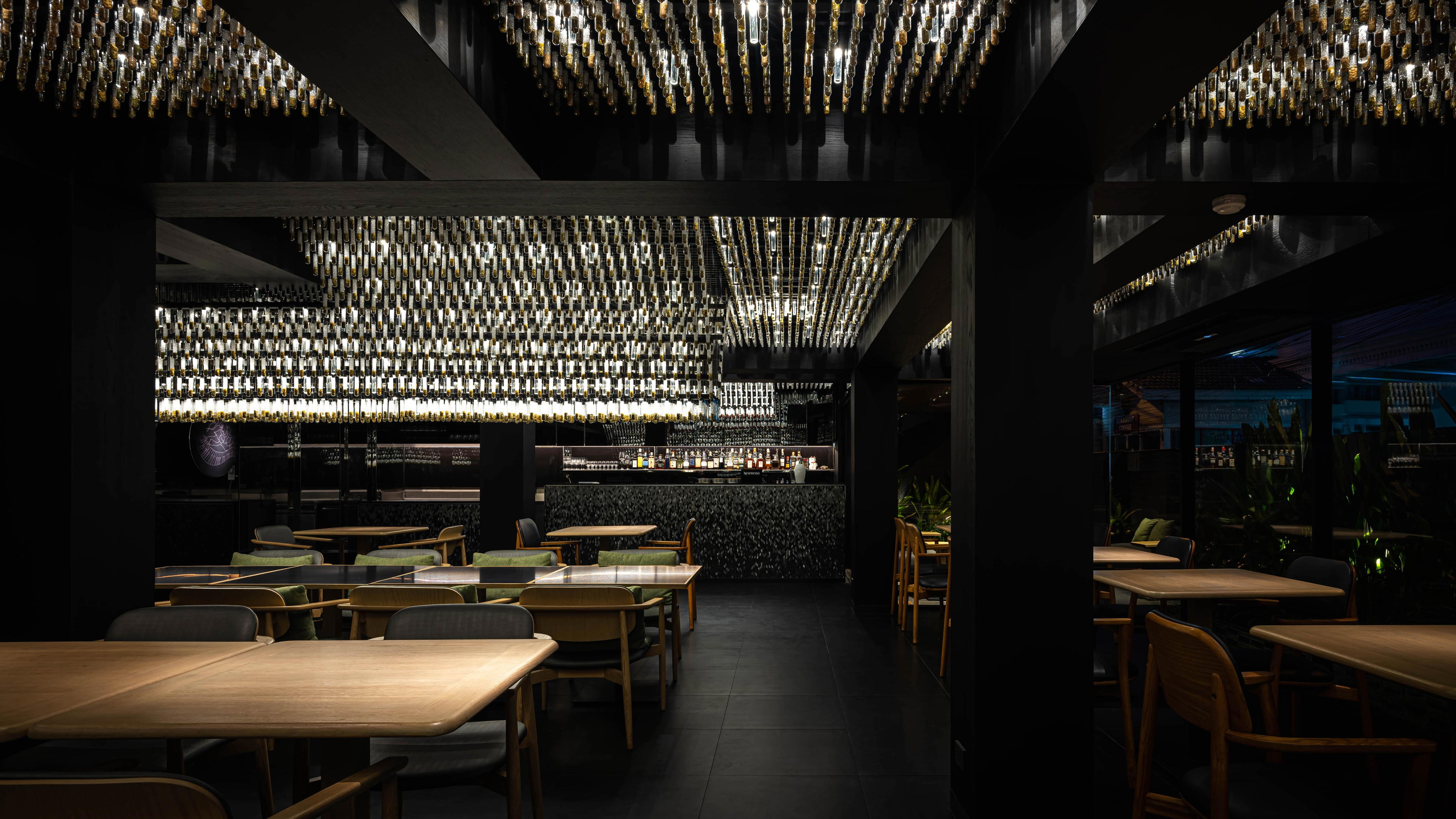
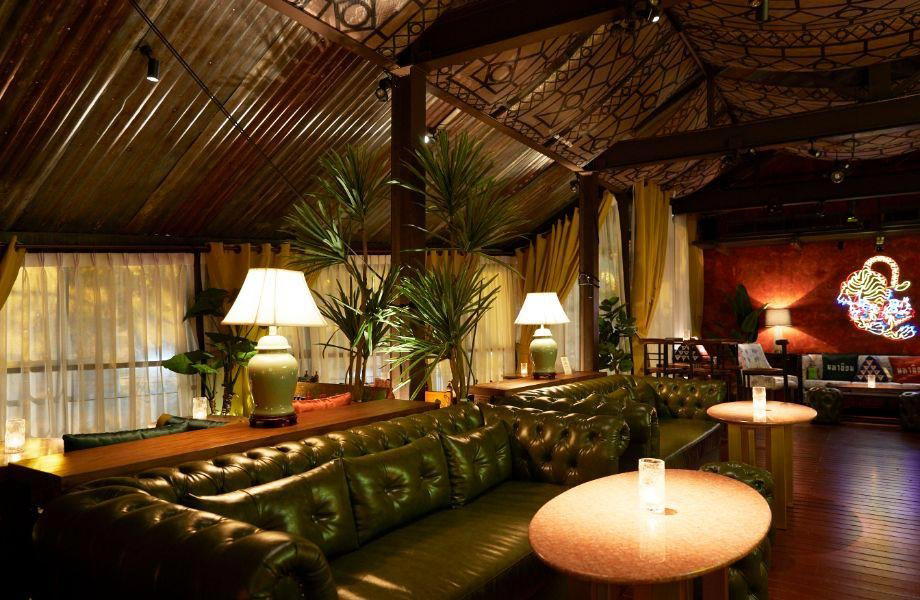
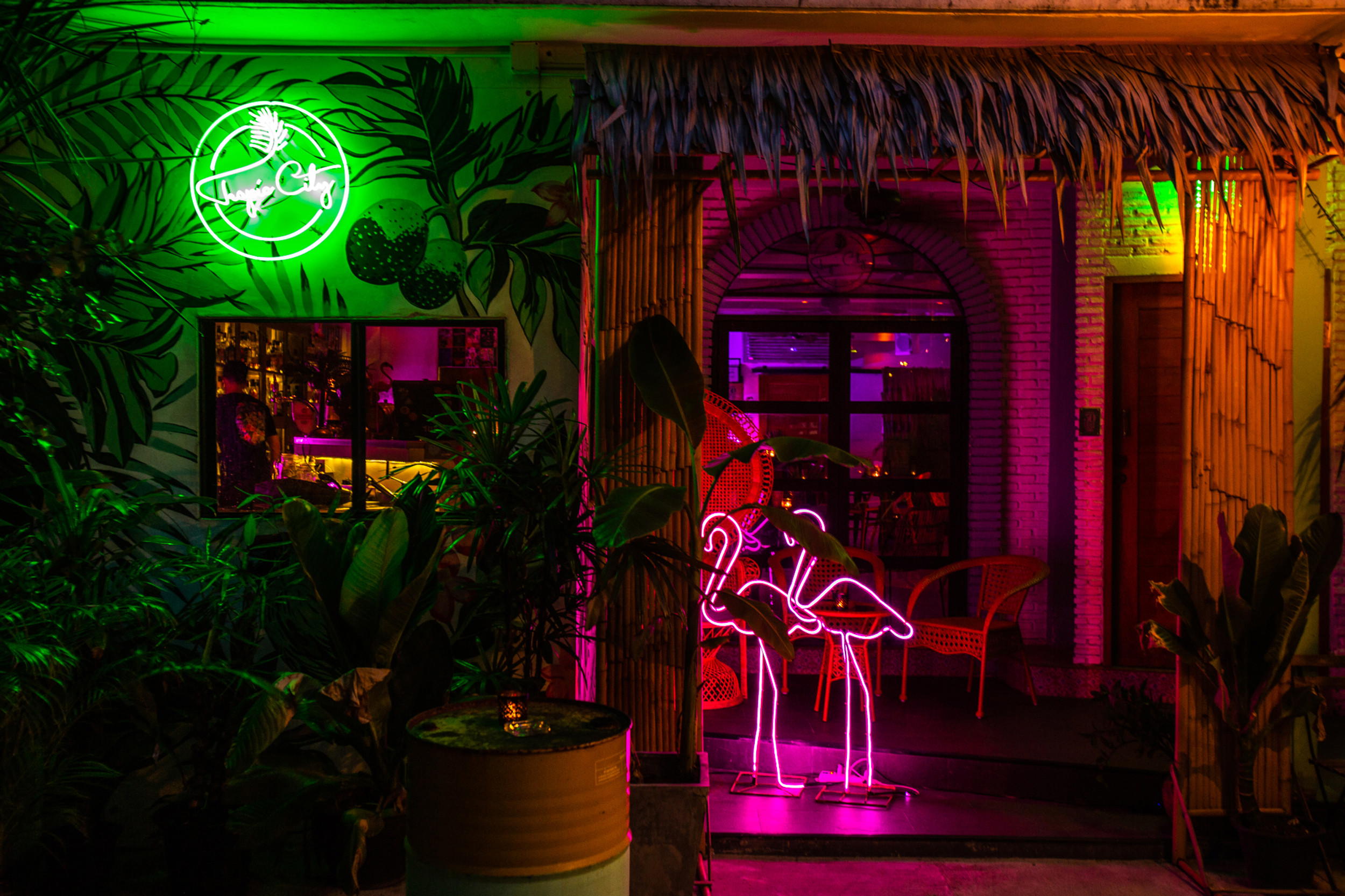
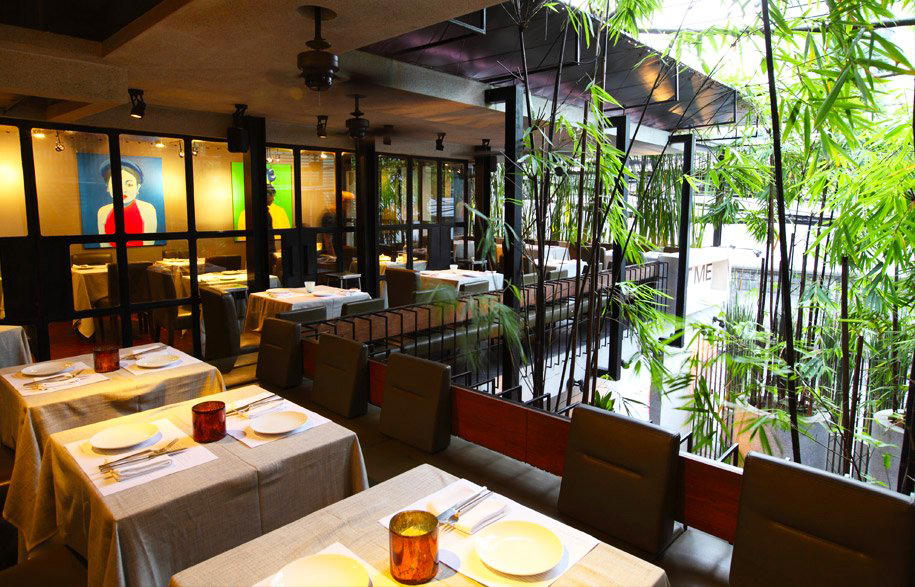
Lively and relaxing atmosphere with urban twist on traditional Isaan dining near Chao Phraya river.