
Azabu Kogaiken Hiroo honten sits in Tokyo’s yoshoku lane: Japanese Western cooking with omurice, hamburger steak, oysters, wine, and a neighbourhood dining rhythm that changes sharply between lunch and dinner. Its Tabelog 100 Yoshoku EAST 2025 selection and 15-seat scale place it among the city’s more closely watched everyday Western-style tables rather than Tokyo’s formal fine-dining circuit.
Pearl is the En Primeur Club membership app — saves, bookings, and concierge access live there. Same editors, same standards.
- Address
- Japan, 〒106-0031 Tokyo, Minato City, Nishiazabu, 4 Chome−6−5 協立興産西麻布ビル 1F
- Phone
- +81 3-3486-0118
- Website
- ycreate.co.jp
 Saves & bookings on Pearl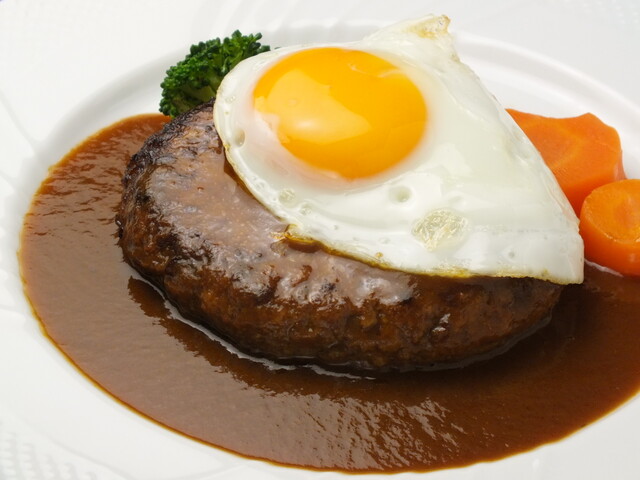
The approach to Nishiazabu changes the register before the meal begins. Hiroo’s embassy-side calm and residential streets make yoshoku feel less like nostalgia theatre than daily Tokyo dining: polished enough for wine, relaxed enough for children, compact enough that the room matters. In this part of Minato, Western-style Japanese cooking occupies a different lane from kaiseki formality at Waketokuyama or the higher-spend rhythm of Ren. It is not competing on ceremony, but on comfort, portion, timing, and Tokyo’s skill at making familiar food feel carefully handled.
Azabu Kogaiken Hiroo honten fits that category with unusual clarity. Its listing categories are Yoshoku, Omurice, and Oyster Bar, a combination that says more about modern Tokyo appetites than a long chef biography. Yoshoku has always been translation cuisine: omelette rice, hamburger steak, fried cutlets, gratin, curry, and other Western-derived dishes adapted through Japanese kitchens for more than a century. The better examples do not chase European authenticity; they refine the local version until sauce, rice, egg, meat, and service pace feel specific to Tokyo.
Hiroo yoshoku, split between lunch value and evening ease
The question is not whether lunch or dinner is better, but what kind of meal the day allows. Lunch in Tokyo yoshoku culture runs on decisiveness. Office workers, neighbourhood regulars, parents with children, and station-area diners want a complete plate, reliable turn, and a bill that makes weekday repetition possible. The posted lunch budget, JPY 1,000 to JPY 1,999, keeps the restaurant in Hiroo’s practical tier rather than the destination-only bracket, important in a district where premium Japanese dining can quickly move into five figures.
Dinner changes the social contract. With an average dinner budget of JPY 2,000 to JPY 2,999, the cooking remains accessible by central Tokyo standards, while wine, BYO drinks, take-out, and an oyster-bar category shift the mood from quick plate to casual evening table. Yoshoku can absorb date-night conversation, family dining, and low-key group meals without the choreography of a tasting menu. During busy periods, seating may be limited to 90 minutes, a useful signal that demand is managed through turnover rather than inflated pricing.
Tabelog’s Yoshoku EAST 2025 selection gives the restaurant a public marker in a crowded genre. The listed score of 3.71 is not a substitute for judgment, but in Tokyo’s user-review culture it shows sustained attention beyond neighbourhood convenience. The restaurant was also selected for Tabelog Yoshoku in 2023, meaningful in a category where consistency matters more than novelty. A plate built around rice, egg, sauce, or hamburger steak has little room to hide behind concept.
Why this genre matters in Tokyo's dining hierarchy
Tokyo visitors often sort meals into sushi counters, ramen shops, kaiseki rooms, yakitori counters, and cocktail bars. Yoshoku is less tidy for itineraries because it sits between home memory and restaurant craft. That is why it rewards attention. The cuisine shows how Japan domesticates foreign food, then turns the adapted version into its own standard. Omurice is not simply an omelette over rice; it is texture, timing, and sauce logic. Hamburger steak is not an American burger without a bun; it is a Japanese set-meal centrepiece with its own expectations.
In that context, the Hiroo address is useful. Nishiazabu and Hiroo have enough international traffic to support Western references, while the surrounding dining culture keeps them local. This is not the same decision as heading to Shinjuku for volume, Akihabara for casual density, or Kagurazaka for smaller specialist rooms. Readers mapping a wider Tokyo route might place this meal beside sharper category choices such as 12/10 Shinjuku ten, . 鮪と炭火焼き うお炭 秋葉原店, or 124. KAGURAZAKA (Yakitori). The point is contrast: Tokyo is strongest when meals are chosen by format, not a single prestige scale.
The small-room numbers sharpen the reading. The restaurant lists 15 seats, with table and counter seating, private use for up to 20 people, and no private rooms. That creates a hybrid between neighbourhood restaurant and compact specialist address: not a grand room built for spectacle, but a controlled room where family-friendly policies, children’s lunch, stroller accommodation depending on size, non-smoking status, and broad electronic payment acceptance make the experience more practical than precious. That practicality is part of the appeal, not a footnote.
How to place it in a Tokyo itinerary
For travellers, the smarter move is to use Azabu Kogaiken Hiroo honten as a calibration meal. It shows what mid-priced Tokyo can do when a Western-derived form is handled with care rather than irony. Lunch is the value play and cleaner read on everyday yoshoku. Dinner suits guests who want wine, oysters in the mix, and slower conversation without formal dining spend. The room’s scale means timing matters, especially around weekends and public holidays when lunch reservations are restricted.
There is also a broader planning lesson. Tokyo dining should not be built only from trophy counters. A strong trip needs contrast: a yoshoku lunch in Hiroo, a curry specialist such as 3 Chome no Curry Ya San, a graphic café stop at 2D Cafe, and meals chosen for neighbourhood texture rather than expense. For the wider city map, use Our full Tokyo restaurants guide, then layer in Our full Tokyo hotels guide, Our full Tokyo bars guide, Our full Tokyo wineries guide, and Our full Tokyo experiences guide for the rest of the stay.
Outside Tokyo, similar category-led thinking separates serious travel dining from checklist collecting. Compare regional choices such as -Grilled beef Sukiyaki- KAMAKURA TANUKIAN 鎌倉 たぬき庵 in Kamakura.cafe in Osaka.know in Kumamoto, (Shoku) Vietnam in Kawasaki, [Curry Senmon Ten] Maruyama Kyoju. in Sapporo, and [ki:] in Kyoto. Even Los Angeles and Pasadena entries such as Jōdo Saké Bar in Los Angeles and Onigiri Time in Pasadena make the same point from abroad: Japanese food culture travels through format, price, and everyday use as much as through formal prestige.
Budget Reality Check
Comparable venues at similar price and category levels.
| Venue | Cuisine | Price | Notes |
|---|---|---|---|
| Azabu Kogaiken Hiroo hontenThis venue — the venue you are viewing | Not listed | $$ | Not listed |
| Cafe Tram | Not listed | $$ | Shibuya, Absinthe & herbal liqueur cocktail bar and cafe |
| NEPALICO Shibuya ten | Not listed | $$ | Shibuya, Traditional Nepalese soul food & curry |
| Levain Tomigaya ten | Shibuya, Natural-yeast bakery & café | $$ | Not listed |
| BAR Tsurukame | Chūō, Whisky-focused Bar | $$ | Not listed |
| BAR Too | Toshima, Cocktail Bar | $$ | Not listed |
Recognition history
Dated appearances from independent guides and award organizations, with the underlying list record or original source where available.
Tabelog 100 #44 · No. 44
Tabelog · Tabelog 100 - Yoshoku - EAST - 2025












At a Glance
- Cozy
- Classic
- Lively
- Family
- Casual Hangout
- After Work
- Group Dining
- Solo
- Standalone
- Local Sourcing
Current opening hours
- Monday
- 11:30 AM–3 PM, 5:30–10 PM
- Tuesday
- 11:30 AM–3 PM, 5:30–10 PM
- Wednesday
- 11:30 AM–3 PM, 5:30–10 PM
- Thursday
- 11:30 AM–3 PM, 5:30–10 PM
- Friday
- 11:30 AM–3 PM, 5:30–10 PM
- Saturday
- 11:30 AM–3 PM, 5:30–10 PM
- Sunday
- 11:30 AM–3 PM, 5:30–10 PM
Hours can change for holidays and private events. Last verified .
A small, nostalgic Western-style dining room with a relaxed, friendly atmosphere and the feel of a classic neighborhood yoshoku spot rather than a formal restaurant.