Auberge du Pont de la Zorn

Michelin Bib Gourmand
Our verdict
A Michelin Bib Gourmand-recognised address in the village of Weyersheim, Auberge du Pont de la Zorn serves Alsatian cooking rooted in the agricultural rhythms of the Rhine plain.

Pearl is the En Primeur Club membership app, where members save venues, book tables and use the concierge.
The menu
What to order
- Tarte flambée
- Breton turbot with shrimp bisque
- Veal with escargot
- House-made desserts
Where the Rhine Plain Comes to the Table
The villages north of Strasbourg don't attract much passing attention from food travellers who tend to stop at the city's timbered brasseries and move on. Weyersheim, twelve kilometres up the Rhine plain, sits in the agricultural band where Alsace produces the ingredients that fill those city menus: market gardens, fruit orchards, freshwater streams, and the kind of small-scale producers who sell regionally rather than to export buyers. Auberge du Pont de la Zorn occupies a logical position in that geography. The Zorn river runs through the village, and the auberge format, an inn built around the kitchen rather than around a view or a design concept, is how this part of Alsace has historically turned local produce into a reason to travel.
That context matters for understanding what the Michelin Bib Gourmand recognition, awarded in both 2024 and 2025, actually signals here. The Bib Gourmand category is Michelin's explicit acknowledgement that value-conscious cooking with genuine quality deserves attention alongside the starred tier. For a village address in the northern Alsace plain, it places Auberge du Pont de la Zorn in a competitive set that includes serious regional kitchens rather than tourist-facing Alsatian theme restaurants. Comparable Alsatian addresses working in a similar register of tradition and provenance include Auberge de l'Ill in Illhaeusern and village-rooted addresses like À l'Agneau d'Or in Obernai and À l'Ami Fritz in Ottrott, though those sit in different price and recognition tiers. The Zorn auberge works at the mid-price point, marked €€, where the argument is made through sourcing and technique rather than through tasting-menu architecture.
Alsatian Cuisine and Where It Comes From
Alsatian cooking is often reduced to its most visible exports: choucroute garnie, flammekueche, baeckeoffe. Those dishes exist because of the region's specific agricultural output, not in spite of it. The Rhine plain between Strasbourg and the German border is one of France's most productive market-garden zones, with soil conditions that support white asparagus, turnips, cabbages, and root vegetables alongside the cereal crops that make the region's bread and beer traditions viable. The rivers, including the Zorn, historically supplied freshwater fish, particularly pike, trout, and carp, that became the basis of the region's freshwater fish preparations.
A kitchen built around this geography works seasonally by necessity. White asparagus from the Rhine plain appears in spring and is gone within weeks. Foie gras production has strong local roots in Alsace, and the region's charcuterie tradition, driven by the pig-keeping culture of small farms, produces the raw material for the pork-heavy dishes that define the cuisine. These are not romantic abstractions about terroir. They are practical supply chains between specific farms and specific kitchens that have existed in this region for generations. The Bib Gourmand designation suggests the kitchen at Auberge du Pont de la Zorn is doing something considered with that supply chain rather than simply naming local provenance on a menu without substance behind it.
Across France's serious regional restaurants, from Bras in Laguiole to Flocons de Sel in Megève, the argument for ingredient sourcing as a guiding editorial principle has become the defining thread of serious provincial cooking. The scale differs enormously, but the underlying logic is the same: proximity to the source produces dishes that resist replication elsewhere. At the village level and mid-price range, that argument is made without the infrastructure of a three-star kitchen, which makes the execution either more honest or more exposed, depending on what arrives on the plate.
The Auberge Format and Its Expectations
The auberge as a dining format carries specific expectations in France. It implies hospitality rooted in place, cooking that reflects the immediate region, and a register that sits somewhere between the neighbourhood bistro and the destination restaurant. It is not the format of Alléno Paris au Pavillon Ledoyen or Mirazur in Menton. Nor is it trying to be. The auberge format stakes its reputation on familiarity, consistency, and the sense that the kitchen knows exactly what this region produces and how to prepare it.
That pattern is typical of Bib Gourmand addresses that hold their recognition across consecutive years: they function as anchor points for food travellers who have moved beyond the Michelin-starred circuit but still want Michelin-level assurance about quality. For context on the broader French dining tier, addresses like Assiette Champenoise in Reims and Au Crocodile in Strasbourg occupy higher rungs of the same regional recognition structure.
Planning a Visit
Weyersheim sits in the Bas-Rhin department, reachable from Strasbourg by a short drive north along the Rhine plain. The village has no significant tourist infrastructure of its own, which means arriving by car is the practical approach for most visitors. For those planning a longer stay in the area, our full Weyersheim hotels guide covers accommodation options nearby, and our full Weyersheim restaurants guide maps the broader dining picture for the village. The mid-price €€ positioning means a meal here sits well within a day-trip budget from Strasbourg, where the same spend at a Michelin-starred address would require a considerably higher outlay. No booking method is confirmed in available data, so contacting the restaurant directly at the address on 2 Rue de la République is the reliable approach. The Alsatian season follows agricultural rhythms: spring brings asparagus, autumn brings the game and chestnut preparations that mark the hunting calendar across the region. Those who want to cross-reference the wider Alsace dining scene will find regional peers at À l'Ami Fritz in Ottrott and, at the upper end of the regional tradition, Auberge de l'Ill in Illhaeusern. For those extending the trip beyond restaurants, our Weyersheim bars guide, our Weyersheim wineries guide, and our Weyersheim experiences guide cover the surrounding area in full.
Frequently asked questions
Can I bring kids to Auberge du Pont de la Zorn?
The auberge format in France has traditionally accommodated families, and a Bib Gourmand-recognised address at the €€ price point signals accessible, unpretentious cooking rather than a temple-cuisine setting. Weyersheim itself is a quiet village north of Strasbourg with no competing tourist draw, so the dining room is unlikely to be packed with late-night crowds. check the venue's official channels to confirm any specific provisions for younger guests.
Is Auberge du Pont de la Zorn formal or casual?
The €€ price range and consecutive Bib Gourmand awards in 2024 and 2025 place this firmly in the category of serious but informal dining. Michelin's Bib Gourmand designation specifically recognises good cooking at moderate prices, which correlates with a relaxed room rather than a jacket-required one. Expect the attentiveness of a French auberge without the ceremony of a starred house.
Does Auberge du Pont de la Zorn have a Michelin star or similar recognition?
Auberge du Pont de la Zorn has received recognition including: Michelin Bib Gourmand (2025); Michelin Bib Gourmand (2024).
What's the signature dish at Auberge du Pont de la Zorn?
Specific menu details are not available in current documentation, but the kitchen works within the Alsatian tradition, a cuisine built around dishes like baeckeoffe, choucroute garnie, and flammekueche that draw on the Rhine plain's larder. At a Bib Gourmand-recognised address in the Bas-Rhin, the cooking is expected to reflect the immediate region rather than reinterpret it. Checking the restaurant's current menu directly will give the most accurate picture of what the kitchen is featuring.
What's the pricing like at Auberge du Pont de la Zorn?
Pricing at Auberge du Pont de la Zorn is listed as €€.
Comparison Snapshot
| Venue | Cuisine | Price | Awards | Notes |
|---|---|---|---|---|
| Auberge du Pont de la ZornThis venue (the venue you are viewing) | Traditional Alsatian Winstub | $30–50 | Michelin Bib Gourmand | Not listed |
| Alléno Paris au Pavillon Ledoyen | Modern French Fine Dining | $150–200 | 3 Michelin Stars · World's 50 Best #79 | Creative |
| Kei | Contemporary French, Modern Cuisine | Not listed | Michelin 3 Star | Not listed |
| L'Ambroisie | Classic French Haute Cuisine | $300–500 | 2 Michelin Stars · World's 50 Best #23 | French, Classic Cuisine |
| Le Cinq - Four Seasons Hôtel George V | Modern French Fine Dining | $300–500 | 3 Michelin Stars · World's 50 Best #24 | French, Modern Cuisine |
| Plénitude | Modern French Sauce-Led Fine Dining | $300–500 | 3 Michelin Stars · World's 50 Best #14 | Contemporary French |
Recognition history
Dated appearances from independent guides and award organizations, with the underlying list record or original source where available.
Michelin Bib Gourmand
Michelin
Full recognition history (3 entries)
Michelin Bib Gourmand
Michelin
Michelin Bib Gourmand
Michelin
Continue exploring
More in Weyersheim
Restaurants in Weyersheim
All restaurants in Weyersheim →
Bars in Weyersheim
Browse all →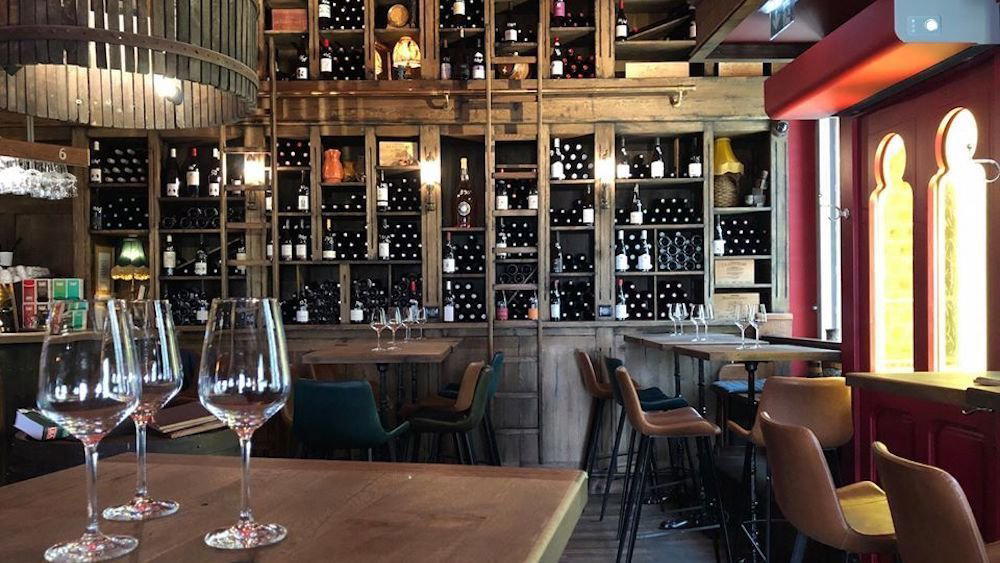


Auberge du Pont de la Zorn
The wine
- Extensive wine list
- Sommelier-led
Details
- Rustic
- Cozy
- Classic
- Romantic
- Intimate
- Date Night
- Family
- Group Dining
- Celebration
- Special Occasion
- Terrace
- Waterfront
- Open Kitchen
- Historic Building
- Extensive Wine List
- Sommelier Led
- Local Sourcing
- Farm To Table
- Waterfront
- A La Carte
- Set Menu
- Alsatian Wine
- Regional Wine Selection
- Vegetarian Friendly
- Allergy Accommodating
Current opening hours
- Monday
- Closed
- Tuesday
- 12–1:30 PM, 7–9 PM
- Wednesday
- 12–1:30 PM, 7–9 PM
- Thursday
- 12–1:30 PM, 7–9 PM
- Friday
- 12–1:30 PM, 7–9:15 PM
- Saturday
- 7–9:15 PM
- Sunday
- Closed
Hours can change for holidays and private events. Hours as of .
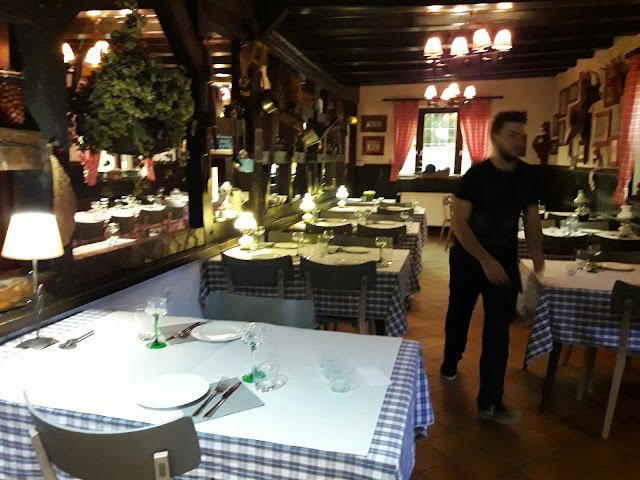
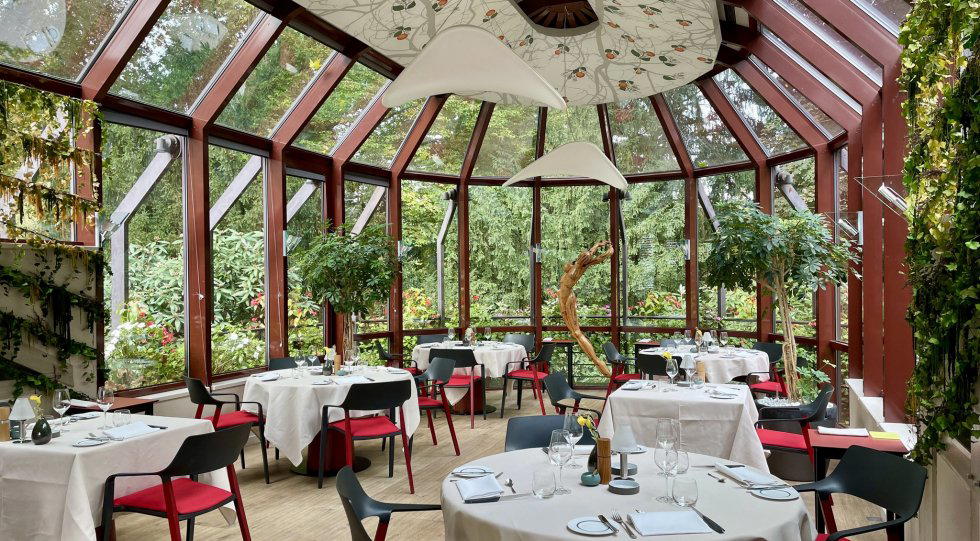
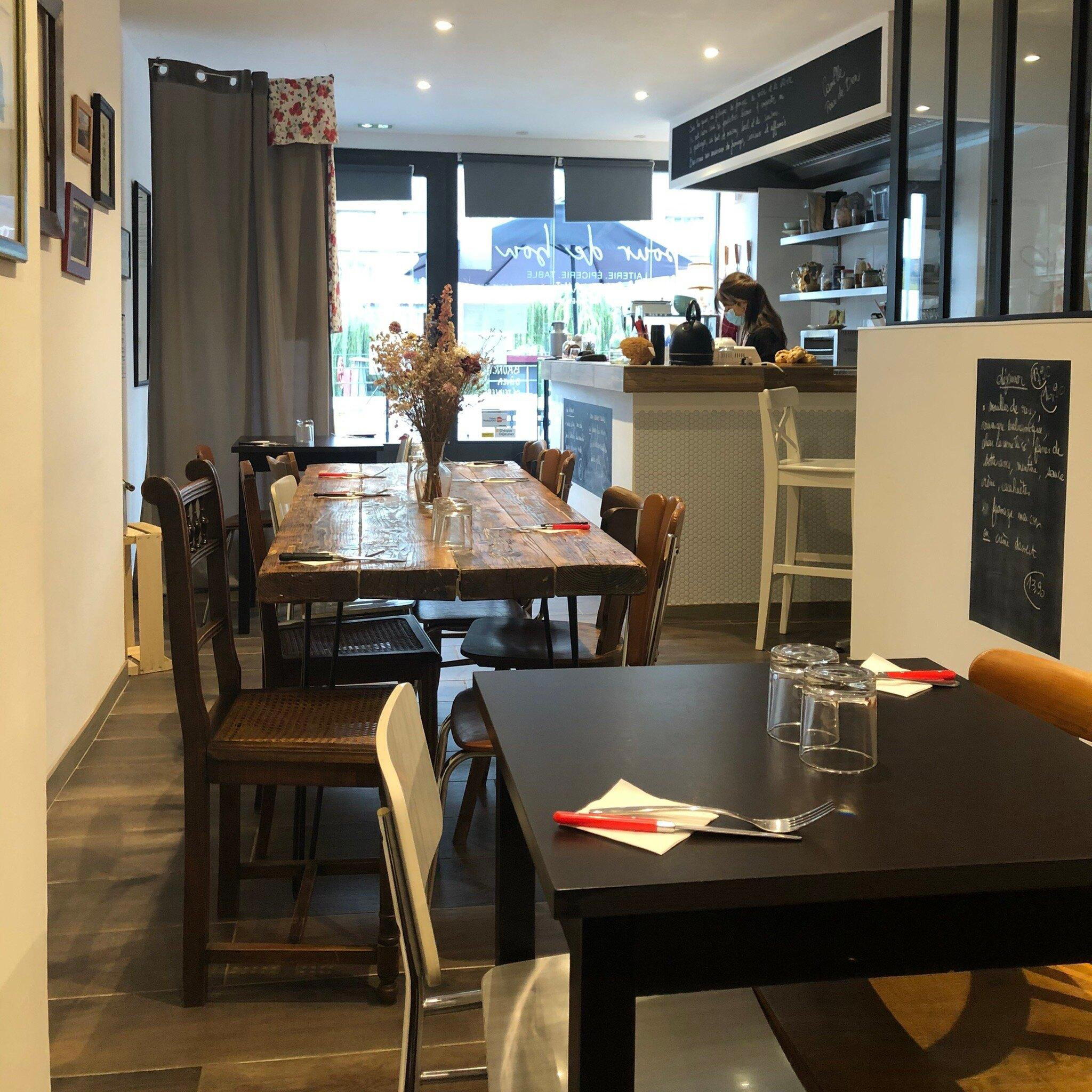
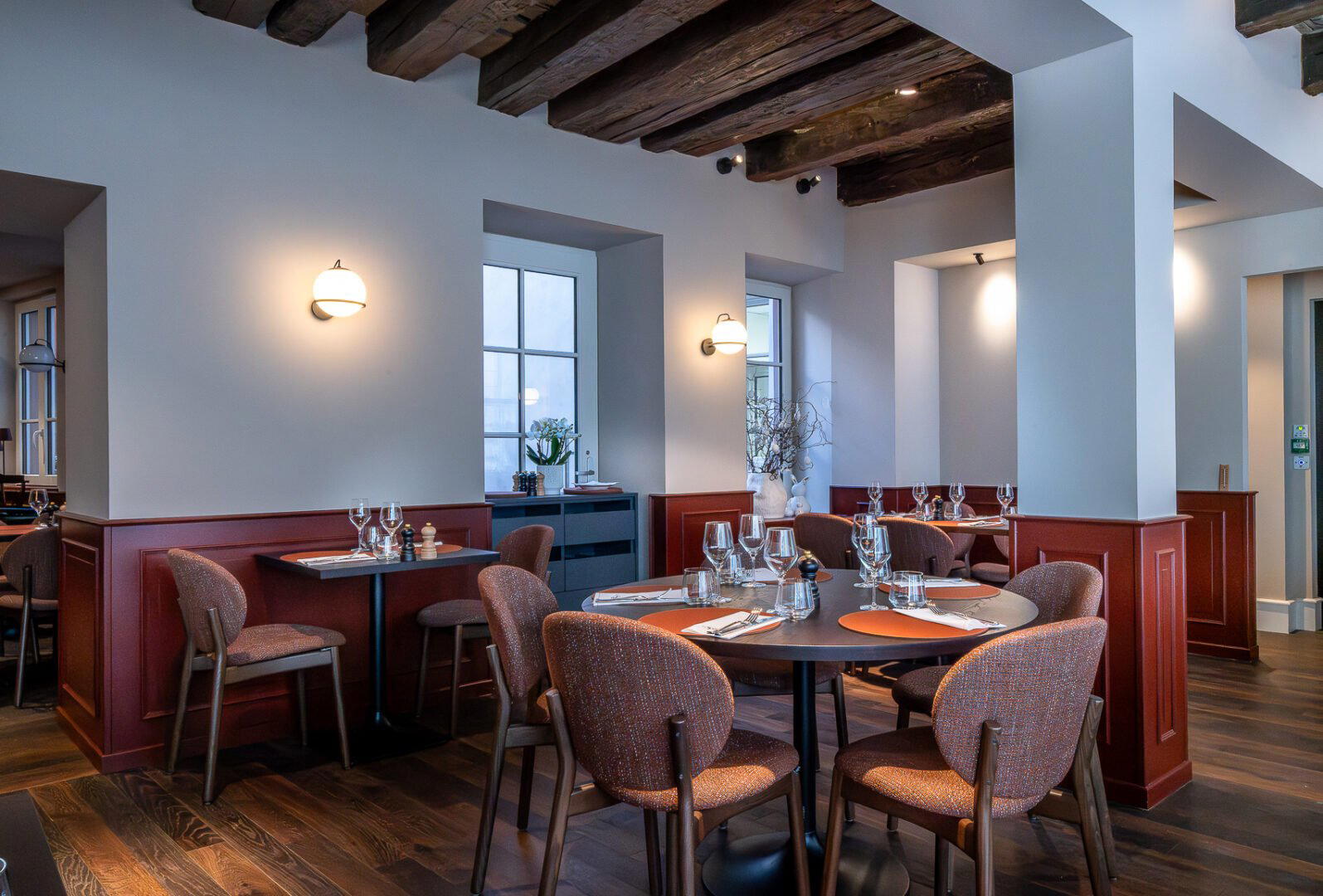
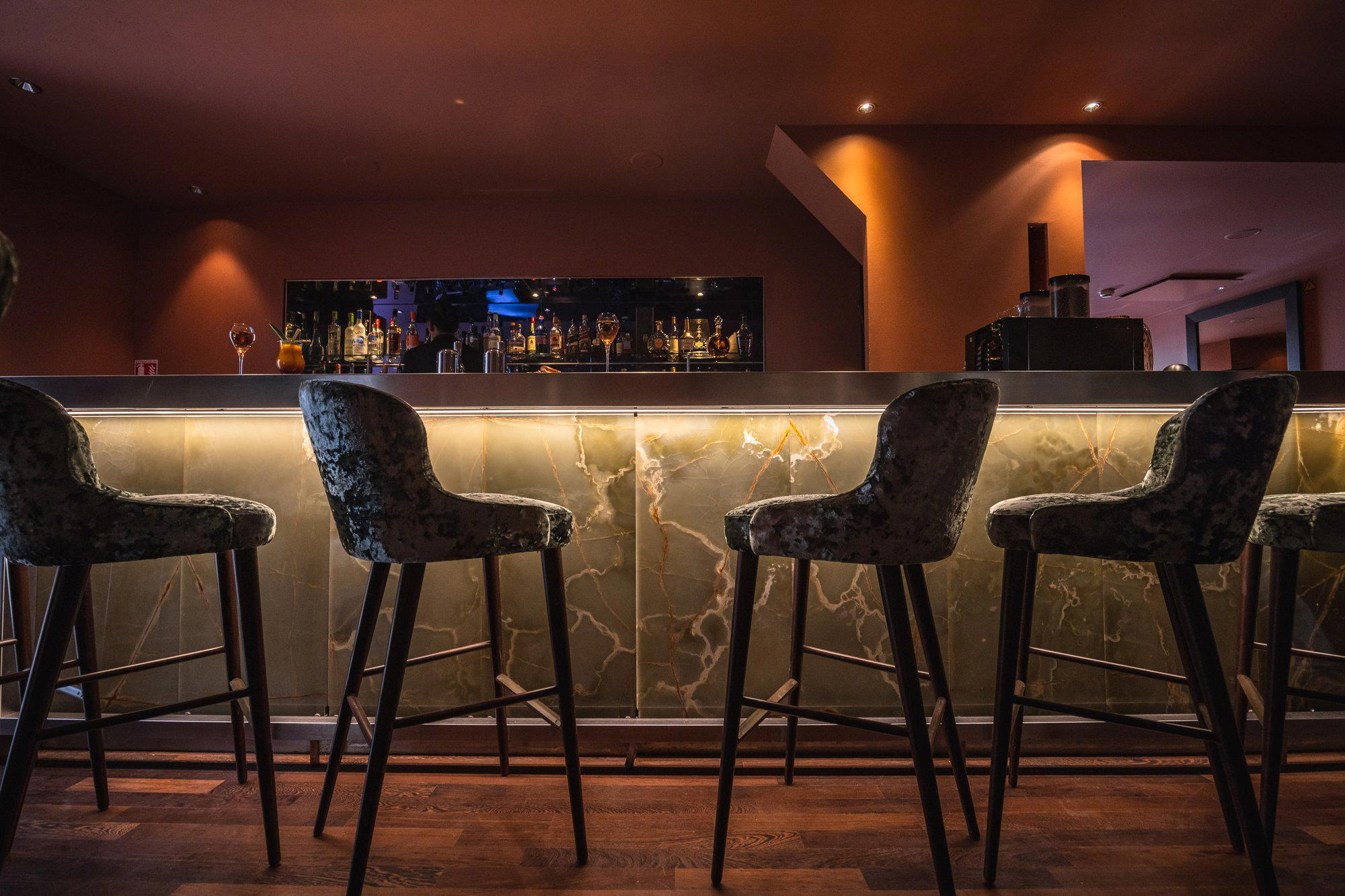
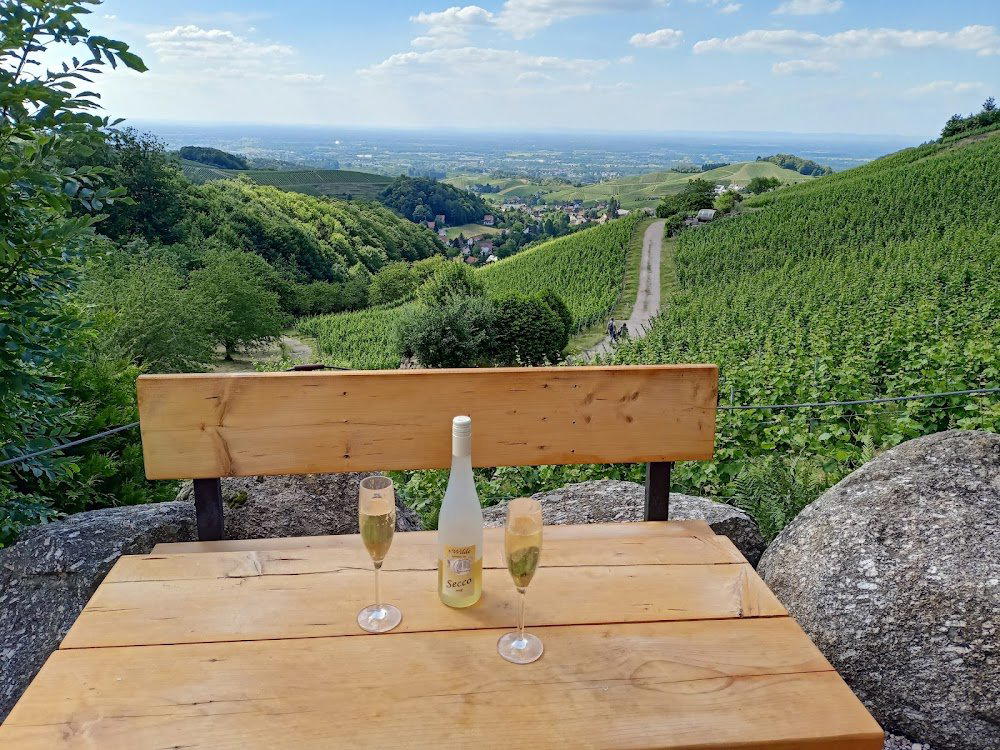
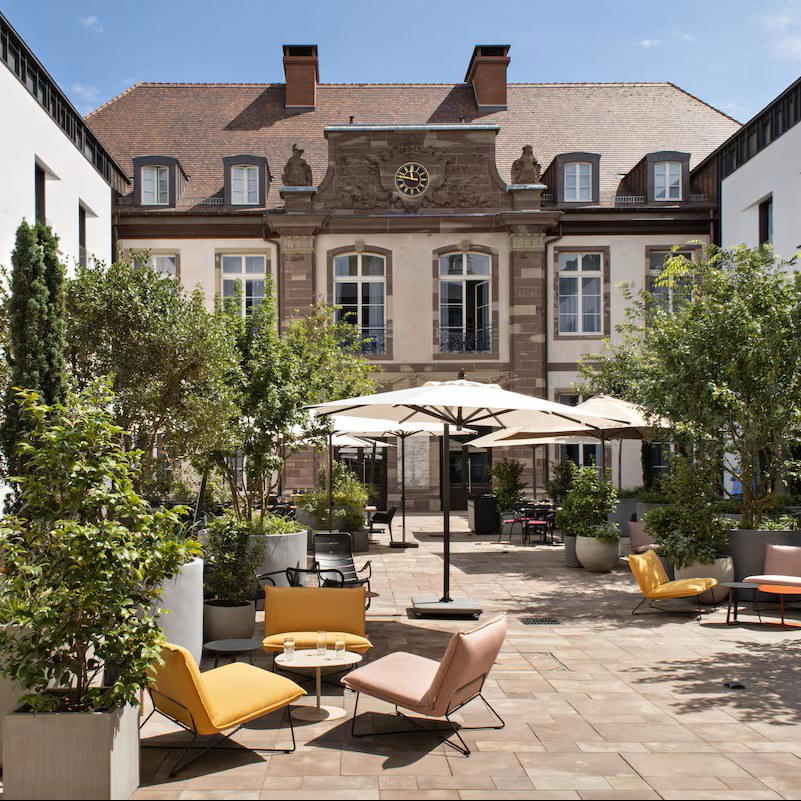
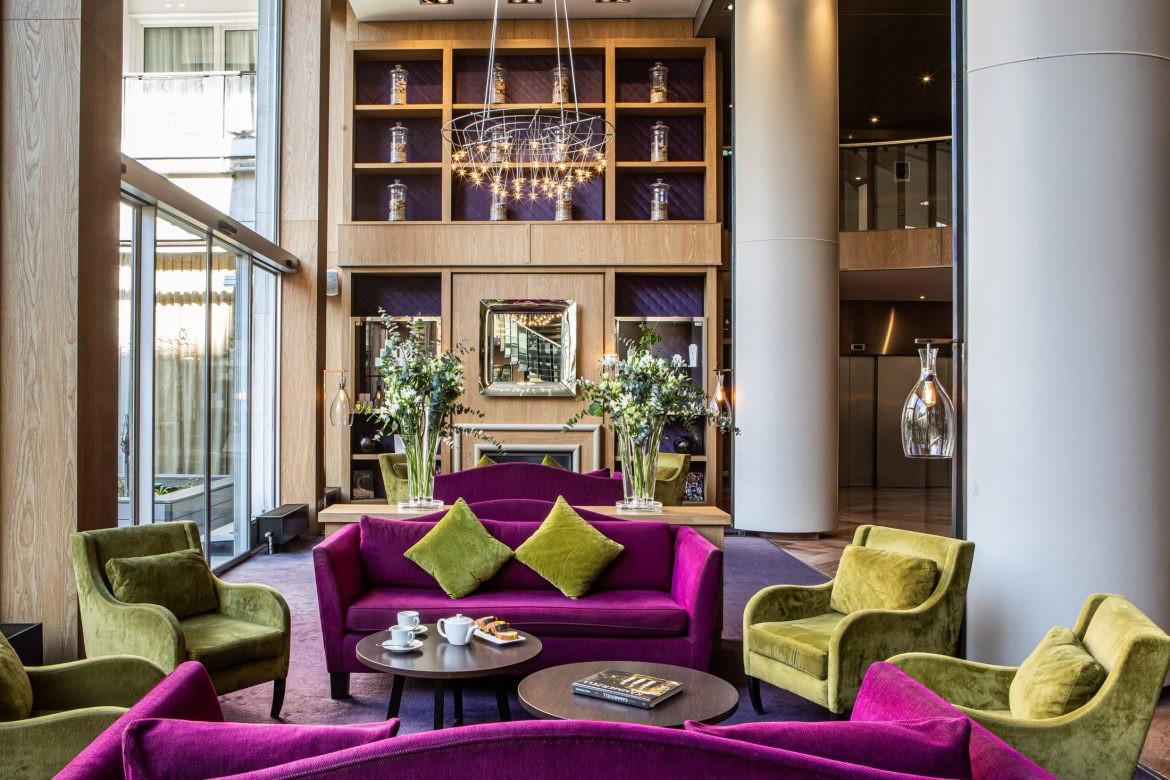
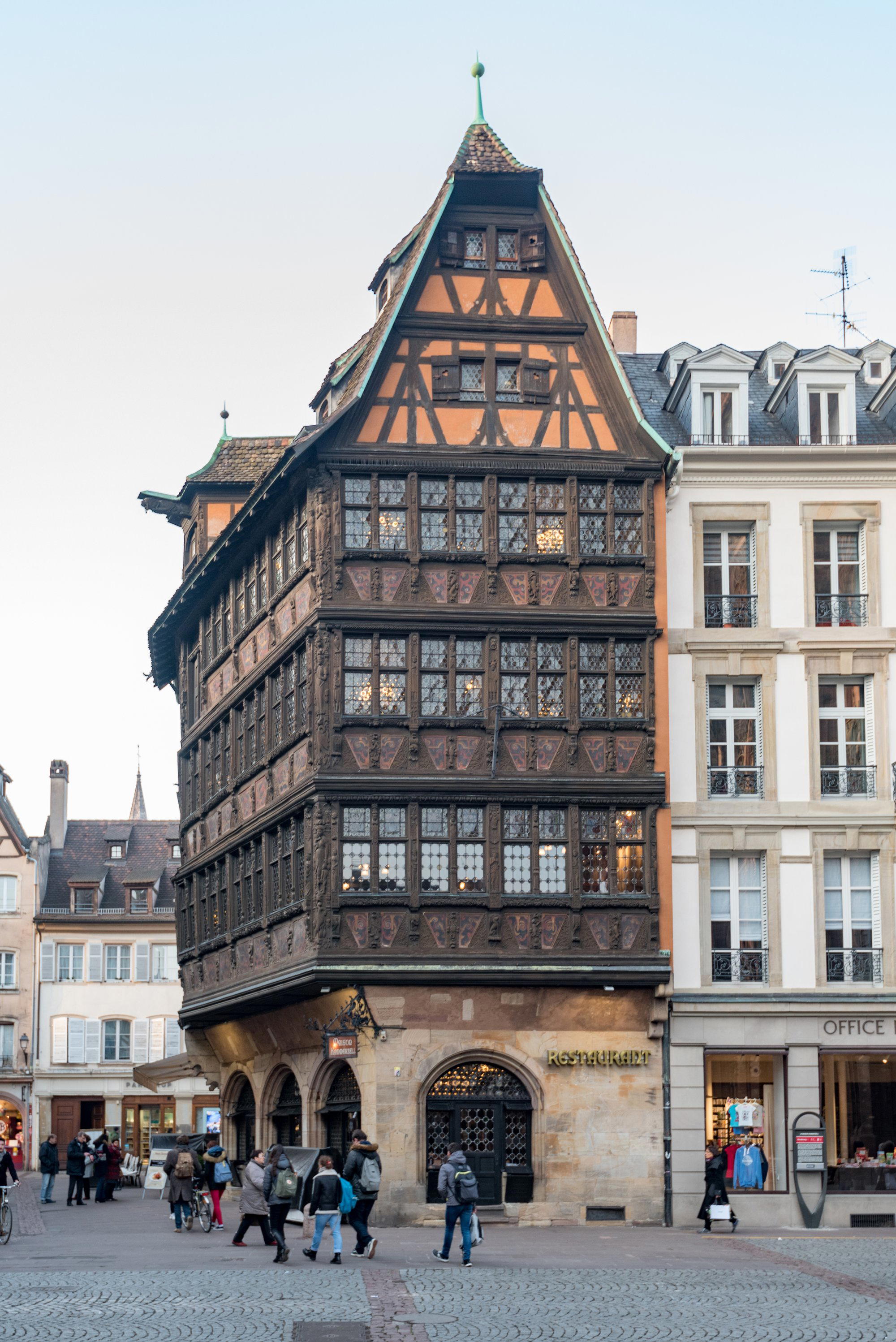
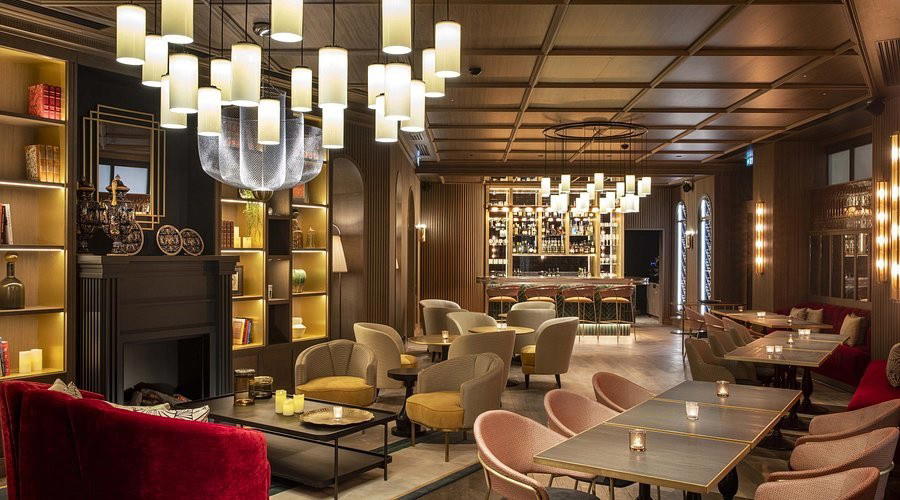
Warm and inviting with authentic Alsatian heritage displayed through marquetry art, antiques, bleached beams, and rough wooden tables; bucolic riverside terrace creates a charming, traditional setting.