
A Michelin Plate-recognised address on a historic street in Obernai's old quarter, À l'Agneau d'Or serves Alsatian cooking that draws from the region's larder rather than reaching beyond it. At the €€ price tier, it occupies a distinct position in a town where fine-dining ambitions run considerably higher.
Pearl is the En Primeur Club membership app — saves, bookings, and concierge access live there. Same editors, same standards.
- Address
- 99 Rue du Général Gouraud, 67210 Obernai, France
- Phone
- +33 3 88 95 28 22
- Website
- alagneaudor.e-monsite.com
- Directions
- Get directions
 Saves & bookings on Pearl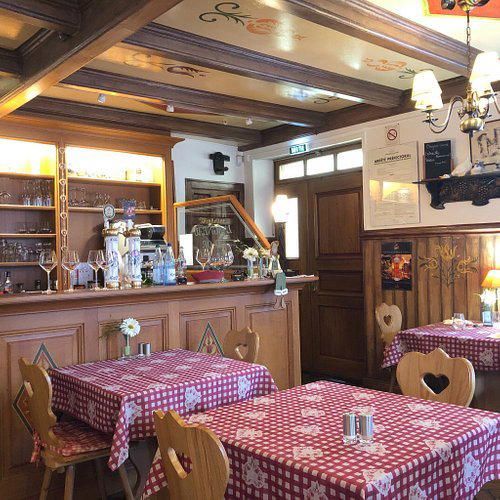
Old Town Obernai and the Case for Staying Regional
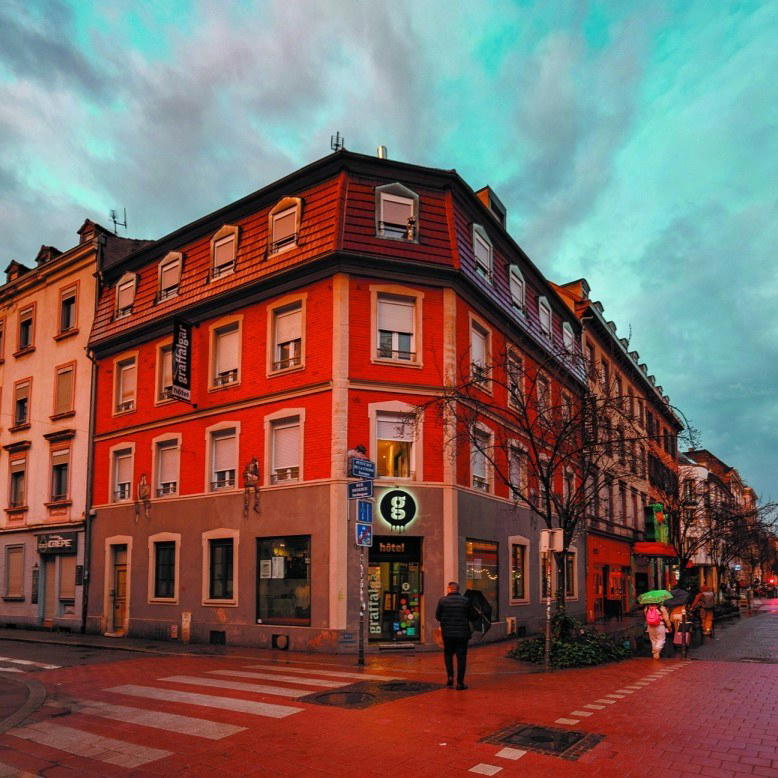
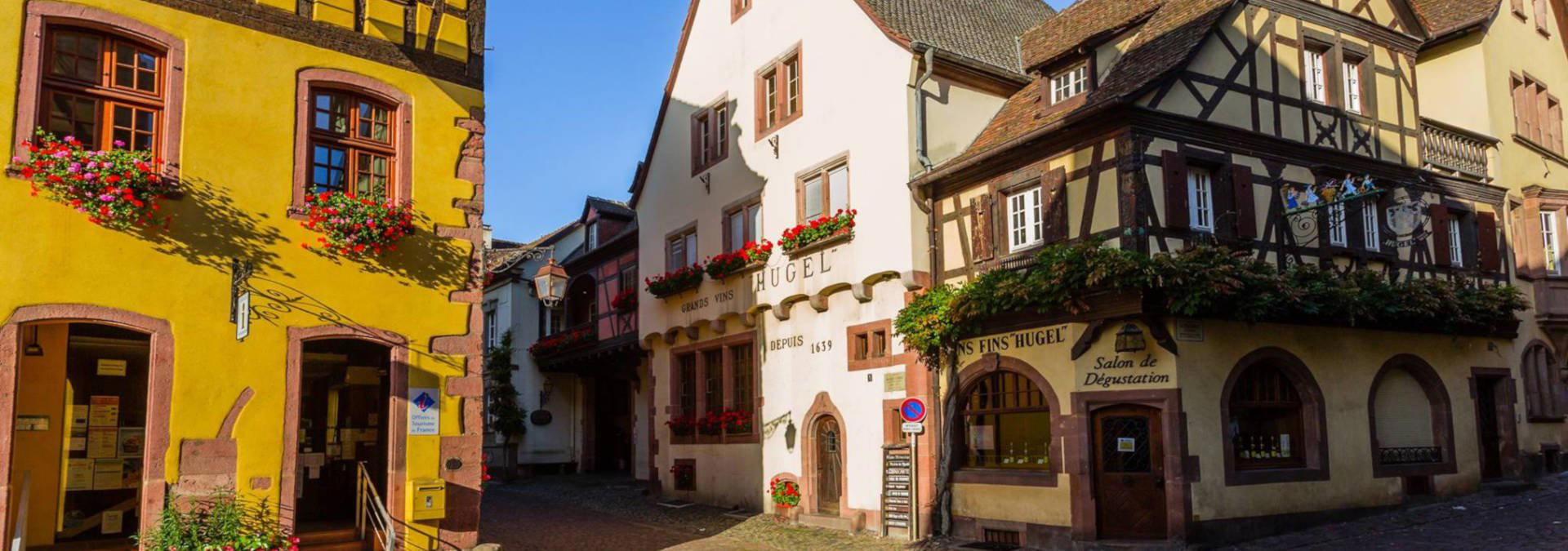
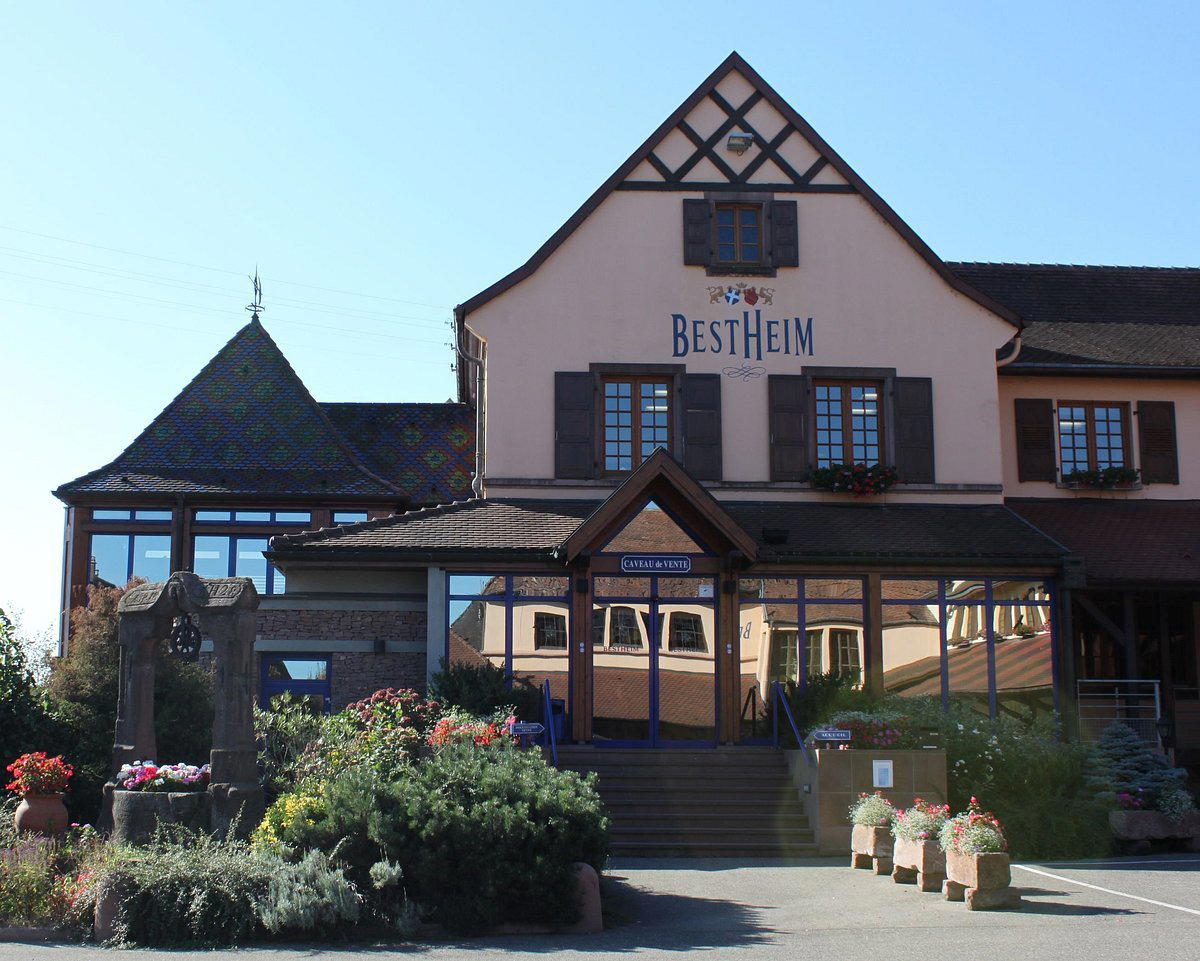
Obernai's Rue du Général Gouraud runs through the kind of medieval streetscape that makes the Alsace wine route worth the detour: half-timbered facades, geranium-filled window boxes, and a general sense that the town has not needed to reinvent itself to attract attention. À l'Agneau d'Or sits at number 99 on that street, embedded in a built environment that has been hosting travellers since the town's role as a free imperial city. The physical setting does a great deal of the work before anyone sits down.
That context matters because Alsatian cooking is, more than most French regional traditions, a cuisine of place. The ingredients that define it, choucroute prepared with local Riesling, freshwater fish from Rhine tributaries, foie gras from Alsace's own production rather than Gascony, munster cheese ripened in nearby caves, are not imports dressed up in regional costume. They come from a corridor of land between the Vosges and the Rhine that has its own microclimate, its own agricultural logic, and centuries of cross-border influence from German and French culinary traditions running in parallel. A restaurant anchored in that tradition is, in effect, anchored in a supply chain that has been refining itself for generations.
What a Michelin Plate Signals in This Context
The 2024 Michelin Plate recognition positions À l'Agneau d'Or in a specific tier of the Guide's taxonomy: kitchens acknowledged for cooking good food, without the additional weight of star-level ambition or star-level prices. Within Obernai's dining scene, that distinction is worth mapping. La Fourchette des Ducs holds two Michelin stars and operates at the €€€€ tier. Thierry Schwartz - Le Restaurant carries one star, also at €€€€. Le Parc works at the €€€ level with Modern Cuisine. À l'Agneau d'Or at €€ is something different: a recognised kitchen that prices against the everyday rather than the occasion.
Consistency at scale, particularly for a mid-range Alsatian address, suggests the kitchen is not coasting on setting or nostalgia. The Michelin Plate, awarded by inspectors who visit anonymously and repeatedly, adds an independent layer of confirmation that the cooking meets a baseline most restaurants in France never reach.
Alsatian Sourcing and Why It Matters on the Plate
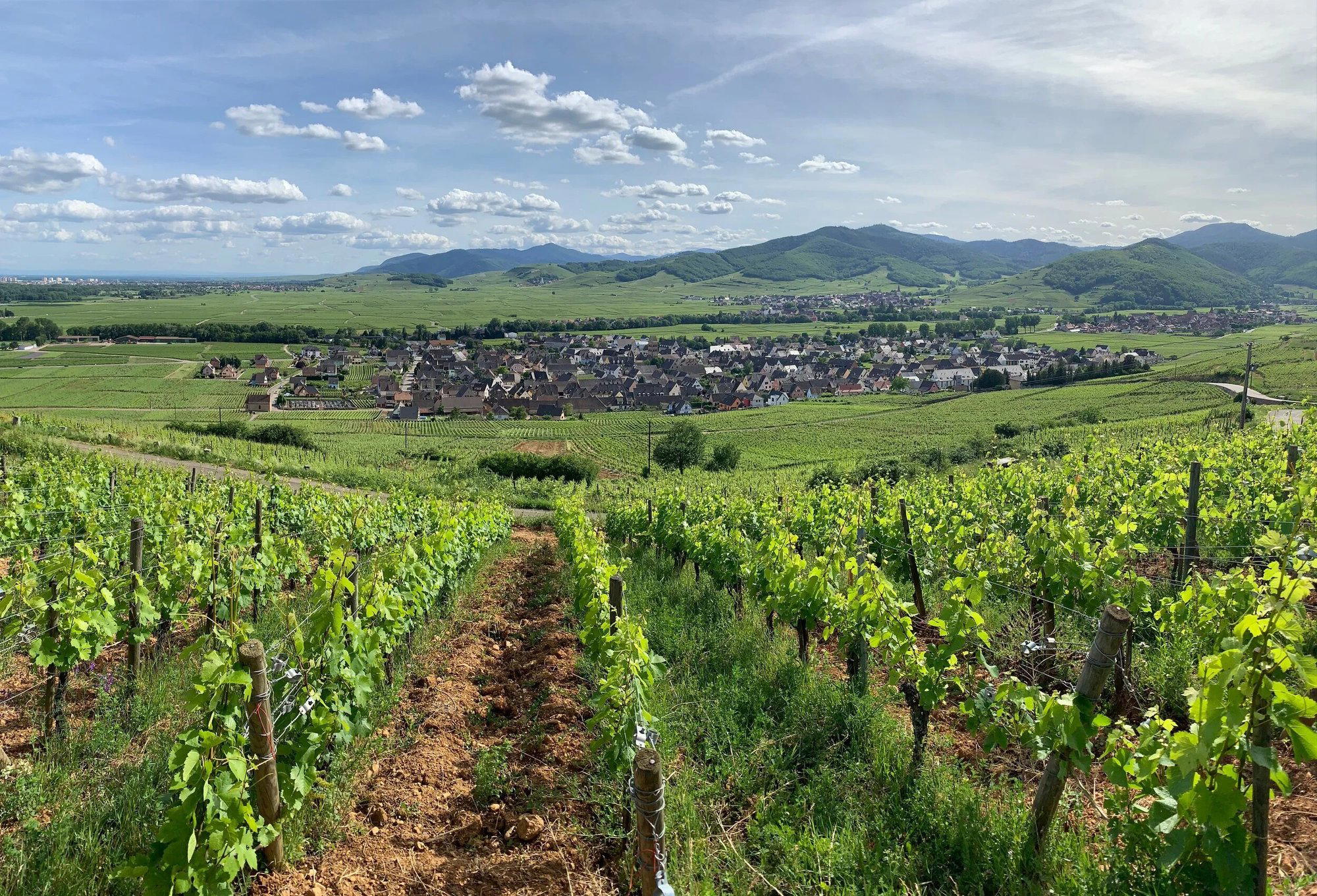
The ingredient sourcing logic behind traditional Alsatian cooking is one of the more coherent regional frameworks in French cuisine. The Alsace wine harvest, running from Riesling and Gewurztraminer through Pinot Gris and Pinot Noir, produces not just cellar stock but a flavour grammar that runs through the cooking itself. Riesling appears in sauces and braises. Pinot Gris cuts through the richness of pork-heavy preparations. The wines from the regional wine producers around Obernai are not incidental to the food; they are part of the same agricultural system.
This contrasts with the sourcing logic at France's most technically ambitious addresses. Kitchens like Alléno Paris au Pavillon Ledoyen, Mirazur in Menton, or Flocons de Sel in Megève operate with sourcing networks that extend well beyond their immediate geography. The Alsatian tradition, at its most coherent, inverts that logic: the tighter the sourcing radius, the more legible the cooking becomes. Addresses like Auberge de l'Ill in Illhaeusern, the region's most decorated kitchen, built their reputation on exactly this principle of rooted, place-specific sourcing applied at high technical level.
The restaurant operates at a more accessible register, but the sourcing logic is the same. A baeckeoffe draws meaning from the specific terroir of the potatoes and the precise character of the Alsatian white wine in which the meats slow-cook. A flammekueche is not transferable to another region and remain itself. These are dishes where origin is structure, not garnish.
Placing À l'Agneau d'Or in the Broader Alsatian Scene
Alsatian cuisine sits in an interesting position within French gastronomy. It is simultaneously one of the country's most distinctive regional traditions and among the more accessible, choucroute garnie appears on brasserie menus across France, yet the authentic version, made with local sauerkraut and specific cuts of pork saucisson, is a different preparation entirely. Restaurants that maintain that distinction without charging for the mythology around it are a smaller category than one might expect.
For comparison within the regional Alsatian tradition, À l'Ami Fritz in Ottrott represents the winstub format applied to serious local ingredients, while Au Pont Corbeau in Strasbourg anchors the urban end of traditional Alsatian fare. The restaurant, positioned in Obernai's historic centre at mid-range pricing, sits between the winstub informality and the starred formality that dominates the town's higher end.
The broader French regional tradition has produced some of the country's most lasting addresses at this kind of mid-register: Bras in Laguiole built its identity on terroir specificity, Troisgros on generational continuity, and Paul Bocuse's Auberge du Pont de Collonges on the idea that regional cooking at its most precise is already fine dining. The restaurant does not claim that upper tier, but it draws from the same argument about what French regional cooking is for. Meanwhile, AM par Alexandre Mazzia in Marseille represents how far contemporary French kitchens have moved from that regional anchor, a useful reminder that the Alsatian tradition at its most direct is a deliberate counter-position.
Planning a Visit
The restaurant is at 99 Rue du Général Gouraud in Obernai, walkable from the town's central Place du Marché and most of the old quarter's accommodation. At the €€ price tier with Michelin recognition, it draws both locals and visitors following the wine route, so reservations are advisable for weekends and the autumn harvest season when the Alsace route is at its busiest.
How It Stacks Up
Comparable venues nearby, for context on price, style, and recognition.
| Venue | Cuisine | Price | Awards | Notes |
|---|---|---|---|---|
| À l'Agneau d'Or | Traditional Alsatian Winstub | $$ | Michelin Plate | centre ville |
| Winstub Le Freiberg | Traditional Alsatian Winstub | $$ | Not listed | town center |
| La Stub des Gourmets | Alsatian French Bistro | $$$ | Not listed | centre d'Obernai |
| Signature - Yona | Modern French Traditional | $$$ | Michelin Plate | Obernai |
| Le Parc | Alsatian French Gastronomic | $$$ | Michelin Plate | Route d'Ottrott |
| Thierry Schwartz - Le Restaurant | Modern Natural Alsatian Cuisine | $$$$ | Michelin 1 Star | Obernai |
Recognition history
Dated appearances from independent guides and award organizations, with the underlying list record or original source where available.
Michelin Plate
Michelin
Continue exploring
More in Obernai
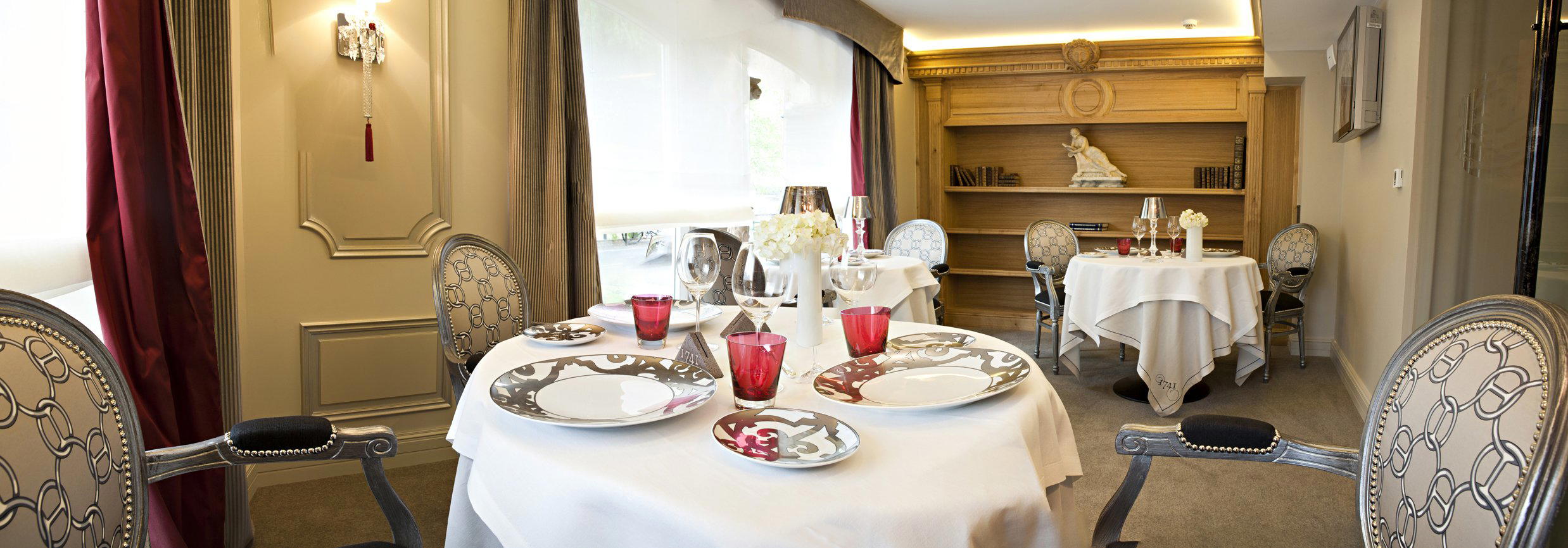
Restaurants in Obernai
Browse all →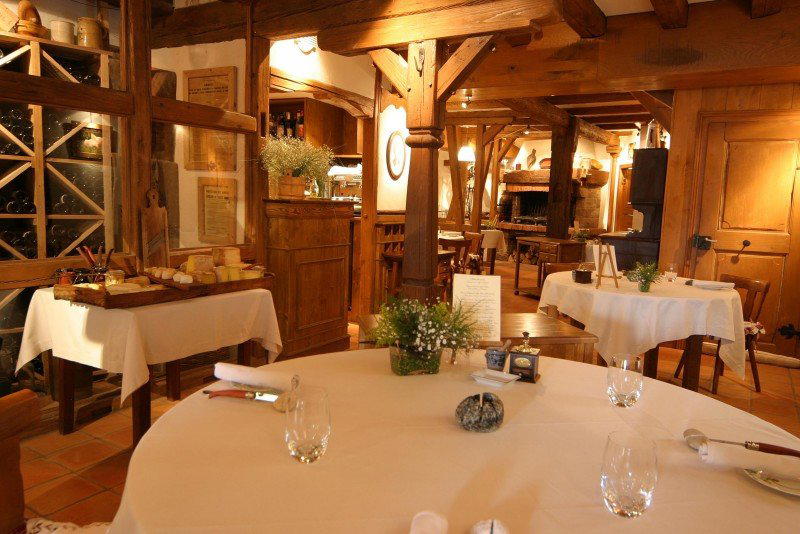

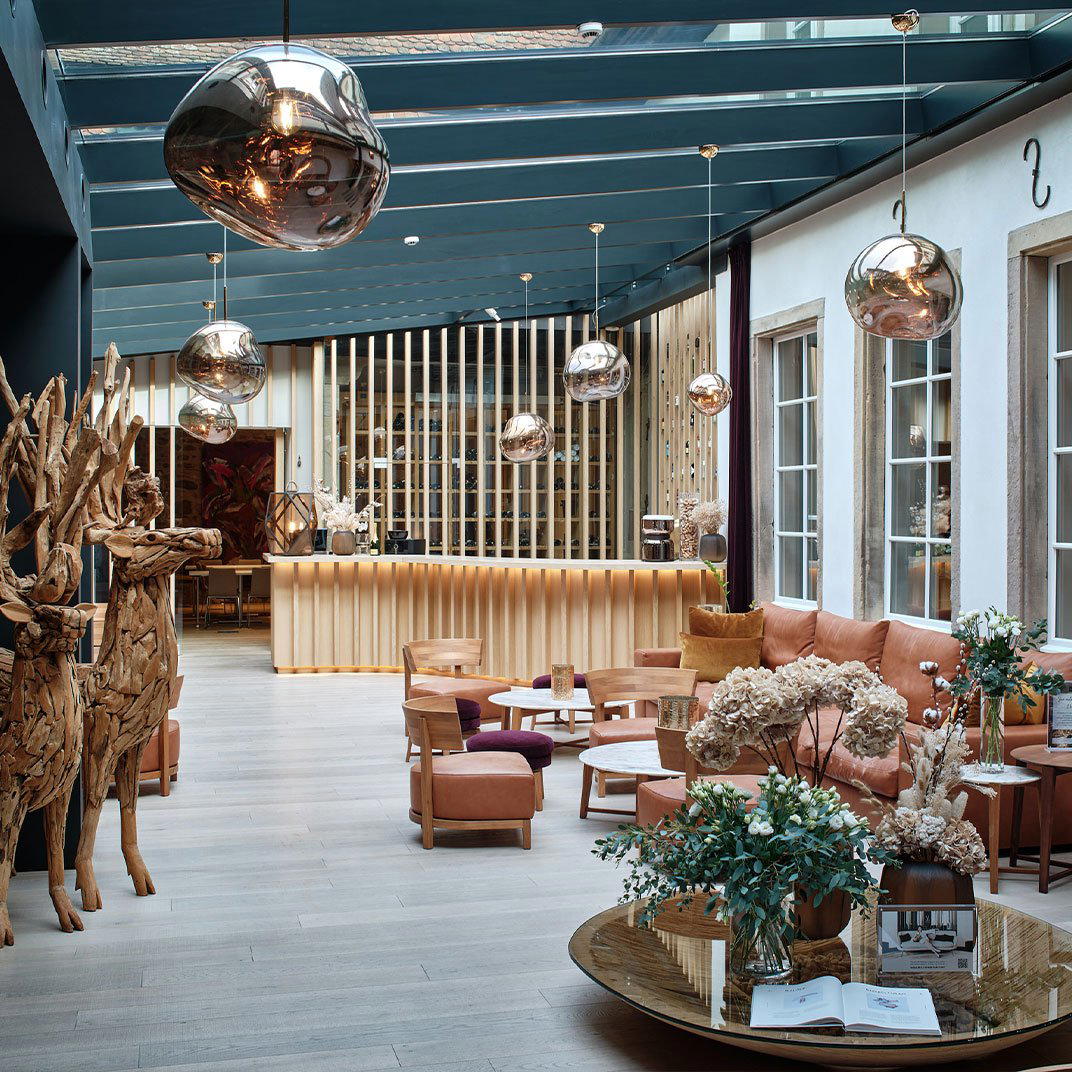
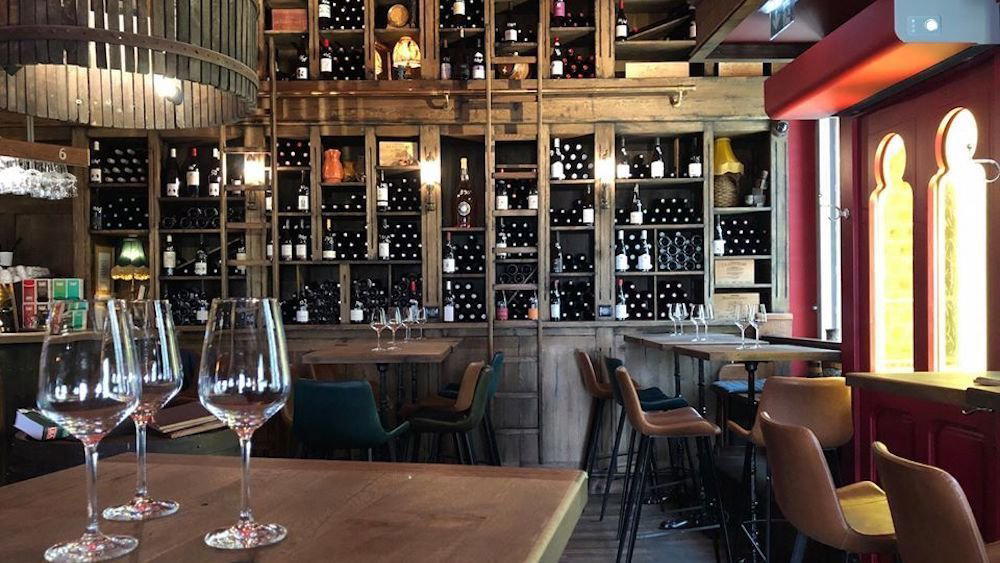
Bars in Obernai
Browse all →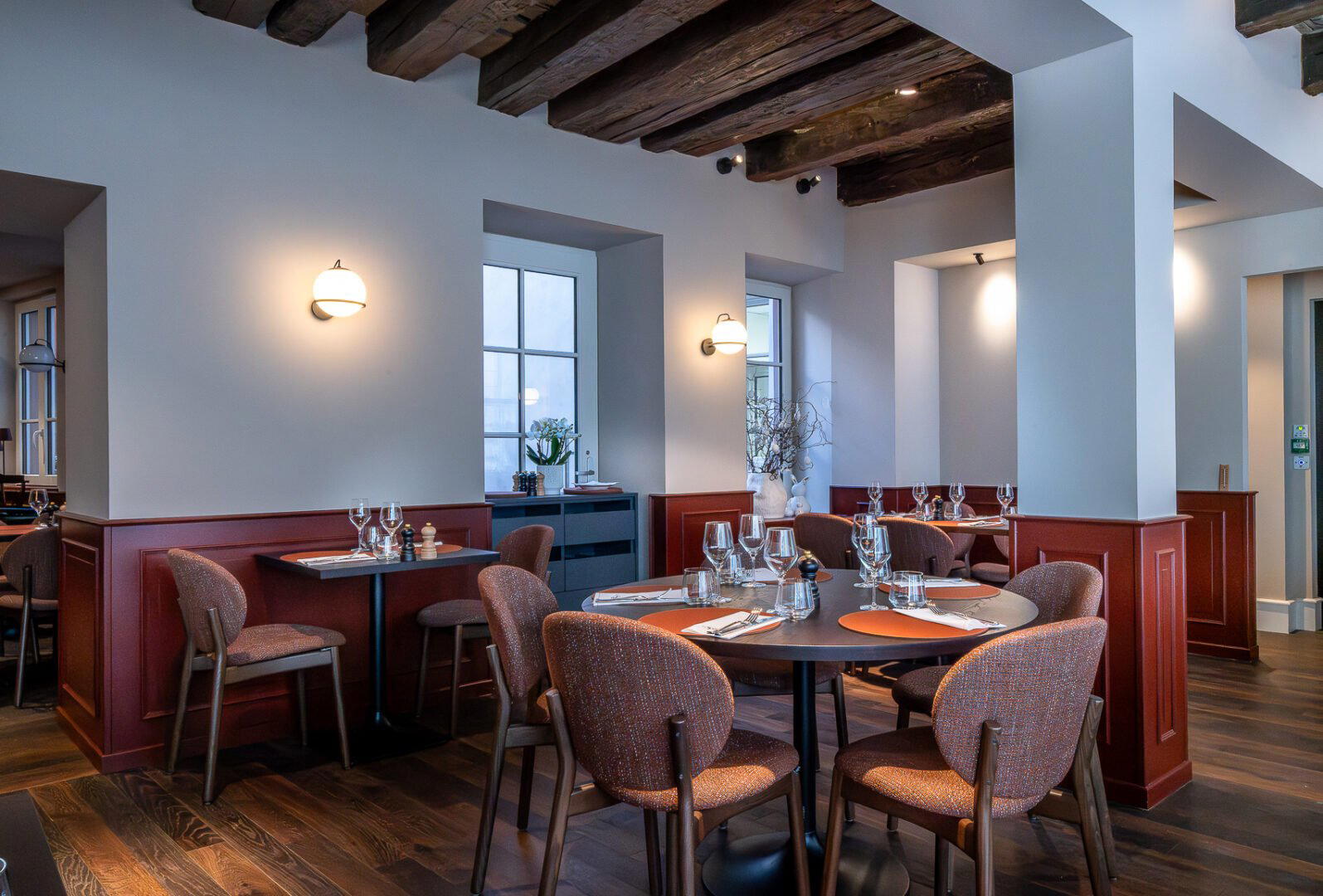


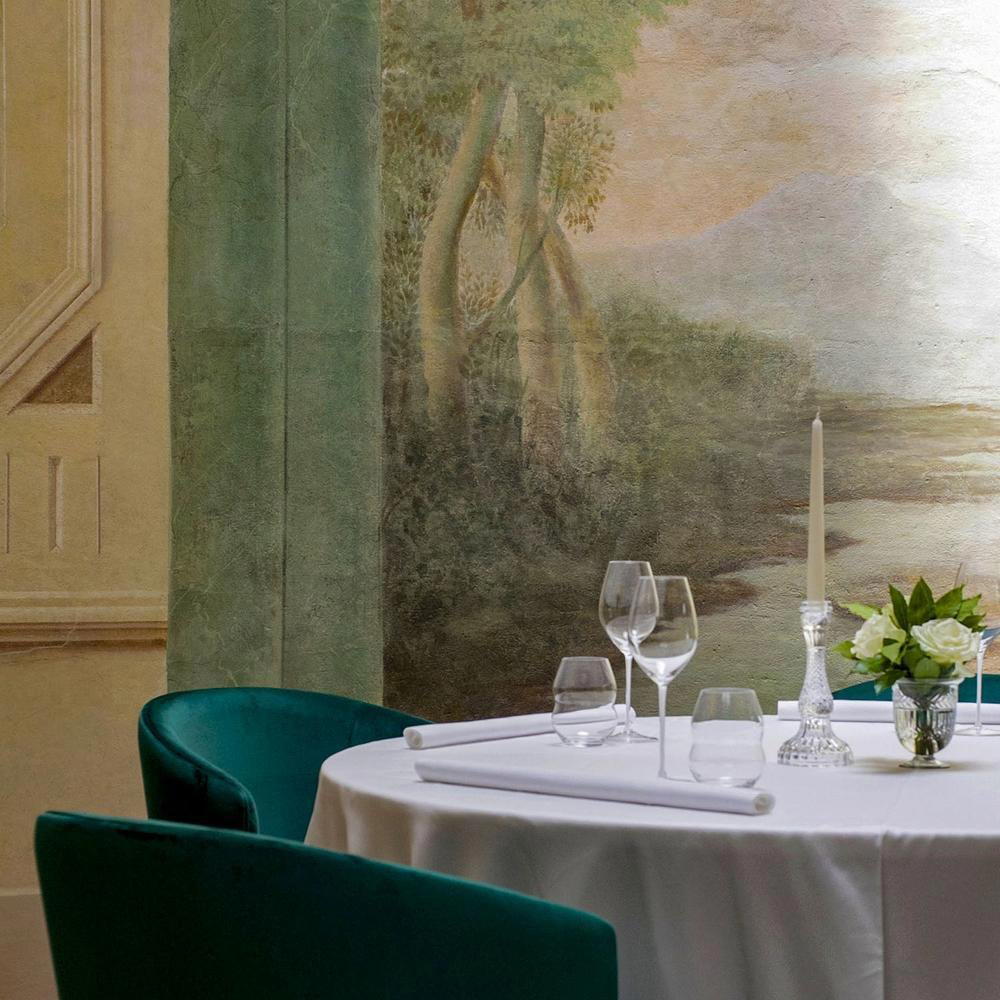
Hotels in Obernai
Browse all →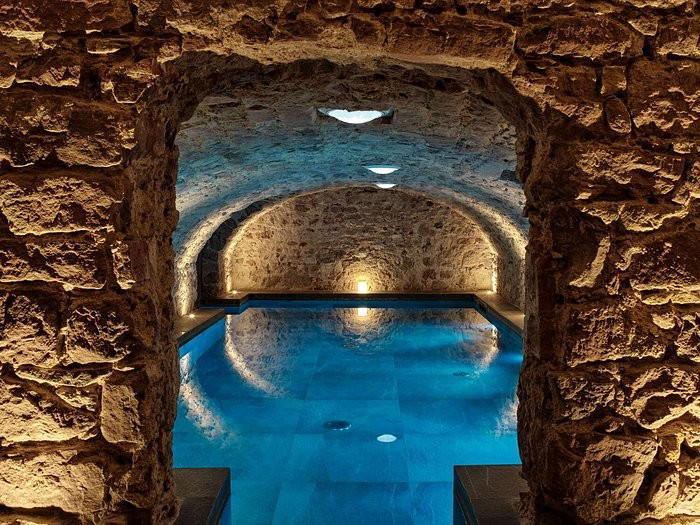
At a Glance
- Cozy
- Rustic
- Classic
- Intimate
- Casual Hangout
- Family
- Historic Building
Current opening hours
- Monday
- Closed
- Tuesday
- 12–2 PM, 7–8:30 PM
- Wednesday
- 12–2 PM, 7–8:30 PM
- Thursday
- 12–2 PM, 7–8:30 PM
- Friday
- 12–2 PM, 7–8:30 PM
- Saturday
- 7–8:30 PM
- Sunday
- 12–1:30 PM
Hours can change for holidays and private events. Last verified .
Warm and traditional Alsatian decor featuring venerable beams, painted woodwork and ceilings, stained glass, and paintings of regional meals.