
A Michelin Plate-recognised address in the Alsatian village of Ottrott, À l'Ami Fritz anchors itself in the regional cooking tradition that runs through this wine-route corridor, hearty, produce-led, and built around ingredients this part of Bas-Rhin has cultivated for generations. It holds steady in a comparable set where village dining is taken seriously and tourist-facing shortcuts are not forgiven.
Pearl is the En Primeur Club membership app — saves, bookings, and concierge access live there. Same editors, same standards.
- Address
- 8 Rue des Châteaux, 67530 Ottrott, France
- Phone
- +33 3 88 95 80 81
- Website
- amifritz.com
- Directions
- Get directions
 Saves & bookings on Pearl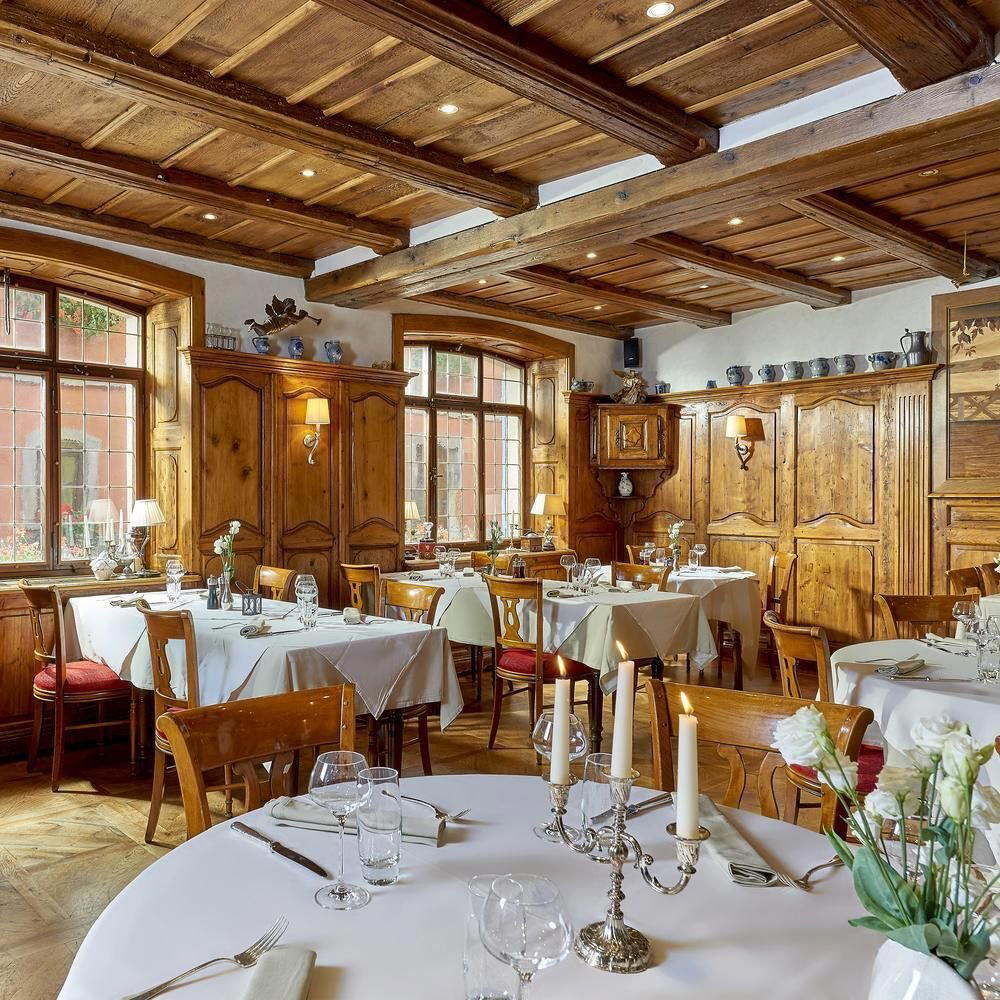
Where the Alsatian Kitchen Stays Honest
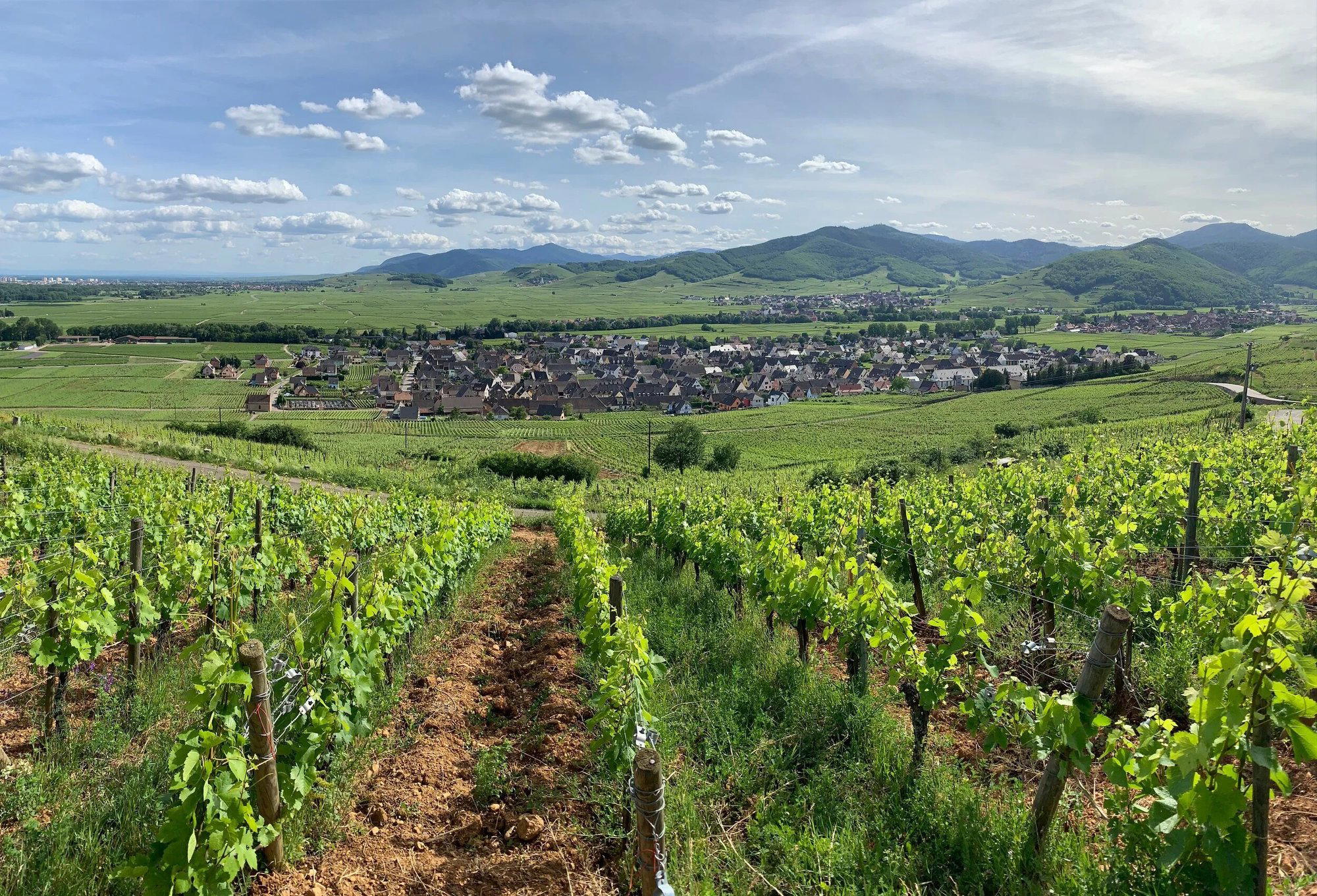
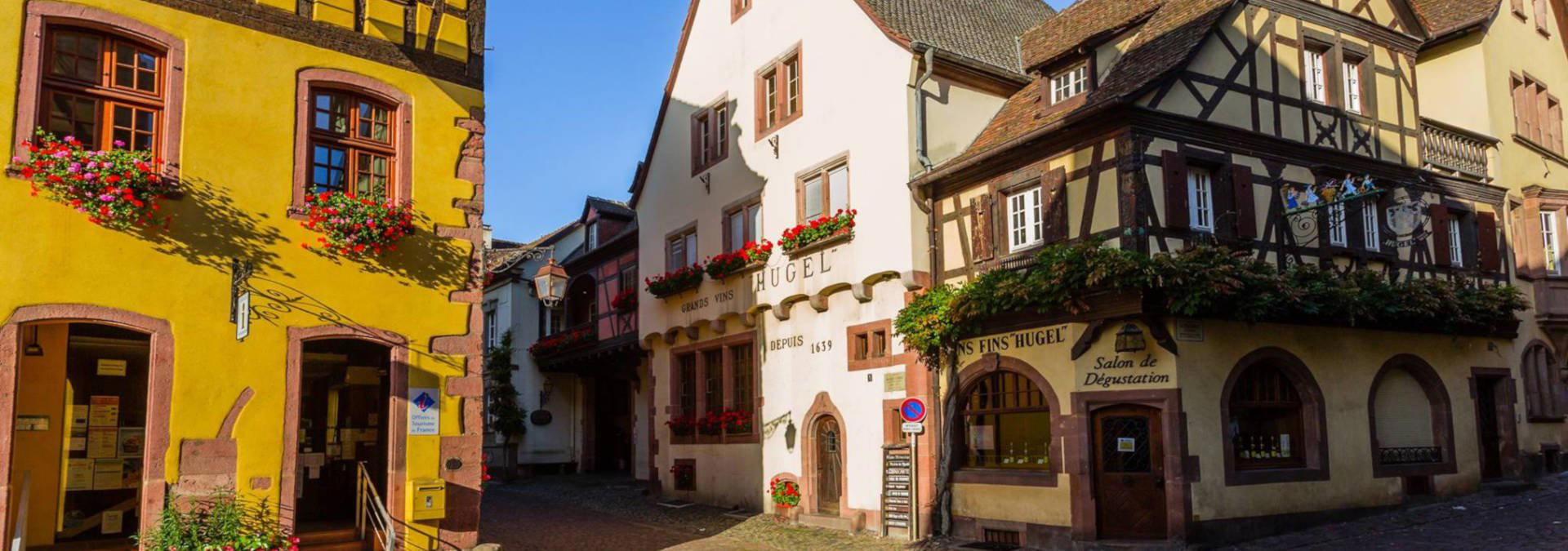
The road through Ottrott runs between vineyard slopes and dense Vosges forest, and the village sits at the base of a landscape that has fed and shaped Alsatian cooking for centuries. This is not the postcard Alsace of Strasbourg's Christmas markets or the tourist-heavy Route du Vin towns further north. Ottrott is quieter and more local in character, the kind of place where the dining rooms fill with people who have driven out from the city to eat something specific rather than to be seen somewhere fashionable. À l'Ami Fritz occupies that tradition directly. The address at 8 Rue des Châteaux puts it in the fabric of the village itself, and the kitchen's register is unmistakably rooted in the Alsatian canon: a cuisine built on pork, river fish, wild mushrooms, fermented cabbage, and the fat of the land rather than on international technique layered over a local frame.
For context on what Michelin recognition means at this price tier in Alsace: a Plate, awarded in both 2024 and 2025, signals consistent quality cooking. It is Michelin's marker for a kitchen that executes well at its stated ambition. In a region where Auberge de l'Ill in Illhaeusern has held three stars for decades and defines the upper tier of Alsatian fine dining, À l'Ami Fritz occupies a different and more important register: the mid-market regional table that keeps the actual culinary tradition alive at accessible prices. At €€, it sits well below the cost of starred dining in Alsace and closer in spirit and price to the working Alsatian winstub or the better village auberge.
The Sourcing Argument in Alsatian Cooking
The case for Alsatian cooking as a distinct and serious cuisine rests significantly on its ingredient base, and that base is unusually coherent for a French regional tradition. The Vosges foothills produce pinot noir grapes, Ottrott's own Rouge d'Ottrott is one of the few red Alsatian wines with genuine local identity, and the surrounding terrain yields game, freshwater fish from the Rhine tributaries, and the forest mushrooms that anchor Alsatian autumn cooking. The vegetable traditions here are Germanic as much as French: white asparagus in spring, turnips and root vegetables in winter, sauerkraut as a year-round staple rather than a novelty. A kitchen in this village that stays close to that sourcing tradition is doing something different from, and in some ways more difficult than, a kitchen that reaches beyond the region for prestige ingredients. Keeping the cooking local means working with seasonal and often unpredictable supply, and it means cooking for a clientele that knows exactly what these dishes should taste like because they grew up eating them.
Within Ottrott's small dining scene, À l'Ami Fritz holds its ground alongside addresses like Hostellerie des Châteaux and La Table du 6717, both of which operate at different price points and stylistic registers. While the latter two addresses lean toward modern or hotel-format dining, the restaurant is positioned more squarely in the traditional Alsatian idiom, an approach that, across the broader French regional scene, is less common than it used to be. Elsewhere in France, the pattern of traditional regional cooking giving way to contemporary bistronomy or fusion formats has been well-documented. In Alsace, the tradition has proved more durable, partly because the cuisine is specific enough to resist easy reinterpretation and partly because the local clientele holds it to account.
This kind of regional fidelity is worth comparing against what happens in other French cuisine traditions. Bras in Laguiole built its reputation on rigorous local sourcing in the Aubrac, and Flocons de Sel in Megève draws on alpine proximity to define its register. In Alsace, the sourcing logic is similarly place-specific but operates across a much wider tier of restaurants, from three-star addresses down to the village auberge, which means that keeping faith with the local ingredient base is an expectation rather than a selling point. That is the environment in which the restaurant competes.
The Alsatian Village Table in Broader Context
French regional dining at the mid-market level tends to split into two categories: those that maintain genuine connection to local tradition, and those that use regional signifiers as decoration over a fairly generic menu. Ottrott is not a large enough town to sustain the latter approach for long, the audience here is specific, local, and repeat. Reviews at that volume in a village of this size reflect regular return visitors and local endorsement more than passing tourist traffic, which makes the score harder to accumulate and more representative of sustained kitchen quality.
For readers placing this in the wider Alsatian or French regional context, comparable regional tables working in the traditional mode include À l'Agneau d'Or in Obernai and Au Pont Corbeau in Strasbourg, both of which operate in the Alsatian kitchen tradition at accessible price points. The regional conversation also extends beyond Alsace to addresses like Troisgros in Ouches, Paul Bocuse in Collonges-au-Mont-d'Or, Assiette Champenoise in Reims, and AM par Alexandre Mazzia in Marseille, all of which sit in their own regional traditions at different price tiers, illustrating how French regional dining operates across a broad spectrum of ambition and cost.
Planning Your Visit
The restaurant is at 8 Rue des Châteaux in Ottrott, a village most easily reached by car from Strasbourg, roughly 30 kilometres to the northeast, or from Obernai, which sits just a few kilometres to the east and is well-served by rail. Ottrott itself has no train station, so arriving by car or taxi from Obernai is the practical route. The €€ price tier makes this a realistic lunch or dinner option without the advance planning required for starred dining.
Quick Comparison
Comparable venues nearby, for context on price, style, and recognition.
| Venue | Cuisine | Price | Awards | Notes |
|---|---|---|---|---|
| À l'Ami Fritz | Traditional Alsatian French | $$$ | Michelin Plate | Ottrott |
| La Table du 6717 | French Gastronomic | $$$$ | Michelin Plate | Ottrott |
| Hostellerie des Châteaux | Refined Alsatian Gastronomy | $$$$ | Michelin Plate | Ottrott |
| Auberge de la Chèvrerie | Modern Alsatian Terroir | $$$ | Michelin Plate | Griesheim-près-Molsheim |
| Maison Kieny | Modern French Alsatian with Mexican Influences | $$$ | Michelin Plate | Riedisheim |
| Les Jardins du Moulin | Modern French | $$$ | Michelin Plate | Gundershoffen |
Recognition history
Dated appearances from independent guides and award organizations, with the underlying list record or original source where available.
Michelin Plate
Michelin
Michelin Plate
Michelin
Michelin Plate
Michelin
Continue exploring
More in Ottrott
Restaurants in Ottrott
Browse all →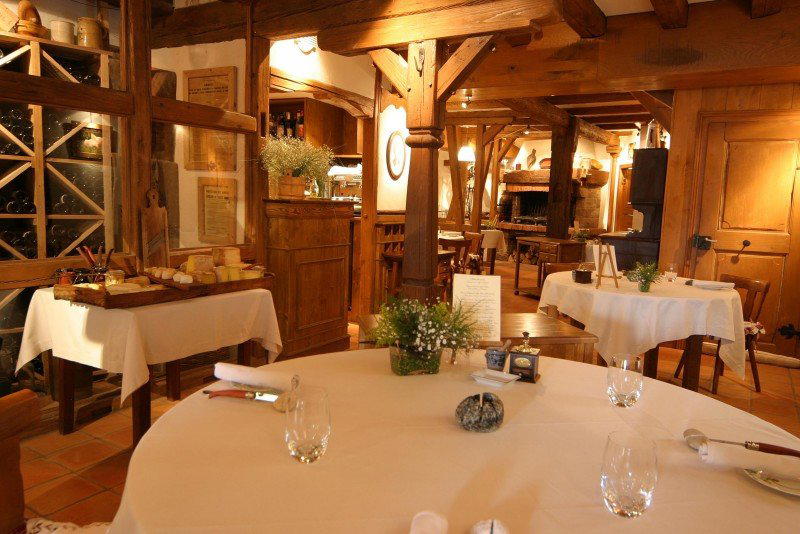

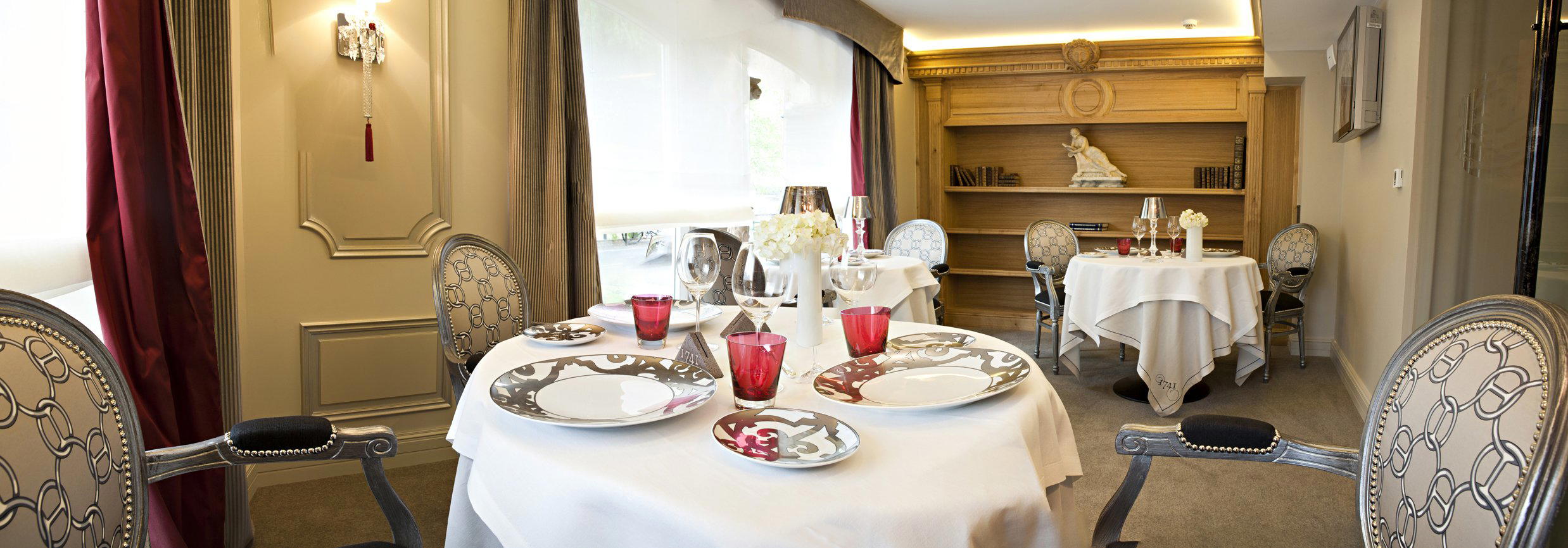
Bars in Ottrott
Browse all →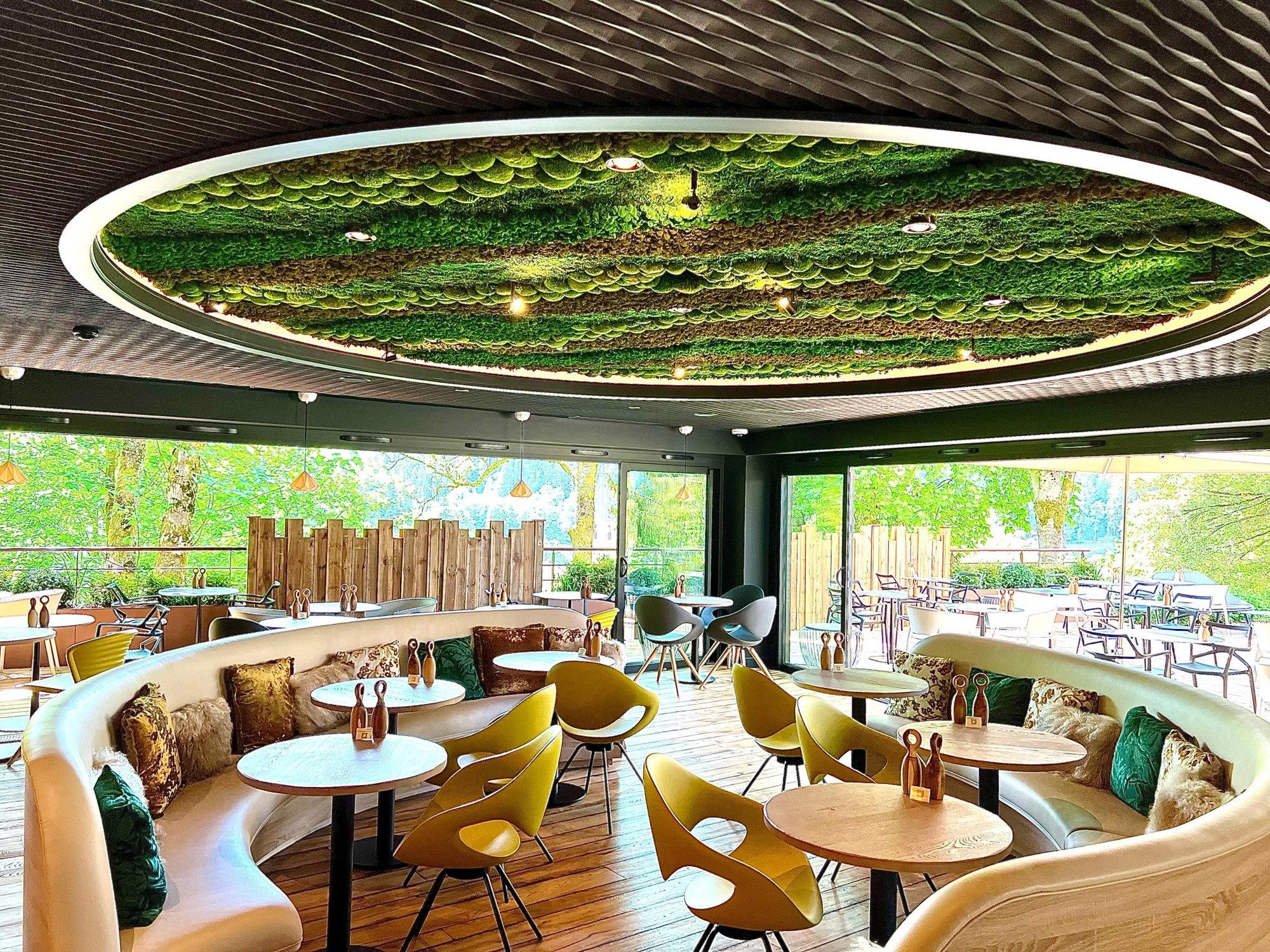
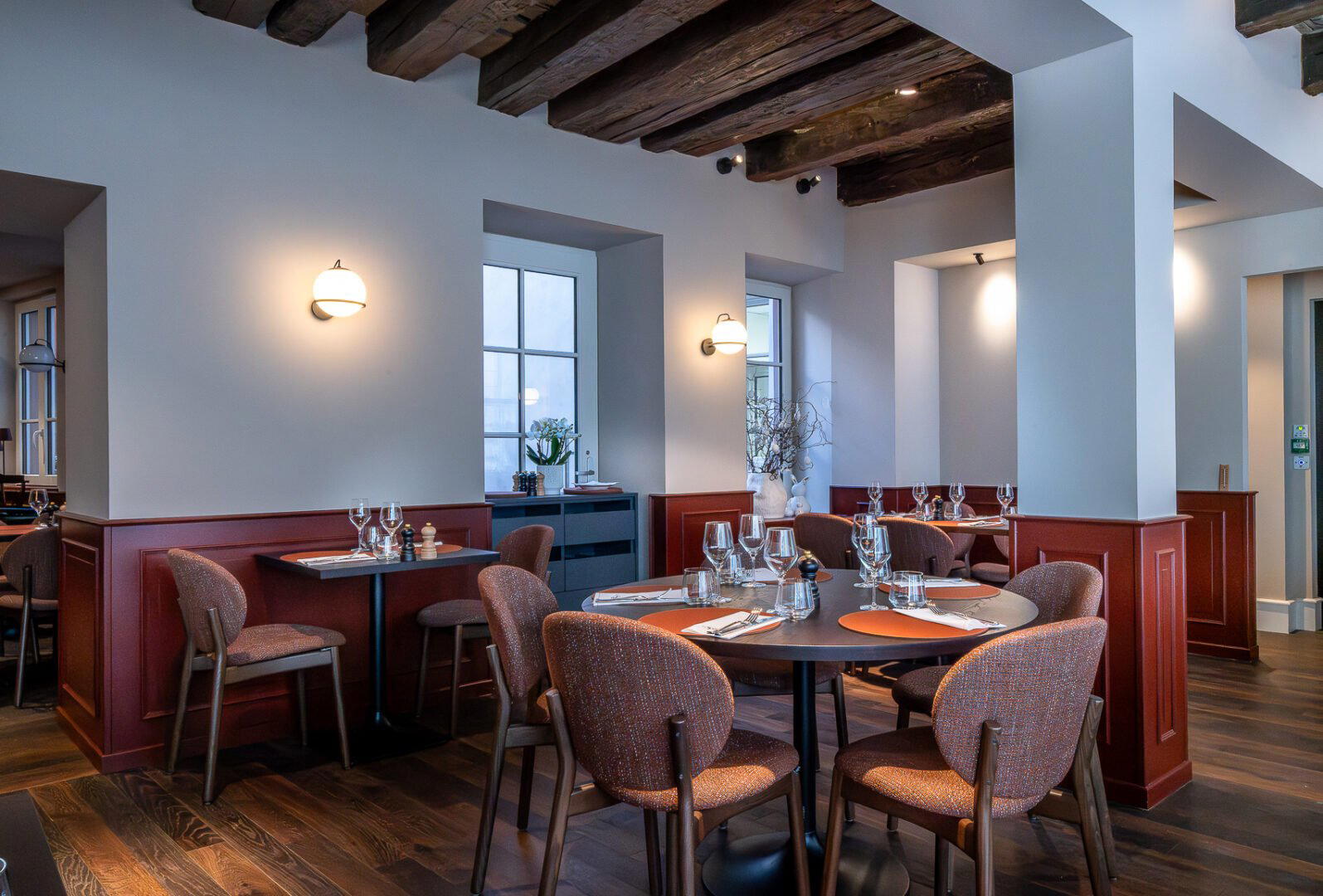
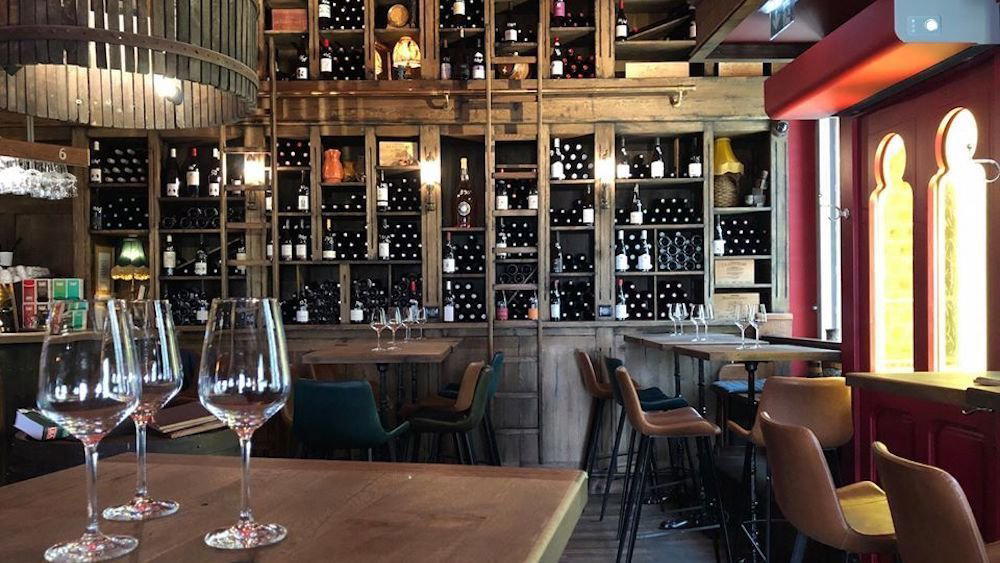
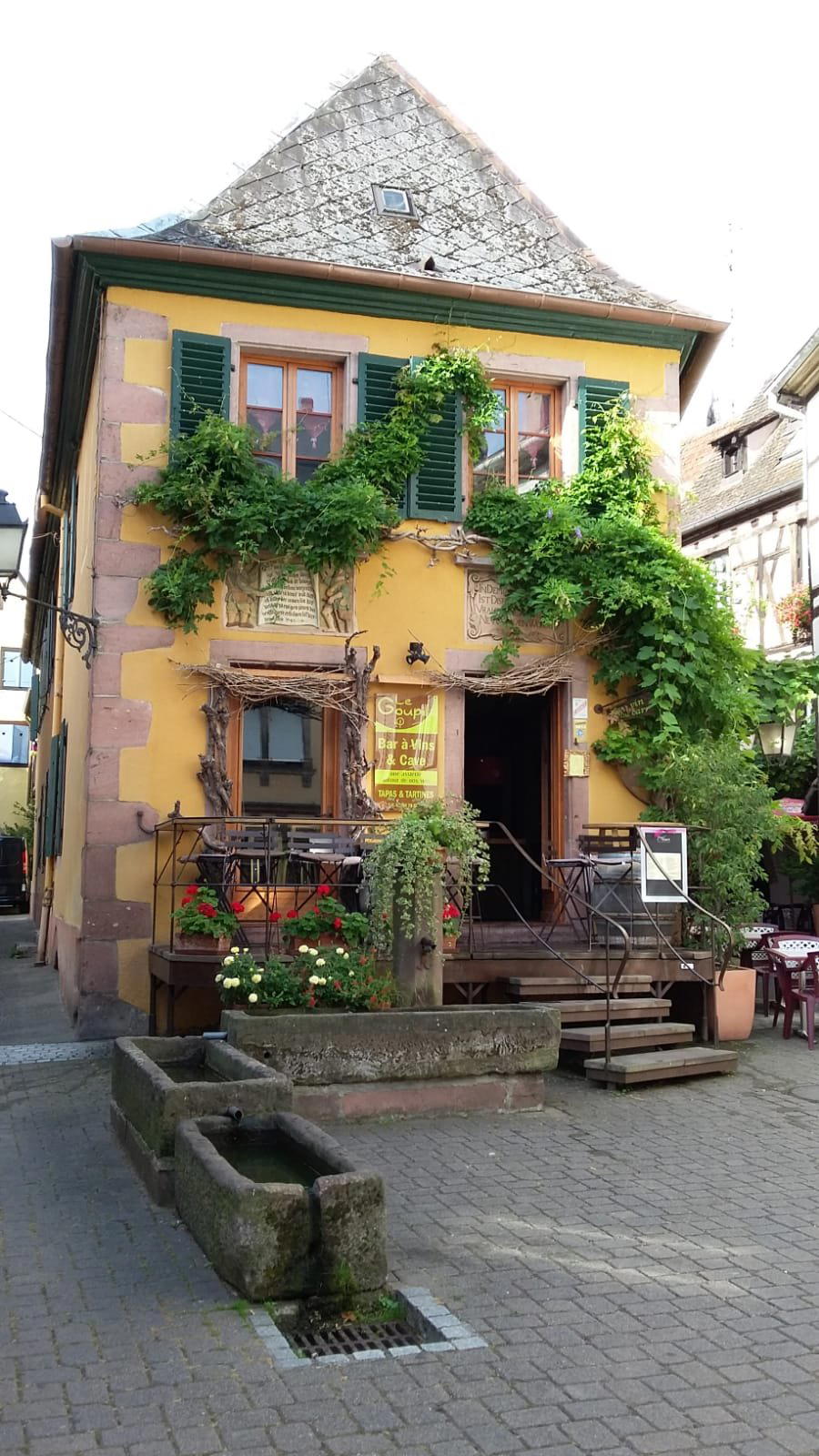

Hotels in Ottrott
Browse all →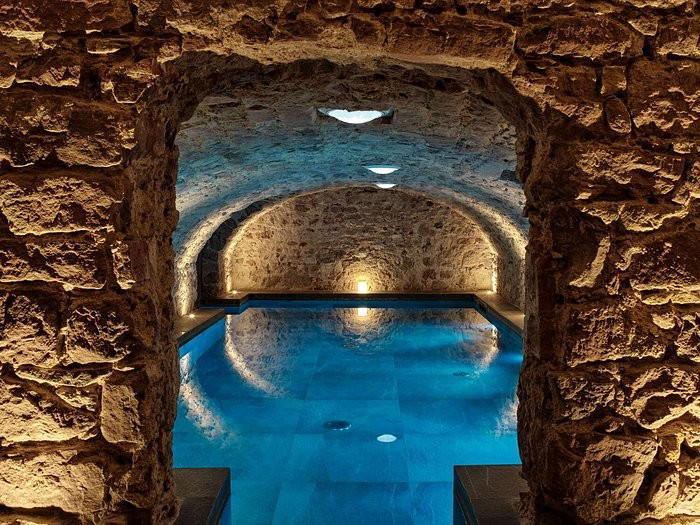
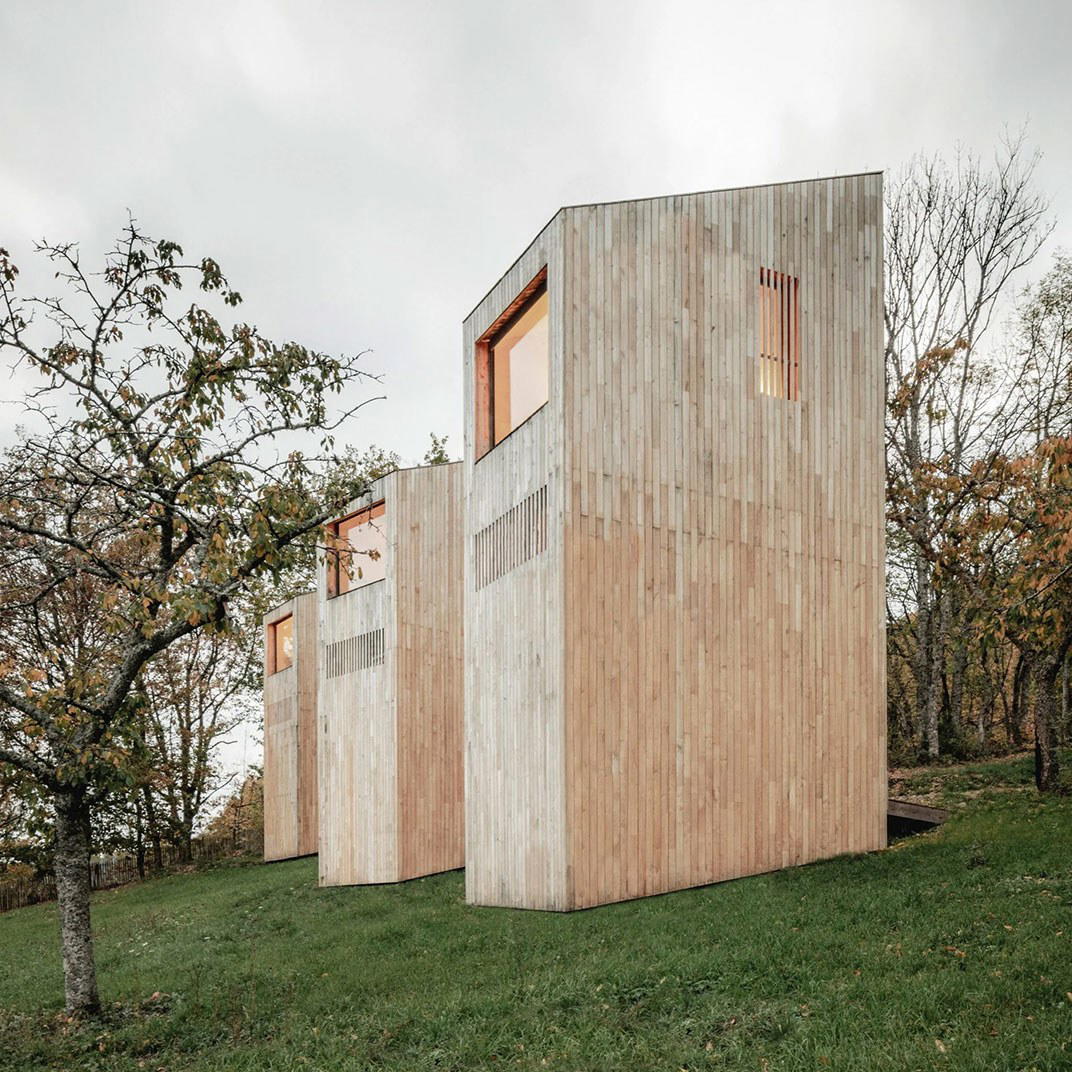
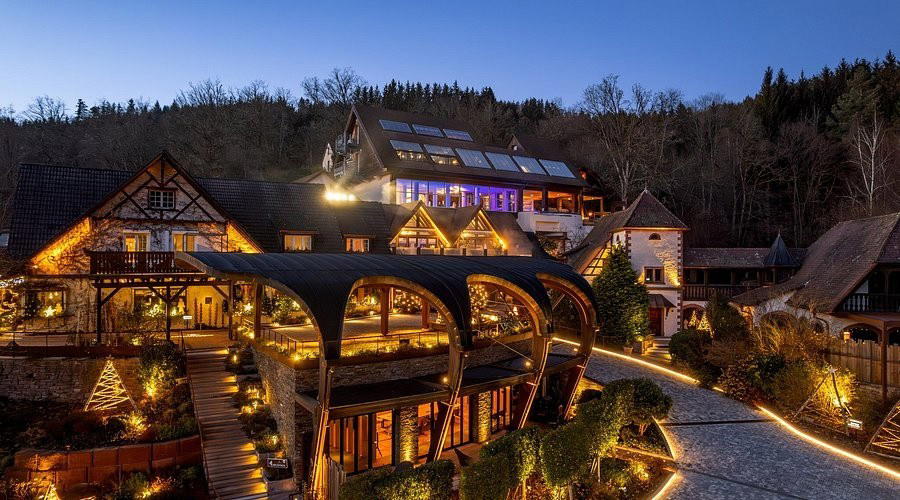

At a Glance
- Cozy
- Rustic
- Classic
- Intimate
- Family
- Special Occasion
- Celebration
- Historic Building
- Local Sourcing
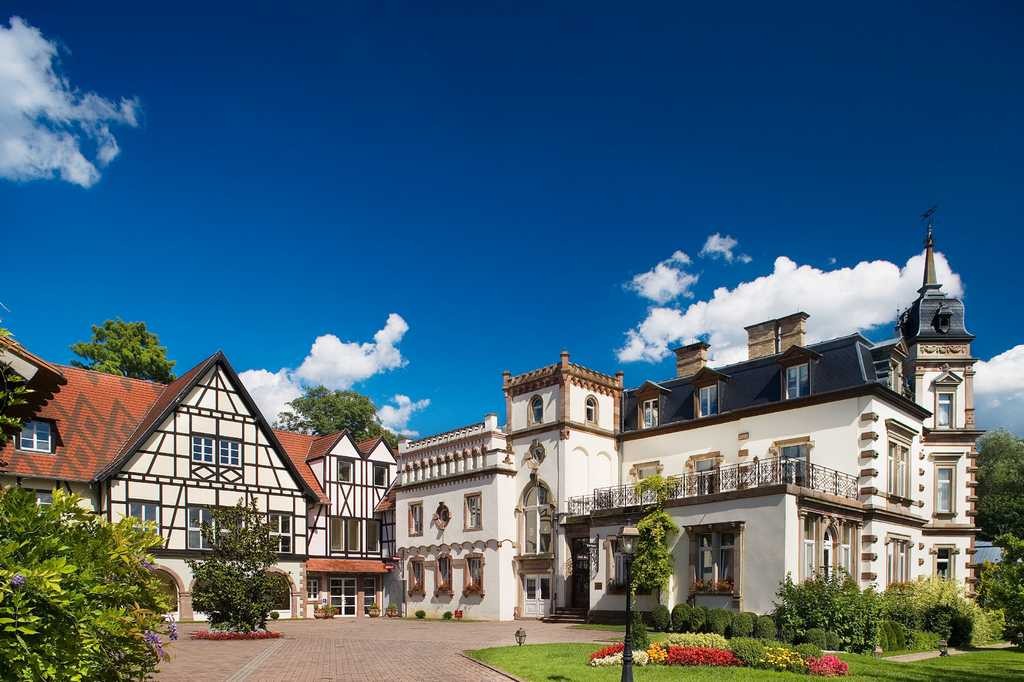
Chaleureuse et conviviale with a warm, welcoming atmosphere in a historic setting.