Grand Hôtel du Lion d’Or

Relais Chateaux Award
A third-generation family-run townhouse in the heart of Sologne, Grand Hôtel du Lion d'Or occupies a Renaissance building on Romorantin-Lanthenay's main thoroughfare. Rates from US$271 per night position it as a considered alternative to the Loire Valley's château circuit, with mindful sourcing credentials.

Pearl is the En Primeur Club membership app — saves, bookings, and concierge access live there. Same editors, same standards.
- Address
- 69 Rue Georges Clemenceau, 41200 Romorantin-Lanthenay
- Phone
- +33 (0)2 54 94 15 01
- Website
- hotel-liondor-romorantin.fr
- Directions
- Get directions
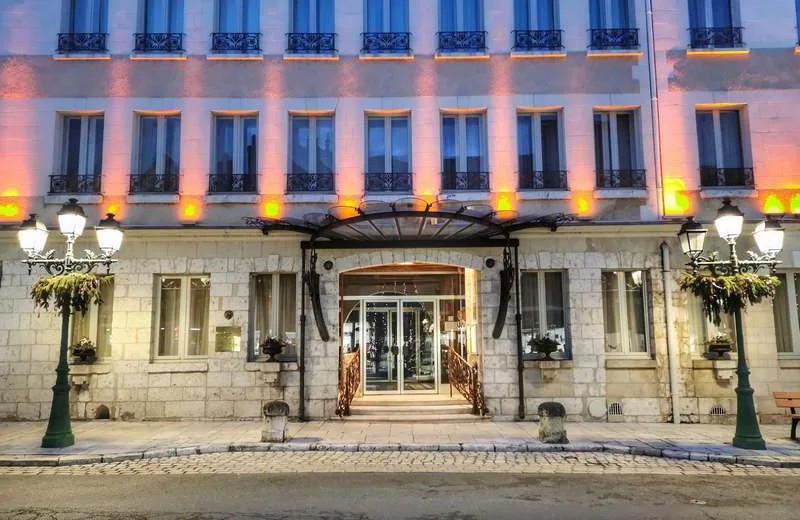
A Renaissance Address in Sologne's Quiet Capital
Romorantin-Lanthenay sits at the southern edge of the Loire Valley, where the vineyards thin out and the Sologne forest begins its slow, flat spread toward the Cher. This is not Chambord or Amboise territory, where tourist infrastructure organises itself around the monuments. Romorantin is a market town with a medieval centre, a river running through it, and a local economy still shaped by hunting, fishing, and the agricultural rhythms of one of France's most distinctive natural regions. That context matters when understanding what Grand Hôtel du Lion d'Or actually represents: not a château hotel performing regionality for visitors, but a working hospitality institution embedded in the town itself.
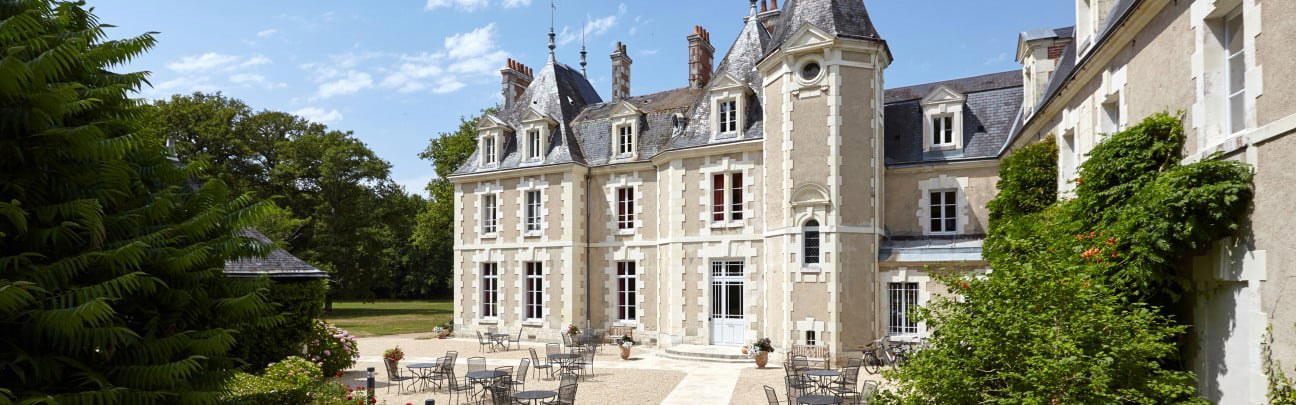
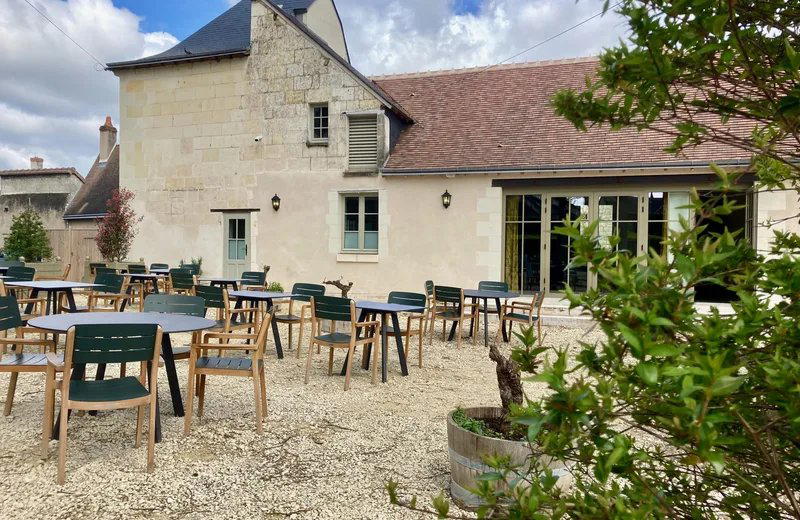
The building on Rue Georges Clemenceau is Renaissance in origin, and the architectural bones of that period remain legible from the street. In a region where historic property is typically either preserved behind gates or converted into self-contained resort operations, a Renaissance townhouse functioning as a proper hotel at the centre of a small provincial town is a specific and now increasingly rare format. The façade announces its age without spectacle, which sets a consistent register for what follows inside.
Three Generations and What That Actually Means Architecturally
Third-generation family ownership in French hospitality tends to produce one of two outcomes: a property held in aspic by the weight of its own history, or one refined through accumulated institutional knowledge into something with genuine character. At Grand Hôtel du Lion d'Or, the evidence points toward the latter.
What multi-generational stewardship tends to preserve in buildings of this age is the spatial logic of the original structure: room proportions that predate standardised hospitality dimensions, circulation routes that follow the building's own geometry rather than a brand manual, and interiors that accumulate rather than reset. Those characteristics are increasingly difficult to find in the French provincial hotel market, where renovation cycles often flatten historic fabric in favour of legible contemporary comfort. Properties like Château du Grand-Lucé in Le Grand-Lucé or Domaine Les Crayères in Reims operate in this same register of historically grounded French hospitality, though at different price points and with different institutional structures behind them.
Sologne as Context, Not Backdrop
The Sologne is defined by its flatness, its forests, its étangs, and its game. This is the France of Alain-Fournier's Le Grand Meaulnes, a range of melancholy and quiet seasonal beauty that draws hunters and fishermen more reliably than it draws conventional tourists. The region's food culture is built around that same material: game birds, river fish, wild mushrooms, and the particular dairy and vegetable traditions of a region that has never depended on passing trade for its culinary identity.
Grand Hôtel du Lion d'Or's emphasis on mindful sourcing is not a marketing position imported from elsewhere; it is a natural consequence of being located here, in a town where the supply chains for this kind of produce are short and the culinary tradition around them is deep. Romorantin sits in the Loir-et-Cher department, whose markets and producers have shaped local cooking for generations. For guests arriving from Paris, roughly two hours by road via the A10 and D724, this is a genuinely different food culture from the capital's restaurant circuit.
Positioning Within the Loire Valley Hotel Set
The Loire Valley premium hotel market organises itself primarily around château properties and wine-estate accommodations. That set includes operations of considerable scale and international profile. Grand Hôtel du Lion d'Or operates outside that cluster, both geographically (Romorantin sits south of the main château corridor) and conceptually (a townhouse hotel serving a local market rather than a destination resort built around a monument or appellation).
Rates from US$271 per night position it accessibly relative to the region's château competitors, and relative to comparable family-run historic townhouse hotels across provincial France. For context, properties like Baumanière Les Baux-de-Provence or La Bastide de Gordes operate in historically significant French buildings but at significantly higher rate levels and within established luxury tourism corridors. Les Sources de Caudalie in Bordeaux and Villa La Coste represent the wine-estate model. Lion d'Or's value proposition is different: provincial depth over destination performance.
For travellers whose reference points are the grander end of the French hotel spectrum, including Cheval Blanc Paris, Hotel Du Cap-Eden-Roc, or The Maybourne Riviera, the Lion d'Or operates in a categorically different register: smaller, quieter, anchored to a specific provincial community rather than to an international clientele.
Practical Planning
The hotel operates with two annual closure periods to note before booking: from 17 November to 28 November 2025, and from 15 February to 28 March 2026, covering both hotel and restaurant. Those windows make autumn through mid-November and late March through autumn the operative seasons. Romorantin-Lanthenay is approximately two hours from Paris by car, placing it within viable weekend-trip range from the capital, and the town itself connects to the broader Loire Valley itinerary if Chambord, Cheverny, or the wine appellations around Cheverny and Cour-Cheverny are on the agenda. For more on dining and hospitality options in the area, see our full Romorantin-Lanthenay restaurants guide.
Comparison Snapshot
Comparable venues nearby, for context on price, style, and recognition.
| Venue | Cuisine | Price | Awards | Notes |
|---|---|---|---|---|
| Grand Hôtel du Lion d’OrThis venue — the venue you are viewing | Historic luxury coaching inn in Sologne countryside | $100–200 | Relais Chateaux Award | Not listed |
| Le Tsanteleina | Chalet-style luxury hotel blending traditional Alpine architecture with contemporary hospitality, emphasizing family warmth and historic authenticity since 1948. | $500–750 | Michelin Selected | Val d'Isère center |
| Domaine de Barive | Château hotel with antique charm and contemporary comforts in verdant parkland. | $200–300 | Michelin Selected | Sainte-Preuve |
| Sofitel Ajaccio | Modern luxury beach resort in harmony with nature | $300–500 | Michelin Selected | Porticcio |
| Le Manoir du Lys | Historic hunting lodge reimagined as a luxury countryside retreat with modern sensibilities and refined French hospitality. | $100–200 | Michelin Selected | Bagnoles-de-l'Orne |
| Les Dromonts | Well-known 1960s alpine architecture with fan-shaped pine-cone design. | Not listed | Michelin Selected | heart of Avoriaz |
Recognition history
Dated appearances from independent guides and award organizations, with the underlying list record or original source where available.
Relais Chateaux Award
Relais Chateaux
Full recognition history (2 entries)
Relais Chateaux Award
Relais Chateaux
Continue exploring
More in Romorantin-Lanthenay
Hotels in Romorantin-Lanthenay
Browse all →
Restaurants in Romorantin-Lanthenay
Browse all →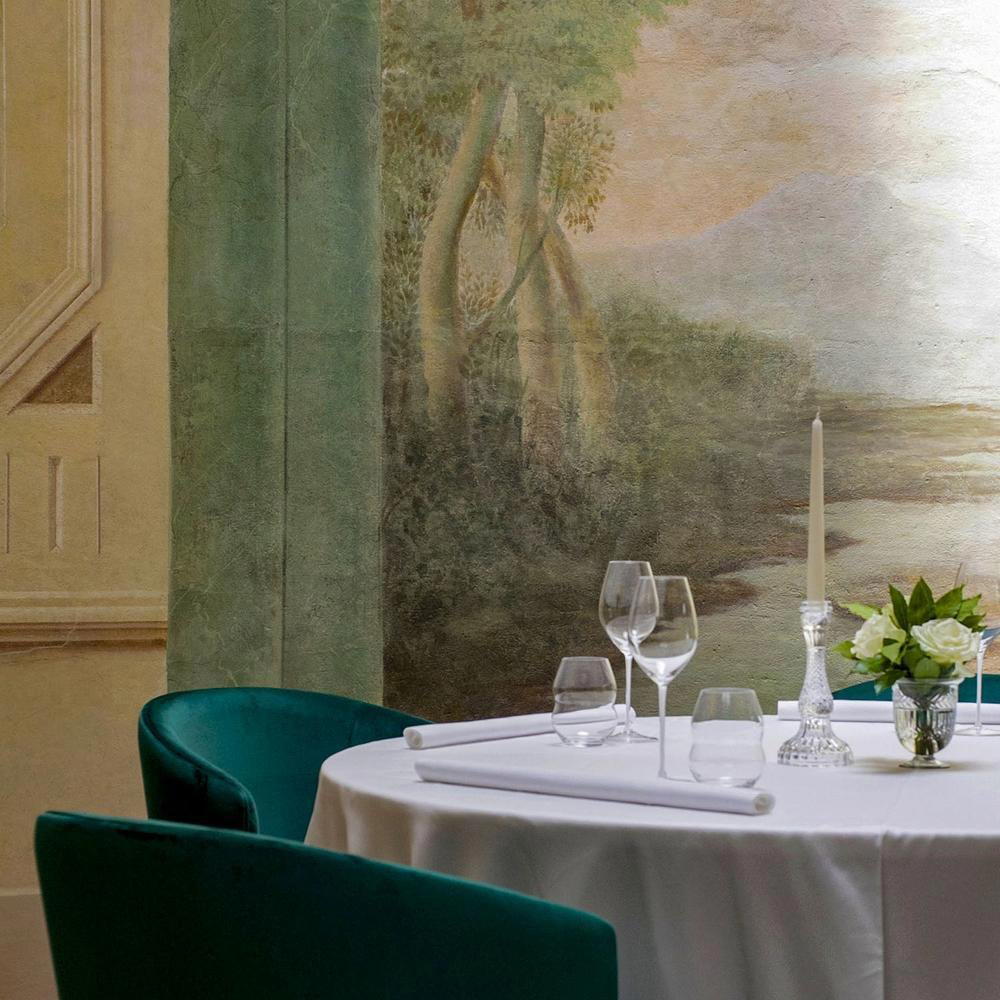

Details
- Romantic
- Quiet
- Elegant
- Classic
- Sophisticated
- Romantic Getaway
- Anniversary
- Weekend Escape
- Historic Building
- Terrace
- Wi Fi
- Restaurant
- Room Service
- Concierge
- Air Conditioning
- EV Charging
- Street Scene
- Wheelchair Accessible
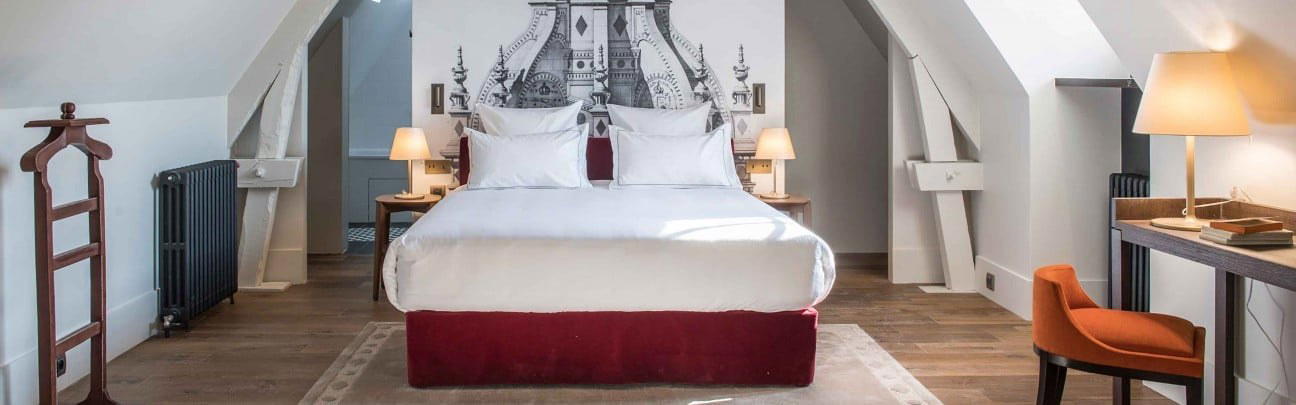
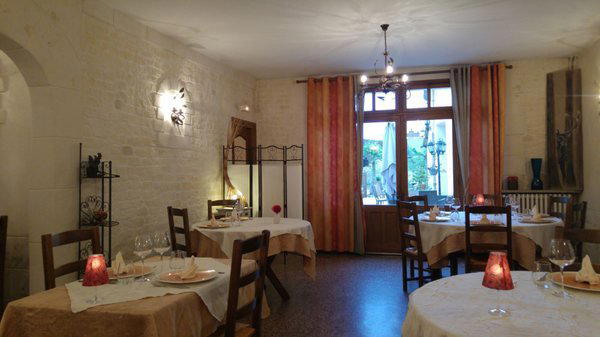
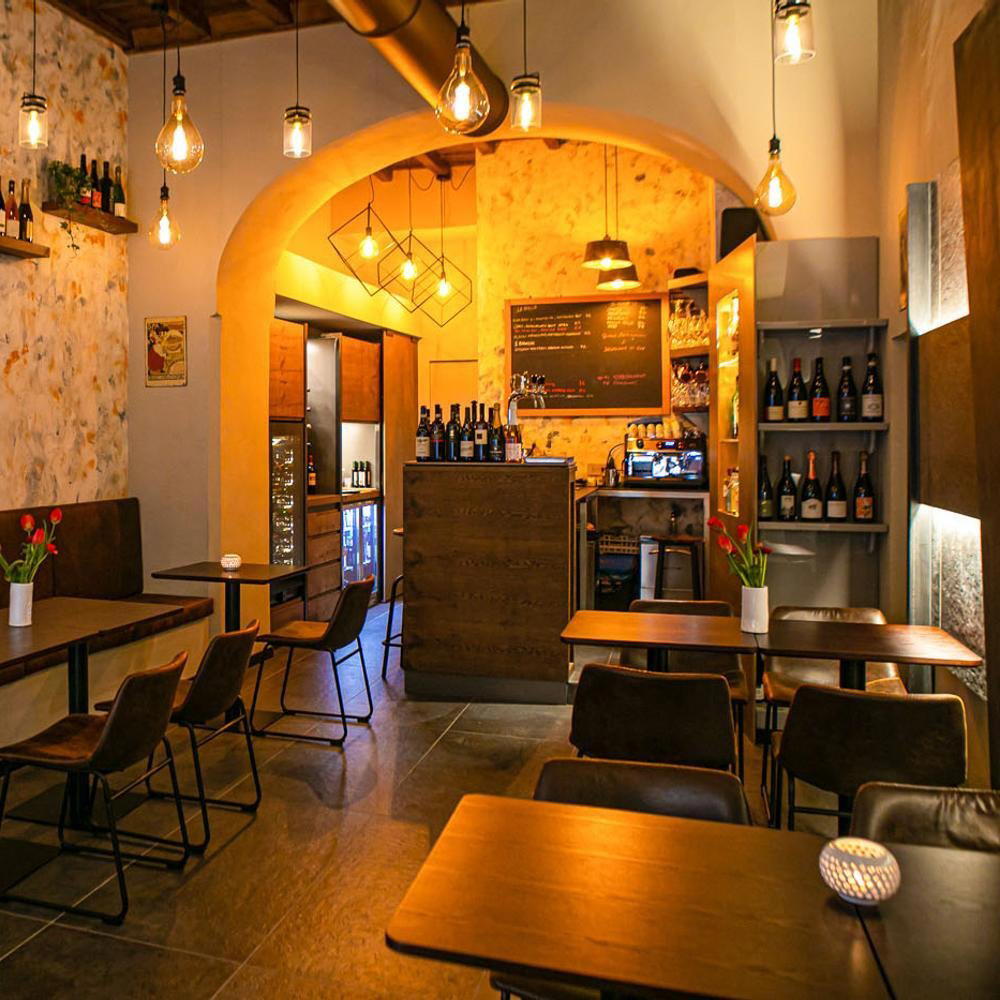
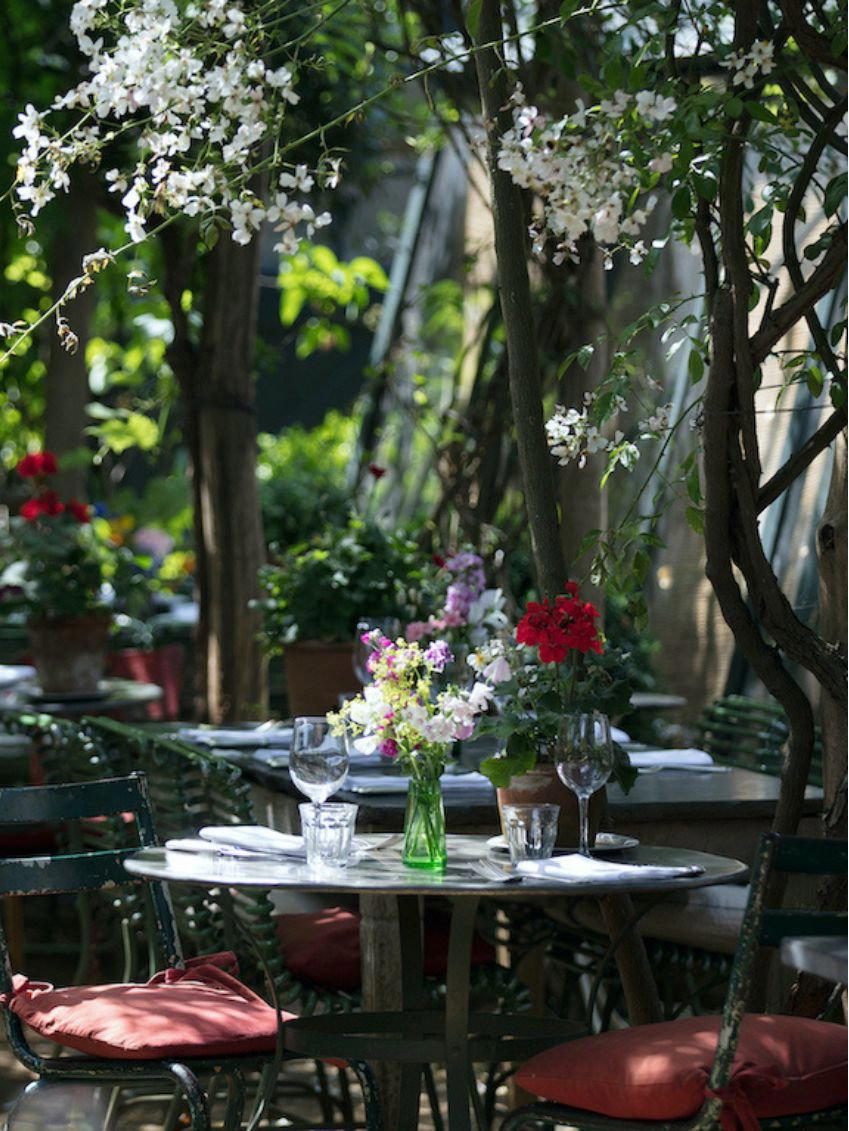
Elegant and serene with beautiful historic interiors, calm courtyard dining, and a refined, welcoming atmosphere.