

Le Lièvre Gourmand holds a Michelin star on Orléans' quayside at 28 Quai du Châtelet, where chef Bernard Mariller delivers creative cuisine at the €€€ tier.
Pearl is the En Primeur Club membership app — saves, bookings, and concierge access live there. Same editors, same standards.
- Address
- 28 Quai du Châtelet, 45000 Orléans, France
- Phone
- +33 2 38 53 66 14
- Website
- lelievregourmand.fr
- Directions
- Get directions
 Saves & bookings on Pearl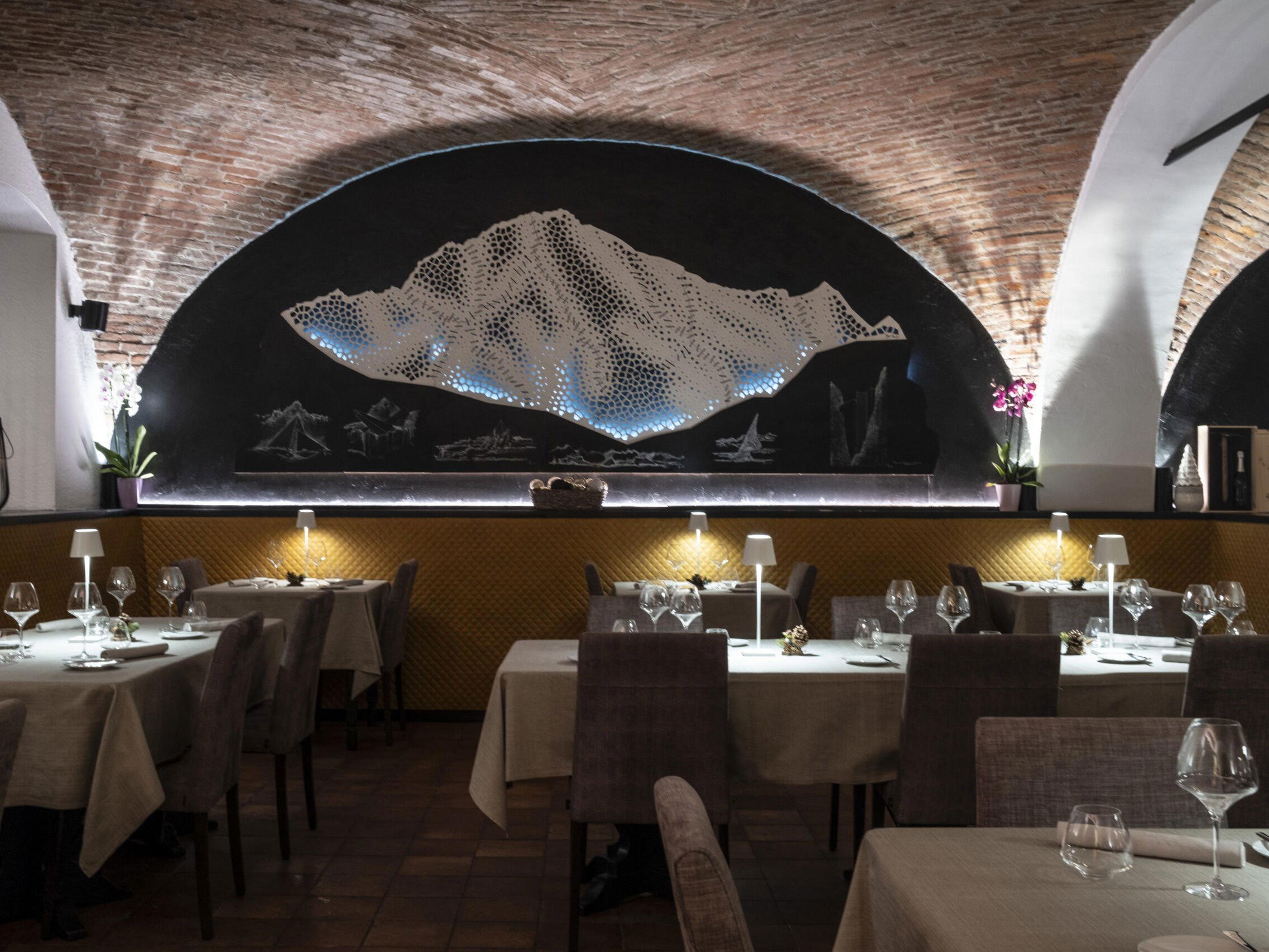
A Quayside Address in a City Rediscovering Its Table
Orléans sits at a peculiar crossing point in French dining geography. Close enough to Paris to attract weekend visitors, anchored to the Loire Valley's agricultural and viticultural wealth, yet historically overshadowed by the city's Joan of Arc associations rather than its food culture. That is changing. The quays along the Loire have become the address of choice for the city's more serious restaurants, and 28 Quai du Châtelet, where Le Lièvre Gourmand occupies its riverside position, places it squarely within that emerging register. Approaching along the embankment, the Loire wide and unhurried in the background, the setting frames the meal before you've sat down. This is Orléans doing something more deliberate than its culinary reputation has previously suggested.
The broader Loire Valley dining scene has long existed in an interesting tension: a wine region of serious European standing, yet one whose restaurants have rarely attracted the same international attention as those of Lyon, Bordeaux, or the Basque country. Michelin's continued recognition of Le Lièvre Gourmand, one star in both 2024 and 2025, signals that Orléans is being taken seriously within that context. Chef Bernard Mariller's creative cuisine is the reason the star stays, and in a city where the upper bracket of formal dining is still being defined, that sustained recognition carries weight beyond the single-star designation itself.
Creative Cuisine and the Loire's Larder
The creative category in French fine dining is worth pausing on. It does not mean fusion without discipline, nor invention for its own sake. At its most coherent, it describes a kitchen working from strong classical foundations while exercising genuine editorial judgment over what lands on the plate. The Loire Valley provides an unusually generous larder for this kind of cooking: Sologne game, freshwater fish from the river itself, asparagus and legumes from the flat market gardens of the Beauce, and a wine region that produces not only Sancerre and Pouilly-Fumé but also the less-publicised appellations of Touraine and the Orléanais. A kitchen positioned creatively within this geography has material to work with.
Le Lièvre Gourmand sits at €€€ pricing, which places it above the mid-market modern French restaurants that form the broader competitive set in Orléans. Venues like Eugène (Modern Cuisine), Gric (Modern Cuisine), L'Hibiscus (Modern Cuisine), and La Dariole (Modern Cuisine) all operate at the €€ tier with a modern cuisine remit, making the restaurant the clear step up in price, formality, and ambition within the city. That price difference buys a different kind of dining: more composed, more technically demanding, and anchored by the Michelin credential that none of its Orléans peers currently hold.
The Star in Context: What Michelin Recognition Means Here
A single Michelin star is consistently awarded and consistently renewed in a relatively small number of restaurants across any given region. In the Loire Valley, that list is not long. Holding the distinction across consecutive years, as the restaurant has done through 2024 and 2025, removes any sense that the recognition was circumstantial. Michelin awards on repeat visits, not on a single assessment, and a two-year run places the restaurant in a confirmed tier rather than an emerging one.
For context on what that tier looks like nationally, the French Michelin galaxy runs from this level through multi-star establishments like Alléno Paris au Pavillon Ledoyen in Paris, Flocons de Sel in Megève, and Mirazur in Menton, or to the historically significant houses like Troisgros - Le Bois sans Feuilles in Ouches, Paul Bocuse - L'Auberge du Pont de Collonges in Collonges-au-Mont-d'Or, Bras in Laguiole, and Auberge de l'Ill in Illhaeusern. The restaurant is not competing in that upper atmosphere, but it inhabits a legitimate position in the same framework, doing so in a city where the wider dining culture is still building its reputation.
A score at that level, sustained across a meaningful volume of responses, points to consistent execution rather than occasional excellence.
The Neighbourhood as Part of the Proposition
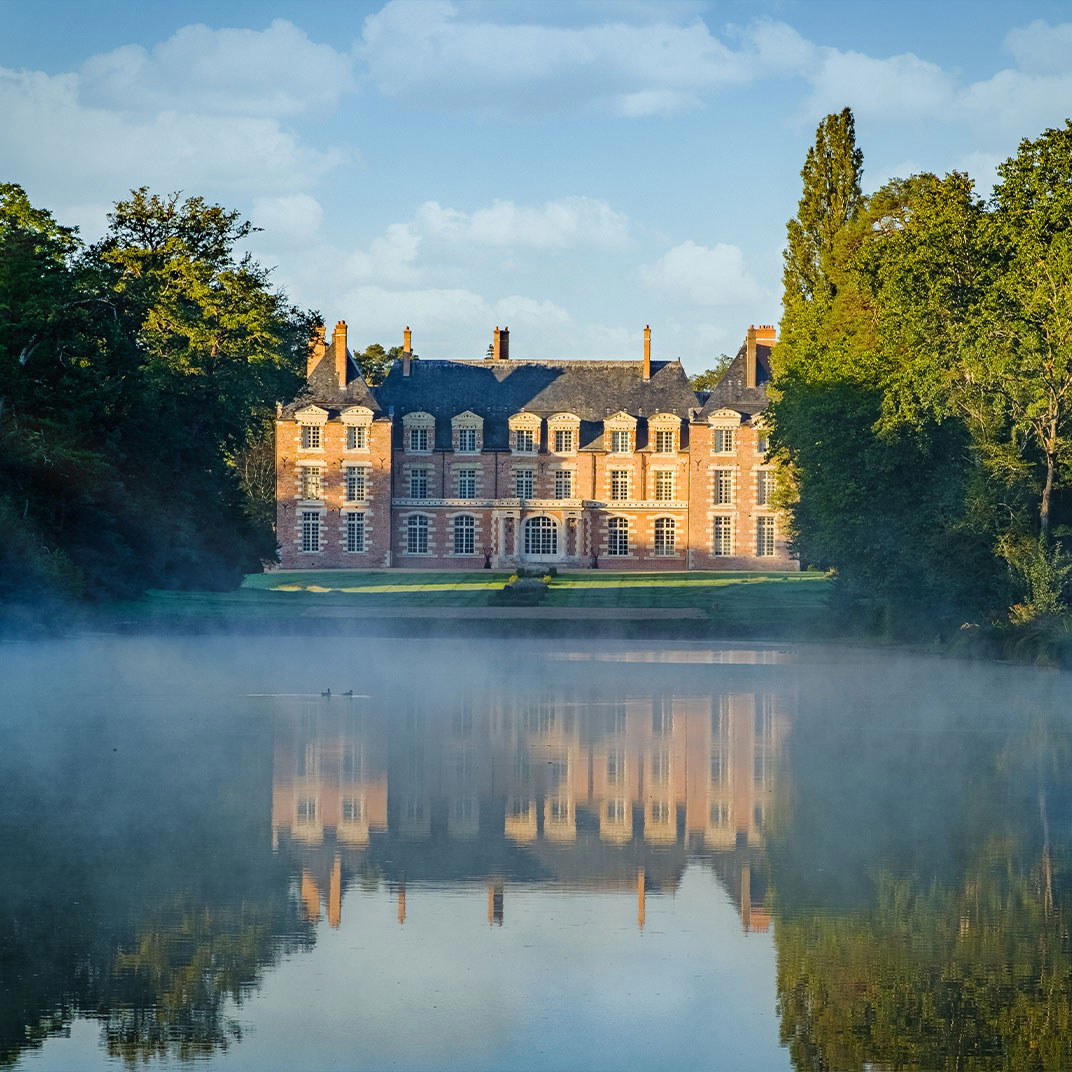
The Quai du Châtelet address matters beyond aesthetics. Orléans' riverfront has a different cadence from the city's more commercial interior streets. The Loire embankment here is broad and relatively calm, the kind of setting that makes an evening meal feel like an occasion without requiring the restaurant to manufacture atmosphere artificially. This is a feature of the Loire Valley's geography that doesn't always register with visitors arriving by TGV from Paris: the river itself is a presence, slow-moving and enormous, and restaurants that work with that proximity earn something that rooms in tighter urban contexts can't replicate.
Creative Fine Dining Beyond France: A Brief Comparative Frame
The creative fine dining category that restaurant occupies has interesting parallels across European dining cities. Enrico Bartolini in Milan and JAN in Munich represent the creative category operating in larger urban contexts with different competitive pressures. What distinguishes the Orléans example is the relative lack of comparable restaurants setting the local reference point.
Planning Your Visit
The restaurant is at 28 Quai du Châtelet in central Orléans, walking distance from the city's main train station, which connects to Paris Austerlitz in under an hour by direct rail. The €€€ pricing tier and the Michelin credential suggest booking in advance, particularly for weekend evenings when the city draws visitors from the Paris basin. Orléans is a reasonable day-trip from the capital, but the quayside setting makes a stronger case for arriving with a hotel reservation already made, giving the meal room to breathe rather than treating it as a stop between trains.
Awards and Standing
Comparable venues nearby, for context on price, style, and recognition.
| Venue | Cuisine | Price | Awards | Notes |
|---|---|---|---|---|
| Le Lièvre Gourmand | Modern French-Asian Fusion Fine Dining | $$$$ | Michelin 1 Star | Quai du Châtelet |
| Eugène | Modern French Seasonal Bistro | $$$ | Michelin Plate | Place du Martroi |
| MAGA | Modern Seasonal French Bistro | $$$ | Not listed | Rue de Bourgogne |
| L'Essentiel | Modern French Bistro | $$$ | Not listed | centre-ville |
| Le Lift | Modern French Gastronomy | $$$$ | Not listed | Centre Ancien (Old Town) |
| Restaurant l 'Alchimie | Modern French Bistro | $$ | Not listed | .centre |
Recognition history
Dated appearances from independent guides and award organizations, with the underlying list record or original source where available.
Michelin Plate
Michelin
Gault & Millau Remarkable Restaurant
Gault & Millau
Michelin 1 Star
Michelin
Michelin 1 Star
Michelin

At a Glance
- Elegant
- Sophisticated
- Modern
- Intimate
- Date Night
- Special Occasion
- Waterfront
- Local Sourcing
- Waterfront
Current opening hours
- Monday
- Closed
- Tuesday
- Closed
- Wednesday
- 8–8:30 PM
- Thursday
- 12–12:40 PM, 8–8:30 PM
- Friday
- 12–12:40 PM, 8–8:30 PM
- Saturday
- 12–12:40 PM, 8–8:30 PM
- Sunday
- 12–12:40 PM, 8–8:30 PM
Hours can change for holidays and private events. Last verified .
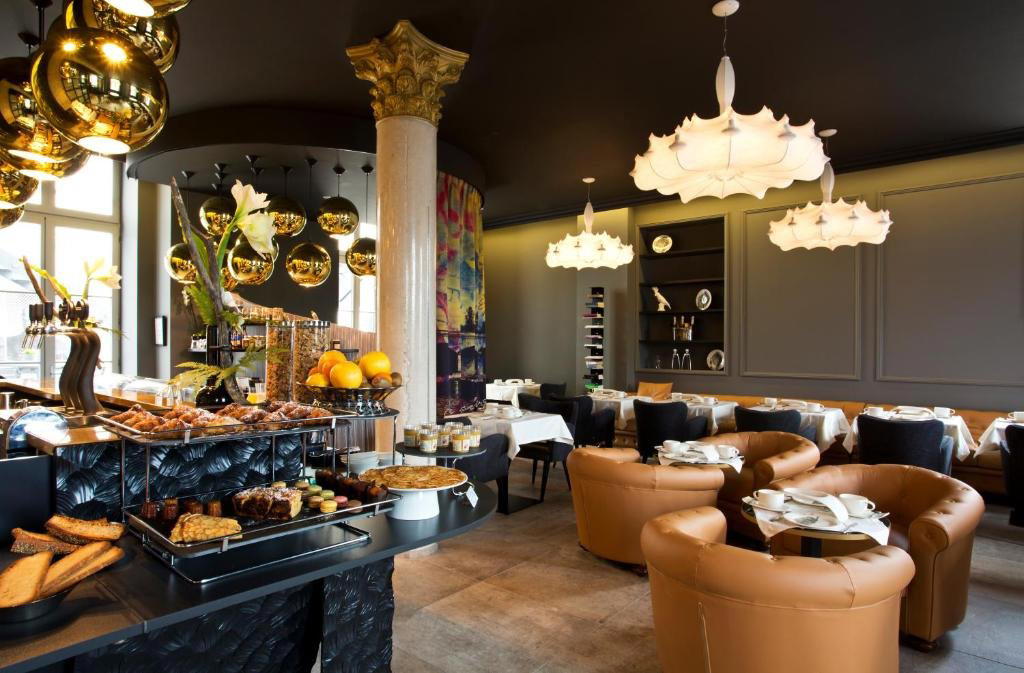
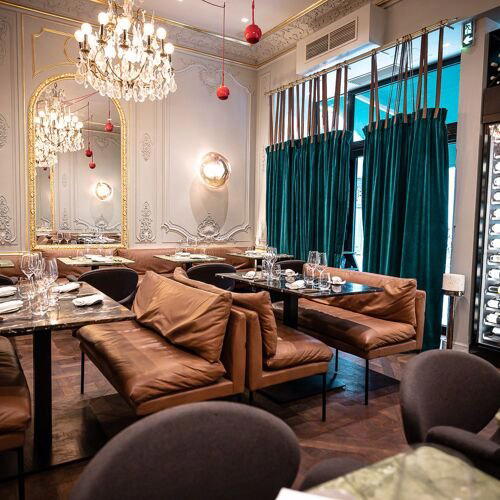
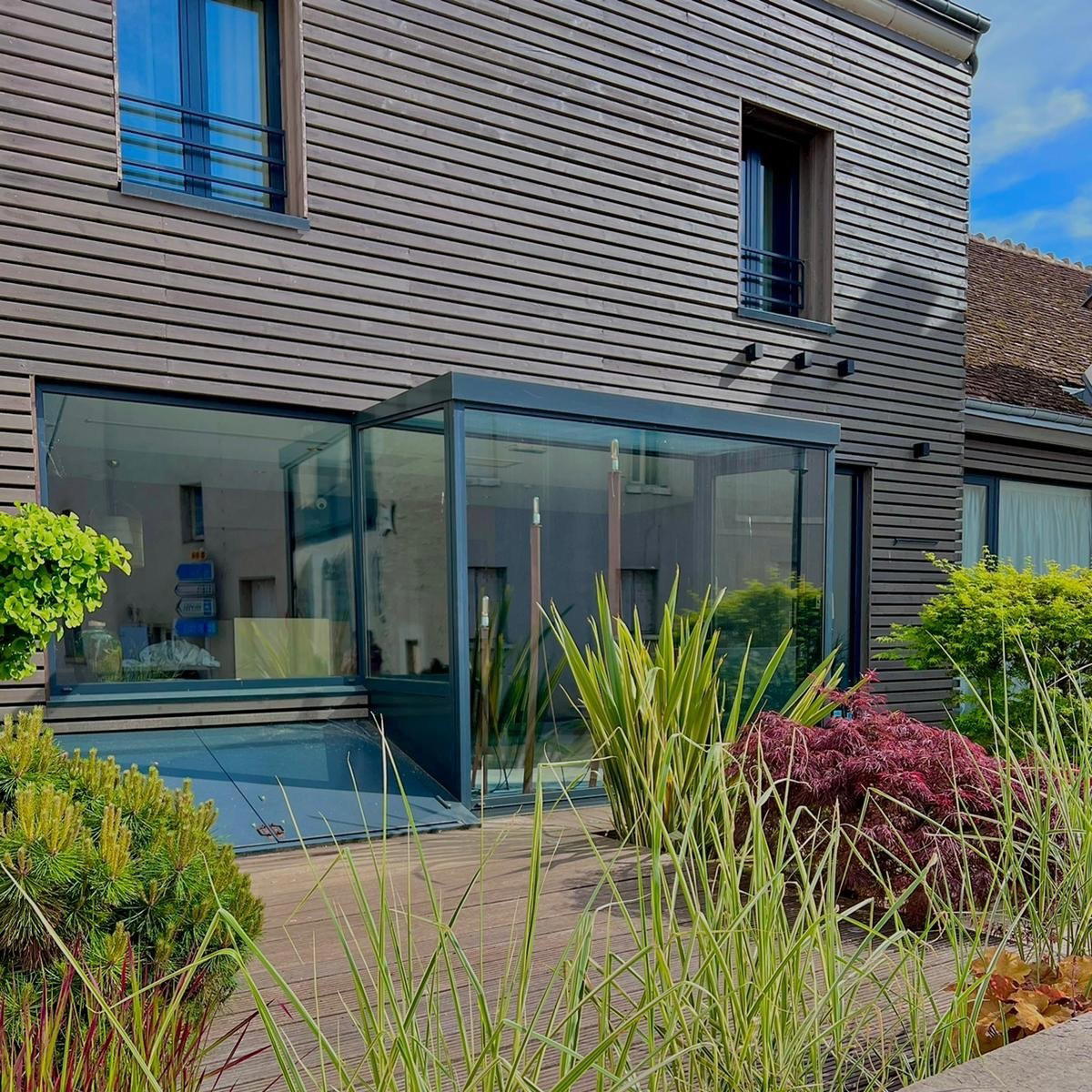
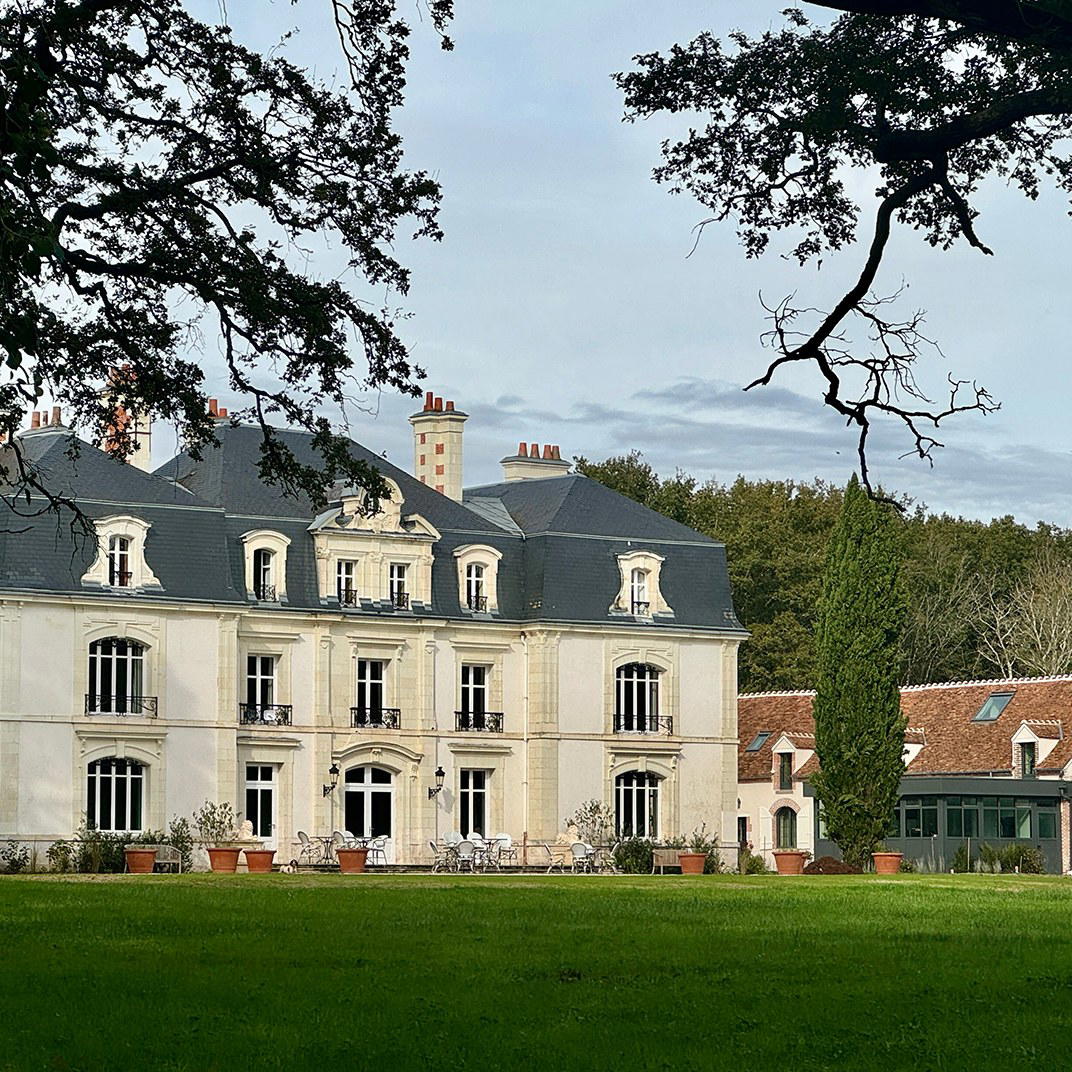
Discreet comfort in an épuré style house on the Loire banks with warm, professional service and harmonious plating.