Set in the village of Cabrières in the Languedoc-Roussillon, L'Enclos des Lauriers Roses occupies a position where southern French terroir shapes everything on the plate. The surrounding garrigue, local producers, and Gard valley agriculture define the kitchen's sourcing logic. For those tracing France's regional dining traditions beyond Paris and the Côte d'Azur, Cabrières offers a grounded alternative.
Pearl is the En Primeur Club membership app — saves, bookings, and concierge access live there. Same editors, same standards.
- Address
- 71 Rue du 14 Juillet, 30210 Cabrières, France
- Phone
- +33466752542
- Website
- hotel-lauriersroses.com
- Directions
- Get directions
 Saves & bookings on Pearl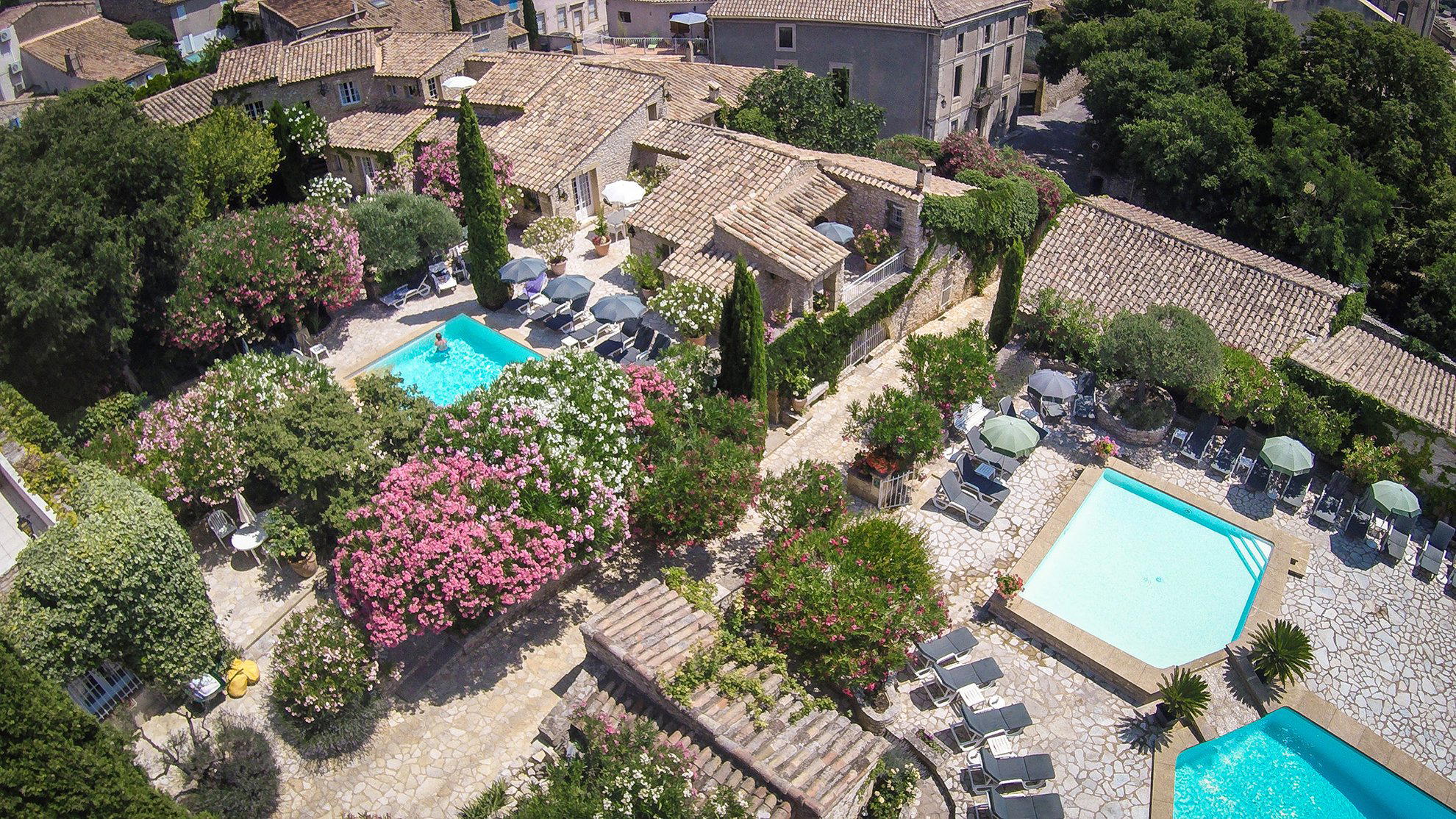
Cabrières and the Sourcing Logic of Southern French Kitchens
The village of Cabrières sits in the Gard department, roughly between Montpellier and Nîmes, in a stretch of Languedoc-Roussillon where the garrigue scrubland, limestone plateaus, and vine-covered slopes have shaped local cooking far longer than any restaurant guide has existed. L'Enclos des Lauriers Roses is a restaurant in Cabrières, France, serving traditional French regional cuisine at about $40 per person. It is a quieter, more seasonal register, where the distance between producer and kitchen is often measured in kilometres rather than supply chains, and where a name like L'Enclos des Lauriers Roses, the enclosure of the rose laurels, signals something rooted in place before a single dish arrives at the table.
Dining in this part of the Languedoc means operating within an ingredient ecology defined by Mediterranean heat, dry summers, and the particular flora and fauna of the Cévennes foothills nearby. Lamb from the causses, wild thyme and rosemary from the garrigue, local goat cheeses, and the olive oils of the Gard are the building materials of regional kitchens here. The Rhône corridor to the east and the coastal fishing ports to the south extend that sourcing range further. For a kitchen in Cabrières, geography is not background, it is the menu's first draft.
What the Lauriers Roses Address Tells You
The address at 71 Rue du 14 Juillet places L'Enclos des Lauriers Roses on one of the central streets of a small Languedoc village, a context that shapes expectations from the first approach. Properties with enclosed garden or courtyard spaces in this region often occupy former agricultural estates, presbytery gardens, or manor houses surrounded by oleander and Mediterranean plantings. The rose laurel of the name is oleander, abundant throughout Provence and the Languedoc, and its presence in the venue's identity speaks to a setting defined by southern French botanical character rather than urban formality.
That physical environment, enclosed, garden-anchored, village-scaled, positions L'Enclos des Lauriers Roses within a broader category of destination dining in rural southern France, where the journey to reach a restaurant is considered part of the proposition. Comparable establishments across the region, from the Auberge du Vieux Puits in Fontjoncouse to L'Oustau de Baumanière in Les Baux, have made the rural or village setting central to their identity, the drive through the landscape is the opening act, and the setting delivers the first sensory argument for why the food will follow a particular logic.
Regional Sourcing as Editorial Point, Not Marketing Claim
In southern France's mid-tier and destination dining category, ingredient sourcing has moved from a background assumption to a front-of-house declaration. This shift reflects broader French dining trends: after decades in which technique and brigade hierarchy defined fine dining prestige, regional kitchens in Languedoc, the Aveyron, and the Cévennes began reasserting terroir, not as a wine term borrowed for menus, but as a literal argument about provenance.
Bras in Laguiole, which built its reputation on the wild plants and livestock of the Aubrac plateau, is the clearest national example of this approach, where geography is essentially the cookbook. Mirazur in Menton operates on a similar axis along the Mediterranean coast, treating the immediate terrain as a sourcing document. At a smaller scale, village restaurants across the Languedoc have followed versions of this logic, not always with starred recognition, but with a kitchen practice shaped by what the surrounding land produces in a given month.
The Languedoc's agricultural calendar runs long. Spring brings asparagus and fresh legumes; summer, tomatoes, courgettes, aubergines, and peppers from market gardens in the Gard plain; autumn delivers wild mushrooms from the Cévennes foothills, chestnuts, and the season's last stone fruits. Winter kitchens in the region rely on root vegetables, aged cheeses, and the preserved products, confits, dried herbs, salt-cured anchovies from the coast, that southern French pantry tradition has depended on for centuries. A kitchen in Cabrières operates within this calendar whether it announces it or not.
Cabrières in the Wider Context of French Regional Dining
France's regional dining infrastructure is vast and, in the Languedoc, significantly underrepresented in international coverage relative to Provence, Burgundy, or Brittany. The major starred addresses in the country's south tend to cluster on the coast (AM par Alexandre Mazzia in Marseille, Christopher Coutanceau in La Rochelle) or in historic market towns (Assiette Champenoise in Reims, Au Crocodile in Strasbourg). The interior Languedoc sits in a different register entirely, smaller villages, shorter supply chains, less international foot traffic, and kitchens that earn their local reputation over years of consistent seasonal cooking rather than through media-accelerated recognition cycles.
For comparison, the Aveyron has Bras in Laguiole; Alsace has Auberge de l'Ill in Illhaeusern; the Savoie has Flocons de Sel in Megève. Each of these kitchens made a regional argument specific enough to hold its own against the gravity of Paris, where addresses like Alléno Paris au Pavillon Ledoyen operate at the opposite end of the scale and formality spectrum. The Gard and the broader Languedoc interior have not yet produced that kind of nationally visible anchor, which means the territory remains open for exactly the kind of sourcing-led, place-specific kitchen that a venue name like L'Enclos des Lauriers Roses implies.
Planning a Visit
Cabrières in the Gard is accessible by car from Nîmes (approximately 45 minutes northwest) or from Montpellier to the southwest, making it a realistic day-trip or weekend destination for travellers already in the region. The village itself has limited accommodation, so most visitors approach from a larger nearby base. For confirmed hours and booking arrangements, direct contact with the restaurant is advisable before travelling.
Frequently Asked Questions
Is L'Enclos des Lauriers Roses a family-friendly restaurant?
Village restaurants in the Languedoc with enclosed garden settings tend to be more accommodating to families than urban fine-dining rooms, largely because the outdoor space gives room for different pacing. That said, if the kitchen is running a longer seasonal menu format, families with young children should confirm in advance whether shorter or simplified options are available. Cabrières is a small, quiet village, the surrounding environment itself is calm and low-key.
What is the atmosphere like at L'Enclos des Lauriers Roses?
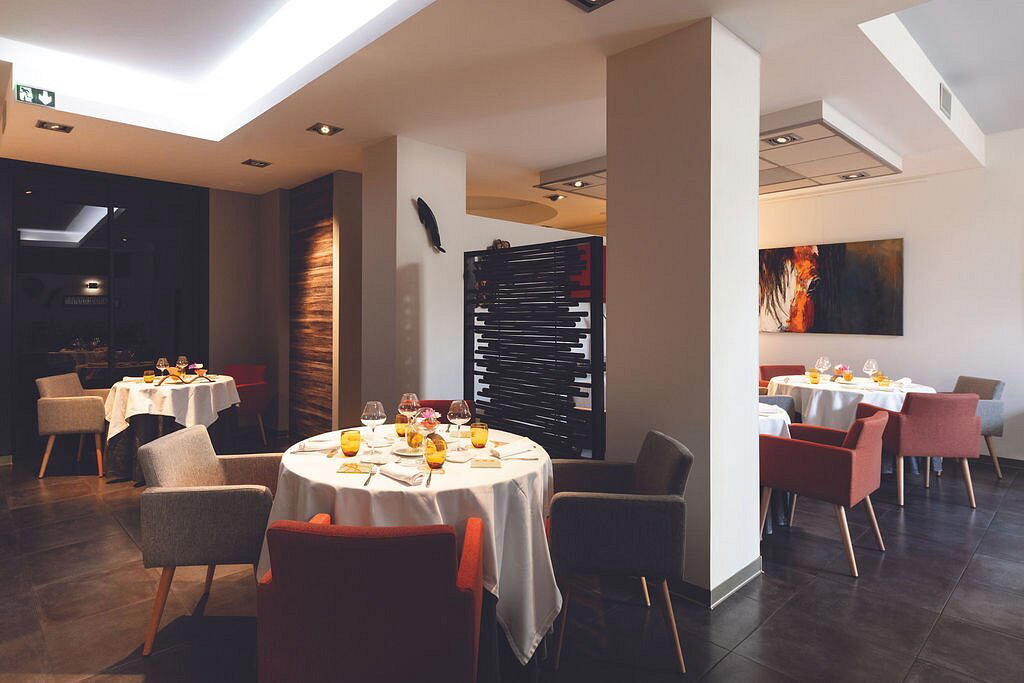
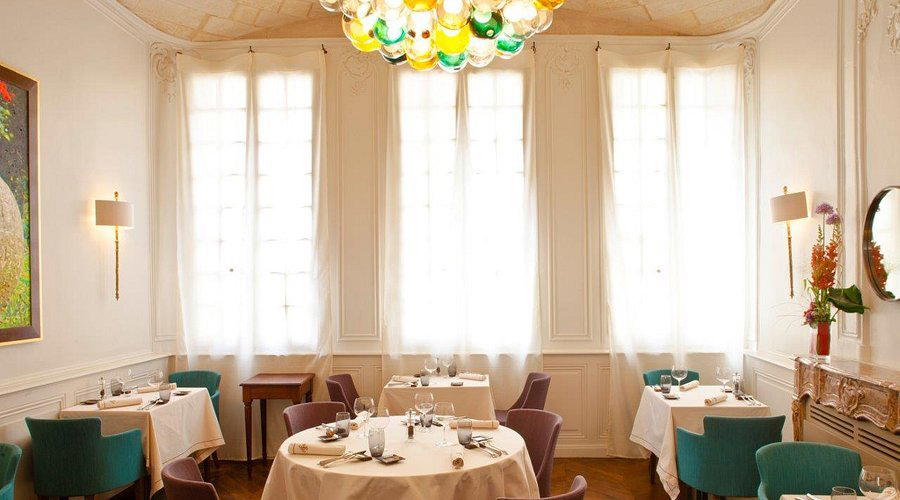
The setting in a village in the Gard, with oleander gardens implied by the name, points toward the kind of enclosed, shaded garden atmosphere that characterises the better rural addresses of southern France, relaxed in pace, particular in its sense of place. This is not the formal dining-room atmosphere of a Paris establishment like Alléno Paris au Pavillon Ledoyen or even a starred country house. The context is quieter, more local, and more attuned to the rhythms of a Languedoc village than to international dining-room expectations.
What's the dish to order at L'Enclos des Lauriers Roses?
Recommended dishes are not listed in the available information. What the regional context suggests, however, is that kitchens in this part of the Gard work well with lamb from the causses, seasonal vegetables from the Languedoc plain, and fish sourced from the nearby Mediterranean coast. In the absence of a published menu, asking the kitchen directly what is in season on the day of your visit is one reliable approach, and the one most consistent with how sourcing-led kitchens in this region actually operate.
How does L'Enclos des Lauriers Roses compare to better-known destination restaurants in southern France?
It occupies a different scale and register from the region's most recognised addresses. Kitchens such as Mirazur in Menton or AM par Alexandre Mazzia in Marseille carry international award credentials and operate within high-visibility dining circuits. The restaurant, based in a small Gard village, sits in a more local, less formalised tier, the kind of address where the sourcing radius and the village setting do more editorial work than any external rating. That positioning is a feature, not a limitation, for travellers prioritising place over prestige.
A Quick Peer Check
Comparable venues nearby, for context on price, style, and recognition.
| Venue | Cuisine | Price | Notes |
|---|---|---|---|
| L'Enclos des Lauriers RosesThis venue — the venue you are viewing | Traditional French Regional | $$$ | Not listed |
| Maison Blanche | Modern French Fine Dining | $$$ | 8th arrondissement |
| La Parenthèse | Traditional French Market Bistro | $$$ | centre historique |
| La Régalido | Provençal French Bistro | $$$ | Fontvieille |
| L'Atelier du Petit Jardin | Modern French Sharing Bistro | $$$ | Port Marianne |
| Le Prieuré | French Bistro with Rotisserie | $$$ | Vallons-de-l'Erdre |
Continue exploring
More in Cabrières
Restaurants in Cabrières
Browse all →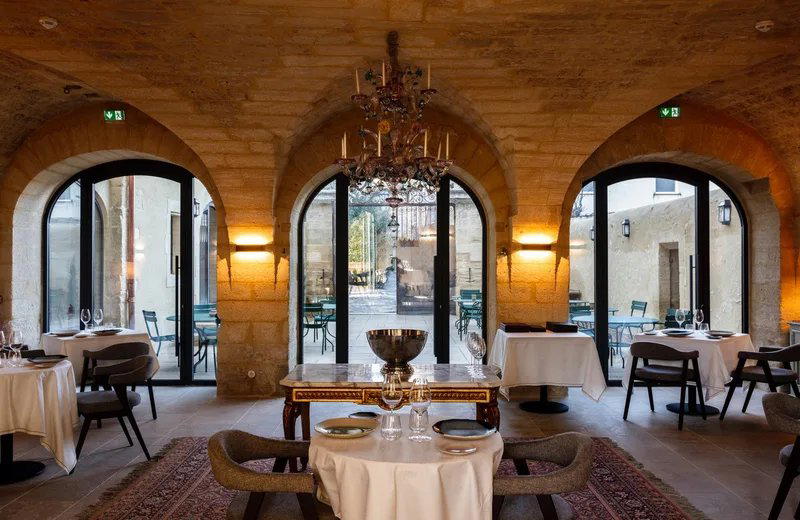
Hotels in Cabrières
Browse all →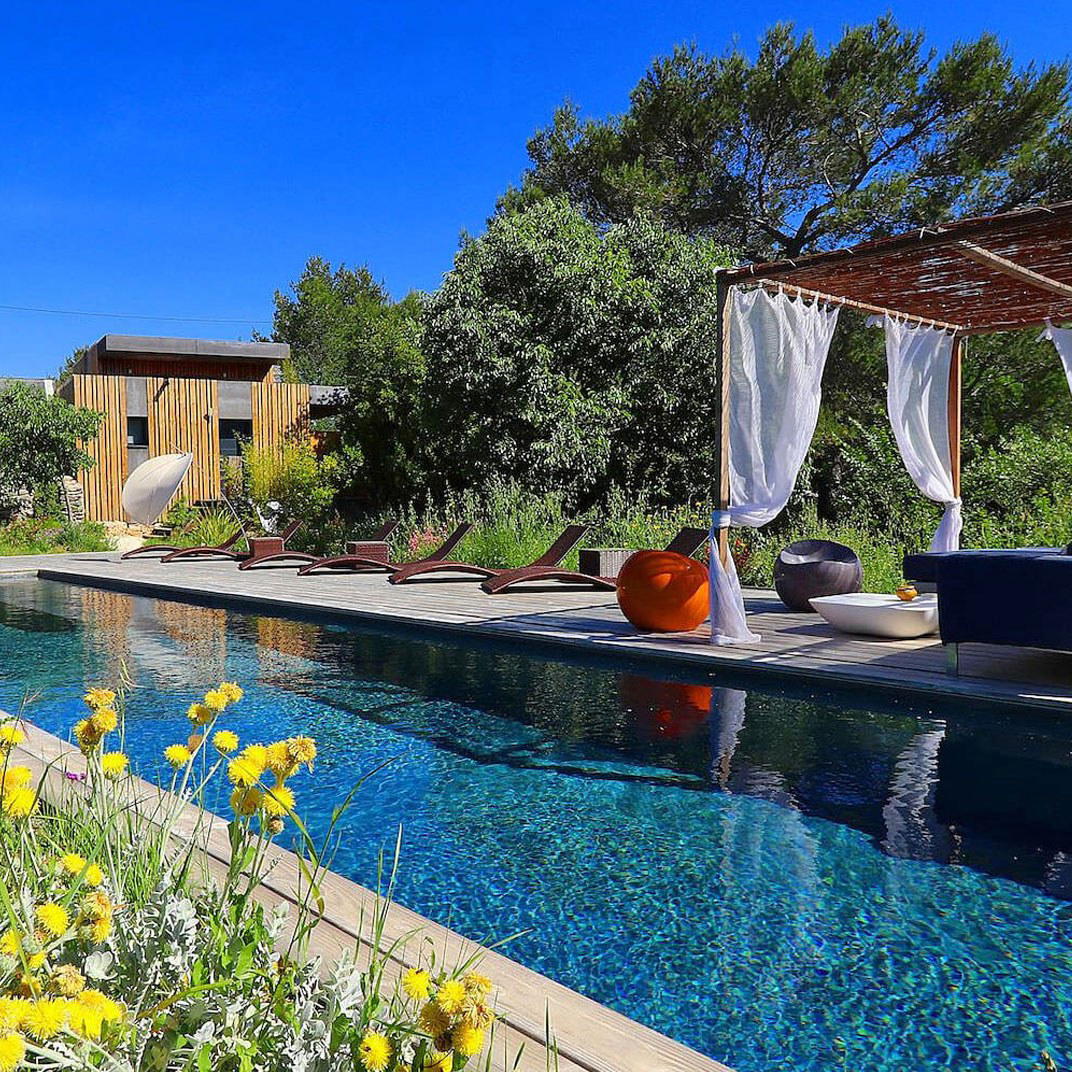
At a Glance
- Romantic
- Cozy
- Rustic
- Elegant
- Date Night
- Family
- Special Occasion
- Terrace
- Garden
- Hotel Restaurant
- Local Sourcing
- Garden
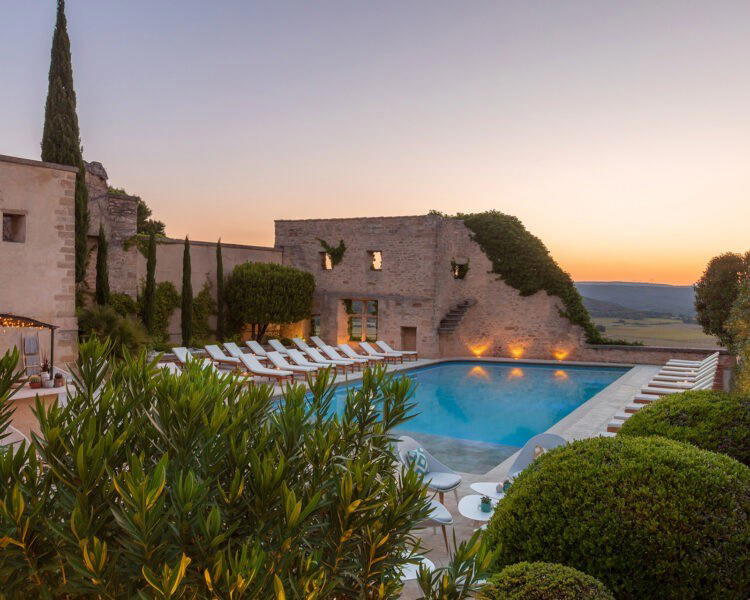
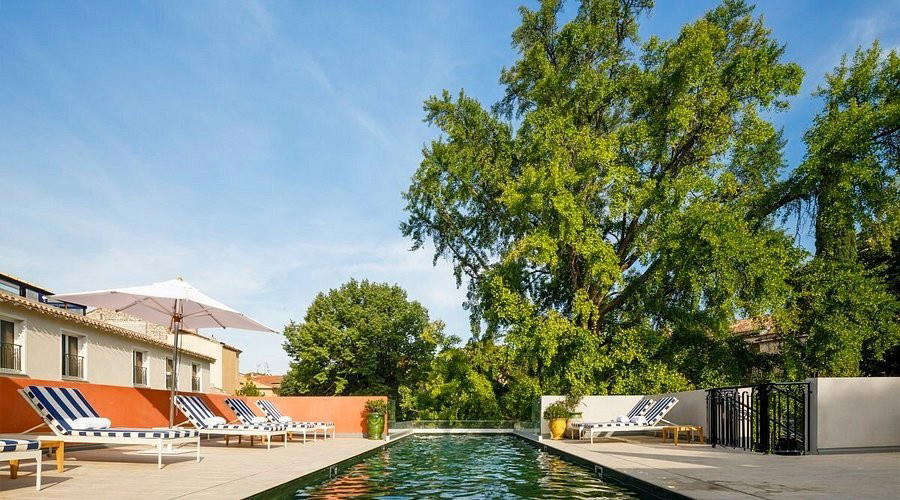
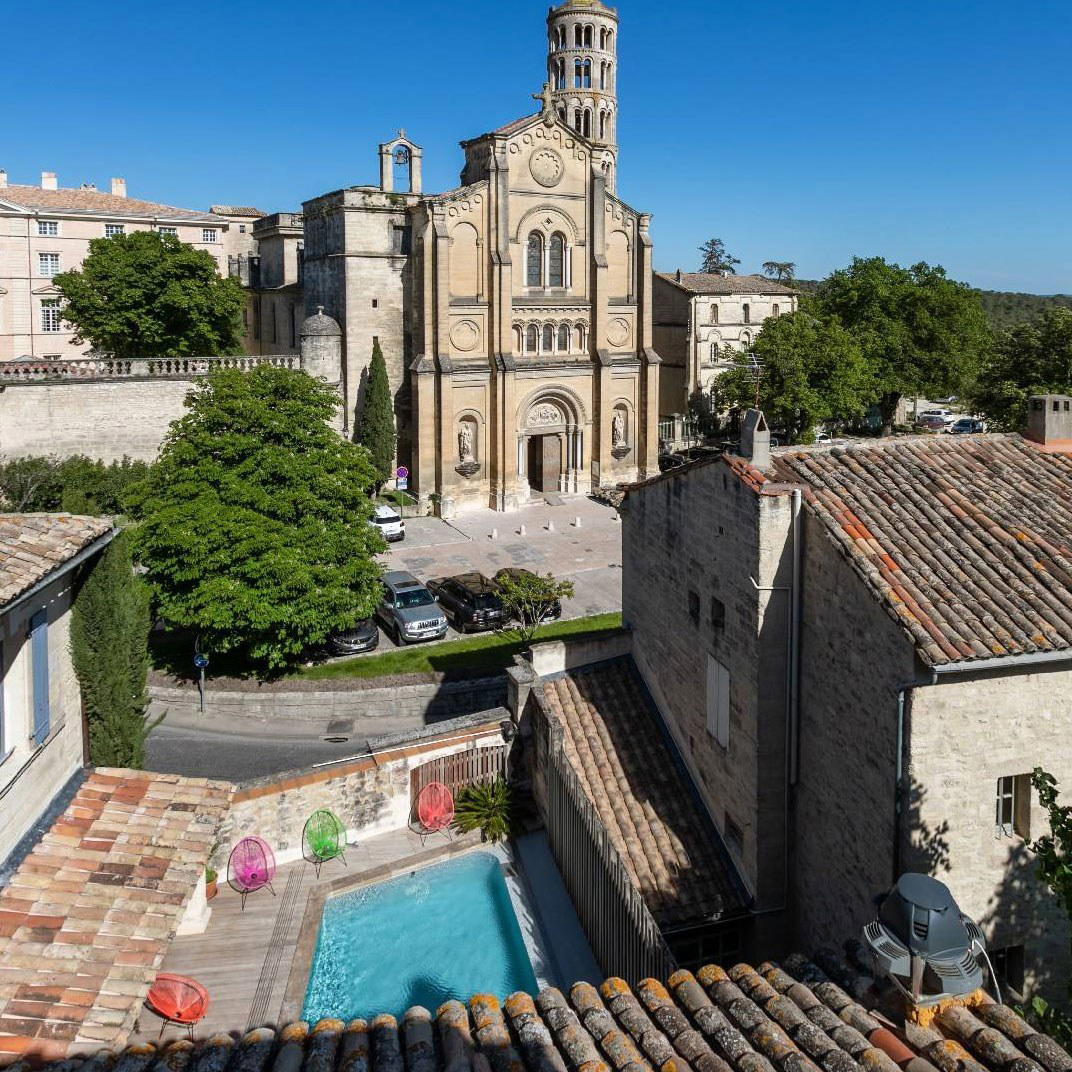
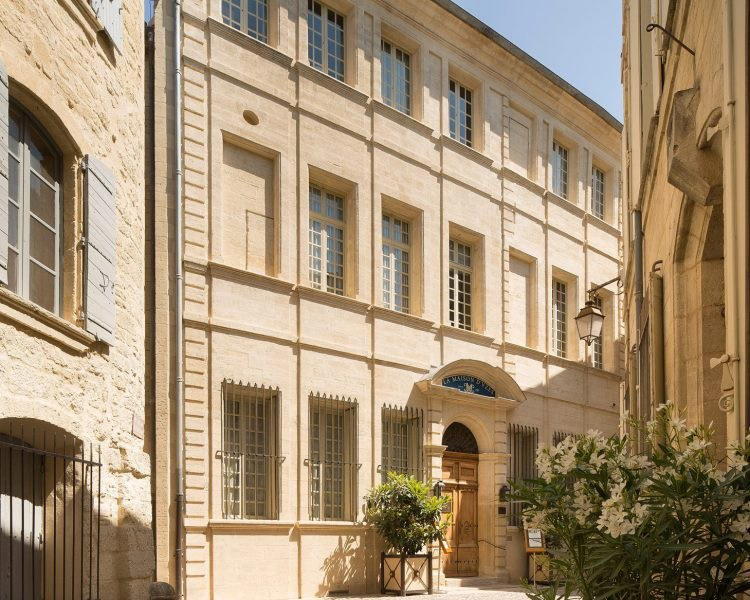
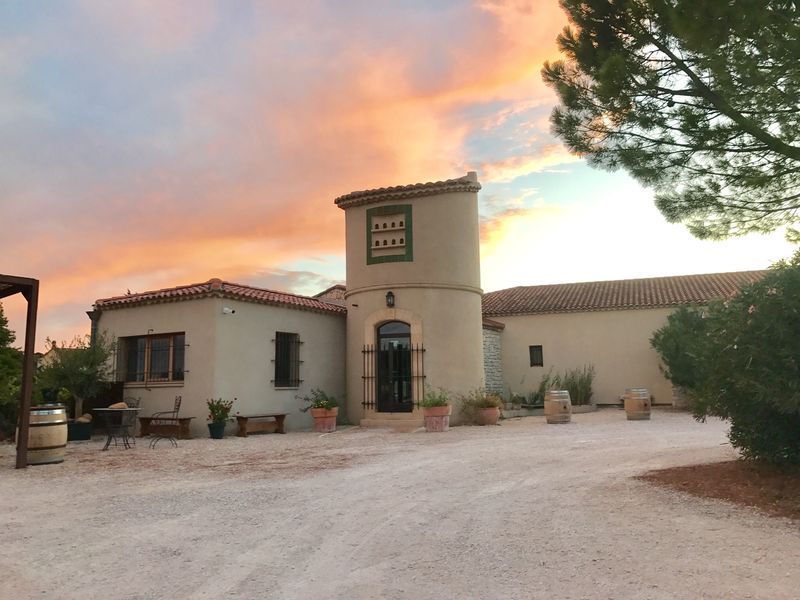
Warm and inviting renovated dining room with terrace seating in good weather, offering a relaxed Provençal atmosphere.