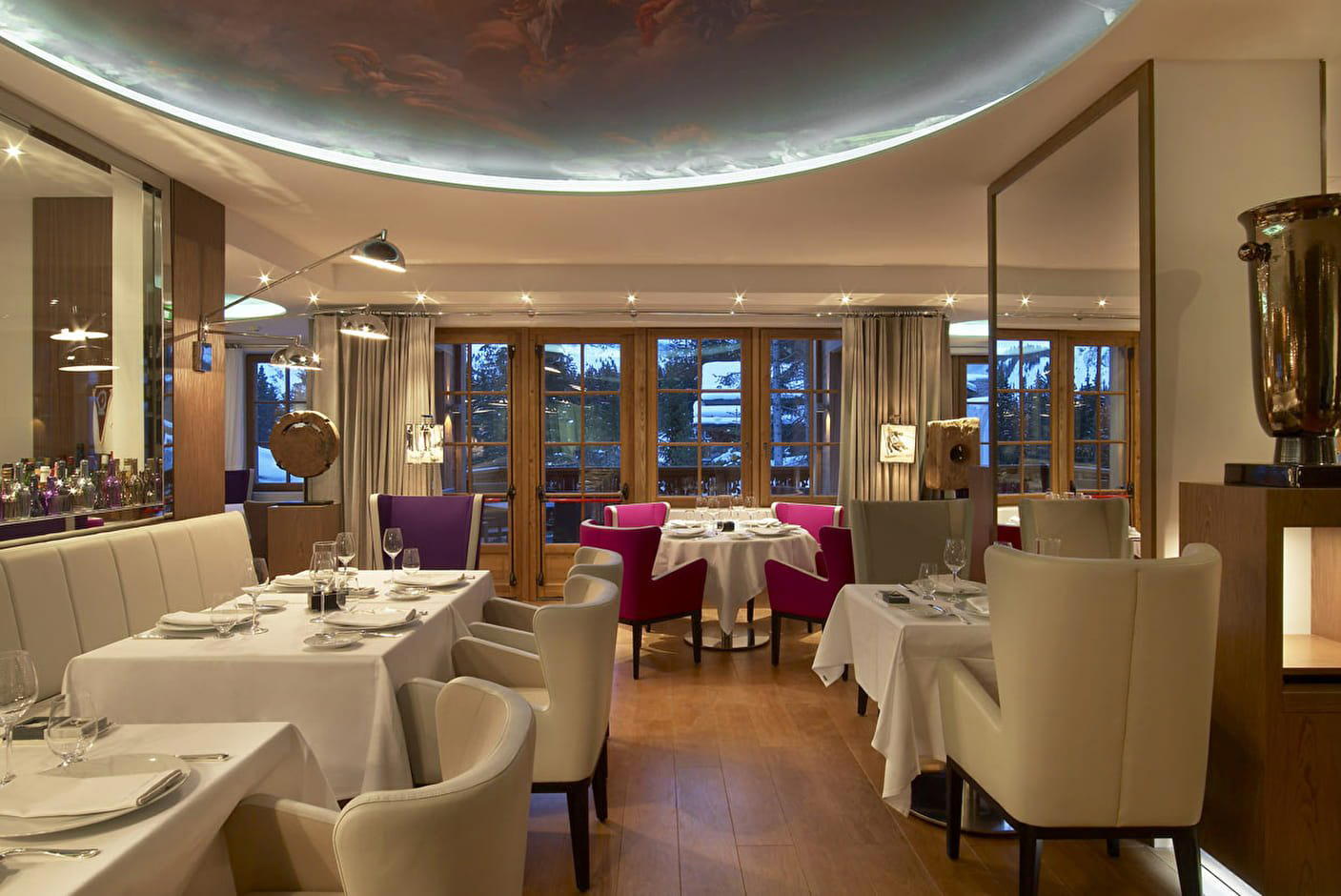
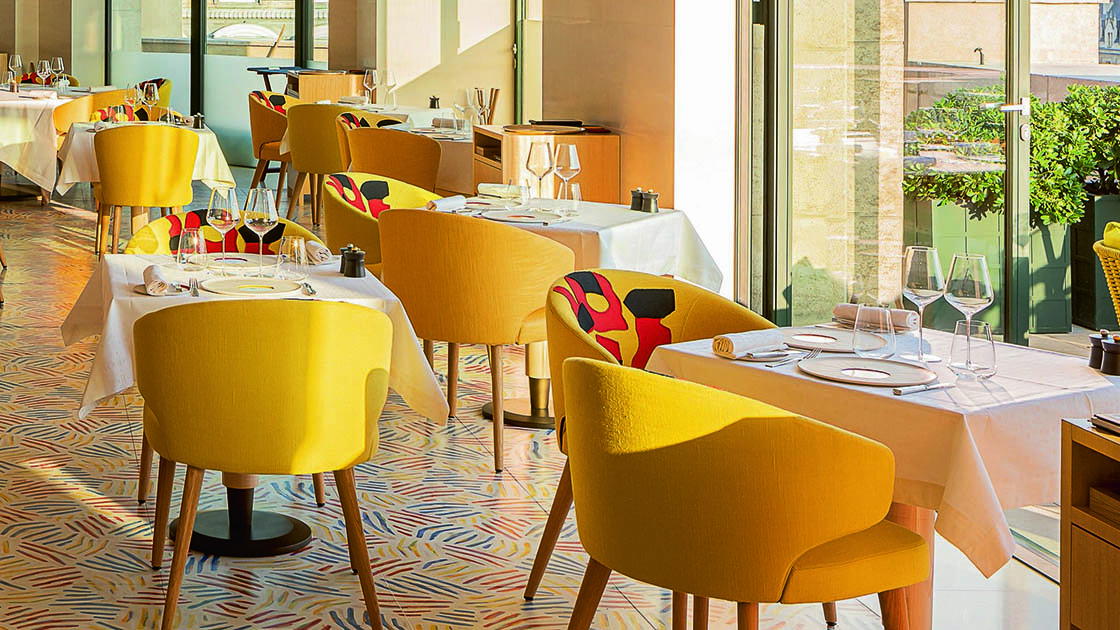
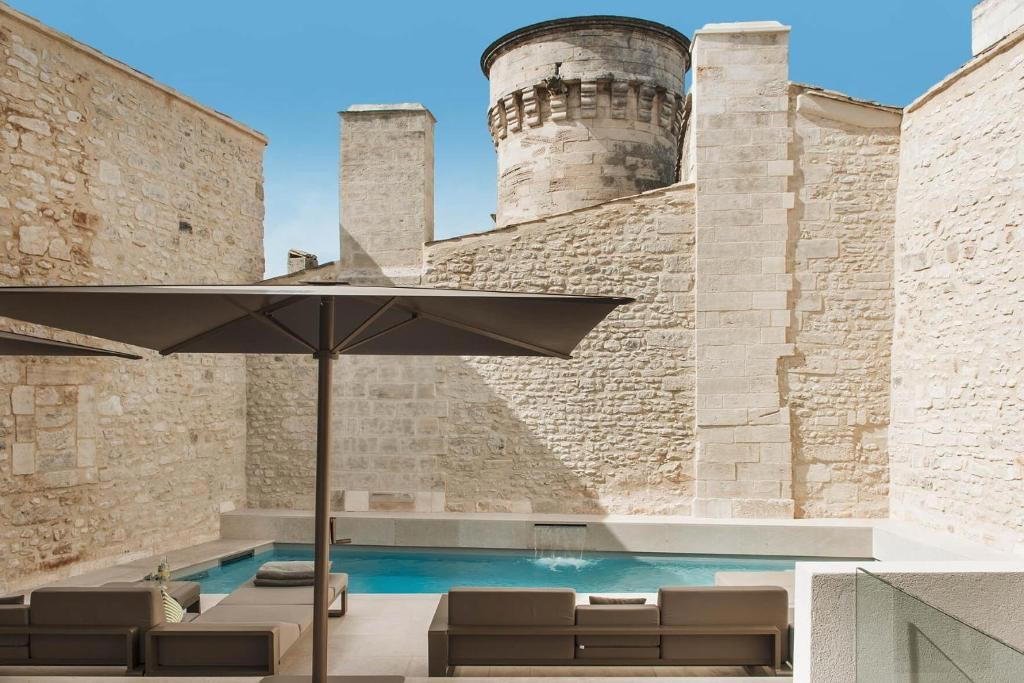
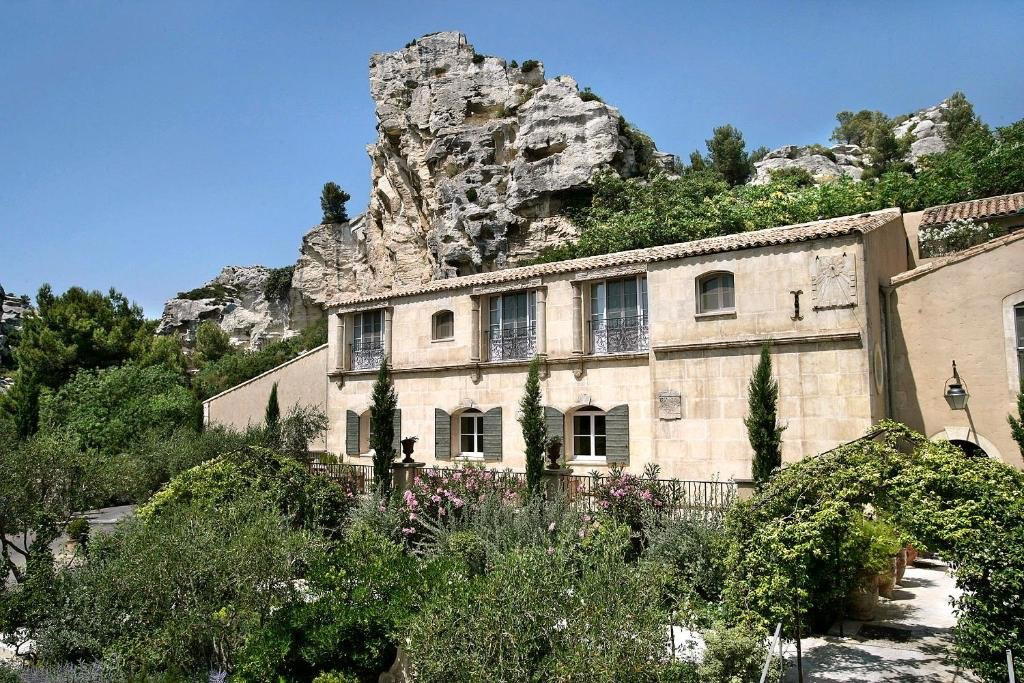
La Maison - Domaine de Bournissac serves Provençal French Fine Dining in a historic building with garden views, local sourcing, and an extensive wine list for leisurely lunch or dinner.
Pearl is the En Primeur Club membership app — saves, bookings, and concierge access live there. Same editors, same standards.
- Address
- montée d'eyragues, 13550 Noves, France
- Phone
- +33490902525
- Website
- lamaison-a-bournissac.com
- Directions
- Get directions
 Saves & bookings on Pearl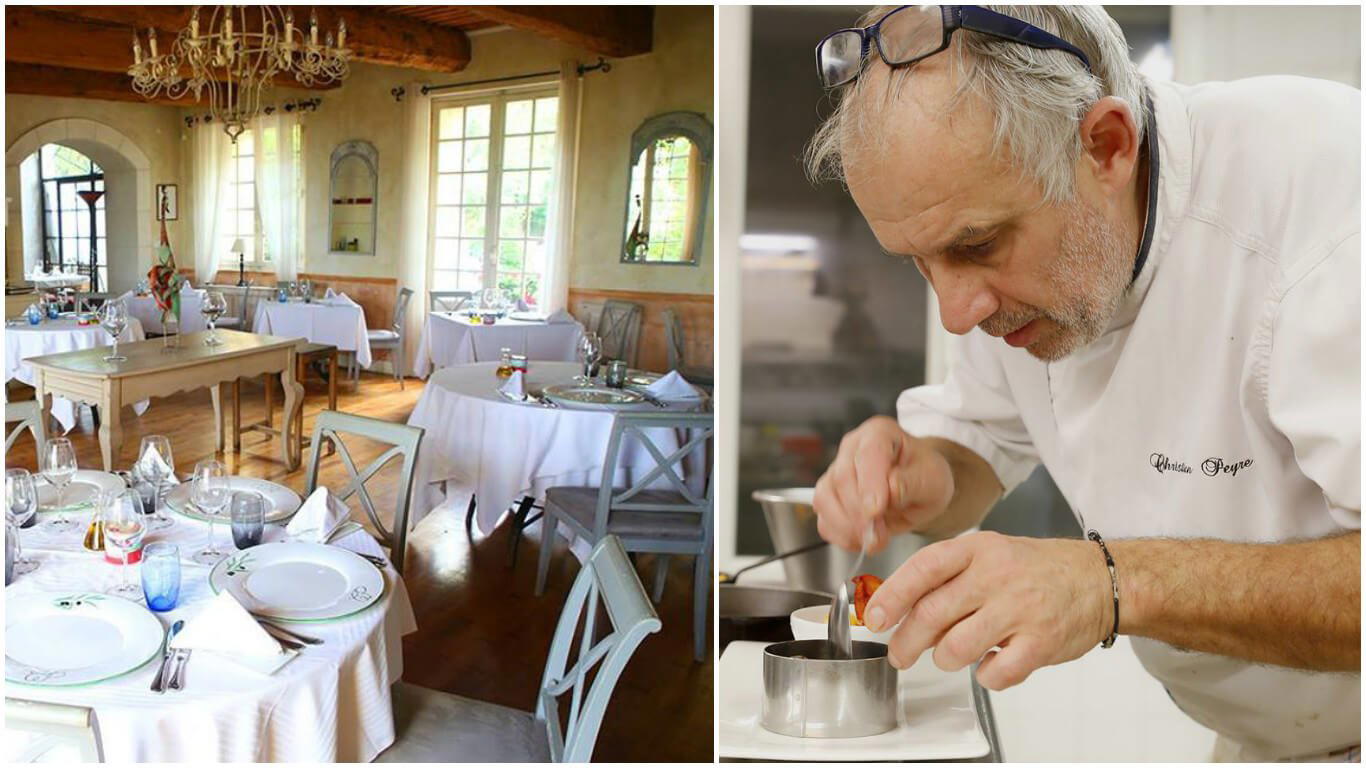
Where Provence Feeds You From the Ground Up
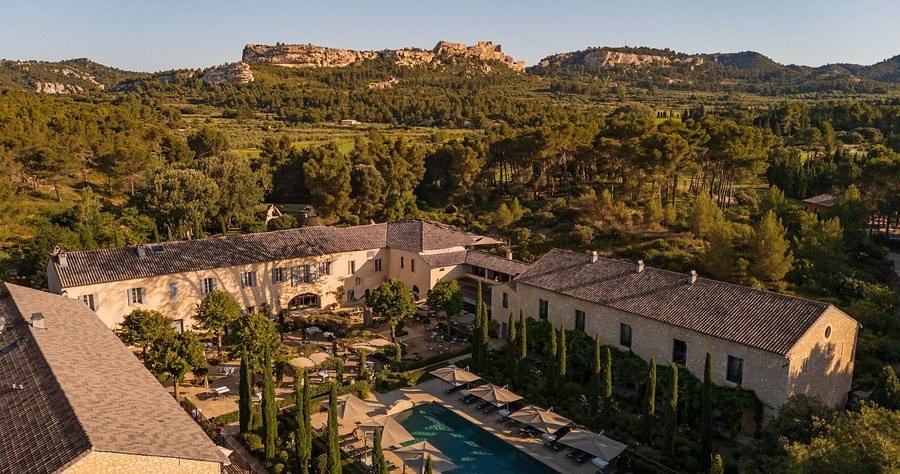
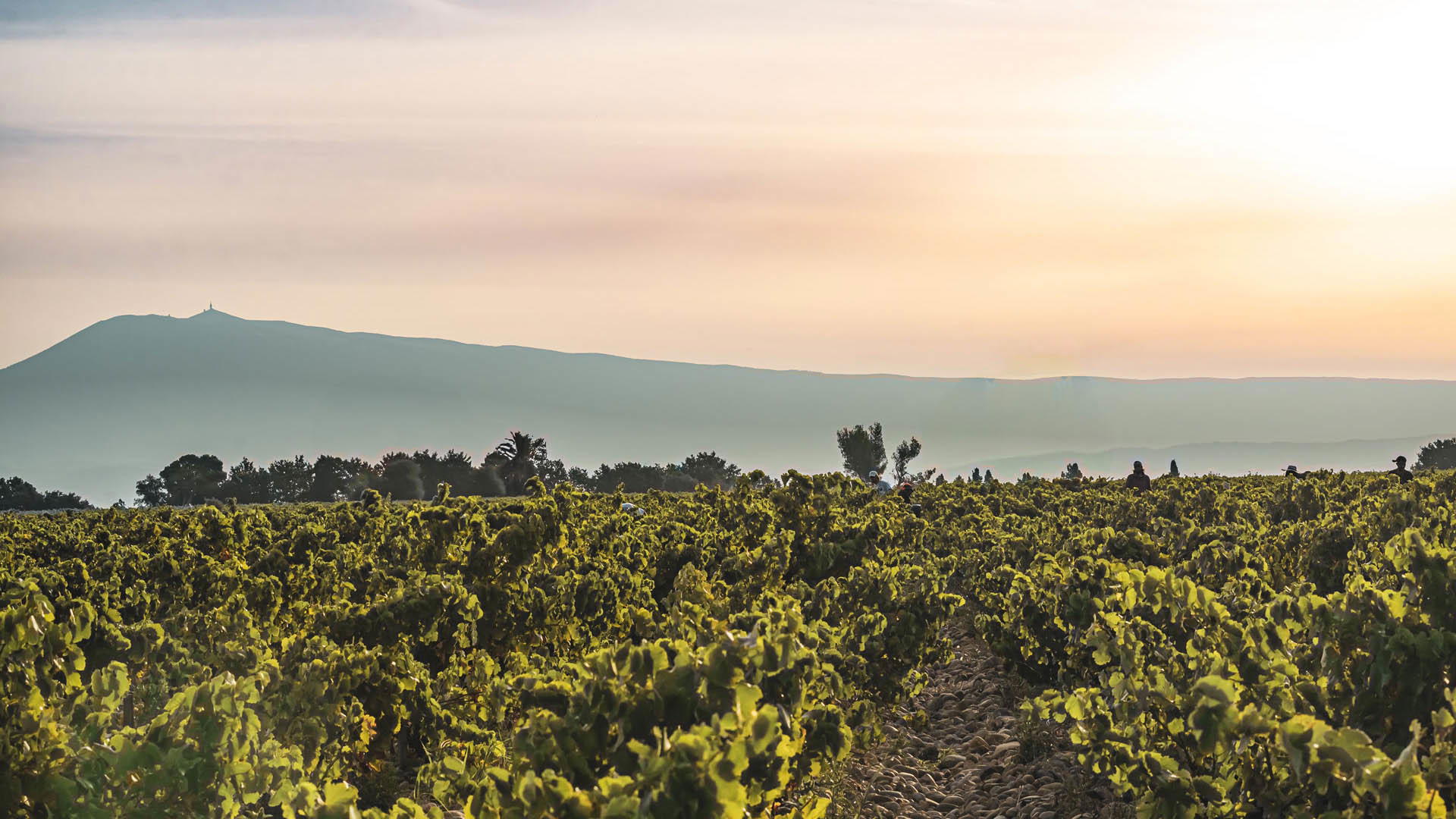
The road that climbs toward Domaine de Bournissac runs through agricultural flatland that has supplied the Bouches-du-Rhône table for centuries. The garrigue thickens at the edges. Orchards and kitchen plots press close to the stone walls. By the time you arrive at the mas, the surrounding land has already done considerable editorial work: this is a place where the sourcing argument is not made in the dining room but stated plainly in the fields outside it. La Maison is a restaurant in Noves serving Provençal French fine dining at about $90 per person.
The Provencçal Sourcing Tradition and Why Noves Matters
Noves occupies a particularly productive corridor of the lower Alpilles, close enough to the Durance valley to benefit from particularly intensively cultivated market-garden land in southern France. The villages in this arc, stretching toward Saint-Rémy and Les Baux, have long supported a style of cooking that differs structurally from the grand cuisine of the Rhône corridor or the Riviera: it is shorter in its supply chains, more dependent on seasonal availability, and more likely to organise menus around what is harvested that week rather than what a classical repertoire demands. This is not rusticity for its own sake. The constraint of hyper-local sourcing sharpens a kitchen’s seasonal awareness considerably. When the asparagus window in Provence lasts three weeks, a kitchen built around local supply treats it with a precision that kitchens drawing from national distributors rarely need to develop.
That same logic applies to olive oil from groves in the Alpilles foothills, to lamb from the Crau plain to the south, and to the herbs that grow without cultivation across the limestone scrub of the region. For comparable commitments to terroir-rooted cooking in the south of France, Mirazur in Menton offers a well-documented reference point, and L’Oustau de Baumanière in Les Baux operates within the same Alpilles landscape. La Maison works a quieter register than either, in a commune that most visitors pass through rather than stop at.
The Setting as Context
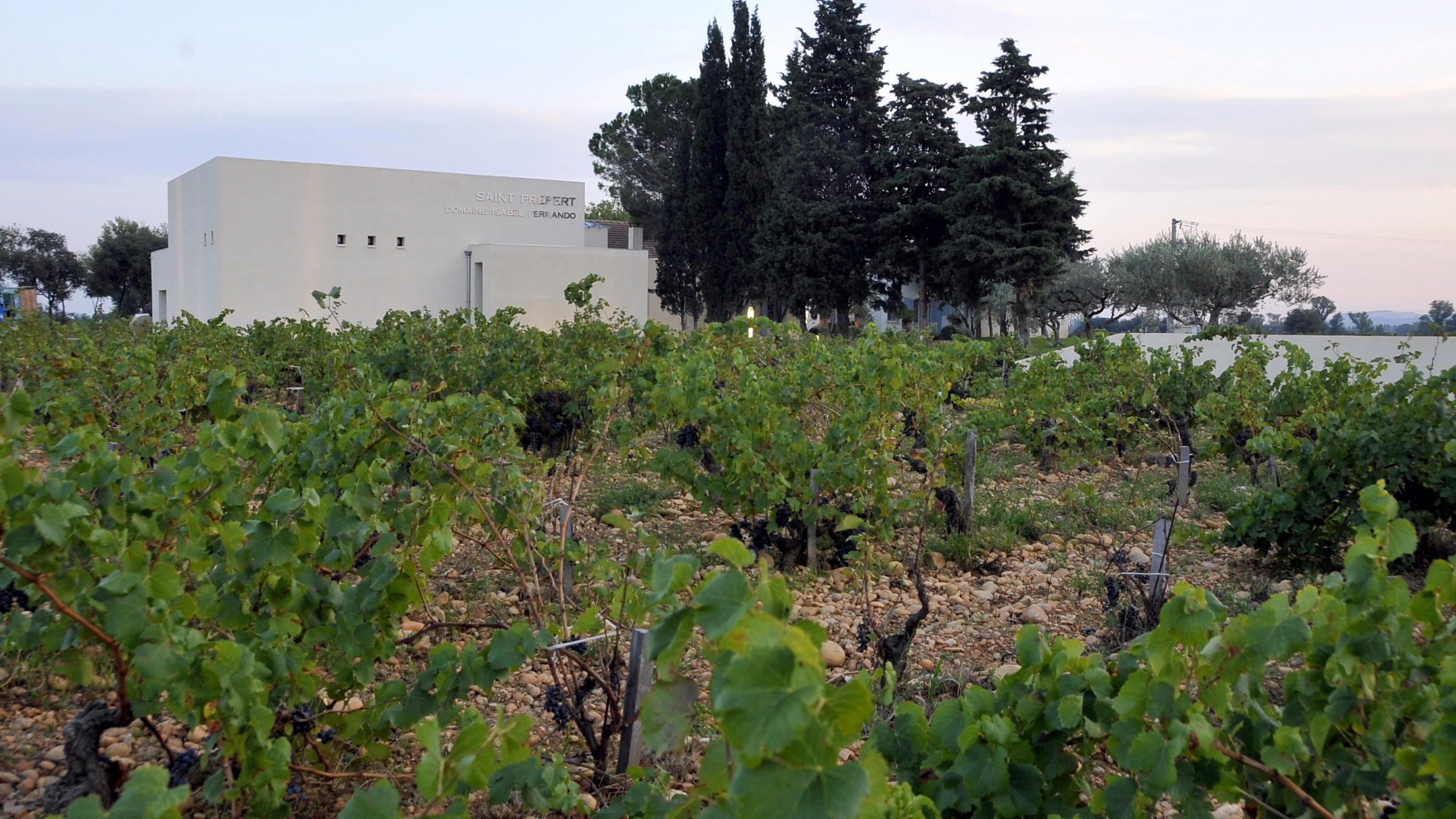
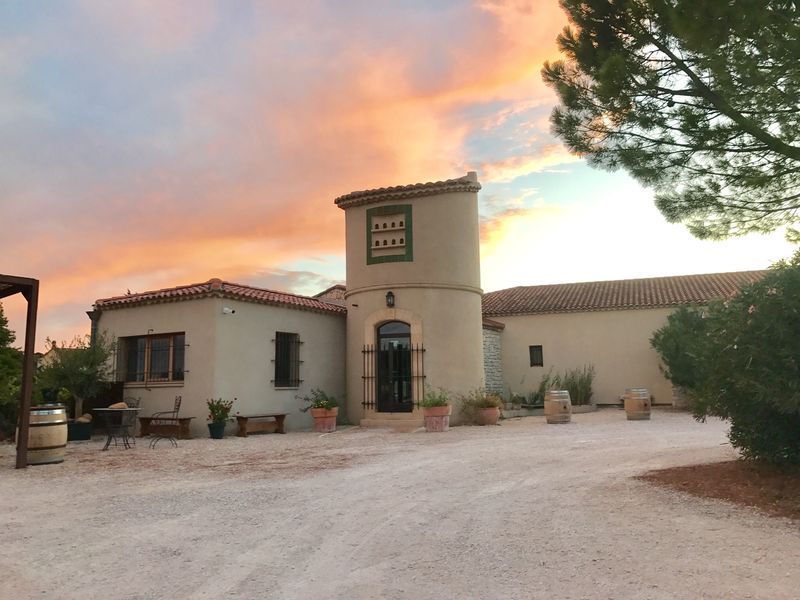
A domaine in this part of Provence typically means a working agricultural estate, not simply a property with grounds. The mas architecture of the Bouches-du-Rhône, with its thick walls, shaded terraces, and orientation away from the mistral, is built for summer heat rather than aesthetic effect, though the effect is considerable. Dining within this framework places the meal in direct spatial conversation with the land that supplies it. The experience is different in kind from an urban restaurant that sources from excellent suppliers but separates the diner entirely from the production context. Here, the context is ambient and constant.
For those travelling in from Avignon, Noves is approximately fifteen kilometres to the southeast, accessible by road through Saint-Rémy de Provence country. Avignon’s TGV station places the wider region within reach of Paris in under three hours, which makes a lunch stop at an estate like this a plausible extension of a long-weekend rather than a special expedition. Those planning a broader tour of serious southern French cooking might frame this alongside AM par Alexandre Mazzia in Marseille or Auberge du Vieux Puits in Fontjoncouse, both of which take distinctly different approaches to southern French produce. Closer to hand, the Auberge de Noves represents the other significant address in the commune itself.
Where This Sits Among French Country Cooking
French regional cooking at the serious end now divides into several distinct camps. There are the multi-generational institutions, the kind represented by Auberge de l’Ill in Illhaeusern, Georges Blanc in Vonnas, and Paul Bocuse’s Auberge du Pont de Collonges. There are the mountain-environment kitchens, such as Flocons de Sel in Megève, where altitude and local dairy define the larder. And there are the radical terroir kitchens, where the land itself sets the agenda, as at Bras in Laguiole, where Michel Bras spent decades establishing gargouillou as a template for plant-led cooking drawn entirely from the Aubrac plateau. La Maison at Domaine de Bournissac belongs closer to this last tradition: not necessarily in culinary technique, but in the foundational premise that the surrounding agricultural environment is the primary source of authority for what appears on the plate.
That premise aligns it with a wider European movement in which provenance replaces prestige in the hierarchy of values. Where a Paris address such as Alléno Paris au Pavillon Ledoyen operates inside a framework of metropolitan ambition and technical complexity, a domaine kitchen in the Alpilles foothills is measured against different standards: the quality of the olive oil, the age of the almond trees, the timing of the first courgette flowers. These are not lesser criteria. They are simply different ones.
For readers comparing this category with international peers, the model finds echoes beyond France. The farm-to-table estate format retains genuine integrity when the estate is producing at the level the kitchen demands. Troisgros in Ouches relocated precisely to gain access to a surrounding landscape that could supply the kitchen honestly. The direction of travel in serious French cooking has been consistently toward this kind of rootedness. See also Christopher Coutanceau in La Rochelle for an Atlantic equivalent, where sustainable sourcing from specific named fisheries provides a comparable structural logic to what an agricultural estate provides on land.
For comparable urban ambition in the north, Assiette Champenoise in Reims and Au Crocodile in Strasbourg represent the Michelin-weighted end of provincial French fine dining for useful contrast. International readers might cross-reference with Le Bernardin in New York City or Atomix in New York City for a sense of how estate-sourced European cooking reads against the current American fine dining register.
Planning Your Visit
Noves is a working agricultural village rather than a tourist destination, which shapes expectations usefully. The address at montée d’eyragues, 13550 Noves, places the domaine on the refined approach road above the village. Reservations are recommended. Spring (April to May) and early autumn (September to October) offer more temperate conditions and, in most years, more reliable availability.
A Quick Peer Check
Comparable venues nearby, for context on price, style, and recognition.
| Venue | Cuisine | Price | Notes |
|---|---|---|---|
| La Maison - Domaine de BournissacThis venue — the venue you are viewing | Provençal French Fine Dining | $$$$ | Not listed |
| Auberge de Noves | Traditional Provençal French | $$$$ | Noves |
| Le Patio | Provençal French Gastronomic | $$$$ | Fontvieille |
| Lou Marques | Refined French Camargue Cuisine | $$$$ | boulevard des Lices |
| La Régalido | Provençal French Bistro | $$$ | Fontvieille |
| L'Air du Temps | Refined Seasonal French Gastronomic | $$$$ | Beauzac |
At a Glance
- Rustic
- Elegant
- Cozy
- Romantic
- Scenic
- Special Occasion
- Date Night
- Celebration
- Terrace
- Garden
- Historic Building
- Hotel Restaurant
- Extensive Wine List
- Local Sourcing
- Garden
Current opening hours
- Monday
- Closed
- Tuesday
- Closed
- Wednesday
- Open 24 hours
- Thursday
- Open 24 hours
- Friday
- Open 24 hours
- Saturday
- Open 24 hours
- Sunday
- Open 24 hours
Hours can change for holidays and private events. Last verified .
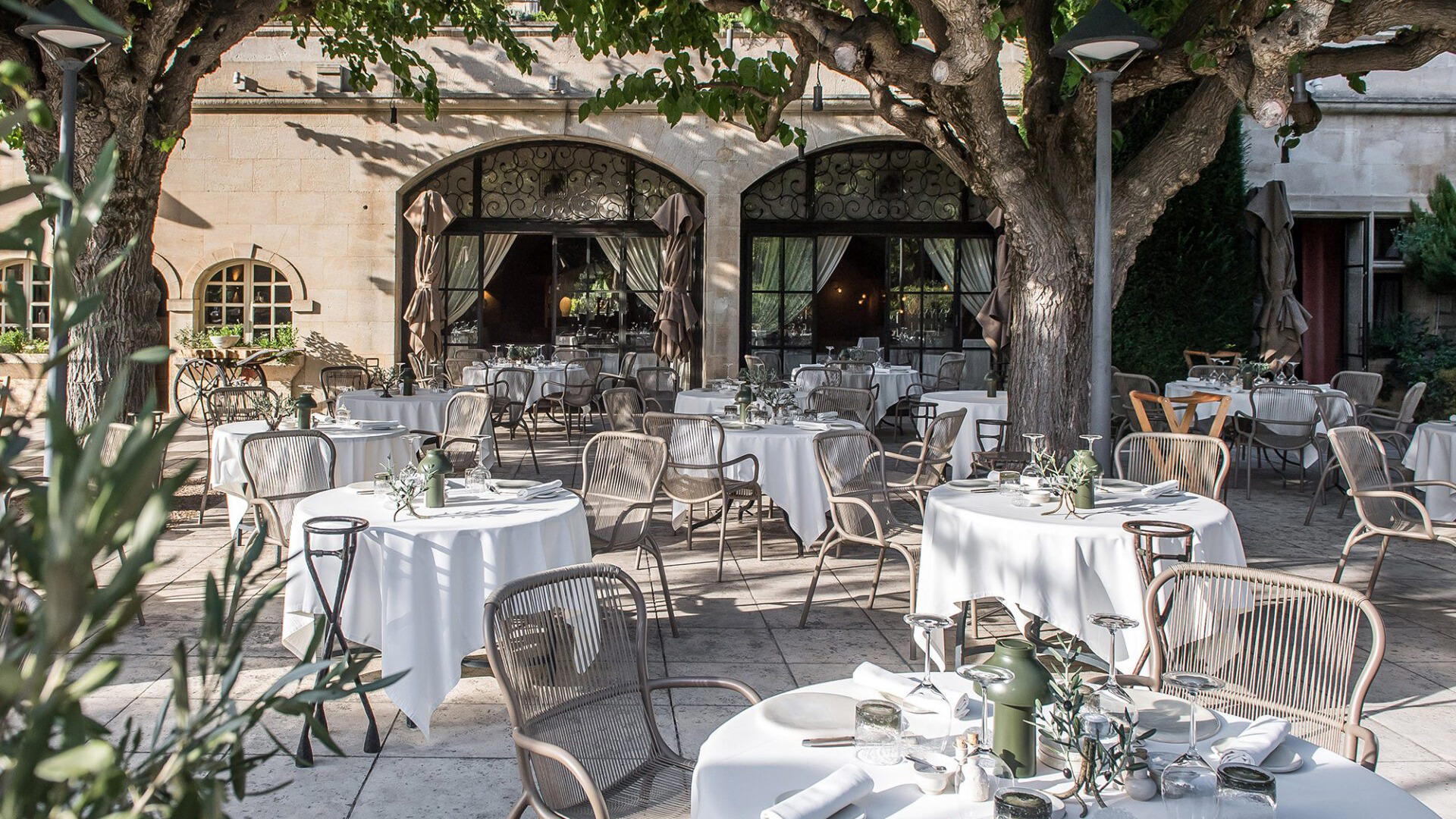
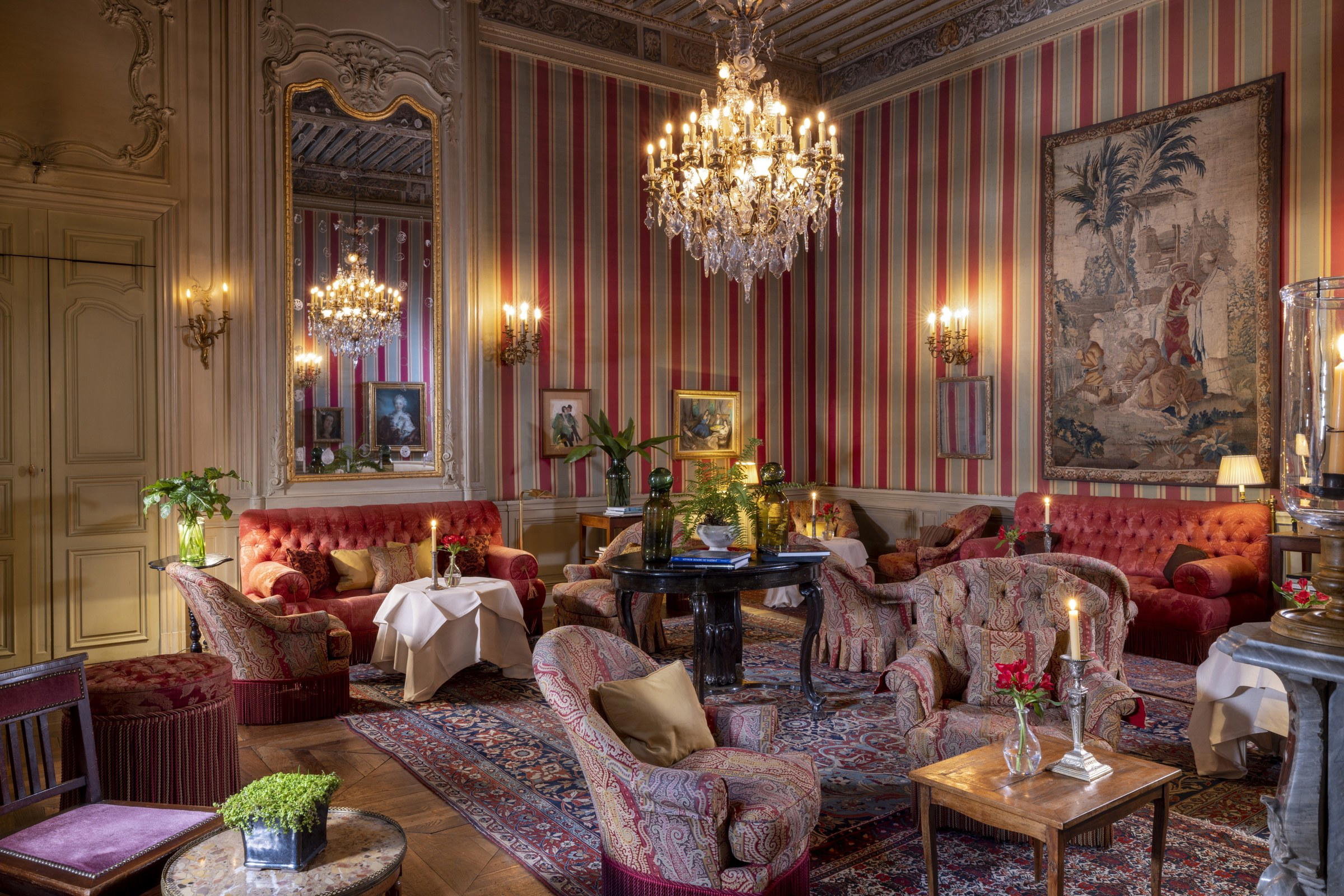
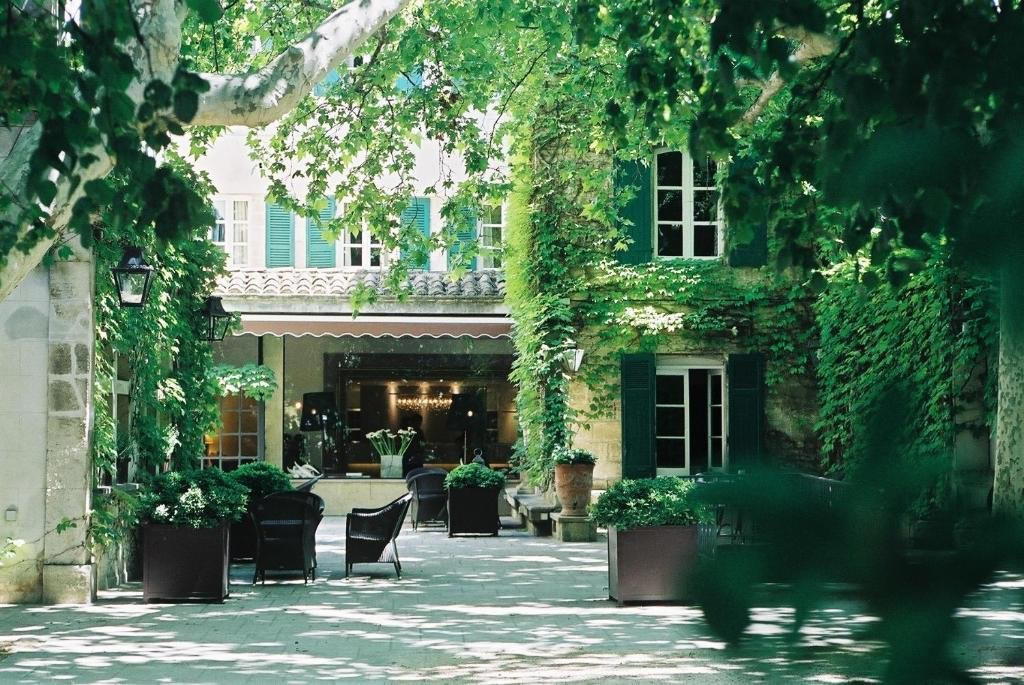
Authentic Provençal family spirit in a beautifully decorated old house with wooden beams in the dining room and terrace seating under plane trees.