Lornoy operates out of Zandstraat 64 in Herentals, a Flemish market town in the Kempen region of Antwerp province. The restaurant sits within a dining scene that punches above its modest size, with a handful of addresses drawing visitors from well outside the municipality. Lornoy is one of those addresses worth the detour from the Antwerp–Brussels axis.
Pearl is the En Primeur Club membership app — saves, bookings, and concierge access live there. Same editors, same standards.
- Address
- Zandstraat 64, 2200 Herentals, Belgium
- Phone
- +3214220106
- Website
- chocolaterie-lornoy.be
- Directions
- Get directions
 Saves & bookings on Pearl
Herentals and the Kempen Dining Tradition
The Kempen, the low-lying heathland and agricultural belt stretching across Antwerp province, has long supplied Flemish kitchens with ingredients that urban restaurants pay significant premiums to source: foraged mushrooms from sandy pine forests, freshwater fish from slow rivers, and small-farm produce from parcels that never scaled into industrial supply chains. What the region has historically lacked is the density of dining addresses that would place it on a serious food itinerary. That gap has been closing. Herentals, a market town of roughly 28,000 with a well-preserved medieval core, now carries a dining scene that rewards the roughly 40-minute drive from Antwerp or the train journey on the Brussels-to-Turnhout line that stops directly in the town centre.
Lornoy, at Zandstraat 64, sits within that emerging picture. Its address on a quiet Herentals street places it in a residential context rather than on a tourist circuit, which is itself a signal about the kind of operation it represents: one that builds a following through the plate rather than through footfall.
Ingredient Sourcing as the Organising Principle
Across Belgian fine dining, sourcing has become the fault line that separates serious kitchens from technically accomplished ones. Tables at the level of Hof van Cleve in Kruishoutem or Boury in Roeselare have built significant reputations partly on documented supplier relationships, named farms, specific fishing communities, foragers who appear in menu notes. That transparency signals to the diner not just provenance but a kitchen's commitment to a particular seasonal and regional logic.
The Kempen's geography makes this kind of sourcing unusually tractable for a restaurant like Lornoy. Supply chains are short by definition when the productive hinterland begins, in some cases, within a few kilometres of the kitchen. The sandy soils of Antwerp province produce asparagus of a distinct pale, earthy character during spring harvest, and the transition between late summer and early autumn brings wild mushroom varieties that rarely reach urban wholesale markets in usable condition. A kitchen anchored in this region and taking its ingredient brief from the season rather than from a fixed menu structure operates with a built-in editorial advantage: the land provides a programme.
This pattern appears at comparable addresses across Belgium. Willem Hiele in Oudenburg has made coastal and polder sourcing central to its identity, to the point where the restaurant functions as much as a document of its specific geography as a dining destination. Bartholomeus in Heist has built a similar case around North Sea product. Inland Kempen kitchens have a parallel opportunity with forest, heath, and agricultural produce that remains underrepresented at the table relative to its quality.
Placing Lornoy in the Flemish Creative Tier
Belgian dining broadly divides into a few recognisable categories: the classic Brussels French-Belgian tradition (represented by addresses like Bozar Restaurant and Le Chalet de la Forêt in Uccle); the creative Flemish tier that has generated Belgium's strongest international recognition over the past two decades; and a growing category of regional restaurants that draw on the first two traditions while remaining rooted in a specific provincial identity.
Herentals sits in Flemish Brabant's orbit but is administratively and culturally Antwerp province, and the kitchens here tend to draw more from the creative Flemish lineage than from the Brussels classical tradition. Comparisons with Castor in Beveren, De Jonkman in Sint-Kruis, or La Durée in Izegem are more useful than comparisons with the French-rooted establishments in the south. All of those addresses operate in the €€€€ tier, signal their ambition through sourcing and technique, and draw clientele from outside their immediate municipality.
Within Herentals itself, Lornoy sits alongside bistro55 by Domein Witbos and Nr.12 by Helsen as part of a small cluster that has quietly made the town worth a dedicated visit rather than an incidental stop. That cluster is still small enough that each address carries genuine weight in the local dining conversation.
The Broader Belgian Creative Context
To understand where a Herentals restaurant like Lornoy fits in the national picture, it helps to have reference points at the ambition end of the spectrum. L'air du temps in Liernu has demonstrated that a rural Belgian address can sustain international recognition when the sourcing intelligence is genuine and the technique matches it. La Table de Maxime in Our and d'Eugénie à Emilie in Baudour represent the Walloon counterpart to this phenomenon. The common thread across all of these is a willingness to treat the regional ingredient base as a programme rather than a constraint.
For international comparison, the ingredient-first logic that defines this tier of European regional cooking has parallels at ambitious addresses globally. The precision-sourcing approach at places like Le Bernardin in New York City or the ingredient focus at Atomix in New York City operate within the same broad discipline, even if the cultural and geographical references differ entirely. What links them is the idea that the sourcing decision is as consequential as the cooking decision, the two cannot be separated.
Planning a Visit
Herentals is directly accessible by rail from both Antwerp Central (roughly 35 minutes) and Brussels (via connection at Lier or Mechelen), making it one of the more logistically reasonable day trips or evening excursions in the Flemish interior. Zandstraat 64 is a short walk or taxi ride from the station. Lornoy is walk-in friendly and open Tue to Thu from 10 AM to 5 PM, Fri from 10 AM to 6 PM, and Sat from 10 AM to 5 PM. The Herentals dining scene is compact enough that a meal at Lornoy can be paired with a look at bistro55 by Domein Witbos or Nr.12 by Helsen.
Fast Comparison
Comparable venues nearby, for context on price, style, and recognition.
| Venue | Cuisine | Price | Awards | Notes |
|---|---|---|---|---|
| LornoyThis venue — the venue you are viewing | Chocolaterie & Desserts | $ | Not listed | Not listed |
| Nr.12 by Helsen | Modern Belgian Gastro-Bistro | $$ | Bib Gourmand | Grote Markt |
| bistro55 by Domein WItbos | Belgian Bistro | $$$ | Not listed | Noorderwijk |
| Maison Antoine | Belgian Frituur | $ | Not listed | Etterbeek |
| Jérôme Grimonpon | Artisan Belgian Chocolatier | $ | Not listed | Uccle |
| Thomas Manini | Artisan Belgian Chocolatier | $ | Not listed | Temploux |
Continue exploring
More in Herentals
Restaurants in Herentals
Browse all →
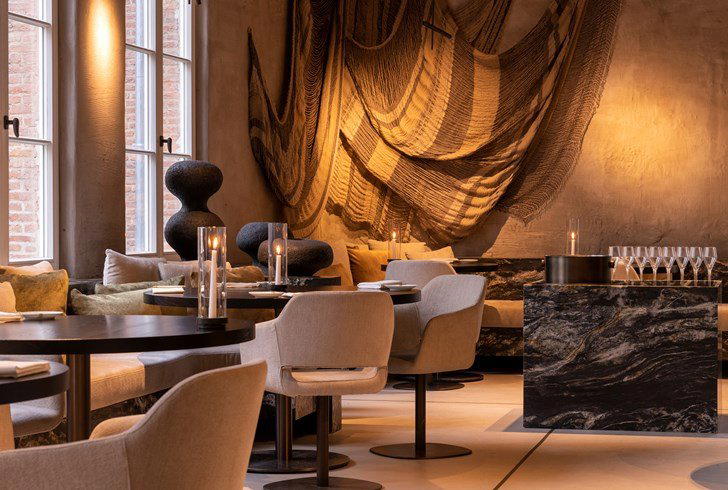
Bars in Herentals
Browse all →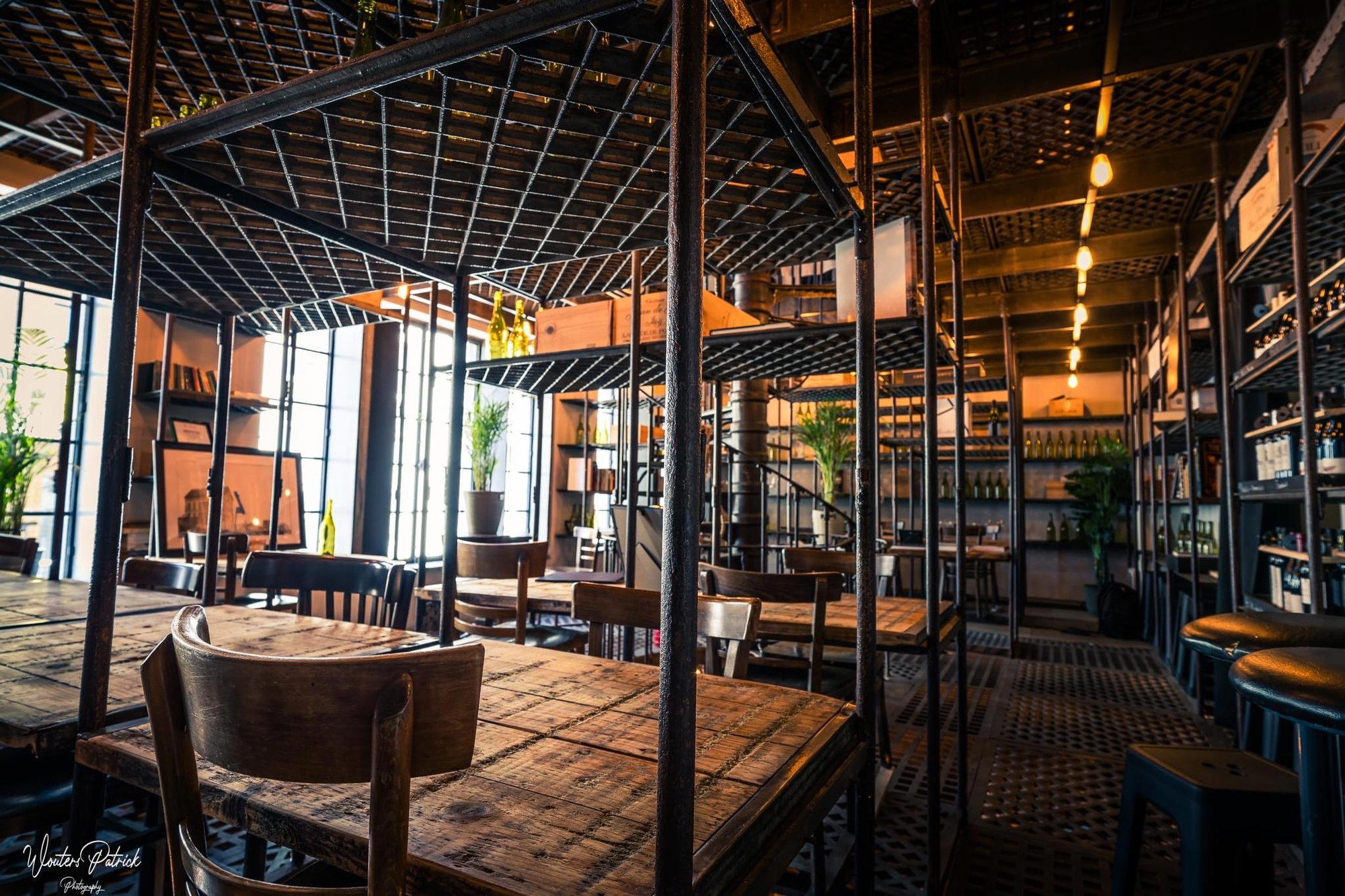
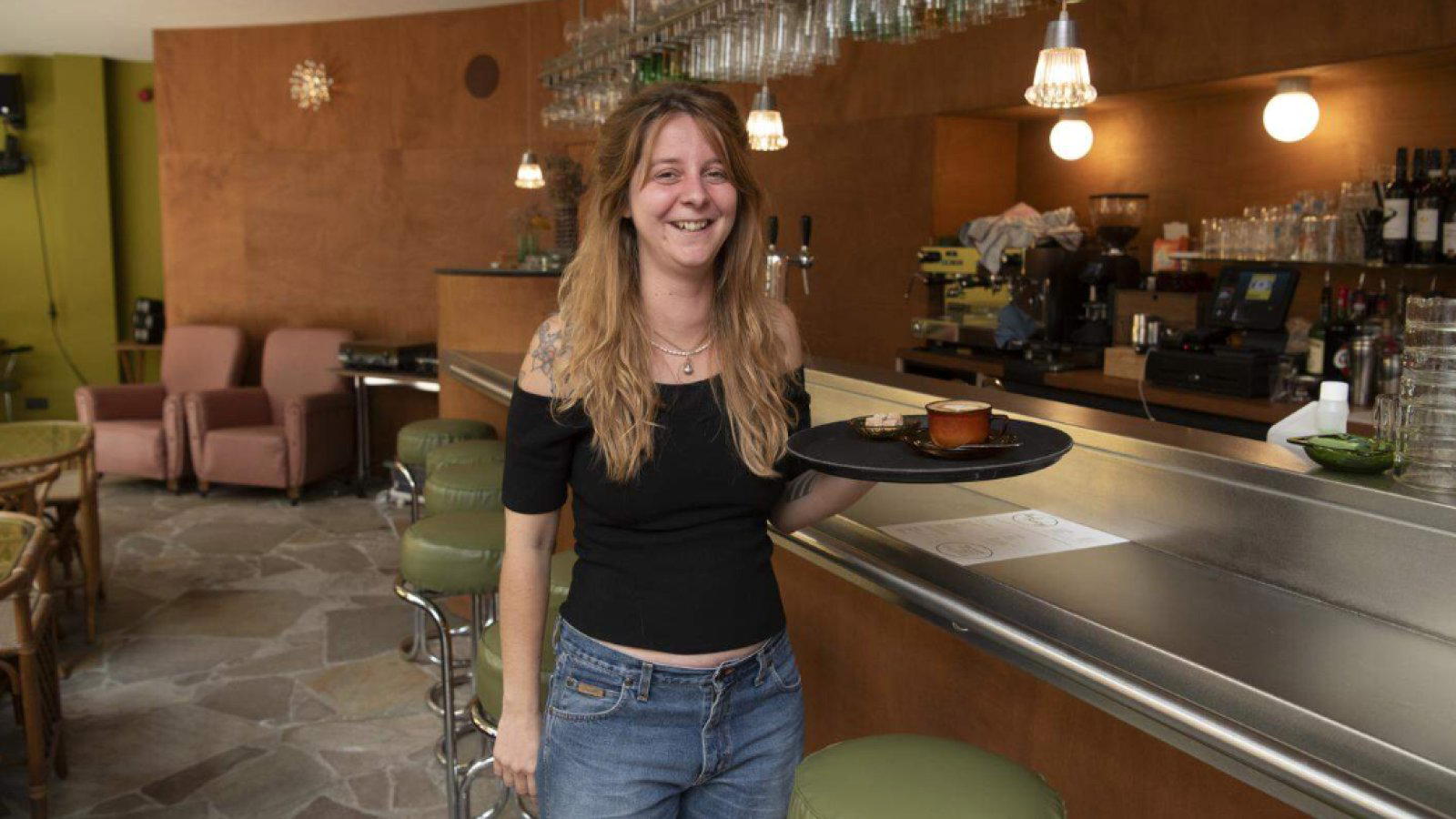
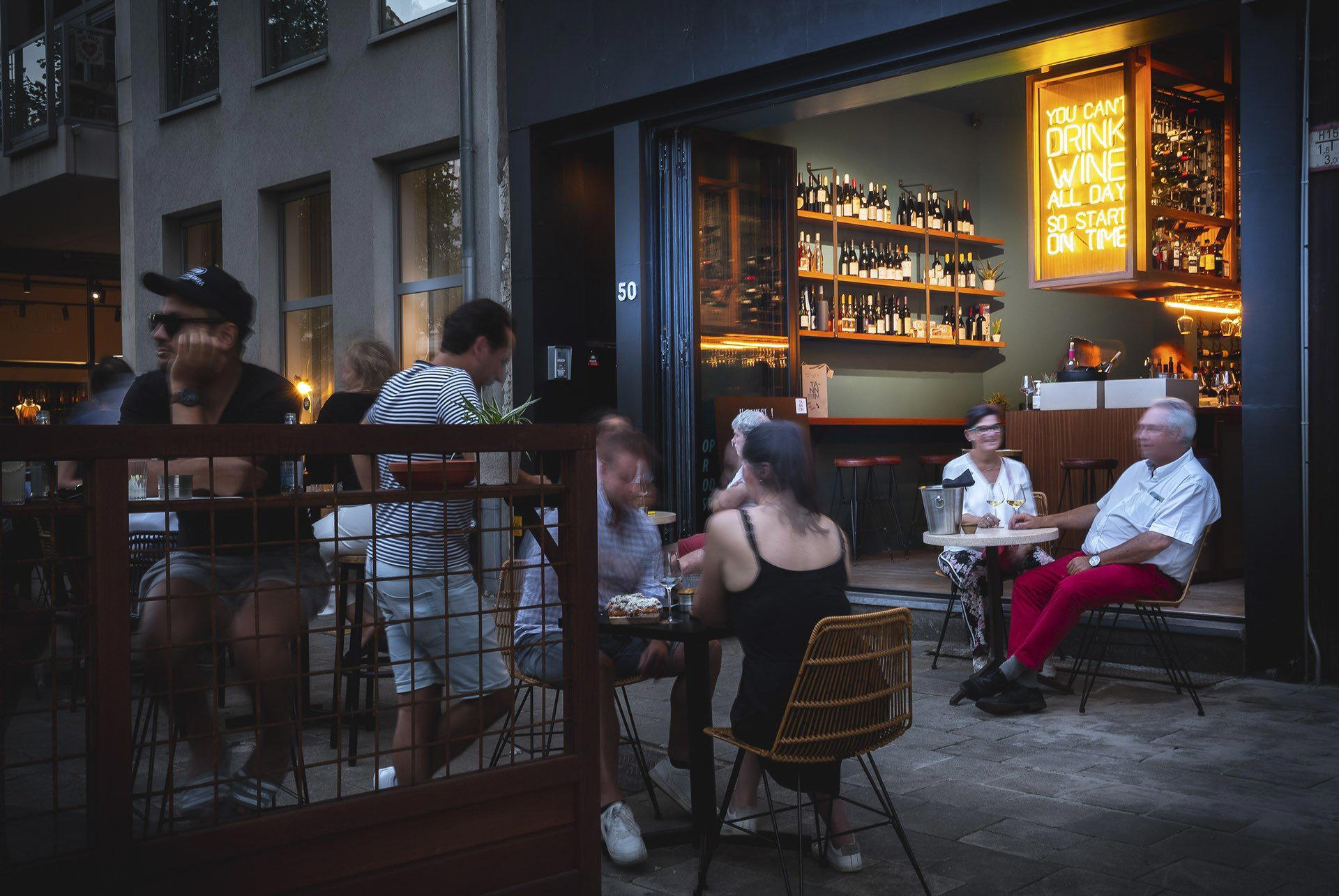
At a Glance
- Cozy
- Casual Hangout
Current opening hours
- Monday
- Closed
- Tuesday
- 10 AM–5 PM
- Wednesday
- 10 AM–5 PM
- Thursday
- 10 AM–5 PM
- Friday
- 10 AM–6 PM
- Saturday
- 10 AM–5 PM
- Sunday
- Closed
Hours can change for holidays and private events. Last verified .
Cozy chocolatier atmosphere focused on artisanal sweets.