Our verdict
In the quiet Flemish municipality of Herzele, Assiette de Juliette occupies a position that rewards diners willing to look beyond the obvious dining corridors of Ghent or Brussels. The address on Groenlaan places it within a small-town Belgian context where French-inflected cooking and regional sourcing traditions carry genuine weight, and where the dining room's character is shaped as much by its surroundings as by what arrives on the plate.

Pearl is the En Primeur Club membership app — saves, bookings, and concierge access live there. Same editors, same standards.
- Address
- Groenlaan 6, 9550 Herzele, Belgium
- Phone
- +32486645252
- Hours
- Mon–Wed ClosedThu–Sat 12–2 PM, 6–9 PMSun 12–2 PM
- Website
- assiettedejuliette.be
- Directions
- Get directions
- Booking
- Book on Zenchef
The menu
What to order
- Assiette de fromage
- Filet américain
A Flemish Village Table, Seriously Considered
Belgium's most compelling restaurant discoveries rarely happen in the cities. The country has a long tradition of ambitious cooking anchored in rural municipalities, where lower overheads, proximity to farmland, and a local clientele that takes Sunday lunch seriously have historically allowed kitchens to develop on their own terms. Herzele, a quiet agricultural commune in the Flemish Ardennes south of Ghent, fits that pattern. Assiette de Juliette, on Groenlaan, sits within this tradition of the serious Belgian village restaurant, a category that has produced some of the country's most focused cooking precisely because it operates outside the expectations and theatre of urban dining.
That geographic context matters more than it might initially seem. The Flemish Ardennes is rolling, productive country, with market gardens, small livestock operations, and a rural food culture that has fed the region's tables long before farm-to-fork became a talking point in capital-city restaurants. A kitchen rooted here has access to produce that urban restaurants actively seek out and pay a premium to source. The question worth asking of any restaurant in this setting is whether it makes disciplined use of that proximity, or whether it simply imports the same supply chains as everywhere else. At Assiette de Juliette, the address on Groenlaan in a town of this scale suggests the former is at least plausible, and the editorial tradition of Belgian rural dining gives that expectation a reasonable foundation.
The Room Before the Plate
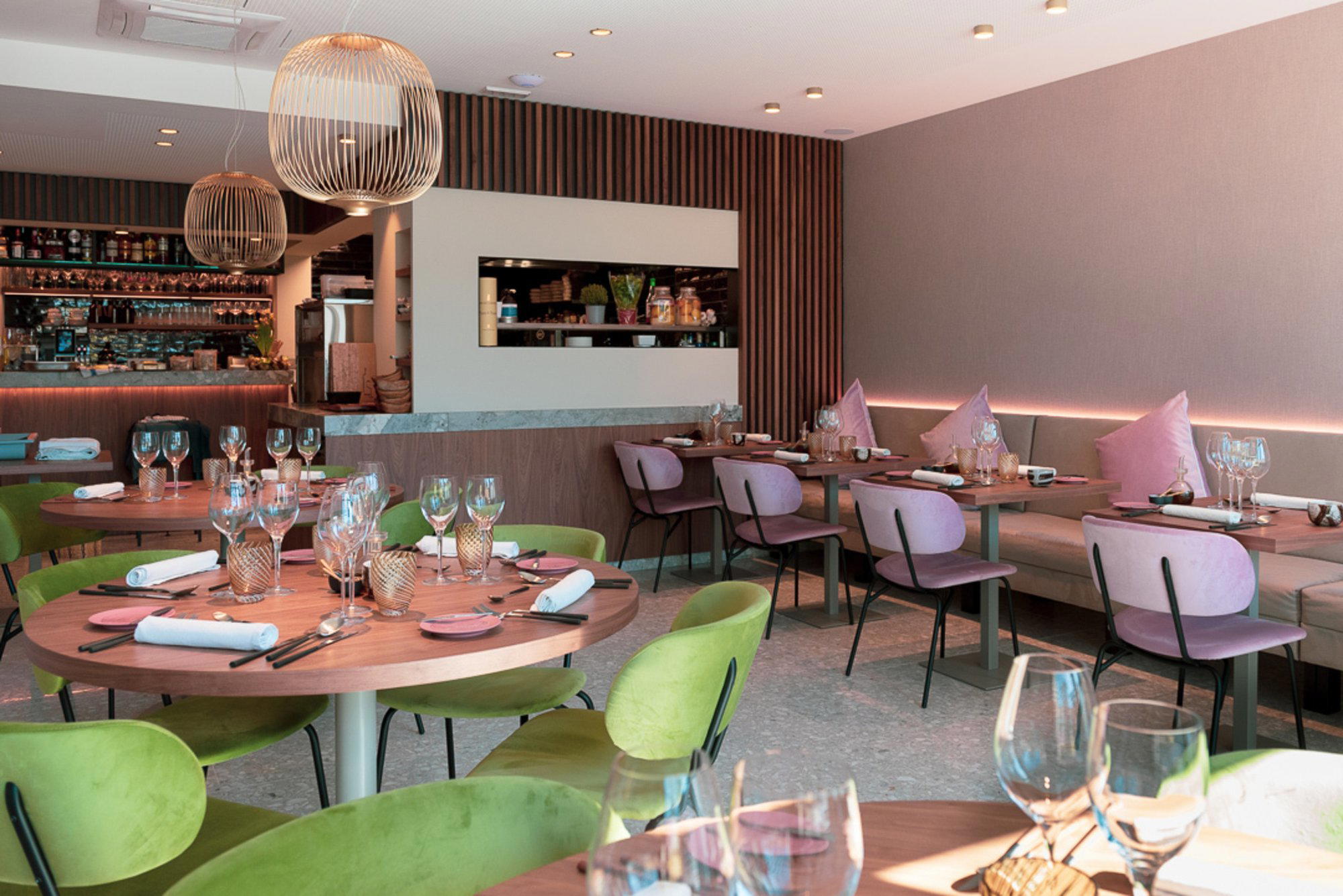
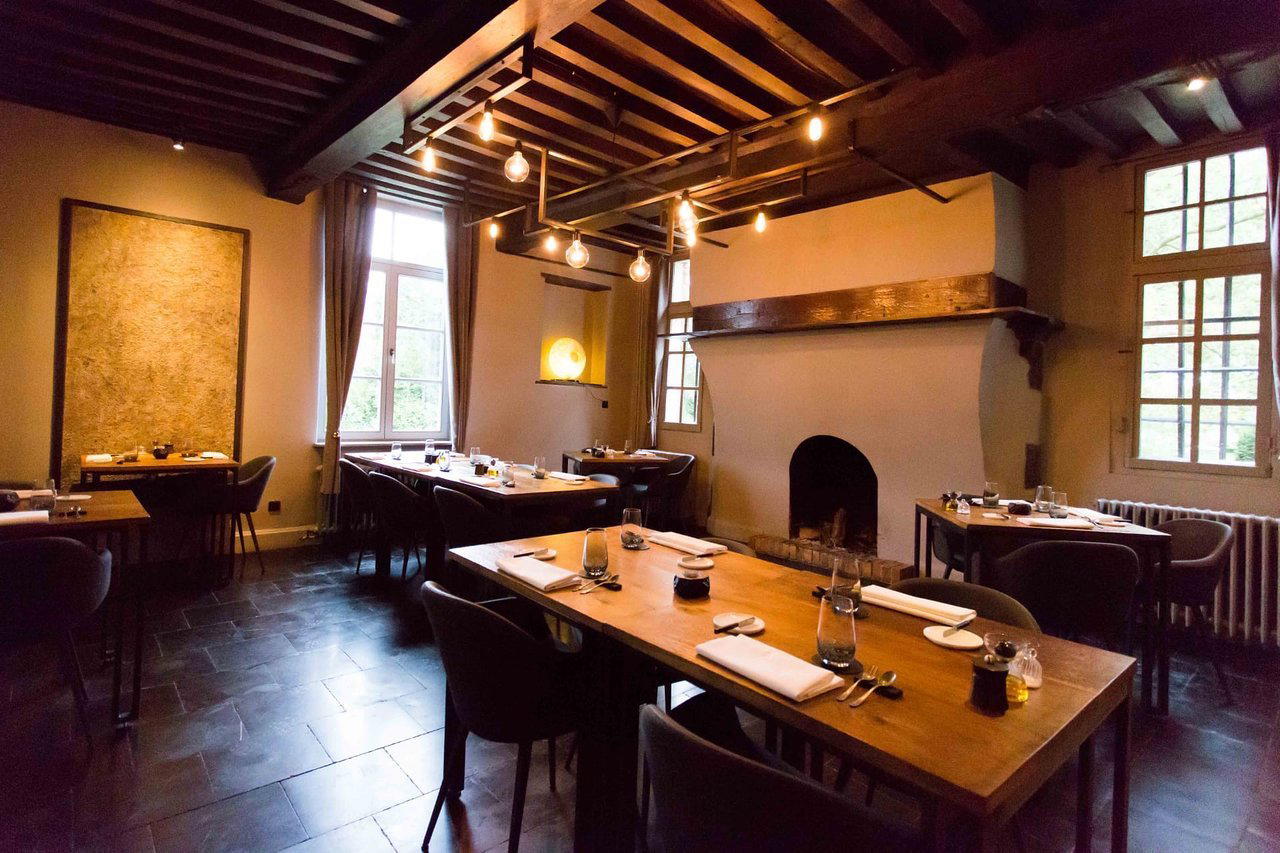
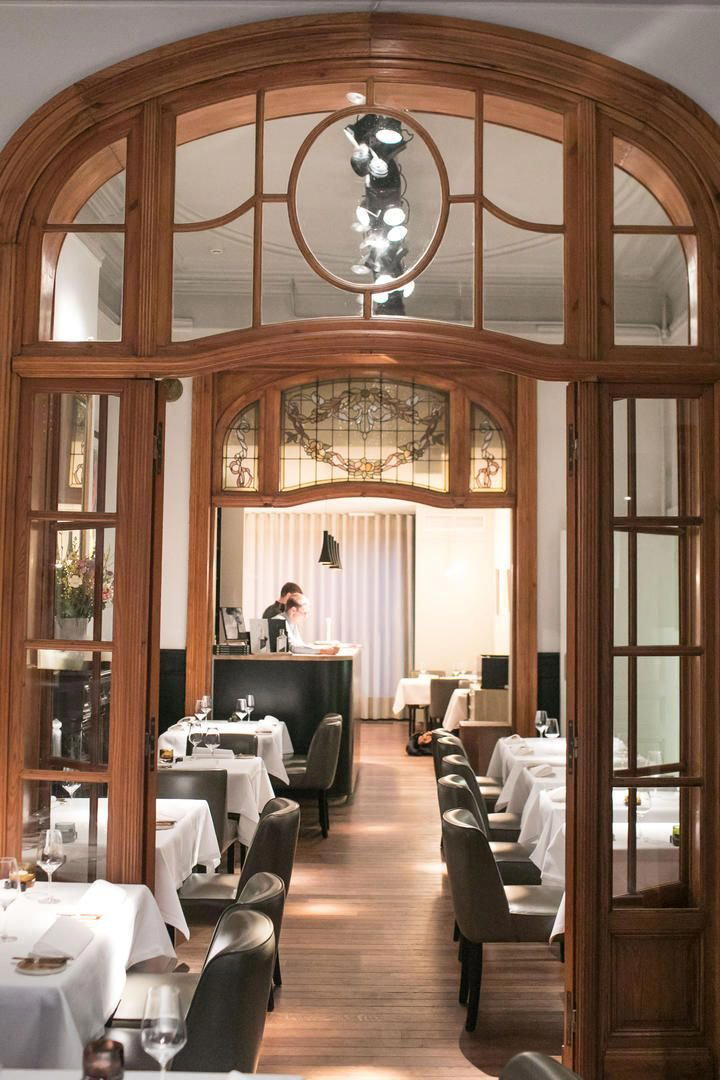
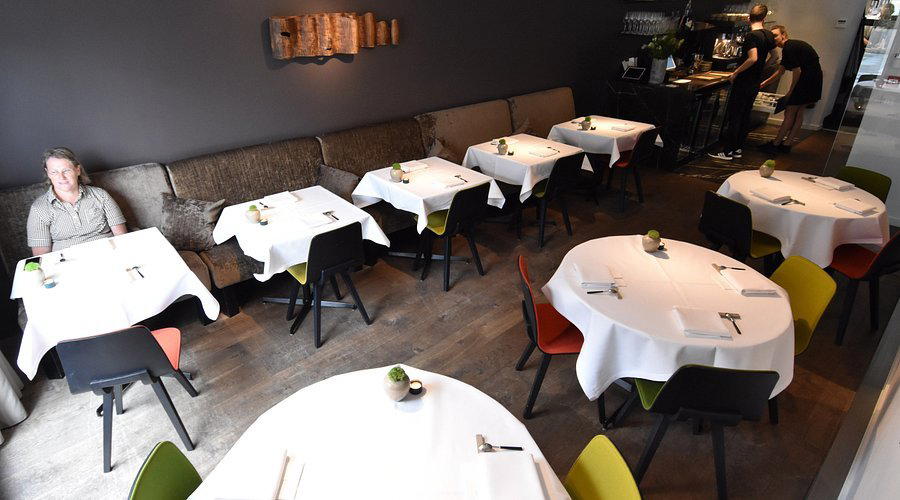
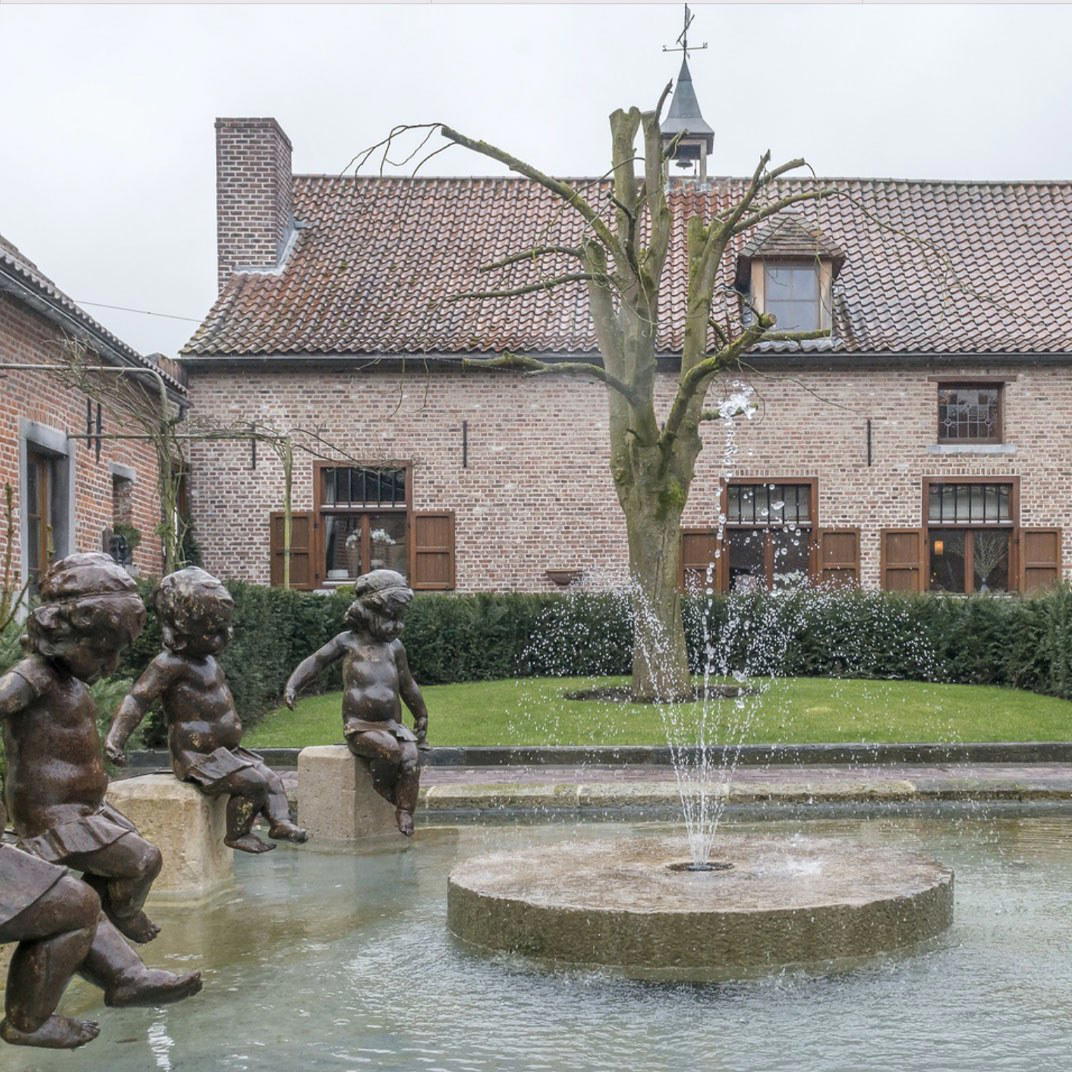
Approaching a restaurant in a Belgian village commune carries a different set of visual cues than walking into a Ghent canal-side address or a Brussels brasserie. The scale is human, the architecture domestic, and the dining room, when it works, feels like an extension of the landscape rather than a departure from it. In the Belgian tradition, this kind of setting tends toward a certain warmth without sentiment: linen on the table, light that adjusts to the season, a pace that allows the meal to extend without pressure. Assiette de Juliette's Groenlaan address places it within that register, in a municipality where the dining room is unlikely to be competing with noise, spectacle, or urban foot traffic for the guest's attention.
For diners travelling from Ghent, the journey south into the Flemish Ardennes takes roughly half an hour by car, a distance that separates this experience from the city's increasingly competitive restaurant scene. That separation is part of the proposition. Belgian dining culture has long valued the deliberate excursion, the meal that requires a drive and rewards the effort with a setting and a pace that a city address cannot replicate. Among Herzele's restaurant options, Alexandre represents the other anchor point in the local dining conversation. See our full Herzele restaurants guide for a broader picture of what the municipality offers.
Ingredient Sourcing and the Rural Kitchen Argument
The ingredient sourcing argument for Belgian rural restaurants is not merely romantic. Kitchens positioned in agricultural zones genuinely operate with a different supply logic than urban counterparts. Where a Brussels or Antwerp restaurant must coordinate deliveries across a complex urban supply chain, a Herzele kitchen can build relationships with producers within a short radius, adjusting menus to what is available in a given week rather than what has been pre-ordered from a distant wholesaler. This is not a guarantee of quality, but it is a structural advantage that the leading Belgian village kitchens have historically converted into something meaningful on the plate.
The French-inflected cooking tradition that runs through Belgian cuisine since the nineteenth century provides the technical scaffold for this kind of sourcing-led approach. Classic French method applied to Flemish and Ardennes-region ingredients is the baseline of countless Belgian restaurants, from Boury in Roeselare to Vrijmoed in Gent to La Durée in Izegem. What separates the more considered operations from the generic is the degree to which local sourcing shapes the menu's actual identity, rather than functioning as a marketing footnote. Belgium's most cited tables in this tradition, including Hof van Cleve in Kruishoutem and Willem Hiele in Oudenburg, have made that sourcing commitment the organising principle of everything else. For a Herzele kitchen, the raw materials are there; the execution is the variable.
Internationally, the model of the rural kitchen built around a specific agricultural geography has produced some of the most discussed restaurants of the past decade. Lazy Bear in San Francisco and, at the technically formal end, Le Bernardin in New York City each represent a different answer to the question of how sourcing philosophy shapes a restaurant's identity. In Belgium, the answer has most often been quieter and more rooted in classical technique than either American model, which is part of what makes the rural Belgian table a distinct proposition rather than a local approximation of an international trend.
Placing Assiette de Juliette in the Belgian Dining Context
Belgium's restaurant scene has fragmented productively over the past decade. The concentration of recognised cooking in Ghent, Bruges, Antwerp, and Brussels remains real, but the serious rural table has held its position, particularly in East and West Flanders and the Ardennes. Bozar Restaurant in Brussels, Zilte in Antwerp, and Le Chalet de la Forêt in Uccle anchor the urban end of the spectrum. At the other end, addresses like De Jonkman in Sint-Kruis, Ralf Berendsen in Neerharen, and Castor in Beveren demonstrate that recognition and quality are not exclusively urban phenomena in this country. d'Eugénie à Emilie in Baudour, La Table de Maxime in Our, and Cuchara in Lommel extend that picture further into the country's smaller municipalities. Assiette de Juliette occupies a position in this broader map, a Herzele address with a name that signals French kitchen sensibility applied in a Flemish rural setting.
Planning a Visit
Herzele is accessible by car from Ghent in under forty minutes, and the town's modest scale means that parking is direct near Groenlaan. Visitors combining a meal here with other East Flanders stops should note that the municipality has limited accommodation, making it most naturally a lunch or early dinner destination from Ghent rather than an overnight base.
Frequently asked questions
Does Assiette de Juliette work for a family meal?
Herzele is a village commune, and restaurants at this scale in Flemish agricultural towns typically seat small numbers across a few sittings, which favours quieter, conversation-friendly dining rather than large group logistics. Whether the kitchen accommodates children's portions or dietary variations is worth confirming directly before booking. The address at Groenlaan 6 is residential in character, which signals an intimate setting rather than a sprawling family-style dining room.
What should I expect atmosphere-wise at Assiette de Juliette?
Groenlaan 6 is a village address in Herzele, a commune of modest scale in the Flemish Ardennes, so the physical context is almost certainly domestic in proportion rather than formally restaurant-built. Belgian rural restaurants of this kind tend to operate with small covers and a pace set by the kitchen rather than a front-of-house machine. Expect a room where the food does the talking and the surrounding quiet is part of the proposition.
Is Assiette de Juliette worth driving to from Ghent or Brussels?
Herzele sits under forty minutes by car from Ghent, placing Assiette de Juliette well within reach for a dedicated lunch or dinner from East Flanders' main city. Belgium's most compelling rural cooking rarely announces itself with major awards or press campaigns, which is precisely what makes addresses like Groenlaan 6 in Herzele worth seeking out independently. For travellers already moving through the Flemish Ardennes, it represents a logical and purposeful stop.
What should I order at Assiette de Juliette?
Rural Flemish kitchens at this address level in East Flanders typically work with seasonal produce sourced from nearby agricultural suppliers, which means the menu shifts with the calendar. Asking about the current format when booking will give you the clearest picture of what the kitchen is focused on.
Where exactly is Assiette de Juliette?
Assiette de Juliette is located at Groenlaan 6, 9550 Herzele, Belgium, Herzele.
How hard is it to get a table at Assiette de Juliette?
No booking data is publicly documented for Assiette de Juliette, but restaurants operating out of a single address in a village commune like Herzele rarely seat more than twenty to thirty covers per service, which makes availability tighter than the rural setting might suggest. Contacting the restaurant directly at Groenlaan 6, 9550 Herzele is the only reliable way to check current availability. Advance planning is advisable, particularly for weekend sittings.
Comparable Spots, Quickly
| Venue | Cuisine | Price | Awards | Notes |
|---|---|---|---|---|
| Assiette de JulietteThis venue — the venue you are viewing | Belgian-French Seasonal Cuisine | $50–100 | Not listed | Not listed |
| Boury | Creative French Fine Dining | $300–500 | 3 Michelin Stars · La Liste Top Restaurants | Modern Frlemish, Creative French |
| Comme chez Soi | Classic French Fine Dining | $200–300 | 1 Michelin Star · World's 50 Best #49 | French - Belgian, Classic Cuisine |
| Vrijmoed | Creative Modern Fine Dining | Not listed | 2 Michelin Stars · La Liste Top Restaurants | Modern Flemish, Creative |
| La Durée | Modern French Fine Dining | $150–200 | 2 Michelin Stars · La Liste Top Restaurants | French-Belgian, Creative |
| Cuchara | Modern Creative Cuisine with Asian Influences | $200–300 | 2 Michelin Stars · La Liste Top Restaurants | Modern European, Creative |

Details
- Elegant
- Classic
- Cozy
- Sophisticated
- Date Night
- Business Dinner
- Special Occasion
- Terrace
- Private Dining
- Local Sourcing
- Prix Fixe
- A La Carte
Current opening hours
- Monday
- Closed
- Tuesday
- Closed
- Wednesday
- Closed
- Thursday
- 12–2 PM, 6–9 PM
- Friday
- 12–2 PM, 6–9 PM
- Saturday
- 12–2 PM, 6–9 PM
- Sunday
- 12–2 PM
Hours can change for holidays and private events. Last verified .
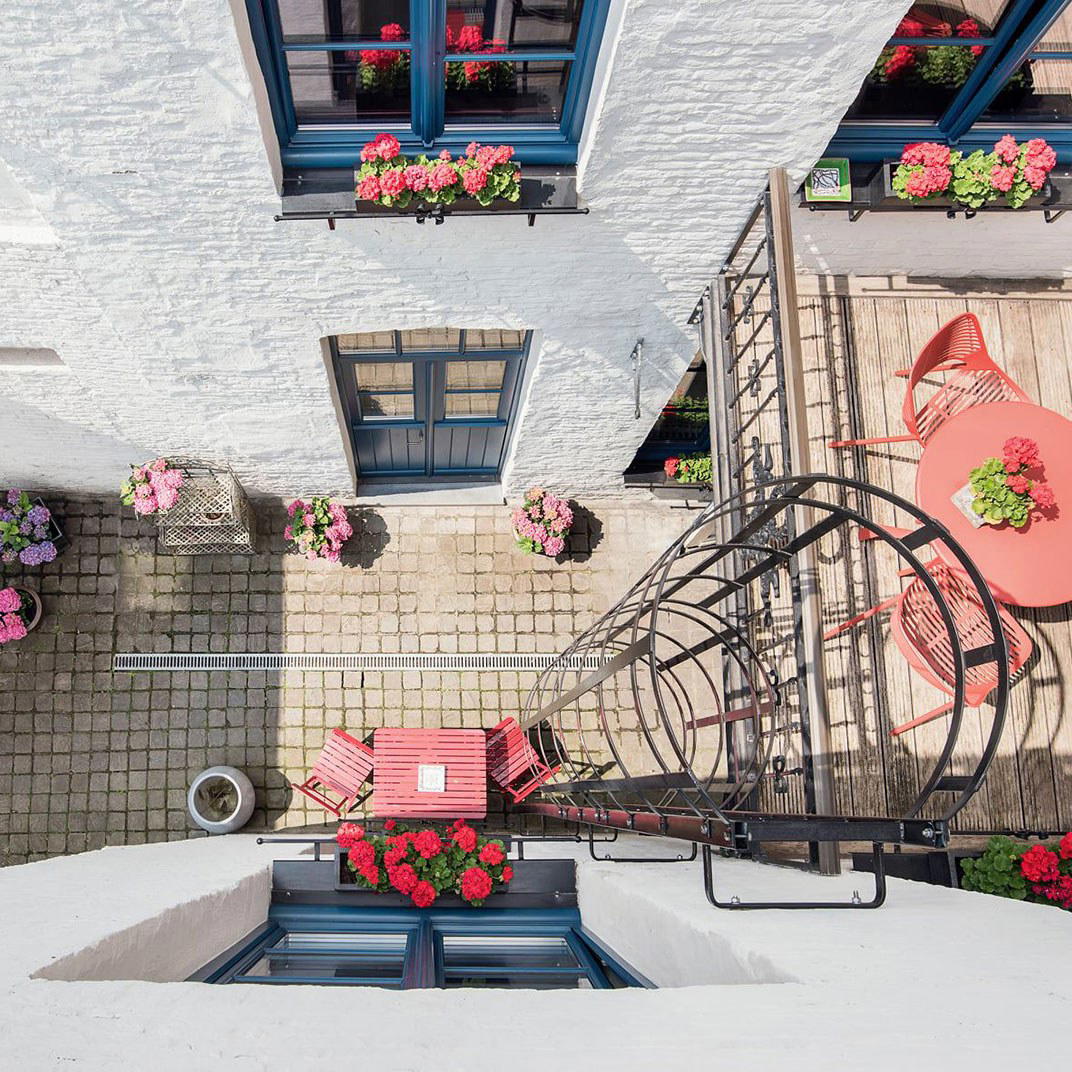
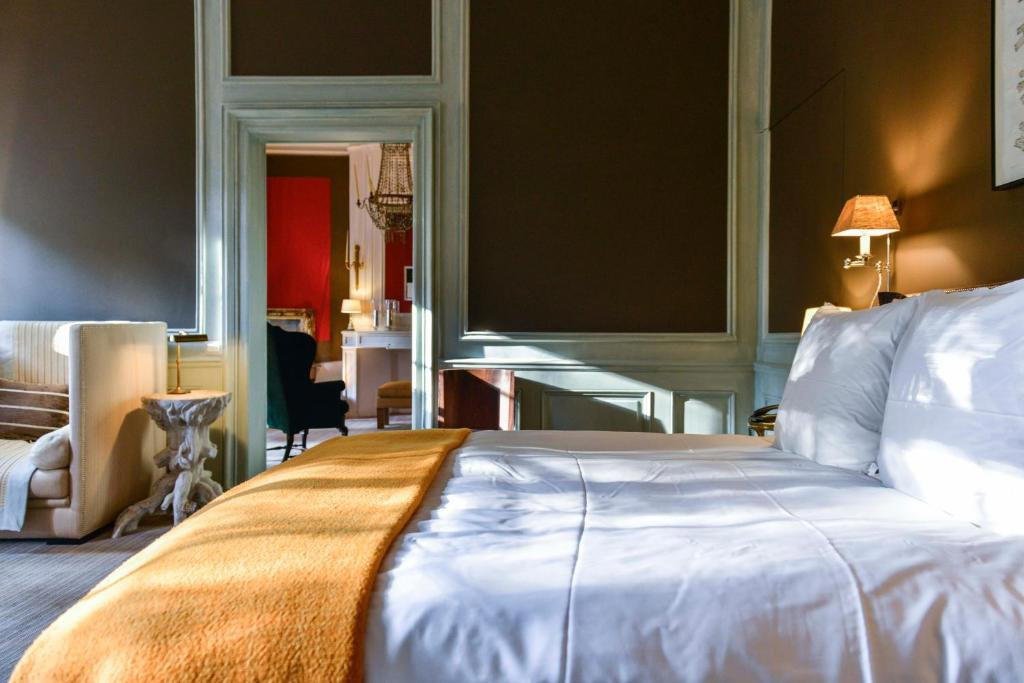
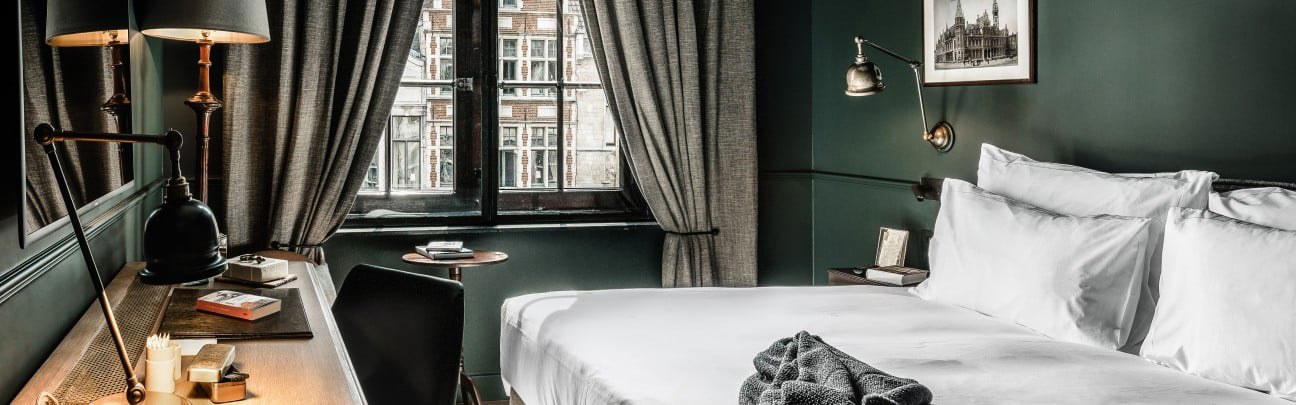
Warm and welcoming atmosphere with a chalet-like spirit; elegant yet intimate setting that feels like dining at home.