Kastaar sits on the Edingsesteenweg in Ninove, a town in the East Flemish Dender valley where Belgium's tradition of sourcing-led, produce-forward cooking has quietly taken root outside the big-city spotlight. The kitchen's emphasis on ingredient origin places it within a comparable set that treats the supply chain as part of the dining proposition, not a footnote on the menu.
Pearl is the En Primeur Club membership app — saves, bookings, and concierge access live there. Same editors, same standards.
- Address
- Edingsesteenweg 394, 9400 Ninove, Belgium
- Phone
- +32477703231
- Website
- restaurantkastaar.be
- Directions
- Get directions
 Saves & bookings on Pearl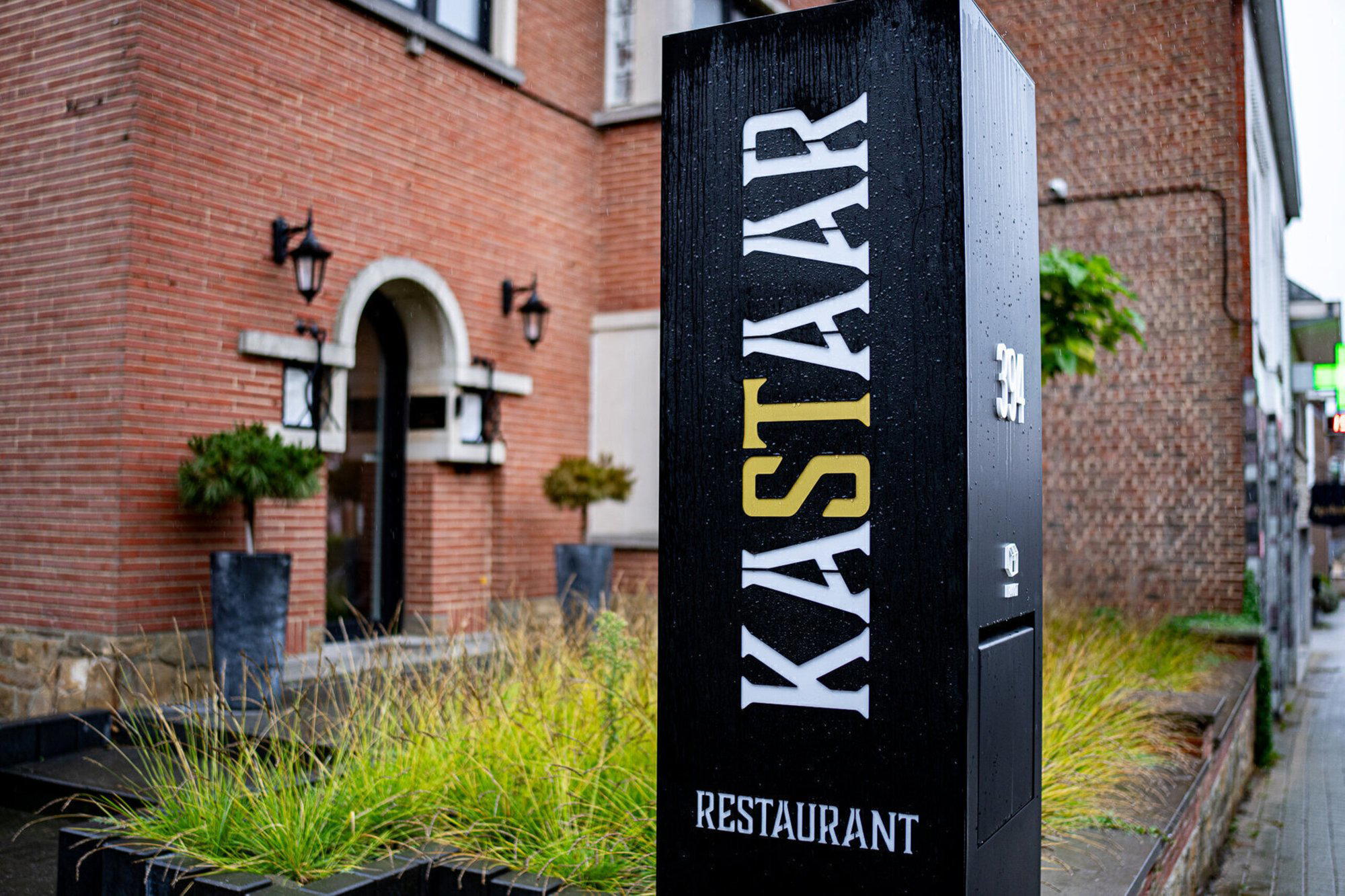
Where East Flanders Eats Seriously
The Dender valley towns that run between Ghent and the Pajottenland have never been on Belgium's obvious fine-dining circuit. That circuit has historically run through Antwerp, Brussels, and the coastal strip, with institutions like Zilte in Antwerp and Le Chalet de la Forêt in Uccle anchoring a metropolitan conversation about Belgian gastronomy. But the last decade has seen a quieter shift: smaller towns in East and West Flanders have started producing kitchens whose sourcing logic and seasonal discipline match anything in the capital. Ninove, with its agricultural hinterland and proximity to the Flemish Ardennes, is part of that shift, and Kastaar, at Edingsesteenweg 394 in Ninove, sits inside it.
Approaching along the Edingsesteenweg, the setting is characteristically Flemish in its lack of urban drama. The road connects Ninove to the surrounding communes, lined with the kind of low-scale built environment that gives no particular signal of what cooking might be happening inside. That gap between exterior understatement and interior seriousness is a recurring feature of the regional dining format across East Flanders, and it is part of what makes venues in this tier function differently from their urban peers: the audience arrives with intent, not by accident.
The Sourcing Argument in Flemish Cooking
Belgium's most-discussed kitchens, from Hof van Cleve in Kruishoutem to Boury in Roeselare, have made ingredient provenance a structural part of their editorial identity as much as their cooking. The argument runs like this: Belgium's agricultural geography, dense with small-scale producers of chicory, endive, asparagus, hop shoots, and heritage grains, gives a Flemish kitchen access to a supply chain that a Paris or London equivalent would have to construct artificially. The leading regional tables in East and West Flanders have learned to treat that supply chain as a competitive asset, building menus that reflect the agricultural calendar rather than an international luxury-ingredient checklist.
This sourcing orientation is not exclusively Flemish. Comparable approaches appear at L'air du Temps in Liernu in Namur province and at Willem Hiele in Oudenburg near the coast, where the local ecosystem, rather than imported prestige ingredients, drives the menu's structure. What varies between kitchens in this tier is the degree to which sourcing is a visible narrative versus a quiet operational principle. Some tables foreground it; others let the produce speak without annotation.
The broader comparable set for a venue operating at this level in East Flanders also includes Castor in Beveren and De Jonkman in Sint-Kruis, both of which have built reputations on modern Flemish cooking that draws from regional supply chains. The comparison is relevant because it shows that the model is replicable: Flanders has enough agricultural depth to sustain multiple kitchens in this mode without any single one exhausting the local sourcing base.
Ninove in Context
Ninove is the largest municipality in the Dender region, with roughly 40,000 residents and an economy that has historically mixed light industry with farming. It is not a dining destination in the way Bruges or Ghent are promoted to international visitors, which means the restaurants that operate here do so for a primarily regional audience: Flemish guests from Aalst, Geraardsbergen, and the eastern Brussels suburbs, who drive rather than arrive by high-speed rail. That driving audience shapes the format: larger tables, parking, and a less compressed urban schedule are the norm.
For context, Ninove sits roughly 30 kilometres west of Brussels and is accessible via the N8, making it a plausible evening destination from the capital for anyone willing to step outside the standard Brussels dining options. Bozar Restaurant in Brussels and the city's more formal addresses serve a different occasion and a different price point. Ninove's offer, anchored in its agricultural setting, serves a guest who wants provenance and quietness in the same sitting.
Within the town itself, De Bakermat and Studio Broos represent the broader dining picture, giving visitors the basis for a longer stay in the area.
Where Kastaar Sits in the Regional Tier
Belgium's sourcing-led kitchens outside the major cities tend to operate in one of two modes. The first is the destination-format table, which prices at the level of Michelin-recognised peers and expects guests to plan the trip specifically around the meal. The second is the committed regional kitchen, which holds similar sourcing standards but pitches itself as the serious neighbourhood option rather than an occasion-dining address. The distinction matters for booking behaviour, dress code expectations, and how the menu is structured over an evening.
What the address, the context, and the regional pattern suggest is that this is a kitchen operating in a town where serious cooking has begun to cohere, rather than an isolated exception. That pattern is worth watching: the trajectory for sourcing-led Flemish kitchens in small municipalities has, in several documented cases, led to recognition within three to five years of a kitchen finding its footing. Internationally, the dynamic of serious cooking arriving in unexpected addresses is familiar: Le Bernardin in New York City and Atomix both demonstrate that the credibility of a kitchen is ultimately independent of the neighbourhood's prior dining reputation.
For guests making the drive from Brussels or Ghent, particularly useful regional comparators for calibrating expectations remain the East Flemish comparable set: Bartholomeus in Heist, La Durée in Izegem, d'Eugénie à Emilie in Baudour, and La Table de Maxime in Our. These tables collectively map the range of what committed, sourcing-attentive cooking looks like across Belgium's secondary municipalities.
Planning Your Visit
Kastaar is located at Edingsesteenweg 394 in Ninove, most practically reached by car from Brussels (approximately 30 minutes on the N8) or from Ghent (approximately 40 minutes via the E40 and connecting roads).
Quick Comparison
Comparable venues nearby, for context on price, style, and recognition.
| Venue | Cuisine | Price | Awards | Notes |
|---|---|---|---|---|
| KastaarThis venue — the venue you are viewing | Modern French Bistro | $$$ | Not listed | Not listed |
| Studio Broos | Belgian Chocolatier | $ | Not listed | Ninove |
| De Bakermat | Modern French Fine Dining | $$$$ | Michelin 1 Star | Ninove |
| Renard | Belgian-French Classic | $$$ | Not listed | Beervelde |
| La Buvette | Modern French-Belgian Bistro | $$$ | Not listed | Saint-Gilles |
| Le Corbier | Modern French-Belgian Bistro | $$$ | Not listed | Grand' Place |
At a Glance
- Cozy
- Intimate
- Modern
- Date Night
- Special Occasion
- Open Kitchen
- Local Sourcing
Current opening hours
- Monday
- Closed
- Tuesday
- Closed
- Wednesday
- Closed
- Thursday
- Closed
- Friday
- 12–3 PM, 7–8:30 PM
- Saturday
- 7–8:30 PM
- Sunday
- 12–3 PM
Hours can change for holidays and private events. Last verified .
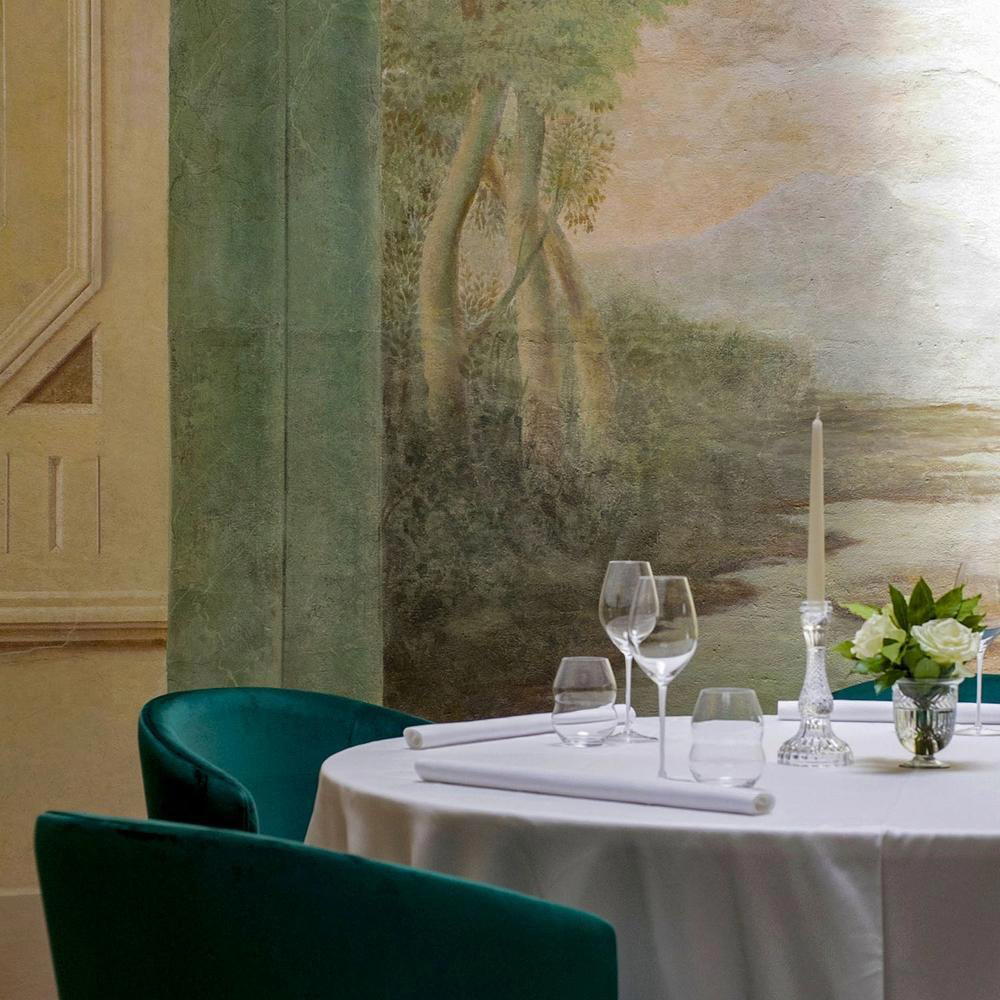
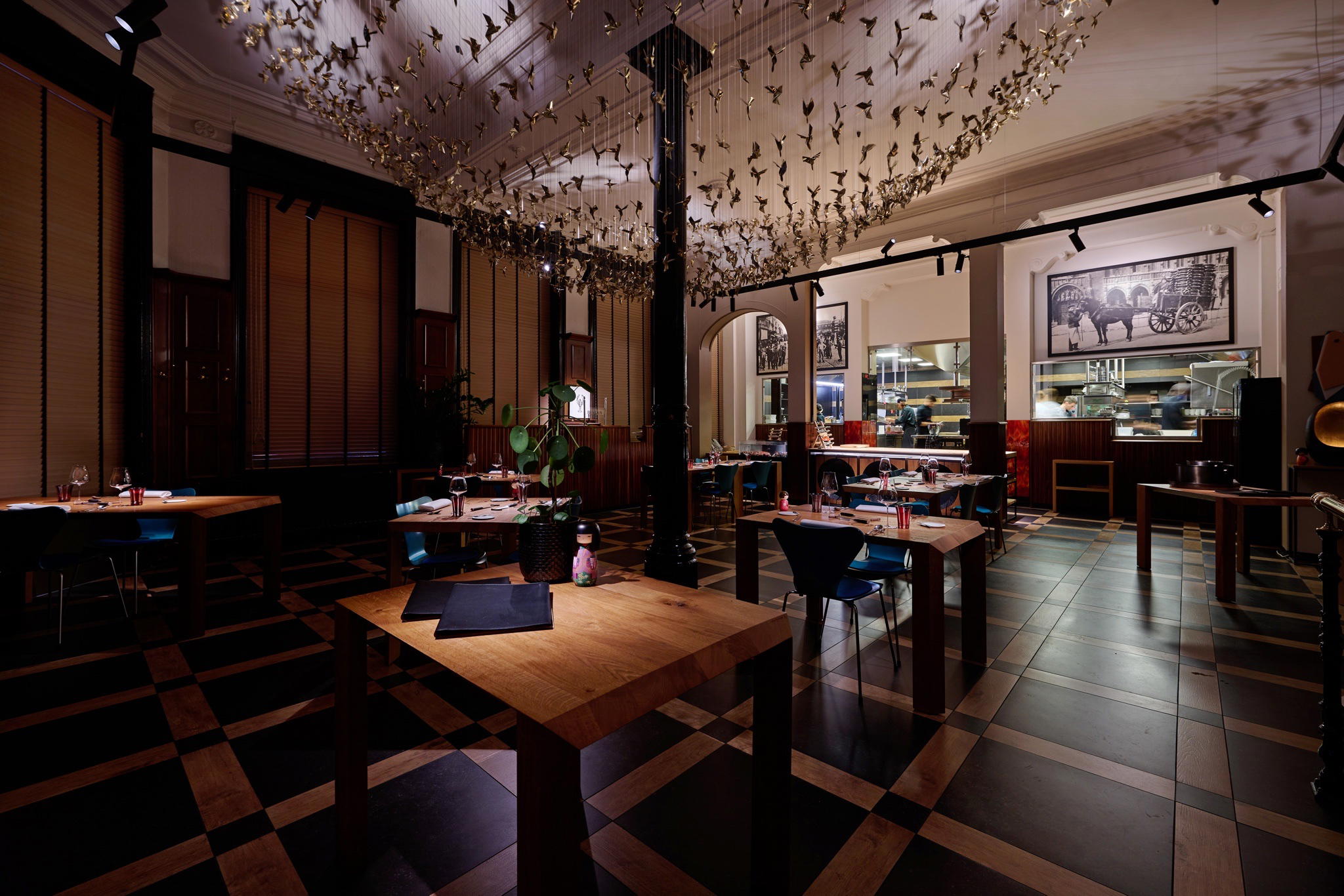
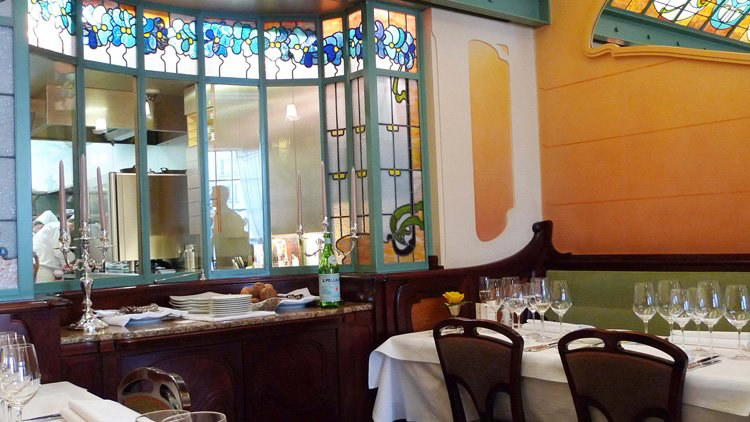
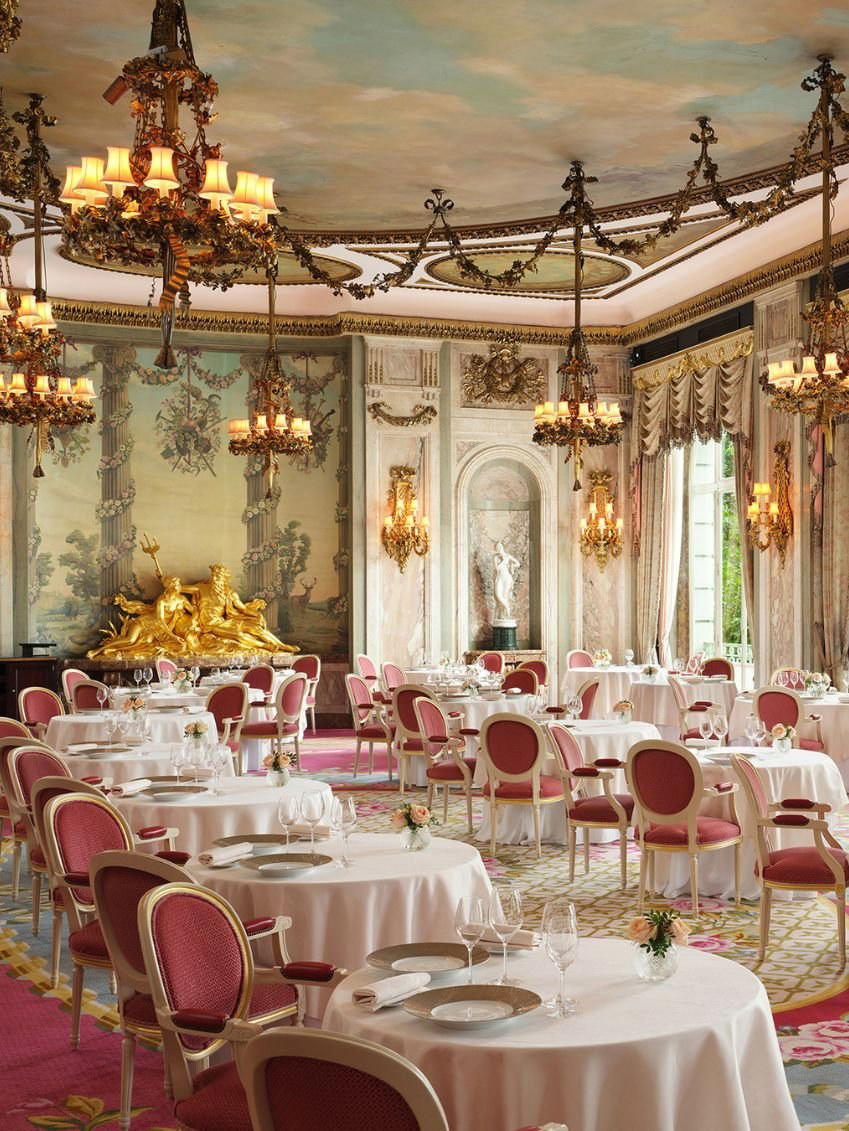
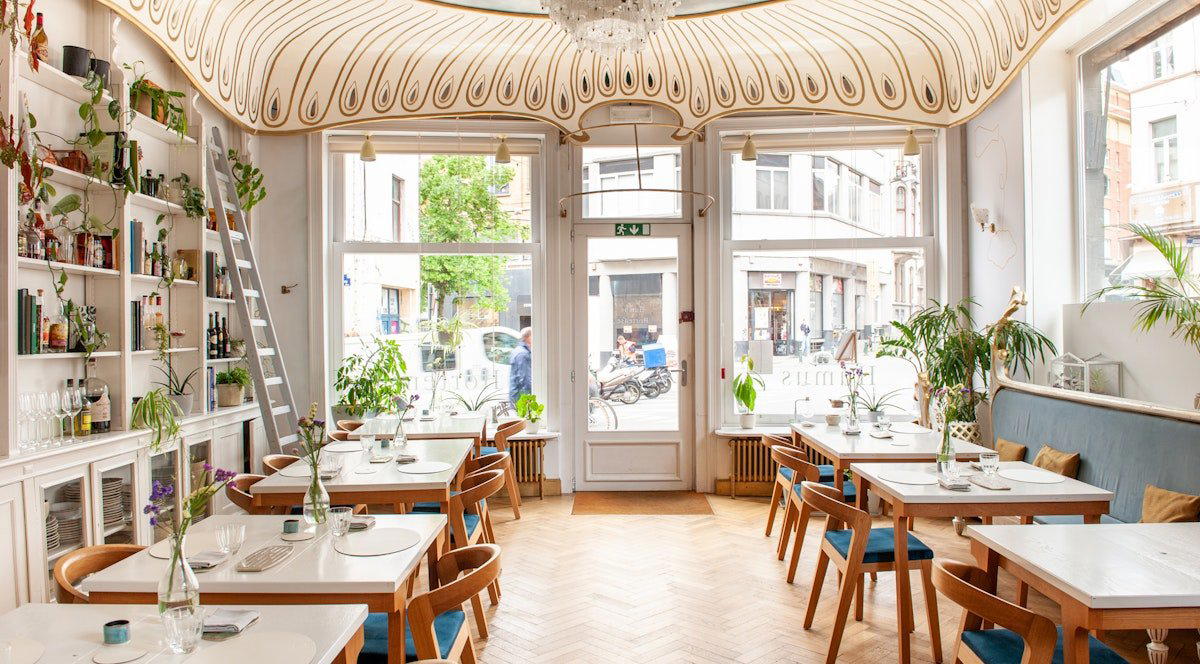
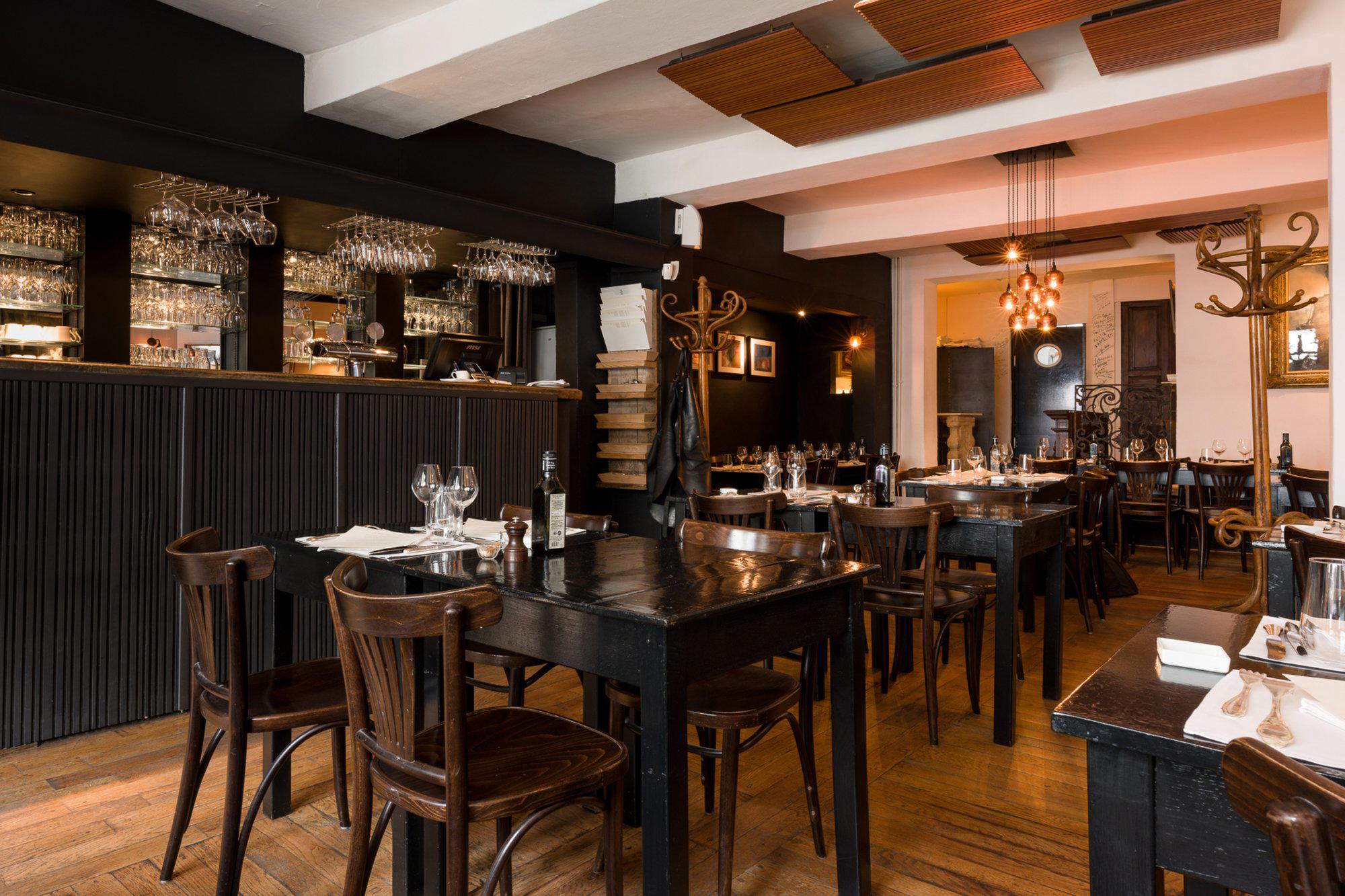
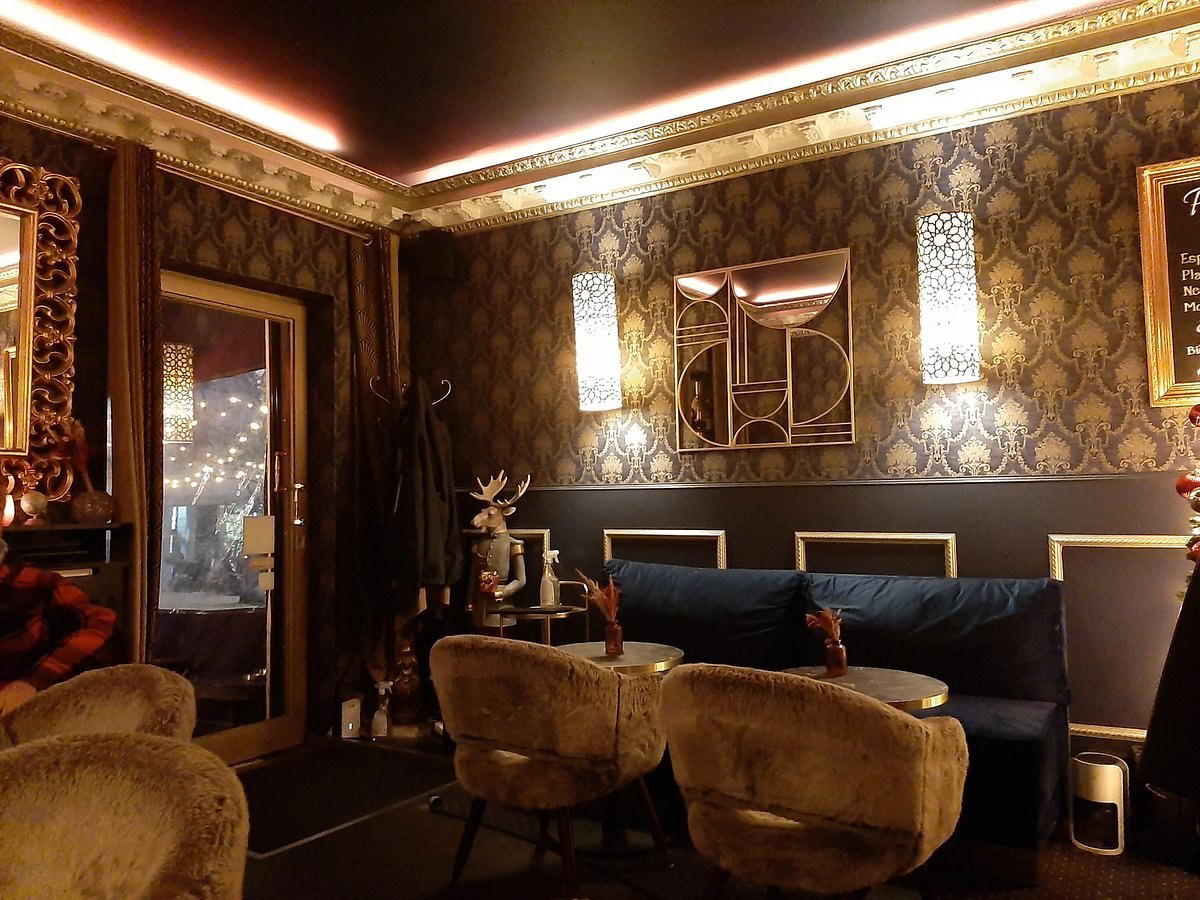
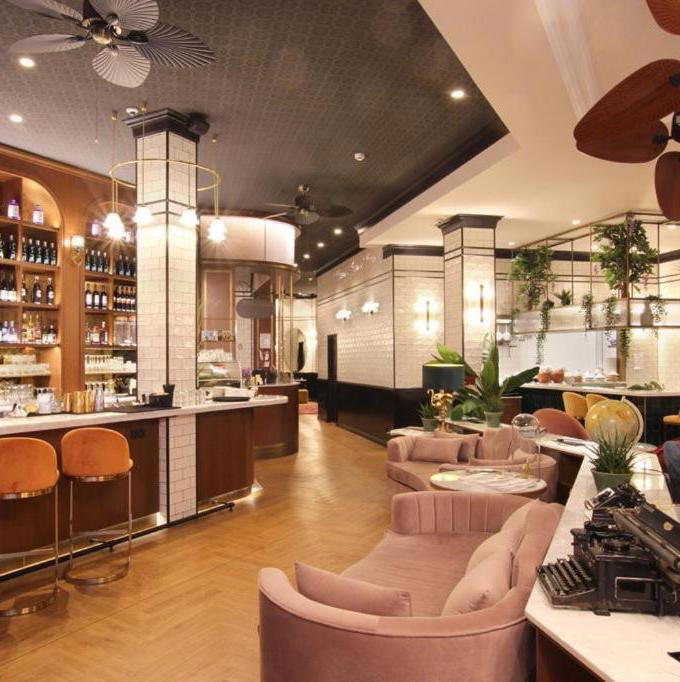
Cozy living-room-like atmosphere with open kitchen views, warm welcome, and a quiet, intimate setting emphasizing quality and craftsmanship.