De Eenhoorn occupies a address on Kon. Astridplein in Kruibeke, a small Flemish municipality in the Waasland region between Antwerp and Ghent. The venue sits within a Belgian dining scene that has produced some of Europe's most closely watched restaurant tables, and Kruibeke itself has a quieter, neighbourhood-rooted character distinct from the region's larger culinary centres.
Pearl is the En Primeur Club membership app — saves, bookings, and concierge access live there. Same editors, same standards.
- Address
- Kon. Astridplein 20, 9150 Beveren-Kruibeke-Zwijndrecht, Belgium
- Phone
- +3237440061
- Website
- deeenhoorn.be
- Directions
- Get directions
 Saves & bookings on Pearl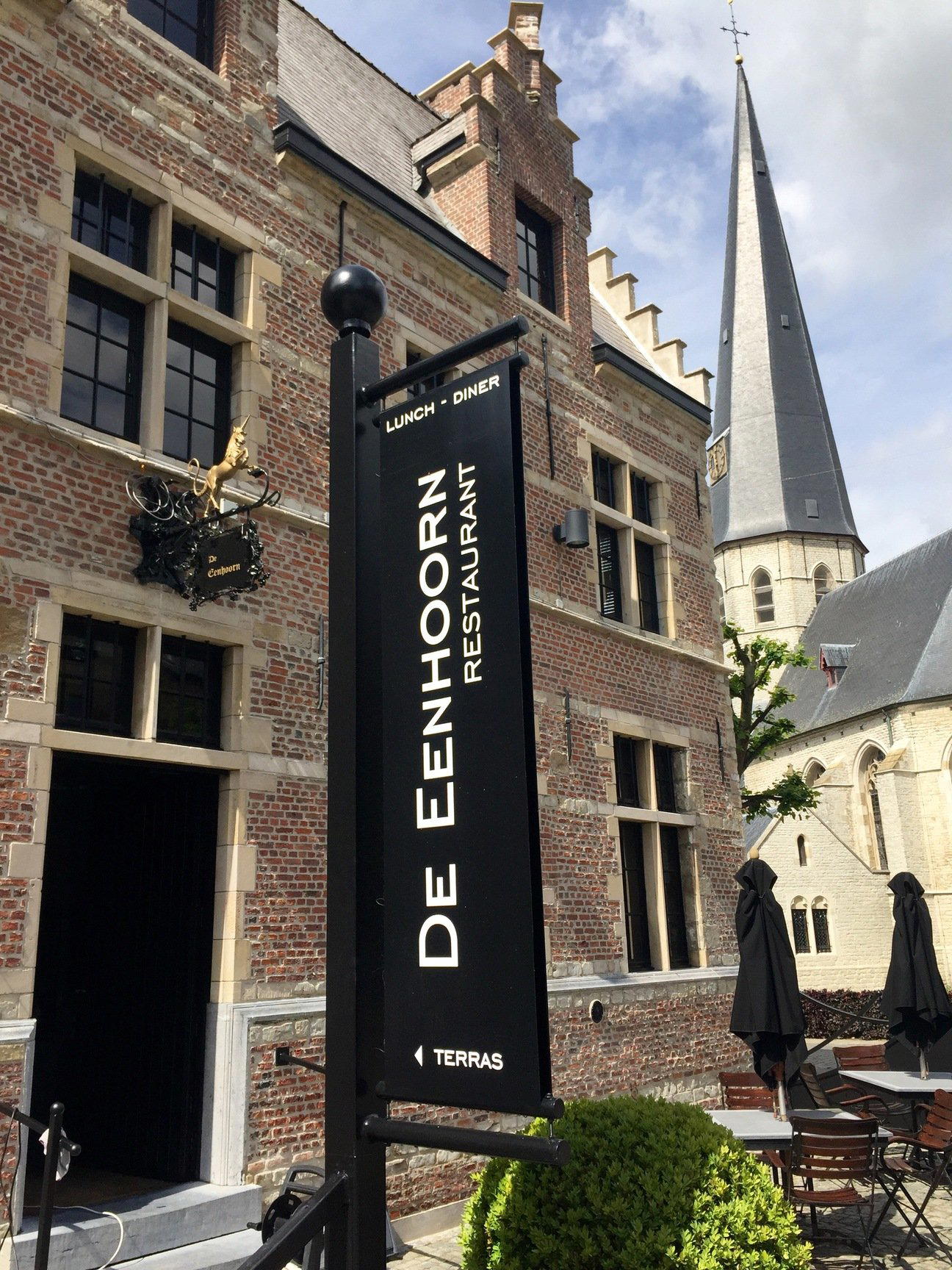
Kruibeke and the Waasland Dining Tradition
The stretch of Flemish territory running between Antwerp and Ghent through the Waasland has never been a headline dining destination in the way that Ghent's canal-side restaurant rows or Antwerp's cathedral quarter have been. That relative obscurity is partly geographic, the municipalities here are mid-sized, rooted in agriculture and river trade, and partly a matter of culinary culture. Flemish cooking in this corridor tends to be grounded in the domestic tradition: braised meats, seasonal vegetables from the polders, preparations that prioritise technique over spectacle. De Eenhoorn is a restaurant on Kon. Astridplein 20 in Beveren-Kruibeke-Zwijndrecht, Belgium.
Belgium's most decorated restaurants, Hof van Cleve in Kruishoutem, Zilte in Antwerp, Boury in Roeselare, draw from a national tradition that has consistently punched above its weight in European fine dining. But much of what sustains Belgian restaurant culture is not at that apex level. It is the middle tier: neighbourhood restaurants with serious kitchens that serve local communities rather than destination diners. De Eenhoorn, based on its Kruibeke address, sits within that community-facing tier.
What the Setting Suggests
Kon. Astridplein is a town-square address, the kind of location, common across Flemish municipalities, where a restaurant functions as both a dining room and a local institution. These squares in Belgian towns typically anchor civic life: they front onto public space, draw from the surrounding neighbourhood's rhythm, and often carry histories that stretch back decades through several ownership cycles. A restaurant holding a plein address in a smaller Flemish commune is not making an argument about destination dining. It is, by its physical placement, making an argument about belonging to a place.
That framing matters for how you approach the visit. If you are travelling from Antwerp, Kruibeke is accessible via the R2 ring road and sits roughly within the broader Beveren municipality, which borders the Scheldt. The area is not a weekend-trip dining destination in the way that Vrijmoed in Ghent or Bozar in Brussels might anchor a visit. It is, instead, the kind of place you visit because you are in the area, because you have a connection to Kruibeke, or because you are deliberately seeking out the quieter register of Flemish dining that the headline venues do not offer.
Belgian Neighbourhood Restaurants as a Format
Across Belgium, the neighbourhood restaurant occupies a culturally specific role that differs from its equivalents in France or the Netherlands. Belgian dining culture places high value on generous hospitality, on wine lists that skew to personal curation rather than prestige labels, and on menus that respond to what is seasonally available from regional suppliers. The country's geography, small, with high density of quality producers, means that even modest restaurants have access to Ardennes game, North Sea fish, Wallonian dairy, and Flemish vegetables at a standard that larger countries' regional equivalents rarely match.
This is the tradition that venues like De Eenhoorn, Bazalia, and De Ceder in Kruibeke operate within. The common thread is a commitment to table-focused cooking that does not require a tasting-menu format or a destination narrative to justify itself. Contrast this with the more ambitious creative trajectory at venues like La Durée in Izegem or Cuchara in Lommel, both of which operate at the €€€€ tier with menus built around creative European techniques. The restaurant, based on its positioning, is likely playing a different game: the regional restaurant that earns its place through consistency rather than innovation.
The Wider Belgian Dining Frame
Belgium's restaurant sector has a structural peculiarity worth noting for visitors: density. The country has more Michelin-starred restaurants per capita than almost anywhere in Europe, but that figure co-exists with a vast, largely invisible lower tier of serious neighbourhood kitchens that receive no international coverage. Venues like Ralf Berendsen in Neerharen, De Jonkman in Sint-Kruis, and d'Eugénie à Emilie in Baudour represent this tradition of serious cooking in smaller communes that rarely appear on international radar. The restaurant belongs to that same geographic and cultural category, a Flemish restaurant whose audience is primarily local and regional.
For travellers who have followed the more celebrated end of the Belgian dining spectrum, Le Chalet de la Forêt in Uccle, Willem Hiele in Oudenburg, or internationally, peers like Le Bernardin in New York or Lazy Bear in San Francisco, the shift to a neighbourhood restaurant in a Waasland municipality is a deliberate gear-change. It trades spectacle for texture, curation for community. That trade-off is not a compromise; in the Belgian dining frame, it is a different kind of value proposition entirely.
Planning a Visit
The restaurant is recommended for advance reservations. Its regular hours are Wednesday to Friday and Sunday from 12 to 2 PM and 6 to 9 PM, and Saturday from 6 to 9 PM; it is closed Monday and Tuesday. Kruibeke is reachable by car from Antwerp in under 30 minutes via the E17 and R2. Public transport connections exist but are infrequent relative to the city centres, making a car the more reliable option for an evening visit. For a broader picture of what Kruibeke's dining options cover before you commit, the EP Club Kruibeke guide covers the municipality's restaurant range with comparative detail. Also worth cross-referencing: Bazalia and De Ceder offer alternative options within the same postcode if availability or format does not align with your requirements.
Pricing, Compared
Comparable venues nearby, for context on price, style, and recognition.
| Venue | Cuisine | Price | Awards | Notes |
|---|---|---|---|---|
| De EenhoornThis venue — the venue you are viewing | Bazel, Classical French-Belgian Bistro | $$$ | Not listed | Not listed |
| Bazalia | Bazel, Authentic Italian Trattoria | $$ | Not listed | Not listed |
| De Ceder | Kruibeke, Modern Franco-Belgian | $$$ | Michelin Plate | Not listed |
| Thijm | Not listed | $$$ | Not listed | Schilde, French-Belgian Brasserie with Mediterranean & Oriental Accents |
| Cloche | Hofstade, Modern French Fine Dining | $$$ | Not listed | Not listed |
| Chez Luma | Uccle, French Bistro with Market Cuisine | $$$ | Not listed | Not listed |
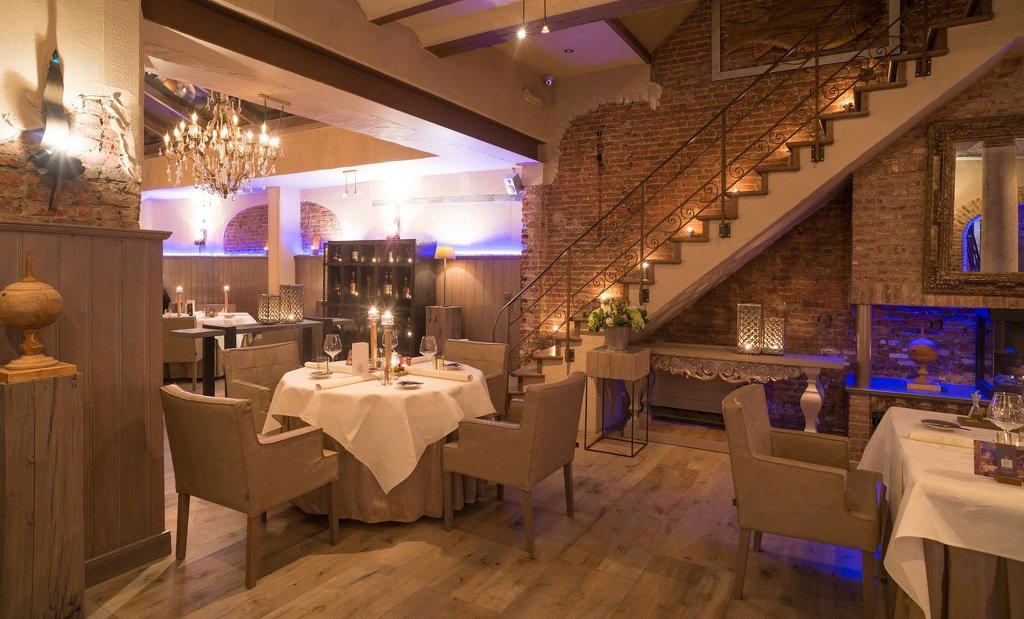
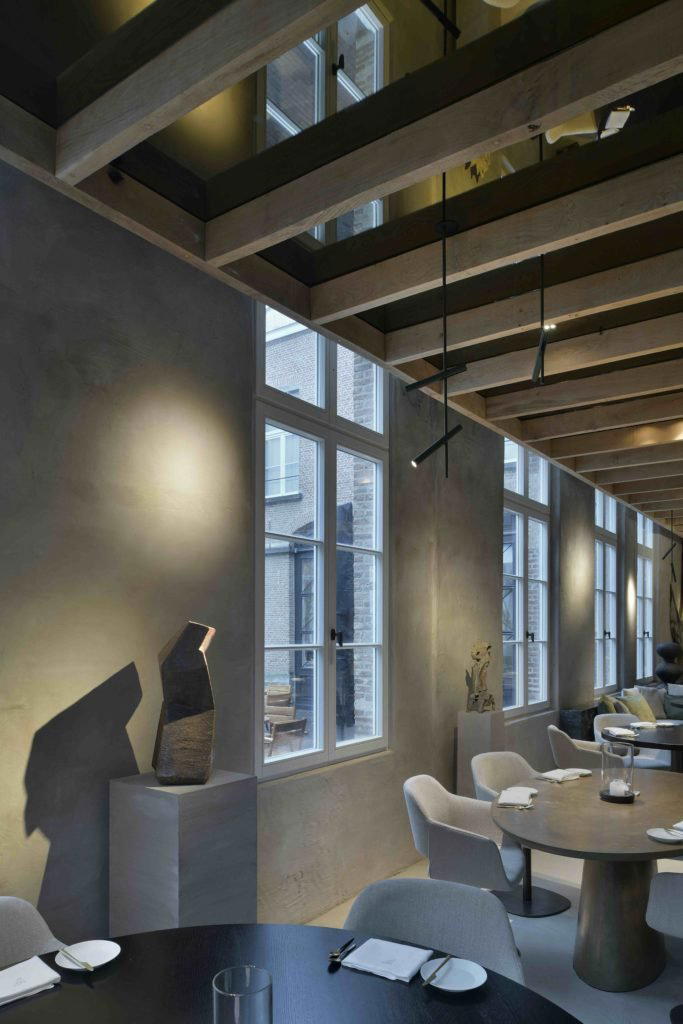
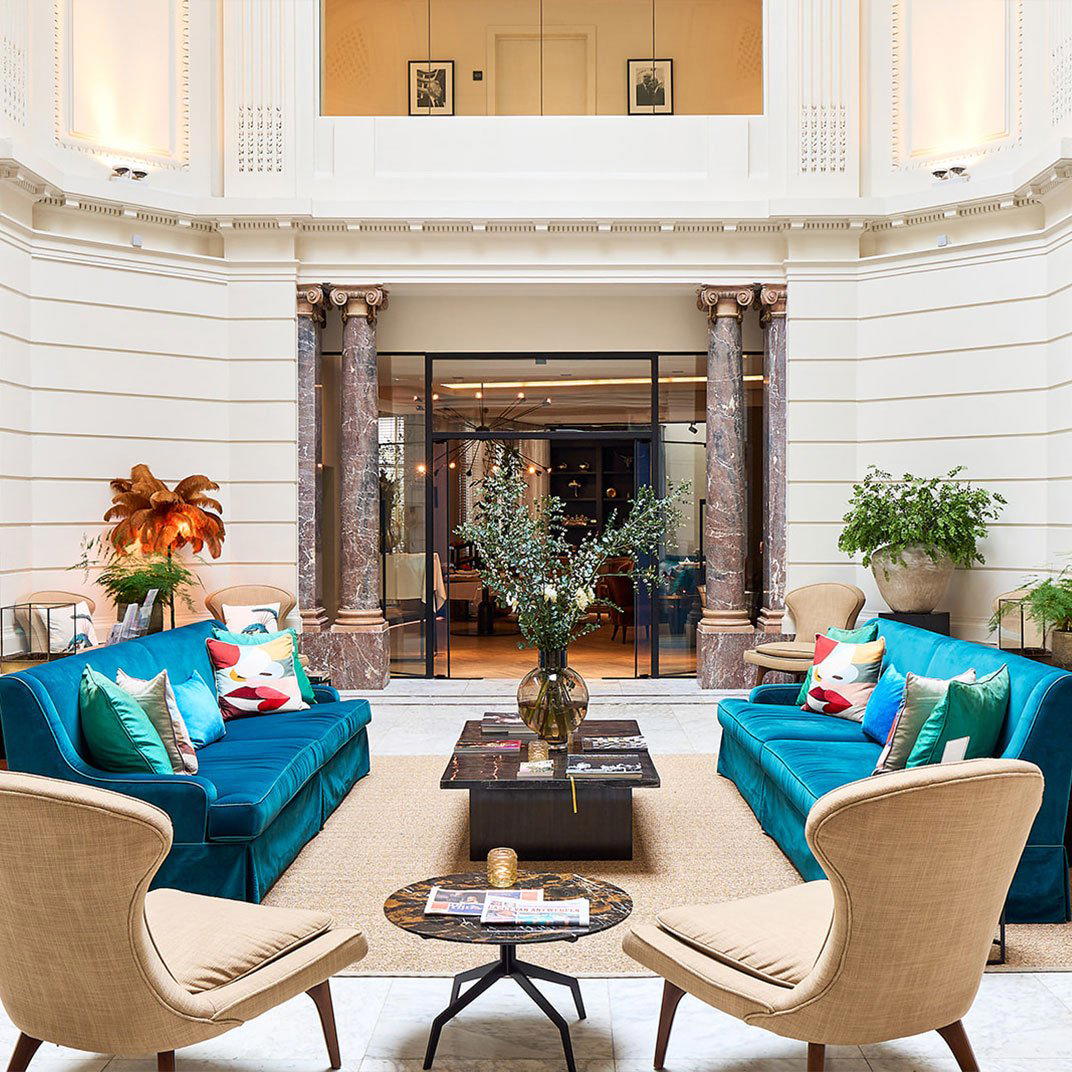
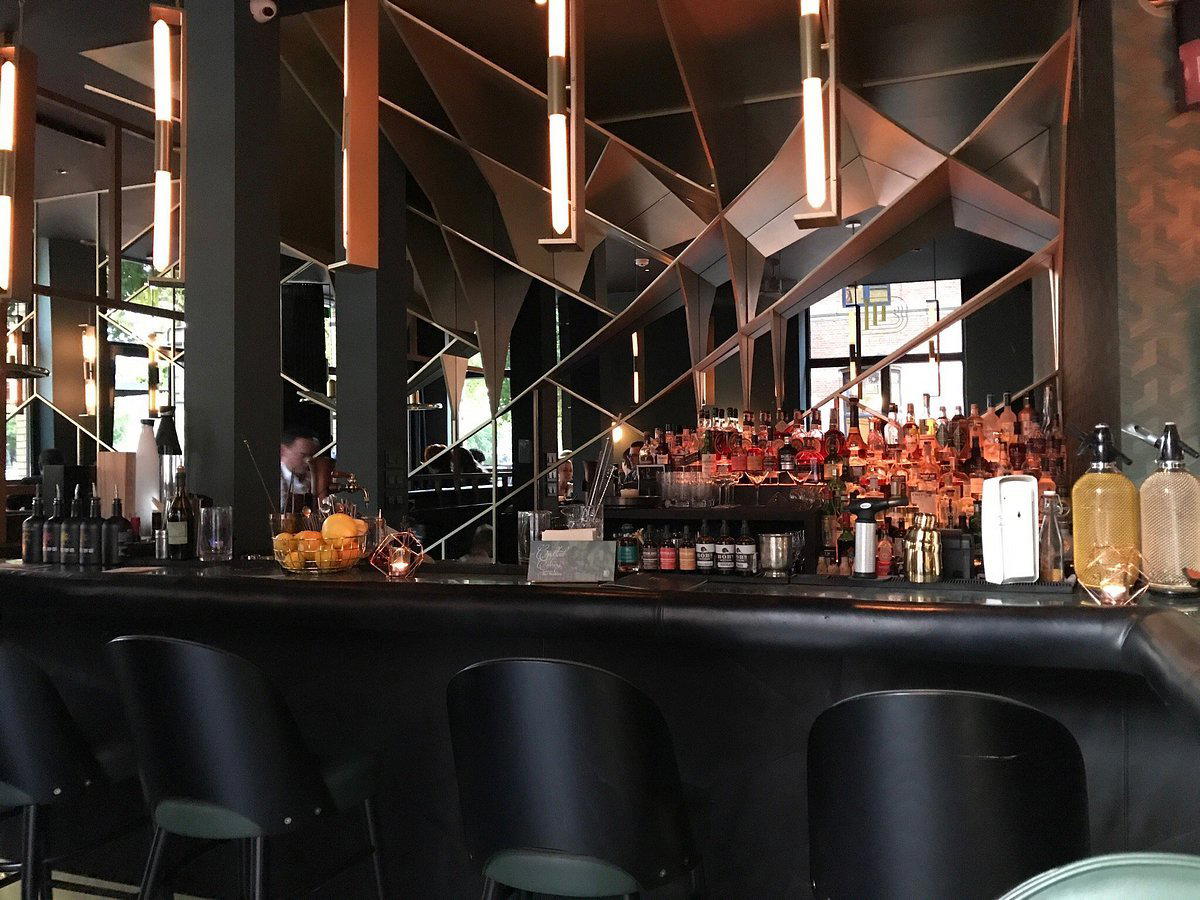
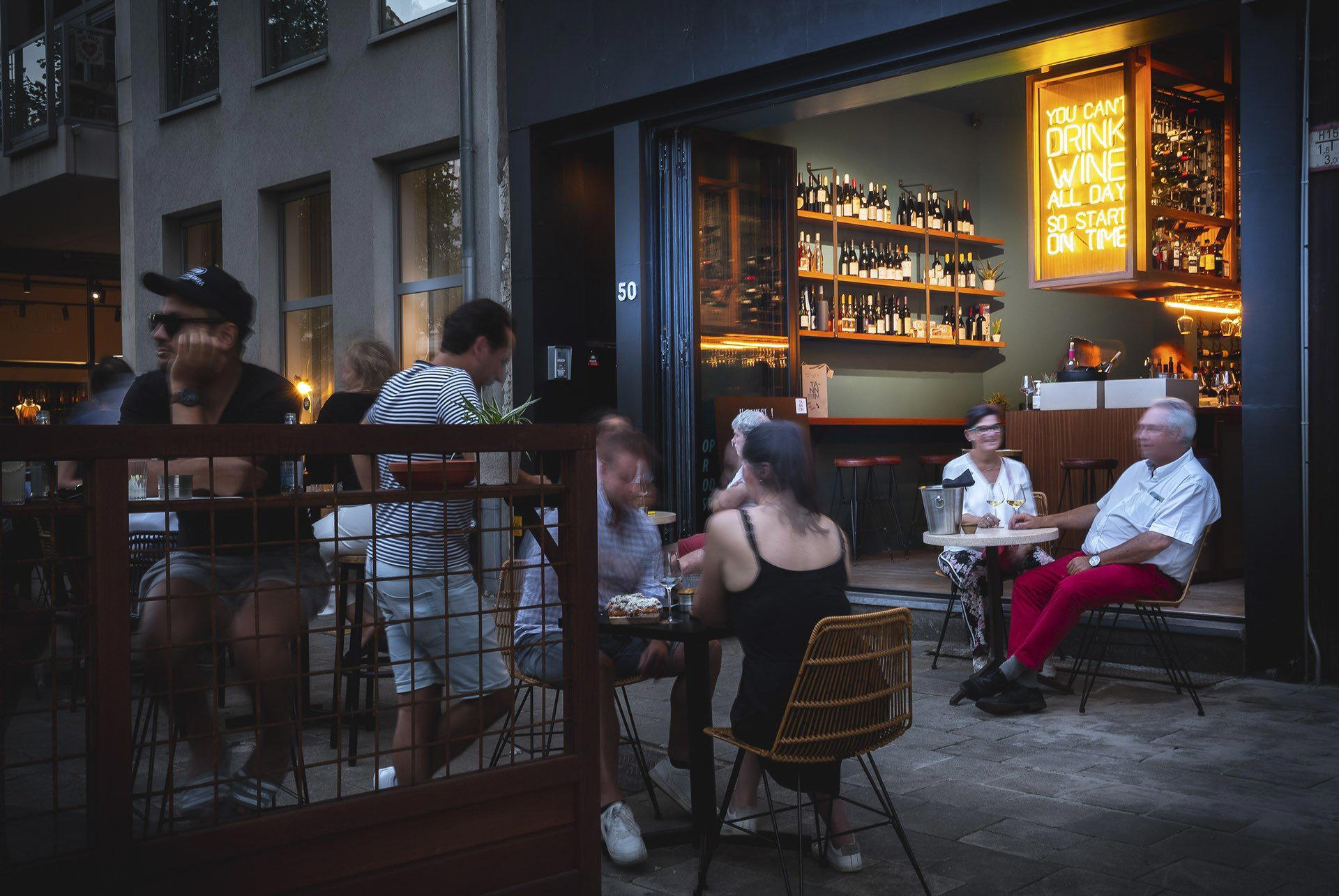
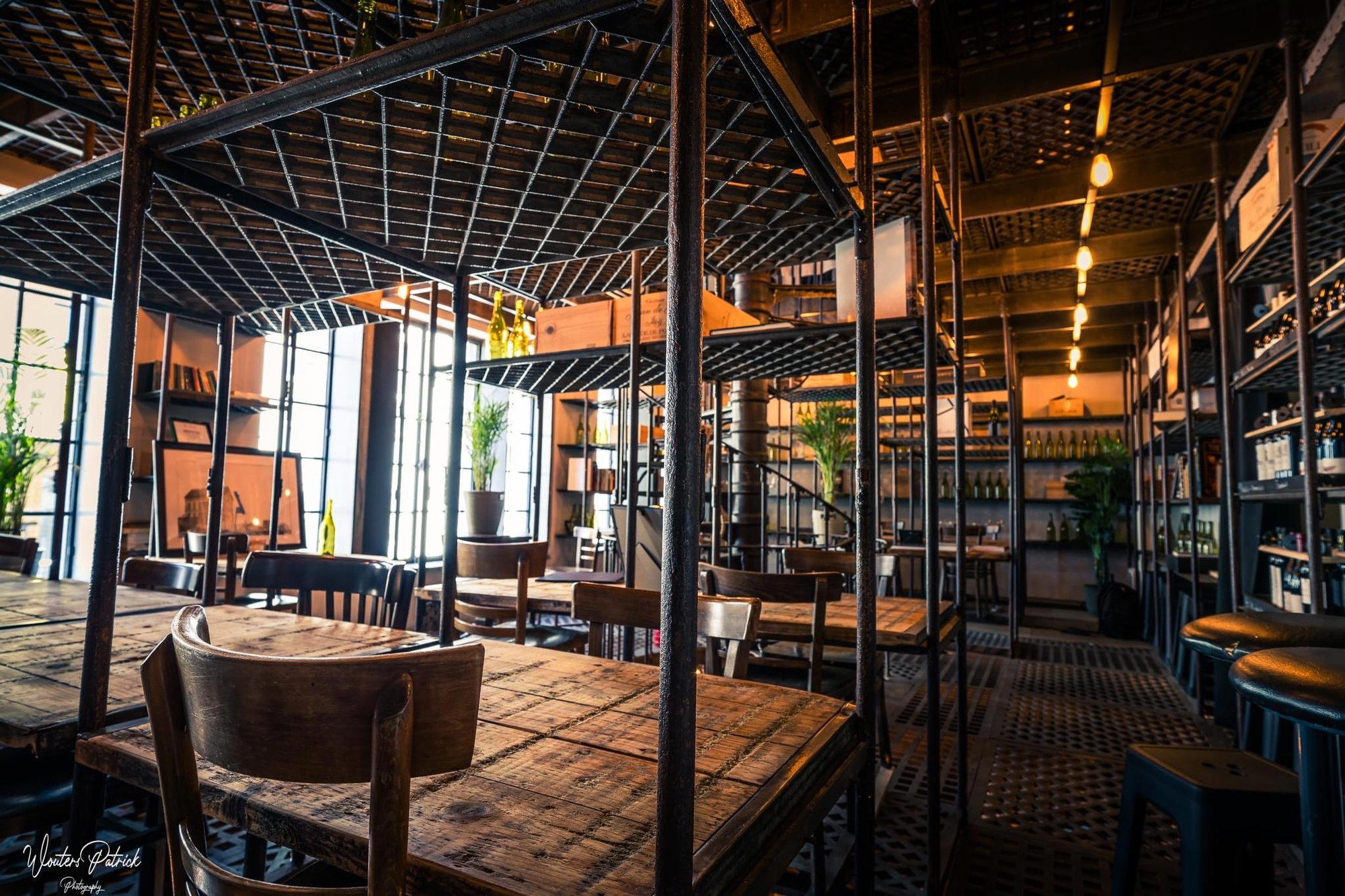
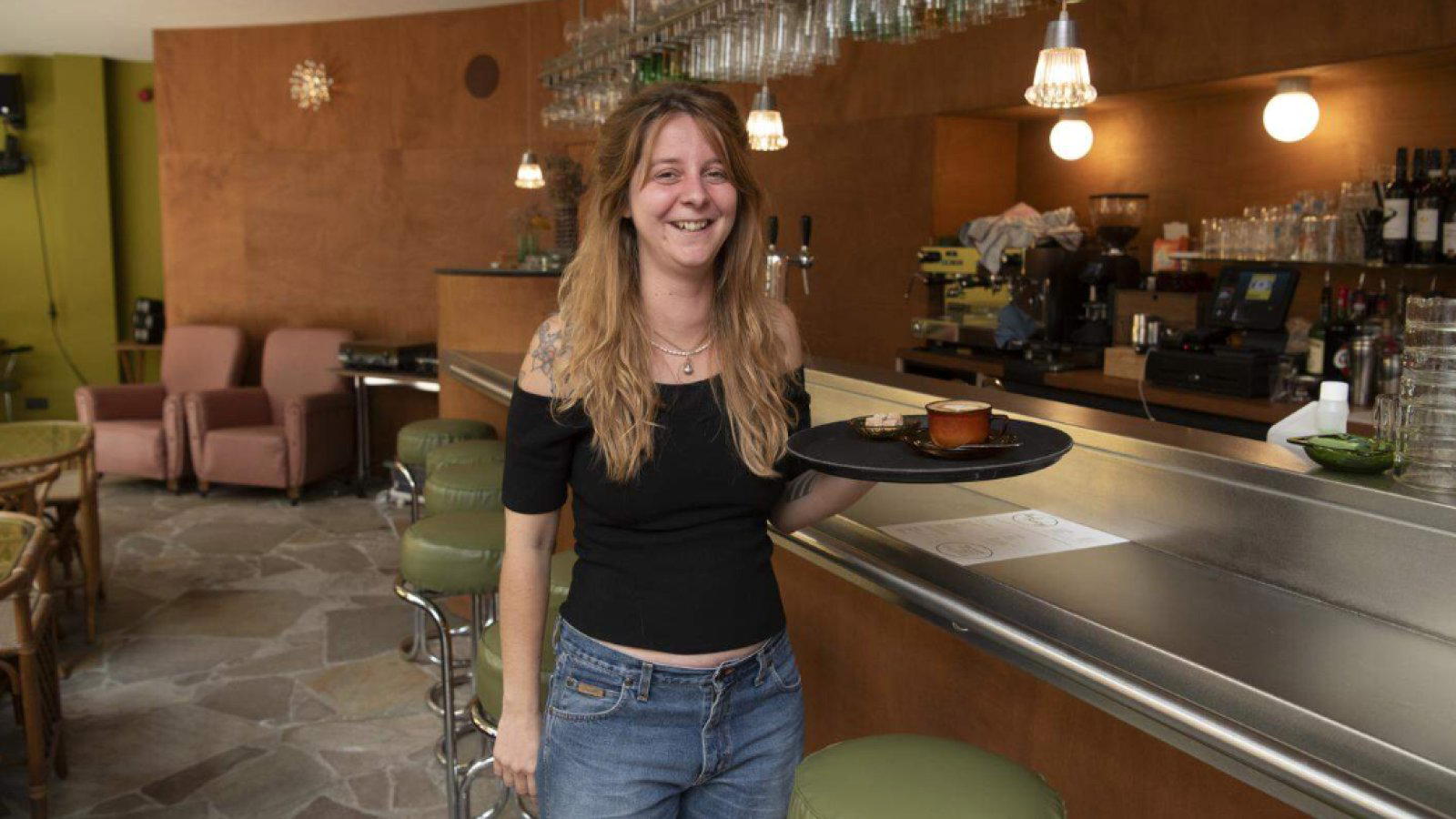
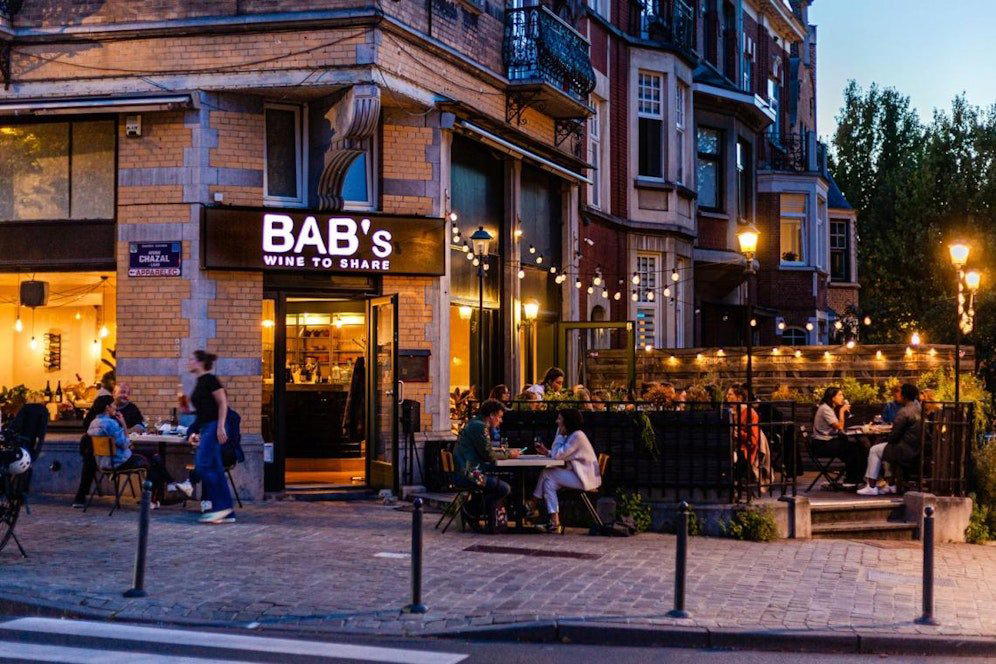
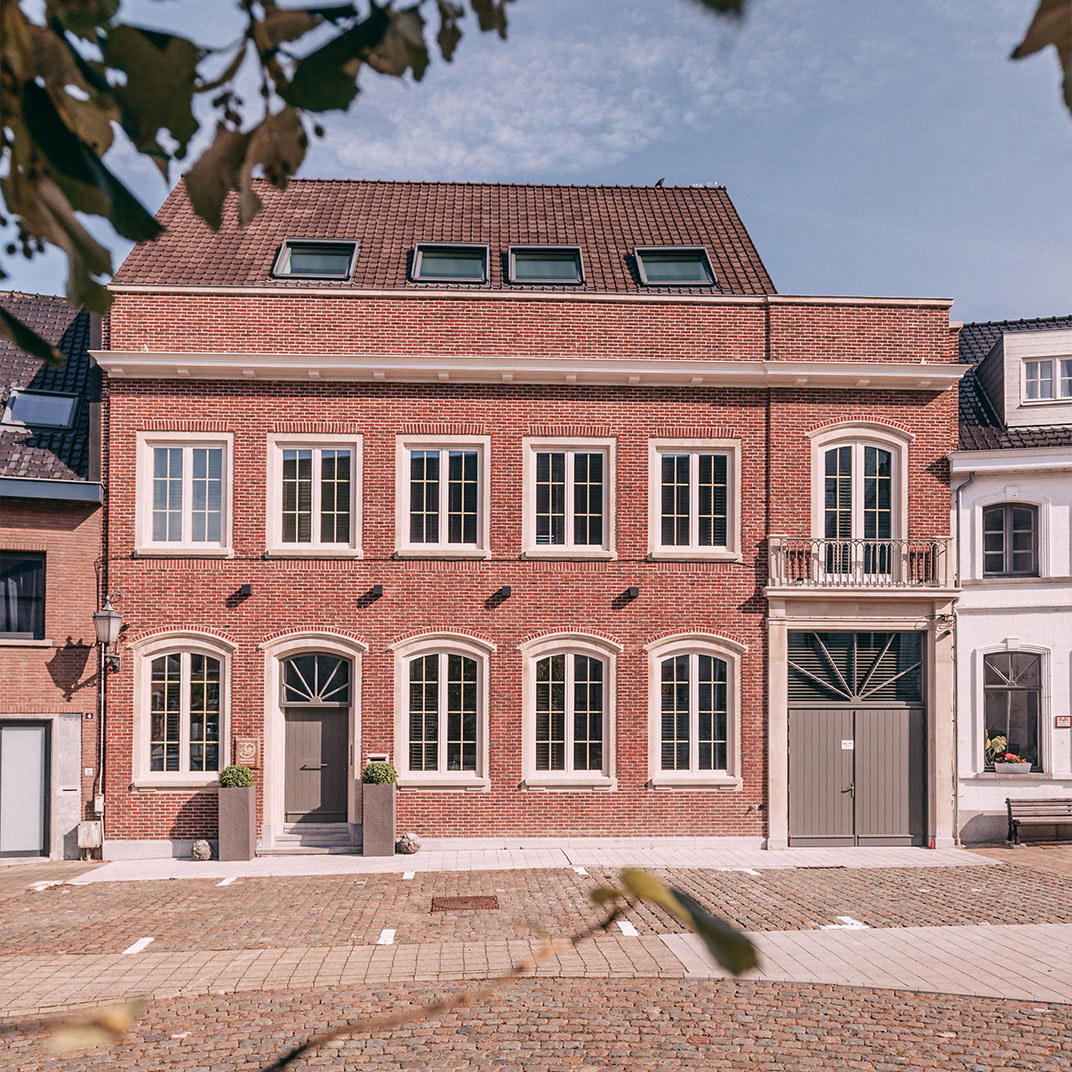
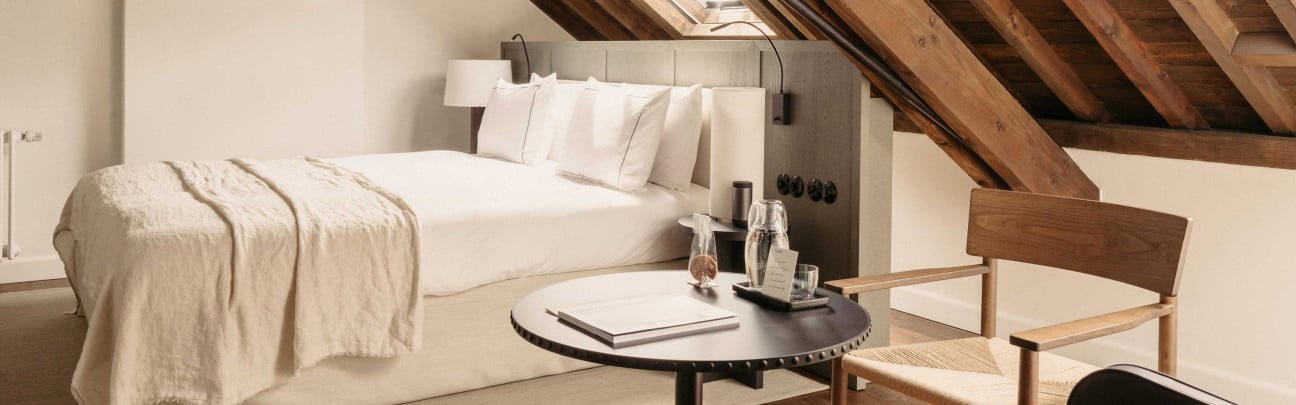
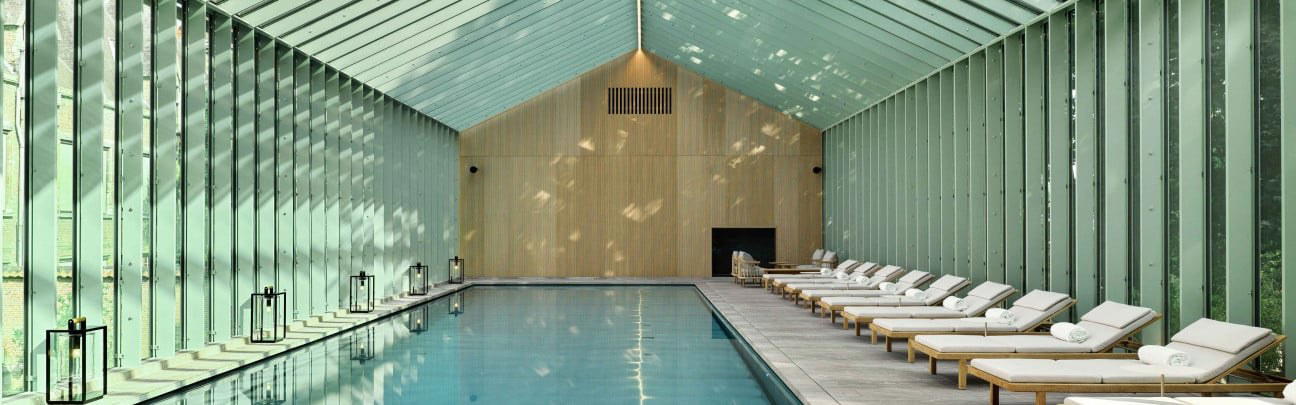
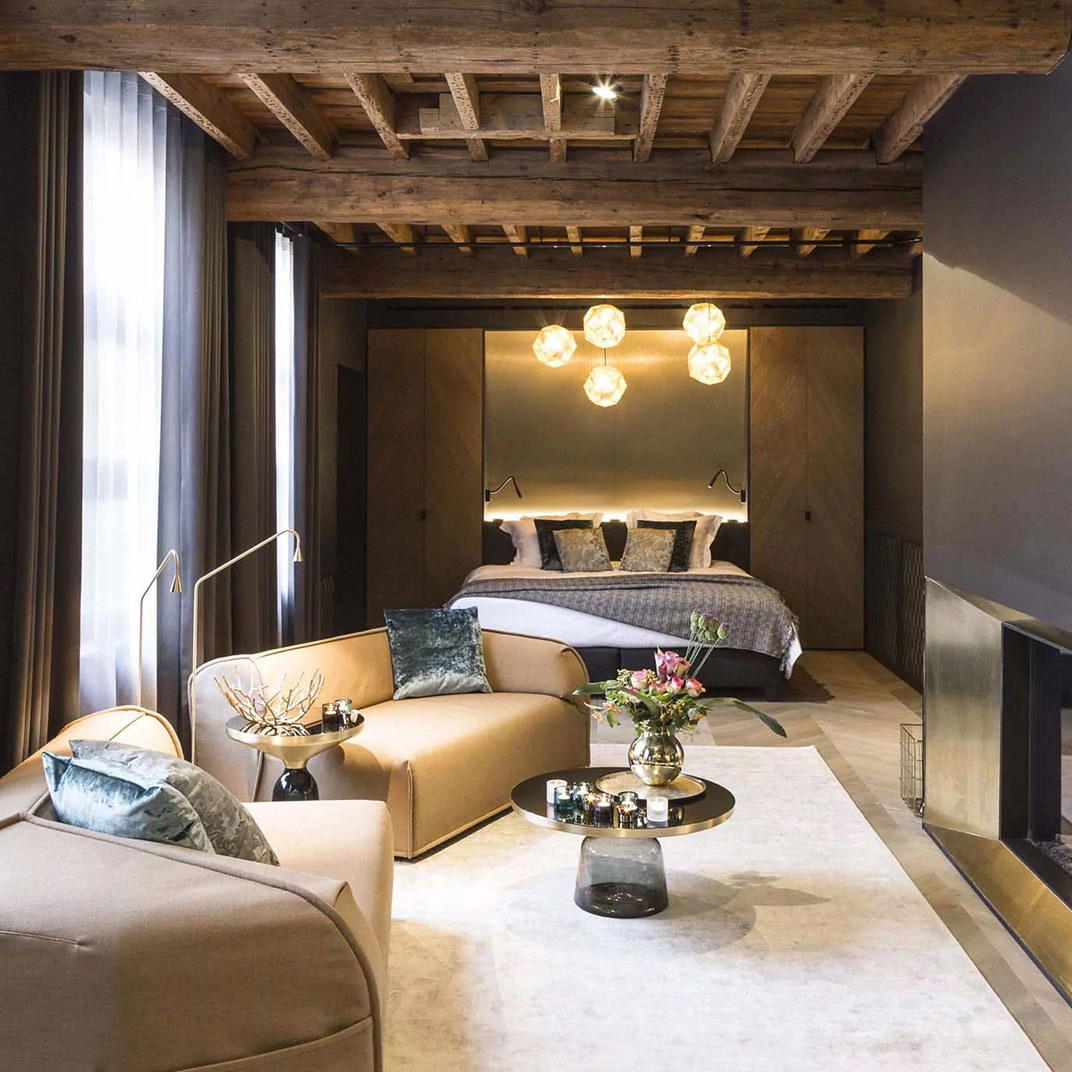
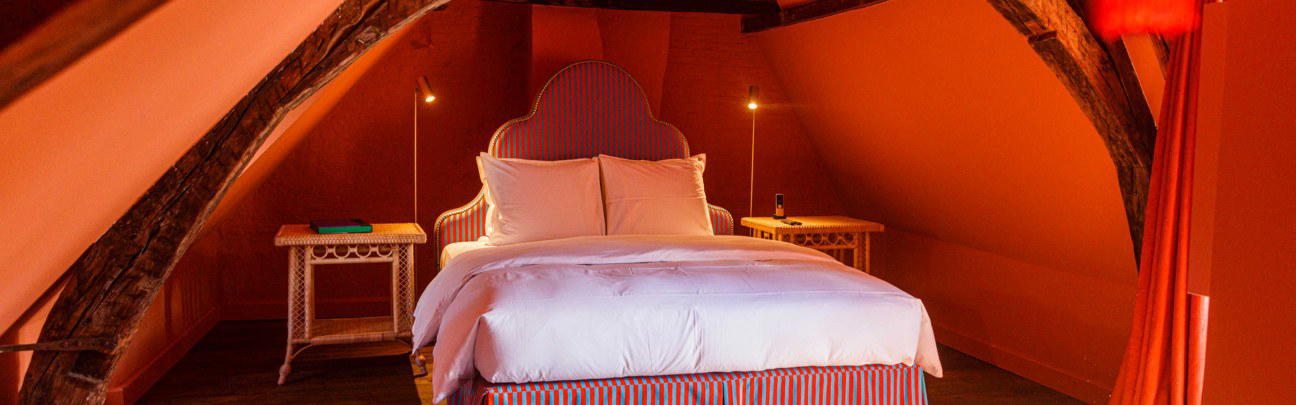
At a Glance
- Classic
- Elegant
- Cozy
- Date Night
- Family
- Business Dinner
- Special Occasion
- Terrace
- Historic Building
Current opening hours
- Monday
- Closed
- Tuesday
- Closed
- Wednesday
- 12–2 PM, 6–9 PM
- Thursday
- 12–2 PM, 6–9 PM
- Friday
- 12–2 PM, 6–9 PM
- Saturday
- 6–9 PM
- Sunday
- 12–2 PM, 6–9 PM
Hours can change for holidays and private events. Last verified .
Authentic and charming village atmosphere with a peaceful terrace and attentive, professional service.