A Table
A Table occupies a quiet address on Buizenbergstraat in Sint-Martens-Latem, a village whose restaurant scene punches well above its size relative to the Ghent corridor. The address sits within a local dining tier that takes ingredient provenance seriously, placing it alongside a cluster of tables where the sourcing question is front and centre rather than an afterthought.
Pearl is the En Primeur Club membership app — saves, bookings, and concierge access live there. Same editors, same standards.
- Address
- Buizenbergstraat 27, 9830 Sint-Martens-Latem, Belgium
- Phone
- +3292827068
- Website
- restaurantatable.be
- Directions
- Get directions
 Saves & bookings on Pearl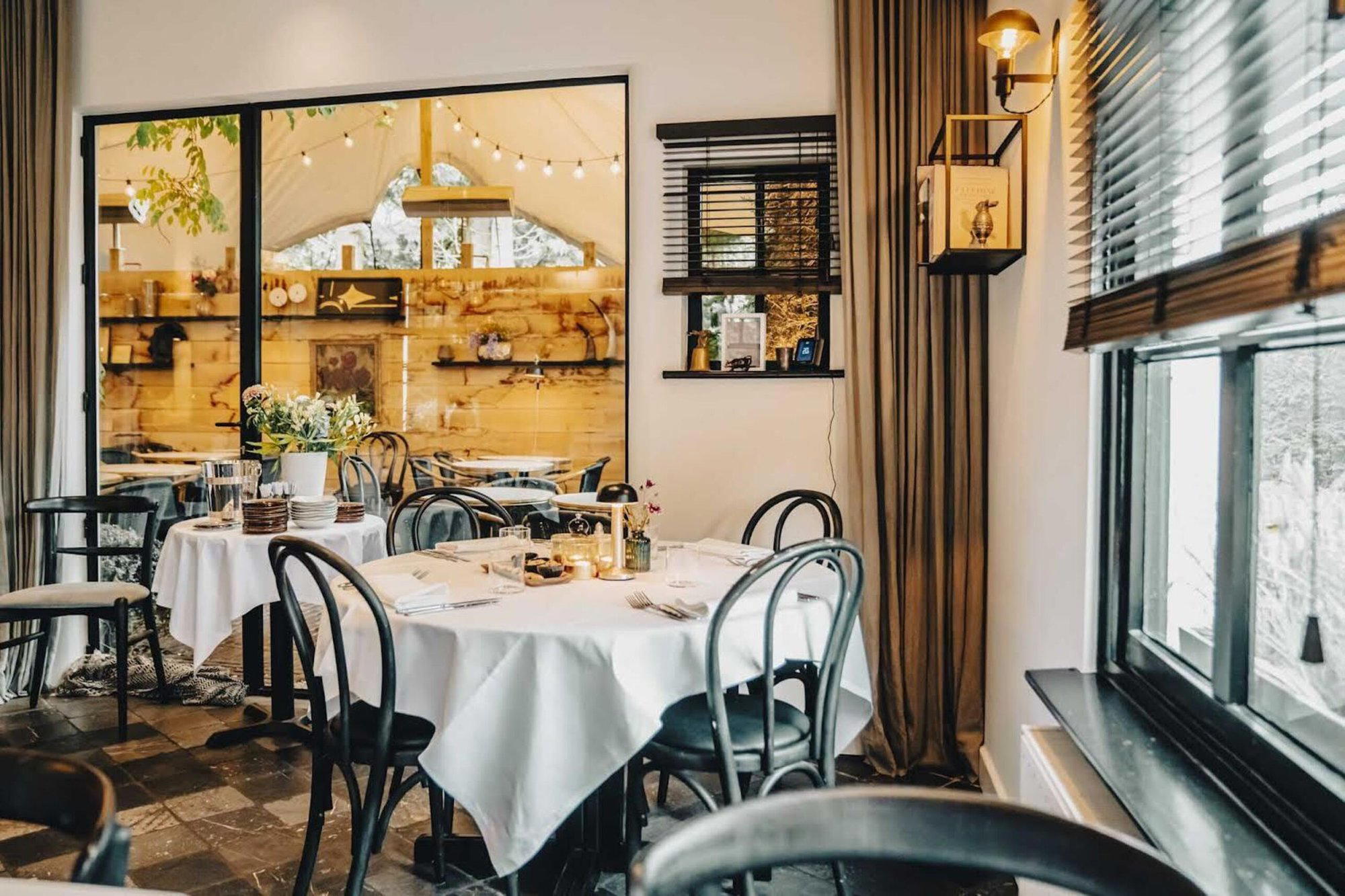
A Village Where the Food Comes From Somewhere Specific
Sint-Martens-Latem sits roughly twelve kilometres southwest of Ghent, in the Leie river valley that Flemish painters made famous in the late nineteenth and early twentieth centuries. The village has never been a dining destination in the way that cities market themselves, but its restaurant density relative to population is notable: a concentrated stretch of independent tables, several of them operating in the €€€ bracket, serving a clientele drawn from the affluent residential belt between Ghent and De Pinte. That context matters when you consider A Table at Buizenbergstraat 27, because the village's dining character is shaped less by spectacle than by a certain domestic seriousness about what ends up on the plate and where it originated.
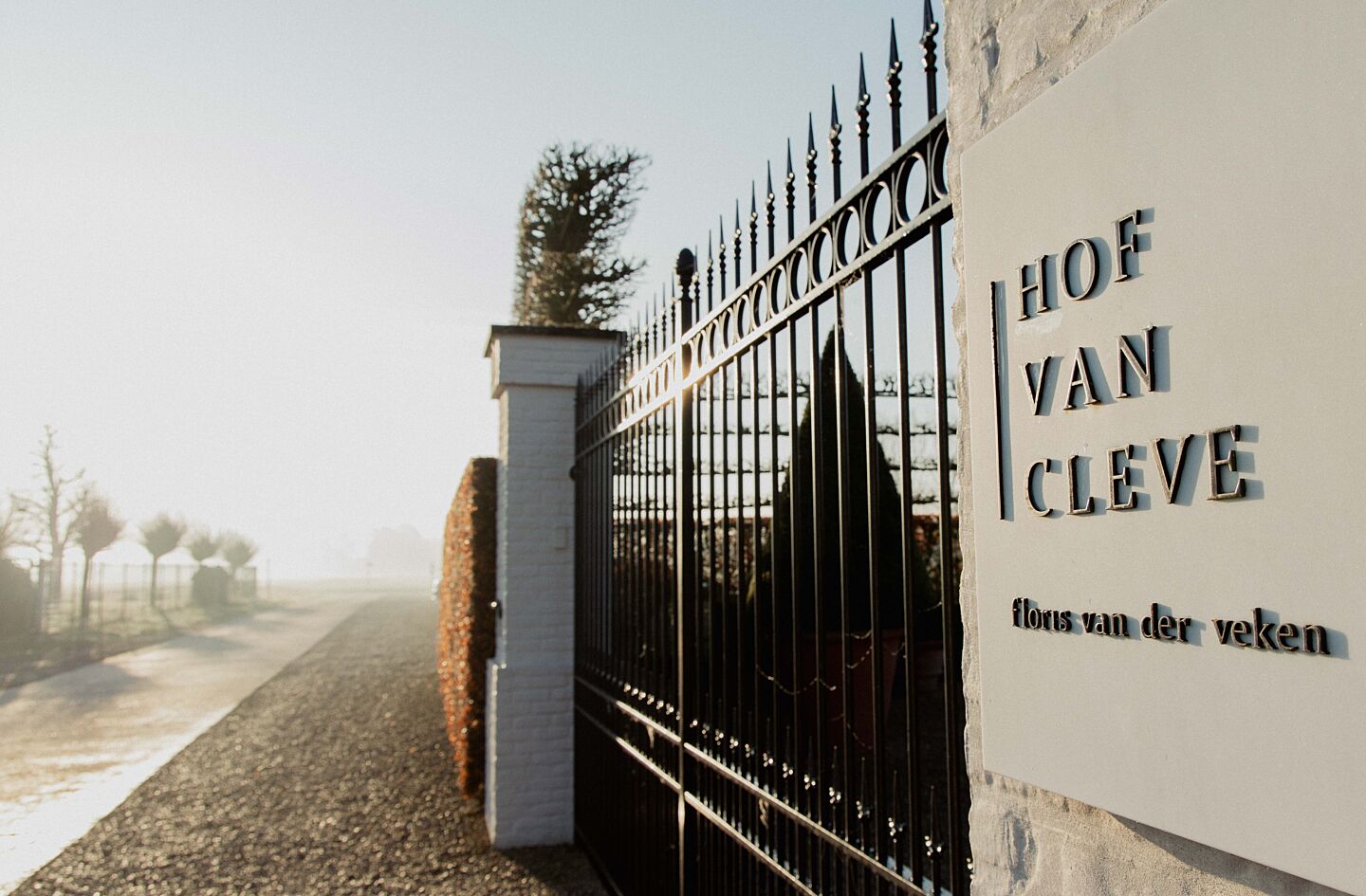
Across the Flemish restaurant scene at this price point, the shift toward named-source ingredients has moved from niche positioning to near-standard practice over the past decade. What separates tables in this tier is not whether they source carefully but how transparently that sourcing informs the menu's structure. In the broader Belgian context, this movement has been driven partly by the example set by destination restaurants further afield: the farm-anchored philosophy at Willem Hiele in Oudenburg, the coastal terroir focus at Bartholomeus in Heist, and the ingredient-led precision that defines tables like Hof van Cleve - Floris Van Der Veken in Kruishoutem. A Table operates in a quieter register than those reference points, but the village setting places it inside a local ecosystem that rewards careful sourcing.
The Physical Environment and What It Signals
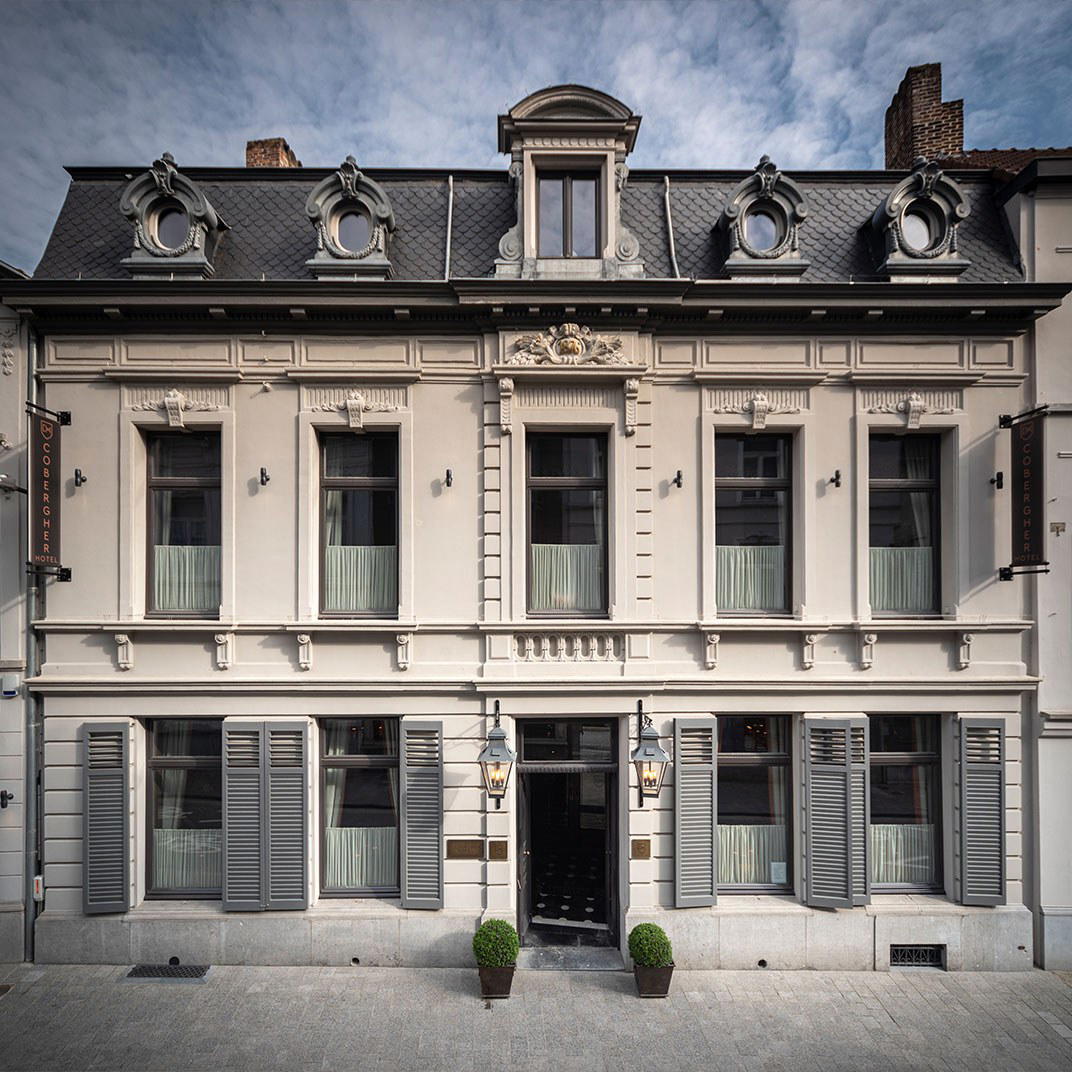
Approaching Buizenbergstraat, the scale is residential rather than commercial. Sint-Martens-Latem does not do restaurant rows in the way that Antwerp's Zuid district or Brussels' Ixelles does. Tables here operate as individual propositions within a low-density neighbourhood fabric, which means the building itself carries weight before you have eaten anything. The address on Buizenbergstraat 27 places A Table within walking distance of the village centre, in a setting that suggests a deliberate choice of intimacy over visibility. This is a pattern common to several of the village's more serious addresses: Babette and Brasserie Vinois both operate from addresses that would be unremarkable if the food did not justify the trip.
The atmosphere at a table like this one is shaped by the village's general character: quiet, unhurried, with a clientele that tends toward the local and the repeat. Sint-Martens-Latem does not generate significant tourist footfall in the way that Bruges or Ghent does, which means the room is less likely to be filled with first-timers working through a list and more likely to contain people who have made the same choice on previous evenings. That dynamic tends to produce a specific kind of service tempo, one that assumes familiarity rather than performing it.
Where the Sourcing Question Lives in This Corner of Flanders
The Leie valley and the agricultural land surrounding it provide access to a supply network that Flemish kitchens have historically drawn from: game from the Flemish Ardennes to the south, vegetables and dairy from polders west of Ghent, freshwater fish from a river system that runs through the village itself. The village's position within this geography is relevant context. Restaurants operating at the €€€ level in Sint-Martens-Latem exist within a competitive set that includes Brasserie Boulevard with its Belgian register and Brasserie Latem with its Classic French orientation. Both operate in a price tier where ingredient quality is a baseline expectation rather than a differentiator.
For comparison, the Flemish tables that have built particularly durable reputations on provenance tend to link specific producers to the menu in some explicit way: L'air du temps in Liernu in Wallonia has made this central to its identity, while De Jonkman in Sint-Kruis has built its Michelin recognition partly on the same logic. The question for any table in this village tier is how explicitly that sourcing story is told, and whether the menu's construction reflects seasonal constraint or operates on a more fixed repertoire.
The Local Competitive Set and How A Table Fits
Sint-Martens-Latem's dining scene is small enough that positioning matters. Amici offers an Italian counterpoint to the French and Belgian addresses that dominate the village's table count. Within the local cluster, the differentiation tends to come from format and register rather than radical cuisine departure. A Table's name suggests a certain directness, a commitment to the table as the central object of attention rather than a venue identity built around a chef persona or a design statement. In a village dining scene that is defined more by discretion than by ambition signalling, that kind of naming choice tends to attract a specific kind of regular.
For readers looking to map the broader Flemish fine-dining landscape, the reference coordinates are clear: Boury in Roeselare, Zilte in Antwerp, and Castor in Beveren represent the higher-profile end of a West and East Flemish scene that extends well beyond Ghent. International comparison points like Le Bernardin in New York City or Atomix in New York City illustrate how differently the sourcing question is handled when scale, supply chain, and press scrutiny all shift simultaneously. Sint-Martens-Latem operates at the opposite end of that visibility spectrum, which is precisely what gives its serious tables a different texture.
Those travelling from Brussels can reference Bozar Restaurant in Brussels and d'Eugénie à Emilie in Baudour as points of comparison before making the drive south toward Ghent and the Leie corridor. The village is accessible by car from Ghent in under twenty minutes, though it lacks a direct rail connection to Buizenbergstraat, making personal transport the practical default for most visitors.
Planning a Visit
Sint-Martens-Latem's dining scene runs at a pace suited to weekday evenings and weekend lunches, with the latter tending to draw the local residential clientele in larger numbers.
How It Stacks Up
Comparable venues nearby, for context on price, style, and recognition.
| Venue | Cuisine | Price | Awards | Notes |
|---|---|---|---|---|
| A TableThis venue — the venue you are viewing | Classic French Bistro | $$$ | Not listed | Not listed |
| Brasserie Vinois | Belgian-French Brasserie | $$$ | Not listed | Sint-Martens-Latem |
| De Klokkeput | French-Belgian Brasserie | $$ | Not listed | Sint-Martens-Latem |
| Brasserie Latem | Classic French Brasserie with Asian Fusion | $$$$ | Michelin Plate | Sint-Martens-Latem |
| Brasserie Boulevard | Modern French Brasserie | $$$ | Michelin Plate | Sint-Martens-Latem |
| L'homard Bizarre | Classic French Seafood | $$$ | Michelin Plate | Sint-Martens-Latem |
Continue exploring
More in Sint-Martens-Latem
Restaurants in Sint-Martens-Latem
Browse all →
Bars in Sint-Martens-Latem
Browse all →

At a Glance
- Romantic
- Classic
- Elegant
- Cozy
- Date Night
- Special Occasion
- Business Dinner
- Terrace
- Private Dining
- Sommelier Led
- Local Sourcing
- Farm To Table
Current opening hours
- Monday
- 12–2 PM, 7–11 PM
- Tuesday
- 12–2 PM, 7–11 PM
- Wednesday
- 7–11 PM
- Thursday
- 12–2 PM, 7–11 PM
- Friday
- 12–2 PM, 7–11 PM
- Saturday
- Closed
- Sunday
- Closed
Hours can change for holidays and private events. Last verified .
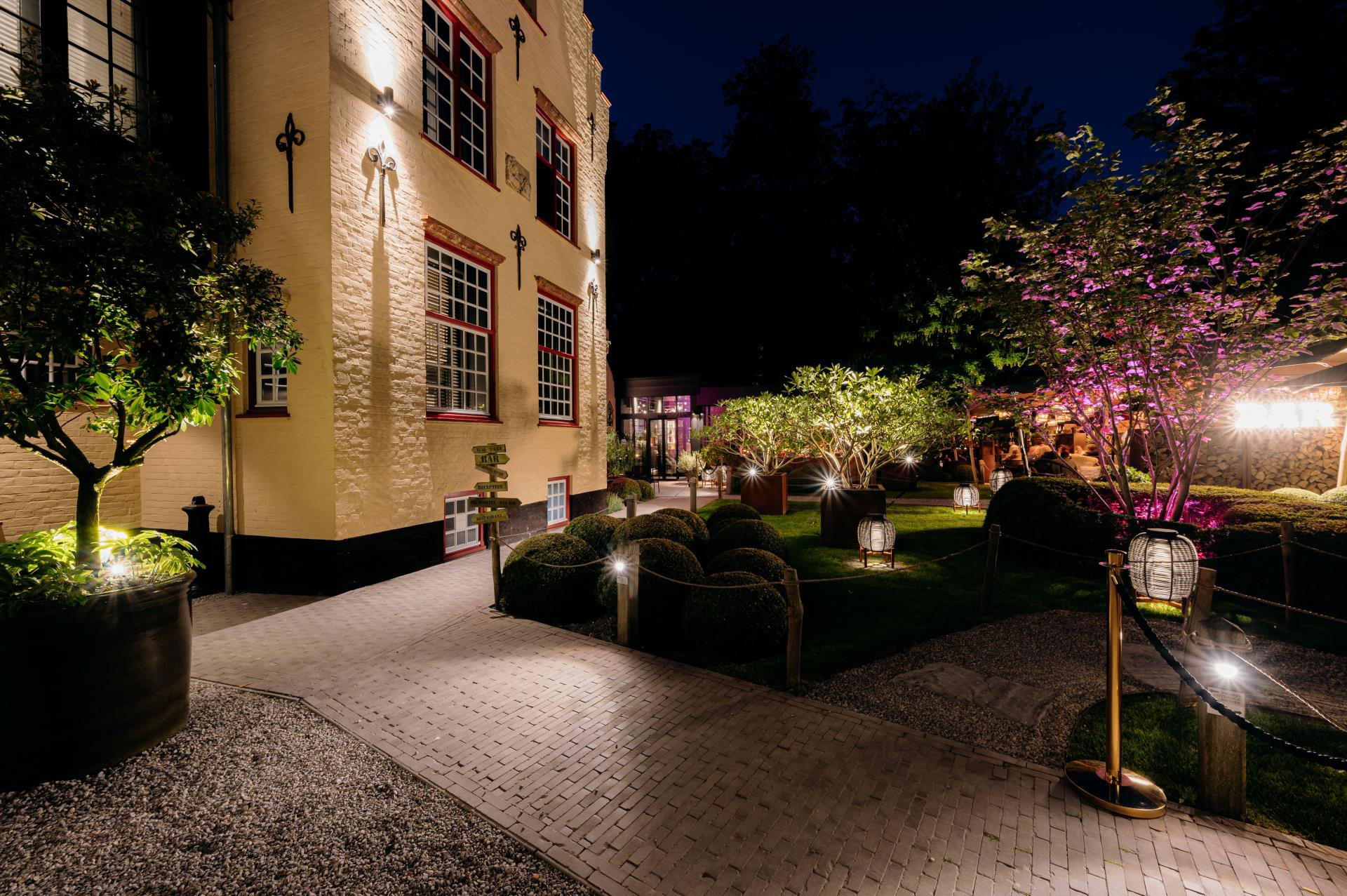
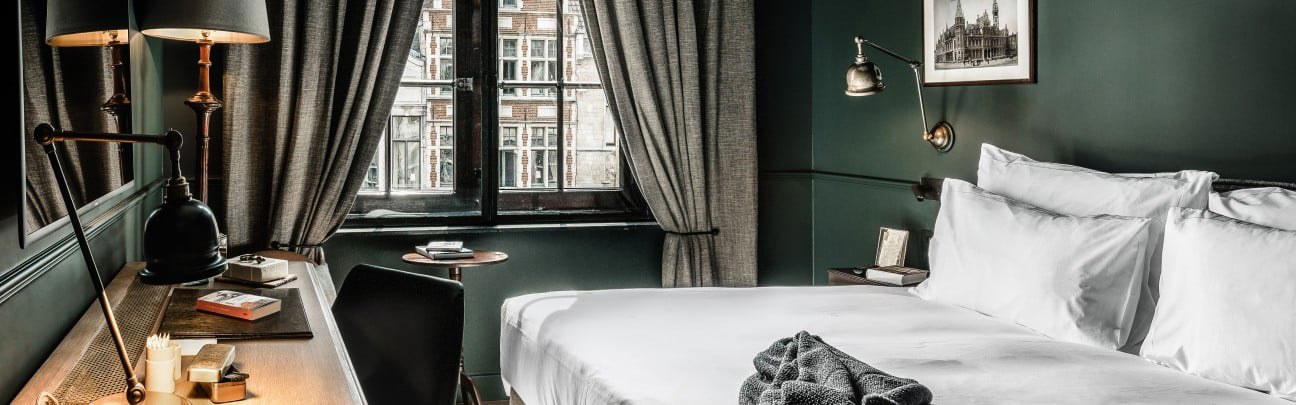
Modern country-house chic with understated elegance; warm, busy energy with intimate lighting and refined simplicity that lets the food take center stage.