
Asahikawa Ramen Nanashi is an eight-seat Kotoni ramen counter selected for Tabelog Ramen HOKKAIDO “Tabelog 100” in 2024 and 2025. It sits in Sapporo’s everyday ramen culture rather than the city’s luxury dining tier, with a counter-only format, no reservations, and a cash-only payment setup that rewards simple planning.
Pearl is the En Primeur Club membership app — saves, bookings, and concierge access live there. Same editors, same standards.
- Address
- 1 Chome-6-16 Kotoni 1 Jo, Nishi Ward, Sapporo, Hokkaido 063-0811, Japan
- Phone
- +81 11-611-8336
- Website
- tabelog.com
 Saves & bookings on Pearl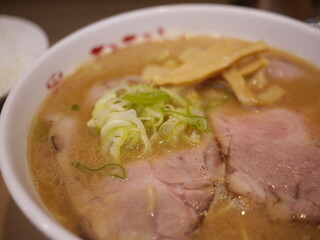
Kotoni’s ramen rhythm is quieter than the tourist-facing circuits around central Sapporo. The draw here is not spectacle, but compression: a small counter, a short distance from the station, and a room built around turnover rather than ceremony. In Hokkaido, that format matters. Ramen is often discussed through regional bowls, but the more revealing distinction is operational: how many seats, how quickly the kitchen moves, and whether the shop belongs to daily eating or destination dining.
Asahikawa Ramen Nanashi belongs to the latter edge of the former category. It is a ramen shop with only eight counter seats, selected for Tabelog Ramen HOKKAIDO “Tabelog 100” in both 2024 and 2025, yet it remains priced and formatted like an everyday stop. That tension is the point. Sapporo has fine dining rooms, bistros, curry houses and specialist counters, but its ramen culture is judged with a different yardstick: consistency, queue tolerance, broth identity, and the discipline of doing one narrow thing under pressure.
Kotoni ramen culture, read through an eight-seat counter
Hokkaido’s noodle map is unusually plural. Sapporo is shorthand for miso ramen, Hakodate for salt, and Asahikawa for soy-led bowls with a colder-climate logic, usually richer and more insulating than Tokyo-style chuka soba. A shop carrying the Asahikawa name inside Sapporo therefore reads as a regional import within the island rather than a generic ramen address. The technique travels, but the local audience decides whether it holds up against Sapporo’s own habits.
The eight-seat format sharpens that test. Counter ramen leaves little room for theatrical service, and the guest watches a system rather than a dining room performance. In this tier, recognition from Tabelog’s Hokkaido ramen list functions less like luxury validation and more like a signal of sustained local use. A score of 3.58 on Tabelog places the shop in a crowded, highly scrutinised category where small differences in broth, noodle handling and pace can define reputation.
This is also where Sapporo’s broader casual dining scene becomes useful context. Soup curry venues such as Rakkyo and SAKURA BROWN operate in a similar affordability band but with a more leisurely table culture, while Univers S. sits in a higher spend bracket and answers a different dining question. Curry specialists including [Curry Senmon Ten] Maruyama Kyoju., Ajanta Indo Curry Ten, Ajanta Sohonke and IN CURRY show how deep Sapporo’s low-to-mid priced specialisation runs. Ramen counters are the faster, tighter version of that same impulse.
Local appetite, imported regional method
The assigned story here is not a chef biography; none is needed. The more interesting point is how Hokkaido diners absorb techniques from elsewhere on the island and treat them as part of Sapporo’s daily repertoire. Asahikawa-style ramen has a distinct place in that conversation because it is close enough to feel local, yet specific enough to carry its own expectations. Sapporo diners do not need ramen explained to them. They need a bowl to justify its place among dozens of alternatives.
That is why a counter such as Asahikawa Ramen Nanashi should be read against both ramen peers and other specialist formats in the city. 175°DENO Tantanmen Sapporo kitaguchi ten points toward the city’s appetite for chilli, sesame and modern noodle variation; Aigues Vives shows another side of Hokkaido’s ingredient-led seriousness outside the ramen lane. The shared pattern is focus. Sapporo rewards places that reduce the offer rather than expand it.
For travellers, the useful comparison is not between ramen and fine dining, but between ramen and other tightly edited Japanese formats. A sukiyaki address such as -Grilled beef Sukiyaki- KAMAKURA TANUKIAN 鎌倉 たぬき庵 in Kamakura, a charcoal-and-tuna venue such as. 鮪と炭火焼き うお炭 秋葉原店 in Tokyo, or a compact contemporary room like.know in Kumamoto all ask diners to respect a narrow premise. The Sapporo ramen counter does the same, but strips away duration, reservation choreography and wine-list deliberation.
There is also a global reading. Japanese noodle culture now travels easily, from (Shoku) Vietnam in Kawasaki to sake-led Japanese dining abroad at Jōdo Saké Bar in Los Angeles and casual rice specialists such as Onigiri Time in Pasadena. What often gets lost in export is the seat-count discipline and everyday pricing logic that define many Japanese originals. Kotoni preserves that scale.
How to place it in a Sapporo itinerary
The practical read is simple: treat this as a focused ramen stop, not a long lunch. The counter-only setup and no-reservation policy make timing part of the experience, while cash-only payment keeps the rhythm old-school. Wednesday closure and sold-out risk require basic scheduling, especially for travellers building a day around western Sapporo rather than central shopping districts.
Its value is strongest for diners who want Sapporo beyond the obvious centre. Kotoni is residential, railway-connected and less curated for visitors, which makes the ramen counter feel more like part of the city’s normal metabolism. That does not make it obscure; the Tabelog 100 selections in 2024 and 2025 have already marked it inside Hokkaido’s ramen conversation. It does mean the experience depends on appetite for a small room, a direct format and minimal ceremony.
For a broader map, use Our full Sapporo restaurants guide to position ramen alongside curry, bistros and specialist counters. Travellers pairing meals with a wider stay can cross-check Our full Sapporo hotels guide, Our full Sapporo bars guide, Our full Sapporo wineries guide and Our full Sapporo experiences guide. For contrast elsewhere in Japan.cafe in Osaka and [ki:] in Kyoto show how compact formats shift when the city, audience and meal category change.
Price Lens
Comparable venues at a glance for context.
| Venue | Cuisine | Price |
|---|---|---|
| Asahikawa Ramen NanashiThis venue — the venue you are viewing | Nishi, Traditional Asahikawa-style Ramen | $ |
| Curry SAVoY | Kita, Japanese Soup Curry | $ |
| Ramen Mokuyoubi | Chūō, Ramen & Tsukemen Shop | $ |
| 鮨処 有馬 | Chūō, Japanese Sweet Shop - Imo Youkan | $ |
| Coffee House | Chūō, Japanese curry restaurant | $ |
| Menya Ozawa | Shiroishi, Hokkaido Ramen | $ |
Recognition history
Dated appearances from independent guides and award organizations, with the underlying list record or original source where available.
Tabelog 100 #46 · No. 46
Tabelog · Tabelog 100 - Ramen - HOKKAIDO - 2025
At a Glance
- Cozy
- Classic
- Solo
- Casual Hangout
- After Work
- Late Night
- Standalone
Current opening hours
- Monday
- 11:30 AM–9 PM
- Tuesday
- 11:30 AM–9 PM
- Wednesday
- Closed
- Thursday
- 11:30 AM–9 PM
- Friday
- 11:30 AM–9 PM
- Saturday
- 11:30 AM–9 PM
- Sunday
- 11:30 AM–9 PM
Hours can change for holidays and private events. Last verified .
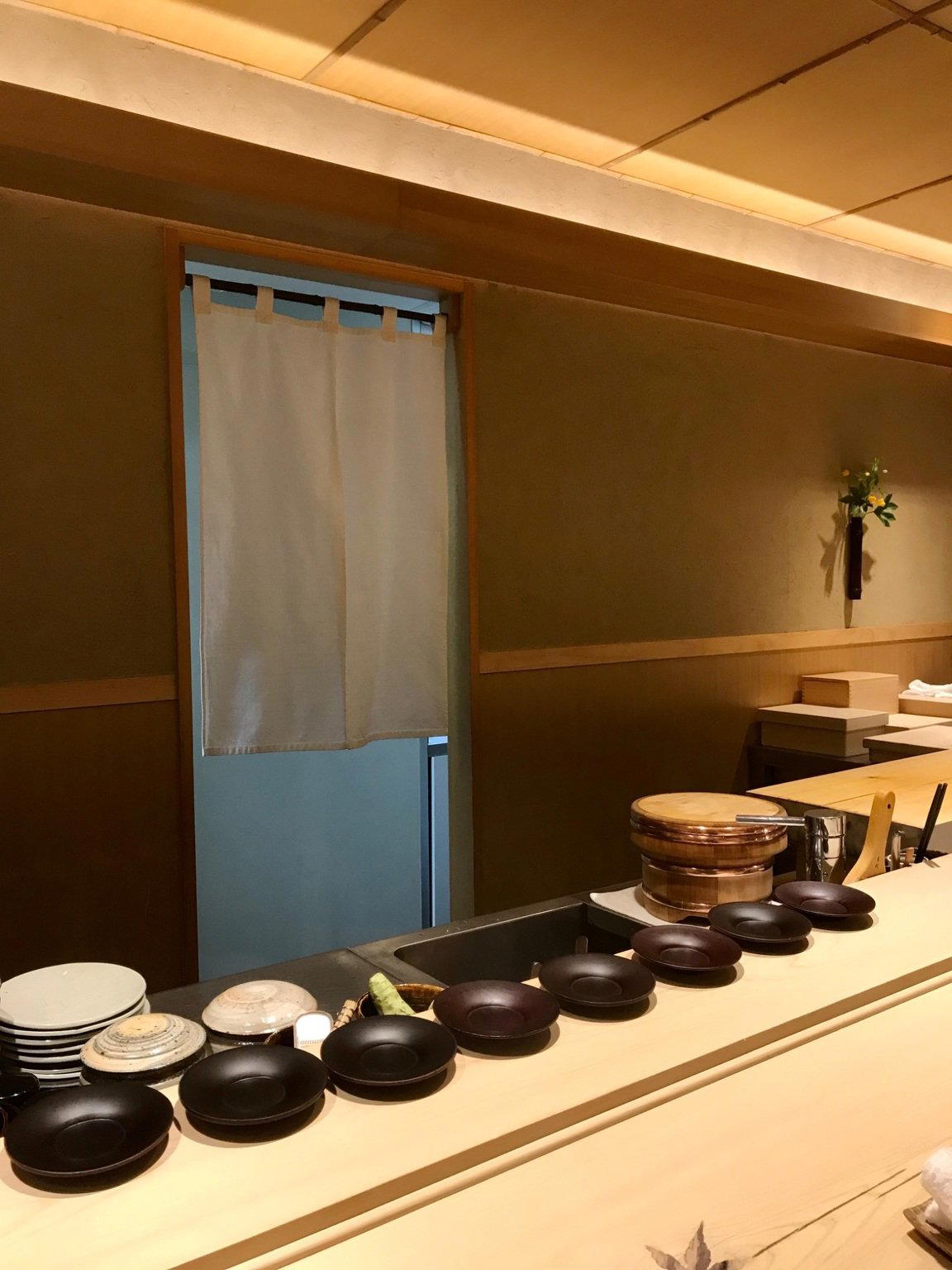
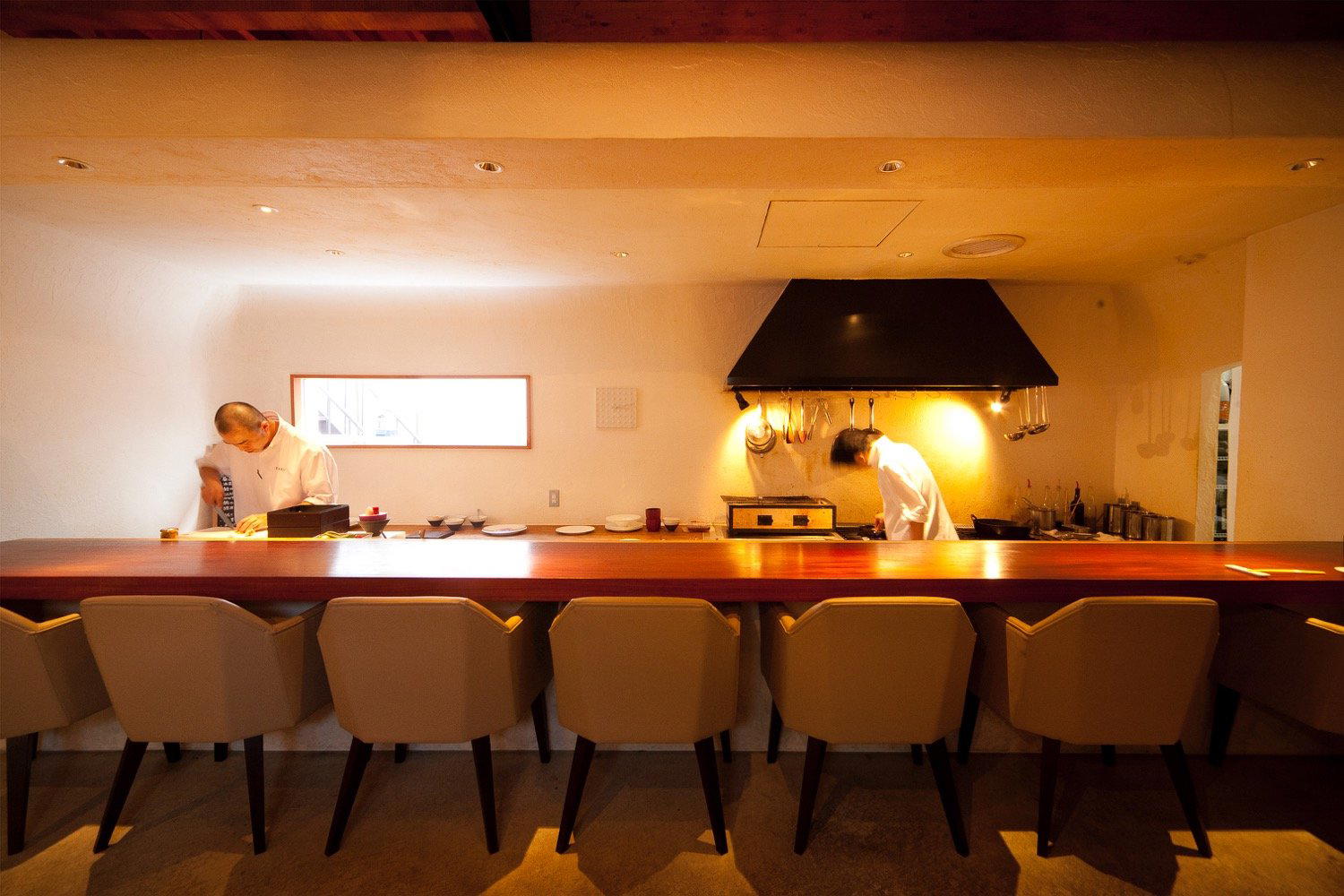
A compact, non-smoking counter ramen shop with a classic local feel; guests sit side-by-side at 8 counter seats, watching bowls of steaming shoyu ramen prepared in a direct, bustling yet relaxed atmosphere typical of neighborhood ramen-ya.