
Ramen Mokuyoubi is a compact Sapporo ramen counter with Tabelog 100 Ramen HOKKAIDO selection in 2025 and a long run of Tabelog 100 appearances dating back to 2017. The format is lean: ramen and tsukemen, counter seating, a sub-¥999 price bracket, no reservations, and a neighbourhood setting near Nishisen Ku Jo Asahiyama Koen Dori.
Pearl is the En Primeur Club membership app — saves, bookings, and concierge access live there. Same editors, same standards.
- Address
- 北海道札幌市中央区南8条西13-3-35
- Phone
- +81115636525
- Website
- tabelog.com
 Saves & bookings on Pearl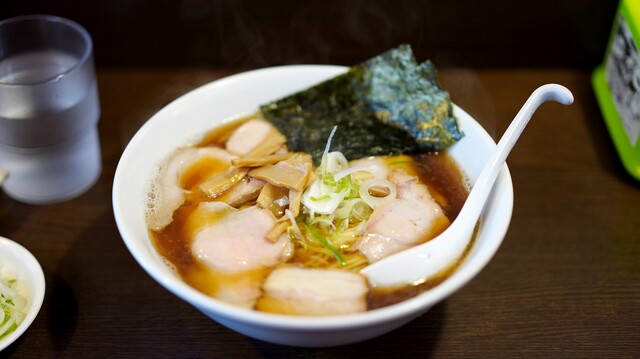
Approaching a serious Sapporo ramen shop rarely feels ceremonial. The city’s ramen culture is built as much around lunch-hour efficiency and winter practicality as around reputation, and the stronger counters tend to announce themselves through queues, steam, and repetition rather than grand design. Ramen Mokuyoubi belongs to that register: a small counter-led room in Chuo-ku where the experience is framed by proximity, turnover, and the direct grammar of a bowl placed in front of the diner.
Sapporo is often reduced to miso ramen in shorthand, but the city’s ramen scene is broader than that label suggests. The more useful distinction is between destination shops built for visitors chasing a known bowl and neighbourhood counters that accumulate local confidence over years. Ramen Mokuyoubi sits closer to the second camp, even with national-level recognition attached. Its repeated Tabelog 100 selections, including Tabelog 100 - Ramen - HOKKAIDO - 2025 and earlier appearances from 2017 onward, place it inside a competitive Hokkaido field where consistency matters more than spectacle.
A small-counter ramen format with serious Hokkaido recognition
The award signal is the reason this address travels beyond its immediate neighbourhood. Tabelog’s Hyakumeiten lists are not Michelin stars, but in Japan they carry a particular kind of consumer authority: they map places that regular diners rate highly enough to survive comparison within a specific category. For ramen, that category is especially unforgiving. Bowls are inexpensive, repeat visits are common, and small differences in broth, noodles, temperature, and pacing are judged by diners who have eaten widely across the genre.
That makes the sub-¥999 bracket notable. In Sapporo, comparable casual destinations can move into the ¥1,000 to ¥1,999 range, while soup curry specialists such as Nishitonden Dori Soup Curry Honpo can sit higher again. Ramen Mokuyoubi operates in the leaner tier, closer on price to Hokkaido Meibutsu La-men Ebi Soba Ichigen Souhonten than to the city’s more expansive curry and soup-curry rooms. The editorial point is not cheapness for its own sake. It is value under pressure: a narrow, quick-service format carrying enough diner confidence to appear repeatedly in a category list where hundreds of ramen shops compete for attention.
The menu category is ramen and tsukemen, which matters because tsukemen changes the meal’s rhythm. Instead of a single bowl that declines in heat as the diner eats, dipping noodles create a more segmented encounter: noodles, broth, repeat. In Sapporo, where many visitors arrive expecting a conventional miso ramen template, a shop that also fits tsukemen into the conversation signals a broader reading of the city’s noodle culture.
Why the room matters as much as the bowl
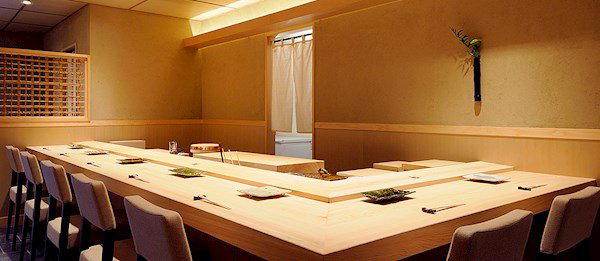
Ten counter seats define the pace. A counter-only ramen shop removes the social sprawl that comes with larger tables; solo diners and pairs tend to fit the format better than slow groups, and the meal becomes naturally concise. That intimacy also sharpens expectations. There is less room for distraction, and less tolerance for a bowl that depends on theatre. This is why small ramen counters can gain serious reputations without adopting fine-dining gestures: the format itself forces attention back onto the essentials.
The restaurant has been open since 2012, which gives its recognition a longer frame than a single year of attention. The 2025 Tabelog 100 selection follows appearances in Hokkaido or East Japan ramen lists across 2024, 2023, 2022, 2021, 2020, 2018, and 2017. In a city where ramen shops are often sorted by neighbourhood loyalty as much as by guide-list visibility, that run is a stronger trust signal than a sudden burst of online heat.
The setting also makes sense within western Chuo-ku rather than the more obvious tourist circuits around Sapporo Station or Susukino. The nearest tram reference is Nishisen Ku Jo Asahiyama Koen Dori, putting the shop in a part of the city where a meal can feel integrated into an ordinary day rather than arranged around a reservation. That is part of its appeal for travellers who already understand Japanese ramen etiquette: go prepared for a compact room, eat with pace, and do not treat the counter as a lounge.
How to fold it into a Sapporo food itinerary
The restaurant works better as a precise daytime stop than as the centrepiece of a long evening. The no-reservations format and compact seating make it a poor choice for anyone trying to coordinate a large group, but a strong one for solo diners, families comfortable with counter seating, or visitors building a day around Chuo-ku rather than a single dining room. The shop is non-smoking, children are welcome, and the price bracket keeps the decision low-risk by Sapporo standards.
For a broader read on the city, compare the ramen lane with Sapporo’s curry culture. 175°DENO Tantanmen Sapporo kitaguchi ten points toward spice and sesame-driven noodle cooking, while [Curry Senmon Ten] Maruyama Kyoju., Ajanta Indo Curry Ten, and Ajanta Sohonke show how the city’s curry canon runs alongside its ramen identity. Aigues Vives adds a different Hokkaido register, useful for understanding how local dining stretches beyond noodle shops.
For planning beyond one meal, use Our full Sapporo restaurants guide, then cross-check the city through Our full Sapporo hotels guide, Our full Sapporo bars guide, Our full Sapporo wineries guide, and Our full Sapporo experiences guide. For wider Japan and international context, recent listings include -Grilled beef Sukiyaki- KAMAKURA TANUKIAN 鎌倉 たぬき庵 in Kamakura. 鮪と炭火焼き うお炭 秋葉原店 in Tokyo.cafe in Osaka.know in Kumamoto, (Shoku) Vietnam in Kawasaki, [ki:] in Kyoto, Jōdo Saké Bar in Los Angeles, and Onigiri Time in Pasadena.
Budget and Context
Comparable venues by cuisine and category.
| Venue | Cuisine | Price |
|---|---|---|
| Ramen MokuyoubiThis venue — the venue you are viewing | Chūō, Ramen & Tsukemen Shop | $ |
| MEDICINEMAN | Chūō, Sapporo soup curry house | $ |
| 薄野 鮨金 | Chūō, japanese | $ |
| Sumire Sapporo susukino ten | Chūō, Japanese Ramen | $ |
| CURRY ’OHANA | Higashi, Japanese Curry House | $ |
| Spice&mill | Shiroishi, Japanese Soup Curry | $ |
Recognition history
Dated appearances from independent guides and award organizations, with the underlying list record or original source where available.
Tabelog 100 #61 · No. 61
Tabelog · Tabelog 100 - Ramen - HOKKAIDO - 2025
At a Glance
- Cozy
- Intimate
- Solo
- Family
- Casual Hangout
- After Work
- Standalone
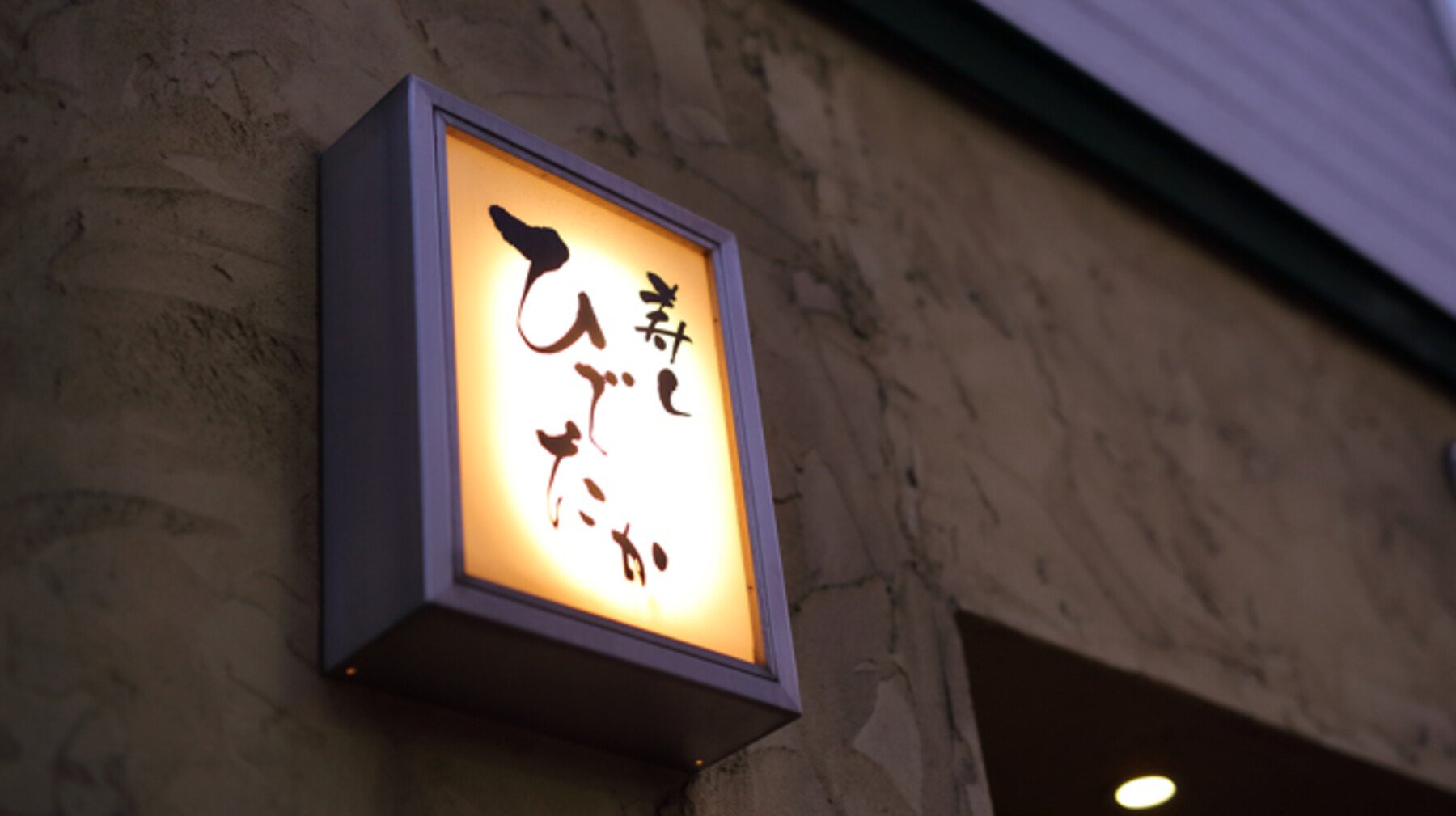
Small, counter-only neighborhood ramen shop with a casual, no-frills feel; bright and clean with a relaxed, friendly atmosphere that suits solo diners and families during its short daytime service hours.