
Curry SAVoY sits in Sapporo’s soup-curry territory near the station, where quick access and serious local scrutiny matter as much as comfort. Its Tabelog Curry EAST “Tabelog 100” selections in 2023 and 2024 place it within a competitive Hokkaido curry circuit rather than the city’s tourist-only dining lane.
Pearl is the En Primeur Club membership app — saves, bookings, and concierge access live there. Same editors, same standards.
- Address
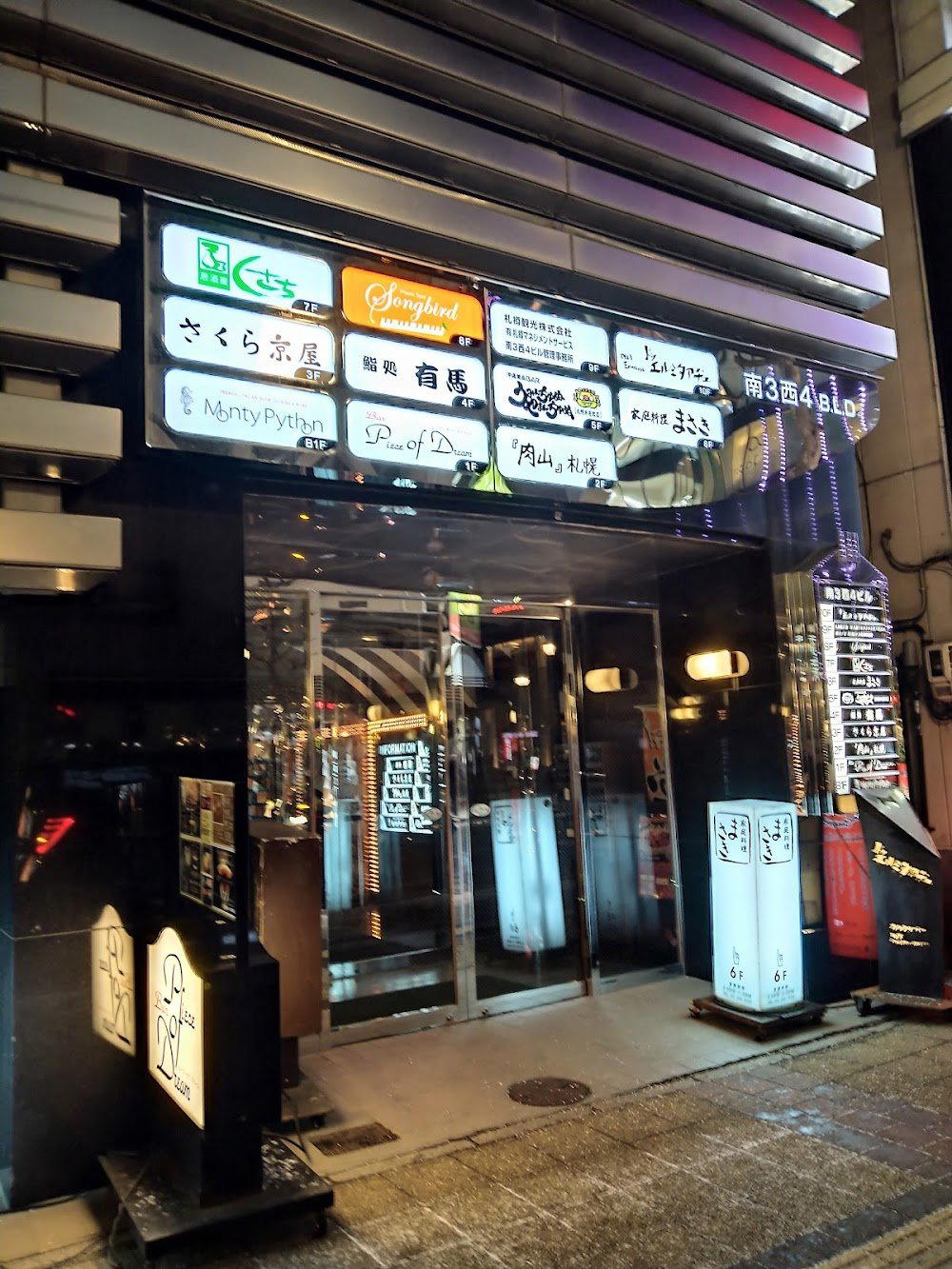
- Japan, 〒060-0808 Hokkaido, Sapporo, Kita Ward, Kita 8 Jonishi, 4 稲津ビル 地下1階
- Phone
- +81 11-717-5959
- Website
- tabelog.com
 Saves & bookings on Pearl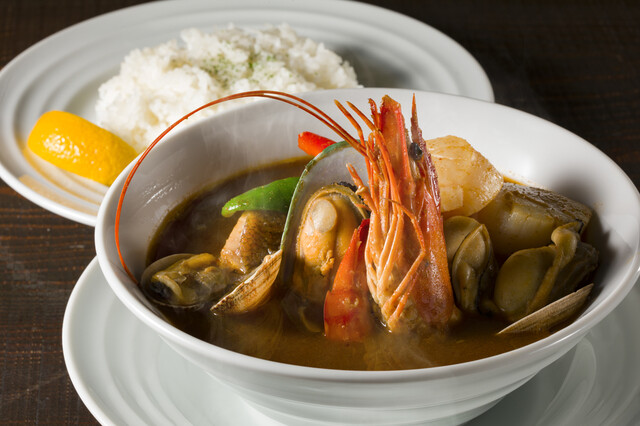
The approach is pure Sapporo transit dining: below street level, close to the north-side flow of station commuters, students, office workers, and visitors moving between trains and hotels. That setting matters: in Sapporo, soup curry is not a novelty but a local category with expectations around broth, spice, rice, vegetables, and speed. Curry SAVoY belongs to the practical urban version of the tradition, where the room must work for weekday lunch as convincingly as for a casual evening meal.
Sapporo’s curry culture rewards clarity. With ramen, seafood, Jingisukan, parfait culture, and hotel dining competing for attention, soup curry survives by being specific: a thinner, aromatic curry broth, usually built around customizable heat, with a plate that can move from everyday lunch to destination meal without changing costume. In that context, a Tabelog Curry EAST “Tabelog 100” selection in both 2023 and 2024 is not decoration. It signals that the restaurant has cleared a crowded category where repeat local use and curry-specialist attention matter more than luxury theatrics.
Station-side soup curry with local-category pressure
The neighbourhood gives the meal its rhythm. Around Sapporo Station, dining splits between fast ramen counters, department-store restaurants, hotel dining rooms, and compact specialists built for people who know exactly what they came to eat. Curry SAVoY fits the last camp. It is not turning soup curry into a formal tasting format; its appeal is accessibility judged against serious local peers.
That makes it useful for travellers who want Sapporo food culture without committing every meal to seafood or noodles. The northern station area is ideal for this decision: direct, weather-conscious, and less dependent on late-night Susukino bar energy. Nearby comparisons frame the choice. 175°DENO Tantanmen Sapporo kitaguchi ten answers the same station-adjacent need through sesame heat and ramen-shop pace, while Curry SAVoY points to Sapporo’s own curry dialect. For curry-focused eating elsewhere in the city, [Curry Senmon Ten] Maruyama Kyoju., Ajanta Indo Curry Ten, and Ajanta Sohonke show how broad the local curry conversation becomes once it leaves the station grid.
The useful distinction is price-to-purpose. Sapporo has polished hotel restaurants and long-form dinners, but soup curry works because it needs neither frame. The restaurant sits in the modest everyday bracket, with recognition that lifts it above anonymous convenience dining without asking the diner to treat lunch as an event. That is the sweet spot for a city where winter weather, train schedules, and short daylight make proximity feel like part of the cooking.
Why the Tabelog curry recognition matters here
Tabelog’s Hyakumeiten lists are category-specific, which matters for curry. A general restaurant accolade can blur format; a curry selection puts the restaurant inside a field where broth, spice structure, rice handling, and consistency are the argument. For Sapporo, the EAST curry list also stretches beyond Hokkaido, placing a local soup-curry specialist in a wider eastern Japan conversation rather than only a neighbourhood ranking.
The restaurant’s 3.67 Tabelog score reinforces the point in a Japanese dining culture where numerical ratings often move slowly and category specialists can carry substantial local credibility without looking grand from the street. Awards and ratings are not a guarantee of personal taste, especially in a dish style where spice preference is intimate. They do, however, tell the reader this is not a random curry stop chosen for convenience alone.
Soup curry is a strong lens on Sapporo’s food identity because it is casual yet place-specific. It lacks the export shorthand of sushi or ramen, yet within Hokkaido it has a recognisable grammar: broth rather than thick roux, rice alongside rather than buried, and a structure that keeps vegetables and proteins visible. The restaurant’s public categorisation as Soup Curry places it directly inside that grammar. The phrase “particular about fish” attached to the food profile adds another Sapporo note, aligning the curry format with Hokkaido’s seafood consciousness rather than separating curry from the region’s produce culture.
How to place it in a Sapporo eating itinerary
The sensible use case is a focused meal near the station, especially when the day is built around trains, shopping, museums, or hotel transfers. It belongs before or after broader city wandering rather than as the sole anchor of a night out. Travellers mapping a wider eating route can use Our full Sapporo restaurants guide for the city’s dining spread, then layer in Our full Sapporo hotels guide, Our full Sapporo bars guide, Our full Sapporo wineries guide, and Our full Sapporo experiences guide to understand how the station area connects with the rest of the city.
For readers building a Japan-wide food map, the contrast is instructive. Sapporo soup curry has little in common with the beef-focused pull of -Grilled beef Sukiyaki- KAMAKURA TANUKIAN 鎌倉 たぬき庵 in Kamakura, the charcoal-and-tuna lane of. 鮪と炭火焼き うお炭 秋葉原店 in Tokyo, or the cafe register of.cafe in Osaka. It is equally distant from the contemporary formats at.know in Kumamoto, (Shoku) Vietnam in Kawasaki, and [ki:] in Kyoto. Even overseas Japanese-adjacent references such as Jōdo Saké Bar in Los Angeles and Onigiri Time in Pasadena underline the point: soup curry reads clearest in Sapporo, where the form is part of the city’s everyday dining vocabulary.
The verdict is practical and category-led. The restaurant is strongest as a Sapporo-specific meal that needs no ceremony, backed by repeat Tabelog Curry EAST recognition and positioned in a neighbourhood where convenience can sharpen rather than dilute the experience. Pair it with another station-area specialist, or keep it as the curry counterpoint to a seafood-heavy itinerary. For a different Sapporo texture, Aigues Vives points away from curry entirely, useful if the goal is to see how much range the city can hold in one trip.
The Minimal Set
Comparable venues to anchor price and recognition.
| Venue | Cuisine | Price | Notes |
|---|---|---|---|
| Curry SAVoYThis venue — the venue you are viewing | Kita, Japanese Soup Curry | $ | Not listed |
| Menya Suzuran | Not listed | $ | Chūō, Sapporo ramen & soup curry-style ramen |
| Sapporo Ramen Kifu Susukino ten | Chūō, Japanese Ramen | $ | Not listed |
| Koku Ichiban Ramen Midoriya | Chūō, Ramen shop | $ | Not listed |
| Eniwa Oton Shokudo | Eniwa, Hokkaido ramen shop | $ | Not listed |
| Saera | Chūō, Japanese kissaten & sandwich shop | $ | Not listed |
Recognition history
Dated appearances from independent guides and award organizations, with the underlying list record or original source where available.
Tabelog 100 #94 · No. 94
Tabelog · Tabelog 100 - Curry - EAST - 2024



At a Glance
- Cozy
- Classic
- Solo
- Casual Hangout
- Group Dining
- Standalone
Current opening hours
- Monday
- 11:30 AM–3 PM, 5–9:30 PM
- Tuesday
- 11:30 AM–3 PM, 5–9:30 PM
- Wednesday
- 11:30 AM–3 PM, 5–9:30 PM
- Thursday
- 11:30 AM–3 PM, 5–9:30 PM
- Friday
- 11:30 AM–3 PM, 5–9:30 PM
- Saturday
- 11:30 AM–9:30 PM
- Sunday
- 11:30 AM–9:30 PM
Hours can change for holidays and private events. Last verified .
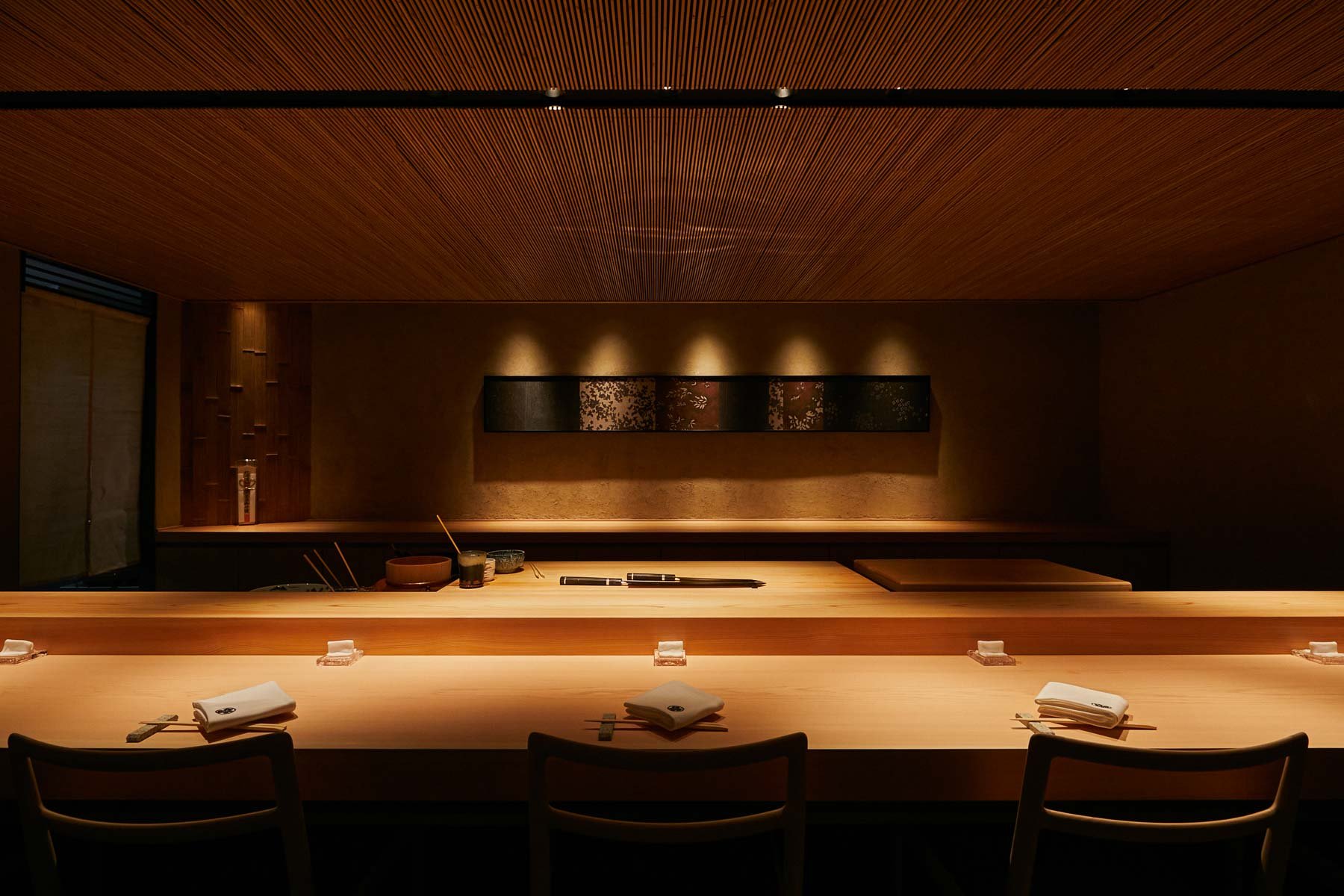
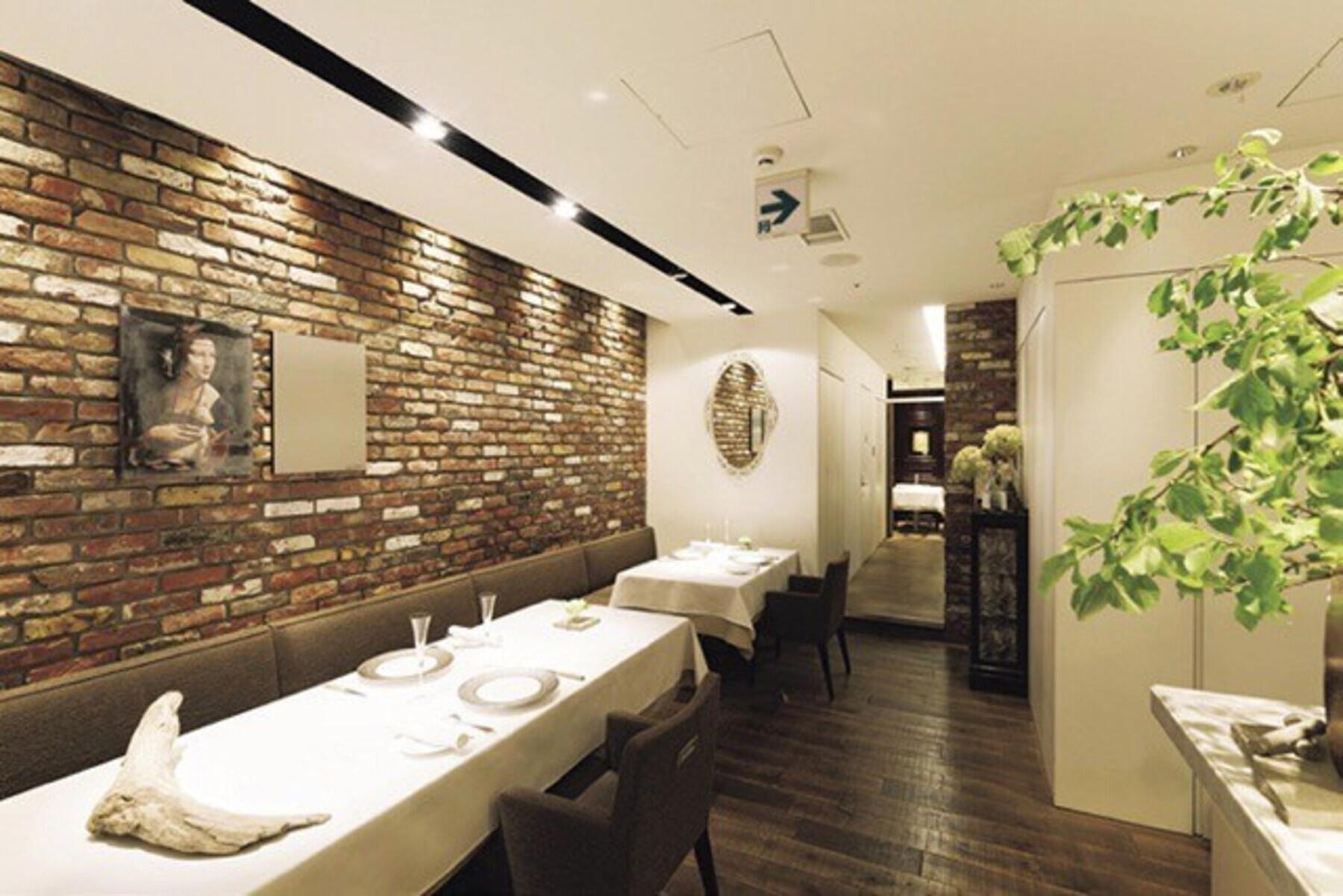
A basement restaurant with a hidden-gem feel and a spice-filled atmosphere; press descriptions emphasize a refined, relaxed mood rather than a loud or flashy one.